





















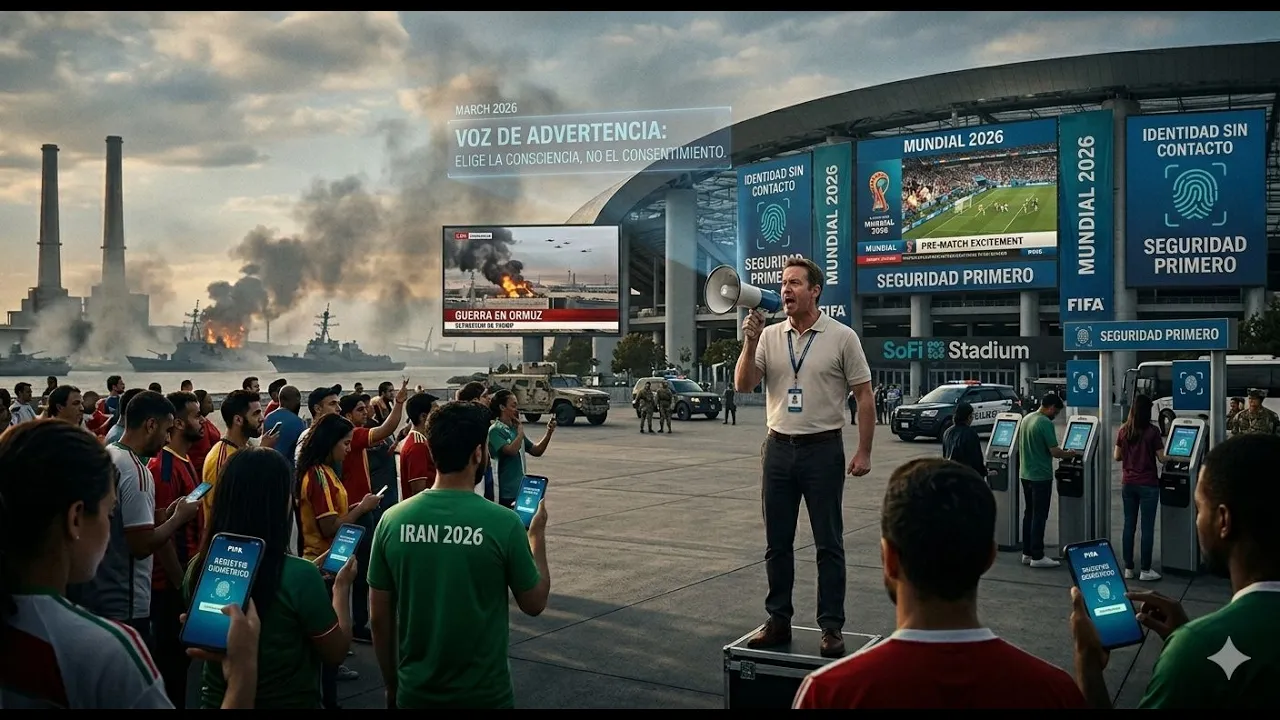



Surveillance capitalism is a new economic system where private human experience is unilaterally captured, converted into behavioral data through machine intelligence, and sold as prediction products in a behavioral futures marketplace, effectively commodifying our future behaviors for profit.
Surveillance Capitalism Explained: Shoshana Zuboff on Data and Power
Added:The Fundamentals of the Attention Economy: Understanding how 'free' digital platforms monetize user attention and engagement through targeted advertising.
Basic Data Literacy and Tracking Mechanisms: Familiarity with how personal data is harvested online via cookies, tracking pixels, and user profiling.
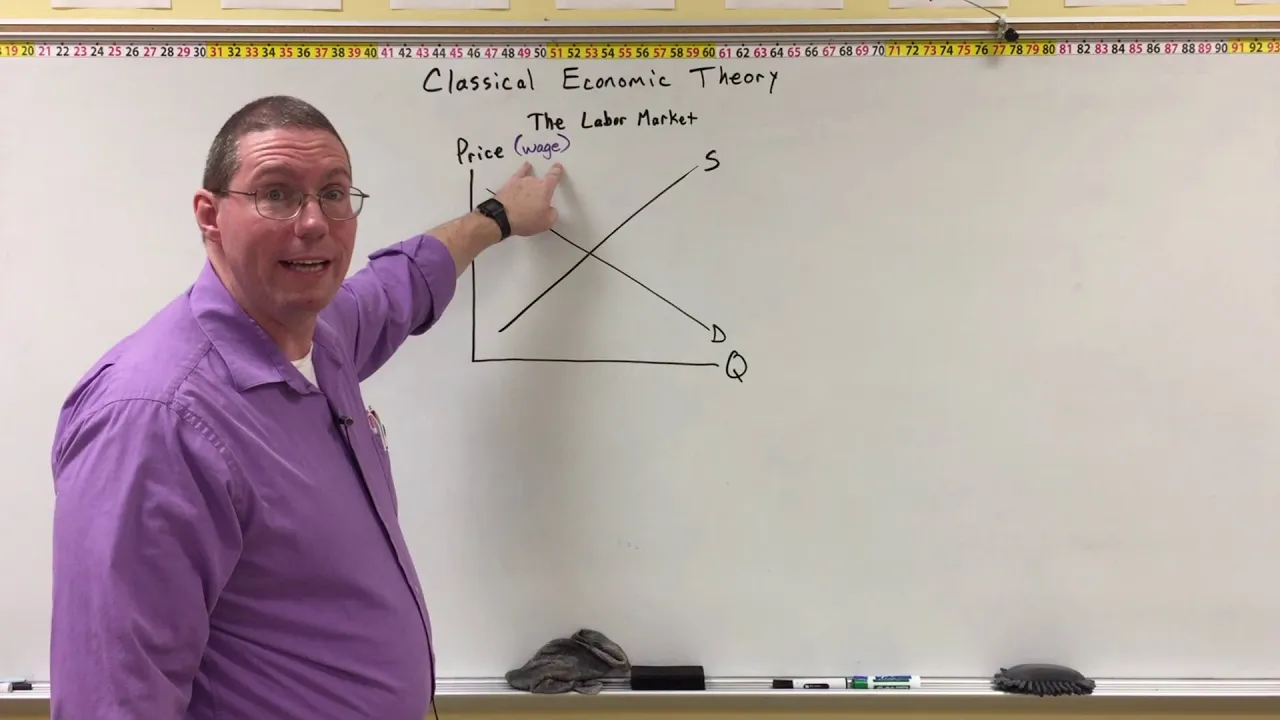
Classical Economic Theory: A baseline understanding of traditional capitalist markets, commodity production, and labor-to-profit dynamics to act as a point of contrast.
Global Data Privacy Regulations: Analyzing policy frameworks like the GDPR (Europe) and CCPA (California) that attempt to curb corporate data exploitation.
Algorithmic Manipulation and Behavioral Nudging: Studying how predictive analytics are weaponized to actively modify and control human behavior at scale.
Digital Sovereignty and Tech Resistance: Exploring decentralized web architectures, open-source alternatives, and privacy-enhancing technologies (PETs).
The Geopolitics of Artificial Intelligence: Examining how the data-mining infrastructure of surveillance capitalism powers modern machine learning and geopolitical influence.
54.1K views756likes3:13Original Release: 2019-05-14
so what is surveillance capitalism so it has long been understood that capitalism evolves by taking things that live outside the marketplace and bringing them into the market so that they can be sold involved for example the idea of nature with industrial capitalism nature was dragged into the marketplace and reborn as real-estate land that could be bought and sold historians have written about the way in which human activity itself the kinds of things that people did in their homes in their cottages in their about Gardens those activities were brought into the marketplace and reborn as labor labor that could be assigned an hourly wage bought and sold in the marketplace in an interesting way surveillance capitalism follows in this tradition and I say interesting because there are other ways in which surveillance capitalism sharply diverges from the norms and principles of capitalism over the centuries but in this respect it mirrors this history in that surveillance capitalism has claimed something from outside the market and brought it into the market to sell and buy but in this case the territory that it has claimed is private human experience private human experience has been claimed for the marketplace to be sold and purchased as behavioral data and more specifically the way this works is that our experience is claimed unilaterally for the taking our experience is rendered as behavioral data by the takers those behavioral data are then combined with very sophisticated machine intelligence capabilities the outcome of the computation and behavioral data the outcome is what I call a prediction product these are computational predictions of what we will do now soon and later those predictions are then sold into a new kind of marketplace what does this marketplace trading in its trading in bets on our future behavior I call it a behavioral futures marketplace so these prediction products are like futures derivatives but in this case they're derivatives of our behavior so the bottom line friends is that our futures are being sold and bought in a new kind of behavioral marketplace
Up Next
36:11
Sport Sociology Basics: People, Culture, and Social Theories
@markvermillion3146
17.2K views•2017-07-01

9:26
Georg Simmel's Metropolis & Mental Life Explained | Urban Sociology Lecture
@jaredbok3816
833 views•2023-07-01

19:23
How to Analyze Conversations Scientifically | Elizabeth Stokoe | TEDx
@TEDx
1M views•2014-12-04
9:41
What is Sociology? The Sociological Perspective Explained
@crashcourse
4.6M views•2017-03-13
Related Study Plans & Knowledge Roadmaps
Structured learning paths in Sociology
sociology
Disaster Sociology: Risk, Power & Recovery
01Foundations of Disaster Sociology
02Structural Vulnerability & Social Inequality
03Ulrich Beck and the 'Risk Society'
+ 2 more learning modules
15h5 modules
Explore Roadmap
sociology
Celebrity Culture: From Hollywood to TikTok
01Foundations of Celebrity Sociology
02The Rise of Micro-Celebrity & Digital Platforms
03Parasocial Relationships & Algorithmic Intimacy
+ 2 more learning modules
12h5 modules
Explore Roadmap
sociology
Hostile Architecture: Space, Power & Control
01Introduction to the Sociology of Space
02Social Control and Surveillance in the City
03Hostile Architecture and Defensive Design
+ 2 more learning modules
12h5 modules
Explore Roadmap
sociology
Loneliness Epidemic: Third Places & Isolation
01Foundations of Social Capital and Community Cohesion
02The Death of Third Places and Urban Space Erosion
03The Privatization of Leisure and Atomization
+ 2 more learning modules
12h5 modules
Explore Roadmap