

















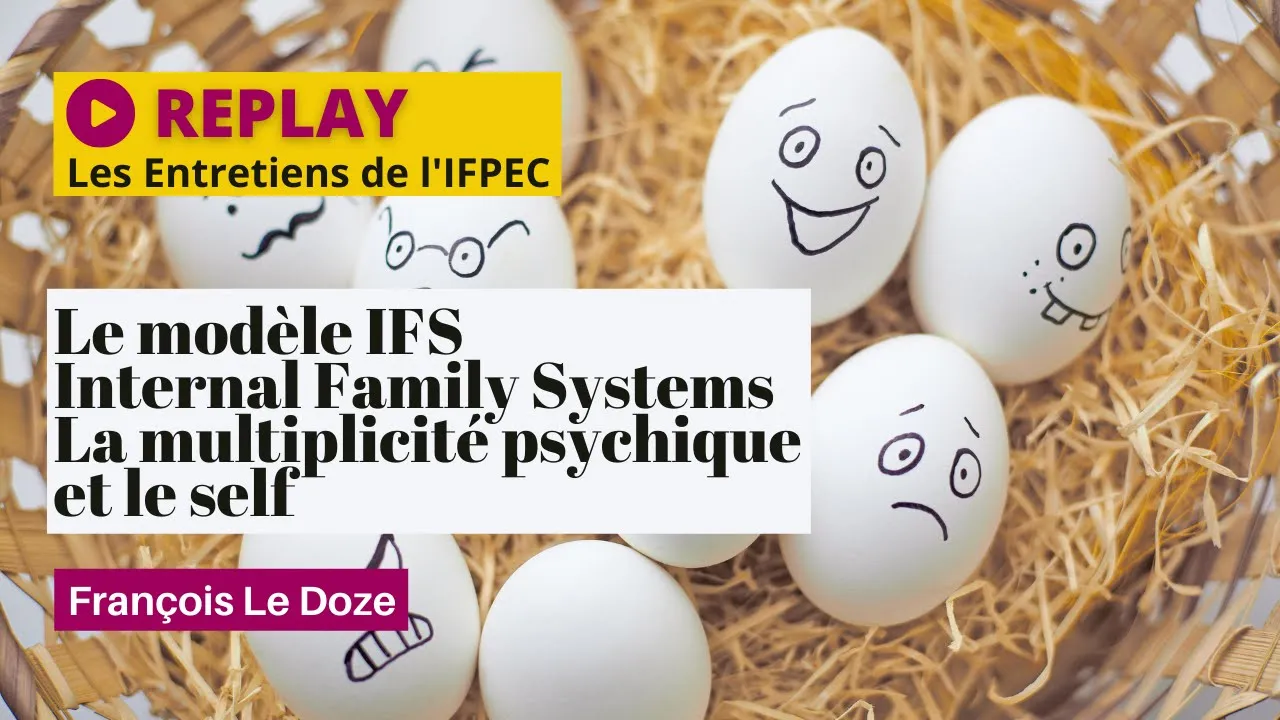



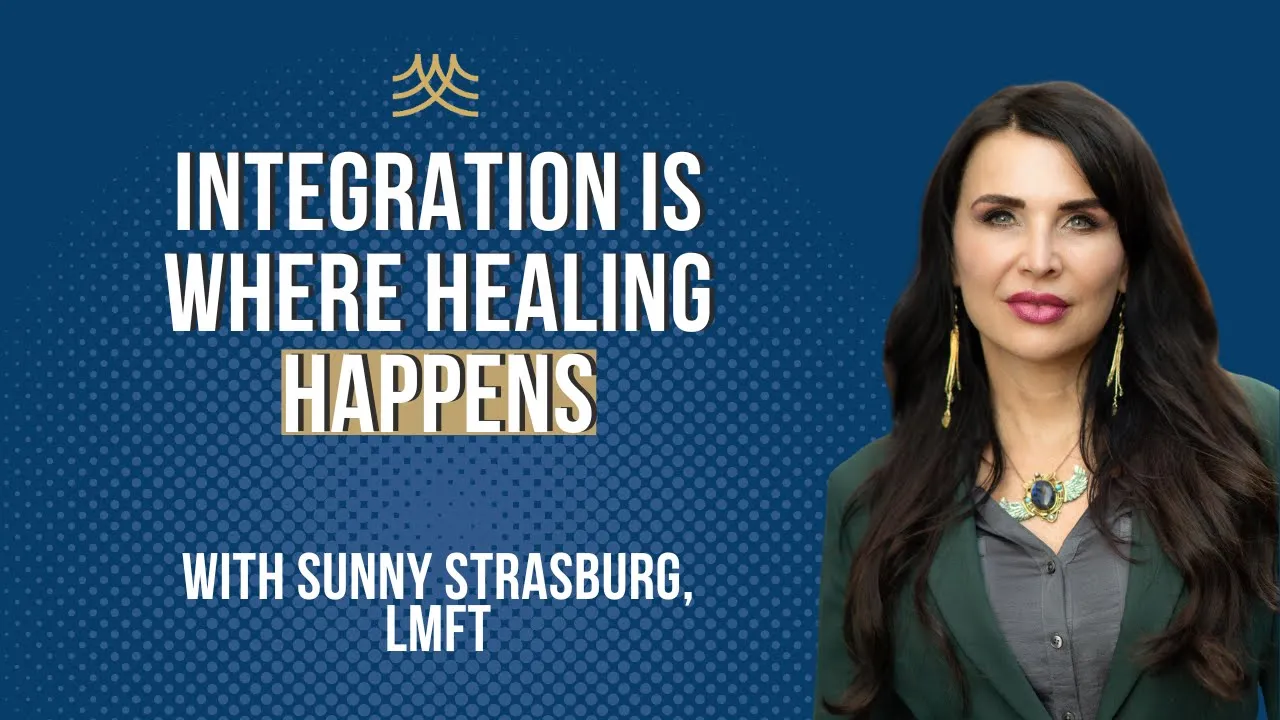
Internal Family Systems (IFS) is a therapeutic approach developed by Dr. Dick Schwartz that recognizes the mind as naturally multiple, containing various parts or sub-personalities that serve different functions. The framework identifies three categories of parts: Exiles (vulnerable parts carrying extreme burdens from trauma), Managers (protective parts that control external circumstances), and Firefighters (emergency responders that react to triggered emotions). At the core of every person lies the Self, characterized by eight qualities known as the 8 C's of self-leadership: calm, confidence, curiosity, compassion, courage, clarity, connectedness, and creativity. This Self is not damaged by trauma and can heal both internally and externally. The key principle is that parts should be approached with curiosity and understanding rather than fought against, as even parts that have done harmful things reveal their secret histories of trauma when approached with compassion. This non-pathologizing framework offers an alternative to traditional mental health approaches that often ignore or fight against inner parts.
Internal Family Systems Therapy: The 8 C's of Self-Leadership
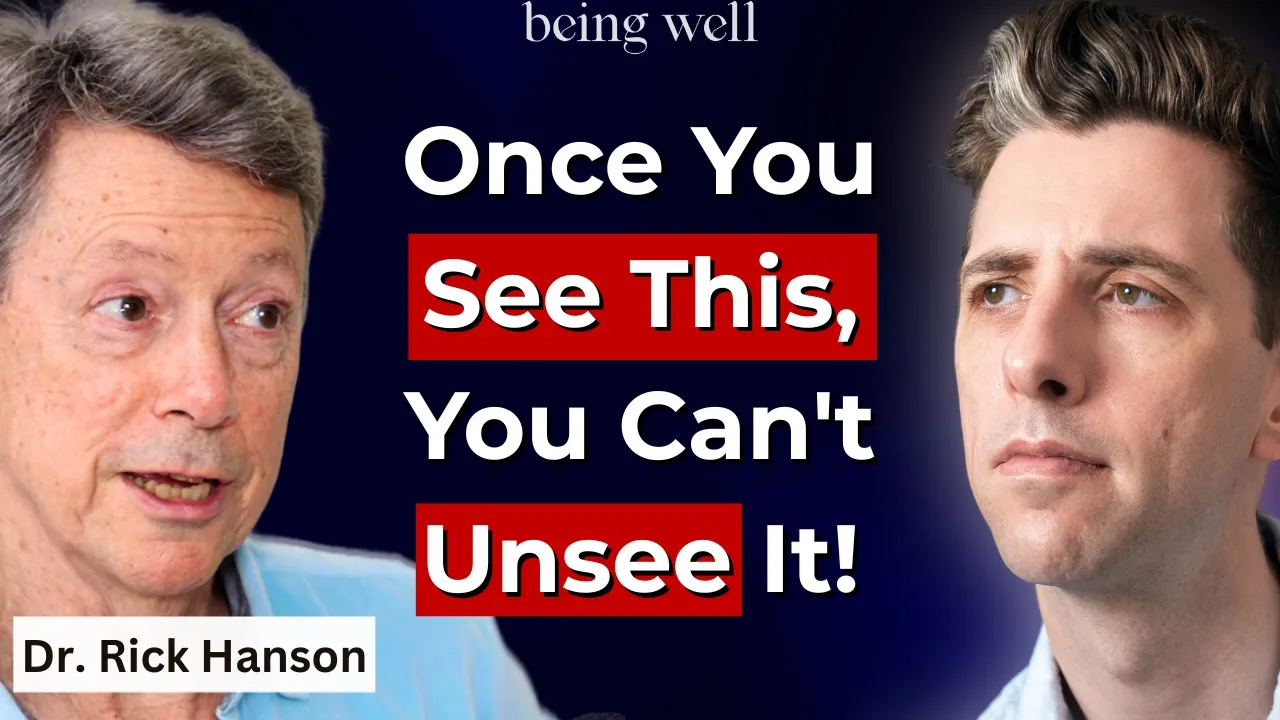
Added:part of the danger with psychedelics is that you can bypass protectors and get to Exiles without permission and then have a backlash and then that scares everybody including the facilitator but if you you know if you think of it through the ifs lens it's just a protector backlashing so let's get to know it and calm it down and apologize to it for bypassing it and everybody gets okay then foreign and welcome to field tripping today we are joined by Dr Richard Schwartz the person who developed the therapeutic approach called internal family systems now before you go about thinking this sounds like a great approach to let your parents know just how much they failed you and how your siblings are all jerks take a breath that's not what internal family systems is about rather it's an approach that recognizes all the multi-dimensional aspects of who we are and in the truest sense of the word in my opinion gives a voice to them we will dive into more details in the conversation joining in the conversation today as always is our very own Dr Mike Dao a field trip therapist and co-author of our forthcoming book The ketamine breakthrough who uses ifs as part of our ketamine assisted therapy work at field trip party on Mike party on Dick are you ready to go field tripping and I have no idea why I brought in that Wayne's World reference but as I Was preparing for it last night it felt good so I'm just going to drop it in there and stand by it how are you guys doing today well I love that intro ronanza thank you um so let's hop right into it so probably to the greatest May of Conrad and Macy are great producers who put in a lot of effort to preparing for this podcast I took out the description of what ifs actually is because I wanted to hear it directly from your mouth um so what exactly is ifs that's changed over the years originally was going to be or is was a model of psychotherapy but it's kind of outgrown that it's it's still used a lot in therapy but it's become a kind of Life practice or spiritual practice or just a different Paradigm for understanding the minds and relating to the mind so it's all that and can you go into a little bit more depth in terms of understanding some of the the Frameworks um and I know there's the eight C's and all the other different acronyms but uh references that you use but it'd be great to give everybody a kind of more in-depth understanding of it and if it's helpful maybe even explain where it came from which was my next question which was uh like most things that came out of the 1980s that are worth forgetting um apologies to people born in the decade but I'm going to point to Millie Vanilli and rest my case but ifs is something that has stood the test of time so what was the kernel of inspiration that led to it so maybe talk about the how you came about it and and then if you can talk about the framework in a little bit more detail that would be great yeah happy to do that so I'm trained as a family therapist and uh I have a PhD in that and that was back in the day when we family therapists were pretty obnoxious and we thought we found the holy grail and that people who mucked around in the inner world were wasting their times and I wanted to prove that so I gathered together a bunch of actually bulimic kids at this institute I was working out in and did an outcome study and found that I could reorganize the families just right and the kids kept binging and purging so out of frustration I began asking why and they started talking this at the time strange language of parts a couple of them in particular were very articulate about it and would say some version of I've got this critic that just drives me crazy who calls me names all day and then there's another part that comes up when I'm really hard on myself that makes me feel worthless and empty alone and Young and then to get away from that here comes the binge and kind of takes me out but that only lasts so long and then the critic comes back even even worse because of the binge and then that makes me feel worthless again so the binge has to come back and as a systems person you know because that's what I was studying in families where these sequences of interaction that kept self-perpetuating and so I got intrigued and long story short you know initially I made the mistake of assuming what the rest of the field assumed about what these were which is the critics of some kind of internalized parental voice and the binge is an out of control impulse and so I was having my clients fight with the critic and control the binge they were getting worse but I didn't know what else to do and then again long story short I learned that they aren't what they seemed and that they deserve to be listened to and so then I started just trying to help my clients get curious and and stay open and ask questions of these parts and have these inner dialogues and again I'm a family therapist I was doing that with four and five different parts and and just trying to get a sense of the system inside of people so that's the onset of the idea that people are multiple which is a kind of radical position in the field that actually were born with what I call Parts other systems call sub personalities or ego States and that it's a good thing because they're all valuable and they they have wonderful qualities uh resources to help us in our lives so what I came to learn is that we're all multiple personalities in the sense that we all have these parts they're not the product of trauma the breath the mind isn't unitary it actually is naturally multiple and uh because they're all valuable and and from my point of view we're born with them either manifested or dormant and so that's all great and if you were born in a perfectly harmonious family you know perfectly harmonious culture you wouldn't even notice them because they'd all be in their valuable roles just helping you in your life you might notice them as thoughts and stuff but because we're not they get forced out of their naturally valuable States into roles that can be quite extreme and damaging sometimes by trauma or by what in our field is called attachment this attachment injuries or by being bullied or abandoned or whatever bad happened to you uh and they get Frozen in Time as if that what happened back in that trauma is still happening and they think you're still five years old and they've got to protect you in the way they did back then and they also from the traumas pick up what I'm going to call burdens the definition of which are extreme emotions and beliefs that came into you during the trauma and attached to these parts almost like a virus and and then drive the way they operate so too often our culture and our psychotherapies presume that the part is the burden that it carries and try to fight with it or get rid of it and that just makes them more extreme so yeah it's a it was a kind of radical position in uh our culture and our field that everyone's a multiple personality and that it's a good thing and like I was saying I didn't this didn't come out of my mind this this came from hearing about all this from clients and taking them seriously and if I had if I had an advantage it was that I didn't study psychoanalysis or psychodynamic therapies because I would have come with a lot of presumptions about what they were but because I assiduously avoided that I really had to trust what my clients were saying and listen to their part so an even bigger part of the model I think the biggest discovery of the model is that in addition to these parts that I'm talking about we all are are at our core our Essence what I call the self with a capital s and that's another one I just stumbled onto because I was like I said I was trying to get these dialogues to happen once I got hit to the fact they weren't what they seemed that they deserved to be listened to I was as a family therapist trying to have these inner family discussions where I might have you Mike talk to your critic and listen to it rather than fight with it and I'd be doing that and it's going okay and then suddenly you're furious with the critic the critic gets defensive and it all breaks down and it reminded me of family sessions where I might be working with two family members and one of them gets angry at the other and we were taught to look around the room and see if there isn't somebody covertly siding with the one who's angry and is an alliance with that person against the third and often that was true and we found if we could get that third party to just stay out of it and move back even in the room the conversation would go okay between the other two I thought maybe the same thing's happening in this inner World maybe as I'm trying to have my client talk to their critic in this case some part that hates the critics jumped in is doing the talking so I would I would say Mike could you find the one who's so angry at the critic and could you ask it to just relax just chill for a little while and let us have a conversation let us stay curious about the critic and to my amazement clients would say okay it did and I'd say now how do you feel toward the critic and it'd be an entirely different answer much of the time spontaneously in the direction of I'm just kind of curious about why it's calling me names said with calm confidence even compassion and certainly curiosity and in that state the conversation would go well the critic would reveal its secret history of how it got into this role and we could actually do a lot to help it out of that role and when I would try this with other clients the simple Act of getting these other parts to open space inside was like the same person would pop out with those same c word qualities of calm confidence curiosity compassion and then also as I started studying it more courage Clarity creativity and connectedness so those are what we call the eight C's of self-leadership and it turns out now 40 years later thousands of people using this later that self with a capital s that those qualities isn't everybody can't be damaged knows how to heal both internally and externally and is just beneath the surface of these parts such that when they open space it pops out spontaneously so that's a big deal that that and again I just stumbled onto that Discovery so you know I was like everybody else and I thought well maybe the critics okay but is a part that molested a little kid okay or is a you know I I would actually seek out populations so I could test it and yeah what I found over and over was when approached from this place of curiosity all of these parts even those who've done heinous things would reveal their secret histories of of where they got their roles and the trauma and how they hate what they're doing but they think it's absolutely necessary to keep the client safe and uh that was mind-blowing to me because uh you know it's really hard to understand how somebody who blessed little kids how that part could have any good intention but you know as you do it you learn that that's true that so I my most recent book is called no bad parts because that's absolutely over these 40 years what we found and so yeah this is very counter not just a CBT but to most other therapies that actually try to help people at best ignore these parts and at worst try to get rid of them or fight with them all the time just um taking a little bit of a step back to make sure that we're articulating this in a way that if someone's not familiar with ifs which I wasn't until the last year or so uh has a decent comprehension of everything we're talking about before we go forward the premise of ifs is that each of us has a self you know that's characterized by the eight Seas of calm compassion curiosity confidence courage Clarity connectedness and that's only seven uh I don't remember what the eighth is um that exists in all of us but we also have Arts you know an inner critic and an inner child um various other parts and that True Life Experiences probably in particular trauma some of those parts kind of crystallize they they stop growing or they take on the identity of the person at that age or at some age group and and then they often get attached with burdens which are extreme emotions so um one that speaks to me very often is the you know the inner child who says I'm worthless um I'm not lovable or anything along those lines and it holds on to that emotion and then Mike you touched on a couple of terms that I think are are worth unpacking is that it sounds like these parts often get categorized into three uh different roles there's the Exiles protectors and and the managers do I have that correct could you unpack that a little bit so as I'm hearing from clients about all these parts as a systems guy I'm trying to get a map to the territory and understand what kind of roles they play relative to each other and I'm hearing over and over about what we now call exiled Parts which were these before they were hurt sort of playful Carefree loving creative wonderful inner children but they were also the most vulnerable parts and so when you get betrayed or rejected or abused in some form they're the ones who take on the most extreme burdens of worthlessness like you talked about Ronan or Terror or emotional pain and so on and once they carry those burdens they have the power to make us feel all that all the time and often they're just trying to get our attention also so because we don't want to feel that again we tend to lock them away inside in inner basements or abysses or something and Once you turn them into Exiles that way which you know for them it's insult to injury the injury was the trauma and the insult is now you're locking them up just because they got hurt and you're doing it thinking you're just moving on from the memories Sensations emotions and beliefs and everybody because this is a rugged individual's culture everybody around you is telling you just let go don't look back just let it go so we all have a bunch of exiles and when you have a bunch of Exiles you feel a lot more delicate and the world seems a lot more dangerous because so many things could trigger them and when they're triggered it's like flames of emotion bursting out that threatened to totally take you out and consume you so a bunch of other parts are forced out of their naturally valuable States to become protectors and some of them protect us by trying to manage the outside world so that nothing happens that might trigger the Exiles so maybe they're trying to control your relationships so no one gets close enough to hurt you or they're controlling your appearance so that no one rejects you or your performance so you get a lot of accolades to counter the worthlessness some of them become inner critics because they're yelling at you calling you names to try and motivate you to do better or even sometimes trying to run down your confidence so you don't take risks and you stay safe that way so there's a lot a lot of different we call manager roles and what these parts and again it's the roles that are cast into it's not who they are but they all have in common the desire to preempt anything that might trigger your exiles and keep them contained and also please people mostly they're trying to do so we all have a bunch of managers that we often call the ego that really is what got us safe and to these uh whatever position of uh success we have and they're working all the time they're really the hardest working parts in Show Business and and despite their work the world still has a way of triggering our exiles and when that happens like I said it's this big flash of emotional pain or shame or Terror and so that's a big emergency and there's another set of Parts whose job it is to immediately deal with that emergency and either gets you higher than those Flames or douse them with some substance or distract you until they burn themselves out so we call them firefighters because they're fighting the fire the raw fire of Exile emotion and so most all of us have those three groups again it's really two groups the Exiles and the protectors and managers and firefighters as subgroups of the protectors you know the different diagnoses that we have from the DSM you know the mental health Bible are really just fairly accurate descriptions of the different clusters of Parts which is a very non-pathologized way of understanding mental problems you know it turns out that fairly readily most everybody if I ask can notice where they experience the part in their body or around their body and that becomes a nice sort of Anchor Point where if I were to have you say Ronan I was working with you and and that worthlessness so I might say okay focus on that feeling and find it in your body or around your body and it's likely you know a lot of people find that in their gut someplace like that and then from there I would have you ask it some questions but I would have you just direct the question to that place in your body and wait and focus on that place of your body to see what comes back and we would ask the thinking parts of you that want to speculate or figure it out to really give us a break and just wait until you get something coming back from that place in the body you know when I first heard Michael Mitthoeffer whose name I'm sure you know um is an ifs therapist and uh even before he got into all the psychedelics and MDMA and he started telling me about his experiences and and he actually kept track in the early days of how often again without any cueing from him how often people after they took the MDMA would start seeing parts and start interacting with them and would do it from some and it was eighty percent of his you know high-dose MDMA sample would do that so I got intrigued by that then I started to look for a way I could try it out and I found somebody who could prescribe uh I mean ketamine for me and I had several ketamine high dose ketamine experiences which uh were wild just really wild and did wind up doing some work with parts but in some of them it just felt like because all along not all of them but at some point I realized that what I'm calling self isn't some kind of psychological thing it's a much more spiritual thing and that it's a drop of the big ocean that we carry inside of us but that there is this big self that you can access through meditation but also through in my case through uh ketamine and so because I would totally leave my body and just enter the vast non-dual in a blissful way and even as I was coming back people listening to me would hear me say really do I have to come back you know oh there's so much more and when I came back I could be with my parts in a different way because I just would come back in so much so because it seemed like the the medicine was putting my managers to sleep somehow so I was just embodied in this all these c words and that attracted all my Exiles to come in and get attention so that those experiences made me even more intrigued and so I I did a six day Retreat for people uh with a guy named Phil Wolfson who is as you know the ketamine may have been and so that was amazing that I mean the way that people could so quickly access self and then on motos actually Lodo's Academy and then in like 15 minutes could do life-changing work so all of those combined to make me really excited about the combination of ifs and psychedelics I was going to save this for later but while we're there I was wondering um and I know I think Conrad had asked your assistant dick if we could do a session with me on the podcast are are you open to that uh we're happy to do it that'd be cool and uh yeah I I would welcome that so you want to do it now or you want to on another time let's do it now I mean if you're okay with that um so I can run over if we need to so okay great so is there a place you'd like to start Ronan yeah and and I may have gone so so two weeks ago I was in Hudson New York working with Gita vade and and vessel vanderkok and we're repairing a psychodrama um with the ketamine you know to explore what happened there and it was pretty cool and one of the interesting things and sorry I'm giving a little bit of a tangent but I watched some people go through a psychodrama experience and I could see them over intellectualizing it right trying to find the language of all the other therapy that they were trying to do instead of getting to the raw emotion that certainly I felt needed to come out um and I I and so I'm a little bit guilty of this because as I Was preparing for this interview um you know I was thinking about it and actually there's been you know two sources one real source of a lot of friction in my life which is um anytime someone close to me gets mad at me or something whether deserved or it's just something hitting their trigger it creates a resp one of two responses in me one is like just total collapse like I feel hit in my stomach and and then I'm just ruminating on it over and over and over again about why like they shouldn't be mad or anything along those lines um and and yeah and then or the other one and this happened on the weekend uh pure rage like just how dare you [ __ ] say that to me um totally offside I'm not accepting that that's [ __ ] uh I'm okay I'm pretty pretty confident in self-censoring myself so even though that's the emotional reaction that's not necessarily what comes out of my mouth but it's the same kind of trigger which is when someone gets mad at me it really it really triggers something uh inside of me and so again anticipating that we're going to have this conversation I was thinking about it being like where do I feel that it's like it's right through my chest and into my shoulders like just a hot rage kind of like up just above around where the heart is right um that's the rage one and then if it's the pit of the stomach one it's like really just in my stomach like a ball of anxiety great so if you've already done you're already halfway there so typically would want to start with the rage because we start with protectors before we go to Exiles okay so is that okay yep so find yeah you found it so as you notice it there in your body how do you feel toward it it's scary like overwhelming scary and I couldn't hear the second thing you said it feels like it could be overwhelming yeah okay so I can understand that but we're gonna ask the parts who are afraid of it to give us the space to get to know it and I can make sure it's not overwhelming so just see if the ones who are so scared of it could maybe go into a safe waiting room or something in there until we're done and ask ask them to let you and me help this rage and deal with it yeah okay how do you feel toward the range now I felt the it felt like the attention I was kind of in here dissipate a bit good but how do you feel toward it it's not as scary good do you feel open to getting to know it yep all right good so let it know that and yeah just ask what it wants you to know about it so and don't think of the answer Ronan just wait and see what comes to you from that place in your body the words I'm better than people think I am came up okay and how do you feel toward it as you hear that understanding let it know that that makes sense that it's it's really enraged that people think less of you than you are is that right okay and how's it reacting to being heard and understood by you better it feels like um its guard went down good kind of wants a hug could you give it a hug yeah just tell me how it reacts as you hug it feels like it got softer good yeah so let's just hang out with it in this loving way for a little while until it starts to trust it and as you do that you can see if there's anything else it wants you to know about it so the words I'm doing okay came up say it again I'm doing okay it's saying you're doing okay that's saying it's saying it's doing okay but it's doing okay okay that's good to know ask if it's afraid that anything might happen if it wasn't so angry like is it protecting somebody else in there or is it polarized with somebody I'm not getting much okay that's fine but you're still hugging it or have you lost contact no I'm still hugging it all right good yeah so again we're just gonna stay in this loving way with that we'll keep hugging it and you know let it know it really has been trying to prove that you're better than people think and it's really angry they think that and see if there's anything more it wants you to get about it so I'm strong it says you're it's strong yeah okay good yeah let it know you get that right now anyway you kind of appreciate its strength and if it feels sincere Ronan you could even apologize to it for being so afraid of it all this time and trying to stay away from that and just see how it reacts to that I got the sense of it cripping me tighter good it's really good and then this is optional too but you could ask if it's stuck somewhere in the past that it wants to show you and wants you to know that and then just wait and see what comes a memory of um when I was in grade 13 my girlfriend at the time it was a rocky relationship and found out that she had cheated on me I remember I was out walking my dog that night being so angry I didn't know what to do so I was swinging my arms around at a complete loss and how are you feeling toward that boy as you see him there the 13 year old I have compassion for him let him know let them know you see what that betrayal did to him you have a lot of compassion for that and see how he reacts to your compassion the the boy or the protector the boy he calmed down good still breathing pretty deeply but calm down and tell him if this is true tell him you're ready to really feel and see and sense what that was like for him everything he wants you to get about how bad it was surprised he's surprised that anyone would care be surprised that anyone would care is that what you said yeah yeah just let them know we do care and we're there to help them and we really want to know what he went through he said it hurts so bad and then why am I not good enough why am I not good enough yep yeah of course he would feel that way but let him know it makes sense he would wonder that let them know you're ready to know about the hurt how bad it was okay and ask him if he does feel like you're getting this now or if there's more he needs you to feel or see your sense about it no that's it all right Ronan I want you now to go to him in that that time period and be with him and the way he needed somebody and just tell me when you're there with him okay how are you being with them we're just lying in the field my parents walking my dog it's great kind of leaned up against each other really nice and how was it for him to have you there he's still upset about the hurt from the girl but they'll support it in a way and tell him he's not going to be alone anymore with this because you are going to be there for him and take care of him and see if there's anything he wants you to do with him or for him back there before we take him to a good safe place he just wants to lie in Comfort [Music] ease yeah is he ready to leave with you or does he want to lie there with you he just wants to lie there okay so let's just be with him there in this comfortable way as long as he needs that he's smiling now good and he wants to just stay there no he's ready to move on all right so ask him if he wants to come to your house there with you uh or if he wants to go to a fantasy place of his choice he wants to go to the house so tell me when he's there with you okay he's there good and let them know he never has to go back to that time and you're going to be taking care of him now and given that see if he'd like to unload some of the feelings and beliefs he got back there yeah he would and ask him where he carries all that in his body or on his body same same spot kind of in the chest yeah and ask what he'd like to give it all up to light water fire wind Earth anything else right he wants to give it up to the light all right so bring the light in to be and have him be in the light and just tell them to let all that out of his chest and let the light take it away till it's all gone how's he feel without it took a deep breath and it feels lighter yeah good and tell them if he'd like to he could invite qualities into his body he'd like to have and just see if something comes into him now the word compassion came up right okay Ronan and then let's invite that angry part to come in and see that that this boy isn't so hurt now and just see how it reacts with the sense of like curiosity but kind of like fear-based curiosity being like it's almost uncomfortable okay so just stay with it with its discomfort and ask more about that so unknown this kind of healing is unknown or what's unknown to have that boy feel well yeah to not have uh the feeling of the rage oh yeah yeah okay oh so the the rage is something that he gave up to the line is that true the boy did yeah oh okay great all right so there are parts that are nervous about giving that up is that right yeah okay and ask more about their fear about not having the rage there all the time besides it's unknown what what else do they fear yeah I think I think it's like the role what role do I play like is this possible and and what does this mean for me yeah yeah so let them know that this works and so they're freed up now to think of a different role inside and just ask what they might like to do now instead fun the fun came up yeah so they can they can be the parts that help you have fun does that help with their their concerns yep okay there's still a bit of uncertainty but um some optimism associated with it yeah good and it'll take them a while to trust it which is fine and so before we stop Ronan just ask if there's anything else these parts were or that boy wants us to know before we come back no they're too busy having fun now give us the response I got oh yeah you're still there sorry uh I can actually feel like a smile coming across my face I don't know if you can see that from your perspective or where my camera is relative to where I was sitting but I could actually feel like the the joy is starting to percolate through that's fantastic so thanks for being willing to go there and in front of your audience and uh one thing before we shift [Music] um this will stick if you follow up so the work takes some homework and maintenance so if it is part of a meditation or something every day you were to check with him and make sure he's still feeling okay and and remind these other parts they can be the fun parts now then it'll stick if you do that for at least a month all right that was pretty cool usually I am very quick to let my rational mind start to think through it and try and come up with the answers but I feel like I was able to like lean into it and let let go so it come up you totally were yeah you totally did it having people in the prep sessions access their scared Parts the managers that are afraid to let go of control or afraid to leave their bodies or and just listen to the fears and comfort the parts and get permission seems to make a big difference in the actual uh the actual experience too so that's another place I think ifs can play a big role one of the things that I think can be so powerful and I'd welcome your thoughts but I think I know the answer here is that when we were with uh Bessel and and Alicia he's just guy who was there as well the effects of psychodrama just generally but with ketamine were so powerful but it felt that the person uh the witness I guess is is the role that vessel was playing it felt like his his sensory experience his wisdom was so critical to having that play out uh in a way that was powerful because I I was watching him very carefully uh and you know he was bringing his the totality of his being into playing the role of the witness which is great when you're a Bessel Vandercook and has been doing this for a long long time um but not so easy if you know you're not that experienced or don't know someone who can effectively I guess curate the psychodrama but with ifs you know this is something that can be self-moderated a lot of the time you know you can lean into that and take yourself through the process yeah I mean you become that witness that's right yourself not only a witness but also an active healer and leader inside or a good parent so that this is helping you become the good internal object rather than the therapist become that so that's another I think advantage of ifs this is a bit of a philosophical question but it came up and it came up in the in the psychodrama Workshop but why is why is being witnessed seemingly such an essential part to um and I'm not using the part in the language of ifs but in the context of um you know healing I guess for lack of a better word what is what what do you think that the role of being witnessed is and why is it so important you know I think you know I like to extrapolate to larger systems too if there's a bunch of exiled people in a country who were locked away because of you know something that happened that's what they want they want to be witnessed they want you to they want the leaders of the country to get what they did and what how it felt and they want the repair and they they want you to feel what they went through so it's no different these are little from my point of view sacred inner beings who just like people want you to get what you did to them by locking them up and also what happened to them initially when they got hurt so it just makes sense to me you know I I appreciate that and um one of the other things that I found interesting at least in your conversation with um Tim Ferriss is as you described that where he went to and that I where I went to you know it was it was a real world I think you you said it um you know not just a figment of our imagination and I'm I'm kind of misquoting exactly what I said yes so you said a real other world what do you mean by that and can you elaborate on it you know it's very similar to the world that the shamans go to that indigenous cultures have been going there for centuries and it's a real world in the sense that what happens in that world has profound consequences for your life so it's it's not a fantasy it's not something you're playing with but and there are what I call the laws of inner physics which often are quite different than the laws of external physics but there are things you can and can't do it has rules and you know I've been studying that for 40 years now so I'm quite familiar with it but it's amazing anybody that goes in there they encounter the same world with the same rules what are the rules of the inner um inner Universe I actually wrote about that I can't remember if it's in the no bad parts or the the ifs Therapy book but there's a you know I think I identified about 10 of them that are different than this world but just to give you some examples so we didn't actually do this in your work Ronan but had that uh boy wanted you to go and deal with this woman and let her know she shouldn't have done that or whatever should happen I would have asked you to do that for him right and he would have watched you do that for him and in contrast to the outside world where you know we can't change what happened for that boy you totally changed what happened you changed his experience entirely right well it's it's not true you can't change the past because in this inner world you totally change the past but that's just one example of Benny when I did the ketamine Workshop a couple weeks ago um in the last experience which was a bit of a higher dose I'm a lightweight when it comes to ketamine very little does a lot to me as I was about I think 20 no 30 30 milligrams intramuscular The Experience itself was beautiful there wasn't any sort of tangible concrete things but I came out feeling very uncomfortable you know I'm not nauseous just like a whole bunch of blah emotion right I couldn't I couldn't articulate it and when I've been in that place in the past I've even been able to act my way into understanding being like I'll just try getting angry to see if anger feels right or I'll feel sad if sadness and none of that worked um so I was just like feeling really uncomfortable and what came up in the integration Circle the next day was um I was saying this and and part of my head was saying like well maybe I've like mined all the pain that I need to mine and so now I'm just shuffling out of an empty well and I think part of that was real but then one of the facilitators a doctor named Steve rosanke said no what you picked up was non-verbal or pre-verbal pain you know you picked up something from a pre-verbal era and as soon as he said that I started crying so I knew he hit on something um and so there are two questions that come out of this which is how do you work with pre-verbal pain if it's hard to recognize it articulate it or anything along those lines in the context of IFS and the second question is are there limits to IFS that you've seen or or how do we think about what's within the realm and what may be outside of the realm of potential of ifs so had I been sitting with you I would have just had you focus on that blah feeling and get curious about it and then asked where it was stuck in the past and you might have come to that same pre-verbal place and then yeah we do a lot with pre-verbal parts and and sometimes the witnessing isn't verbal at all it's it's really just feeling the sensations of what that baby went through or or getting the emotions that you felt without a lot of visual even or without words and just doing that until he feels witnessed and then going in and getting him out so it's not a problem to work with pre-verbal parts and even we go into the uterus we work with prenatal Parts well sometimes yeah and what was the second question what are the limits of ifs um you know can it can it go too far for example this is a question that actually came from Sanjay who seems to have taken to doing the practice over and over and over again and keeps on covering parts and and maybe even taking it to an OCD level of uncovering parts so you know what are the limits and and what are the any precautions that people may want to consider bringing into it the main precaution that I learned the hard way is to work with protectors first not even expecting them to change just to work with them to learn about what they protect which is often these exiles and then to negotiate permission to go to the Exiles rather than try to get to that pain or shame or Terror right away and bypass protectors and I learned that because I would work with clients and I would say oh I see there's a lot of pain and that was we need to get to that so we would get there and then they would have these big what we call backlash reactions after the session you know I think part of the danger with psychedelics is that you can bypass protectors and get to Exiles without permission and then have a backlash and then that scares everybody including the facilitator and but if you you know if you think of it through the ifs lens it's just a protector backlashing so let's get to know it and calm it down and apologize to it for bypassing it and everybody gets okay then so it really helps to have this ecologically sensitive framework for this inner territory that's fantastic um you know I think it's it's great work it's an area of interest um both from us at field trip as well as some of the other projects I'm involved with so I'd love to pick up the conversation on on those exercises dick after we finish recording but um I didn't want to ask I have tons more questions but I want to respect your time and I also have other things to get to so there were two kind of broader questions more philosophical questions that I'd like to turn your ear to the fact that ifs is non-pathologizing um which you know personally I think is important um and I'm just curious to know you know how how important is it in your mind that's non-mythologizing and how does that stack up with the rest of mental health which by and large seems to really like pathologizing and you know I think I saw I follow uh someone by the name of James Davies on on Twitter and just showed the number of SSI SSRI prescriptions and all that kind of stuff and it feels almost destructive to make it pathologizing certainly I think we're overdoing it that everyone's got add or anxiety or depression or anything along those lines and denying the fact that some of these are just part of the human experience and don't need to be pathologized so curious to know your thoughts on on that and how it fits within existing Frameworks or at least the dominant framework and I think mental health yeah you know my position is sort of in between those two because as I said earlier like let's take depression so the DSM accurately describes the symptoms but for me the symptoms are Parts there's one part that can flatten you out so you don't care about anything and you don't want to do anything in your life and and it's just trying to keep you from getting hurt again it's trying to keep you down so you don't take risks and it's decided at some point the only safe way to do that is to make it so you don't care about anything and then there's a Critic who's yelling at you constantly for not doing things and and buys into the whole belief system in our culture that uh you're choosing to be depressed and and you're you know you should be stronger and all that and then you've got a bunch of raw raw exiles that would be hurt again if you did take risks to the outside world and so we go to the depressed part and honor it for trying to protect everybody and negotiate permission to go to the Exiles and heal the Exiles and now it doesn't have to be the depressed part and then we'd go to the critic and help it out of its role so it isn't that depression shouldn't be uh seen as a problem like it's you know just normal part of life now clinical depression is a problem and this is a like you're saying non-pathologized way to know exactly how to work with that problem and the culture really does the opposite and so much of what you're saying about CBT and so on is to try to talk the depressed part out of doing what it's doing or to you know medicate it out of that and not really heal anything not really touch the Exiles that are the problem to begin with I'm not anti-medication I'm anti-medication as the answer in the long-term answer but there are times where you need that to to get access to enough self to actually do some of this work totally and that actually is a great partly to my final question which is there's a lot about ifs that resonates with me both in just the experience there but in the framework and and how it respects the totality of who we are and tries to bring compassion to it instead of trying to Tamp it down and all that kind of stuff but one of the things I struggle with is see depression and anxiety and instances of that increasing and increasing increasing now maybe that's just because we're putting more lens of it so the more you look for something the more you find it but it does also feel to me that like there's something not working in our society that is leading to a lot of this and if you look historically probably the instances of trauma that I experience or my experiences or you experience is lower than it would have been 200 years ago where war and infant mortality and disease and all that kind of stuff uh and and what we would consider totally barbaric behaviors were much more commonplace back then um it's hard to compare because we have no idea what the actual instances of depression were back then but it does feel like it's getting worse and we're getting farther away from where we want to be as a society and I'm just curious if you have any thoughts about if that's the case and if it is what's driving it I agree that it is the case and I think there are a lot of factors driving it I do think it's sort of the product of the what I call Legacy burdens that our culture carries and okay how much exiling happens because of those burdens and like if you think of our country as an individual the way I've been describing managers firefighters and exiles this this country has huge numbers of exiles uh I've heard somewhere recently 60 of the population lives paycheck to paycheck yeah there's there's huge Terror a fear there's huge sense of inequity because you see all these wealthy people and you feel like why what are they how are they better than me and all that appeals to the the parts of many people that want to support Donald Trump because he's going to stand up for them and and uh speak for them their rage and so you've got Trump as a firefighter and you've got a lot of uh you know I could go on and on about the managers and our culture and in the absence of self really so my eyes are not just on the prize of healing individuals my eyes are on the prize of bringing a lot of self to the larger system as well and I'm working with Social activists and executive coaches and a lot and psycho you know uh psychedelic people uh I'm just any way we can bring more self to this sphere what I find in individuals is you can enter a system that looks totally hopeless and polarized and has the person totally paralyzed and you get some kind of critical mass of Self in it and things just shift very quickly and so that's that keeps be gone and why it's exciting to talk to you guys because you know I think that that you probably share some version of that I love that thought that's a beautiful thought to end on it gives uh I know a lot of people who feel hopeless in the current environment and uh you know if you can help people find more self in themselves then it becomes a lot easier to find the greater self in totality of our society um and so there's a lot to be optimistic about through that lens so with that let's put a pin in this conversation and I will say dick thank you so much for making your time available to us thank you so much for taking me through that experience um I could still feel like the the lightness and playfulness that's starting to emerge through that and Mike as always thank you for everything you do and joining us on this conversation and with that I will set you free to go back and continue to help more people find more self and thank you once again [Music] foreign the great philosopher Cookie Monster once said today we will live in the moment unless it's unpleasant in which case a cookie now while the darkest layers of hell are reserved for anyone who denies the pleasures of a well-made cookie after my conversation with Dick and Mike I couldn't help but think Cookie Monster's approach to drown his sorrows in a cookie might just be misguided above all what I love about internal family systems is that it recognizes and values all the many and varied experiences of life this approach is so contrary to so much of our modern Western lives where everything ought to be groovy and when things aren't we resort to medicating our feelings denying them drowning them or outright avoiding them but what if we embrace them instead of saying that the challenging feelings are bad we instead recognize them as just being a part of life a source of information and in many ways tools that have kept us alive to this point are these things we should castigate reject or drown in selective serotonin re-uptake Inhibitors or simply get to know it reminds me of the story that Joe patatucci shared on one of our recent episodes where instead of being frightened by the loud angry drunk guy in the street he offered him a hug and lo and [ __ ] behold it changed his life and the guy's life for the better while I generally avoid trying to offer directive assertive advice to people on the podcast I'm going to break my rule here do this embrace all of your feelings all of them the Miserable as well as the superb ask them questions find out who they are what they are doing and why they're there there is nothing more human or Humane for yourself and please thank dick for creating such an easy to follow way to do so it will almost certainly make your life better as a quick reminder please follow rate and review field tripping wherever you get your podcasts and sign up for our newsletter at fieldtriphealth.com podcast thank you for listening to field tripping I'm your host Ronan Levy until next time stay curious breathe properly and remember every day is a field trip if you let it be one field tripping is created by Ronan Levy our producer is Conrad page and Associate producers Macy Baker thank you for listening thanks for tuning in everyone click the Subscribe button to my left it's never miss a release and click here to check out past episodes see you next week
Up Next
EMDR Therapy Explained: How to Process Trauma Effectively
@MedCircle
373.4K views•2020-05-12

Cognitive Skills for Differentiated Instruction | Teacher PD
@BrainWareLearning
631 views•2017-12-17

Thinking, Fast and Slow: Daniel Kahneman Animated Book Summary
@FightMediocrity
2.3M views•2015-06-05

The Nocebo Effect: How Beliefs Can Cause Real Harm
@CGPGrey
10.4M views•2013-12-23
Related Study Plans & Knowledge Roadmaps
Structured learning paths in Psychology