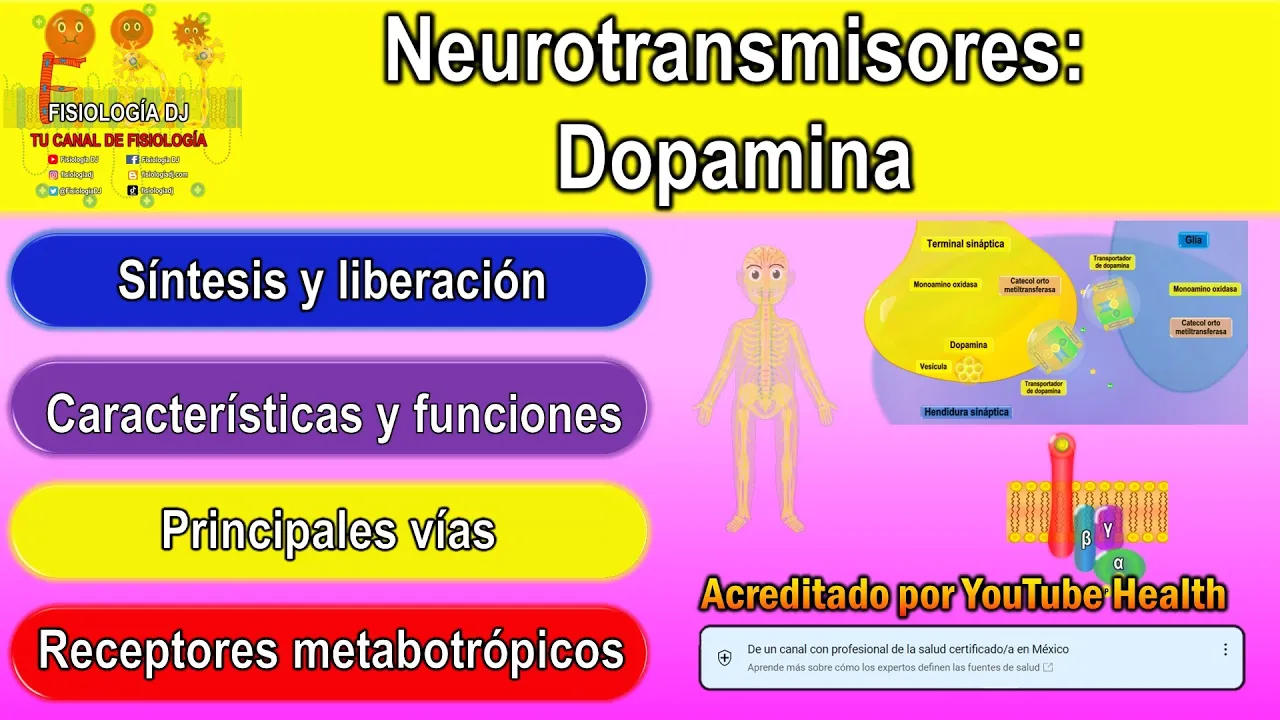



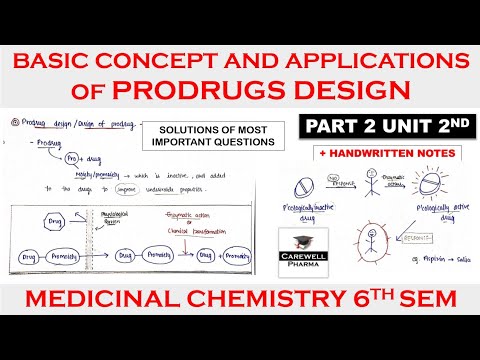
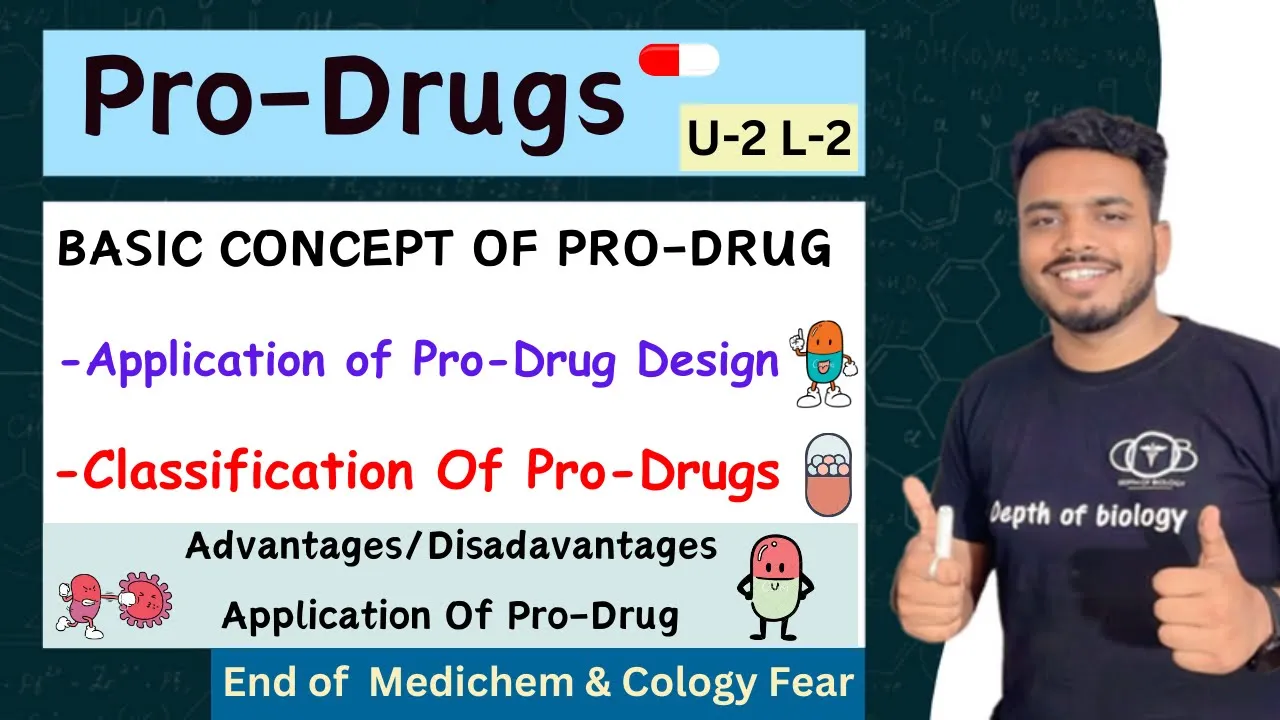
















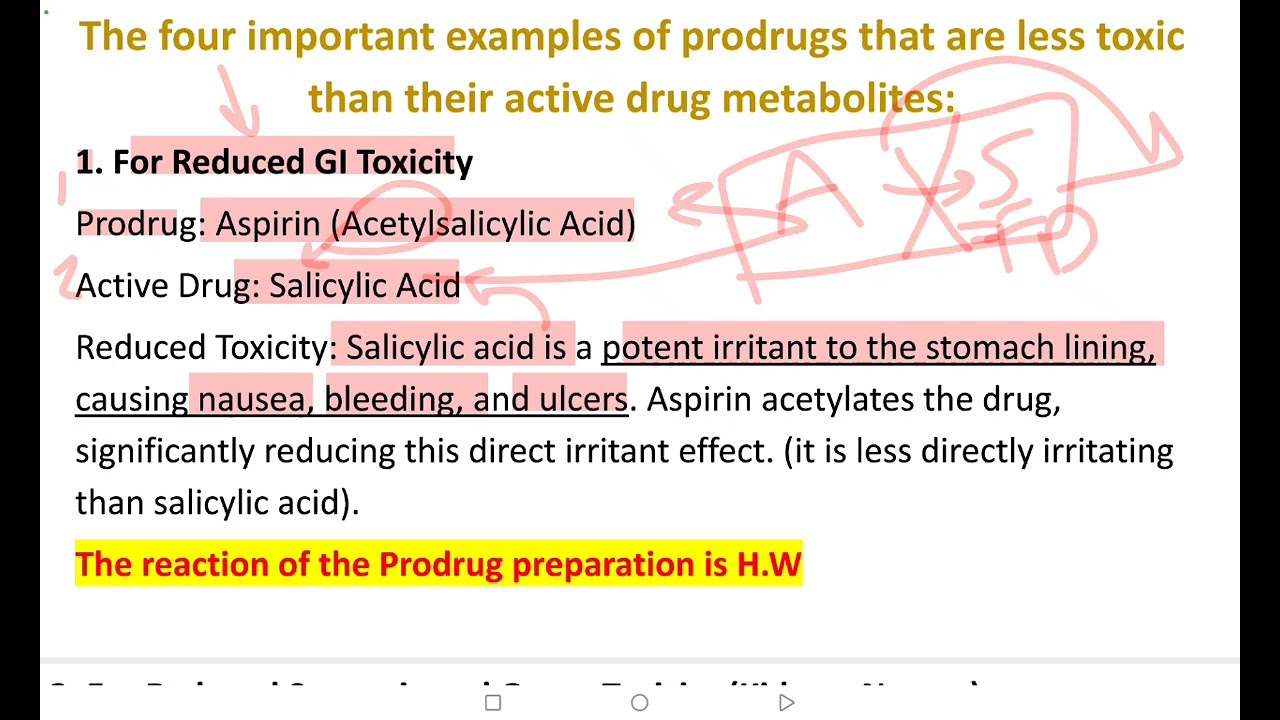









Lisdexamfetamine (Vyvanse) is an inactive prodrug of dextroamphetamine used to treat ADHD and binge eating disorder; it is converted in the body to the active metabolite dextroamphetamine, which works by increasing dopamine and norepinephrine neurotransmission in brain regions affected by ADHD, thereby improving attention, reducing hyperactivity and impulsivity, and enhancing cognitive function and quality of life in patients.
Lisdexamfetamine Explained: Uses, Mechanism, and Safety
Added:Basic understanding of neuroanatomy and the role of neurotransmitters, specifically dopamine and norepinephrine, in the central nervous system.
The pharmacological concept of a 'prodrug' and how inactive compounds are metabolized into active drugs within the body.
Clinical definitions and diagnostic criteria for Attention Deficit Hyperactivity Disorder (ADHD) and Binge Eating Disorder (BED).
An introduction to central nervous system (CNS) stimulants and their general physiological and psychological effects.
Comparative analysis of ADHD treatments, contrasting lisdexamfetamine with methylphenidate-based stimulants and non-stimulant alternatives like atomoxetine.
The specific pharmacokinetic mechanism of lisdexamfetamine's enzymatic rate-limiting cleavage by red blood cells and its role in abuse deterrence.
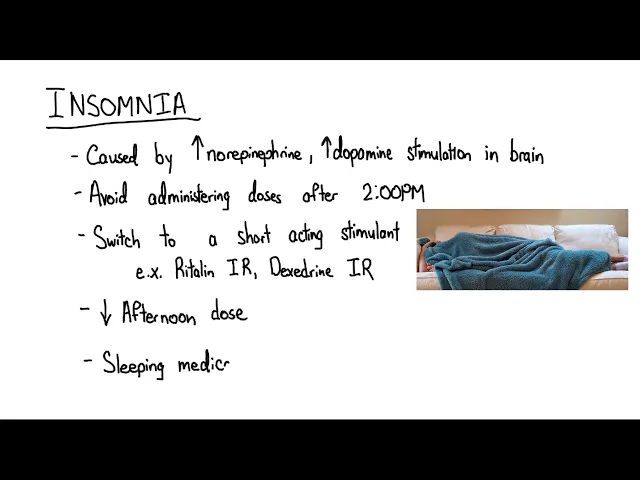
Clinical management of stimulant side effects, including tolerance, cardiovascular monitoring, and the structured use of 'drug holidays'.
Integrative treatment plans that combine pharmacotherapy with behavioral interventions, such as Cognitive Behavioral Therapy (CBT), for ADHD and eating disorders.
153 views4likes33:10Original Release: 2018-10-28
list X amphetamine contracted from l-lysine dextroamphetamine is a substituted amphetamine in an inactive pro drug of the central nervous system CNS stimulants extra amphetamine that is used in the treatment of attention deficit hyperactivity disorder ADHD and binge eating disorder its chemical structure consists of dextroamphetamine coupled with the essential amino acid l-lysine list X amphetamine itself is inactive prior to its absorption and the subsequent rate limited enzymatic cleavage of the molecules l-lysine portion which produces the active metabolite dextroamphetamine list X amphetamine can be prescribed for the treatment of attention deficit hyperactivity disorder ADHD in adults and children six and older as well as for moderate to severe binge eating disorder in adults the safety and the efficacy of list X amphetamine demethylate in children with ADHD three to five years old have not been established list X amphetamine is a Class B Schedule 2 substance in the United Kingdom and a schedule two controlled substance in the United States via number 12:05 and the aggregate production quota for 2016 in the United States is 29 thousand seven hundred fifty kilograms of anhydrous acid or base list X amphetamine is currently in Phase three trials in Japan for ADHD users medical blistex amphetamine is used primarily as a treatment for attention deficit hyperactivity disorder ADHD and binge eating disorder it has similar off-label uses as those of other pharmaceutical amphetamines individuals over the age of 65 were not commonly tested in clinical trials of list X amphetamine for ADHD long-term amphetamine exposure at sufficiently high doses in some animal species is known to produce abnormal dopamine system development or nerve damage but in humans with ADHD pharmaceutical amphetamines appear to improve brain development in nerve growth reviews of magnetic resonance imaging MRI studies suggest that long-term treatment with amphetamine decreases abnormalities in brain structure and function found in subjects with ADHD and improves function in several parts of the brain such as the right caudate nucleus of the basal ganglia reviews of clinical stimulant research have established the safety and effectiveness of long-term continuous amphetamine use for the treatment of ADHD randomized controlled trials of continuous stimulant therapy for the treatment of ADHD spanning two years have demonstrated treatment effectiveness and safety two reviews have indicated that long-term continuous stimulant therapy for ADHD is effective for reducing the core symptoms of ADHD ie hyperactivity inattention and impulsivity enhancing quality of life and academic achievement and producing improvements in a large number of functional outcomes across nine categories of outcomes related to academics antisocial behavior driving non medicinal drug use obesity occupation self-esteem service use ie academic occupational health financial and legal services and social function one review highlighted a nine-month randomized controlled trial of amphetamine treatment for ADHD in children that found an average increase of 4.5 I Q points continued increases in attention and continued decreases in disruptive behaviors and hyperactivity another review indicated that based upon the longest follow-up studies conducted to date lifetime stimulant therapy that begins during childhood is continuously effective for control HD symptoms and reduces the risk of developing a substance use disorder as an adult current models of ADHD suggest that it is associated with functional impairments in some of the brain as neurotransmitter systems these functional impairments involve impaired dopamine neurotransmission in the mesocortical limbic projection and norepinephrine neurotransmission in the noradrenergic projections from the locus coeruleus to the prefrontal cortex psychostimulants like methylphenidate and amphetamine are effective in treating ADHD because they increase neurotransmitter activity in these systems approximately 80% of those who use these stimulants see improvements in ADHD symptoms children with ADHD who used stimulant medications generally have better relationships with peers and family members perform better in school are less distractible and impulsive and have longer attention spans the Cochrane Collaboration as reviews on the treatment of ADHD in children adolescents and adults with pharmaceutical amphetamines stated that while these drugs improve short-term symptoms they have higher discontinuation rates than non stimulant medications due to their adverse side effects a Cochrane Collaboration review on the treatment of ADHD in children with tic disorders such as Tourette's syndrome indicated that stimulants in general do not make tics worse but high doses of dextroamphetamine could exacerbate tics in some individuals enhancing performance cognitive performance in 2015 a systematic review and a meta-analysis of high-quality clinical trials found that when used at low therapeutic doses amphetamine produces modest yet unambiguous improvements in cognition including working memory long-term episodic memory inhibitory control and some aspects of attention in normal healthy adults these cognition enhancing effects of amphetamine are known to be partially mediated through the indirect activation of both dopamine receptor d1 and Adreno scepter alpha 2 in the prefrontal cortex a systematic review from 2014 found that low doses of amphetamine also improved memory consolidation in turn leading to improved recall of information therapeutic doses of amphetamine also enhanced cortical network efficiency an effect which mediates improvements in working memory in all individuals amphetamine and other ADHD stimulants also improved tasks a lien see motivation to perform a task and increase arousal wakefulness in turn promoting goal directed behavior stimulants such as amphetamine can improve performance on difficult and boring tasks and are used by some students as a study and test taking aid based upon studies of self-reported elicit stimulant use 5 to 35 percent of college students used averted ADHD stimulants which are primarily used for performance enhancement rather than as recreational drugs however high amphetamine doses that are above the therapeutic range can interfere with working memory and other aspects of cognitive control physical performance amphetamine is used by some athletes for its psychological and athletic performance enhancing effects such as increased endurance and alertness however non-medical amphetamine use is prohibited at sporting events that are regulated by collegiate national and international anti-doping agencies in healthy people at oral therapeutic doses amphetamine has been shown to increase muscle strength acceleration athletic performance in anaerobic conditions and endurance ie it delays the onset of fatigue while improving reaction time amphetamine improves endurance and reaction time primarily through reuptake inhibition and a flexion of dopamine in the central nervous system amphetamine and other dopaminergic drugs also increased power output at fixed levels of perceived exertion by overriding a safety switch that allows the core temperature limit to increase in order to access a reserve capacity that is normally off-limits at therapeutic doses the adverse effects of amphetamine do not impede athletic performance however at much higher doses amphetamine can induce effects that severely impair performance such as rapid muscle breakdown and elevated body temperature contraindications pharmaceutical list X amphetamine demethylate is contraindicated in patients with hypersensitivity to amphetamine products or any of the formulation as an active ingredients it is also contraindicated in patients who have used a monoamine oxidase inhibitor Maui within the last 14 days amphetamine products are contraindicated by the United States Food and Drug Administration US FDA in people with a history of drug abuse heart disease or severe agitation or anxiety or in those currently experiencing arteriosclerosis glaucoma hyperthyroidism or severe hypertension the US FDA advises anyone with bipolar disorder depression elevated blood pressure liver or kidney problems mania psychosis ray now as phenomenon seizures thyroid problems ticks or Tourette's syndrome to monitor their symptoms while taking amphetamine amphetamine is classified in u.s. pregnancy category C this means that detriments to the fetus have been observed in animal studies and adequate human studies have not been conducted and that Amin may still be prescribed to pregnant women if the potential benefits outweigh the risks amphetamine has also been shown to pass into breast milk so the US FDA advises mothers to avoid breastfeeding when using it due to the potential for stunted growth the US FDA advises monitoring the height and weight of children and adolescents prescribed amphetamines prescribing information approved by the Australian Therapeutic Goods Administration further contouring to Kate's anorexia side effects products containing list Dex amphetamine have a side effect profile comparable to those containing amphetamine physical at normal therapeutic doses the physical side effects of amphetamine vary widely by age and from person to person cardiovascular side effects can include hypertension or hypotension from a vasovagal response Raynaud's phenomenon reduced blood flow to the hands and feet and tachycardia increased heart rate sexual side-effects in males may include erectile dysfunction frequent erections or prolonged erections abdominal side effects may include abdominal pain appetite loss nausea and weight loss other potential side effects include blurred vision dry mouth excessive grinding of the teeth nosebleed profuse sweating rhinitis medicaments drug-induced nasal congestion reduced seizure threshold and ticks a type of movement disorder dangerous physical side effects are rare at typical pharmaceutical doses amphetamine stimulates the medullary respiratory centers producing faster and deeper breaths in a normal person at therapeutic doses this effect is usually not noticeable but when respiration is already compromised it may be evident amphetamine also induces contraction in the urinary bladder sphincter the muscle which controls urination which can result in difficulty urinating this effect can be useful in treating bedwetting and loss of bladder control the effects of amphetamine on the gastrointestinal tract are unpredictable if intestinal activity is high amphetamine may reduce gastrointestinal motility the rate at which content moves through the digestive system however amphetamine may increase motility when the smooth muscle of the tract is relaxed amphetamine also has a slight analgesic effect and can enhance the pain relieving effects of opioids US fda commissioned studies from 2011 indicate that in children young adults and adults there is no association between serious adverse cardiovascular events sudden death heart attack and stroke and the medical use of amphetamine or other ADHD stimulants however amphetamine pharmaceuticals are contraindicated in individuals with cardiovascular disease psychological at normal therapeutic doses the most common psychological side effects of amphetamine include increased alertness apprehension concentration initiative self-confidence and sociability mood swings elated mood followed by mildly depressed mood insomnia or wakefulness and decreased sense of fatigue less common side effects include anxiety change in libido grandiosity irritability repetitive or obsessive behaviors and restlessness these effects depend on the user's personality and current mental state amphetamine psychosis eg delusions and paranoia can occur in heavy users although very rare this psychosis can also occur at therapeutic doses during long-term therapy according to the US FDA there is no systematic evidence that stimulants produce aggressive behavior or hostility amphetamine has also been shown to produce a condition place preference in humans taking therapeutic doses meaning that individuals acquire a preference for spending time in places where they have previously used amphetamine overdose an amphetamine overdose can lead to many different symptoms but is rarely fatal with appropriate care the severity of overdose symptoms increases with dosage and decreases with drug tolerance to amphetamine tolerant individuals have been known to take as much as 5 grams of amphetamine in a day which is roughly 100 times the maximum daily therapeutic dose symptoms of a moderate and extremely large overdose are listed below fatal amphetamine poisoning usually also involves convulsions in coma in 2013 overdose on amphetamine methamphetamine and other compounds implicated in an amphetamine use disorder resulted in an estimated three thousand seven hundred eighty eight deaths worldwide 3,425 to four thousand one hundred forty five deaths 95% confidence pathological over activation of the mesolimbic pathway a dopamine pathway that connects the ventral tegmental area to the nucleus accumbens plays a central role in amphetamine addiction individuals who frequently overdose on amphetamine during recreational use have a high risk of developing an amphetamine addiction since repeated overdoses gradually increase the level of accumulative fos be a molecular switch and master controlled protein for addiction once nucleus accumbens delta-fosb is sufficiently overexpressed it begins to increase the severity of addictive behavior ie compulsive drug-seeking with further increases in its expression while there are currently no effective drugs for treating amphetamine addiction regularly engaging in sustained aerobic exercise appears to reduce the risk of developing such an addiction sustained aerobic exercise on a regular basis also appears to be an effective treatment for amphetamine addiction exercise therapy improves clinical treatment outcomes and may be used as a combination therapy with cognitive behavioral therapy which is currently the best clinical treatment available addiction addiction is a serious risk with heavy recreational amphetamine use but is unlikely to arise from typical long-term medical use of therapeutic doses compared to other amphetamine pharmaceuticals blistex amphetamine may have a lower liability for abuse as a recreational drug drug tolerance develops rapidly in amphetamine abuse ie a recreational amphetamine overdose superiors of extended youths require increasingly larger doses of the drug in order to achieve the same effect bio molecular mechanisms chronic use of amphetamine and excessive doses causes alterations in gene expression in the mesocortical limbic projection which arise through transcriptional and epigenetic mechanisms the most important transcription factors that produce these alterations are delta-fosb camp response element binding protein CREB and nuclear factor Kappa B NF kappa-b delta-fosb is the most significant biomolecular mechanism in addiction because the overexpression of delta-fosb in the d1 type medium spiny neurons in the nucleus accumbens is necessary and sufficient for many of the neural adaptations and behavioral effects eg expression dependent increases in drug self administration and reward sensitization seen in drug addiction once delta-fosb is sufficiently over expressed it induces an addictive state that becomes increasingly more severe with further increases in delta-fosb expression it has been implicated in addictions to alcohol cannabinoids cocaine methylphenidate nicotine opioids phencyclidine propofol and substituted amphetamines among others delta jund a transcription factor in g9a a histone methyl transferase enzyme both opposed the function of delta-fosb and inhibit increases in its expression sufficiently overexpressing delta jhand in the nucleus accumbens with viral vectors can completely block many of the neural and behavioral alterations seen in chronic drug abuse ie the alterations mediated by delta-fosb delta-fosb also plays an important role in regulating behavioral responses to natural rewards such as palatable food sex and exercise since both natural rewards and addictive drugs induce expression of delta-fosb ie they caused the brain to produce more of it chronic acquisition of these rewards can result in a similar pathological state of addiction consequently delta-fosb is the most significant factor involved in both amphetamine addiction and amphetamine induced sex addictions which are compulsive sexual behaviors that result from excessive sexual activity and amphetamine use these sex addictions are associated with a dopamine dysregulation syndrome which occurs in some patients taking dopaminergic drugs the effects of amphetamine on gene regulation are both dose and route dependent most of the research on gene regulation and addiction is based upon animal studies with intravenous amphetamine administration at very high doses the few studies that have used equivalent weight adjusted human therapeutic doses and oral administration show that these changes if they occur are relatively minor this suggests that medical use of amphetamine does not significantly affect gene regulation pharmacological treatments as of 2015 there is no effective pharmacotherapy for amphetamine addiction reviews from 2015 and 2016 indicated that taar1 selective agonist have significant therapeutic potential as a treatment for psychostimulant addictions however as of February 2016 the only compounds which are known to function as taar1 selective agonist Saur experimental drugs amphetamine addiction is largely mediated through increased activation of dopamine receptors and co-localize NMDA receptors in the nucleus accumbens magnesium ions inhibit NMDA receptors by blocking the receptor calcium channel 1 review suggested that based upon animal testing pathological addiction inducing psychostimulant views significantly reduces the level of intracellular magnesium throughout the brain supplemental magnesium treatment has been shown to reduce amphetamine self administration ie doses given to oneself in humans but it is not an effective monotherapy for amphetamine addiction behavioral treatments cognitive behavioral therapy is currently the most effective clinical treatment for psychostimulant addictions additionally research on the neurobiological effects of physical exercise suggests that daily aerobic exercise especially endurance exercise eg marathon running prevents the development of drug addiction and is an effective adjunct therapy ie a supplemental treatment for amphetamine addiction exercise leads to better treatment outcomes when used as an adjunct treatment particularly for psychostimulant addictions in particular aerobic exercise decreases psychostimulant self administration reduces the reinstatement ie relapse of drug seeking and induces increased dopamine receptor d2 DRD - density in the striatum this is the opposite of pathological stimulant use which induces decreased striatal DRD - density one review noted that exercise may also prevent the development of a drug addiction by altering delta-fosb or C Fossum you know reactivity in the striatum or other parts of the reward system dependence and withdrawal according to another Cochrane Collaboration review on withdrawal in individuals who compulsively use amphetamine in methamphetamine when chronic heavy users of roughly discontinued amphetamine use many report a time-limited withdrawal syndrome that occurs within 24 hours of their last dose this review noted that withdrawal symptoms in chronic high dose users are frequent occurring in roughly 88% of cases and persist for 3 to 4 weeks with a marked crash phase occurring during the first week am fed amine withdrawal symptoms can include anxiety drug craving depressed mood fatigue increased appetite increased movement or decreased movement lack of motivation sleeplessness or sleepiness and lucid dreams the review indicated that the severity of withdrawal symptoms is positively correlated with the age of the individual in the extent of their dependence mild withdrawal symptoms from the discontinuation of amphetamine treatment at therapeutic doses can be avoided by tapering the dose toxicity in rodents and primates sufficiently high doses of amphetamine caused dopaminergic neurotoxicity or damage to dopamine neurons which is characterized by dopamine terminal degeneration and reduced transporter and receptor function there is no evidence that amphetamine is directly neurotoxic in humans however large doses of amphetamine may indirectly cause dopaminergic neurotoxicity as a result of hyperpyrexia the excessive formation of reactive oxygen species and increased Auto oxidation of dopamine animal models of neurotoxicity from high-dose amphetamine exposure indicate that the occurrence of hyperpyrexia ie core body temperature forty degrees Celsius is necessary for the development of amphetamine induced neurotoxicity prolonged elevations of brain temperature above 40 degrees Celsius likely promote the development of amphetamine induced neurotoxicity in laboratory animals by facilitating the production of reactive oxygen species disrupting cellular protein function and transiently increasing blood brain barrier permeability psychosis a severe amphetamine overdose can result in a stimulant psychosis that may involve a variety of symptoms such as delusions and paranoia a Cochrane Collaboration review on treatment for amphetamine dextroamphetamine and methamphetamine psychosis states that about five to fifteen percent of users fail to recover completely according to the same review there is at least one trial that shows antipsychotic medications effectively resolve the symptoms of acute amphetamine psychosis psychosis very rarely arises from therapeutic use interactions acidifying agent drugs that acidify the urine such as ascorbic acid increased urinary excretion of dextroamphetamine thus decreasing the half-life of dextroamphetamine in the body alkalinizing agents drugs that alkalinize the urine such as sodium bicarbonate decrease urinary excretion of dextroamphetamine thus increasing the half-life of dextroamphetamine in the body monoamine oxidase inhibitors can comment abuse of mao eyes and central nervous system stimulants such as list ex amphetamine can cause a hypertensive crisis pharmacology mechanism of action blistex amphetamine is an inactive pro drug that is converted in the body to dextroamphetamine a pharmacologically active compound which is responsible for the drugs activity after oral ingestion list X amphetamine is broken down by enzymes in red blood cells to form l-lysine a naturally occurring essential amino acid and dextroamphetamine the conversion of list X amphetamine to dextroamphetamine is not affected by gastrointestinal pH and is unlikely to be affected by alterations in normal gastrointestinal transit times the optical isomers of amphetamine ie dextroamphetamine and levo amphetamine are taar1 agonists and vesicular monoamine transporter 2 inhibitors that can enter monoamine neurons this allows them to release monoamine neurotransmitters dopamine norepinephrine and serotonin among others from their storage sites in the presynaptic neuron as well as prevent the reuptake of these neurotransmitters from the synaptic cleft list X amphetamine was developed with the goal of providing a long duration of effect that is consistent throughout the day with reduced potential for abuse the attachment of the amino acid lysine slows down the relative amount of dextroamphetamine available to the bloodstream because no free dextroamphetamine is present in list X amphetamine capsules dextroamphetamine does not become available through mechanical manipulation such as crushing or simple extraction a relatively sophisticated biochemical process is needed to produce dextroamphetamine from list X amphetamine as opposed to adderall which contains roughly equal parts of racemic amphetamine and dextroamphetamine salts list X amphetamine is a single enantiomer dextroamphetamine formula studies conducted showed that list X amphetamine demethylate may have less abuse potential than dextroamphetamine and an abuse profile similar to diethyl propionic dosages that are FDA approved for treatment of ADHD but still has a high abuse potential when this dosage is exceeded by over 100% pharmacokinetics the oral bioavailability of amphetamine varies with gastrointestinal pH it is well absorbed from the gut and bioavailability is typically over 75% for dextroamphetamine amphetamine is a weak base with a pKa of nain nain consequently when the pH is basic more of the drug is in its lipid soluble freebase form and more is absorbed through the lipid rich cell membranes of the gut epithelium conversely an acidic pH means the drug is predominantly in a water-soluble cationic salt form and less is absorbed approximately 15 to 40 percent of amphetamine circulating in the bloodstream is bound to plasma proteins following absorption amphetamine readily distributes into most tissues in the body with high concentrations occurring in cerebrospinal fluid and brain tissue the half-life of amphetamine enantiomers differ and vary with urine pH at normal urine pH the half-lives of dextroamphetamine and levo amphetamine are nine eleven hours and eleven to fourteen hours respectively highly acidic urine will reduce the enantiomer half-lives to seven hours highly alkaline urine will increase the half-lives up to 34 hours the immediate release and extended release variants of salts of both isomers reach peak plasma concentrations at three hours and seven hours post dose respectively amphetamine is eliminated via the kidneys with 30 to 40 percent of the drug being excreted unchanged at normal urinary pH when the urinary pH is basic amphetamine is in its freebase form so less is excreted when urine pH is abnormal the urinary recovery of amphetamine may range from a low of 1% to a high of 75 percent depending mostly upon whether urine is too basic or acidic respectively following oral administration amphetamine appears in urine within three hours roughly 90% of ingested amphetamine is eliminated three days after the last oral dose the pro drug list ex amphetamine is not as sensitive to pH as amphetamine when being absorbed in the gastrointestinal tract following absorption into the bloodstream it is converted by red blood cell associated enzymes to dextroamphetamine via hydrolysis the elimination half-life of blistex amphetamine is generally less than one hour cyp2d6 dopamine beta hydroxylase DBH flavin containing mono oxygenase 3fm o3 butyrate Cola gasps a XM ligase and glycine and Akal transferase GL y8e are the enzymes known to metabolize amphetamine or its metabolites in humans amphetamine has a variety of excreted metabolic products including four hydroxy amphetamine four hydroxy nor ephedrine four hydroxy phenylacetone benzoic acid Kip uric acid nor ephedrine and phenylacetone among these metabolites the act of sympathy mimetics are four hydroxy amphetamine four hydroxy nor ephedrine and nor ephedrine the main metabolic pathways involve aromatic para hydroxylation aliphatic alpha and beta hydroxylation and oxidation and dealkylation and deamination the known metabolic pathways detectable metabolites and metabolizing enzymes in humans include the following chemistry blistex amphetamine demethylate is a water-soluble 792 milligrams per milliliter powder with a white to off-white color comparison to other formulations blistex amphetamine demethylate is one marketed formulation delivering dextroamphetamine the following table compares the drug to other amphetamine pharmaceuticals history society and culture blistex amphetamine was developed by new river pharmaceuticals who were bought by shire pharmaceuticals shortly before list X amphetamine began being marketed it was developed for the intention of creating a longer-lasting and less easily abused version of dextroamphetamine as the requirement of conversion into dextroamphetamine via enzymes in the red blood cells delays its onset of action regardless of the route of ingestion on the 23rd of April 2008 vyvanse received FDA approval for the adult population on the 19th of February 2009 Health Canada approved 30 milligrams and 50 milligrams capsules of list X amphetamine for treatment of ADHD in January 2015 list X amphetamine was approved by the US Food and Drug Administration for treatment of binge eating disorder in adults brand names as of July 2014 list ex amphetamine was sold under the following brands elements Sam exid Thai vents then bonds and by bands research depression some clinical trials that used lists X amphetamine as an add-on therapy with a selective serotonin reuptake inhibitor SSRI or serotonin norepinephrine reuptake inhibitor SNRI for treatment-resistant depression indicated that this is no more effective than the use of an SSRI or SNRI alone other studies indicated that psychostimulants potentiated antidepressants and were under prescribed for treatment-resistant depression in those studies patients showed significant improvement in energy mood and psychomotor activity in February 2014 Shire announced the too late stage clinical trials had shown that vyvanse was not an effective treatment for depression nodes image legend reference notes references
Up Next

13:00
Essential Python Developer Tools: A Practical Guide to 4 Libraries
@TechWithTim
95.1K views•2025-06-09

12:54
Triumph of Orthodoxy Icon: Byzantine Art & History Explained
@BenCallan
2.1K views•2024-08-06

9:49
FastAPI vs Flask vs Django: Choosing the Right Python Web Framework
@TechWithTim
302.5K views•2024-05-26

1:42
Game of Thrones Opening Credits: A Cinematic Analysis
@gameofthrones
46.3M views•2011-04-18
Related Study Plans & Knowledge Roadmaps
Structured learning paths in General & Interdisciplinary Studies
general-studies
Elevator Engineering: History, Physics & Cities
01From Hoists to Safety Brakes: The Dawn of Vertical Lift
02Hydraulic vs. Traction: The Engineering Physics of Elevators
03Modern Speed, Safety, and Algorithms
+ 2 more learning modules
12h5 modules
Explore Roadmap
general-studies
Rubber: Material Science, History & Geopolitics
01Origins of Natural Rubber & Mesoamerican History
02The Chemistry of Natural Rubber & Vulcanization
03The Geopolitics of the Rubber Boom & Colonization
+ 2 more learning modules
12h5 modules
Explore Roadmap
general-studies
Containerization: Evolution, Logistics & Trade
01Ancient Trade & Bulk Cargo: Amphorae to Barrels
02The Industrial Revolution & Cardboard Packaging
03The Containerization Revolution: Malcom McLean
+ 2 more learning modules
12h5 modules
Explore Roadmap
general-studies
Textile Tech: Evolution, Labor & Global Impact
01Pre-Industrial Textiles: Handloom & Cottage Industry
02Mechanization: The Spinning Jenny to the Power Loom
03The Factory System & Global Labor Transformation
+ 2 more learning modules
10h5 modules
Explore Roadmap