









![Les chaînes logistiques n'ont jamais été aussi résilientes [Podcast]](https://i.ytimg.com/vi/Xqwq1nLaF38/sddefault.jpg)




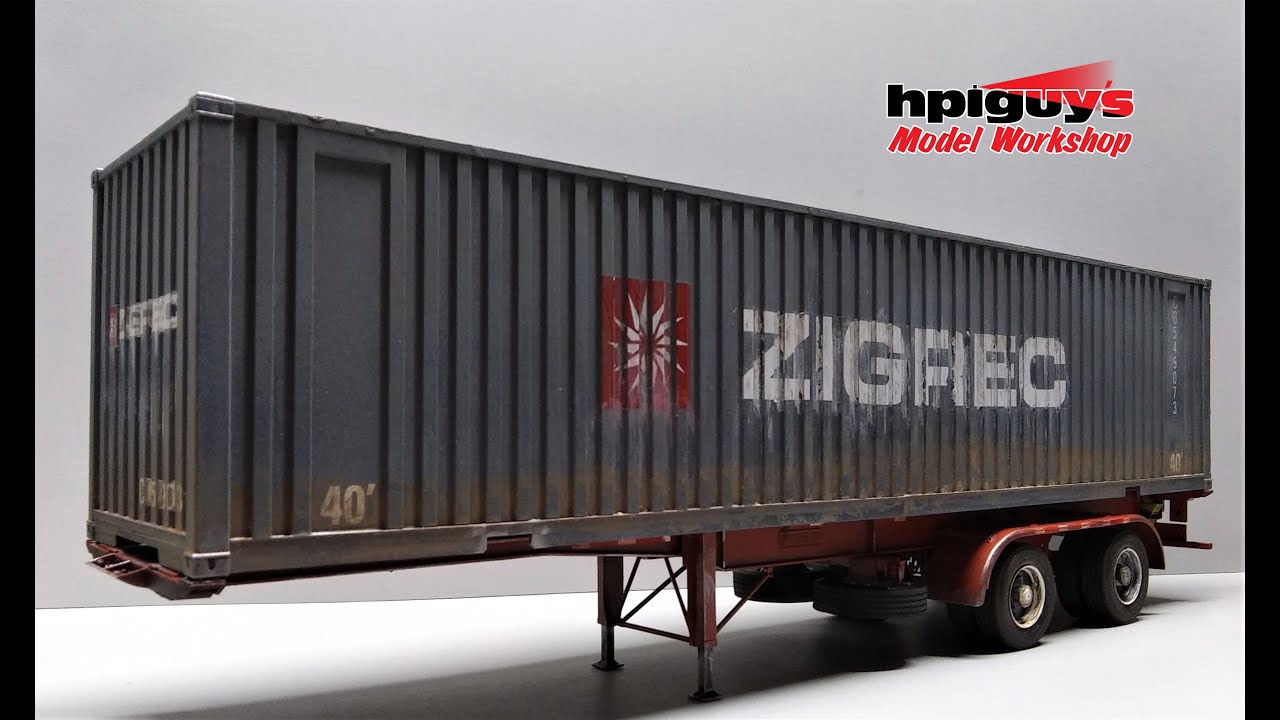




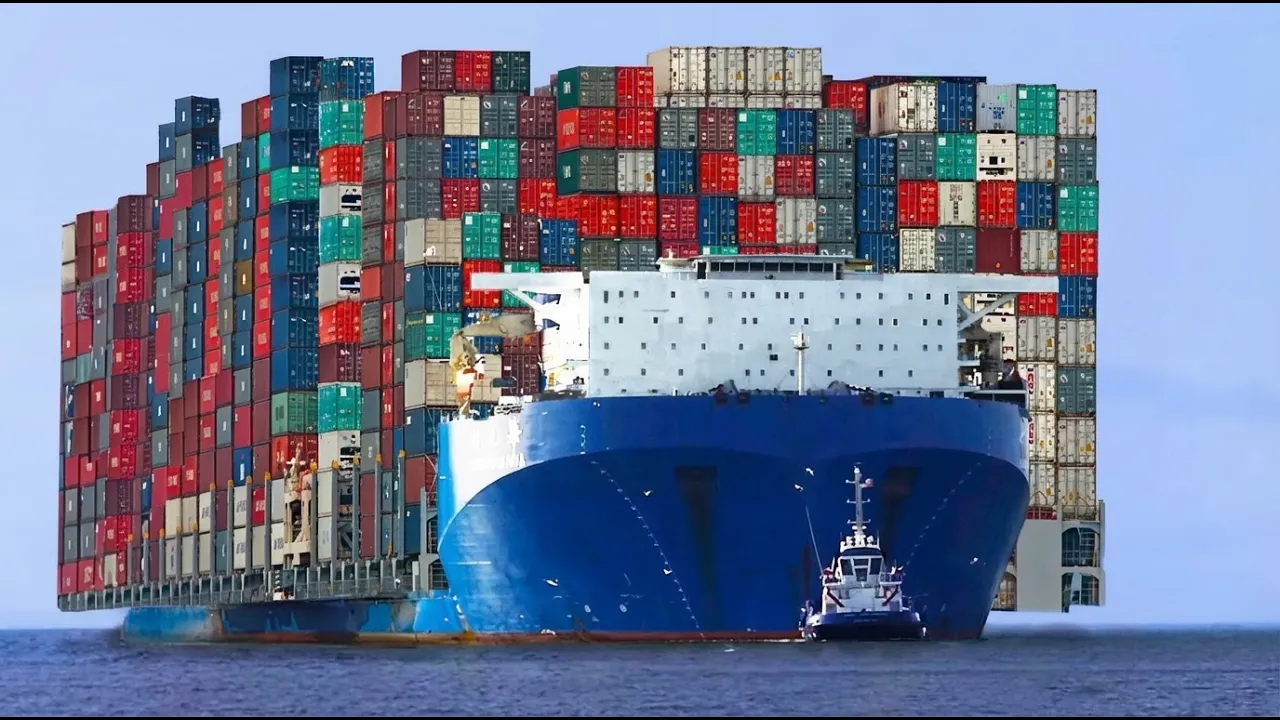
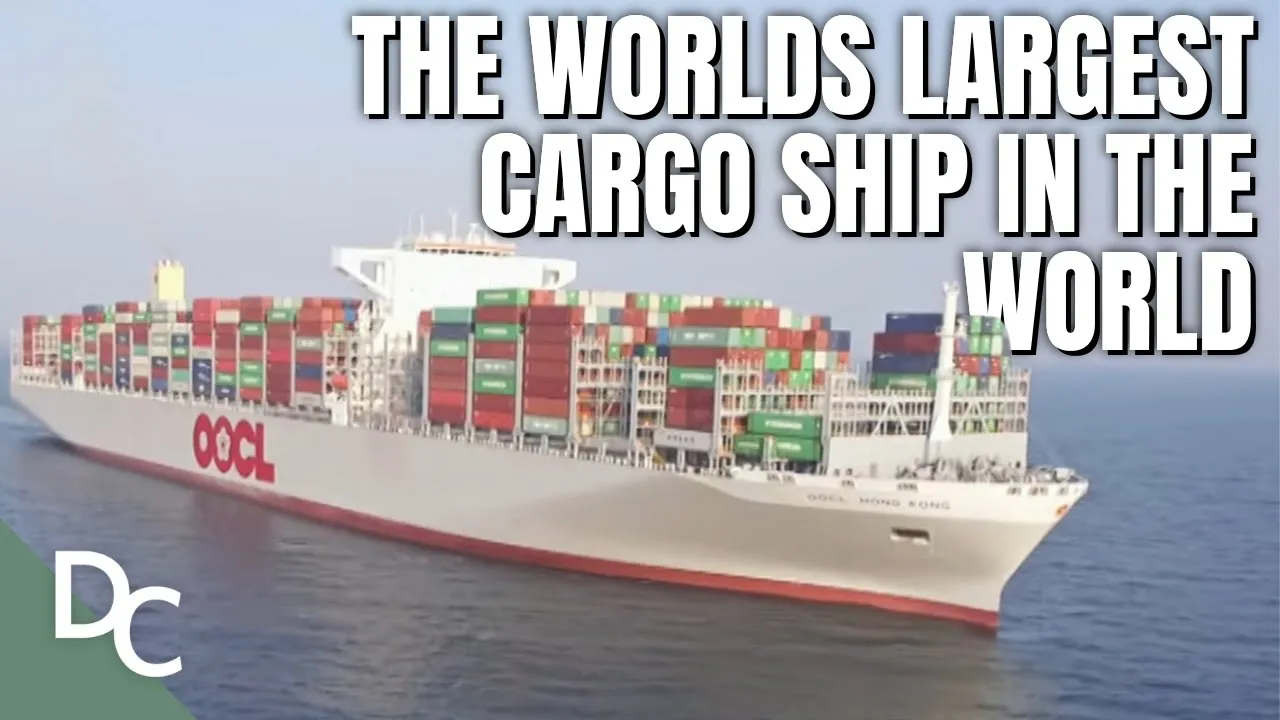



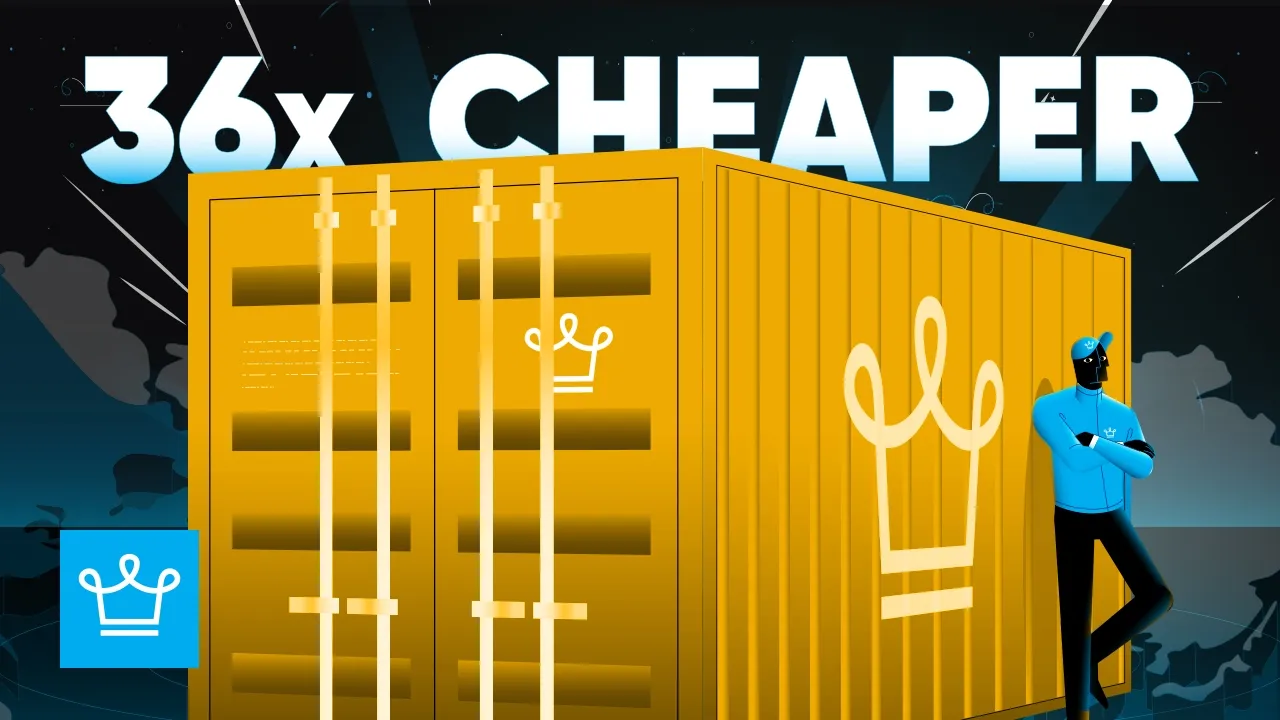
The invention of the standardized shipping container in 1956 by Malcom McLean revolutionized global trade by enabling seamless transfer of cargo between trucks, trains, and ships, reducing shipping costs from $5.86 per ton to just $0.16 per ton and making international commerce accessible to billions of people worldwide.
Containerization: Malcom McLean's 1956 Shipping Revolution | Maersk
Added:The concept of 'break-bulk' cargo handling, where goods were historically loaded and unloaded manually in various individual packaging types (crates, barrels, bags) before standardization.
Basic principles of global trade economics, specifically how transportation costs and transit times historically acted as significant barriers to international commerce.
The concept of economic standardization, explaining how uniform measurements and specifications can drive down costs and increase efficiency across an industry.
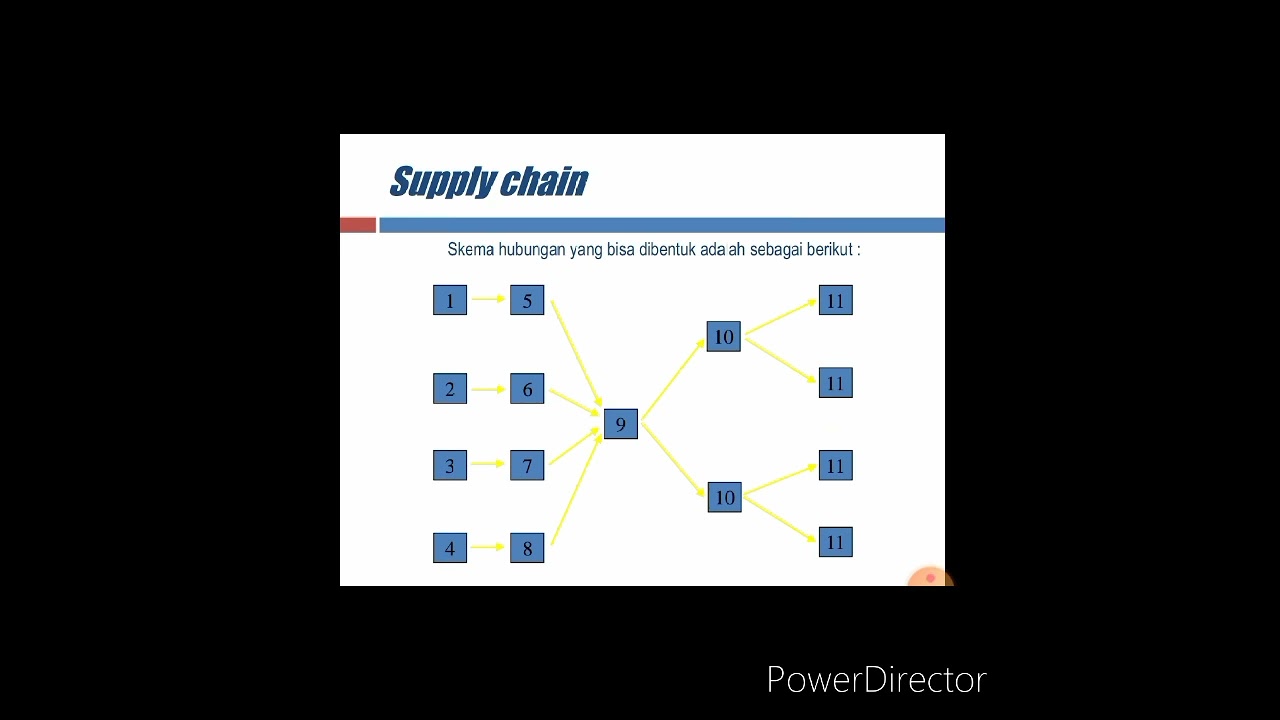
The basic structure of a supply chain, including the roles of manufacturers, ports, carriers, and end consumers.
The mechanics of intermodal freight transport, analyzing how standardized containers transition seamlessly between ships, trains, and trucks without unpacking.
How containerization enabled the rise of globalization, outsourcing, and Just-In-Time (JIT) manufacturing systems in global supply chains.
Modern maritime logistics infrastructure, including the engineering of mega-container ships, automated port terminals, and the geographic significance of maritime choke points like the Suez and Panama Canals.
The environmental and economic challenges facing modern shipping, such as carbon emissions, port congestion, and the geopolitical vulnerabilities of global trade routes.
78.7K views724likes4:33Original Release: 2018-06-26
[Music] in today's globalized society nearly every product is within reach fresh fruit all year round portable electronics assembled in the forest or exotic wines from all over the world whatever your heart desires you can get it sounds like a lot of complex logistical work bringing all these products from one part of the world to the other right well it is but the thing that makes it all possible is actually as hands-on as a simple box this is the story of how containerization changed the world by modernizing how we handle and transport products now global trade isn't something new in fact mankind has shipped goods across the oceans for thousands of years however up until the 1950s the process was primitive cumbersome and labor-intensive individual goods had to be packed in barrels sacks or wooden crates and loading and unloading of ships would often require hundreds of dock workers to manually move and stack every single one the process was so time-consuming that a ship could easily spend more time at port than its sea and it made transportation of products are very costly affair but all that changed was the birth of the modern shipping container in 1956 the breakthrough came with the change of process the idea of a standard container that could be moved seamlessly between trucks trains and ships a container with common requirements and one global design and then things really started happening from the late 1960s a new type of ship the cellular container ship was introduced ports developed terminals with container cranes trucks and train wagons were modified and procedures were refined all to fit the new industry standard and already in the early 70s it was possible to ship an individual container to and from the main markets of the world containerization was an immediate success and can be considered as a key facilitator of the globalized world we live in today driven by that simple box the container but much has happened since the seventies in the last 40 years global trade has simply kept growing and container shipping has no longer restricted to a few main trade lanes it's everywhere millions of products are moved cheaply from one market place to another every single day and not just finished products take a seemingly simple commodity like a down jacket it's filling may come from China the outer fabric from Korea the zippers from Japan the inner lining from Taiwan and the elastics labels velcro and other trim from Hong Kong add to that that the garment might be dyed in Southeast Asia stitched in China sent back to Hong Kong for quality control and finally packed for delivery in the US or elsewhere all possible because low-cost container shipping mezcla has been a major driver in this progress contributing to the development of new technologies including reefer containers with the ability to provide humidity and temperature control to keep sensitive cargo fresh and special container equipment to safely transport anything large out of gates machinery to live animals these new technologies combined with the low shipping costs that followed in the waves of containerization have opened up markets that no one would have dreamed of at the beginning of the container era helping billions of people out of poverty as a direct consequence reliable low-cost container shipping simply changed the world its global trade at its best all thanks to the unsung hero of globalization the standardized shipping container [Music]
Up Next

32:22
The DRC's Endless War Economy Explained | Conflict Minerals
@johnnyharris
2.7M views•2025-06-12

33:02
The Great Schism of 1054: Causes and Consequences
@SacredCathedrals
113.5K views•2026-02-19

91:57
The Geopolitics of the Ukraine War and the Rise of Global Autocracy
@JordanHarbingerShow
468K views•2025-04-19
17:05
Understanding the Cold War: Superpower Conflicts and the Road to Détente
@OverSimplified
46.1M views•2019-01-24
Related Study Plans & Knowledge Roadmaps
Structured learning paths in History
history
Byzantine Iconoclasm: Theology, Art & Politics
01Foundations of Byzantium and Early Christian Images
02The First Iconoclasm: Leo III and the Crisis of Images
03Empress Irene, Nicaea II, and the Second Iconoclasm
+ 2 more learning modules
9h5 modules
Explore Roadmap
history
Iranian Revolution (Causes, Events & Legacy)
01The Pahlavi Dynasty and the Roots of Discontent
02The Spark of Rebellion and the Rise of Khomeini
031979: The Fall of the Shah and the Climax of the Revolution
+ 2 more learning modules
8h5 modules
Explore Roadmap
history
Mali Empire: Mansa Musa, Trade & Timbuktu
01Foundations of the Mali Empire
02The Trans-Saharan Gold and Salt Trade
03The Reign and Pilgrimage of Mansa Musa
+ 1 more learning modules
6h4 modules
Explore Roadmap
history
1947 Partition: Politics, Borders & Legacies
01Foundations of British India and the Divide
02The Political Negotiations and the Mountbatten Plan
03Drawing the Boundary: The Radcliffe Line
+ 2 more learning modules
8h5 modules
Explore Roadmap