




















CA glue with activator provides significantly stronger miter joints than traditional wood glue, particularly on MDF and pine trims, because it creates a faster-setting bond that maintains joint integrity even when the wood surfaces are not perfectly flat, which is a common cause of miter joint failure in woodworking projects.
Miter Joint Strength: Wood Glue vs CA Glue Testing
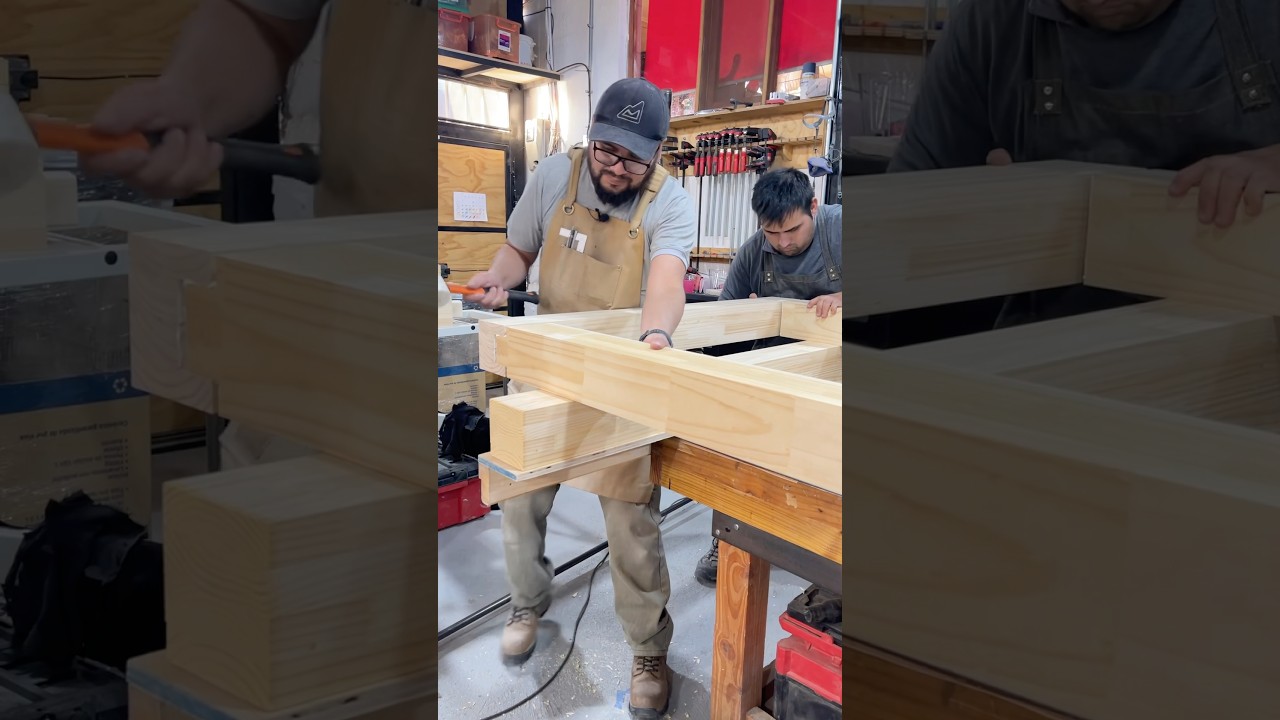
Added:The basic anatomy of wood joints, specifically the structure of a miter joint and why end-grain to end-grain connections are historically weak.
The physical differences between natural softwoods (like pine) and engineered wood products (like MDF), particularly regarding density and porosity.
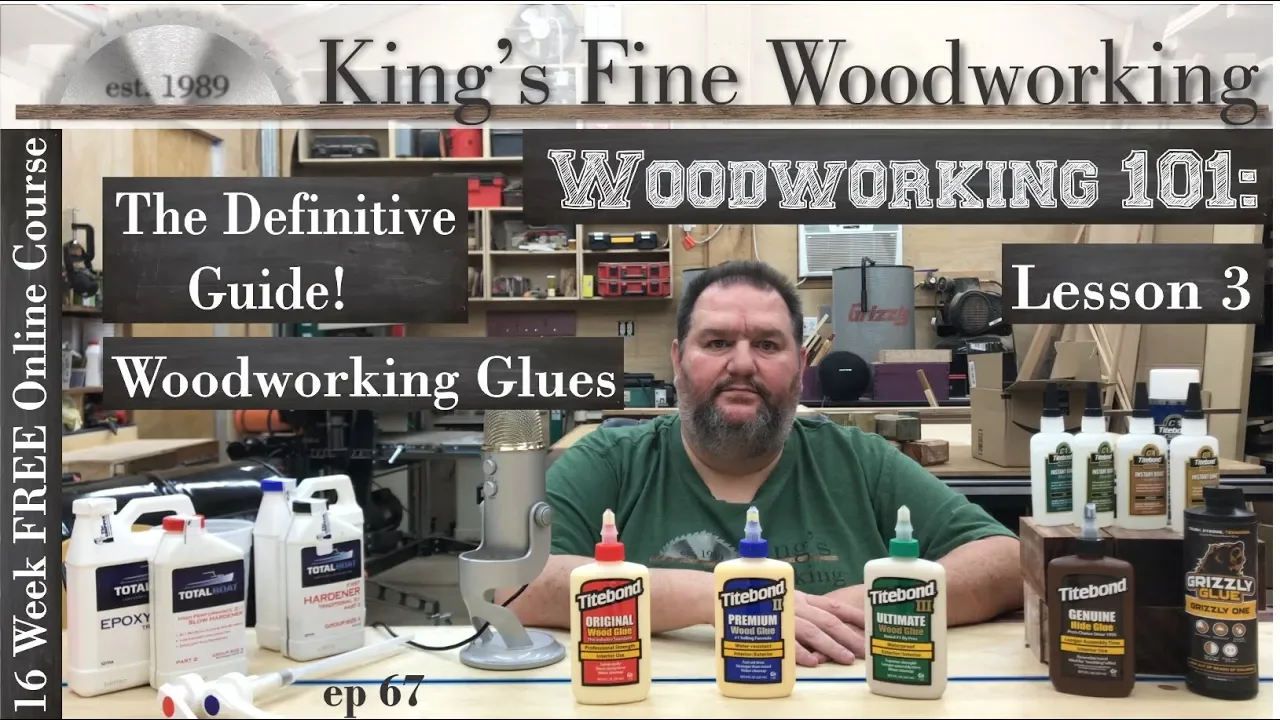
Fundamentals of woodworking adhesives, including the curing mechanisms of Polyvinyl Acetate (PVA / wood glue) versus Cyanoacrylate (CA / super glue).
The concept of wood movement, explaining how moisture and environmental changes cause wood to expand and contract, placing stress on joints.
Techniques for reinforcing miter joints, such as utilizing splines, biscuits, dowels, or pocket screws to increase mechanical strength.
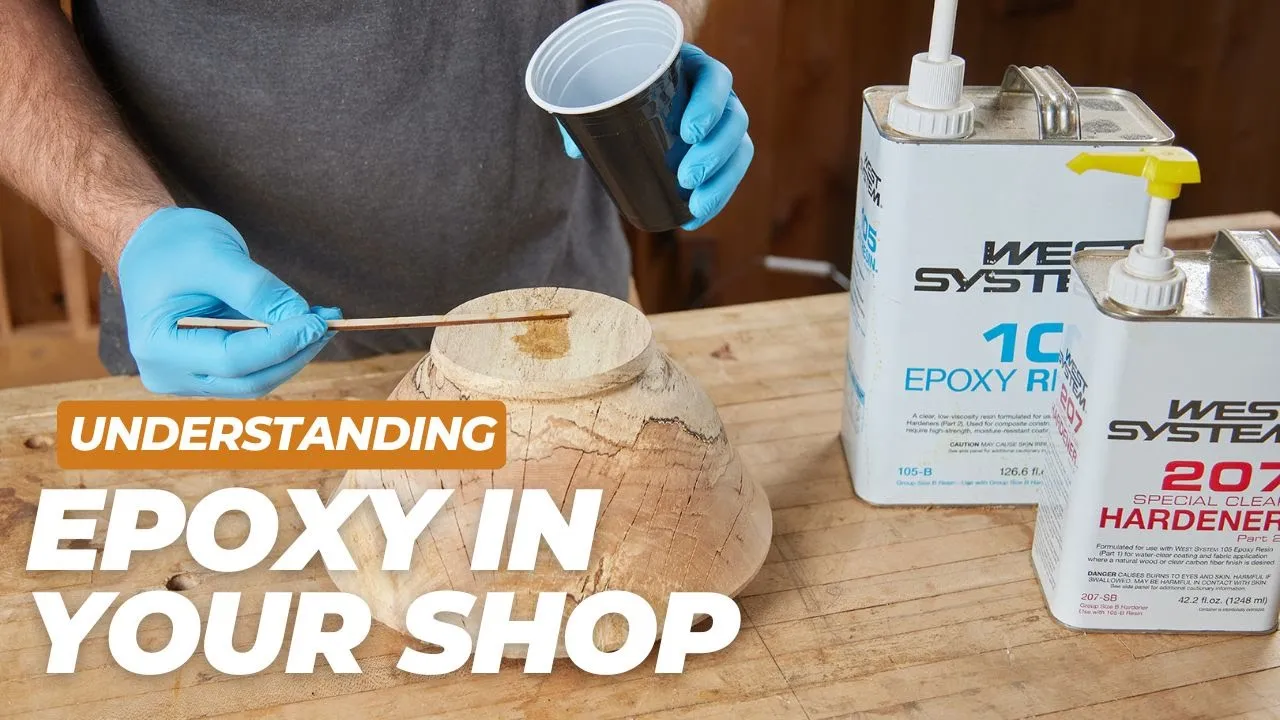
Advanced adhesive applications in woodworking, including the use of epoxies, polyurethane glues, and construction adhesives for structural joints.
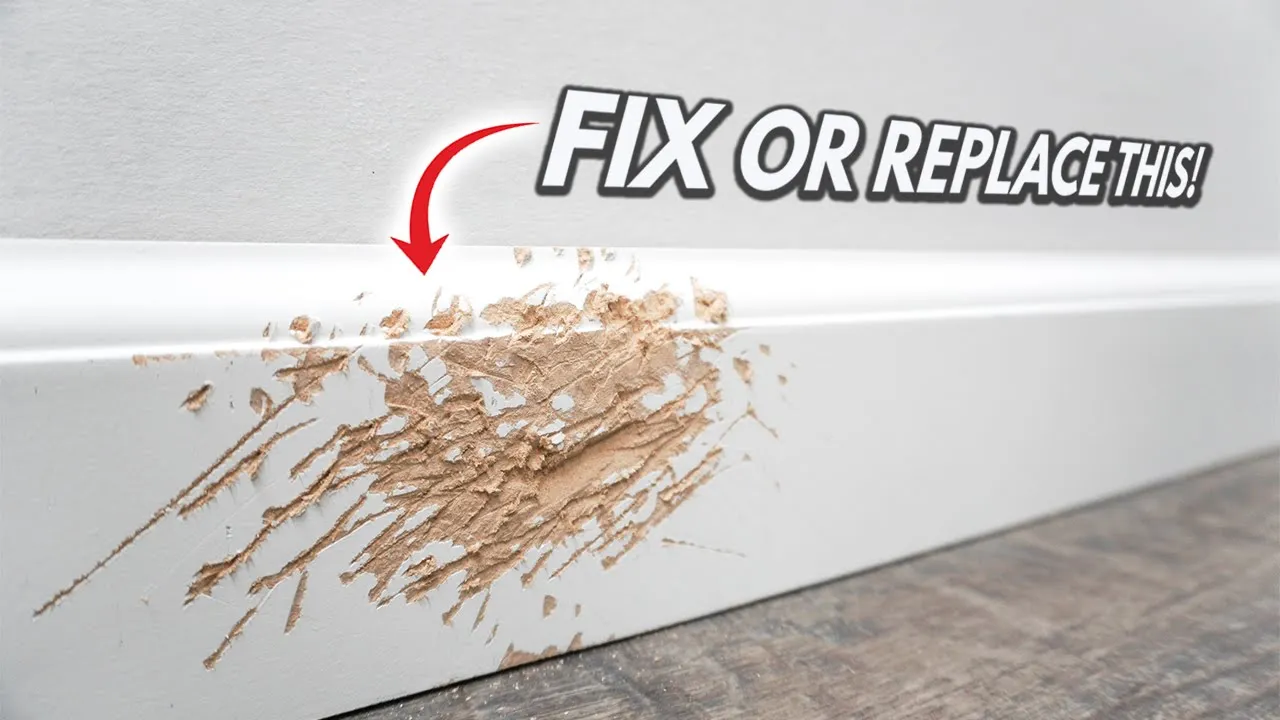
Practical trim carpentry installation methods, applying glue-strength data to prevent cracking in casing, baseboards, and crown molding.
Principles of structural testing in wood science, learning how to design objective shear, tension, and bending tests for various joint configurations.
60.1K views1.5Klikes5:30Original Release: 2024-02-22
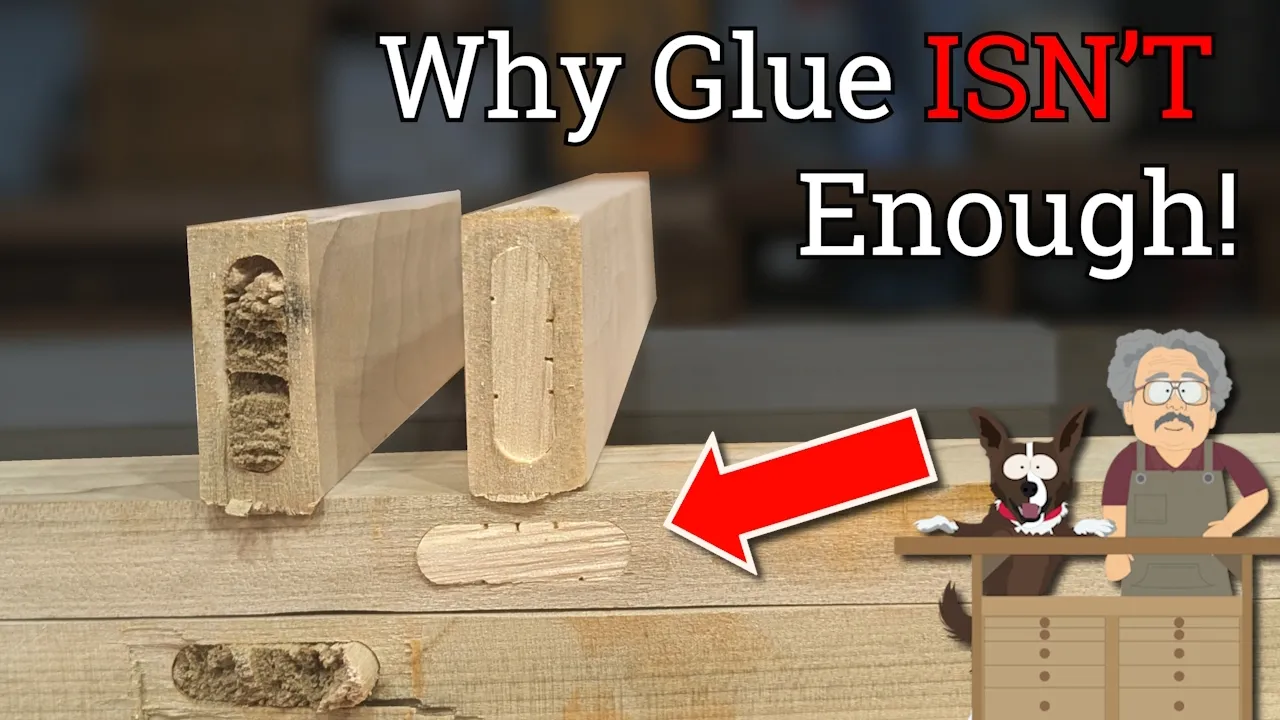
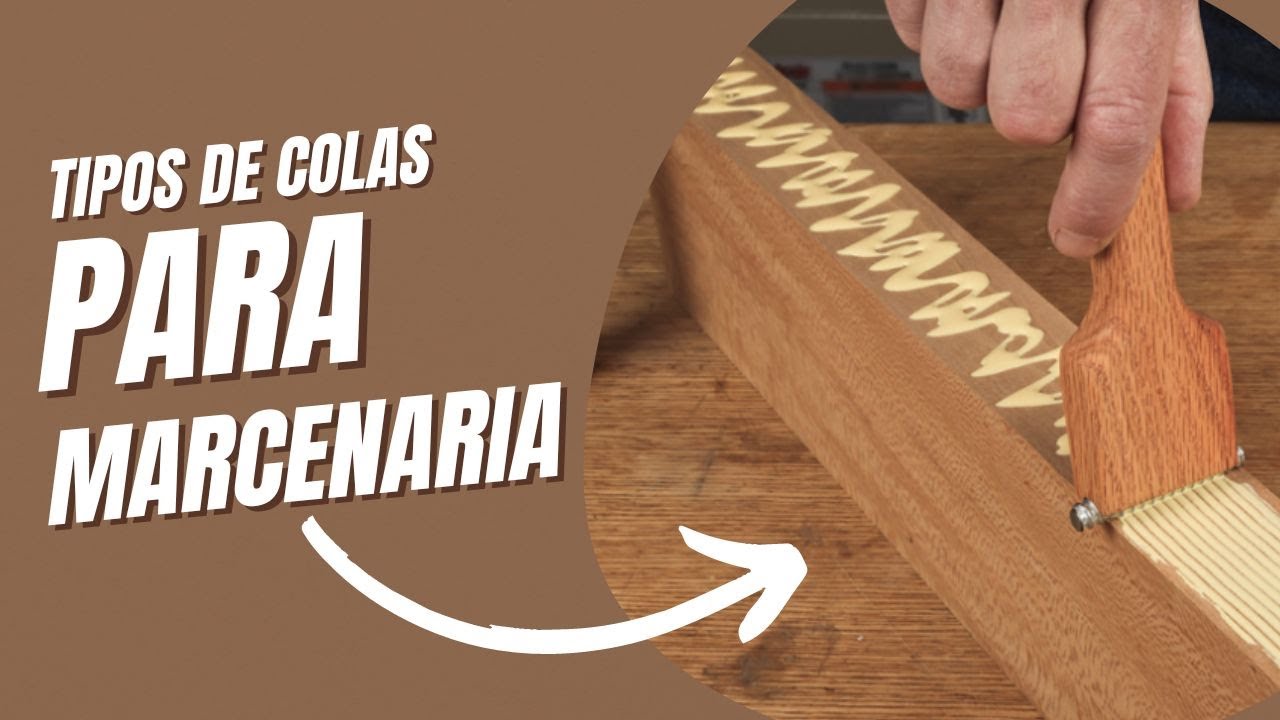
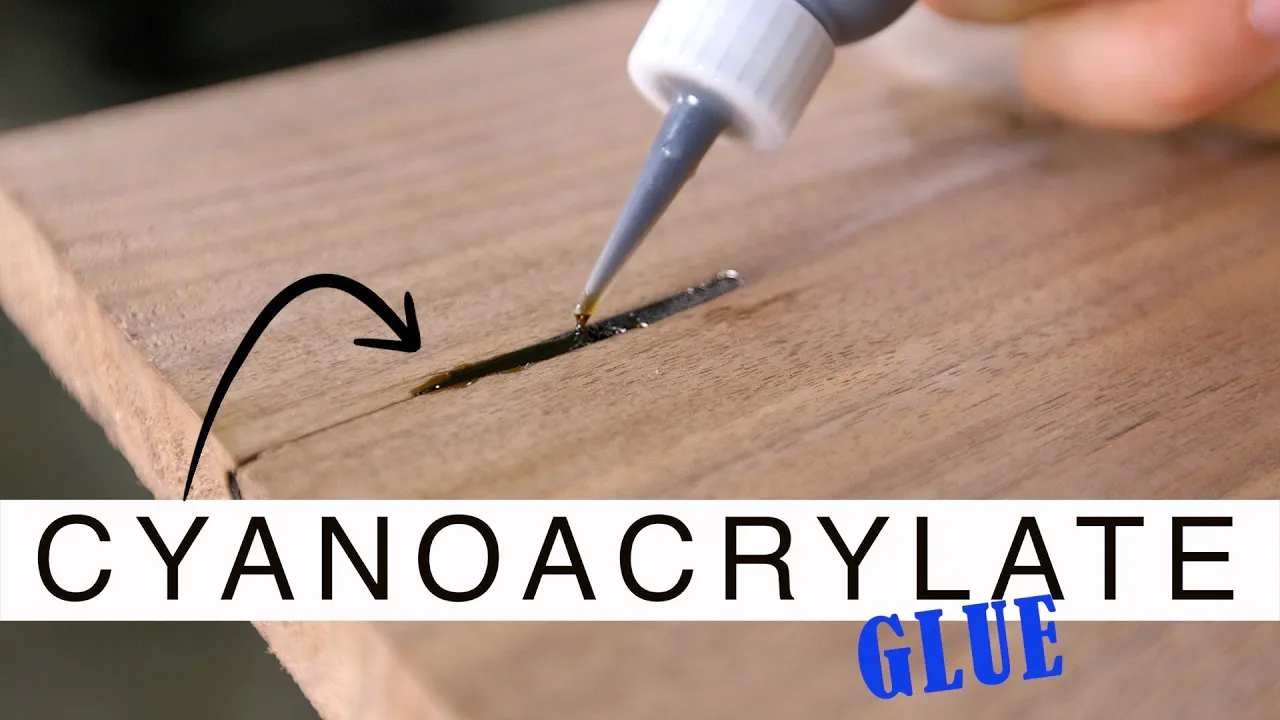
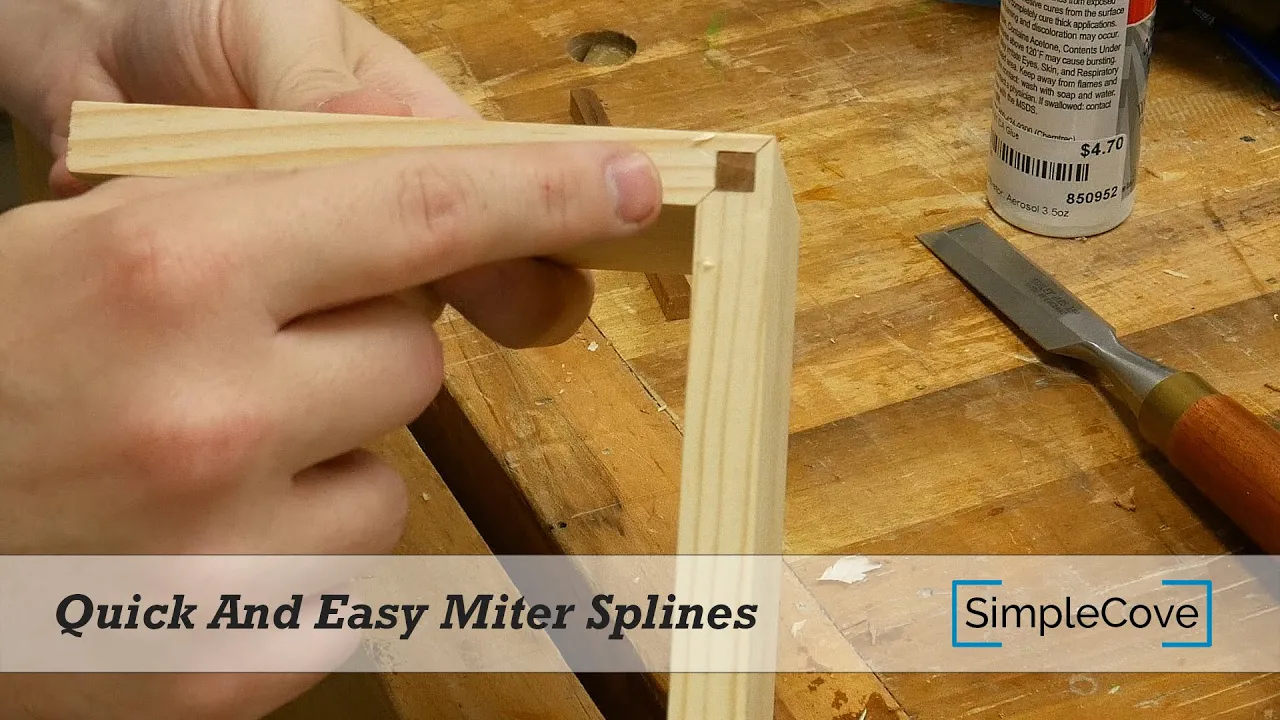
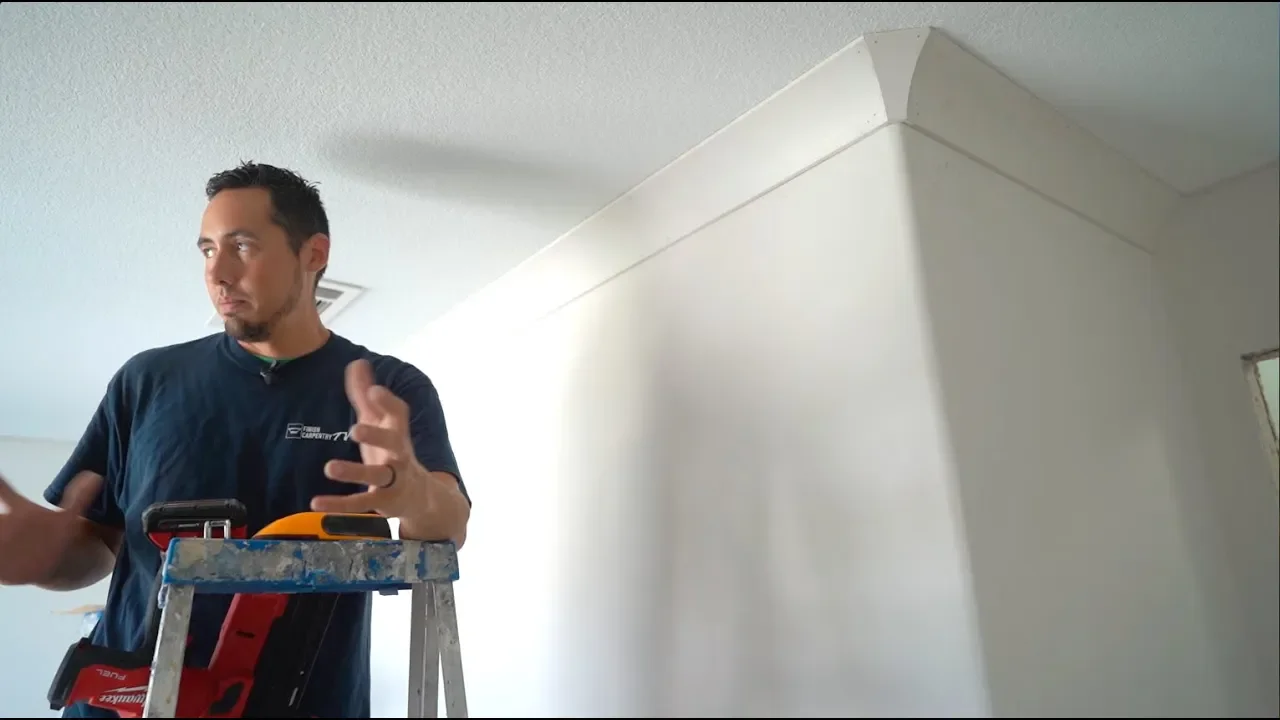
now I'm a little embarrassed that I don't already know the answer to this question but we're going to find out here today we're going to figure out which glue gives you a better miter joint strength between wood glue and CA glue with activator we're also going to have a look to see if there's a difference between these two glues when it comes to MDF versus Pine trims and then stick around to the end I'm going to tell you why most these joints end up failing in the first place now to test out the joint strength here I've made a number of these sample pieces here this is just your typical trim it's 3 and 1/4 in wide 3/4 in thick we've got MDF and pine with each of the glues so the first one that we're going to test here is actually the MDF with the CA glue and activator now to put that together it's just a heavy dose of the CA glue on one side activator sprayed on the other side then you hand clamp it together for about 15 seconds to test out the strength here we're just going to keep adding weight into this bucket Until It Breaks apart and then we'll record the measurements I'm going to put the safety glasses on here I've done a number of these off camera and it's a little scary when it breaks apart so uh just going to protect the old [Music] eyes wow you can see that it has just like sheared the wood apart like that that joint was pretty strong now I performed this same test twice the first time I put everything I had into the bucket and I ran out of weight when I was going across town to pick up some more weight it was broken when I returned now now that broke at 99 lb the second attempt here that we just watched was 103 lb that gives us an average joint strength of 101 lb which is mighty impressive now let's take a look at the MDF with wood glue to get this together here I just put copious amounts of wood glue on both sides of the miter then a spring clap and some tape to hold it nice and snug all the joints have had one week to fully cure I've got high hopes for the wood glue MDF joint let's see how it performs now trial number one did not go great so for the second time around I was trying to be extra careful let's see how that one works out I don't want to bump it wood glue you let me down wood glue I trusted you I've used wood glue for all kinds of MDF glue-ups and uh 25 pounds of pressure and it just snapped right off on both cases very disappointed in the wood glue with MDF the CA glue was four times stronger holding up to 101 lbs over the two different tests that is absolutely crazy now I am very interested to see what's going to happen here when we move into the pine trims is this trend going to continue let's have a look at that now on the first attempt it held 55 lbs on the second run through it only held 35 lb so the wood glue on the pine trims held an average of 45 lb before it broke apart now there's a lot of chatter on the internet that states that CA glue does not work well on real wood so let's go ahead and test out the CA glue on the pine Trims and see what happens yeah [Music] now the CA glue held 55 lb on the first attempt the second attempt was 422 that's an average of 48 lbs making CA glue an excellent choice for Pine or MDF trims but the real reason it's the clear winner here has to do with why these miters break apart in the first place if you have a look around you're going to see a lot of cracked MIT whether at your house or somebody else's the reason why these miters cracked has to do with the wood glue method when you're putting those miters together in place with the wood glue if that door frame or the drywall is not completely flat it is very easy to get poor contact on that joint I put this little sample piece together here with MDF trim I cut it slightly off angle to show you what would happen if we test that joint it can only hold up 10 lb before it snaps off that makes the ca activator glue up method far superior in my opinion if you want to see how to do that method I've spent the last 10 years perfecting it I've got an excellent video on it right over here it had let it had breaking breaking broke did broke back I don't know how to say it was broken it was broken when I got back I think that sounds it was broke did that was pretty decent
Up Next
18:46
How to Build Wooden Trestles: Episode 1 – Surface Planing & Gussets
@Paul.Sellers
109.2K views•2018-06-18

12:54
Triumph of Orthodoxy Icon: Byzantine Art & History Explained
@BenCallan
2.1K views•2024-08-06

9:49
FastAPI vs Flask vs Django: Choosing the Right Python Web Framework
@TechWithTim
302.5K views•2024-05-26

1:42
Game of Thrones Opening Credits: A Cinematic Analysis
@gameofthrones
46.3M views•2011-04-18
Related Study Plans & Knowledge Roadmaps
Structured learning paths in General & Interdisciplinary Studies
general-studies
Elevator Engineering: History, Physics & Cities
01From Hoists to Safety Brakes: The Dawn of Vertical Lift
02Hydraulic vs. Traction: The Engineering Physics of Elevators
03Modern Speed, Safety, and Algorithms
+ 2 more learning modules
12h5 modules
Explore Roadmap
general-studies
Rubber: Material Science, History & Geopolitics
01Origins of Natural Rubber & Mesoamerican History
02The Chemistry of Natural Rubber & Vulcanization
03The Geopolitics of the Rubber Boom & Colonization
+ 2 more learning modules
12h5 modules
Explore Roadmap
general-studies
Containerization: Evolution, Logistics & Trade
01Ancient Trade & Bulk Cargo: Amphorae to Barrels
02The Industrial Revolution & Cardboard Packaging
03The Containerization Revolution: Malcom McLean
+ 2 more learning modules
12h5 modules
Explore Roadmap
general-studies
Textile Tech: Evolution, Labor & Global Impact
01Pre-Industrial Textiles: Handloom & Cottage Industry
02Mechanization: The Spinning Jenny to the Power Loom
03The Factory System & Global Labor Transformation
+ 2 more learning modules
10h5 modules
Explore Roadmap