



![Electric Universe - Psycho Acoustics (DigiCult Remix) [Official Video]](https://i.ytimg.com/vi_webp/Im-JIXI9I30/maxresdefault.webp)













Musical keys produce measurable physiological responses in humans, with research demonstrating that keys containing more flats tend to slow cardiovascular and respiratory rates while keys with more sharps tend to increase them, suggesting that our bodies respond to the inherent characteristics of different musical keys through hormonal and autonomic nervous system pathways.
How Musical Keys Affect Human Physiology: Biomusicology Lecture
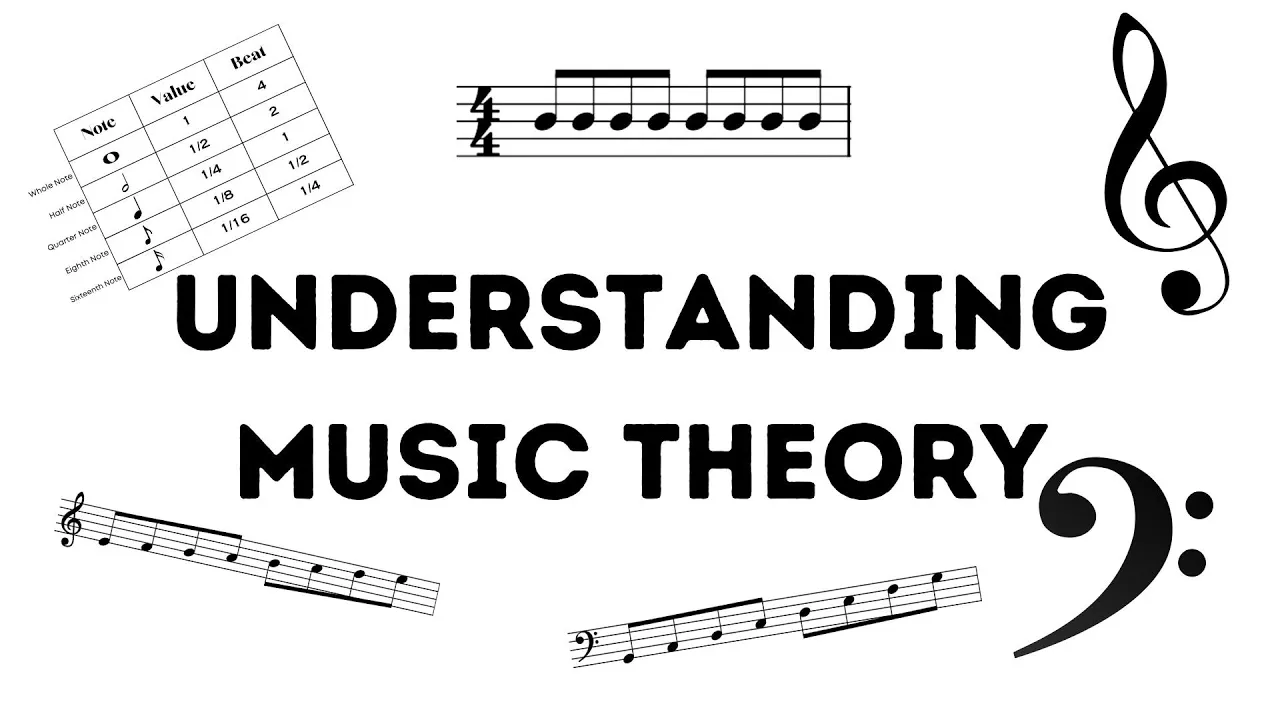
Added:Basic Music Theory: Understanding scales, intervals, and the structural differences between musical keys, particularly major and minor modes.
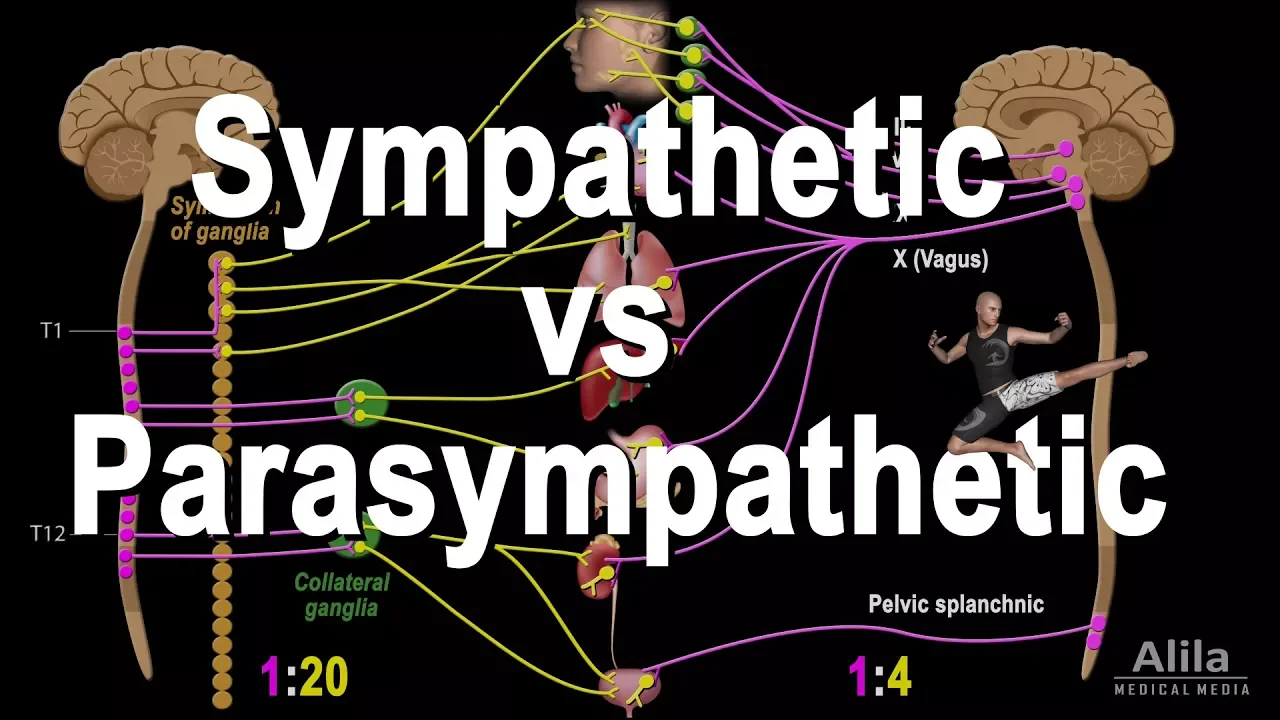
Autonomic Nervous System (ANS) Physiology: How the sympathetic and parasympathetic nervous systems regulate involuntary body functions like heart rate and blood pressure.
Introduction to Psychoacoustics: The scientific study of sound perception and how the human brain decodes frequency, pitch, and timbre.
The Concept of Auditory Entrainment: How biological rhythms (such as heart rates or brainwave frequencies) can synchronize with external acoustic rhythms.
Clinical Music Therapy: Exploring how specific keys and tempos are applied to treat cardiovascular disorders, anxiety, and neurological rehabilitation.
Neuromusicology: Advanced study of how structural changes in music stimulate the endocrine system and modulate neurotransmitters like dopamine and cortisol.
Acoustic Ecology and Soundscapes: Designing physical environments (e.g., hospitals, workspaces) using specific musical keys to promote healing or productivity.
Biometric Interactive Music Systems: Investigating technologies that adjust musical composition in real-time based on the listener's live physiological biofeedback.
825 views10likes1:01:29Original Release: 2015-06-20
[Applause] hi and welcome I'm very pleased and proud to introduce Adam Odell he is a senior music composition major who has had a passion all of his life um about researching music in its intersection with science and biology in fact his one of his corstone papers was on the subject but not quite as detailed um this is a part of Scholars Program presentation he did an independent study this semester um and doing research on the effect of sound on the human body I have to give two people credit who did a lot more work with him than I did Melissa deota and Amanda mansu so thank you for all your [Applause] help um so please turn off your cell phones and all that other P stop and it's with great pleasure I introduce an [Applause] recognize this yeah that's J beling by J and the cast yeah there's a few more songs the check it out my life is brilliant my love is pure my sovereign angent of that I'm sure people killing people dying children hurt and and crying can you practice watching PR would you turn the other cheek forever I want to be forever young I won't take no more no more you canot wa I'm your lipstick stains on the F by the left side brains I knew I wouldn't forget you if I could then I would I'd go whereever you feel nobody wants to see us together but it matter take me home to the place I belong I'm the biggest fan I'll follow [Music] you with the wind Without You Pictures of You pictures of me hung upon your W for a while to see and she will be yes she will be love when IOU Mary to me is a dream I come from red white and blue F you do America America this is you they that a good girl never I come when I come T take a to away I am again thought you are the one in my head I see you all over me in my head you fulfill FY my on my ra I still just me to make comp she playing with okay I got no selfesteem so them beautiful too late to fall too late just going to stand there watch me that's all right because I like the way it hurts it's my life it's now never i't going to live for can't let's go R double rainbow all the way across the sky so enjo yourself [Music] you Tre Time to Say Never toose to doesn't that the way the things have gone that everyone want a little more something I do remember never that's all it takes to be a [Applause] star the grace not database has 46 m 2,354 songs that's a lot of songs if you started off the second that you were born listening to every song in this database and listening to it without sleep until you died you would not get to all of them that's a lot of songs and so it seems that it would just have to be that with this many songs that repetition has to be imminent and therefore the AIS of awesome should be no problem coming up with these 47 songs that go by the same progression right because there's only so long you can go until you just start repeating things so is this repetition imminent well to figure that out let's go into some math here so if we were to find the possible combinations of every 5 minute audio clip if our ear could discern it maybe so could a CD and so let's look at possible combinations on one of these CDs CDs process sound using bits and bits can exist in one of either one of two uh different states either as a zero or as a one uh and with that there you would require 211 million bits in order to fill up 5 minutes of audio on CD and so the number of possible combinations is 2 to the 211 million power how big is that number well let's look at a drop of water this one right here that has six sextilion atoms in it also a big number that has 23 digits in it that said the number of atoms on the entire Earth as sign scientist predict is a number that is 50 digits long then again to estimating the number of hydrogen atoms in the universe that number is still 80 digits long so now looking at possible 5 minute audio combinations with these three numbers now in mind the number of possible combinations on a CD for 5 minutes is 63 million digits long that number is insane it's something we cannot even begin to process let alone listen to all the different combinations but within that there is the first five minutes of Beethoven's night's Symphony basically any Masterwork that is ever written as well as any Master work that has yet to be written this includes conversations that you had with your parents when you were 5 years old this includes conversations that you had with Jesus of Nazareth when you were 5 years old so again big number lots of possibilities but maybe it's not the best place to start when we're talking about organized sound that is music so continuing on from there let's look at possible measures of Melody so we have 12 tones in our Western scale so we can consider that 12 pitch classes so not counting all the different octaves that these notes could be in and then looking at our six note durations um bringing it down to the 30C note so whole note half note quarter note eth note 16th and 32nd um with all these possible combinations the number of unique measures of Melody is this number still a pretty big number and now let's compare that to this number how many seconds old the universe is and we still have a pretty big number now when we think back to our 30 second notes maybe one of them slightly out of place or with a different pitch we can start maybe breaking them down saying okay maybe this is pretty much the same Melody and start breaking down that number from there but does that still bring us back to this now seemingly very small number of songs in the gr not database so a lot of possible combinations so why is it that we like to go back to these patterns well we are creatures of pattern and there are many questions that answer about music a few of the ones that I hope to address here tonight is why did music develop the way that it did why are these the patterns that we go for uh and continuing from there why do we as humans respond to music in general uh when we think about it this way it's really interesting when you think about the fact that across all cultures um for all of recorded history we have never found a single culture that didn't already inherently have music um there are plenty of things that globalization of course brought in in all these different cultures but before that there were some cultures that didn't have Visual Arts there were some that didn't have science or architecture or Recreational Sports not to say that these disciplines aren't important but none of them seem to be as inherently instinctual as music so why is that and then continuing on from there what are the aspects that we respond to and how is it when we change them how do how does that change the way that we respond and from there what is music's importance in the world of course I cannot get into absolutely everything within 45 minutes here tonight uh but I hope to address some of those things um before going any further I would just like to Echo a few of the thank yous that Amy had as well as some of my own I'd like to take the time to thank all of the professors who helped me put this presentation together um in no particular order Dr Melissa de who helped me with uh everything regarding physiology with science helped me with sort of the the anatomy of the ear setting up my experiment uh teaching me how to use the biopac system which was very different for me as a music Major um and then also Dr Amy dunker who introduced me uh she's been helping me sort of cultivate this interest uh since I began here and has helped me put together the independent study that we had uh and has been a huge help in that regard and then to as well Dr Matson who helped me with a lot of my math that I W up doing and helping me with the information on Pythagorean theorems and everything so thank you to all of you um I would also like to thank the Scholars Program uh drors m p and Tom Riley for uh helping us to Pioneer this course uh and make it happen uh I have to say I really enjoyed interdisciplinary study so under classmen try to take advantage of it while you're at a school where you know the biology Professor knows the music Professor knows the math professor um CU it's a lot of fun and you never know the ways that you can combine that so uh I certainly hope that you consider that and then of course I would like to thank my parents um because I was born and because they have been helping me out from day one of course and have been such a huge support even through my collegial career so thank you for them so continuing on the music Instinct and why is it that we respond to it uh this book by Philip ball is the one that I've been reading for most of this semester was my uh sort of require reading for the biomusicology independent study something I highly recommend that you get into uh if you have the uh interest um and one of the things that they that Philip PA talks about in his book is sort of how we as people sort of developed our our desire to perform and to listen to music of course it's hard to be able to completely study Instinct but there are a few theories first of all there's the darwinian theory discussing how musical Talent might have some sort of genetic manage some sort of uh sexual attraction sort of thing there in a similar way that a male peacock has bright feathers so to might we develop this ability for music um and continuing on from there however uh as anyone who has sobbed into an empty can of Ben and& Jerry's while listening to My Heart Will Go On music making is not always a sexy activity so and if it's not always sexual then what are the other things that we respond to well if we listen to sort of organized sounds in other in other species we can look back to the chirping of crickets that have specific pitches for certain communication you can look at bird songs which not have have not only these certain patterns that they follow but specific pitches to mean different things whether they're trying to find a mate or to Signal danger uh and then that continues on into the primordial screeching of the orangutang and then eventually the college freshman sitting on the front lawn trying to play wonder wall by Oasis in order to get a homecoming possibly where these all came from uh but one thing that's very interesting is that we as people as humans are the only species where it our music instinct is both Universal and one where we actually create it and where we create it for pleasure um so again another interesting thought about our human instinct there so why could this be let's bring it back to the 6th Century BCE with Pythagoras I'm sure you've heard of him uh he was a grief oser mathematician of course known for A2 + b s = c^2 but other than confusing you in your freshman your math class there's a lot of other reasons why you might know about him for example we in music happened to know him for his string experiment uh he took a string and he plucked it um we don't know exactly what the frequency was but we do know what fundamentals are and all that good stuff so for the sake of demonstration I will say that the fundamental pitch that he played was a220 a right below middle C on the piano so he PL a string and it created this sound then he started dividing the string by simple ratios and so cutting the string in half he then noticed that it played the octave up so we now have this octave based on this 21 ratio and then going to cutting it into a third we then find the perfect fit above that note so that's what we have now and then cutting it into a fourth that is now half of the half so that brings us to another octave two octaves above the fundamental and then cut it into a fifth then found that major third and so now if we play all five of [Music] those does this sound familiar well it's a major chord it's considered to be one of the most consonant sounds that we have in music uh and the reason why this is is because it's a simple ratio and we hear these things by simple ratios continuing on from there Pythagoras noted that as you started cutting the string into these different proportions whatever the denominator was that was how many times faster the string vibrated as well so cutting in half that doubled the speed of the vibrations cutting in a third three times as fast so on and so forth and so now we measure these vibrations uh by Herz which means cycles per second uh so this first note that we played this a220 that's vibrating 220 times per second and so we perceive it as that pitch so this experiment led to what Pythagoras called the harmonic series uh so our harmonic numbers that you'll see here uh or partials as they are also called um can be seen here and they are numbered by the denominator again those original fractions pitch classes are repeated again in multiplications of two so at 1 2 4 8 16 you'll find that octave again then three is where we found our fit and so again you'll find that at 6 and 12 and 24 and so on and then any other time where one of those numbers is not already been used that's where that is where you will find a new pitch class and so that is how we develop somewhat there's a couple changes that we also made throughout time but that's generally how you can find all the notes on the major scale and then eventually in the chromatic scale so from this he then further deduced ratios um that we use in order to find all of our different notes um and the simpler that these ratios are the more consonant these intervals sound to us and so as a base we have 1 1 2 3 and 32 and then to continue on the o we also have 2 1 and so that 1 is our units and two one is our octave and you'll note that as they start to add exponents to these different things they become uh sort of less related so 16 over 9 is certainly a bigger number harder to divide than say 2 over 1 when you have the 16 over 9 that's minor 7 doesn't sound quite as complete quite as right as say our octave does and so how is all this processed well it's through our ear um so again Herz That's How Sound VI iates and so as I speaking right now my vocal cords are vibrating and that's pushing around some air molecules maybe not so much pushing them around as they are getting too close for comfort and then that starts bumping into other air molecules and then spreads out into this entire room and then as these air molecules reach your ear via the P you know the funny shaped thing on the outside that starts to channel out all these sounds as well as uh can tell the location so some of you are hearing me at different angles because of where I'm coming from uh and the is what channels that sound in terms of where it's coming from and then coming in through here we have our ear canal and then eventually vibrating through the tanic membrane the tanic membrane vibrates in what is called a sympathetic vibration uh this might be a little hard to hear but just to demonstrate or to take the tambers down on the piano and sing into it then you can very faintly hear some of these strings vibrating at the same pitch any want hear that out of there so that's basically all of these sounds are vibrating in this way uh and then other things start to vibrate in those same ways that's what the symic membrane does in order to um find both the pitch the frequency as well as the amplitude how loud or soft it is and then that's all translated through a series here through the malas incus and stapes your ear bones and then that eventually reaches your CIA the CIA is um your auditory organ U and it's it houses the Bas membrane which holdes the holds the organ of now within the organ of Cy there are a number of hair cells and they start here at the base of the basar membrane and as they're at the base they are shorter and stiffer so they are finding some of these higher frequencies that you're hearing and as you go down into this cool little spiral and reach the Apex you will find longer and more limber hair cells which are finding in these lower frequencies and so when a220 is vibrating in the piano the hair cell with your organ of 40 is going oh hey I'm the hair cell for a220 and vibrating a whole lot and so that's how we're discovering these pitches and so when we consider back to the way that we hear things as well as Pythagorean ratios these things that are vibrating with these simple ratios sound you know good to us if you will and so going back to our s by Axis of Awesome let's say that c is our one chord then if you go in that simple ratio to 32 That's goes for our circle of fist that's our five chord then we go here to our F that's our four chord and the the same direction just uh finding the inverse of that ratio and then a minor uses all of the same notes as C major and so it vibrates in a similar way so that is why that sounds sort of simpler and more right to our ear and so with all of those being the sounds that sound nice to us we use them a lot more in music which is why you can take 47 songs and even more than that and put them all into one very silly song So continuing from there we can also discuss differences of tamber when the piano plays that a and when I sing the a it sounds different and why is that well it's because if piano is playing h220 and I'm seeing h220 it's not just that one air cell that's vibrating but there's actually a whole bunch of other ones so if you start down here you'll see this diagram of 100 htz there's a lot of vibration Happening Here none below it but then slowly less and less happening here but there is activity going on throughout the entire Bas membrane uh in the higher frequencies above it so how can we find those we can find them through an equation called the 4A transform based on a natural phenomenon um it's very hard to explain the whole thing while we're here today it's very comp right it's very complicated but uh just a little way to bring it down it takes a single signal say my voice or the sound of the piano and you can take that sound the equation of what those things sound like based on these sound waves and break them down into a number of other sort of composite frequencies the things that it's made up so we have our original right here making that normal sign wave and then we start to find the pitches that are making it up in sort of circular Pathways to explain that further I'm sure many of you we have a bunch of gen wies in here have seen the Twitter logo and we look at it and at first value it's aha it's it's a bird and so that's what we're seeing so in the same way it's like aha this is Adam's voice same kind of way this is the bird for Twitter some of you may not have noticed that the Twitter logo is actually made up of a whole bunch bunch of circles I thought that was really cool when I first discovered that um and so that's again the same kind of thing with 4A transform a whole bunch of circular pathways are happening within a single signal which is why certain things that sound the same way are also sounding different in terms of their tamber the way that they sound uh and so as a bit of a demonstration of that I created the overtone sequence on a file on an application called audacity and so if look here we have our fundamental happening right here as that goes through one wave we have two waves happening here and three full Cycles happening here um and so because they are vibrating in a similar way your ear will actually interpret them as one sound so we'll start off right here the sound here on the top is just a220 by itself but then as we start building some of these overtones we'll start hearing a brighter sound so we'll hear e660 here so in this next sample that sound is happening but your ear interprets it as what sound just sort of a a brighter quality another thing that's really interesting is that even if you take away that fundamental you take away a220 a440 and 660 are still going on and your ear is like okay well the greatest common factor of those two uh numbers is 220 and so 220 must be happening so I'll still hear this as a 220 and I'll still hear this is a220 so even though this pitch is technically not happening your ear still hears it that way yeah I thought it was PR um so just how complex can some of these tampers get well this diagram here of all of these different overts happening that is me saying the quick brown fox jumps over the laser dog that is a representation of my voice that is how many sounds are happening just from me speaking that you can see so um why is this important there we go um this to be part of some of our conditioning maybe not everything is completely natural but maybe after you've known somebody and say fallen in love with them after a very long time it might mean more to you that they are singing a love song than say Marvin Gay singing it um and so these are some very interesting things to consider in regards to how we interpret sounds and how these sounds affect us uh so looking at this just a few of the hormones that are known to be released when you are listening to music uh you have norepinephrine which is affecting your alertness and your arousal dopamine I'm sure many of you have heard that one it's sort of your neurological reward system serotonin for mood balance another one that I I didn't need to put on there but there are plenty of them um we have nor epinephrine we also have epinephrine or adrenaline uh this is something that you could most look to maybe with uh marches getting people ready for the uh for going off to war or I'm trying to think we have any men's volleyball players in here or anybody who watches a lot of men's volleyball woo okay so would it be more or less climactic if we didn't play Chelsea Dagger after you won probably less fun right exactly because we listen to that and we're all getting really excited that is again that release of adrenaline after a good win so how does this happen exactly well we can start looking at how these different sounds uh and how they kind of pair together how they group together uh as sort of working either with or against our own nature uh and so we use in nature dissonant sounds to Signal some sort of stress or some sort of danger uh if there is uh some sort of animal that is you know shrieking because something is coming to attack them they're probably not going to sound pretty it's not going to be a major chord being like ah I'm a major chord and we're about to get attacked it's usually something that does not sound very nice um and so in that same way we have all of these different sounds that to our uh to our auditory system don't sound right so if I play this not a very pleasant sound none of those sounds are really related however if we play this Ah that's a little better and so in music we use that uh in a way that is called tension and [Music] release it's like aha that's settled and so that's what's causing these uh reactions within us so U before I continue on with sort of the problem and then research that I did this semester I need a couple of volunteers I need one man and one woman please anybody who's not very stage shy all right go for all right Ellie come on up all right so [Music] so introduce yourself I'm hello so we have Ellie and Nick come over stand over here I'm going to teach you how to sing quick so yeah you're sing all right start with all right it's very simple it's a song I I really hope you know we're going to sing the first two words of Twinkle Twinkle Little Star twinkle twinkle there twinkle twinkle twin twinkle twinkle there it is now Ellie I'm going to go to your o unless you're a base are you a base okay so I'm going to go more your [Music] there we go okay so um really quick who do you think setang a further distance in this uh in this experiment did it sound like they Sayang the same thing or did they sing something different yes right sounds the same I'm sure that maybe some of you who extrapolated from some incomplete data might know otherwise um but it sounds like they saying the same thing just those perfect fists the Twinkle Twinkle Little Star please give him a [Applause] hand so what if I told you that these two actually sang something that according to Herz was very different what if I told you that the distance that Nell's hang was twice the distance that Nick's sang slacker so um we have of course our M volunteer lower voice I'm singing an octave below that again as these octaves start to go up these frequencies start to double and so the number of Curts again doubles between these intervals that are considered to be the same this is what's considered to be a perceived linear function it's not linear at all but it's perceived as a linear um because of the way that your ear just hears things um and so as we look at that we convert uh as musicians we convert these hurs into what are called sents and that's how we tune things and So within a single octave we have 1200 cents again these these numbers are completely arbitrary we created it up 1200 um but it was just to make some simple numbers so we have 100 cents per H so it all sounds like they're the same distance apart despite the fact they are increasingly getting further apart so within that tuning system we created an equal temperament uh there are a number of different ways of tuning things um but equal temperament is the one that has 100 cents per semitone and so they all sound equal distances apart so they are caused to be perceived as equal however our ear according to these Pythagorean ratios actually does not hear them that way uh if we look at these inconsistencies here as we go around the circle of fifs we will eventually reach our fundamental again like so let's say it's C here we go around that Circle uh through the circle of Fist and we should reach another SE however if you take 3 over2 and multiply that together 12 times we get 129 point a whole bunch of decimals but then if we just go up those octaves according to the 21 octave ratio it's 128 so so these numbers are different and so the way that we sort of fix that inconsistency is that we lower all of our fists and so that they all sort of fit in so all of our octaves sound correctly and that's what we've done in music for a very long time um here's a bit of a comparison here between these Pythagorean ratios as we would know them as well as equal temperament you can see that the octaves are properly together starting to come Park here C and D are actually pretty well Out Of Tune uh in comparison to the way way that you fear them and so when we do this and we tune them these different ways and we have all of these different tuning systems certain keys will start to sound slightly different so looking into this as I was looking into my eventual research um did equal temperament ruin Harmony uh there's a book I read by Ross Duffin that asks exactly that question um for those of you who maybe have more of a musical background this might be a good book for you to look at um but one thing to consider is that equal temperament can kind of correct some of these inconsistencies which might actually change uh some of the different characteristics of our musical keys and so it's something that we considered um as well in our experimentation but another thing that you should note is that in terms of temperament only keyboard instruments like this one that have to play in a whole bunch of different keys without being changed those are the ones that use temperament most often uh brass winds strings voice um they don't have to use that as much they can uh correct these different sounds and so we still hear some of these sort of color differen uh and what do I mean by color well we've sort of heard these differences in keys for a very long time back in the Baro era again the 1600s we had the doctrine of affections which talks about how to bring about emotion in music and one of the things that is discussed is these different musical Keys we go on even later to Alexander scriabin he was um a late 19th century early 20th Century composer and he had synesthesia and so when he heard things they looked like things and when he saw things they sounded like things all that kind of stuff uh and one of the things that he said is that he heard all these different Keys having different literal colors um I personally uh have some similar ideas about colors and keys and many other um musicians and Scholars do as well um scriabin personally when he heard c um thought about more of a red I've known a lot of people including myself kind of think of C as sort of a white key uh he sees f as sort of that sort of Darker maroon color um there's also been people who said that it sounds like green um so this is really interesting and of course there are some these consistencies from person to person but a lot of music Scholars say oh hey there are these differences and so I was asking okay why do we hear these differences what are these sorts of different characteristics and how can they attp our physiology so a couple of things that I considered is one of the things that I have heard ever since I began my music education and something I've always been interested in figuring now we say that sharp keys are brighter and that flat keys are more mellow our key of C that is one that has no sharps or flats and it's considered to sort of be a neutral key as you start to add Sharps again that brighter sound flats and more mellow sound um then also thinking of some other aspects we consider higher frequencies again higher frequencies in nature usually signal danger uh and looking at that if you've been to a Broadway show or an opera usually a key change signals some sort of big climactic moment where they raise the key and you feel more excited and so maybe a higher key could also be affecting physiological responses and so with this we have these two theories that you see here at the bottom higher pitch ranges leading to higher heart rates and respiratory rates and then lower Keys with more flats are more mellow as in they might slow cardiovascular and respiratory rate and so in order to do this experiment we came up with two different musical examples and use these theories in different ways um the first example that we have here is our toown in D and then lower to d flat um and so in this way this is a piece that I used for the play that we did back in the fall um and it compares the two theories alongside of each other uh and so that's lowering it into a morelo key and so we took them in ways that we thought would relax physiological response and then in y of Joy of Man's Desiring by Bach we then compared the two theories against each other so we're raising it but then also to a more Metal Key and so let's take a listen to all these sounds that are various subjects listen to so this is R toown and D the original [Music] key and then that same piece now lowered to d flat [Music] all right now Yu Joy of Man's Desiring and it's original key of G and now raise up the FL and so um using these pieces we then conducted our experiment we had 18 subjects raging from the ages of 18 to 23 as in classmates um and so we had 11 women in seven men uh we measured cardiovascular activity um we measured everything using the biopack system uh which is what we have here in our centr science inquiry uh we use an EKG to measure heart rate and then respiratory rate and title volume or with this barometer uh and then we started with 3 minutes of silence as a control group to kind of get a baseline based on silence what these different people's respiratory ratee cardiovascular rap were and then we had three minutes of silence between each two minutes of music so it would go 3 minutes silence 2 minutes of Music four times uh and then we had eight different playlist orders and so sometimes we would start with part toown other times we' start with Cas you Jo men's Desiring and then sometimes we' use the original key first other times the altered key just to make sure there wasn't anything with the order that was affecting what our physiological responses were continuing on there a very tou but um from that we collected our data and started doing our analysis uh what we noticed is that in terms of our EKG that's where we saw some very concrete results uh all 18 of our subjects saw the biggest change between their ourtown examples and so comparing ourtown and D to d flat um we have our Feats per minute on this axis here uh right here it doesn't look like there's too much of a difference so I turned it into a number to kind of explain it a little better our town in D there was about 832 beats per minute versus uh 80.7 is uh during our town in deep rat and so this is um being lowered by three beats which doesn't really seem like a lot but when I think back to other physiological experiments where we've done where entirely different pieces get a difference of say 10 the fact that we only changed one aspect and otherwise identical piece uh that was a very interesting difference to me and again we saw that all 18 subjects no one had a different response to the differences in these two keys then looking over to Yu Joy man Desiring a majority showed a more relaxed bpn during a flat over G however there was a little bit of crossover some people felt differently um than sort of what this Norm would otherwise be considered and we also saw that in a lower difference in har so moving on from there with our key values uh our respiratory rates sort of followed some similar patterns but none of the data that we received was um significant with that regard but looking at our EKG data we had a lower be per minuted versus Silence with an incredible P value the lower you have the better and about 05 is you want it to be lower than that in order for it to be significant and obviously this is much lower than 05 versus silence um and then the lower BPM versus Our Town D was a difference um there that you can see and so we're pretty sure based on these numbers that these differences in EKG didn't happen by any outside sources um by any other uh sort of things that were affecting this person we you know we are now pretty sure that it was a difference in this music that was causing this difference in heart rght um and one of the thing that I found really interesting was the fact that the difference between silence our town and d and Yu G again these original keys all these differences between each other between all three of them were insignificant and so if we look at R town and D the difference between silence being insignificant and our of d flat versus silence being incredibly significant uh that was another very interesting result that we received now looking at Yu and a flat lower bpn versus Yu and G was again a little bit above what we would have wanted uh obviously with a 0 uh5 746 so it is an insignificant number but is again starting to show a bit of a pattern that maybe the um uh gazu an A flat versus G is actually causing a lower heart rate some other observations that we noticed um there were no noticeable differ differences between uh gender weight height anything of that nature of course these things can affect their Baseline EKGs but when being compared to each other we saw uh no differences in terms of the the chains between pieces or between silence um there's also no noticeable difference between the playlist order U all these responses um to say our time d flat it didn't matter where that example was there were similar results every time um one thing I also found very interesting we had a questionnaire to sort of gauge some of the psychological responses and we noticed that people who would claim to have a stronger musical background had a stronger reaction to the differences of keys uh and then continuing on from there within these psychological differences most people actually said that they didn't notice any difference between uh these two examples but then it again did affect their physiology um and then again we see our town creating greater differences in response than we saw in Yer and so from there we have a few of our conclusions so as we compared the two theories alongside each other in our town we saw the greatest difference in our EKG Yu Joy men's Desiring again we're comparing the two against each other and so that's where we start to get some insignificant data so maybe these two things are in fact both acting at the same time and now counteracting each other um and so again with only 18 subjects there's a lot that we we can't quite conclude yet um but there is a suggestion within the data that it is perhaps actually the keys themselves whether they are they have more flats or more shs that are expecting more so than uh the how high or low the key is and so how can we use all of this well when we think about these different keys and how they change physiological responses we could possibly be using these kinds of things in music therapy uh so I thought it turned out to be a really interesting subject in terms of how these different Keys uh affect each other so uh a little bit of a review here uh I know that there was a lot to cover here in our 45 minutes uh a bit of a review we are creatures of pattern when we hear these different sounds uh we start to like them and we start to repeat these same ideas and so we see this slower development of music because we're taking these ideas and then slightly altering them serinsky once said that great composers uh good composers borrow and great composers steal um I really like that quote because it kind of goes along with this sort of idea of Science and music as well uh and again our auditory system respond to these simple ratios and so music can work either alongside of against our nature in order to create these responses um and so how can we use all of this well music might be more powerful than I think most people imagine in order to see that I would like to introduce you to a man named Henry Henry is an Alzheimer's patient he is basically completely out of it at this point in his old age um he cannot recognize his own daughter most days cannot answer even the simplest of yes or no questions but when he is exposed to some of his favorite music we see a bit of a change let's meet him hi Papa hi Papa huh how you doing all right fine who who am I I remember as a child he used to walk us down the street me and my brother and he would stop and just Singing in the Rain you would have us jumping and swinging around Poes he was you know he was good he was always into music you know I always love singing dancing prefer see Henry inert maybe depressed unresponsive and almost un alive Henry yeah Henry yes I found your music you you want you do this now let's try your music okay and then you tell me if it's too loud enough then he has given an iPod containing the know his favorite music and immediately he he lights up his face assumes expression his eyes open wide he uh he starts to um to sing and to rock and to move his arms and he's being animated by the music what what does music do for do to you give me the feeling of love no M figure right now the world need to come into music saying you got beautiful music can beautiful oh love it and there I feel veil of love dream Lord came to me made me holy I'm a holy man so you give me this sence me to see R this beautiful new technology you can have all the music which are significant for you in something as big as a matchbox or or whatever and I think this this this may be very very important in uh helping to animate organize uh and uh bring a sense of identity back to people who are who are out of it otherwise music will bring them back into it into their own person their own memories their own if you take nothing else from my lecture tonight please make it this music is important in our increasingly pragmatic Western Society we're very quick to ignore things things that aren't immediately measurable but there are things that we've noted again music is universal throughout Humanity it's part of our Instinct and it is something that we have used for communication and for pleasure and for so many different uses throughout our entire history we look at it the entire tradition of slave songs in the antibellum period grew out of field haulers and then eventually became one of the great symbols of Hope for the slaves if we look at prisoner of war camps most specifically we can look to outtz and see evidence of people forming fires while they were imprisoned there music isn't just something that we do it's not something that's random and you can maybe get to it if you have a little bit of time it is inherently part of who we are and it is something that we should nurture because music does not affect who we are just as scientists or just who we are as mathematicians or as teachers or people checking off a box on their liberal arts education it affects who we are as humans thank you very [Applause] much now to question and answer I will try to answer each question as well as I can with Henry wasn't that [Music] get cut down yeah that's actually from that's from um if you're interested in more um that is documentary called Al live inside sort of talking about this effort um music is being used more so especially with the um surprisingly recent uh uh advances in technology and the iPod's only like what like maybe 10 years old right and still maybe uh a little younger than that yet and so this technology as we're developing it we're using it more in a lot of therapeutic ways U music therapy is an increasingly uh growing field of study uh and one thing that they've been noticing is that people who are exposed regularly to music um some of those patterns that they're hearing you know for example if you watch more of the documentary you'll see that Henry was a really big c Callaway fan and he always loved singing to his cab Callaway and after that um when you saw his interview there it wasn't just when he was listening to music it was for a little while after as well um that more of the connections were being made in his brain uh that he was um more alert more able to focus uh and that eventually does go away as they had not been listening to music for a while was um connections kind of stop again um but these memories are sort of again triggering these connections to sort of temporarily respond from the brain yeah so um it's it's been um used quite a bit in order to yes cut down on medication um to improve the moods of the patients um isia you call it you see the not as color um why is it so much variation you would think that the C would be color that is very interesting and actually something I don't quite know the answer to um uh I know that there are there are some people who will um discuss music as colors who do not even have synesthesia at all they'll mention it that way um and I I'm not really too much of an expert on the on the subject as well I I did a little bit of studying into it to kind of understand maybe some of these connections that are sort of happening but uh it's sort of sort of a crossover a neurological crossover if you will of all these different uh senses and so uh if you are perceiving something um that's usually you know via these signals and sometimes will get mixed up and so they'll go into sort of these different senses that's a really crude explanation please do not use that in any sort of paper um especially don't quote me on it um but that's basically a a general idea of what's happening is basically there's a crossover of these different senses and so um why the differences happen I'm not exactly sure about um but certainly be didn't worth looking into it but I guess it's not a question answer there's a doctor who think that beet music helps people with asers and he died and uh his material some of his material ended up in the M they're out at J's Collectibles which is closing Indi but he seemed to think that somehow he in particular help people with that I have to I have to go check that out before it leaves town so remember you said Jesse's what called Jess's collectible on rord Radford Road okay um I don't have a notepad on in one of okay we got it thanks Mom uh I think I saw question here yeah and then I was wondering with all the things in the news now with lawsuit so especially Stairway to Heaven made the news I don't know if you've heard um 40 years ago they pretty much copied core progression of their opening act and I'm wondering if you to look at the mathematic I would be really interested I've known a lot about that I know I I briefly mentioned Marvin Gay earlier and I would have thought that follow my discussion of repetition I would have mentioned that uh the Marvin Gay estate is going crazy right now with a whole bunch of music that's coming out um there was one song that Arvin gay came out with that had like a similar like uh that when who was it um guy who danced with Miley Cyrus what's his name BL lines Robert thick yeah what yeah um so there were there were like all these different songs that have come out in recent years where these lawsuits are happening um and I'm trying to think of what else I think stay with me and won't back down uh there are some similar sort of melodic progressions on that L to a lawsuit um I mean I i' I've looked into it uh very briefly I personally think it's kind of silly because we do kind of use some similar ideas there was one guy uh who I met at a at a conference in Michigan at the University of Michigan attending a composition seminar this guy completely did not realize that he quoted bethen Smith like it was like in this middle of this like post minimalist like a lot of stuff going on and then all of a sudden There Was You just you hear that like there was like me and one other person were just like yeah no we're not crazy we heard that so quotations of Music happened accidentally at all the time um I had a piece that was premiered by the DSO and someone came up to me afterwards and said nice Jurassic Park quote I'm like what so I think those kinds of things happen all the time person types of music that might for example when I was a kid you to talk someone go yeah you know if you go to Spain you see kids doing the exactly the same thing Thailand you're seeing the same tune it's like it's almost like Universal so would be exact same to yeah I I I don't know I know that we do do a lot of sampling in the music community of like where we will intentionally take a same Melody so maybe it was just um sort of some sort of thing that happened with um sort of crosscultural things it's somebody told somebody and they're like ha I like making fun of people with that sequence of notes um but yeah you hear that kind of thing um on more um sort of noticeable ways to for example um my country TI the is the exact same Melody as about say the queen uh we did that intentionally because we're Yankees dang it um and so yeah you'll hear a lot of those kindes of things I wouldn't personally know uh the thing on personally but I there are certain things they kind of uh sort of sound similar ways and you can also hear them kind of happening in across cultures too um there are a lot of cultures that been like multiple cultures we'll hear a trone which is u in terms of two different notes the two most dissonant notes that you get get on our scale right here and some people said that that was an evil interval like you can use that interval to summon the devil really hoping someone walk in just right there but yeah and so there's a whole lot of uh to that so maybe there's something with intervals that that might have a similar thing but yeah a lot has evolved out of our Instinct uh if that answers your question [Music] the story with Henry brought back last year our church had a conention go the holiday time and say Christmas girl for members who wer able to get out and one wonderful went to in the nursing home was in Alzheimer and couldn't carry on a conversation with the pastor but it started see Christmas car he joined us and he's saying word so and it really brought that music is of more powerful mhm absolutely like for example how many of you learned your ABCs without the tune I don't see any hand wait are we talking to S now well hey let's talk about this yeah and so it's really interesting thing music has been used for a lot of different um you know reasons for pleasure as well as reasons just purely out of like utility um the reason why Gregorian chant was used in Services was well one because singing you can hear it better than speaking and then otherwise people were able to uh remember words due to music you a lot better you know um for example I'm planning on going to do some karaoke this evening and I probably would not just be able to remember the words to one week if I didn't have a Melody there with me and so there's just uh it helps with memory as well regard gives some sort of some guide posst and so there's a lot of really interesting sort of cognitive things that music does in that same regard and so I think it's really something that needs to be explored especially in the heal Sciences personally other questions I think it was maybe Annie Moses group that appeared at University and they had four generations of teach music but now they have inst event they claim at the other end of the spectrum that uh very early like 5 years the mus does certain things to the brain and Mak connections and synapses that um therefore make the brain better to do other things or that they would not be able to do easily those connection for not yeah absolutely actually I'm trying to think maybe no less than 6 hours ago I actually wrote a letter to Terry banstead uh regarding the importance of music and education in terms of the development of the brain um recently there was a closing of a sous City Orchestra program um because they wanted to have another room to teach stem courses um and by by all means I mean obviously you've seen here I have an interest in the science and in mathematics so uh obviously St ources are very important but I think that the Arts and having sort of that very like all-encompassing education is very important and we see it in our students as well like I I I never really like to try to justify music's importance in this way because it's really obvious to me how important it is personally I might have a bias but music people who regularly study music have higher scores in uh science and math they're less likely to be involved in crime they're more likely to pursue higher education uh and you know the answer might be you know somewhere within our studies of of music and science abely um if you have any other questions please do feel free to find me at the reception we have some um cookies and punch I almost said punch and cookies or cooking cook and punchies or something like that I don't know I messed it up but we have we have food and drink outside please feel free to discuss come up and talk to me I don't like
Up Next
13:27
Neo Soul Chord Progressions: Advanced Harmony Techniques
@MangoldProject
340.9K views•2017-05-27

12:54
Triumph of Orthodoxy Icon: Byzantine Art & History Explained
@BenCallan
2.1K views•2024-08-06

9:49
FastAPI vs Flask vs Django: Choosing the Right Python Web Framework
@TechWithTim
302.5K views•2024-05-26

1:42
Game of Thrones Opening Credits: A Cinematic Analysis
@gameofthrones
46.3M views•2011-04-18
Related Study Plans & Knowledge Roadmaps
Structured learning paths in General & Interdisciplinary Studies
general-studies
Elevator Engineering: History, Physics & Cities
01From Hoists to Safety Brakes: The Dawn of Vertical Lift
02Hydraulic vs. Traction: The Engineering Physics of Elevators
03Modern Speed, Safety, and Algorithms
+ 2 more learning modules
12h5 modules
Explore Roadmap
general-studies
Rubber: Material Science, History & Geopolitics
01Origins of Natural Rubber & Mesoamerican History
02The Chemistry of Natural Rubber & Vulcanization
03The Geopolitics of the Rubber Boom & Colonization
+ 2 more learning modules
12h5 modules
Explore Roadmap
general-studies
Containerization: Evolution, Logistics & Trade
01Ancient Trade & Bulk Cargo: Amphorae to Barrels
02The Industrial Revolution & Cardboard Packaging
03The Containerization Revolution: Malcom McLean
+ 2 more learning modules
12h5 modules
Explore Roadmap
general-studies
Textile Tech: Evolution, Labor & Global Impact
01Pre-Industrial Textiles: Handloom & Cottage Industry
02Mechanization: The Spinning Jenny to the Power Loom
03The Factory System & Global Labor Transformation
+ 2 more learning modules
10h5 modules
Explore Roadmap