
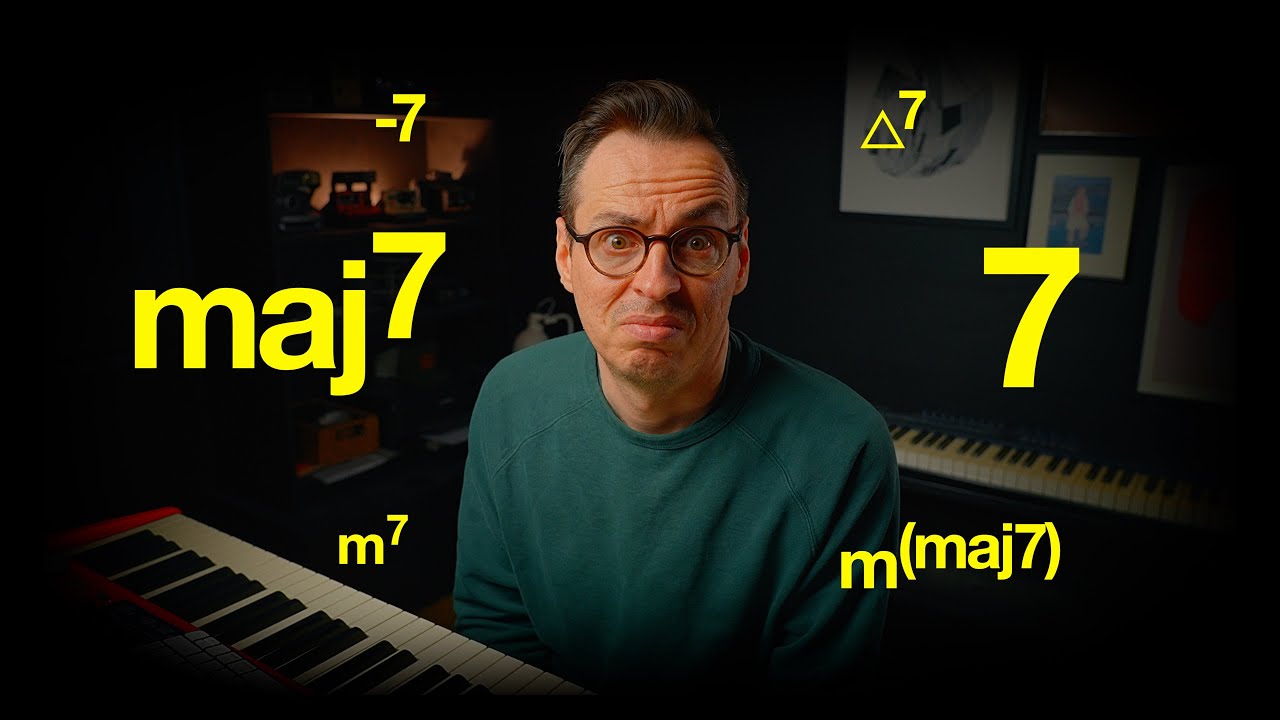
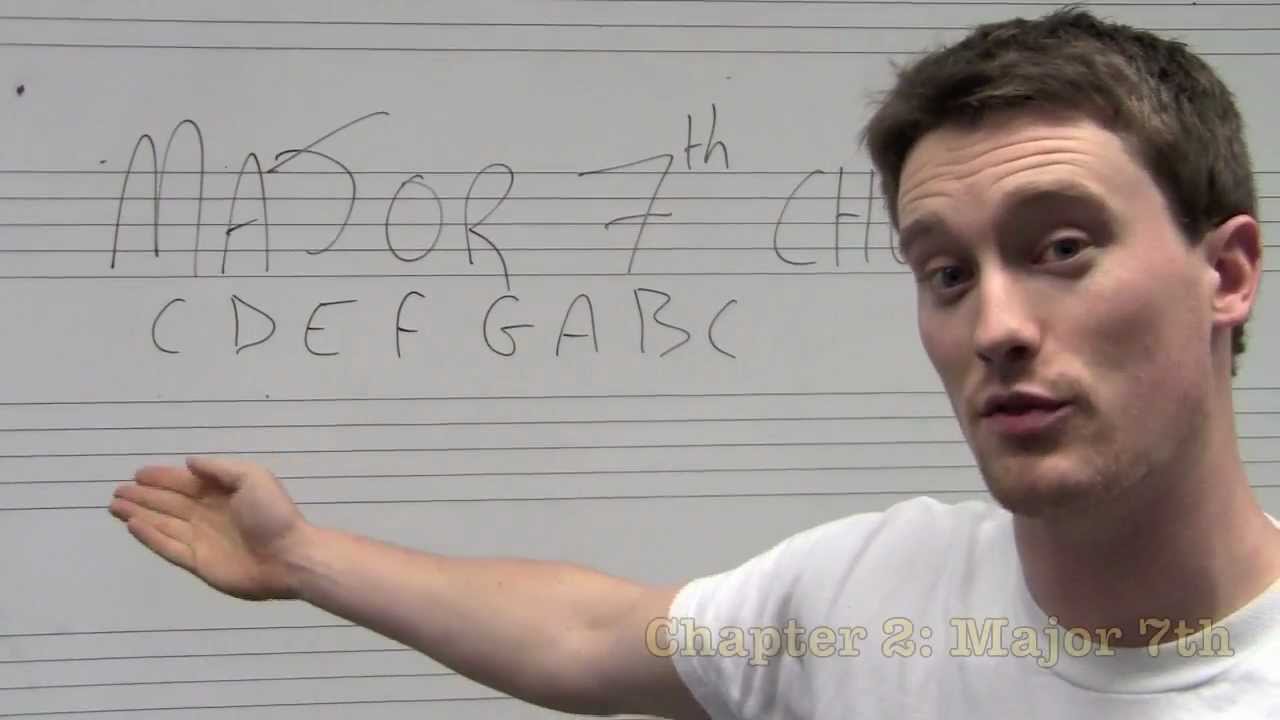

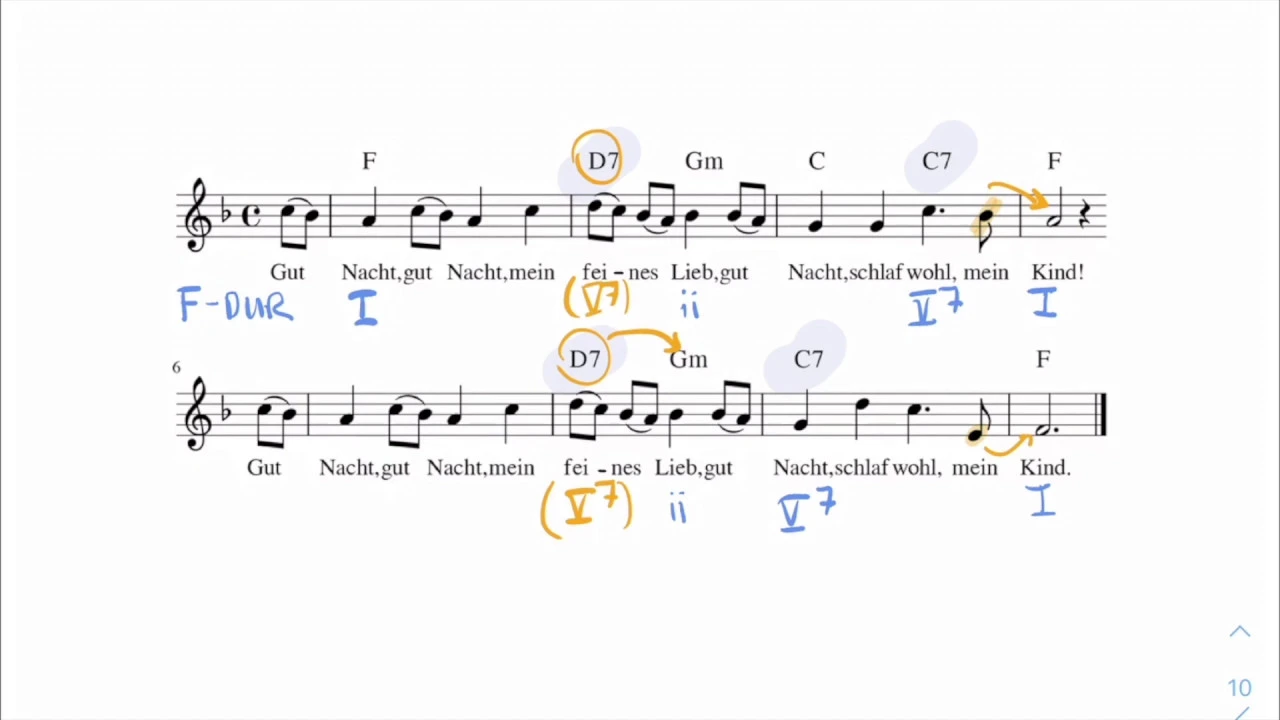


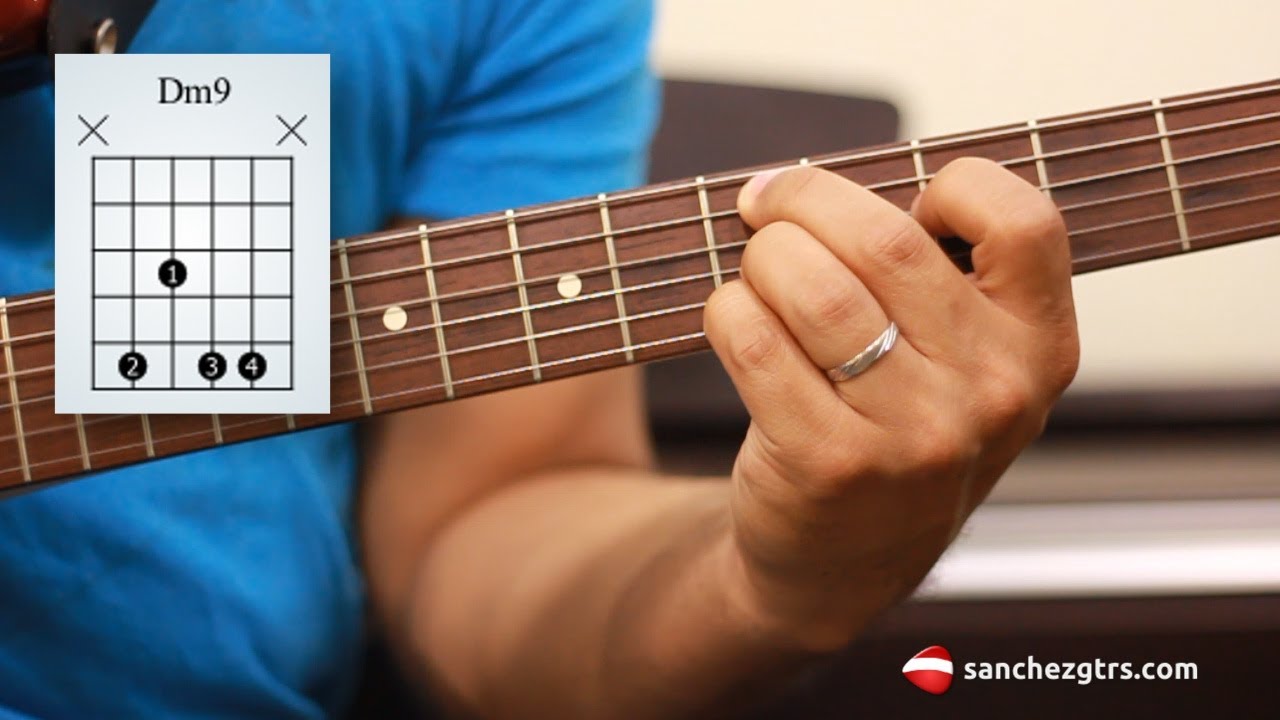

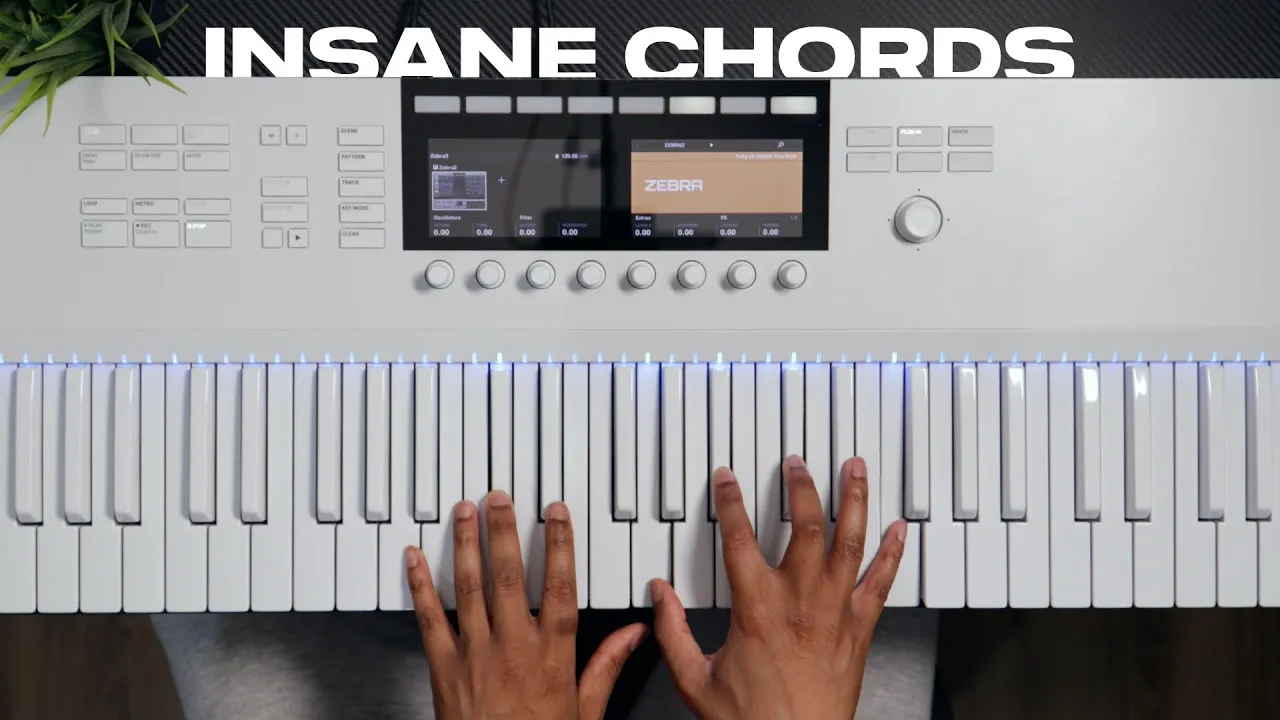














To transform simple chord progressions into sophisticated Neo Soul sounds, add higher degrees (7th, 9th, 11th, 13th) and tensions to chords, then cluster these notes together to create thick, mature harmonies; for example, a basic D minor-E major-A minor progression becomes more complex by adding these extended degrees and tensions to each chord.
Neo Soul Chord Progressions: Advanced Harmony Techniques
Added:Understanding of major, minor, and dominant 7th chord construction and their diatonic functions.
Basic knowledge of chord extensions beyond the octave, specifically 9ths, 11ths, and 13ths.
Familiarity with standard jazz and R&B chord progressions, such as the ii-V-I turnaround.
Basic keyboard or fretboard visualization of scale degrees and root notes.
Mastering voice leading techniques to smoothly transition between highly extended chords.
Exploring altered dominant chords and tritone substitutions to add chromatic tension.
Applying modal interchange and borrowed chords to create unexpected harmonic shifts.
Developing rhythmic comping patterns, syncopation, and 'neo-soul swing' feel over these progressions.
Improvising melodic lines and solos using chord-scale theory over complex extensions.
340.9K views9.3Klikes13:27Original Release: 2017-05-27
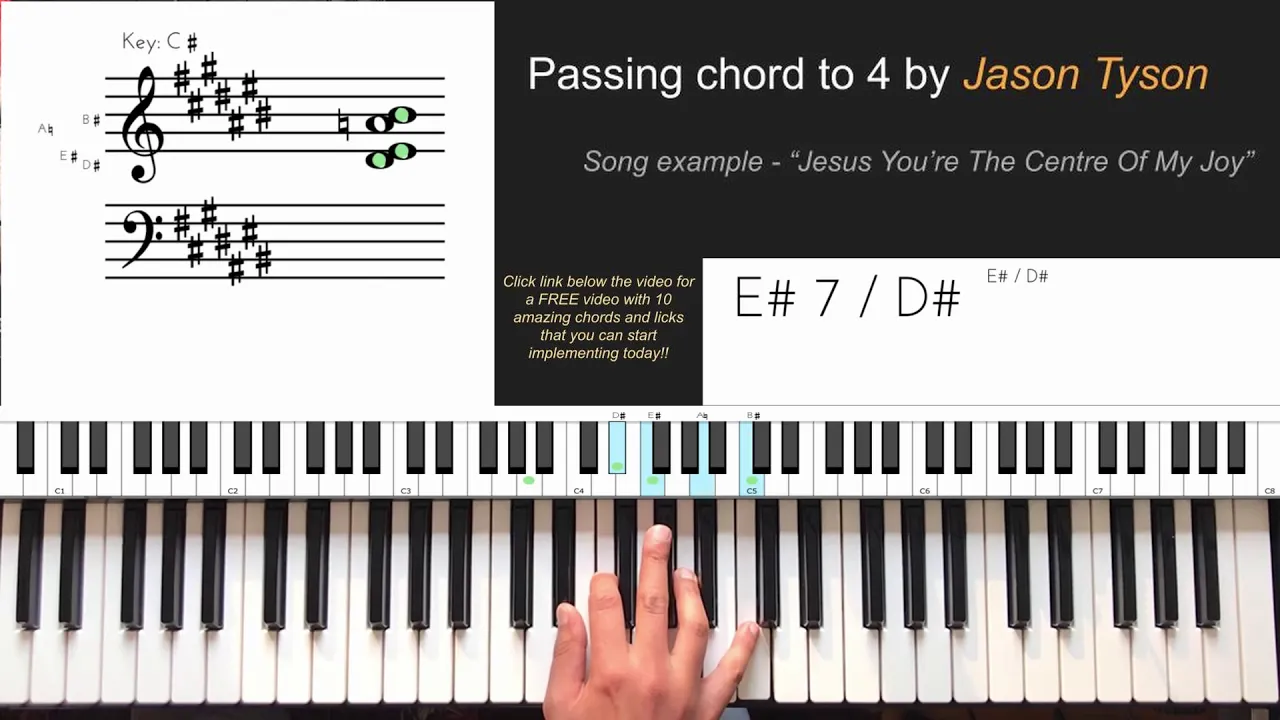
hi and welcome back to another lesson in this lesson we're going to continue last week's tutorial on Neo Soul chords and progressions if you haven't watched it there's a link in the description uh but I'm not going to use specific things out of it so you you might be able to tag along even if you haven't watched it yet uh what we're going to do is we're going to take a very simple Melody with a very simple core progression and show you how to make it sound sophisticated and the melody is [Music] this so it's pretty simple and the simple harmonization you can actually harmonize this in in many different ways I'm going to go with something that's that's fairly standard and non unique I'm going to play a D minor chord followed by an E major chord to an A minor chord and with the melody it would sound like this [Music] that's it now you can of course choose other harmonization for example you can use an E minor in the sort of the E [Music] major you know there are many ways of harmonizing this I just picked one and we're going to work with it so as I've said in the previous lesson the secret to having sophisticated sounding chords is to use higher degrees like the 7th 9th 11th maybe 13th and cluster them uh kind of together to get this thick sounding uh chords so we're going to start with the D minor and this is this basic D Minor with the first third and fifth degrees uh the D minor scale then I can add the 7th 9th and 11th and we're going to start moving them around a bit so I'm going to take this F up here and I'm going to also take this uh there's an e here I'm going to take it up here and I'm also going to double this C here and double this a here and here's my D minor [Music] chord which is my first [Music] chord now let's look at the E chord and I have my first third and fifth degrees of the uh E major scale now I have the I'm going to play this is a dominant seventh chord so I'm going to play this is my dominant seventh or my flatten seventh uh 9th and 11 11th I'm going to add tension to this chord uh so I'm going to basically take this ninth down so I'm going to play flat nine and honestly you know I don't think I'm going to need the 11 I'm going to omit it just going to be a an e 7 flat 9 chord and I'm going to take this actually cover this in my interesting chords Corner going to take this uh B here up in octave or double it up in octave then this e here double it up in octave and I'm going to take this G sharp and double it here and actually I'm going to emit the E and the B down here so this is the chord I'm going to end up with and this is my e now so to recap we have the D minor and the this goes into r [Music] e which then goes into a minor let's look at a minor so here's my a basic a minor I have the first third and fifth then I have the seventh 9th and 11 and as before I'm going to basically move this around I'm going to take this C up an octave then I'm going to double this e here and you know actually this looks pretty good I think I'm happy with this so I'm going to play three chords in succession D Minor uh now this goes into e dominant so or just E major but with all of the tensions and added degrees we've added and then a minor now I can't really play the melody and the chords simultaneously so instead I'm going to just kind of hum it so you can get the idea or maybe whistle [Music] it okay so that sounds a lot more sophisticated than the simple progression we started out with now you can continue to apply these ideas to any harmonization of the original progression what do I mean by this well basically all right basically we've played D Minor E and A minor and let's make this progression a little more interesting let's put in a chord uh in between the D minor and the E and I'm going to put the B minor because the B minor is is what's not is the two of the if we look at the e to a as a 51 then the B minor would be a 251 B minor to E major to a minor uh if you're not sure why I'm doing this you can watch my tutorials on the 251 progression again there's a link in the description and but my point here is just to show you how a simple progression can turn into a really sophisticated sounding one if you follow the principles of building NE s chords so the progression would [Music] be actually I'm going to play the B minor in the root form just to make it a little easier for [Music] you now we've already kind of complexified D Minor E and A minor so let's look at this B minor chord and ask ourselves what can we do with it so as before we take the B minor we had the seventh 9th and 11th degrees and it already actually sounds pretty good let's just play it the way it is so you can sound how how it fits in uh again I'm going to whistle the the melody all right I actually H kind of changed the E and the a minor chords a little bit uh sorry for that I'm going to try to be more consistent uh let me do it [Music] again so it's not bad H I'd like it to sound a little more sophisticated and mature so again I'm going to go for the clustering uh so what I'm going to do is I'm going to take this D up here and you know I'm not sure I need anything more than this uh maybe I'll maybe I'll double this B up here as well that's not bad you know I like it so the full chord progression would be [Music] so it sounds pretty sophisticated and and honestly I find it satisfying and we can continue to make this more complex and and basically reharmonize the original Melody uh for example after the a minor we can add let's say kind of a 251 sort of progression where we basically we're looking if this goes on [Music] repeat then we're going to go back to the D Minor so we need to get to the D minor and we can do this by doing a 251 which is basically an going to play an E minor going to an a major going to a D Minor so after we hit the a minor or let me play the simple [Music] progression all right so then this [Music] repeats so what we'd have to do now is apply our principles to the E minor and the a major chord so for the E minor I'm going to play this and the way I arrived at it is here's my E minor I'm going to add the seventh 9th and 11th deges I'm going to take this G up in octave then I'm going to double this uh actually let's double this B up here and then I'm going to uh also double this e up here I'm going to use my thumb to hit both the D and the e now for the a here's I'm going to play an A here's an a I'm going to play an A major 7th here and here's the ninth and 11th and I think I'm going toit I'm not going to take the 13th now what I am going to do is I'm going to take this e up in O sorry this a up in octave I'm going to take this e here up in octave and this is what I'm going to play with my left [Music] hand now here I'm going to play so here's the N I'm going to play ninth here so I'm going to double this B and I also get the G sharp uh so the G sharp is the major 7th and here's my a this is the root so I've shown you kind of how I rearrange the notes of the original uh a major [Music] 11th in a slightly different way it's an and a different base which is kind of nice because it leads smoothly into the D of the D minor and you can also think of this as a minor chord by the way I'm going to let you try and figure out which minor chord uh this consider this a a like a mini exercise so we'd have an E minor going to the a major 11th and then to the D minor so playing everything together we' get [Music] this oops actually I played a different D Minor to begin [Music] with so you see how I took a a fairly simple sound in core progression and made it sound a lot more sophisticated just by following the principles laid down in the previous video that is use higher degrees and maybe add tensions to those degrees that's it I hope you've learned something interesting and I'll see you next time
Up Next
15:03
Neo Soul Piano Progressions: Advanced Voicings and Resolution Techniques
@NoahKellman
536.4K views•2021-12-30

12:54
Triumph of Orthodoxy Icon: Byzantine Art & History Explained
@BenCallan
2.1K views•2024-08-06
11:29
Voice Leading for Beginners: Smooth Piano Chord Progressions
@MangoldProject
154K views•2015-07-05

1:42
Game of Thrones Opening Credits: A Cinematic Analysis
@gameofthrones
46.3M views•2011-04-18
Related Study Plans & Knowledge Roadmaps
Structured learning paths in General & Interdisciplinary Studies
general-studies
Elevator Engineering: History, Physics & Cities
01From Hoists to Safety Brakes: The Dawn of Vertical Lift
02Hydraulic vs. Traction: The Engineering Physics of Elevators
03Modern Speed, Safety, and Algorithms
+ 2 more learning modules
12h5 modules
Explore Roadmap
general-studies
Rubber: Material Science, History & Geopolitics
01Origins of Natural Rubber & Mesoamerican History
02The Chemistry of Natural Rubber & Vulcanization
03The Geopolitics of the Rubber Boom & Colonization
+ 2 more learning modules
12h5 modules
Explore Roadmap
general-studies
Containerization: Evolution, Logistics & Trade
01Ancient Trade & Bulk Cargo: Amphorae to Barrels
02The Industrial Revolution & Cardboard Packaging
03The Containerization Revolution: Malcom McLean
+ 2 more learning modules
12h5 modules
Explore Roadmap
general-studies
Textile Tech: Evolution, Labor & Global Impact
01Pre-Industrial Textiles: Handloom & Cottage Industry
02Mechanization: The Spinning Jenny to the Power Loom
03The Factory System & Global Labor Transformation
+ 2 more learning modules
10h5 modules
Explore Roadmap