















![Fact-Finding and Dispute Resolution [Lecture 10 - Nigerian Legal Method]](https://i.ytimg.com/vi/n2X9HBu8jTI/maxresdefault.jpg)






The litigation process involves filing a lawsuit through a complaint, serving the defendant, conducting discovery to exchange information, participating in alternative dispute resolution (such as mediation or arbitration), and potentially proceeding to trial, with most cases resolving through settlement rather than going to trial.
How Lawsuits Are Filed, Prosecuted, and Resolved
Added:The fundamental distinction between civil law (disputes between private parties) and criminal law (prosecution by the government).
Basic legal terminology, including the definitions of plaintiff, defendant, cause of action, and damages.
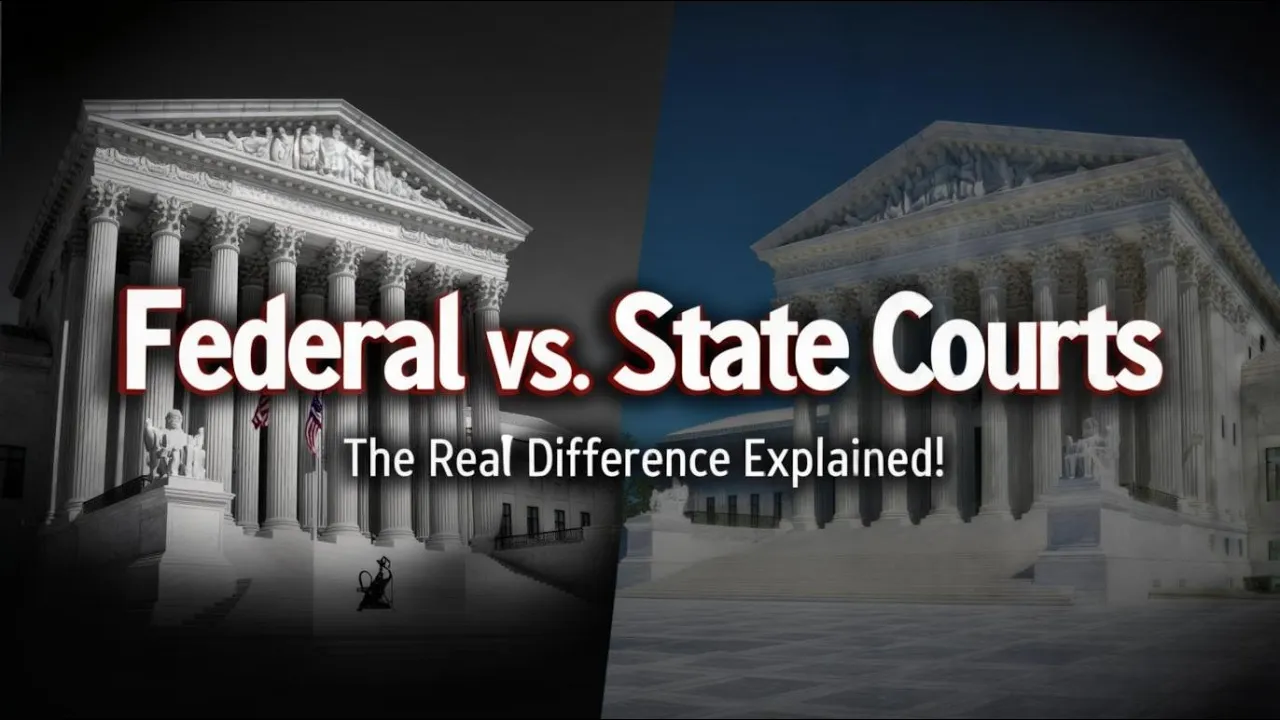
The basic structure of the judicial system, specifically the difference between state and federal court jurisdictions.
The concept of procedural law versus substantive law, to understand why court processes follow specific rules.
The rules of evidence, which dictate what information gathered during discovery can actually be presented at trial.
The appellate process, exploring how legal errors made during a trial can be reviewed by higher courts.
Advanced mechanics of Alternative Dispute Resolution (ADR), comparing the legal binding of arbitration versus mediation.
The strategic and economic considerations of litigation, such as cost-benefit analyses, settlement negotiations, and class-action structures.
38K views350likes5:24Original Release: 2010-11-16
my name is Patrick kitchen and I'd like to talk with you about how lawsuits are filed prosecuted and resolved through settlement or trial most people who are unfamiliar with the litigation process are surprised that how long it can take to resolve a lawsuit even a simple case can sometimes take a year or more to move through the courts the good news is that only a small percentage of cases filed in court ever go to trial most are resolv through settlement sometimes within a matter of a few months that's good news for an injured person who has medical bills and lost income and who would rather put an injury causing incident behind them a lawsuit can be settled at any time but generally not before lots of information has been exchanged between the parties to the lawsuit and that takes time and work when a person has a claim for damages he or she has a legal right to file a lawsuit in court court against the person or the company that caused the damage a person who is injured and who seeks recovery through the Civil Justice System is called a plaintiff the person or the company that has injured another is called the defendant every claim made by an injured person is set out in a complaint a document that describes and summarizes the plaintiff's claims each separate claim in the complaint is called a cause of action and it must be based on the law applicable to the plain claim different causes of action have different proof requirements that the plaintiff must carry or prove to obtain a judgment against the defendant so let's talk about a typical negligence case how it is prosecuted and how it is resolved a young man was walking across the street when he was hit by a car the driver of the car was distracted for a moment and didn't see him in the crosswalk he was thrown to the pavement and suffered a broken leg cuts and scrapes during his recovery he comes to us for help we first prepare a complaint against the driver setting out all of the elements of a cause of action for negligence and then file it in court we then serve the complaint on the driver the defendant the defendant has 30 days to file an answer to the complaint during the next 4 to 8 months we investigate the facts of the case and participate in formal Discovery in every civil lawsuit the plaintiff and the defendant have the right to obtain written responses to questions from the other side the parties also have the right to demand that the other side produce relevant documents the discovery phase can last several months depending on the number of witnesses and the complexity of the factual and legal issues at stake in the case toward the end of the discovery phase of the case the plaintiff and the defendant will provide one another with the names of the persons they intend to use as expert Witnesses we typically designate our clients treating doctors and therapists the defendants lawyers usually designate one or more doctors who make their living working as expert Witnesses in personal injury cases both sides now take the depositions of the designated expert Witnesses during what is called the expert Discovery phase of the case if the case has not been resolved through settlement negotiations the case will move toward trial trial is normally scheduled to occur within one year the date the plaintiff filed his complaint throughout the course of the lawsuit the attorneys regularly meet with the judge to update her on the progress the judge usually orders the plaintiff and defendant to try to resolve the case through a process called alternative dispute resolution or ADR ADR can be in the form of mediation or arbitration mediation is conducted by a retired judge or an experienced attorney the parties meet with the mediator and spend time trying to resolve the case through negotiations the mediator does not order the parties to settle the case but works with them to see if they can settle the case on terms that work for both sides of the dispute arbitration another form of ADR is kind of like a trial without a jury a retired judge or an experienced attorney hears the party's evidence and at the end of the arbitration issues a ruling either in favor of the plaintiff or in favor of the defendant in most personal injury cases both parties have the right to reject the arbitrator's decision and proceed to trial in court as you can see the litigation process is highly organized and proceeds through its various stages of the pace set by the rules and the procedures of the Court while the slow pace of the litigation process can sometimes be frustrating our goal at kitchen legal is to educate our clients about the litigation process so they can be active and knowledgeable participants in their own case if you have any questions about the litigation process please give me a call
Up Next
70:32
Michelle Alexander on Mass Incarceration: The New Jim Crow Lecture
@UChicago
1.8M views•2013-03-15
4:27
US Secondary Sanctions Impact on EU Businesses and Blocking Legislation
@Bureauvandijk
1.6K views•2019-03-20

5:27
Forensic Phonetics: Speaker Identification in Legal Cases
@nptel-nociitm9240
539 views•2025-03-19

24:42
Police Interrogation Tactics: False Confessions & Legal Reform
@LastWeekTonight
7M views•2022-04-18
Related Study Plans & Knowledge Roadmaps
Structured learning paths in Law
law
Self-Defense Law: Imminence & Castle Doctrine
01Foundations of Self-Defense Law
02Imminent Threat & Reasonable Belief
03The Principle of Proportionality
+ 3 more learning modules
12h6 modules
Explore Roadmap
law
Defamation Law: First Amendment & Actual Malice
01Introduction to civil torts and the First Amendment
02Elements of Defamation: Libel and Slander
03Public Figures vs. Private Individuals
+ 2 more learning modules
8h5 modules
Explore Roadmap
law
Hearsay Rule: Trial Evidence & Exceptions
01Introduction to Trial Evidence & Courtroom Basics
02Demystifying Hearsay: The Core Definition
03Non-Hearsay: Exclusions Under FRE 801(d)
+ 3 more learning modules
14h6 modules
Explore Roadmap
law
Medical Malpractice: Law, Liability & Care
01Foundations of Tort Law and Civil Liability
02The Four Elements of Medical Malpractice
03Defining and Proving the Standard of Care
+ 2 more learning modules
12h5 modules
Explore Roadmap