


![Totipotent, Pluripotent & Multipotent Stem Cells - What is the Difference? [Cell Potency]](https://i.ytimg.com/vi_webp/6vkFU5dWjTU/maxresdefault.webp)












The discovery of adult neurogenesis evolved through key milestones: Santiago Ramón y Cajal's 1900s assertion that nothing may be regenerated in the adult central nervous system was challenged by Joseph Altman's 1960s autoradiographic evidence showing new neurons in adult rats and cats; Michael Kaplan's 1970s electron microscopy confirmed these findings by identifying mitotic neuronal precursors; by the 1990s, research demonstrated that adult neural stem cells in rodents originate from astrocytes in the subventricular zone, fundamentally changing our understanding of brain plasticity and regeneration.
Adult Neurogenesis Explained by Alfredo Quiñones-Hinojosa
Added:Basic neuroanatomy, specifically the structure and function of the hippocampus and the ventricular system of the brain.
The concept of cellular differentiation and the properties of stem cells (multipotency vs. pluripotency).
The historical scientific dogma of 'no new neurons' in the adult mammalian brain, originally proposed by Santiago Ramón y Cajal.
Basic mechanisms of synaptic plasticity and how neural networks adapt to new information.
The therapeutic potential of harnessing neural stem cells to treat neurodegenerative disorders such as Alzheimer's and Parkinson's disease.
The link between adult neural stem cells and oncology, specifically how the stem cell niche relates to the development of brain tumors like glioblastomas.
The molecular signaling pathways (such as Notch, Wnt, and BDNF) that regulate the microenvironment of the adult neural stem cell niche.
The impact of lifestyle and environmental factors, such as exercise, chronic stress, aging, and diet, on the rate of adult neurogenesis.
5.4K views53likes5:10Original Release: 2013-11-13
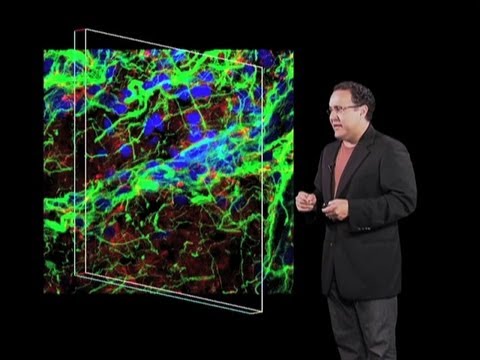
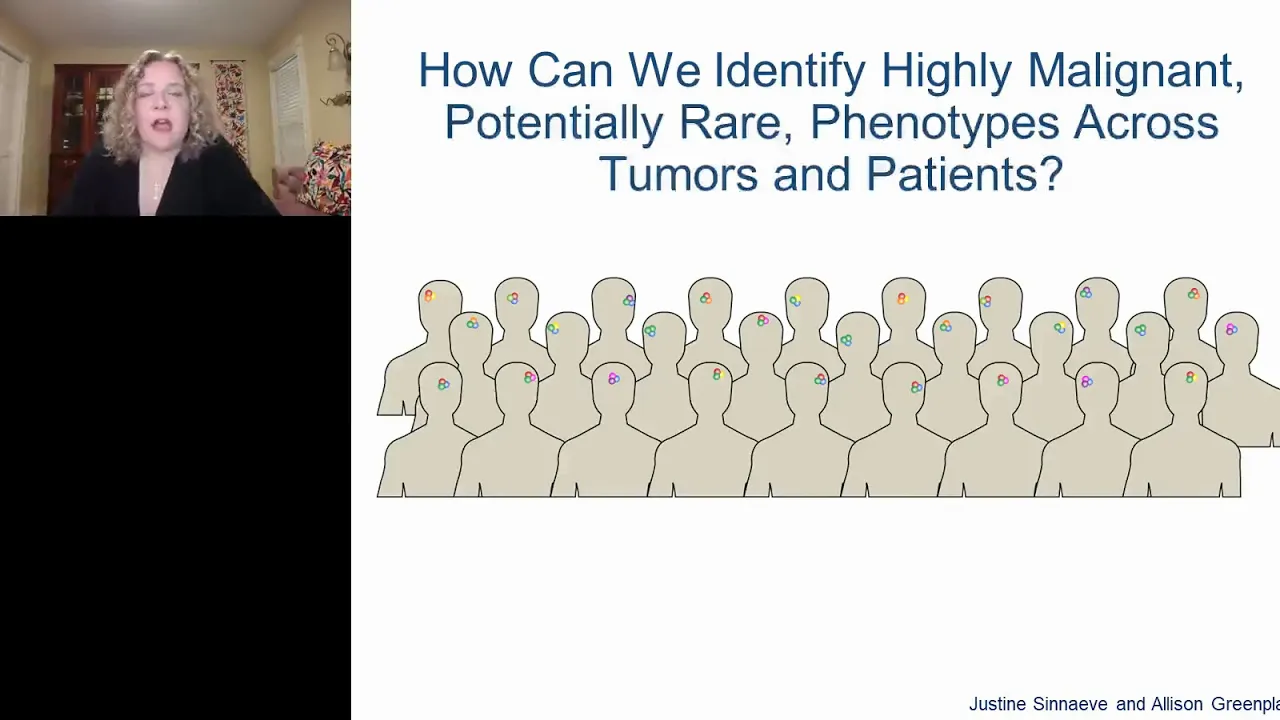
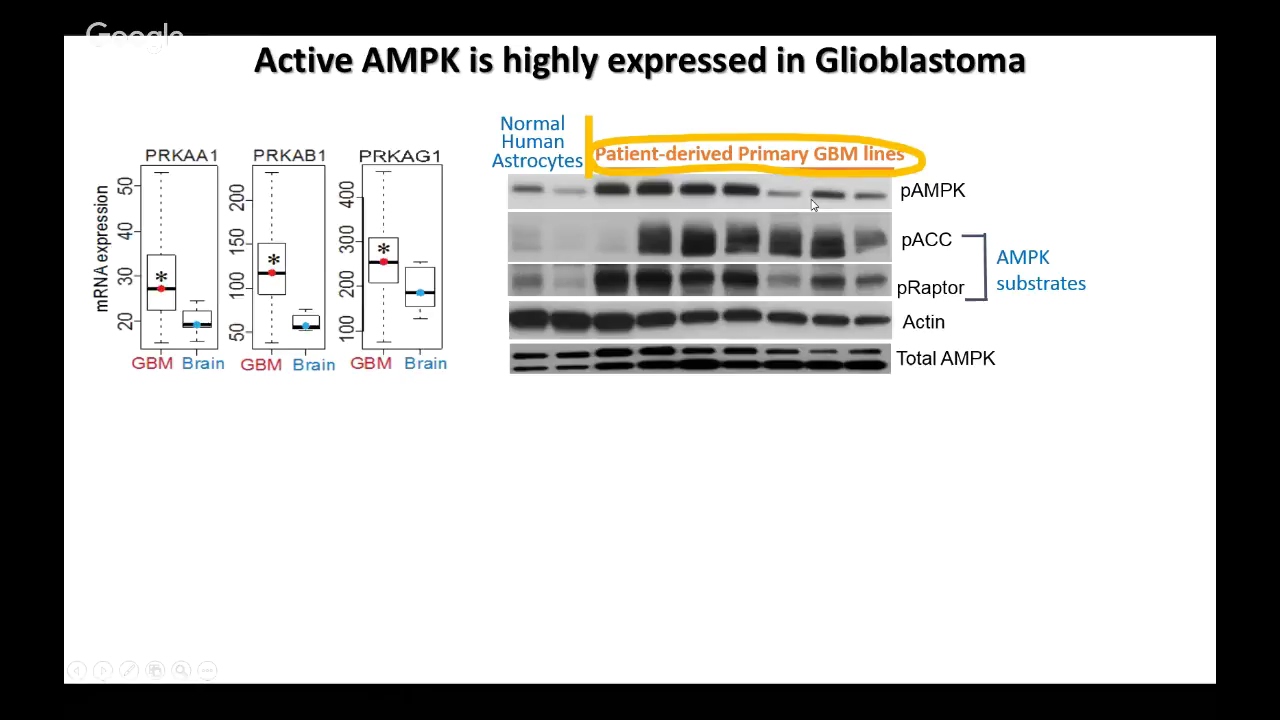
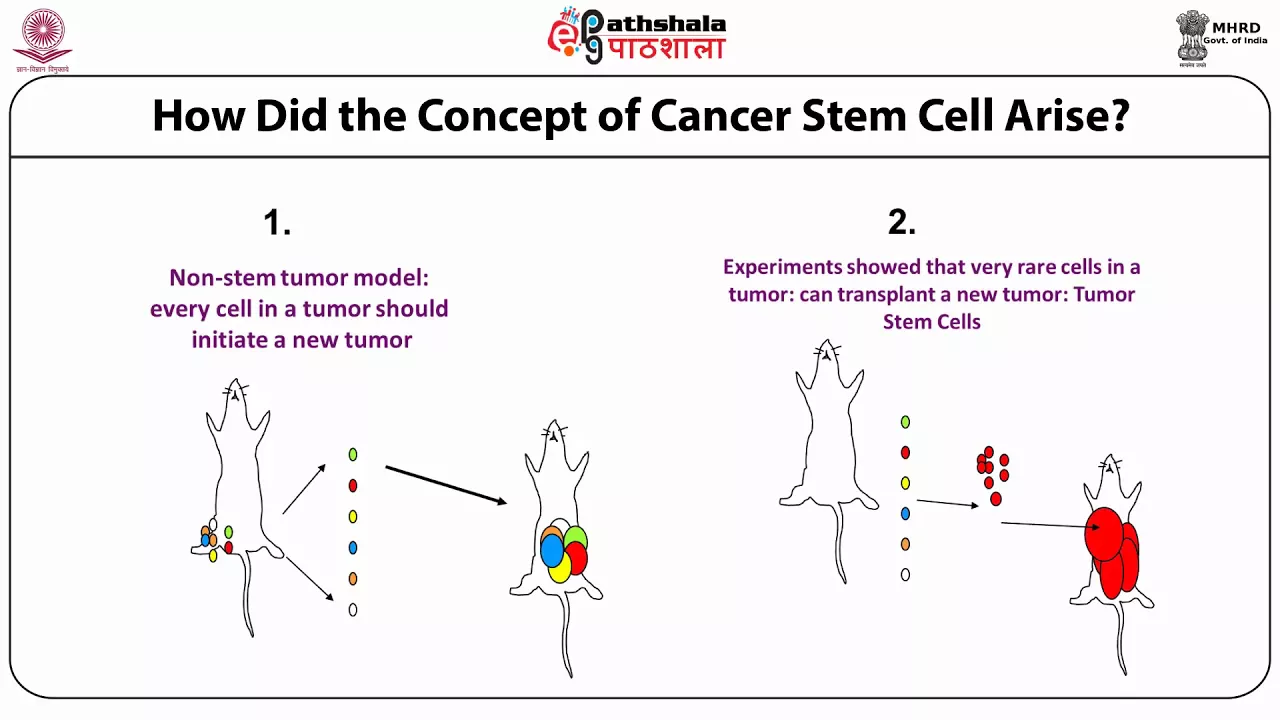
i'll tell you a little bit about history in my opinion the most beautiful organ in the body the brain and this is a three-dimensional reconstruction of an mri and what you don't see what you do not see right here is an in the left side of the brain which is this area right here remember the image is flipped we have done this right here you know in this case label l for left and you're looking at yourself at this brain face to face like this this is the left side underlying this is a very dangerous brain tumor also known as a glioblastoma multiforming over a hundred years ago santiago ramonicakal who won the nobel prize in physiology and medicine because he was able to contribute greatly to the field of neuroscience by looking at the different types of cells that make the brain he said that we had a harsh degree that everything may die and nothing may be regenerated in the adult central nervous system he left the possibility open for pathological diseases he was a pathologist by training and became one of the great neuroscientists in the world over the next 30 to 40 minutes i will take you over some of the history the controversy of the adult neurogenesis the difference between the human versus the rodent stem cell niche more specifically the subventricular zone i will take you over whether or not there are stem cells that are found in the human brain and whether or not there are stem cells found in human cancer the question that still remains is whether or not a neural stem cell or a stem cell may give rise to a brain tumor stem cell and that is work in progress and i will elaborate and a little bit of that what about this issue of the controversy of adult neurogenesis well it turns out that dating back to the early nineteen hundreds even santiago ramonica hal knew that we had limitations in technology he said once that none of the methods used by these investigators are capable of distinguishing absolutely a multiplying neuroglia cell from a small mitotic neuron so the question is whether or not there were new neurons being formed in the adult mammalian brain by the 1960s 60s joseph allman doing a study with tayamine autoradiographic evidence he was able to found new neurons in the adult rat and cat but it would take a few years later by the 1970s when michael kaplan he combined thiamine labeling an electron microscopy this is the early resurgent in the early utilization of electron microscopy that confirm altman's claims by showing mitotic neuronal precursors lining the lateral ventricle but people still were very skeptical it was kind of hard to understand and to believe that indeed new neurons are being produced in the lateral ventricles of the mammalian brain by the 1980s note obama and colleagues out of new york were by doing some really eloquent studies in the avian brain they were able through a series of experiments show several things the production of new cells with diameter labeling they were able to show that these new cells were not only neurons but they were also receiving synapses and most importantly these neurons that were receiving synapses responded to sound with action potential yet people were very skeptical about the issue of neurogenesis and the avian brain because they said that it was not the mammalian brain so by the 1990s work in the rodent out of several laboratories around the world they began to unravel and teach us more about this issue of the controversy of neurogenesis but 1997 a group of investigators led by dr arturo alvarez buyer also out of new york and subsequently out of california was able to elucidate the organization and cyto architecture of the rodents subventricular zone by 1999 a very important discovery that was also controversial several groups believing there were probably ependymal cells the ones responsible for neurons and arturo and his group believing that it was actually astrocytes was able to show that an adult neural stem cell comes actually from astrocytes in the rodent brain
Up Next
17:50
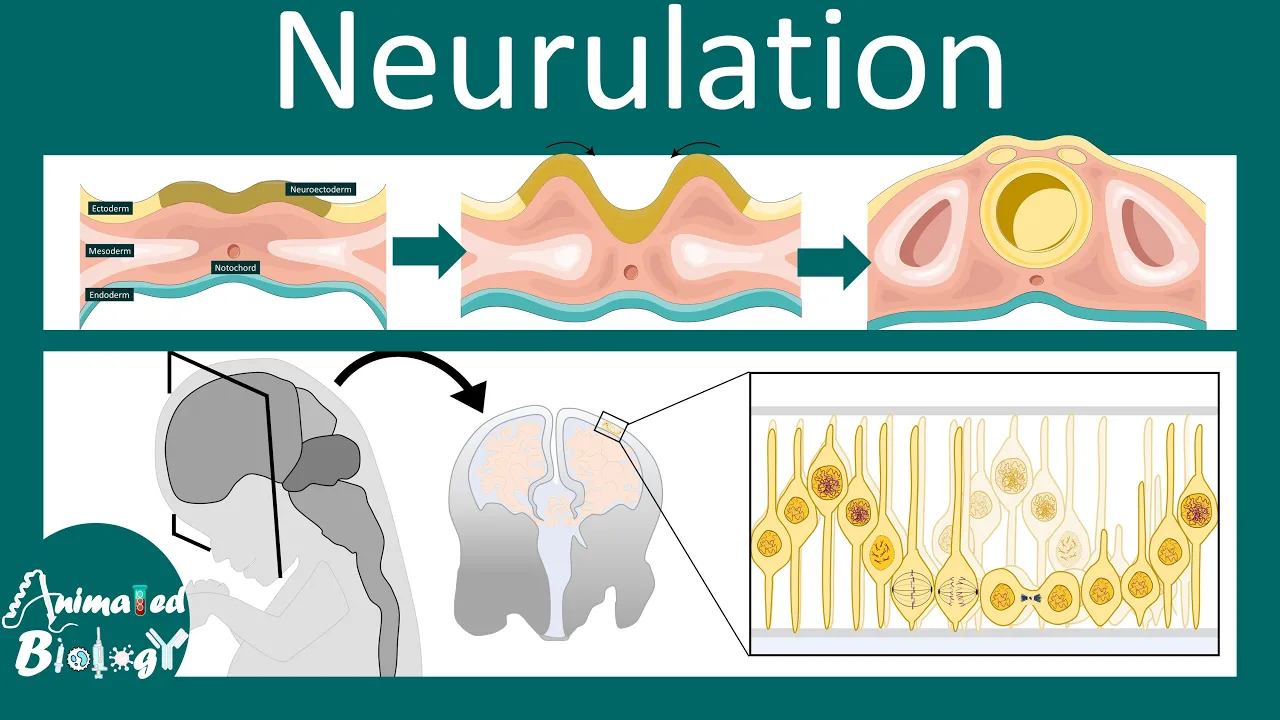
Neurulation and Neurogenesis: Neural Tube Formation Explained
@animatedbiologywitharpan
52.4K views•2023-10-18

50:12
Bacterial Communication: Quorum Sensing and Biofilm Formation Explained
@JHUAAP
12.6K views•2011-06-28

5:35
Enteric Nervous System Explained: The Gut's Brain | Neurobiology Lecture
@alumniu6029
438 views•2018-09-12

7:08
Bacteriophages: Earth's Deadliest Killers and Future Antibiotics
@kurzgesagt
34.6M views•2018-05-13
Related Study Plans & Knowledge Roadmaps
Structured learning paths in Biology
biology
RNAi: Biogenesis, RISC & Gene Silencing
01Molecular Biology Foundations: DNA to Protein
02Introduction to RNA Interference (RNAi)
03Molecular Biogenesis of miRNA and siRNA
+ 2 more learning modules
10h5 modules
Explore Roadmap
biology
Mycorrhizae: Signaling, Biophysics & Ecology
01Foundations of Mycorrhizal Symbiosis
02Molecular Signaling and Root Colonization
03Biophysics and Bioenergetics of Nutrient Exchange
+ 1 more learning modules
11h4 modules
Explore Roadmap
biology
Circadian Clocks: TTFL, SCN & Periphery
01Foundations of Molecular Biology & Gene Expression
02Introduction to Chronobiology and Actograms
03The Core TTFL: Molecular Architecture of the Clock
+ 3 more learning modules
14h6 modules
Explore Roadmap
biology
Population Genetics: Math, Drift & Selection
01Genetic & Probability Foundations
02The Hardy-Weinberg Principle and Baseline Models
03Mathematical Modeling of Natural Selection
+ 3 more learning modules
18h6 modules
Explore Roadmap