




















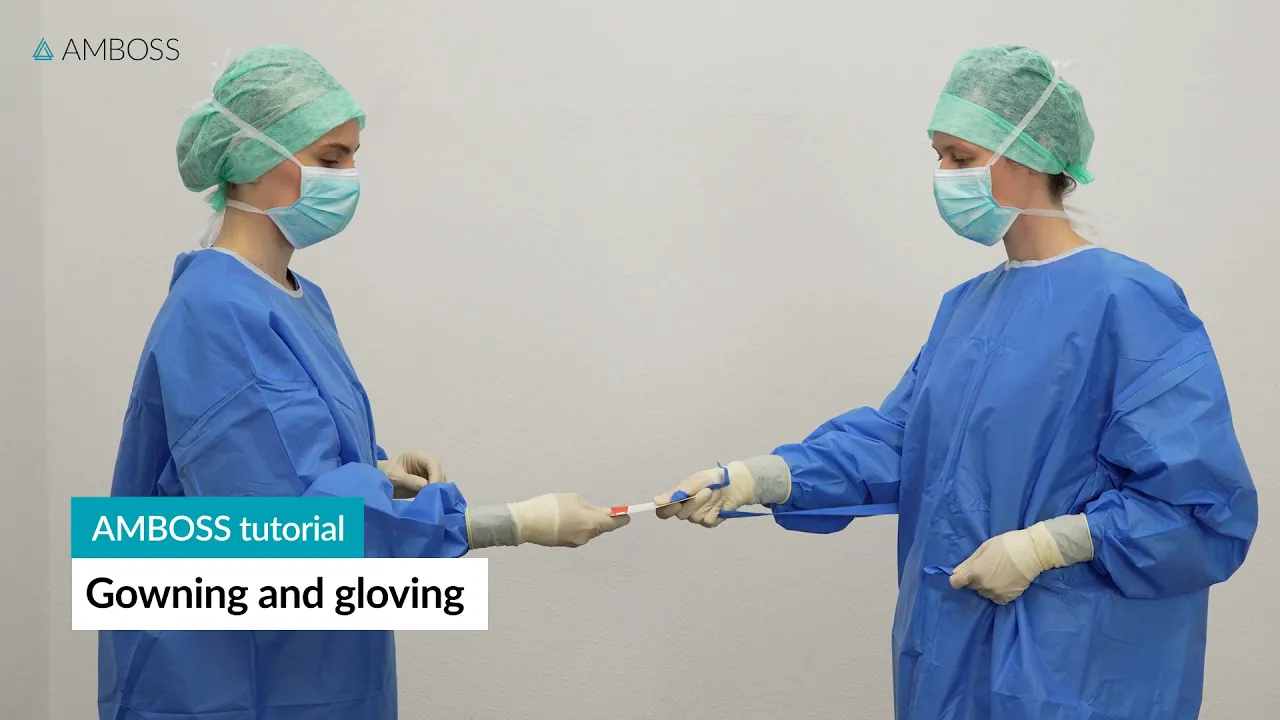



To set up a sterile field, position the tray at waist height, maintain a 1-inch non-sterile border around the tray, arrange supplies within the sterile area while keeping handles on the border and tips on the sterile portion, add fluids by pouring into the garbage bag first to sterilize the spout, and apply sterile gloves by starting with the dominant hand and keeping hands above waist level to maintain sterility throughout the procedure.
How to Set Up a Sterile Field: Nursing Skills & Sterile Technique
Added:Understanding the distinction between medical asepsis (clean technique) and surgical asepsis (sterile technique).
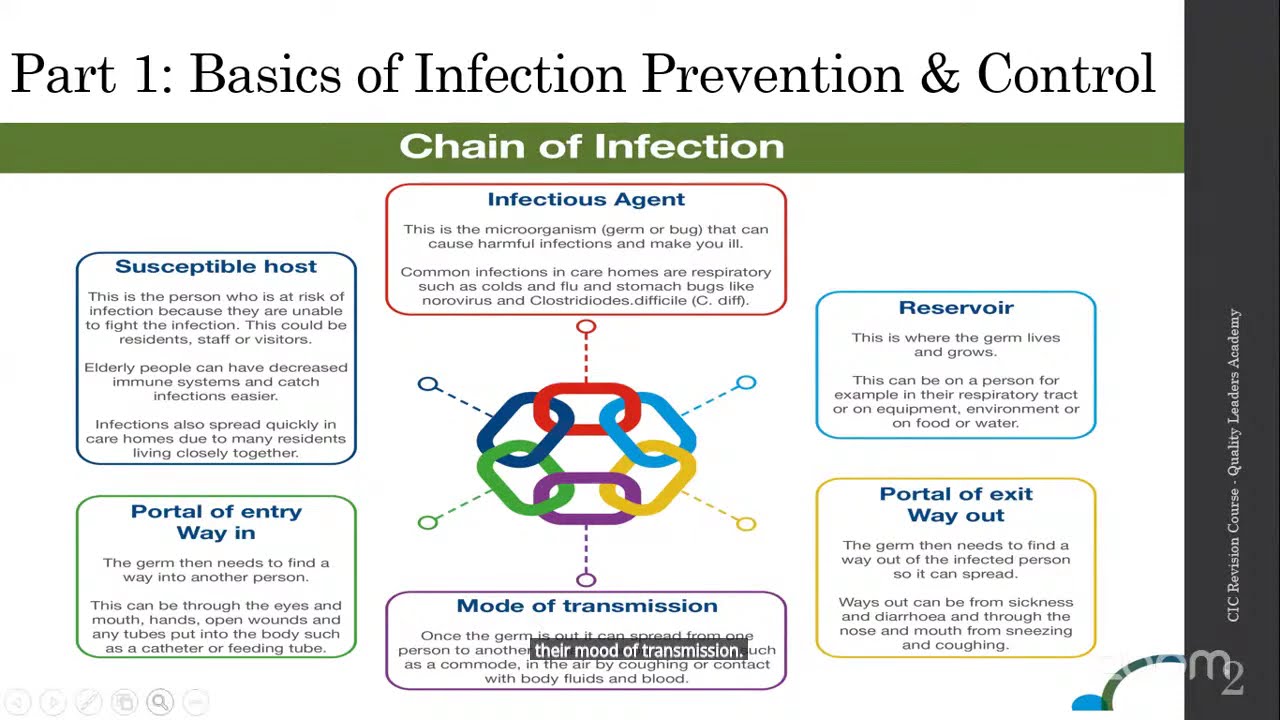
Knowledge of basic infection control principles, including the chain of infection and modes of transmission.
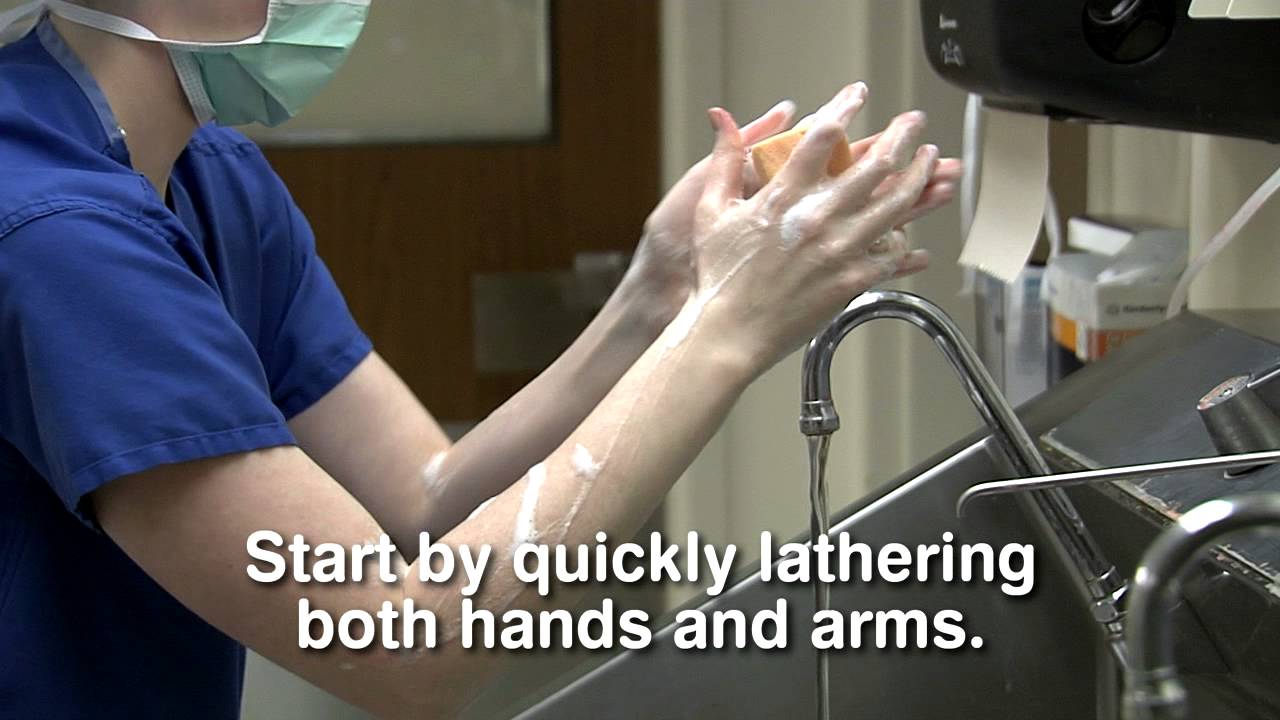
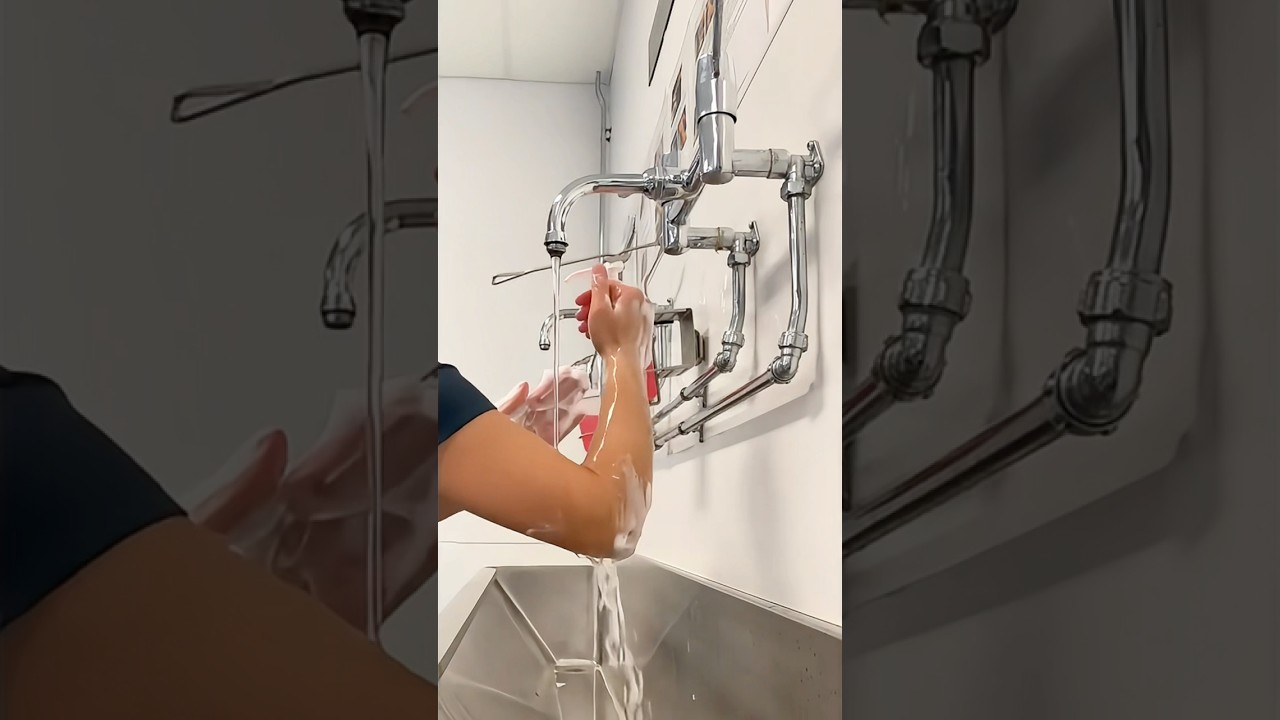
Mastery of clinical hand hygiene guidelines, specifically the proper technique and duration for surgical hand scrubs.
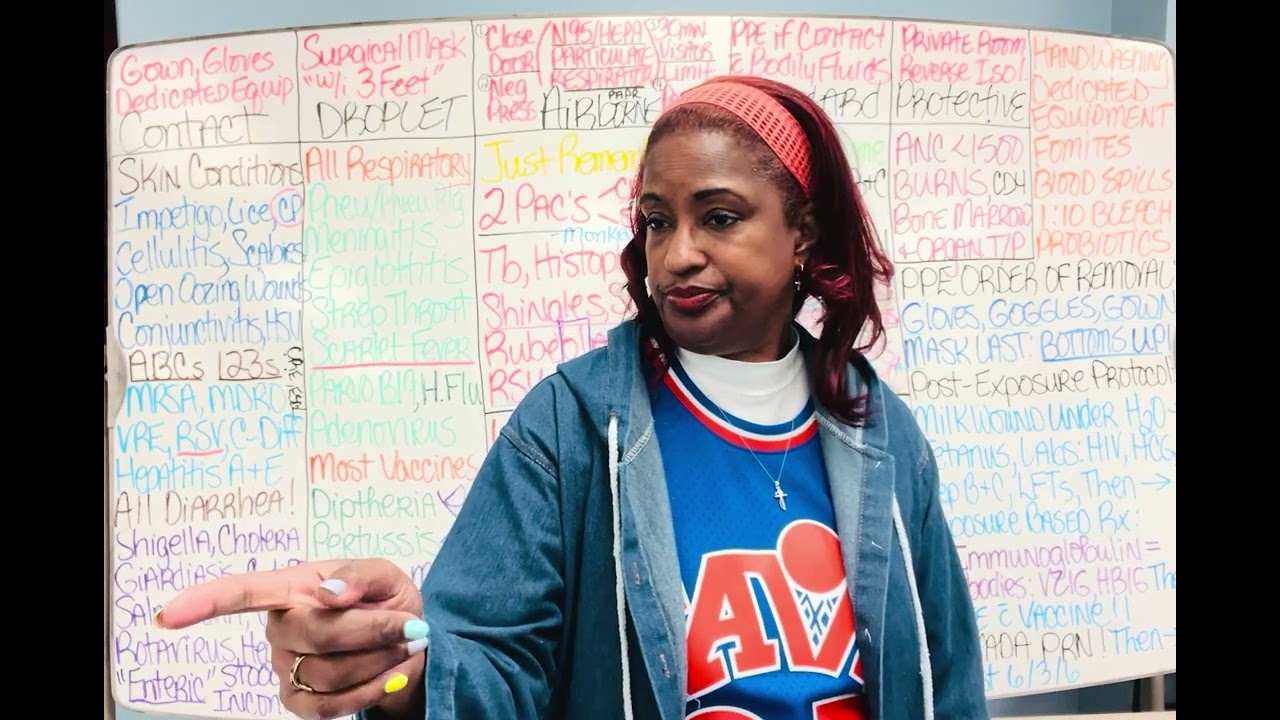
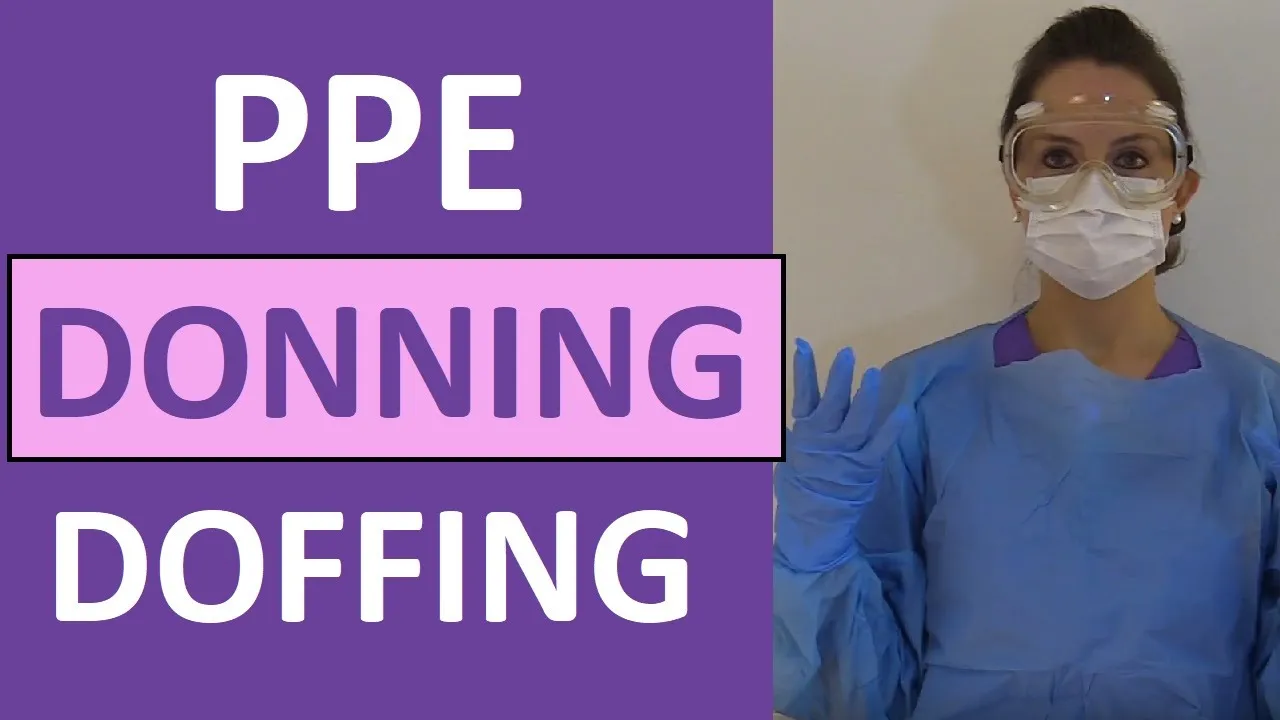
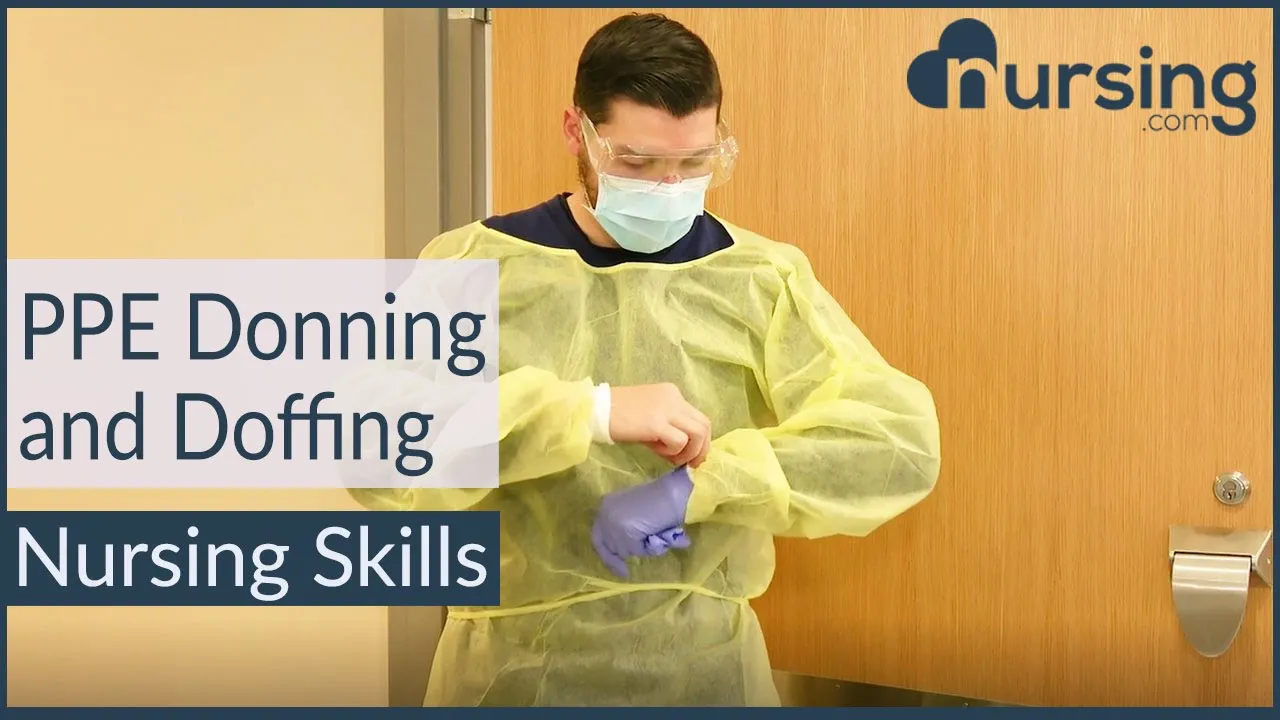
Familiarity with standard Personal Protective Equipment (PPE) and the correct sequence for donning and doffing.
Applying sterile field concepts to hands-on clinical procedures, such as urinary catheter insertion or tracheostomy care.
Learning contamination protocols, including how to identify and immediately rectify a breach in the sterile field.
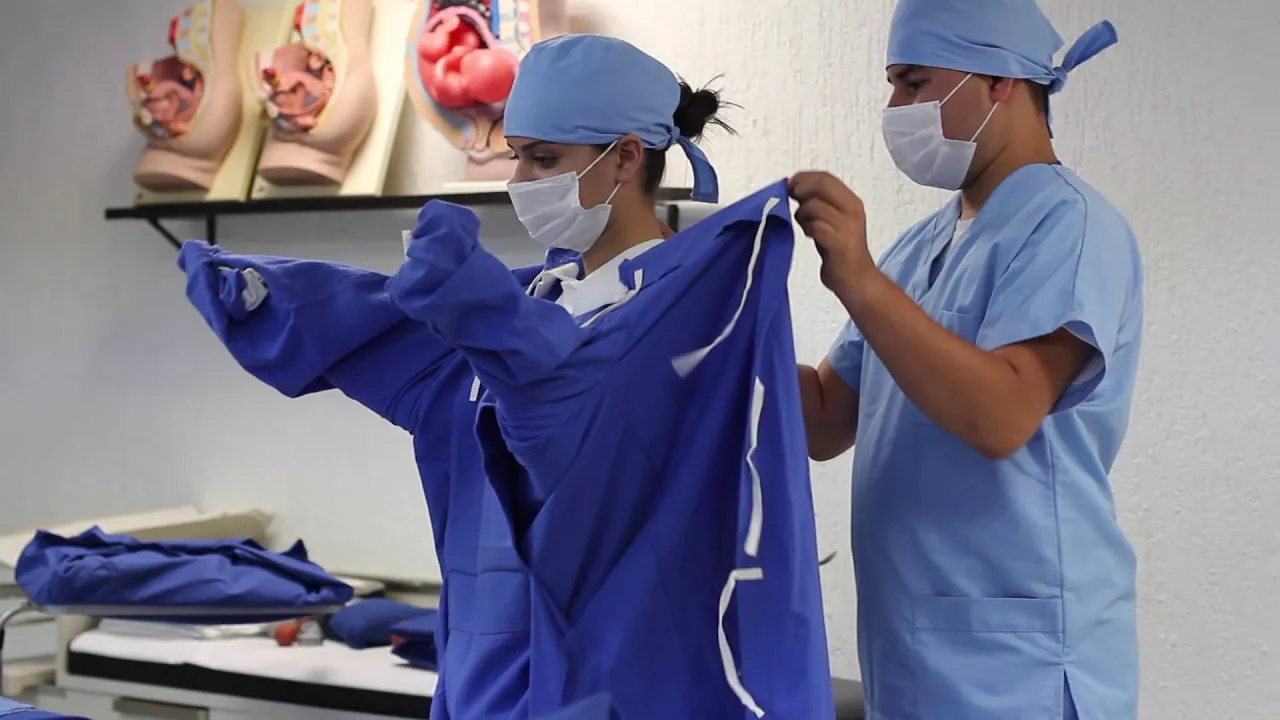
Advanced surgical gowning and closed-gloving techniques utilized in operating room (OR) settings.
Understanding post-procedure cleanup, including the safe disposal of biohazardous waste and sharps.
35.6K views445likes9:55Original Release: 2020-04-23
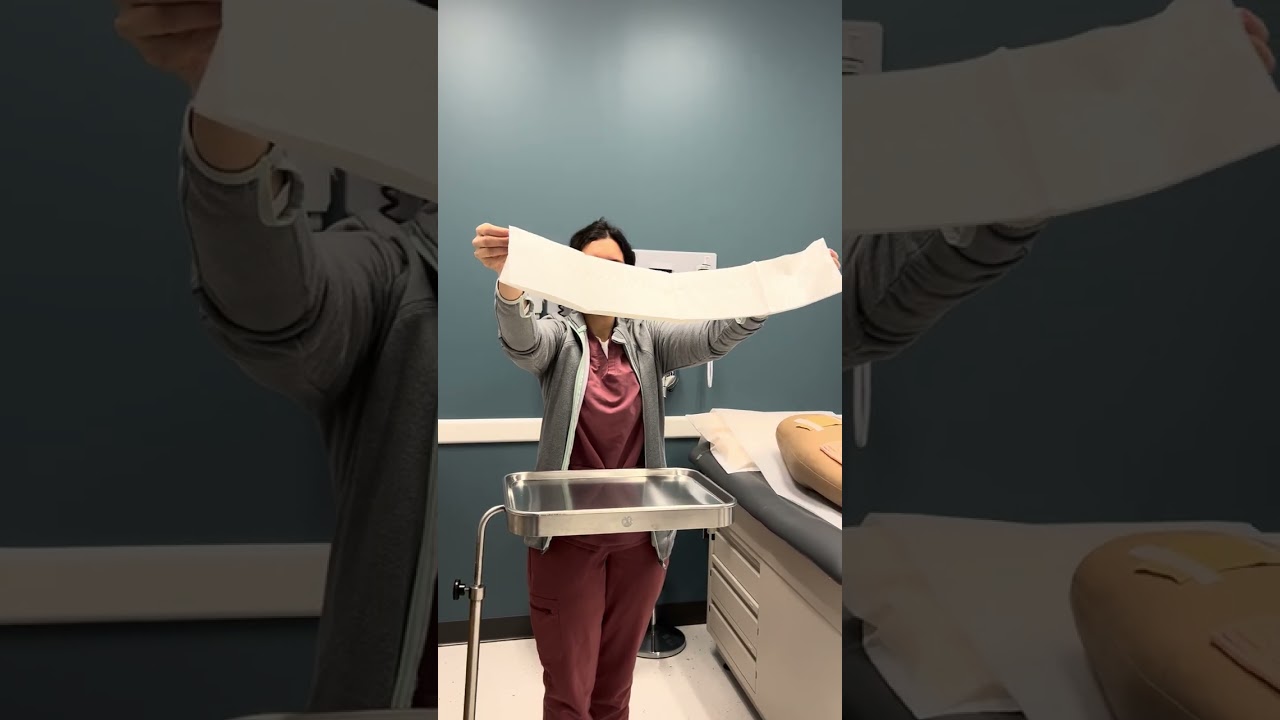
hi everyone for my demonstration today I'm going to show you how to set up a sterile field so here I have my dressing tray I have my solution that I'm going to use to clean up my wound I've got some tape I've got a selection of extra supplies here I've got my du Durham dressing and then I have some 2x2 and 4x4 gauze that I'm going to use to clean and dry the wound later and then I have a pair of sterile gloves on my tray I'm going to look and make sure that everything's in here that I need so if I have to add scissors if I have to add extra pair of forceps oh I can do that I'm also going to check for an expiry date and make sure that this tray hasn't expired I'll also look for any breaks in the packaging if there's tears and breaks I need to just throw this away and get a new bag there is a perforation on here and you basically break the perforation and then your tray is exposed I'm gonna find the flap so when you're opening a tray we want to make sure that we've got our tray at waist height I've done good hand hygiene before I've started as well and you want to open everything away from you okay so waist height everything away from you so you see this little flap here I'm going to take that and move it away peek over here and there'll be a set of forceps so I'm gonna hang on to those and I'm going to square off my trade so basically one inch or two point five centimeter border around this entire tray is considered non sterile so everything in the middle is considered sterile on the top of this tray I have a drape that I can use to create a filled by my patient I've got my tray and then I've got my supplies there's a little garbage bag that's included in here I'm going to take that and I'm gonna put it over to the side I can arrange my forceps into my tray my scissors I can put to the side and it take my little 2x2 gauze I'm going to put that to the side as well as my larger 4x4 pieces if I choose to use these again I can place them back on my tray but where I've touched here on the handle I have to ensure that stays on the 1-inch border and the tips of the forceps have to be sitting on the sterile part of the trade so like so then I take my garbage out open that up and I can actually tape it to the corner here and use that to put my stuff in so to add fluid to my tray I'm going to take my saline solution again I want to make sure that it hasn't expired these are one use only so once I'm done with this I will have to throw the rest away I'm going to open the package and I'm going to lip it so basically what that means is I'm just gonna pour a little bit of the solution into my garbage can just to kind of sterilize the spout then I will add my solution to my tray you want to make sure that you're close enough to your tray that you aren't going to splash once I've added that to my tray I'm going to put that in the garbage I now can start adding my supplies so for my gauze type supplies what I'm going to do is there's a little arrow at the top and this is where you would be opening I'm going to open I'm going to peel back like so and then I'm going to place on my tray again I'm going to peel back and place on my tray so you want to make sure that everything's getting placed within that sterile field and nothing is hanging over the edges in that 1-inch border the other thing you can do if you're not good at dropping supplies onto the tray is you can take door gauze open your package like so and then you can use big forceps but you have on the side here because the tips are still sterile and you can use those to actually remove stuff from your tray and place it on your sterile field so that's another option so you're going to continue until you have everything that you need on your sterile field the next thing you're going to do is you're going to apply your sterile gloves so your sterile gloves come in a package like this these ones are non latex they're a size seven so the higher the number the bigger the size of gloves you're going to remove them from your packet and what I'm going to do is I'm just going to move this trade this way and I'm going to place my gloves here so that you can see so there's the right hand left hand slide we're going to open the door and we're going to start with the dominant hand first so you're going to pick up the glove by the cup and I'm going to slip my hand in don't worry about the cuff at this moment is gonna kind of look like this we're gonna straighten that out a little bit later with my dominant hand I'm now gonna reach thumb up into the cuff of the other like so and then I'm going to place my second hand into this club don't worry if it looks a little wonky once you've got that kind of on your hand you can straighten that out here I'm just going to go under the cuff and straighten this one out this one here there's not much I can do about it I should have taken my watch off but my gloves are on now I'm going to grab this by the stature and move that away and then move my training forwards towards myself I now have to keep in mind that my hands are sterile so that forcep that I have a blue force that I can't use it any longer because if I grab it by the end I'm going to contaminate my hands my hands need to stay above my waist so they can't be dropping here otherwise I'm kind of breaking my sterile field so hands have to remain up my hands are sterile now so I can touch anything on my sterile tray so here's where I can start organizing things on my tray to ensure that I have everything that I need and it's within reach and within view so I can add these to my water etc when you're doing the dressing procedure you have to always make sure that items that you're using that you're replacing them and putting back on the tray except for the dirty items so if I were to clean a wound and I've used a swab it's gonna go in my garbage but all of my forceps and things like that I can't leave them on the corner like this I have to leave them in the tray but we're gonna do dressing changes a little bit later this just gives you an idea how to set up a sterile tray and Thanks
Up Next

29:42
Basic Surgical Instruments | Surgical Technology Study Guide
@SurgicalCounts
796.3K views•2023-03-18

26:22
Walking in the City: Urban Rituals and the Flâneur in Contemporary India
@PSBTIndia
1.9K views•2016-08-02

9:49
FastAPI vs Flask vs Django: Choosing the Right Python Web Framework
@TechWithTim
302.5K views•2024-05-26

1:42
Game of Thrones Opening Credits: A Cinematic Analysis
@gameofthrones
46.3M views•2011-04-18
Related Study Plans & Knowledge Roadmaps
Structured learning paths in General & Interdisciplinary Studies
general-studies
Artificial Light: History, Tech & Human Impact
01The Pre-Electric Era: Fire, Oil, and Gas Lighting
02The Incandescent Revolution and Grid Electrification
03Gas Discharge and Fluorescent Illumination
+ 3 more learning modules
14h6 modules
Explore Roadmap
general-studies
Elevator Engineering: History, Physics & Cities
01From Hoists to Safety Brakes: The Dawn of Vertical Lift
02Hydraulic vs. Traction: The Engineering Physics of Elevators
03Modern Speed, Safety, and Algorithms
+ 2 more learning modules
12h5 modules
Explore Roadmap
general-studies
Rubber: Material Science, History & Geopolitics
01Origins of Natural Rubber & Mesoamerican History
02The Chemistry of Natural Rubber & Vulcanization
03The Geopolitics of the Rubber Boom & Colonization
+ 2 more learning modules
12h5 modules
Explore Roadmap
general-studies
Containerization: Evolution, Logistics & Trade
01Ancient Trade & Bulk Cargo: Amphorae to Barrels
02The Industrial Revolution & Cardboard Packaging
03The Containerization Revolution: Malcom McLean
+ 2 more learning modules
12h5 modules
Explore Roadmap