






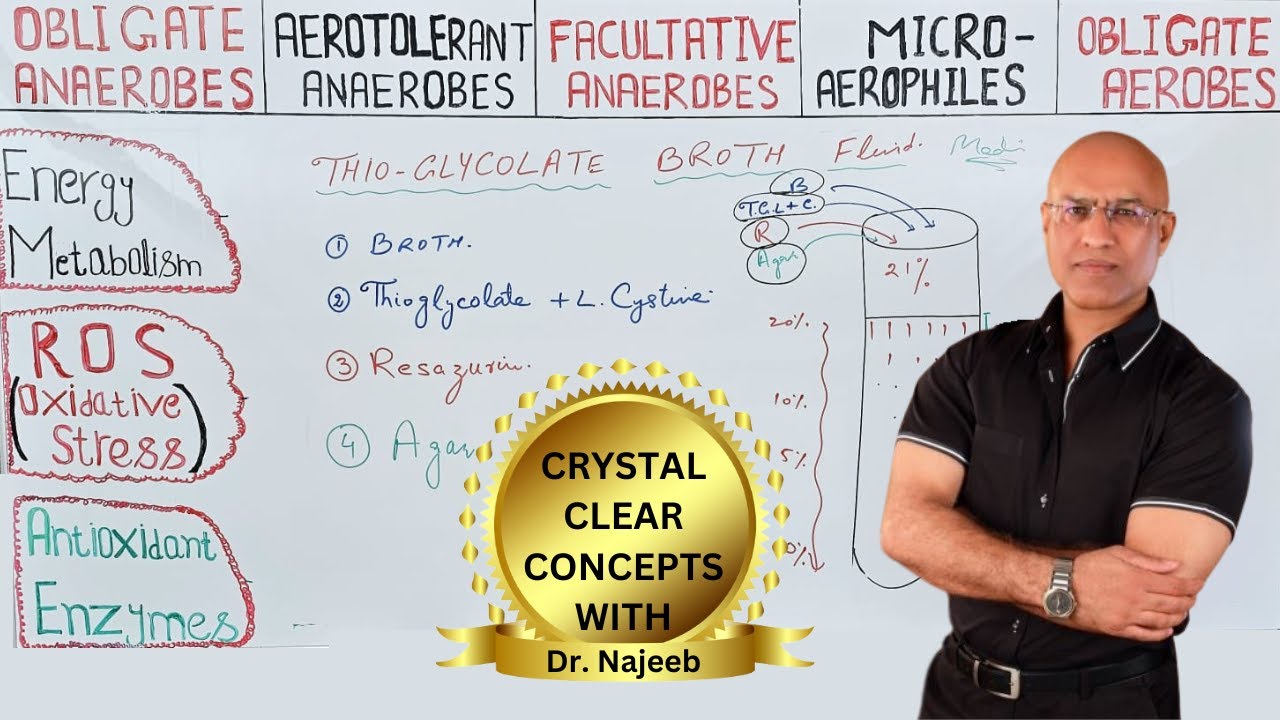


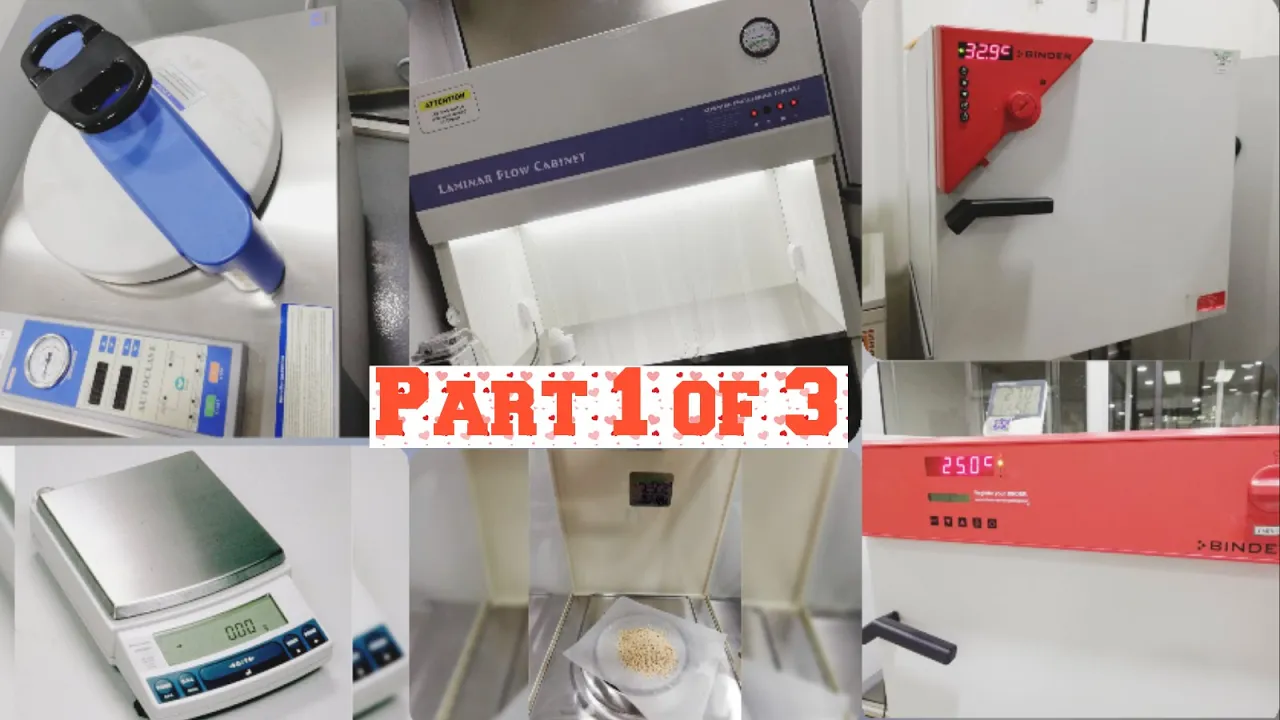




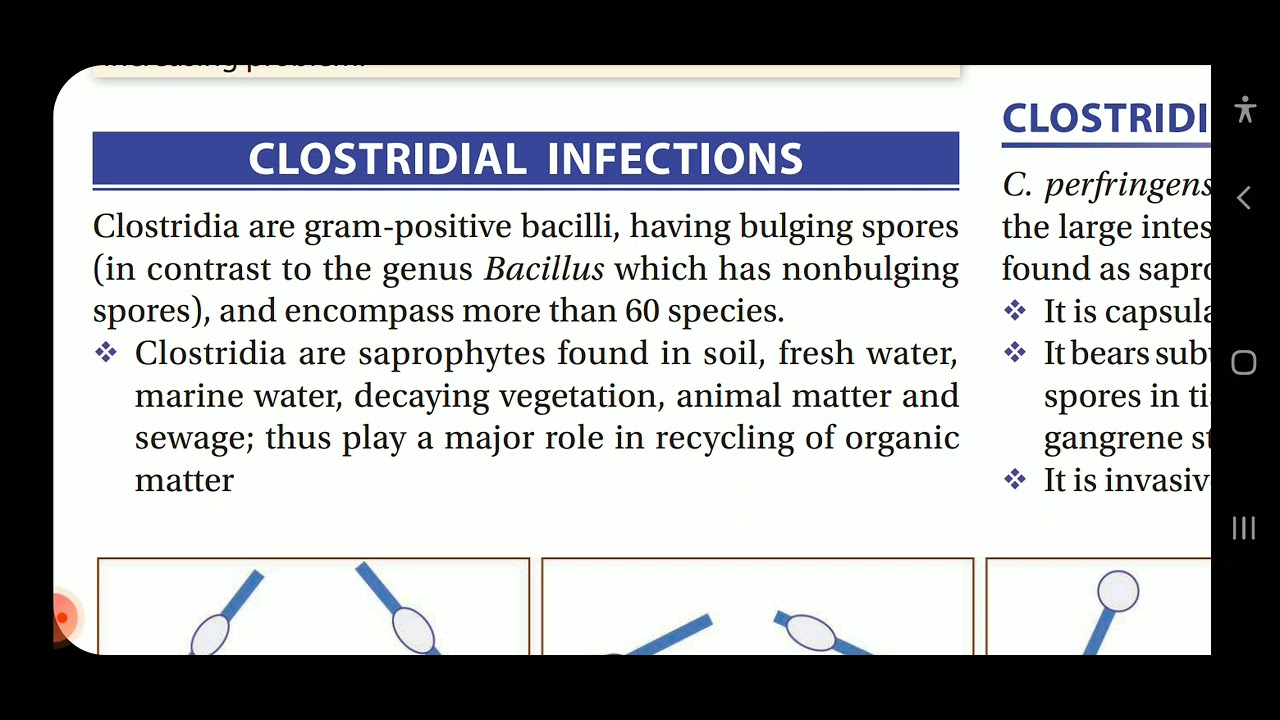


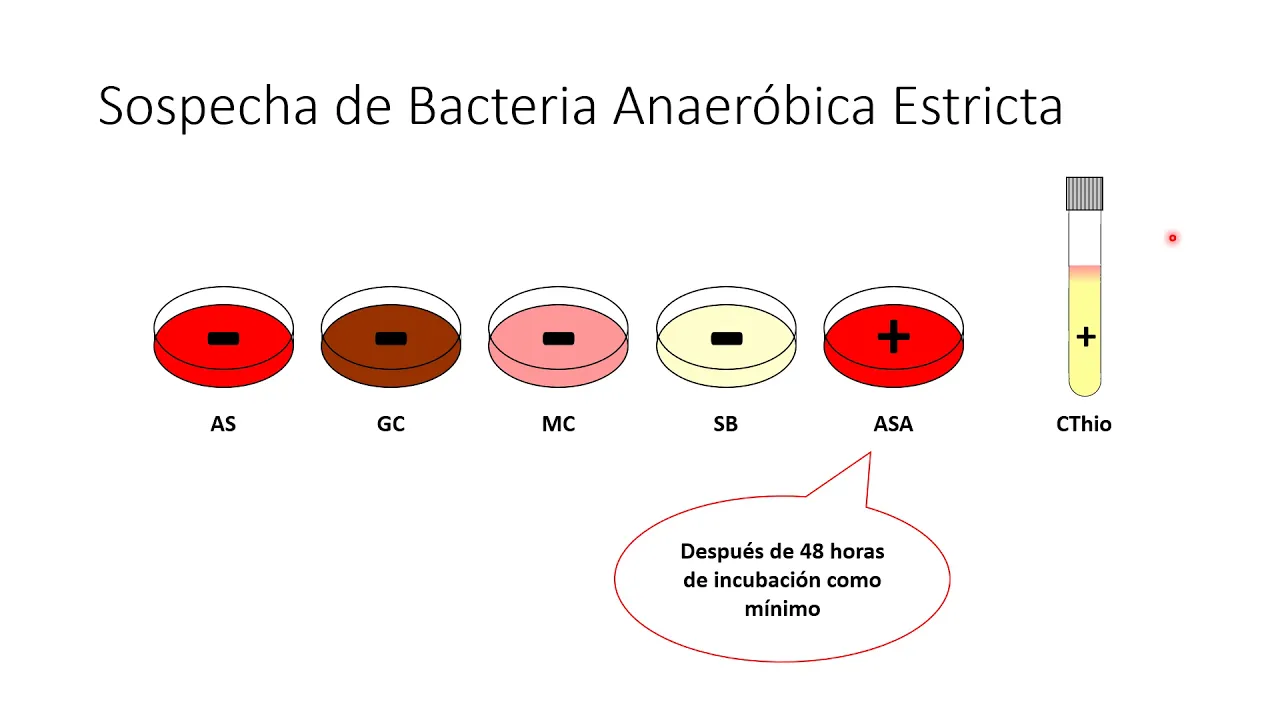










Anaerobic bacteria require specialized culture techniques to grow because they cannot survive in oxygen-rich environments; the main methods include pre-reduced media (boiled and flushed with nitrogen gas), anaerobic chambers (controlled glove boxes with H2, CO2, and N2 atmospheres), gas packs (chemical generators producing CO2 and H2), anaerobic jars (similar to gas packs with sodium bicarbonate and borohydride), candle jars (using burning candles to create CO2-rich environments), and the biological method (using aerobic bacteria to consume oxygen in sealed plates).
Anaerobic Bacteria Culture Techniques | Microbiology Lab Methods
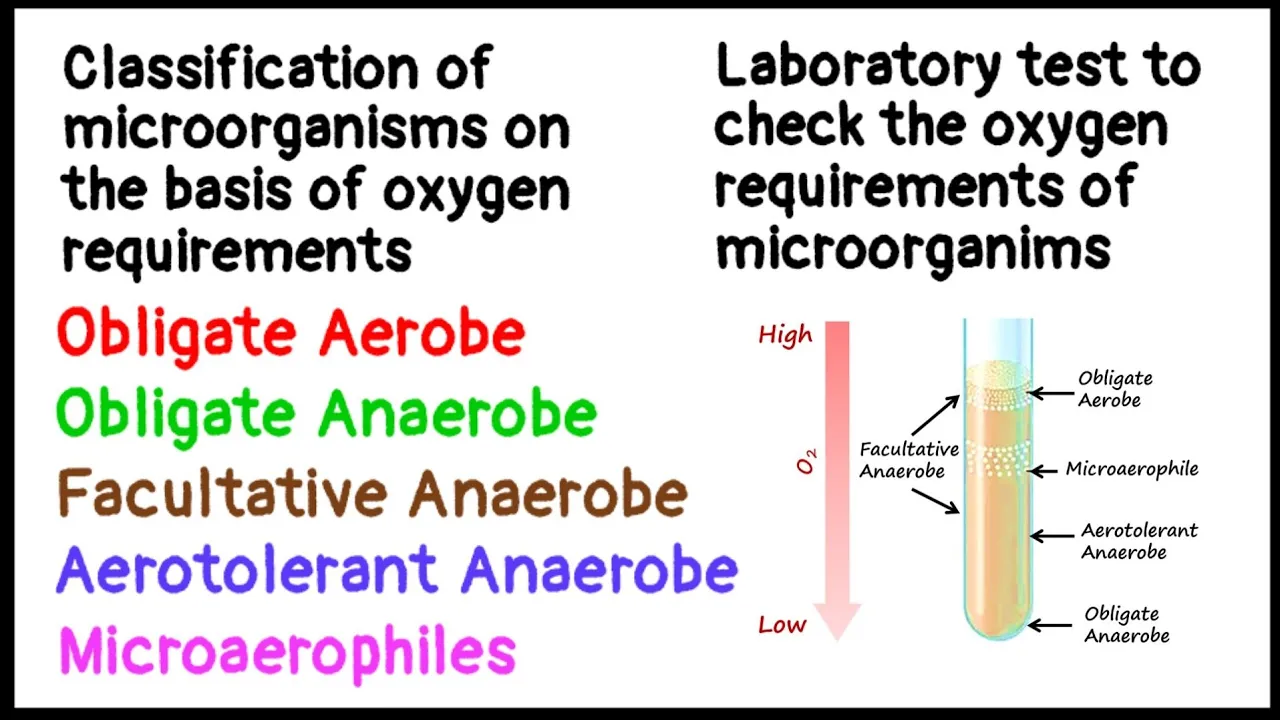
Added:Classification of bacteria based on oxygen requirements (such as obligate anaerobes, facultative anaerobes, aerotolerant, and microaerophiles).
Principles of standard aerobic bacterial cultivation, including aseptic technique, agar plate streaking, and basic media preparation.
Bacterial metabolism, specifically the differences between aerobic respiration, anaerobic respiration, and fermentation, as well as the toxicity of reactive oxygen species (ROS).
Fundamental laboratory safety protocols and the function of standard microbiology equipment like autoclaves and incubators.
Diagnostic identification methods for isolated anaerobic pathogens, such as biochemical profiling (API test strips), gas-liquid chromatography, and MALDI-TOF mass spectrometry.
Clinical pathology and virulence mechanisms of medically significant anaerobes, such as Clostridium, Bacteroides, and Fusobacterium species.
Industrial applications of anaerobic microbiology, including biogas production, fermentation technology, and wastewater treatment.
Advanced microbiome research techniques, focusing on the cultivation of highly fastidious anaerobic gut microbiota and gut-on-a-chip models.
15.2K views166likes16:51Original Release: 2022-02-18
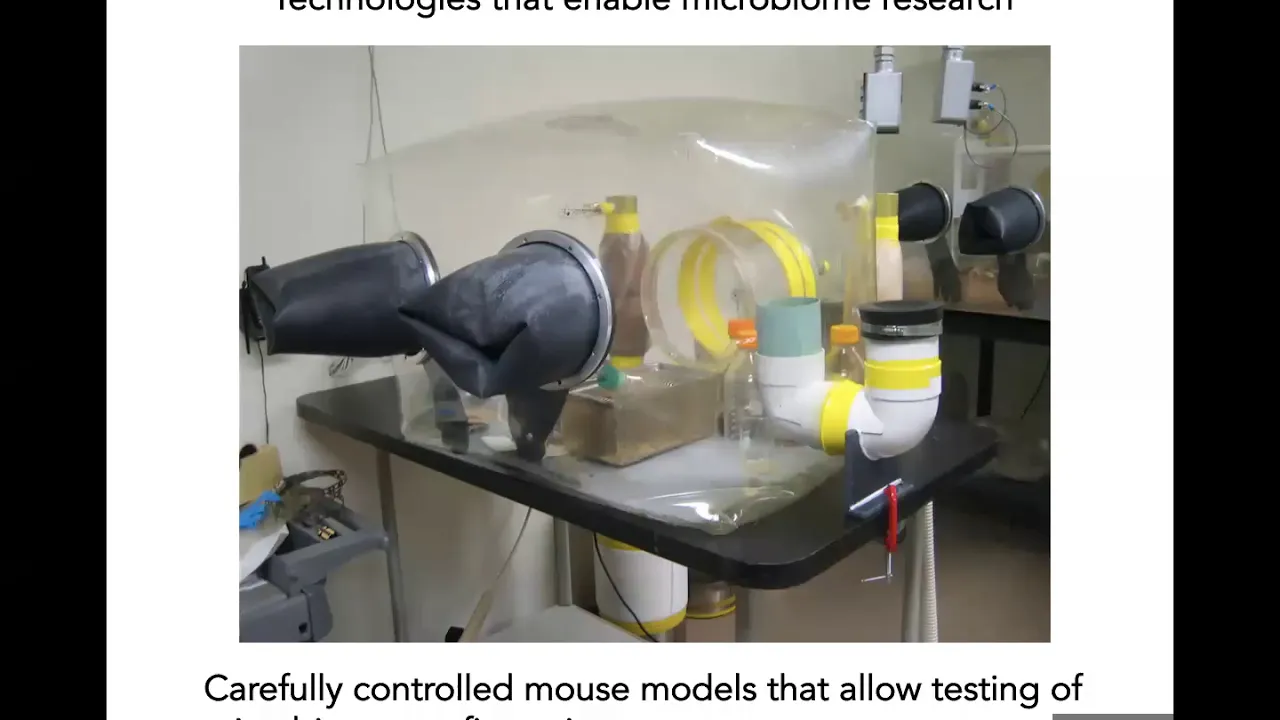
hello students so this is second part on anaerobic bacteria where we are just going to discuss about the culture techniques which are used for anaerobic bacteria okay in first part we had already discussed about the basics some characteristics examples and which are the media which are widely used for anaerobic culturing okay so before starting with techniques just let's revise what are the characteristics of anaerobic bacteria okay so anaerobic bacteria they are unable to grow in atmosphere where oxygen is present they use fermentative pathway in which organic compounds they serve as final electron acceptor okay not oxygen then uh they are killed when they are exposed in atmosphere for say minimum of 10 minutes also so some anaerobic bacterias or some anaerobes they are tolerant to small amount of oxygen while some are facultative as they can grow with and without oxygen okay so these are the basics so now about the cultivation of anaerobic bacteria so obligate anaerobes are strict anaerobes which will only grow in the presence of zero oxygen okay when all the oxygen from the given environment is excluded that is it is removed from the that particular environment or we can say if um even if the media okay so as the media is deprived of oxygen the obligate and ropes they will grow happily okay otherwise they will not grow so such an environment uh is very necessary to be established and we can do that by using one of the following methods so first is pre-reduced media then anaerobic jar gas pack sorry anaerobic chamber gas pack anaerobic jar candle jar and biological method so of which i think you must be familiar with anaerobic jar and a candle jar okay as these are widely used in colleges okay and if you want to uh see or visit and get to know more about anaerobic chamber and if you don't have that facility in your institute or college then just ask your professor to arrange a visit where a lot of work is been carried out on anaerobes and where anaerobic chamber is present so how it works and how or at least have a demonstration of anaerobic chamber working okay so ask for that in your college to your professors then about first technique that is pre-reduced media so we use this to cultivate anaerobic culture and how so first is about a pre-reduced media so these are the media uh which or medium which are commercially available but you can also prepare them in your lab so it depends on you what is your priority okay or with what you can work with that it's up to you so you can prepare in your lab okay and try to flush your media with lots of nitrogen free oxygen free nitrogen to get the oxygen reduced or drive off okay or even oxygen free carbon dioxide so that the concentration of carbon dioxide is increased in your medium okay so it depends on you what is the best thing works for you you can use that so about preparation of pre-reduced media the culture media is boiled for several minutes to drive off the dissolved oxygen and a reducing agent that is cysteine is added for further lowering the oxygen content in your medium now oxygen free nitrogen is bubbled through the media to keep it anaerobic okay so oxygen free nitrogen gas is bubbled that is what i am calling here flushing your media so then media is then dispensed in tubes which has been flushed again with oxygen free nitrogen it is then stoppered means capped tightly and sterilized by autoclaving so such tubes can be stored for many months before using so during inoculation these tubes are continuously you have to again flush them with oxygen free co2 okay so there is a way that is using a cannula that is gas cannula is you can say um or you can imagine it like a small gas tube okay which you can use in your media and you can flush your media and then again re-stopped it and incubate okay so the procedure is of using a pre pre-reduced media is you take a tube which contains uh atmosphere of oxygen free nitrogen okay that is oxygen free media okay and that is why it is named as pre-reduced so to inoculate you remove the stopper again you have to insert a gas cannula flush the tube continuously with oxygen free carbon dioxide and maintain the anaerobic conditions so now you inoculate the media and then you can incubate it after re-stopping okay just a simple way but here you you have to um keep in mind that flushing your media with oxygen free co2 and n2 is very very important to maintain the anaerobic conditions now about anaerobic chamber so in second slide you will have that image where you can refer to whatever i am going to explain now okay so actually it is a plastic anaerobic glove box okay which contains atmosphere of h2 co2 and n2 but no o2 that is there is no oxygen what oil is present in the atmosphere hydrogen carbon dioxide and nitrogen so culture media are placed within a chamber by means of airlock which is evacuated and refilled with n2 so you cannot just open your anaerobic glove box and or anaerobic chamber and keep your plates inside and then close the door and start working no so you have to use the air lock so what is the airlock the purpose of airlock is to remove the oxygen that is present in air so the oxygen is removed evacuated and the airlock is filled with the nitrogen okay and once that is done then you can open the second door of your airlock and take your plates inside or keep your plates inside your anaerobic chamber so this is done to maintain the atmosphere of zero oxygen okay so from the airlock the media is placed within the main chamber any co2 in the media is slowly removed by the reaction with h2 by forming water and this is aided by the palladium catalyst so palladium catalyst is very important at as it works with the oxygen and hydrogen to form water and it helps in removing the remaining uh concentration of your oxygen okay so after being rendered oxygen free the media is inoculated within the chamber okay by using or by the means of glove port and again it is incubated in the chamber itself you cannot now or you cannot take your plates out of your anaerobic chamber and keep it in your aerobic regular chambers okay you have to incubate anaerobic plates in anaerobic environment so you will be incubating them in your anaerobic chamber itself so so now for working there are two ports glove ports okay so it has glove ports and rubber gloves attached to it so that you can operate easily so this is the anaerobic chamber which is made up of plastic so this is the air lock there are some gas tanks placed nearby so that the required atmosphere can be generated by using hydrogen carbon dioxide and nitrogen so from airlock after evacuation of oxygen and refilling the airlock with nitrogen the plates are kept inside your anaerobic chamber and you can work there easily from the glove ports okay after inoculation you have to incubate in your anaerobic chamber itself right so the procedure is given here you get rid of so next we will move towards is gas pack so gas pack is generally used in place of candle jar so the packet consists of a bag containing petrol plate and co2 gas generator the gas generator is crushed to mix the chemical okay you can see here there is a gas generator which is crushed to mix the chemicals which it contains to start the reaction of production of carbon dioxide the gas reduces the concentration of oxygen in the back by about five percent and provides co2 concentration by about 10 percent so you can say comparatively the carbon dioxide environment is more in your gas pack so that is the reason or gas generator is the reason which that is why we use it while you are working with anaerobic bacterial cultures is to generate the co2 concentration more co2 concentration and you have to evacuate you have to remove the oxygen concentration okay so the media is inoculated and it is placed in the jar then water is added to the gas pack generator envelope causing the evolution of co2 and h2 the h2 will now react with the oxygen that is present on the surface of pallidum catalyst and it will form water okay and this establishes the anaerobic condition the co2 aids the growth of fastidious anaerobes which sometimes fail to grow now the more concentration of co2 which is generated by the gas pack it will help it will aid the growth of fast reduced anaerobe okay strict anaerobes which sometimes fail to grow or they grow poorly in its absence okay so this uh co2 concentration high co2 concentration will help the growth of anaerobes and anaerobic indicator strip is also present okay which has methylene blue solution on it and it is working as an indicator which indicates that the oxy uh the environment is now deprived of oxygen okay so the color changes from blue to colorless when the level of concentration of oxygen gets reduced next is anaerobic jar so this i guess you have seen this in your institute okay if not then just ask your professor to have a simple demonstration now anaerobic jar is heavily wall jar with a gas type seal within which tubes plates or other containers to be incubated are placed along with the h2 and co2 generating system so now here also you can see there is a gas pack system that is having some chemicals you will see or you will read that in next slide so here when the reaction starts the combination of the chemicals will start evolution of co2 and h2 the h2o will now react with the palladium catalyst where the oxygen is present and it will start generating water okay so again the same principle of palladium catalyst has been applied here so non-stringent and ropes can be cultured within anaerobic jar okay non-stringent anaerobes means non-obligate anaerobes they can be cultured so inoculate the media and place it in the jar along with co2 and h2 generating system after the jar is sealed the oxygen present in the atmosphere within the jar as well as the dissolve as well as that dissolved in the culture media is gradually used up through the reaction by hydrogen in the presence of catalyst okay as i explained so this is what all the components of anaerobic jar are that is gas pack anaerobic system with inoculated petrol plates gas pack generator envelope anaerobic indicator strip okay and the catalyst so the gas pack generator envelope has sodium bicarbonate and sodium borohydride okay and they are mixed with small amount of water to produce co2 and h2o within the anaerobic jar the palladium catalyst is used in the jar which combines o2 with is to remove the water okay remove the oxygen by forming water then next is about candle jar very basic experiment of oxygen or burning oxygen supports burning that principle is getting applied here so many microfiles are also capnophiles as they require the elevator concentration of carbon dioxide okay so many microarrow microphiles are capnophiles which means they required high concentrations of carbon dioxide to grow so they can be easily cultivated in laboratory by using a candle jar a candle jar is a container in to which a lit candle is introduced before sealing the containers uh airtight lead candles flame burns until extinguished by oxygen deprivation which generates the carbon dioxide rich environment and oxygen poor atmosphere in the jar so many labs also have access directly to carbon dioxide and can add the desired carbon dioxide levels directly to the incubator as if they want to grow the microaerophils okay so if that particular facility you have then you can use and you can directly uh introduce the carbon dioxide into your incubators okay and maintain the levels candles are used to grow bacteria requiring an increased co2 concentration and candle jar increases co2 concentration and still have some o2 of aerobic leaves some o2 for aerobic capnophiles okay so candle jar increases the co2 concentration but there is no guarantee that you will get zero concentration of oxygen okay you will not get rid of all the oxygen present in the jar okay say for example the oxygen from the media will not be get um removed right so that is the oxygen which is present and that can be used up by aerobic capnofills so that was the another one and lastly about biological method so biological method is simple uh take a plate media plate divide it into half so on the first one half side you will strike a known aerobic bacteria for example siressia marxism and on second half you can uh inoculate or strict anaerobic sample that is to be tested or you have a known anaerobic culture you can use that okay so on one half you have anaerobic sample on one hub you have aerobic samples so what we'll have aerobic sample or aerobic bacteria will consume all the oxygen present inside the petroplate and it will create anaerobic condition for the uh for supporting the growth growth of anaerobic sample okay so how this is maintained as your petrol dish is sealed with wax or paraffin and it is cultured in aerobic environment okay so even though you are culturing or incubating it here in aerobic environment what will happen your plate will not get exposed to oxygen as you are sealing it with wax or paraffin okay so once the aerobic bacteria grows well all the oxygen is consumed the anaerobic conditions are maintained and your anaerobic culture can grow now okay so these are all the culture techniques which are widely used for anaerobic culturing okay so i hope this video helps you out thank you for watching do like my videos do share my videos with your friends and do subscribe to my channel thank you
Up Next
10:04
Microbial Life at the Oxic-Anoxic Interface in Sediments
@journeytomicro
266.2K views•2019-10-01

50:12
Bacterial Communication: Quorum Sensing and Biofilm Formation Explained
@JHUAAP
12.6K views•2011-06-28

5:35
Enteric Nervous System Explained: The Gut's Brain | Neurobiology Lecture
@alumniu6029
438 views•2018-09-12

7:08
Bacteriophages: Earth's Deadliest Killers and Future Antibiotics
@kurzgesagt
34.6M views•2018-05-13
Related Study Plans & Knowledge Roadmaps
Structured learning paths in Biology
biology
RNAi: Biogenesis, RISC & Gene Silencing
01Molecular Biology Foundations: DNA to Protein
02Introduction to RNA Interference (RNAi)
03Molecular Biogenesis of miRNA and siRNA
+ 2 more learning modules
10h5 modules
Explore Roadmap
biology
Mycorrhizae: Signaling, Biophysics & Ecology
01Foundations of Mycorrhizal Symbiosis
02Molecular Signaling and Root Colonization
03Biophysics and Bioenergetics of Nutrient Exchange
+ 1 more learning modules
11h4 modules
Explore Roadmap
biology
Circadian Clocks: TTFL, SCN & Periphery
01Foundations of Molecular Biology & Gene Expression
02Introduction to Chronobiology and Actograms
03The Core TTFL: Molecular Architecture of the Clock
+ 3 more learning modules
14h6 modules
Explore Roadmap
biology
Population Genetics: Math, Drift & Selection
01Genetic & Probability Foundations
02The Hardy-Weinberg Principle and Baseline Models
03Mathematical Modeling of Natural Selection
+ 3 more learning modules
18h6 modules
Explore Roadmap