

















Human organs-on-chips are microengineered devices containing living human cells that recreate organ-level functions, offering a revolutionary alternative to traditional animal testing and static cell culture for drug development, toxicity testing, and personalized medicine. Unlike conventional 2D cell cultures or animal models that fail to predict human responses (with 75-95% of drugs failing in clinical trials), these microfluidic chips incorporate tissue-tissue interfaces, mechanical forces (such as breathing motions and blood flow), and dynamic physiological conditions to faithfully recapitulate human pathophysiology. The technology enables real-time visualization of cellular processes, quantitative prediction of drug pharmacokinetics, and personalized treatment optimization by using patient-derived cells. Applications span multiple organ systems including lungs, intestines, livers, kidneys, and brains, with successful demonstration in modeling viral infections (including SARS-CoV-2), cancer progression, and inflammatory diseases, ultimately enabling more efficient and accurate drug development pipelines.
Organs-on-Chips Technology Explained by Donald Ingber
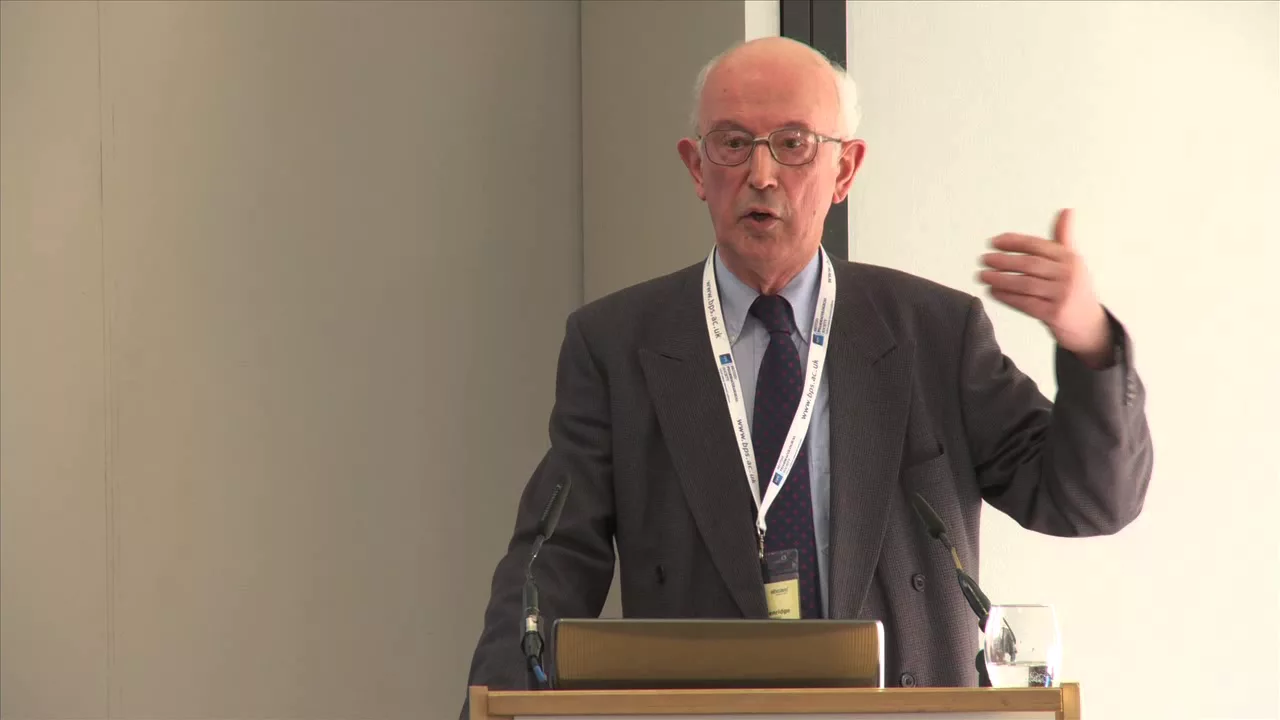
Added:okay so that's it so so i would like to thank don imber for having accepted to talk to us today it's a great pleasure so he's in the line with our previous various produced prestigious speakers that we had like rakesh jane bob weinberg and hans clavers and so sorry i will briefly introduce him here so um don imber is the founding director of the whis institute of biomedical inspired engineering at harvard he's the judo falkman professor of vascular biology at harvard medical school in boston and he is also the professor of bioengineering the harvard john john paulson school of engineering and applied science he is a member of a number of of uh of organizations like the american institute of medical and biological engineering national academy of medicine the national academy of inventors and so forth and more recently i have seen this on your twitter account because i'm following you on twitter also that us you are member now at the national academy of engineering it this is pretty recent so don is really a founder of this emerging new field of biological inspired engineering so he has done he has many contributions in all kinds of disciplines on mechanobiology on cytoskeletal biology matrix and so forth integrin he has done also work on angiogenesis and blood vessels in the past systems biology and translational studies he has around 500 publications extremely highly cited and of course he has also [Music] done translation into the industry of his inventions so he has funded a number of companies and a recent one emulate who is transferring his organ on chip technology to the general to the general public and the science community so don inger is from the state of new york and he he graduated however in yale and got his phd there and then he moved in fact uh to boston also then the long postdoc with judah falkman and was his close his close associate so now in terms of science um in fact don has uh really pioneered the field of discovery of of the mechanical forces in the development control of cells in general he has done also work on cancer he has has promoted a number of things with with new concepts in that area and also new technologies so what is important is that in fact in his idea the mechanical forces are extremely important that control the biology and gene regulation and it's like the philosophers would call it a downwards causation philosophers talk about down about downward causation which is in fact another level of control of the of biology that is in fact more outside of the genetic realm but closely linked to it so he uh he studied in this respect also the the transducers of the mechana sensors like integrins and other others like this besides that he has done work on androgenesis of course he has discovered and the first androgenesis inhibitor tmp-470 and now of course his all his work is centered on the organ of chip organic chip technology and he for instance designed the first human organ chip which is the lung chip so which has been created already 2010 and now of course he he is with his organ technology all around he is now promoting a full human organ of chip with a number of organs on this chip and it's really extremely impressive work somehow can ask how he can do all this but in fact the publications are there and his output is stunning he is of course he was what i already said he the founder the funding director to this institute this institute has emerged from a swiss philanthropist hansjorg whis who has financed it and maybe he could explain to us how he got this funding through to harvard or was it was a direct funding to him and and to his institute but it's really extremely impressive uh i mean all what he has done so far and so he will talk about us about his this research on the organ and chip technology and it's extremely impressive and why and let's say eye opening to all of us what can be done with this approach so besides the um besides the other thing also don is interesting also in in the art because he has done art and design in exhibitions with with a number of artists he has been working and also for instance his organ chip the technology has been displayed in museums like in new york at the moma and so forth so it's a great pleasure to have done here today so it's really a great pleasure so just for the format so the forward is the following he will talk about one hour and then uh you may have questions for half an hour so you should write down the questions on the chat please i will ask them afterwards to done and of course afterwards the students when if the students want to if the students want also to ask him directly they they can ask questions to him afterwards so don thank you very much for having accepted it of course you will get was as i promised you wine bottles sent to you our i mean all our prestigious speakers will get them and the floor is yours thank you i'm going to share my screen let's make sure that this is working again yes does this perfectly working thank you great well thank you so much uh for the opportunity and the kind introduction um as you heard i've been at harvard for 37 years i did start out as a postdoc with judah folk and worked with him for 25 years and then for the last 12 i've been the founding director of the visa institute for biologically inspired engineering uh let's see if i can get this to turn here this is our logo up top and yes we were kick-started with what was then the largest single gift to harvard university in its history of 125 million dollars which we've tripled since then um i we can talk in the question period about it but the what we were tasked to do is to take on uh big problems that would be extremely hard to solve that you wouldn't solve with a conventional government grant that gives you sort of incremental funding to do incremental research but that if solves could lead to transformative impact and what i'm going to talk to you today uh is what we call human organs on chips and i'm going to show you that these have really gone from the realm of experimental models to clinical mimicry and so when we started the biggest problem that i could see at the time is that the drug development model was broken it costs over three billion dollars a year to go from a discovery at the lab bench to get a drug approved the many reasons for this some of them is that we work with cells cultured in dishes that don't function like our bodies we have to do animal studies before you go to the clinic but it takes years to complete them very big ethical issues but the real problem is that more often than not and sometimes depending on the area of 75 to 95 of the time they do not predict clinical responses and that's why drugs fail so often and and so as a result there's been a search for new models that can better mimic whole organ function for those of you interested in cancer research for example where biologics are becoming coming more to the fore like therapeutic monoclonals and people are exploring crispr based therapeutics there's a real need for new models because animal models can't be used 40 percent of drugs in the pipeline are biologics they now often require non-human primate models if you've read the newspapers with cobit 19 monkeys are in short supply and they're not even enough of them for just vaccine development alone major ethical concerns but the real problem is that new drugs such as biologics are so specific for human they don't even cross-react with antigens uh or rna targets in in uh non-human primates so the real needs for pre-clinical models to to basically get over that huge abyss between basic research pre-clinical research and and clinical drug approvals so we have developed what we call human organs on chips these are engineered microchips that contain living human cells that reconstitute organ level functions not cell or tissue like a organoid but organ level functions to accelerate drug development replace animal testing and advance personalized medicine now why microchips well microchip computer microchip manufacturing offers control of features at the same nanometer to micrometer scale that living cells and tissues live at and this is done using what's known as photographic etching where you often have a silicon chip you make a mask that will obscure uv light you can make little holes in it using a computer to create a pattern and where it the light goes through it it'll cause the chemical polymer layer to dissolve and then you can make patterns and etch for in it in electronic chips now 25 years ago george over 20 years ago george whitesides and i collaborated together and developed what is now known as soft lithography you can now buy these materials for cell culture from companies but we developed this technique which george had created an inexpensive way to make computer chips uh for the for the microchips for the computer industry whereas you'd use photolithographic etching to make a pattern but now the trick was you pour a liquid polymer it's called polydimethylcyloxine pdms it's silicon rubber but it's a liquid you pour it on polymerize it and you retain surface topography down to 60 to 90 nanometer resolution and then you can stamp chemical inks such as extracellular matrix molecules for living cells and we use this in a series of science and nature papers or early in the 90s to show that we can control cell adhesion cell shape and cell function including growth differentiation apoptosis all by how far cells stretch and change their shape so that mechanics control cell fates uh also directed motility sorry um george also started to use these this method to create what are called microfluidics where you'd have little inlets like like tributaries to a river that would come together and fluids would would join interestingly they're so small less than a millimeter wide you don't get turbulence you only have laminar flow so if you two different liquids of different colors they don't mix we actually adapted this to develop a sepsis therapeutic device which interestingly is just entered clinical trials for covet 19 and i don't have time to go into that however as someone who's a vascular biologist to me these were engineered microvascular networks so we combined this all together and created this idea of organs on chips and the first model is we called a human breathing lung on a chip published in science in 2010 and what's important is we're not trying to build a whole organ i like to think of these as living three-dimensional cross-sections through a major functional unit of a human organ and on this one we started with the alveolus or the air sac and as you probably know this is a structure that um where we have gas exchange aerosol based drug delivery pneumonia cancer metastasis etcetera makes a very very important structure but it's relatively simple in that it has air it's lined by a single alveolar epithelial cell it sits on a porous basement membrane extracellular matrix and then there's a capillary blood vessel cell on the other side and then there's blood what it doesn't show you it's incredibly mechanically active and that every time you breathe in and out the the tissue tissue interface and the cells stretch and then they relax back and it's known in respiratory physiology that these breathing motions are absolutely critical for development of the lung as well as for continued functionality of the lung so if you're trying to distill down to like what are the minimal design principles that make an organ an organ well the first thing is that you have to have a tissue tissue interface this is two or more tissues come together new functions emerge often one being a vascular tissue to provide oxygen and nutrients and remove breakdown products the other feature that we felt was critical were the mechanical motions in this case dynamic flow of blood flow of air and the cyclic breathing motions so the next video to animation shows you how this works the top right is this the organ on a chip it's the size of a computer memory stick made out of that optically clear silicon rubber you cut it in cross-section has three parallel chambers less than a millimeter wide the middle one has top and bottom cut by a thin membrane with pores we coat this with extracellular matrix we then put human lung alveolar cells on the top human lung capillary cells at the bottom we just recreated the alveolar capillary interface the trick is we put cyclic suction through the side chambers this is a flexible polymer and so this will stretch and relax at the same rate and degree as when we breathe we then put air over the top to create an air liquid interface and then we could flow medium with or without immune cells or even whole blood if we put endothelial cells on all four sides as we do nowadays now if this were to work it should mimic organ level responses so imagine you have an infection like pneumonia so bacteria will induce the epithelium to signal with cytokines the tissue next to it the endothelium so there's a tissue tissue signaling the endothelium then are activated to express adhesion receptors like i can which then recruit white blood cells that were just flowing by they now stick role diapedes migrate across and engulf now i'm going to show you imaging through the device these are fresh white blood cells i know they're fresh because we took them out of my postdoc they're labeled fluorescently white you can't see the endothelium because they're not labeled and the epithelium is behind the screen so to begin with quiescent vessel they just flow by now we put bacteria now there's that signaling response icam is expressed and you're watching the white blood cells being pulled out under flow and it's well known that shear stress is actually critical for that initial adhesion now i show you a higher mag that's one white blood cell right about here it goes between two endothelium that are unlabeled then it migrates through the matrix filled pore it goes out of focus to the other side and now you're going to see it come through by face contrast so now i'm going to show you the white blood cells in red and the bacteria in green because they're labeled with gfp and you watch them being engulfed so you just watch the entire human inflammatory response in high resolution in this little rubber chip okay so we started to talk to pharmaceutical companies and they thought this was really neat but they they were more interested in disease models that's where animal models really fail and also drug toxicity models so we hit two birds with one stone by using the cancer drug approved cancer drug interleukin-2 which is normally given intravenously so we've injected it through the vascular channel at time zero oh i should say that it's dose limiting toxicity is pulmonary vascular leakage that leads to pulmonary edema so we injected at the same doses in patients intravenously times zero looking from above this is the air space alveolar epithelium with air above over two to four days you see a meniscus of fluid filling the air space and it's completely filled by four this is the same time course at the same dose that pulmonary edema is seen in patients we could quantify this by using a trick from kidney physiology a fluorescent die called inulin that travels with the water and what you see here is this increase in fluid shift into the airspace over time but what is very amazing was that if you did this with no breathing motions that's shown in red so breathing motions appear to be required to see this toxicity and this disease manifestation of pulmonary edema now this is not mimicking physiology no one's ever seen this before so this was a prediction so we developed an ex vivo ventilation perfusion model in the mouse where we can control whether or not they breathe while we're perfusing and and instilling through the air um and measuring fluid in the air space and as you can see here that the whole lung and the mouse exhibited this exact same behavior now um i've been working in the field of mechanobiology for 40 years or since i was an undergrad and this idea that mechanical forces may be as important as chemicals and genes for development and regulation of cell tissue and organ level functionality and i had found that a drug that would inhibit mechanical signaling within five milliseconds after cells being stretched through their matrix and this was forces going through integrins through the focal adhesion to an ion channel called trip v4 that lets calcium in to the cell and i heard that glaxosmithkline was working on an inhibitor of this and that the program really didn't seem to be progressing and i i called them and i was able to get the drug to test in our model and we found that this trip v4 inhibitor completely prevented pulmonary edema in this model they in parallel tested this in dogs and rabbits in a cardiogenic pulmonary edema caused by back pressure from heart failure and they got the same result and we had back-to-back papers in science translation medicine and this drug is now in phase two clinical trials and it's an interesting story because we the reviewers of our paper said one of them said this should not be published it's too simple a model there's no immune cells the other said this is amazing this is like synthetic biology at the cell tissue and organ level they just showed you don't need immune cells for pulmonary edema induced by interleukin 2 and it was accepted this is something we've seen again and again and again is that we get insight into mechanisms because we can control every parameter individually flow mechanical motions cell types etc that you can't get in animal models organoids or or in humans so this one model this human lung alveolus chip has demonstrated proof of principle for human disease model drug toxicity we have another paper where we we've shown we can mimic the pulmonary thrombosis induced by a drug that failed in clinical trials because of deaths even though there was no animal toxicity and you could see that in these chips with whole blood uh drug efficacy therapeutic target discovery and a new drug discovery as i showed you as you heard this won many awards i'm very proud we won the international design award in 2015 we beat out the google car and a frank gehry building my family is very proud that this is now in the museum of martin art's permanent design collection uh and it was also and and they're proud because i'm now a permanent member of moma and i get a discount at the gift shop and and the restaurant for life which is wonderful and it's one honored by the world economic forum as well now we have integrated immune cells as you saw we now integrate stromal cells for a look at pulmonary fibrosis and and we can integrate any cell you want it really is synthetic biology at the tissue organ level next chip that we did was a long small airway chip because these companies said well we're interested in asthma and copd chronic obstructive pulmonary disease so we basically made the chip taller a millimeter high which is the radius of a we use primary human bronchiolar epithelial cells that normally are transitional epithelium have cilia and mucus we grow them at an air liquid interface on top for three weeks only feeding them from the blood channel and at the end of three weeks this is what they look like on chip this is ciliary motion they move in a directional manner this is an em colorized on the chip and if you put small fluorescent particles to look at mucociliary clearance and and look at it in real time video this is what it looks like this is exactly the same rate of mucus being cleared as in our lungs as you listen and i speak we then made chips with cells from patients with copd and again three weeks at an air liquid liquid interface on chip and we find that they retain the copd phenotype no immune cells here just the cells it must be epigenetic and that they have down regulation of total r3 and 4 receptors as in patients now what brings these patients to the er is usually exacerbation either by bacterial infection viral infection or cigarette smoke here you can see that if we use a mimic a viral infection poly ic or a bacterial infection lps endotoxin you can see that only the copd chips respond by either ila secretion or mcsf these are cytokines whereas the healthy do not so you could see exacerbation now at the visa institute we have amazing engineering capabilities and so my postdoc at the time campus venom i reached out and they developed a cigarette smoking robot so this is a gatling gun of 10 real cigarettes that is a cigarette lighter from a car and this actually breathes in and recreates the breathing puffs pauses the intervals and takes real smoke through this device right to the lumen of one of those chips not cigarette extract when you do that it's quite impressive you can see that normal chips normal patient lung derived chips smoke doesn't do anything for example to the inflammatory cytokine ila but the copd chips it doubles and uh we then we now do transcriptomics multiomics proteomics and glycomix on chips this is transcriptomics on the right the three lanes at the right are chips of patients that were healthy that we exposed to cigarette smoke as on the left the nine at the left are from a clinical study with patients who are otherwise healthy but smoke cigarettes what you could see is that the top quarter versus bottom three quarters are pretty similar in terms of uh their expression patterns but the reviewers said your chips are all very very similar and these are also variable it should not be published and then we realize that in a way we can do this sort of study better than a clinical study because this is matched comparative modeling of this these patients before and after the stimulus were interested in smoke so these genes are actually related to smoke exposure whereas these patients have different life histories work history smoking histories etc and so this eventually was accepted and then we're asked to do a little mini review on matched comparative modeling in vitro human human patients we continued on we developed an intestineship we initially started with human caico2 derived intestinal epithelial cells which came from a tumor that normally grow as flat cells used by a pharma grown in trans wells to look at intestinal barrier function and it's poor in vivo the cells are columnar and they form villi we put the same cells in the same medium used for 50 years all we do is we give them peristaltic like deformations and trickling flow like in your gut and they spontaneously form intestinal villi now you heard last week from hans claver and he's done this beautiful work on intestinal organoids and many other organoids and and they're wonderful for studying cell differentiation and even some tissue morphogenesis but you can't get access to the lumen you can't measure transport you can't measure absorption you can't culture microbiome for extended times so we do is we now use patient-derived organoids his method we break them up into cells or aggregates we put them on the top membrane part of the membrane and we put endothelium on the bottom and now you get beautiful intestinal villi proliferative cells at the base they differentiate in all the leaves we've done duodenum jejunum ileum and choline and if you look at transcriptomic analysis and this is for defense response drug response digestion proliferation response to nutrients and nutrients and you compare the duodenum in a patient the organoid that you make from the duodenum and the chip you make from the organ you can see that the intestine chip is much closer to the actual in vivo situation and again this was asked in the beginning this is one one example of a benefit of chips versus organoids alone we've also made a colon chip and this is a histological section through the chip that looks just like in vivo and villain at the top and goblet cells and so forth what you can do here is you can look at mucus production and accumulation over time which you really can't do easily in an organoid and we could turn the chips on the side use dark field and you can see the mucus in real time accumulating over days in these chips and we could actually confirm that we recreate the human mucous structure for the first time in vitro of having a penetrable layer and a non-penetrable layer of similar thickness as seen in human colon but what is probably most interesting is we now can culture human complex human gut microbiome anaerobes and arabs for extended times on these chips in direct contact with the epithelium and the mucous layer so to do this we created a hypoxia gradient where we had a chamber where we have chips they have oxygenated medium going through the vascular channel and then we have a oxygen free environment above i'm sorry and we have inline oxygen sensors on the chips and we can show that we can maintain oxygen levels below 0.5 percent in the lumen which is needed for anaerobic bacteria but you get a gradient so that the endothelial and epithelium remain alive and functional when we put anaerobes on these chips we actually find they grow and interestingly barrier function gets better having microbiome healthy microbiome microbes on these chips this is apparent permeability so essentially going down in this case is is better barrier function now we've taken human stool specimens of microbiome so complex microbiome and we can keep for at least five days in vitro over 200 operational taxonomic units this is 200 different types of bugs from 11 different genera with similar complexity as in stool in direct contact with human intestinal epithelium we have now this is a movie of how dense those little speckles are bacteria around the villi and this is happy functional barrier intact we're now doing this with diseased microbiome we're doing this with vagina chips we're doing this with cervix chips we're doing it with lung chips and so this to me is something you cannot do with organoids and is a major advance in the field we've also done another chip was a human kidney glomerulus chip in this one we didn't use organoids we had to develop our own ips technology to induce kidney podocyte formation because there are no available sources of kidney podocyte which are the specialized cells on one side of the glomerular basement membrane that have foot processes that impact on it and glomerular endothelium on the other side and this is where you have you know urine filtration i won't go into the method but this is all published but we can get highly differentiated parasites combining matrix and actually putting them on the chips um but what was interesting is that again we gave one beat per second of deformation to mimic the expansion of the glomerulus with each heartbeat which is known to happen when you visualize in vivo and only when we give that mechanical distortion do we see foot processes go from ponocytes to touch the basement membrane of the endothelium and only then do we mimic urinary clearance in vitro with inulin versus albumin of i've seen in vivo in the glomerulus we've also used ips to develop a human blood-brain barrier and chip for those of you involving brain cancer some of the big problems is developing large you know therapeutic antibodies across the blood-brain barrier we now have chips that have endothelium human brain endothelium on one side astrocytes and parasites on the other and now the first time we get barrier function with a trans-epithelial electrical resistance in the thousands of ohms centimeters squared rather than the tens to 100 and we could also reconstitute drug shuttling functions like transferrin receptor antibodies have that genentech has been developing for drug shuttling now in terms of cancer you know we had these different chips and i had worked in cancer since 1978 as an undergrad and i knew that one of the big advances in the in the mouse field was going from subcutaneous implantation cancers to orthotopic models where you put a breast cancer in a mammary fat pad or prostate cancer in the prostate gland and they looked a little bit more like patients so we had human organ microenvironments so we developed human orthotopic lung cancer chips here we did this with a human non-small cell lung cancer adenocarcinoma uh model we used h 1975 tumor cells that pharma often uses for drug development and this type of cancer emerges in the distant bronchiole the small airway but it almost always grows clinically in the alveoli when looked at at autopsy so we put these cells we either plated them in the alveolus and here we plated them at a low density at the same time as the normal cells and let them grow out or in the case of the airway we could actually let the airway form it's so thick that we could inject with a needle at a later time and what you see on the right is if you grow these cells in conventional dishes with conventional medium that's the gray circles they grow really rapidly if you grow them in the medium we use on chips which is unique there's no growth in a plastic dish so all the growth i'm going to show you is due to the local micro environment if you grow them in a small airway where they where they emerge in vivo but grow but don't really grow very well there's no growth for 10 days and then they grow slowly if we inject them after the chip has been formed they're just dormant in contrast if we grow them on the alveolus chip where they grow in viva they grow rapidly and what was amazing is that when we looked plus or minus breathing we found that breathing suppressed growth by 50 percent we then could look at invasion it's very nice with these pores you could watch gfp-labeled tumor cells invading through the pores and then invading into the vasculature breathing also inhibited invasion by 50 and we could show that the mechanical breathing motions regulated therapeutic responsiveness as well so for example if you look at growth without breathing they grow rapidly and drugs like real silitenib which is a egf it's a tyrosine kinase inhibitor first line drug inhibits growth if you have no if you have breathing they grow slower like i said but there's absolutely no effect of the drug they just go slowly right through it and we actually could show that this is regulated mechanically at the level of egfr receptor signaling and i think this is important because you know in cancer patients come to the clinic they're treated with a big cancer it shrinks back they're sent home and then there's always residual tumors that then come back again and this is the type of model now that you can use to study dormancy or residual tumors now i'm funded last couple years by a cancer grand challenge grant with theo tilsty as the the pi and we've been developing organ chip models of chronic inflammation associated cancer starting with esophageal cancers and the goal was basically to explore the microenvironmental the particularly effective epithelial stromal interactions which is something i've worked on again since i was a graduate student the idea that that the stromal environment regulates the the growth and development and progression of cancers in part through the extracellular matrix and so we are now getting clinical specimens from lorenzo ferries lab in montreal we're getting healthy epithelium fibroblasts endothelin immune cells that's the ultimate goal from from either for example they'll take out a surgical resection of a patient who has fulminant cancer but in that same tissue organ removal there'll be dysplasia barrett's metaplasia and adjacent normal and so we are now building chips with these i'm just going to show you a preliminary result if we grow uh what was from a a cancer sample they grow rampantly on these chips and you can see them overgrowing this is 14 days on chip this is in a trans well so much higher growth rate and they they're growing all over each other in a disorganized way we grow them in a differentiation medium and an expansion medium and the cancer cells grow rampantly regardless we then took a sample from a quote healthy adjacent healthy region from this patient and what we found is that in the differentiation medium they form columnar cells that look almost like stomach which is sort of a metaplastic type of a phenotype whereas in the expansion mean they grow rapidly and so actually this looks like it might be a first model of barrett's esophagus in vitro and just a you know glimpse of what's to come but the ultimate goals of our work is really to show that we could recapitulate human pathophysiology and predict human responses to drugs using clinically relevant dose exposures and i say this because almost everything all of us do with cells in a static dish whether it's cells organoids or multi-physiological systems is we bathe them statically in a drug where in our body drugs are going through our vessels going through an endothelium into the tissue drug levels are going up when we take our pill and then going down as it clears it goes up and down during the day and this is known as drug pharmacokinetics how the drug levels change in time which is absolutely critical for drug activities in vivo so first example is a human bone marrow chip we published a year ago this chip we take cells from patients we take cd34 cells we have bone marrow derived stromal cells we put them in a matrix gel in one channel and then we put endothelial cells in the other channel and over a month we get blood formation of all different lineages this for example our neutrophils isolated on chip by fax and this is indivo and this is the rythroid lineage look gimme sustain showing all different cell types we maintain the progenitor cells um and stem cells for we still have to quantify the percent of stem cells but we certainly have progenitor cells for at least a month this is much higher than in classic suspension culture i'm funded by the fda i'm looking at radiation countermeasure drugs and one of the problems with radiation studies is that animal models don't mimic the dose sensitivity excuse me here you can see that we get similar dose sensitivity to patients when we have these chips exposed to radiation at one to two grade each colored dot is a different patient five patients showing you the reproducibility from patient to patient and we also see the appropriate progenitor cells being affected most we then looked at cancer drugs so this is now a 5-fluorouracil and again in vitro people can do bone marrow cultures they show toxicity but it takes five days in patients the drugs infused over two days at a concentration around four micromolar when we infuse our chips with with drugs at different doses we see at four micromolar we can see toxicities right here that matches what you see in patients whereas a static gel or or a suspension culture you do not see this well what was most impressive to us was we astrazeneca the pharmaceutical company reached out they had a drug in clinical trials that had very peculiar regimen specific toxicity in that the same dose over two hours gave you neutropenia and anemia and over 48 only gave you neutropenia and they could not mimic this in vitro very well or an animal so they had the pharmacokinetics measured in patients that shown it left in gray so there in patients two hours goes high and then goes low 48 is high for extended time and then goes low we could mimic this on the chip because we have flow again you can't do this in static culture organoid culture we mimic it precisely we precisely mimic the drug toxicity seen in humans and we can also mimic recovery which is very hard for them to stutter study in animals and this is not seen in suspension culture this is what was with an aurora kinase in here we also actually collaborated with with a clinicians who were studying a rare genetic disorder in kids called schwachmann diamond syndrome with just a barren blood cell formation we got cd34 cells from these rare patients put them on chips and we see the abnormal blood cell formation on chips uh and and we discovered that it's due to we could see the it was involved in maturation of of the of the blood cells but what was interesting was we also discovered a new got mechanistic insight not seen before which is that we should found an abnormal low cd13 a cd16 ratio by fax which was a a neutral maturation not seen before or described before in the syndrome and we went back and we looked at eight of these patients and found out that there's a subgroup that four of them had this and four didn't so i mean this is useful for getting some insight into these rare disorders where it's hard to get patients but more importantly is it's very hard to do clinical trials on these patients and this suggests that you might be able to make chips from rare patients from around the world optimize drugs deliveries pharmacokinetics and then maybe you know do a much more efficient trial later on now in the beginning i mentioned about biologics and and non-human primate limitations and this new york times two weeks a month ago was that there really are not enough monkeys to do vaccine testing and let alone biologic testing and so there's got to be a better way and so we have developed what we call a human lymphoid follicle chip and you know lymphoid follicles are are in lymph nodes and and tertiary organs and this is where the immunization the vaccination responses really happen so what we do is we take peripheral blood from patients we isolate b and t cells we put them at high density in a matrigel type gel in one channel and we feed them through the second channel and we find is that they spontaneously organize into clusters and when you give antigen you self-assemble germinal centers which is where this all happens which and they expand with with stimulation the number and the volume we find that the flow is absolutely critical for this so this would not happen in a static culture they express the right biomarkers like ctla-4 cxcl13 more importantly they're primed for antibody class switching and this is the increased expression of activation induced cytodean deaminase and cxcl13 and when you give them um a a stimulation in cd40 ligand that known to activate class switching you induce plasma cell formation these are the cells that make make the antibodies and you get igg specifically as opposed to igm on these chips so we then got a commercial flu vaccine called fluzone and we vaccinated the chips we got specific igg against that fluzone antigen hemagglutinin we also collected out of the blood the vascular channel cytokines did analysis and we happened to have cytokines in patients who were vaccinated with flu zone and we see very similar profiles so we now are using this with gates foundation and drug companies to actually look at adjuvants which can show adjuvant activity and this may be a new way to not only study vaccines but immuno-oncology therapeutics as well and last example is uh we did this we're focused on human get away from animals and the drug companies said will you develop liver chips that are human rat and dog because they explain that almost every drug company has to do preclinical toxicity hepatotoxicity studies in dogs and rats because the fda requires it and they almost always get conflicting results and then they have to kind of wing it and that's one reason there's a lot of failure so we now did this we started in my lab and it moved to emulate the company you heard about earlier but this chip has primary human hepatocytes in a sandwich gel on one channel it then has primary human i'm sorry human dog or rat primary hepatocytes and similar all three species liver sinusoidal endothelium primary as well as copper cells and stellate cells and when you do this one example these are this is a drug that is known to have very different responses in human dog and rat you can see inhibition in human higher dose and rat no response i'm sorry a dog no response in rat and this is exactly what we recapitulated this is published in science translation medicine we also recapitulated steatosis cholestasis fibrosis multiple drugs so we now i think we're in the 15 to 20 different organ on chip level in my group and others at the visa institute like kid parker chris chen jennifer lewis sangeet tobacco but when i first published a review in 2012 i had this figure where i said if because we have an endothelium line channel you can imagine building an integrated human body on chips imagine putting a drug orally through the gut shift watch it be absorbed watch it be metabolized by the liver chip pass the fluid to the kidney watch it can people turn their their mutes on yes yes please turn the mic on off please okay so i i will i will please turn the mic off please okay okay okay you can continue yeah so i'm saying you can you know you can basically watch the liver metabolism kidney clearance do you see heart toxicity or you know and then what does it do to bone or aerosol drug in the lung and we have now done this we don't link by tubes we use a robotic sampler because we can interface with pharmaceutical industry drug testing but more importantly we can pass a drop from one chip to the other and then take a drop and do mass spec to do drug levels or measure cytokines we could change the order of the chips we have one common medium like a blood substitute in all chips and in this study that was published a year ago we have gut liver kidney heart lung blood brain barrier brain neuronal networks in that case skin bone marrow and pancreas and this instrument can keep them alive and visualize them for a month in vitro but the real goal of this was to be able to predict drug pharmacokinetic parameters in vitros you might be able to shortcut clinical trials design to do this we made a simplified model of gut liver and proximal tubular kidney so it was a first pass model and we have an arterial venous reservoir to mix it so that it would be like taking a sample from that would be like taking a peripheral blood sample rather than sample right after your liver right after your intestine and what you want to do is by measuring the drug levels over time in these chips using computational scaling and we did this in collaboration with cfdrc which is a company that does for pharma human pk in patients so they know about the volumes the blood flow rates and et cetera in vivo so we're able to scale from these little chips to in vivo but what you want to do is be able to predict key values like the c-max the maximum plasma drug concentration or the t1 half the half time that the time it takes for the drug to reach half of its levels to give you a feel of timing so we did this now with two drugs published in nature biomedical engineering last year we did oral nicotine through the gut chip watched it be absorbed quantified it there then watched it be metabolized then watch the the metabolites be distributed peed out by the kidney chip and we measure the blood levels in the av reservoir we did the same with intravenous platinum cancer drug here we had a liver chip and a kidney chip we didn't need that gut because it was iv so we put a bone marrow chip so we can measure pharmacodynamics the effects on on the cells i'm just showing you the pk here but this is nicotine the dotted lines are what were predicted from mass spec analysis of changes in drug levels on our chips and the dots with error bars are from a past publication with three different formulations of nicotine in human patients published in sweden where they have either a gum or two types of chewing tobacco they call snooze three different doses three different formulations and we predict them beautifully using the same software we now do cisplatin and this is the dotted lines or predictions from the model the dots with error bars are from another clinical study with two different infusion protocols so this shows you that this is now actually possible so in summary our two channel chips can faithfully recapitulate human pathophysiology we mimic human responses to drugs and radiation using clinically relevant dose exposures and we can quantitatively predict human pk parameters and so we believe that these are now ready to be integrated into the drug development pipeline and this is happening around the world to emulate i'll talk about later now i recently published a review in the fall and it was titled is it time for reviewer number three to request human organ chip experiments instead of animal validation studies and this is something that we still see to this day no matter what we do even if we mimic clinical responses in humans they want to have animal studies to validate it even though we know 75 to 95 percent of the time they do not work we talked about organoids they're they're wonderful they're higher throughput we use them as part of our approach but we feel that by breaking them up and putting them in chips we could do things at the organ level with pk with absorption of microbiome that you can't do in 3d gels now i i often end by saying that you know the way big pharma does clinical trials now is they will spend tens of millions on drug development they'll get it to the clinic they'll do 10 000 patients they'll spend millions tens of millions more on that they will almost always fail then they will do statistical number crunching to see is there a genetic subgroup who maybe responded better and if there is they'll then do a small limited trial and if they're lucky they get approved for a narrow application what you can do with these chips with organoids and ips now is you know choose 100 women who are asthmatic and afro-american who are ultra-sensitive to cigarette smoke and optimize the drug for them and then use those 100 patients in a small clinical trial and i think this is going to increase the likelihood of success shorten it decrease the cost shorten the time frame it could be really revolutionize this field and then other groups are already beginning to use these for personalized medicine you know your lung on a chip your liver on a chip your combined uh crohn's disease intestine and liver to see drug efficacy and toxicity on chips and um and this is something that hospitals are beginning to explore around the world now um i'm not sure how we're doing on time here it's fine we're fine yeah yeah so the last 10 minutes um i'll just tell you for an example of what we've been able to do with this sort of technology just in the last 12 months for profit 19.
so i mentioned we have a airway chip and we actually were funded by darpa and nih in the united states three years ago to develop to leverage this model to study to see if we could use it to accelerate drug development for potential viral pandemics we were focused on influenza at that time and so we developed a viral infection model and what you see here is the airway chip i described at the top right are gfp labeled h1n1 influenza and you could watch infection in real time in this device while it's happening while air is is going over it you could put drugs through in real time as well and so using this we can show that we could mimic viral strain dependent virulence so h1n1 versus h3n2 versus h5n1 we also did a lot of alveolus chip versus airway chip i'm not showing where h3n2 is actually more potent in the alveolus chip and it's known in vivo it's more produces more pneumonia than bronchitis you can see that with virus you get gfp virus you get infection of the cells you break the barrier by zo1 junctions open up you lose cilia and the endothelium which are not directly infected actually are injured through tissue tissue interactions we could quantify barrier function and we can and see that uh here as well but what's most important is that you can measure human host responses to infection as well as to drugs so here i'm just giving you examples is il-6 il-10 rantus il 1 r alpha mnp1 mp8 and first thing is that you can see uh response to viral infection um this is with um relative to control this is just the epithelium alone here the first bar but then if you put the endothelium on the chip as well you can see tissue tissue crystal crosstalk between why for example organoid would not show this sort of amplification by the presence of endothelium and we could also show that the endothelium actually affects viral infection titers when you have the endothelium because there's a greater response you actually have lower titers we then contest drugs like osotomovir which is tamiflu and you can see potent inhibition on chip now this is where we were i'm not going to show you we've also modeled viral evolution on chips we've found drugs repurposed existing drugs that can double tamiflu's therapeutic window but we were here in february january last year when coba 19 hit and my virologists on my teams one day after they published this the genome for sars kobe 2 developed our own sars kobe 2 spike protein expressing pseudovirus because we only have a bsl2 lab and the first thing they did is they tested drugs that they were aware of that worked in other viruses in an established cell line a human liver cell called h7 cell that virologists often use for testing drugs and one thing i'll say is that the drugs that the cell lines that virologists use to test viral infection like vero six huh are lack the normal host response they lack normal interferon response for example that's why viruses grow so well in them in any case we use these this conventional lines we tested eight drugs this is january of last year and this is included hydroxychloroquine chloroquine and and six other drugs what you see in the white is the control virus and the gray are with sars kobe 2 spike protein and you can see that all eight gave you good inhibition in the low micro molar range in these hoh7 cells and by the way you will see many papers over the last year that said we've repurposed existing drugs because the drug inhibits the cov2 infection in vero 6 or h7 or a similar cell line now what we then did is tested these in our lung chips and the first thing we did is we and these often don't express the key receptors like ace ii or or tempurs2 in normal levels either so that's another problem so the first thing is we looked at our lung chips and we confirmed that they have when they differentiate on chip they have high levels of ace two and tempers too we took those same drugs we now flow them through the chips but now we're flowing them at a clinically relevant dose this the cmax or the highest level in patients and now we find that hydroxyl chloroquine has no inhibition chloroquine has no inhibition orbital is no inhibition amyoda and has no inhibition all of these have failed in clinical trials and then we have these three drugs that the most potent being ammo dioxin which is actually related to chloroquine it's an anti-malarial um but but uh that we found to be effective and so at this point we were able to get additional funding from uh from darpa to leverage this pipeline to see if we could do accelerated drug repurposing we on top of the organs on chips at the v synthetic we've developed some computational approaches that we have that use transcriptomic data from patients and then basically from healthy versus disease we've done this in other diseases quite effectively where you basically say across the whole transcriptome thousands of genes change but what genes would need to change to make a disease look normal and then go through the data available over the web for all transcriptomic signatures for all fda approved drugs and then basically prioritize what looks like might reverse the phenotype we have another pipeline that does more of a network analysis approach that then can identify what potential targets are and then we have a third pipeline that uses molecular dynamics simulation and medicinal chemistry targeting the spike protein itself and all of these can find fda approved drugs that we then would go to higher throughput conventional assays with native stars code v2 because again we were we can only work in a bsl2 lab so matt freeman at university of maryland is an expert in coronaviruses has a bsl3 lab has vero six and now human ace2 expressing a549 cells going validate these in organ chips that are now integrating recently into the bsl3 labs and then use a hamster model where we can do pharmacokinetics on the drug to know we'll get the levels we need and then measure efficacy in the hamsters and bend 10 overs lab at mount cyanide and just one example that ammo diaquin drug we identified in the airway chip to be effective we confirmed with native cov2 in various cells that it's uh if ic50 is in the low micromolar range in human lung a549 cells expressing ace2 it's actually 10 times more effective in the nanomolar range and you can reduce sars cov2 by one to three logs in vitro then we went to this hamster model and here at the left you can see that if we give it this drug one day before intranasal infection with casaurus cov2 we inhibit with amidacrine and hydroxychloroquine has no effect this is the histology you could see a great reduction in viral load in brown we also did animal to animal transmission studies like we basically treated an animal and then put an infected animal in its cage 100 of the time there is transmission and infection just being in the same cage with without any any intranasal injection of virus and amediocrine inhibited this potently then finally we did treatment mode we gave this drug one day after infection and we still saw inhibition at three and seven days so it means we're not just slowing the disease we actually are inhibiting and this drug is now in clinical trials in two different trials in africa because amidocrine is is actually not used in the in the united states anymore or in great britain uh because there was in the 80s there was some toxicities that worried them but it's been used for 40 years in africa prophylactically in kids for as an anti-malarial without any problems and so this is now in clinical trials all across africa at 19 sites at least 19 cents now with our inner with our influenza project serendipitously well serendipitous we did a we did a crispr screen to look at genes that might inhibit influenza and it's it's it's a long story short but as a as a result we discovered a new class of immunostor stimulatory duplex rnas of a unique sequence motif and a five prime monophosphate or five hydroxyl end which normally do not induce uh interferons type one interferons but these are specifically induced type one interferon which is the good interferon that fights off infection a viral infection which is not induced effectively in covid19 patients whereas the chemokine the inflammatory cytokines chemokines are and that's why you get the cytokine storm in this imbalance so what we have found is that this induced interferon beta for example very potently in airway epithelium as well as alveolar epithelium they potentially inhibit influenza h1n1 and h3n2 on our chips as well as in vitro but they also inhibit sarsko v2 very potently in vitro mers and uh also i'm sorry this is serious code v2 i don't have it on here sars kobe 1 and this is a common cold wires all by inducing interferon beta type one interferons and that now we've moved to hamsters and that also totally prevents in a prevention mode as well as a treatment mode you can see the lungs are just dramatically different in terms of infiltration by immune cells and then finally this molecular dynamic simulation approach we've been targeting uh a conserved region of the um spike protein that interacts with uh the the with the cell membrane involving fusion and with molecular dynamics we can model uh drugs that would have a different binding affinity to our site and you could see this would have high affinity this would have lower and we testing that against the native virus we have it scales beautifully in terms of their inhibition inhibitory activity and we're targeting a region of spike that is not where antibodies from vaccines target so we're trying to develop a more broad spectrum uh antiviral that could be used in the future and using this we develop novel drugs and we can also find existing drugs that target that site and we have two here that we could confirm inhibit the pseudotype virus entry in in our lung chips so progress so far i mentioned that there's emma doctrines and two clinical trials in africa and again this is all since uh you know first experiments were february of last year we've screened over 550 compounds in the vero six assay we've identified 65 with ic50 less than four micromolar rem deserver is about one to three for comparison we have seven drugs below 100 nanomolar with the ace two a549 human lung cells we have 15 below in the nanomolar range and many of these are not yet in clinical trials and 88 of the 550 compounds predicted to be active by these computational algorithms are actually currently in covid trials not because of us but just because other people came upon them in different ways and we are now focused on looking at combination developing combination therapies with a good antiviral as well as a good host response modifier and to end uh you know can't do this without an incredibly broad group of amazing people and expertise um the oregon chips in the cova 19 long long sea and hai ching bay with the leads that is impressive nature biomedical engineering it should be out in a month and i mentioned matt freeman ben kenober as a harvard faculty member i have to disclose that i'm a member of the board and the scientific advisory board and hold equity and emulate which is now commercializing this technology so you basically can't believe anything i told you but i'll just say that a lot of it was done before the company formed and i invite you to our website uh you know we've won three webbies the academy award of the internet for our website i think you'll enjoy it and thank you so much for the opportunity to share this with you and i will end thank you a great great thought don so i mean amazing set of data that you presented so so may i i start with maybe the first question so what type of endothelial cells you use in your lung chip where where there is artichoke ips different chips we use different sources but for the most part in the long trips we've been using commercial suppliers of primary cells and those are lung microvascular endothelial cells human okay and the did you have also for your let's say brain chip you you did the brain tube right so did you try in your brain chip also brain tumors glioblastoma or something like this we have not yet and kid parker's developed the neuronal network we have a blood brain barrier ship where we could do that as well we've talked about it we just haven't because of you know funding and limitation of resources and cover 19 is obviously sloping but it definitely can be done okay great so then i have here the first uh first question just i put push this a little bit farther here okay so there's pierre nasswa who said wonderful talk thanks ocs uh mostly 2d or solo 2d with sophisticated physiological environment and are well suited for epithelial endothelia why did you face to failures for some organs due to the lack of physiological irrelevance of 2d in some cases for instance in the case of liver primary hepatocytes rapidly lose metabolic function into d in contrast to 3d how come that the liver overseas work so well knowing that the metabolic functions are degraded also in the sandwich cultures so these are not 2d these are obviously 3d they mimic the structure of a living organ they're just as i said like a living three-dimensional cross-section through them we get intestinal villi we you know we've made skin chips where we have a millimeter thick stroma endothelium on one side and a full stratified epidermis on top we have vagina where we do the same we've got cervix where we do the same we've got bone marrow is obviously a 3d culture the lymphoid follicles obviously 3d culture you don't want to do 3d versus three you know look i've been in this field since 1978 my first publication 3d versus 2d is ridiculous you know it's function you got to use clinical mimicry as your benchmark right i mean uh and and you should want to reduce the system down to the simplest system that recapitulates the function you care about so that you can get insight into how things work and you know there was a time in my career where um people were all excited that matrigel would give you epithelial differentiation but collagen gels would not or or laminate on a dish would not and and i was you know basically my argument was it's not the molecule it's the mechanics nature gel is flexible if you crosslink it you don't get the differentiation same with collagen gels and i used 2d substrates i had multiple papers in science and other places 2d substrates where i could basically get the same functionality with any matrix molecule as long as they adhered but i can control their shape around they differentiate spread they grew in the middle you know i'm sorry cupcake shape they differentiate totally round they go into apoptosis and and so uh i would get away from this 3d two-day thing you want to mimic and vebo the lung is 2d a flat layer but it's 3d but that it's tissue tissue interface now in the intestine they spontaneously when you give them flow the key part is flow and mechanical motions the flow is why the liver does so well it's not that it's in a in a sandwich gel the person's right they don't do that great in a sandwich at all but giving them flow even with different configurations of matrix they are much more functional they're highly metabolic they need ins and outs continuously and you don't get that in static cultures so the key is the flow in these the key is having air liquid interface in some the key is sometimes stromal cells epithelial mesenchymal reactions the key is endothelial cells sometimes but it's really um giving them what they need to do their own thing we off we don't change the medium usually we use the medium that's been used before it's just giving the right physical micro environment that does it and the liver by the way is more functional than almost any other liver system for a month so you know it's not 2d versus 3d and in the and in the liver they're plates they are 2d plates you know so i hope that addresses that okay thanks oh and you asked about failures yes um we have not had a failure we've not been able to not build an organ that we tried the only one that was tough for a long time was the kidney glomerulus because we couldn't get podocytes but then we had to do ips and then we did it work but we have not i can't think of one that we were not able to do okay thank you so the uh so there's also one one other uh thing that's i think it's important is in fact the stiffness you know the matrix stiffness how you incorporate this again organic so i i was i've worked in this field before people talk about matrix stiffness i was one of the people who showed matrix students but the stiffness it's a balance between the cells contractile forces and the matrix and each cell it's like a bow and a bow string it's isometric tension if you're you know i published tensegrity models years ago you can read about this but but when the matrix stiffness allows the cell to pull it into the right state of tension what we do is by giving them the forces that they experience in vivo we let them put out their own matrix and then they come to the right balance to do their own thing the cells are putting out their own matrix i you know even when you have a matrix coated on a dish the cells put out their own matrix but because it's a rigid dish often they're putting the matrix out in the incorrect way and it and so they're in that mode of a growth configuration but um we basically provide the micro environment the physical micro magnet so the cells put out their own matrix in the of the right configuration and they're turning it over over time so you know people have asked that you know are you using stiff pdms membranes but the pdms membrane is coated with matrix a good you know portion of it 30 40 is poor only matrix and then the cells put their own matrix on top of it and make it their own that that's the answer there yeah okay okay i will i will add though as we do work with systems that have a 3d gel like the bone marrow and the lymphoid follicle in that case we we do explore about matrix stiffness and density and so forth you're right i think it's an important paragraph for instance when you when you look on the brain or brain tumors when since the brain tumors the stiffness is much lower in the brain do more versus the normal brain oh it's the factor three around you know and the tumors are you know less contractile than normal and uh you know exactly endothelium and tumors are have a bearing we've shown a variant contractility and they sense the stiffness of the environment differently these are all interdependent you know the cells are making the matrix and adding to it and degrading it they're feeling its stiffness which affects how much matrix they put out and how much they degrade but they're trying to come to the state that that that calms them the right level of tension and each cell is programmed differently right right so so so you know surely the so the work of peter friedl yeah with the increased matrix safeties that in fact has an effect on the invasive process and how they how they invade in fact of course yes so maybe a beautiful word so so it's a link also with this all this okay so there's another question here karin de menton so amazing thank you from all your data what level complexity would you like to reach in terms of environmental surrounding cells you may add to your chips if getting closer to in vivo possible is it possible so may i finish to do what is still needed with organ chips to convince reviewer three from requiring systematically annual models before publication okay let's start with the beginning which is that um i didn't go into it but like we've integrated dendritic cells into the intestine by just flowing themselves in the bottom and they spontaneously integrate into the epithelium and put out processes to explore the top we've um you know we've integrated stromal cells fibroblasts into the lung alveolus chips to look at fibrosis i mentioned skin where we have a thick dermis with collagen gel uh and a millimeter thick skin tissue um but you know i you really want to start progressively integrating complexity sometimes you discover you don't need cells you thought you needed like the immune cells in the lung pulmonary edema but in other cases you absolutely do and um but i think the cancer project is really a great example i mean we start with the epithelium we're adding the the stroma we're doing tissue recombinance of if you have a you know a tumor stroma and you add it to a normal epithelium or a pre-malignant you know metaplastic what happens and it's by the way it's interesting what happens um but then we want to have the endothelium there too and then we clearly want to have the immune cells there as well we've largely done you know pbmcs but um we have done some work uh you know obviously with the with the lymphoid follicle chip but we now are linking the lymphoid follicle chip to other chips and to explore you know what whether we can see you know also almost like a a you know an immuno follicle in the intestine for example can you can you see tissue specific differentiation we've put monocytes in the lung alveolus and they differentiate into lung macrophages with lung phenotype so creating these microenvironments you can add that kind of complexity but i would say you know stromal cells and immune cells are really the biggest um some of some systems you might want obviously neuronal cells the brain um we are we're working now we have a grant on alzheimer's where we're making blood-brain barrier with ips from patients and you can make astrocytes and the pericytes and the endothelium as well as neuronal cells so patient all from the same patients another thing you'd want to do and answer the last question about the reviewer number three i really think it's more people getting educated about the capabilities of these chips and i was asked to speak to congress a month two weeks ago where there is a proposal from congressman to start a new institute at nih on alternative animal alternatives and i'm not sure it's that necessary but what may be really useful is more people getting funded and being aware it's not just our chips there are many chips there's organoids there's many other systems the more people that are aware that there are other alternatives i think there'll be less reviewers demanding it but it's going to be a time because science is so mouse focused the last 40 years it's going to take a long time yeah it will take a long time to re-educate people right okay so that's the that's that's it so now the the other question is on the sas cove so your your chip clearly uh clearly showed that some drugs are working in in [Music] some drugs that are work in normal systems or claim to work in standard systems 2d systems are not working in your 3d system and i think it's a pretty pretty neat neat thing that that that you should because you know you we had in france here high claims about hydroxychloroquine that it would be extremely efficient and stuff like this and your work clearly showed it's absolutely [Music] let's say ineffective everybody around the world i mean it's it's clear so how so now how do you see the interaction between the epithelial between the epithelium with the lung epithelium and the blood vessels what is going on with the virus is because it has been claimed in some bioarchive papers from from crystal bath salts and others that in fact that surrounding that not the endothelial cells get infected but they may be smc's or the parasites can get infected also by the virus you have you looked into that a little bit or not um we are just getting the native sarsko v2 infection on chips going in vsl3 lab so we haven't looked but vivek thacker i think is his name at um in lausanne has i was in a meeting where he reported that he's used the emulate lung alveolus chip and interestingly he doesn't get high levels of infection because they don't have high ace too but he sees them infected via neuropilin one which is another receptor people are identified and he sees that that infection results in activation of the endothelium and pro coagulation so he can mod he can model the hypercoagulation in the lung trip uh seen in patients and it's not it's not a direct infection i don't think i think it was a tissue tissue signaling yeah but the neuropalin is also expressed in endothelial cells you have the neuropal in one yes i mean maybe it was infected indoes i can't i can't remember of course it is i i worked with mike clagsburn for years but um i can't remember whether it was direct or indirect but he could model that in the chips now um the multiple centers including the institute pasteur now have emulate systems in bsl3 labs public health england has it naid the military and so i think you're going to start seeing more experiments with these chips but that's exact and we we have done small airway just the first studies we get potent infection on chips with a kobe to my collaborators now that they've got it in their labs but we haven't yet done any mechanistic studies uh the first one i saw there was was his his work um but that's the type of question you could begin to ask okay and the lung again and the lung in the in the lung uh epithelial cells are so so from where they are they're derived from ibs well they're primary so they're primary from patients these are ones we use are commercial i mean they're they're from patients okay great okay so they have another question uh from julie merville did you try to play with age of cell donors has socs helped to study aging that's a great question i mean one thing we are doing now with funding from the fda is we're studying male versus female because clinical trials often are dominated by male and that i think will be interesting um we've talked about could you model pediatric trials by using chips with young cells we do note in our intestine chips when we have organoids from different age patients but but we have not gone through in a systematic way um we've talked to cosmetics companies about using different aged skin cells and endothelium because they know they have different phenotypes even in trans walls but that's you know those are the types of studies that would be really interesting to ask okay thank you very much and so what what else uh i mean for the cancer field so what what what other cancer type you you aim to study now so we're doing we're doing colon as well as part of that program um but you know you it really is the ability to do orthotopic studies whatever cancer cell type you want um you know we're limited by capacity you know i do have to say these are not high throughput systems they're sort of high value high content it would be like you know we even do transwells or organoids you know or cell culture first work out doses get insights into how to get the system going and then we do the ultimate studies on these instead of doing animal studies so it's you know it's it's like it's more like an animal study but it's human and you can see i always like to say there's sort of a window on molecular scale activity inside living human cells inside a tissue and organ context you know we have integrated electrodes to measure trans epithelial resistance in real time we've integrated oxygen centers we are just developing ion channel sensors so you know you can measure um gfp or reporter constructs and so you can go back and each time you know exactly where to look to look at the epithelium endothelium it's not like an organoid that's constantly changing every day so the real advantage of this from an analytical perspective it's that window perspective okay great thank you so now um so i have a question about the wiss institute so let's uh can you explain a little bit how how did you get the funding how how did you build this institute and what is now the uh let's say the new what is the future of the institute so um it started with the provost of harvard asking me to co-chair a committee to envision the future of engineering across the university and its affiliated hospitals we developed this vision that basically was engineering at transform medicine uh and the environment by by you know taking leveraging engineering principles and trying to solve specific problems but we felt that we've had we everybody focuses on how little we know but the fact is we've uncovered a huge amount of information about how nature builds controls and manufactures from the nano scale up over the last 50 75 years and we basically felt that we're now at a point where we could leverage biological principles to develop new engineering innovations we also i felt personally that this institute should not focus on medicine alone it should be environment manufacturing non-medical as well as medical because there's a lot of know-how in medicine that you know in biology that could be useful for the environment for manufacturing synthetic biology is a great example right or you know dental adhesives or etc but there's also things in the industrial world that can be useful for medicine and you know one is 3d printing i i did a startup in 1998 on 3d printing including you know medical devices because i saw that like wow this has got to be useful in medicine it was too early company died in 2001 but but that's now happening you know so that was the vision um the donor was not with somebody who went to harvard business school and was had shown interest in something in bioengineering through harvard so i was introduced to him through harvard but we did develop a good relationship he loved the vision um and we were able to get that big gift and then it was a five-year gift it's not an endowment that's all operating funds and so it was live or die in five years so we had to be successful so that's puts a huge pressure on you and the same for the second five-year gift and the third five-year gift so um you know so that's we have i've brought some of the most amazing people in the boston cambridge region together it's a consortium of harvard mit bu brigham and women's mass general children's all the major hospitals we have some partner institutions in europe as well based on people who've been visiting scholars and collaborations needed to continue we've recruited 45 people from industry because with extensive experience because we're focused on translation and our measures of success focus on intellectual property patents corporate alliances licensing deals startups we want to see near-term impact yet we've had one science or nature paper every month on average the last 12 and a half years with between 11 and 18 core faculty all of whom keep almost all have their home labs and they're still have labs in their home departments as well so it's quite an amazing place we have we're responsible for almost 25 of all of harvard's ip and startups each year with this small group of faculty and amazing staff so um i don't know if that answers the question but that's kind of where we're at and that's that's really really very impressive so the people the pis that you have they have also another lab elsewhere so yeah you know george church jim collins uh you know pam silver and the symbiote pongian uh dave mooney in immuno engineering myself i mean yeah i still have my lab at children's hospital george church has a big lab at harvard medical school we don't have many faculty offices it's it's it's the guys who do the work the staff the postdocs the students that's most of the people on site and we've we've been between 300 to 400 staff um and we we're not going to grow past that in terms of future we want to keep this sort of startup culture you know there are institutes that like the broad that have 2 000 people or 1600 people and we don't want to do that we want to stay small and and be agile yeah that's fantastic and and how do you recruit your people i mean how do you recruit them for instance at the at the post-doctoral level and what is the source so you know we you know at the student level we can take students from any one of the collaborating institutions we take international uh phd students i had a thesis defense in germany yesterday who come and visit sometimes it's the way everybody else does just write to us you know write to individuals we also post ads as well um yeah so i mean it's you know we're both we're a mixed model of academia and sort of commercial each of us has to teach and do the committees and and do all our academic department requirements we all have our home academic departments this institute is really focused on on technology development and translation not education yet we all teach you know in our form of home department but but in your in your home departments you have also your own you have also projects that are in fact independent of the risks project yeah we don't want you know we all have grants i mean markets as well yes and sometimes we have grants that have subcontracts to our home department so that they can be in both we can be involved but we we allow all the staff of the faculty member in the home departments to access the resources the the fabrication facilities the imaging uh or eventually develop projects if they're going to take them towards translation at the beast so it's an interesting we published a paper if you look at my i'm the last author in uh bioengineering translation a few years ago on the model itself for anyone interested okay great thank you very much so there's just one final question if so is another question if i may ask another question are the limitations of multi-omics or biochemical analysis due to the limited number of cells on the chip is there we have you know you obviously can pool samples from multiple chips if needed but uh we've been able to do uh transcriptomics proteomics glycomics um [Music] and um what other omics have we done i'm missing one but uh you know on single chips the one place that uh has actually led to new innovations is um sometimes generally we can do cytokines but in our lymph node chips we're trying to detect cytokines and antibodies that are very low levels so we had to use more sensitive detection like uh quantarix samoa system or we had to develop our own electrochemical sensors that can have online sensors with small you know with phentogram per ml sensitivity for off these chips so there are times where it can be on the limits of detection but for the multi-omics it's been pretty doable okay thank you very much so maybe uh if the students if our students in the room so other students in the room so do you want to ask a question students please it's now or never students you are there or not i have no in the in the conversation uh thing i don't have any any input let's let's wait a few seconds are they all muted by you or can they turn their mute off no no they they can write write it down let's say quickly and then okay so there's there are no questions up to now so maybe they are they have some some other things to do in fact so let's uh so then let's uh let's close this session so i would like to thank you it was very really incredible talk it was i mean outstanding uh outstanding technology one question oh there's one question okay yes okay i will be able to put my camera um no thank you very much for your very interesting tour i had a question which is not related to science but yet um so what is our opinion about public and private sector if we for example for students if we want to to for our future if we want to look for post docs and everything and for our future carrier what is your opinion about this that's a you know it's a it's a great question it's interesting at the visa institute because we are translation focused my scientific advisory board once told me that when they visited they wanted to meet with the students alone and they asked them how many of you wanted to go into academia when you applied okay how many wanted to go to industry it was about 50 50.
and then but but then they asked like you know how do you feel about it now and it was about 50 50 but they were totally different people so i you know i this week i've had three people in my group who originally wanted to do academia who tell me they want to do industry now it's quite interesting we've had people who are our staff who we hired from industry a number of them who now are faculty at mit ucla and other places because they got science and nature papers and all of a sudden said they want to do the academic group so the world's a lot different than when andreas and i started where it was really well first of all there was no it was you know it was either or um one thing i will say is that in my experience that if you want to go into industry uh it's much better you know if you go in as right after you're a student or if you're after a postdoc or if you're a faculty you're on a different trajectory in terms of salary responsibilities and so forth if you go into industry you know after a postdoc this it you have to view it more as a path it's not just science but you're now going to manage a team and if you really want to move in an organization you're going to need to grow and take on you know new responsibilities over time whereas academia you tend to be kind of doing the same thing you'll build the team but you're kind of doing the same thing over time um different types of gratification it's really a personal decision i think it's nice to know now that you can change direction if you're not happy you know startups are different than big pharma and you know in the startup world people are always terrified about taking a chance and it failing but there's nothing more attractive when you're hiring in a startup than somebody who's already been in a startup whether it failed or not it's called you know serial entrepreneur they have experience they've been through it so um you know i i do think you you want to get your phd and probably it's you'd want to get a postdoc because again it it it really is different if you go out just as a student or a masters or something you're more on a technical route than a really professional route but we really have a pretty equal split of people going both ways and obviously academia oscillates with funding and and faculty openings and that affects things and biotech and and pharma you know they oscillate as well and and also um you know so it depends where you are and and so forth but having the experience in both i think is is a great thing uh you know i've stayed in academia but i've done multiple companies i you know i uh bob langer who you may have heard of you know told me early on i was thinking of leaving academia at one point in a company i had started and he said well you're you know you're so successful why not stay in academia and you could have a foot in both camp and and it's right that's where i fit in other people don't want to deal with the grants and the and the you know administrative stuff and and the reviewers and the papers and um you know other people have a very clear view of what they want so you got to look into your what you get excited about and follow that path you know it just follow the if it if you're uncomfortable don't do it because someone told you you should do it that's one thing i will say okay so is there any other questions or is this okay like this it was a very interesting talk and even this great advice thank you very much thank you good luck okay good so so then finally we can close so we had once one student um yeah yeah she's good so she's a good student but uh so i would like to thank you very much for your for this really fascinating talk and fascinating data and so we will send you the wine so just send send me the address so you will get it and maybe once we so we can meet again so it would be uh let's say a pleasure to see you again thank you so much thank you all bye-bye so thank you very much bye
Up Next

GalNAc-siRNA Conjugates: Targeted Gene Therapy for Liver Diseases
@bocsciences2547
1K views•2024-05-30
Quantitative Real-Time PCR (qPCR): Principle, Method & Data Analysis
@animatedbiologywitharpan
129.2K views•2023-09-06
Microbial Degradation of Plastics: Biodegradation Pathways & Sustainability
@majeedhammad
2.9K views•2021-04-11
CRISPR and Genetic Engineering: How Gene Editing Works and Why It Matters
@kurzgesagt
30.5M views•2016-08-10
Related Study Plans & Knowledge Roadmaps
Structured learning paths in Biotechnology