GalNAc-siRNA conjugates are therapeutic molecules that combine small interfering RNA (siRNA) with N-acetylgalactosamine (GalNAc), a sugar derivative that binds to the asialoglycoprotein receptor on liver cells, enabling precise and efficient delivery of siRNA to hepatocytes for targeted gene silencing in liver diseases.
GalNAc-siRNA Conjugates: Targeted Gene Therapy for Liver Diseases
Added:Deep Dive
The mechanism of RNA Interference (RNAi), including how double-stranded small interfering RNAs (siRNAs) guide the RISC complex to degrade complementary target mRNA.

RNAi | RNA interference mechanism
53.8K
RNA interference (RNAi) is a cellular mechanism that degrades target mRNA using three types of small RNA molecules: siRNA (short interfering RNA), miRNA (microRNA), and shRNA (short hairpin RNA). The process involves the conversion of double-stranded RNA into small interfering RNAs, which then guide the RNA-induced silencing complex (RISC) to complementary target mRNA sequences, causing their degradation and preventing protein translation.
Click to watch →

RNA Interference I RNAi I siRNA I Small Interfering RNA I Post Transcriptional Mechanism
129.7K
RNA interference (RNAi) is a post-transcriptional gene silencing mechanism where small interfering RNA (siRNA) molecules, processed from double-stranded RNA by Dicer protein into 21-nucleotide fragments, guide the RNA-induced silencing complex (RISC) to complementary mRNA sequences, leading to either mRNA degradation or translational blockage; alternatively, RNAi can also silence genes at the transcriptional level by recruiting chromatin-modifying proteins that condense DNA and prevent transcription.
Click to watch →

RNA interference (RNAi) Animation || miRNA || siRNA || mRNA regulation
125.2K
RNA interference (RNAi) is an evolutionarily conserved post-transcriptional gene silencing mechanism where double-stranded RNA (dsRNA) triggers sequence-specific degradation of complementary mRNA. The process involves two main pathways: siRNA pathway where Dicer processes dsRNA into 21-25 bp siRNAs that guide RISC complex to cleave fully complementary target mRNA; and miRNA pathway where miRNA genes are transcribed by RNA polymerase II into pri-miRNA, processed by Drosha and Dicer into mature miRNAs that bind partially complementary target mRNAs, causing translational repression or degradation. This mechanism was discovered through petunia experiments showing that adding extra pigment genes paradoxically reduced pigment due to dsRNA-mediated gene silencing, leading to the 2006 Nobel Prize for Fire and Mello.
Click to watch →

siRNA mechanism | short interfering RNA mediated gene silencing
140.6K
Short interfering RNA (siRNA) is a double-stranded RNA molecule that mediates gene silencing through the RNA interference pathway; it is processed by the Dicer enzyme into a mature form with 2-nucleotide 3' overhangs, which then loads into the RNA-induced silencing complex (RISC) containing Argonaute and Slicer proteins to specifically cleave and degrade complementary mRNA targets, thereby suppressing gene expression at the translational level.
Click to watch →

Application of Biotechnology | 𝗡𝗘𝗘𝗧 𝟮𝟬𝟮𝟰 | Tulika Mam
21.4K
RNA interference is a cellular defense mechanism in eukaryotic cells against double-stranded RNA (dsRNA). The mechanism involves: (1) dsRNA is recognized as foreign (from viruses or transposons), (2) Dicer enzyme cleaves dsRNA into small interfering RNAs (siRNAs), (3) siRNAs are loaded into RNA-induced silencing complex (RISC), (4) RISC uses siRNA to find complementary mRNA sequences, (5) Complementary mRNA is bound and prevented from translation. RNAi is used in biotechnology for gene silencing and pest control (e.g., nematode-resistant tobacco plants).
Click to watch →
Deep Dive
The major biological barriers to nucleic acid delivery, such as rapid renal clearance, enzymatic degradation by nucleases, and crossing the negatively charged cellular membrane.

2022 University of Manitoba Gairdner Lecture by Dr. Pieter Cullis
3.5K
Delivering nucleic acids as therapeutic drugs requires solving multiple interconnected challenges. First, unmodified nucleic acids are rapidly degraded in biological fluids by nucleases. Second, even if they survive, their large size and negative charge prevent crossing cell membranes. Third, once inside cells, they must escape from degradative endosomes to reach the cytoplasm. The solution involves ionizable lipids that become positively charged at low pH during formulation, enabling efficient encapsulation, but remain neutral at physiological pH, reducing toxicity. This breakthrough allowed researchers to develop lipid nanoparticles capable of protecting nucleic acids during circulation, facilitating cellular uptake, and enabling endosomal escape through membrane destabilization.
Click to watch →

Development of Nucleic Acid-Based Nanostructures for Applications at the Interface with Biology
212
Nucleic acids offer unique advantages as therapeutics because they can address all levels of the central dogma of biology—from genomic DNA editing (CRISPR) to mRNA targeting (antisense/siRNA) to protein and receptor binding (aptamers). Despite this versatility, linear nucleic acids face three major barriers: poor cellular uptake due to electrostatic repulsion between negatively charged phosphate backbones and cell membranes, rapid degradation by nucleases in blood/serum within minutes, and potential immune responses. These limitations explain why nucleic acids haven't dominated the drug market despite their theoretical promise.
Click to watch →

Seminário 18/10/2022
144
Nucleic acids face three major barriers: rapid enzymatic degradation, inability to cross cell membranes, and electrostatic repulsion at physiological pH. Lipid nanoparticles address these challenges by protecting against nucleases, enabling cellular uptake, and preventing protein interactions. The first approved mRNA vaccines utilized this encapsulation strategy. Microfluidic devices enable precise nanoparticle production with consistent size (~150 nm) and high encapsulation efficiency, essential for reliable therapeutic delivery.
Click to watch →

Inside Innovation: Steven Dowdy
1.2K
Despite their therapeutic promise, RNA-based drugs face fundamental delivery barriers rooted in 3.5 billion years of evolutionary adaptation. Four major barriers exist: (1) High negative charge prevents crossing the lipid bilayer membrane; (2) Ubiquitous RNases degrade RNA rapidly; (3) Kidneys filter out charged molecules; (4) Innate immune system recognizes naked nucleic acids as invaders. These barriers represent nature's successful defense against foreign genetic material. Small molecules like AZT ($500) can cross membranes passively, but adding even one phosphate charge prevents passage. The contrast highlights why nucleic acid therapeutics require sophisticated delivery solutions despite their superior targeting capabilities.
Click to watch →
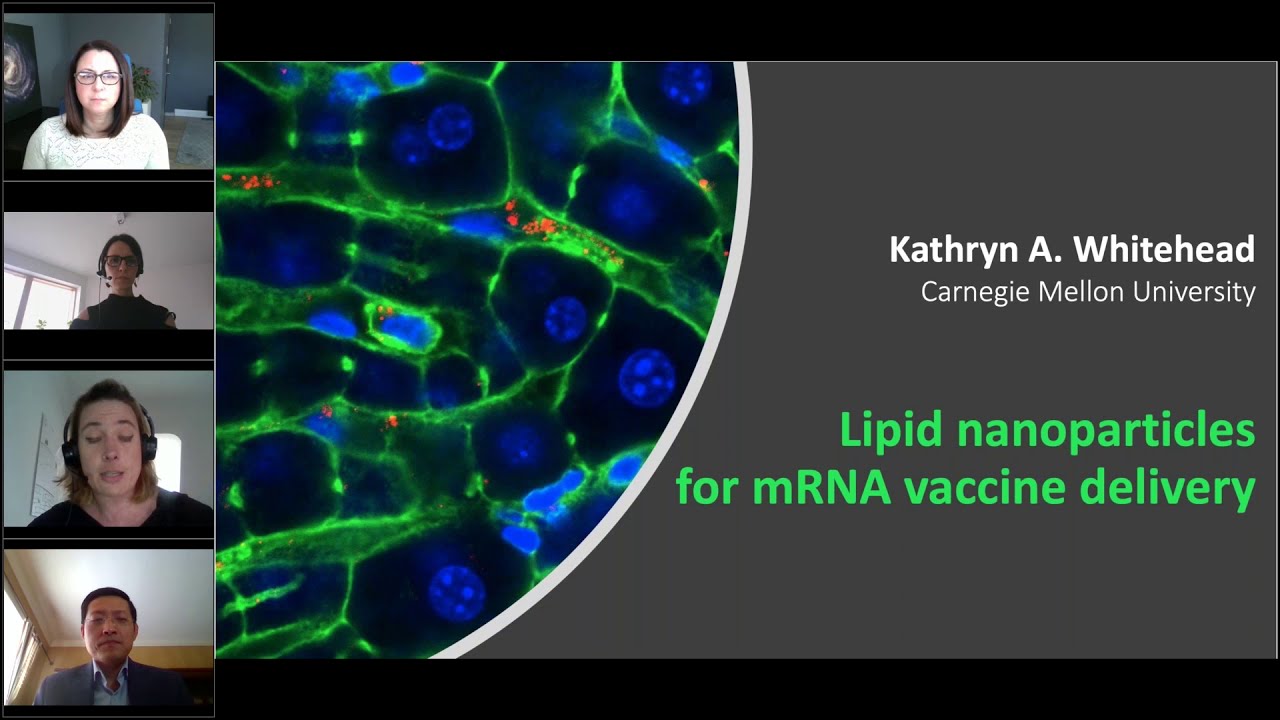
COVID-19 mRNA Vaccines: Lipid Nanoparticle Technology Explained
204.7K
Direct administration of mRNA faces fundamental biological barriers: (1) Negative charge repulsion between mRNA and cell membranes prevents cellular uptake; (2) Rapid renal clearance through kidneys eliminates unencapsulated mRNA before cellular absorption. Effective delivery requires sophisticated lipid nanoparticles that overcome these barriers through multi-step processes: injection, diffusion to target cells, endocytic uptake, endosomal escape, and cytoplasmic release for protein synthesis. The evolution from cationic lipids for DNA delivery to ionizable lipids for RNA delivery represents decades of research addressing these challenges while minimizing toxicity.
Click to watch →
Deep Dive
The principles of receptor-mediated endocytosis, specifically how ligand-receptor binding triggers the internalization of extracellular molecules.

AULA 11 - Sistema de endomembranas e tráfego de vesículas #medicina #morfologia #celular #enem
6.5K
Receptor-mediated endocytosis is a highly specific process by which cells internalize particular molecules from the extracellular fluid. Receptors on the cell surface bind to specific ligands, and this binding triggers the formation of coated pits that invaginate to form vesicles. The vesicles then fuse with endosomes, where the ligands are sorted for delivery to lysosomes or recycling back to the cell surface. This process allows cells to efficiently internalize specific molecules even when they are present in low concentrations.
Click to watch →

Histology | Cytology revision 1 | Premium
4K
Receptor-mediated endocytosis begins when a specific molecule (ligand) binds to a receptor on the cell membrane. This binding triggers the formation of a coated pit that invaginates to form a vesicle containing the bound ligand.
Click to watch →
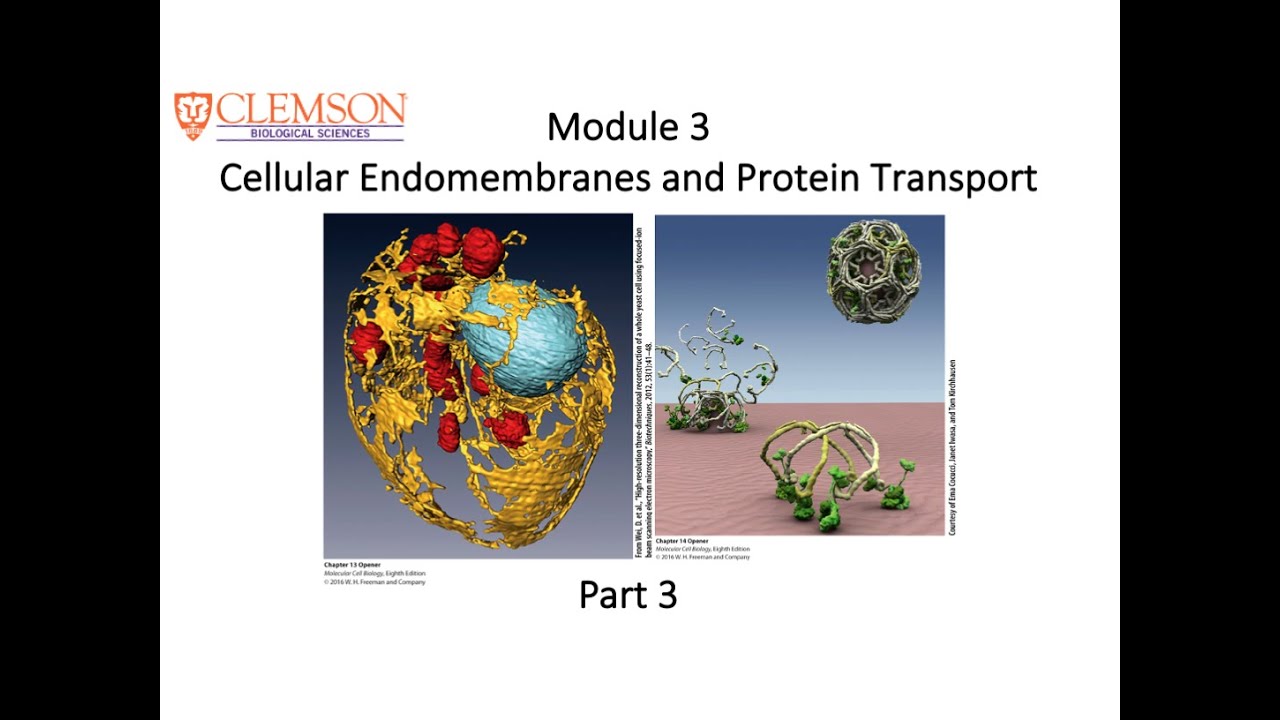
11 FALL20 BIOL 8420 Module 3 Part 3
101
Receptor-mediated endocytosis is a selective form of fluid phase endocytosis where specific cell surface receptors bind extracellular ligands before being internalized. The clathrin-coated pit spontaneously forms and invaginates, and if receptors bound to ligands happen to be present in the pit, they get trapped and internalized together. This process allows cells to concentrate specific molecules from the extracellular environment. The coated pit then pinches off to form a clathrin-coated vesicle that will deliver its cargo to endosomes.
Click to watch →
![Endocytose/ Exocytose/ Membranfluss (Stofftransport durch die Biomembran) - [Biologie, Oberstufe]](https://i.ytimg.com/vi/8YAp558E8O0/sddefault.jpg)
Endocytose/ Exocytose/ Membranfluss (Stofftransport durch die Biomembran) - [Biologie, Oberstufe]
132.4K
Receptor-mediated endocytosis is a highly specific process used by animal cells to internalize particular macromolecules. Specific receptor proteins on the extracellular surface of the plasma membrane bind to target molecules. This binding triggers the formation of a coated pit (a coated region with clathrin proteins), which then invaginates to form a coated vesicle that brings the bound molecule into the cell. An example is cholesterol uptake.
Click to watch →

Mod-01 Lec-33 Receptors-Mediated Endocytosis
2.9K
Receptor-mediated endocytosis is the primary cellular mechanism for internalizing macromolecules that cannot cross the cell membrane independently. This process serves three critical functions: internalization of nutrients and signaling molecules for cellular metabolism, generation of intracellular signals coordinating cellular responses including neurotransmission and immune surveillance, and regulation of receptor numbers on the cell surface. The LDL receptor is a cup-shaped protein embedded in the plasma membrane with a stem extending into the cytoplasm. When LDL binds to its receptor, the complex forms a coated pit structure that buds inward to form a vesicle. Coated pits provide mechanical rigidity to prevent vesicle rupture during transport. After vesicle formation, hydrogen ion pumps lower the internal pH, facilitating receptor-ligand dissociation. The dissociated receptors are recycled back to the cell surface, while ligands are directed to lysosomes for degradation. Receptors are classified into two classes: Class 1 receptors bind to ligands first, then migrate to coated pits; Class 2 receptors form coated pits first, then ligands bind. Both classes follow similar subsequent steps involving vesicle formation, acidification, and receptor recycling. Coated pits form continuously every 2-3 minutes, covering 1-5% of the membrane. The process matures through early and late endosomes, with receptors recycled back to the cell surface while ligands proceed to lysosomes. LDL receptors complete a round trip in approximately 12 minutes and can undergo 150 cycles before degradation.
Click to watch →
Deep Dive
Basic hepatic biology, including the cellular structure of hepatocytes and the role of the asialoglycoprotein receptor (ASGPR) in clearing glycoproteins from circulation.

Advanced Course I - Glycan Binding Proteins
205
The asialoglycoprotein receptor is found on the surface of endothelial cells of the liver, macrophages, and dendritic cells. It is a clearance receptor that binds glycoproteins terminated in N-acetylglucosamine or mannose, removing them from circulation. The receptor has eight C-type CRDs that bind mannose, with domain 4 being particularly important. It binds released lysosomal enzymes at sites of inflammation or tissue damage to remove them from circulation. It also has an R-type CRD that binds four sulfated galactose, a modification found on pituitary hormones like lutropin and thyrotropin, regulating their levels.
Click to watch →
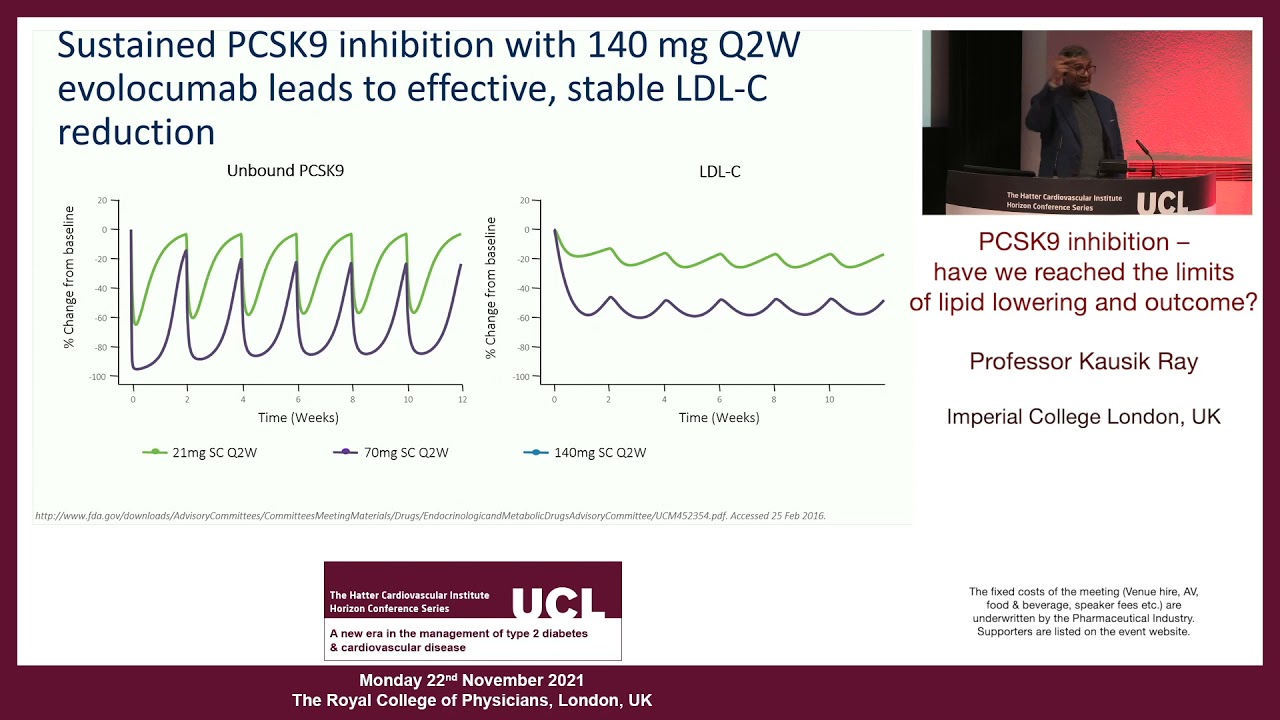
Professor Kausik Ray - PCSK9 inhibition – have we reached the limits of lipid lowering and outcome?
6.7K
The asialoglycoprotein receptor (ASGPR) on hepatocytes recognizes sugar-like residues called N-acetylgalactosamine. This discovery revolutionized RNA-based therapies by enabling efficient liver targeting. By tagging drugs with this sugar complex, small amounts of drug can be delivered subcutaneously and reach the liver within approximately four hours, allowing for effective hepatic targeting of PCSK9 mRNA without requiring large injection volumes.
Click to watch →

“Targeted DNA Therapeutics - Challenges and Opportunities for Hepatic Diseases”
387
The asialoglycoprotein receptor (ASGPR), a C-type lectin with H1 and H2 subunits, recognizes multivalent carbohydrates and mediates clathrin-dependent hepatocyte uptake. With ~500,000 receptors per hepatocyte, it represents an ideal liver-targeting platform. Analysis of over 400 patient samples reveals dynamic expression changes: cirrhotic livers show elevated ASGPR expression, presenting opportunities for anti-cirrhotic therapies, while hepatocellular carcinoma shows decreased receptor expression and altered localization. These findings highlight the importance of considering disease-stage-specific receptor expression when developing targeted nanomedicines. An ideal target receptor requires abundant expression, predominant cell-type specificity, internalization properties, and consideration of pathological changes. Natural multivalent glycans isolated via enzymatic cleavage offer superior geometrical arrangement and binding efficiency compared to synthetic alternatives. Preclinical model selection must account for species differences in receptor expression and anatomical features like fenestration size.
Click to watch →

Scientist Stories: Carolyn Bertozzi, Targeted Degradation of Extracellular Proteins
756
The asialoglycoprotein receptor (ASGPR) is a liver-specific lysosomal trafficking receptor binding terminal N-acetylgalactosamine and galactose residues. It has been used for hepatocyte-specific delivery of antisense oligonucleotides in approved therapies. Trigalactosyl dendrimers terminating with cyclooctynes were synthesized for ASGPR targeting. Compared to M6PR-targeting LYTACs, ASGPR-targeting LYTACs showed superior uptake efficiency in hepatocytes. Despite differences in uptake kinetics, both receptor types achieved comparable EGFR degradation efficiency in cells expressing both receptors, suggesting that once bound to the target, the specific trafficking details become less critical.
Click to watch →

Hepatocytes and Portal Vein | Liver Histology | Dr Najeeb
363K
Hepatocytes are large polyhedral cells (20-30 μm) with specialized membranes: sinusoidal-facing membranes absorb plasma components, while bile-facing membranes secrete bile. Membrane specialization determines drug elimination pathways—some metabolites go to bile (fecal elimination), others return to blood (urinary elimination). Hepatocytes contain ~800-1000 mitochondria, lysosomes, peroxisomes, rough ER (protein synthesis: albumin, coagulation factors), and smooth ER (lipid metabolism, hormone modification). Ito cells store vitamin A and fat; chronic inflammation activates them to myofibroblasts producing collagen, leading to fibrosis and cirrhosis. The liver performs four major functions: exocrine (bile secretion: conjugated bilirubin, phospholipids, cholesterol, bile salts, IgA); endocrine (plasma proteins: albumin, alpha-globulins, fibrinogen, prothrombin; coagulation factors; lipoproteins: VLDL, LDL, HDL); metabolic (glycogen storage/release to stabilize blood glucose, gluconeogenesis from amino acids/fatty acids); detoxification (biotransformation of drugs, hormones, toxins).
Click to watch →
Prerequisite Knowledge
- Concept 01The mechanism of RNA Interference (RNAi), including how double-stranded small interfering RNAs (siRNAs) guide the RISC complex to degrade complementary target mRNA.
- Concept 02The major biological barriers to nucleic acid delivery, such as rapid renal clearance, enzymatic degradation by nucleases, and crossing the negatively charged cellular membrane.
- Concept 03The principles of receptor-mediated endocytosis, specifically how ligand-receptor binding triggers the internalization of extracellular molecules.
- Concept 04Basic hepatic biology, including the cellular structure of hepatocytes and the role of the asialoglycoprotein receptor (ASGPR) in clearing glycoproteins from circulation.
Subsequent Learning
- Step 01Clinical applications and case studies of FDA-approved GalNAc-siRNA drugs, such as Inclisiran (for LDL cholesterol lowering) and Givosiran (for acute hepatic porphyria).
- Step 02Chemical modification techniques (such as 2'-fluorine, 2'-O-methyl, and phosphorothioate backbones) that work synergistically with GalNAc to enhance siRNA stability and duration of effect.
- Step 03Advanced strategies for extrahepatic delivery, exploring how different ligands (e.g., antibodies, aptamers, or peptides) are being developed to target tissues outside the liver, such as the CNS, lungs, or heart.
- Step 04A comparative analysis of siRNA delivery technologies, specifically contrasting conjugate-mediated delivery (like GalNAc) with lipid nanoparticle (LNP) formulations.
GalNAc-siRNA
GalNAc-siRNA
0:00Playing Section
- 1
Explains siRNA gene silencing and delivery challenges.
- 2
Details GalNAc targeting liver cells for precision therapy.
- 3
Highlights applications in treating liver diseases effectively.
The Extrahepatic Delivery Bottleneck and Endosomal Escape Inefficiency
While GalNAc-siRNA conjugates represent a breakthrough for hepatocyte-targeted therapies, their narrow specificity highlights a major limitation: the inability to treat diseases outside the liver. Because GalNAc relies on the asialoglycoprotein receptor (ASGPR), which is predominantly expressed on hepatocytes, this approach cannot address genetic disorders of the brain, lungs, heart, or kidneys. Furthermore, critics point to the severe bottleneck of endosomal escape. Even within liver cells, over 99% of the internalized GalNAc-siRNA remains trapped in endosomes and is eventually degraded, leaving only a tiny fraction to perform gene silencing in the cytoplasm. This inefficiency necessitates higher or more frequent dosing, which can lead to intracellular accumulation and long-term toxicity concerns. Consequently, many researchers argue that focusing too heavily on GalNAc overlooks the urgent need for more versatile delivery systems—such as lipid nanoparticles (LNPs), exosome-based carriers, and alternative ligand conjugates—capable of penetrating non-hepatic tissues and achieving superior endosomal release.
Deep Dive
Clinical applications and case studies of FDA-approved GalNAc-siRNA drugs, such as Inclisiran (for LDL cholesterol lowering) and Givosiran (for acute hepatic porphyria).

Opening & Keynote
447
GalNAc-conjugated siRNAs have become the standard platform for RNAi drugs. Approved drugs include patisiran (transthyretin amyloidosis) and givosiran (porphyria). In development are drugs for hypercholesterolemia (PCSK9 targeting, 50% LDL reduction, every 6 months) and primary hyperoxaluria (kidney stones). The field is expanding from rare genetic diseases to common conditions like hypertension, liver disease, and hepatitis, with interest in CNS delivery and oral formulations.
Click to watch →

GalNAc Conjugates in Nucleic Acid Therapeutics | RNAi Delivery
2.1K
GalNAc-conjugated siRNA has transformed treatment paradigms across multiple disease categories. For rare metabolic diseases, givosiran treats acute hepatic porphyria by silencing ALAS1, eliminating debilitating attacks. Lumasiran addresses primary hyperoxaluria type 1 by reducing AGT, controlling both hepatic and renal manifestations. Vutrisiran treats TTR amyloidosis, achieving sustained gene silencing for this previously fatal disease. The platform has now expanded to common cardiovascular conditions, with inclisiran achieving >60% cholesterol reduction every six months in over 10,000 patients. Advanced applications include Gemini constructs for dual-target silencing and reversal agents for controlled therapeutic duration, demonstrating the platform's flexibility for treating multifactorial diseases.
Click to watch →
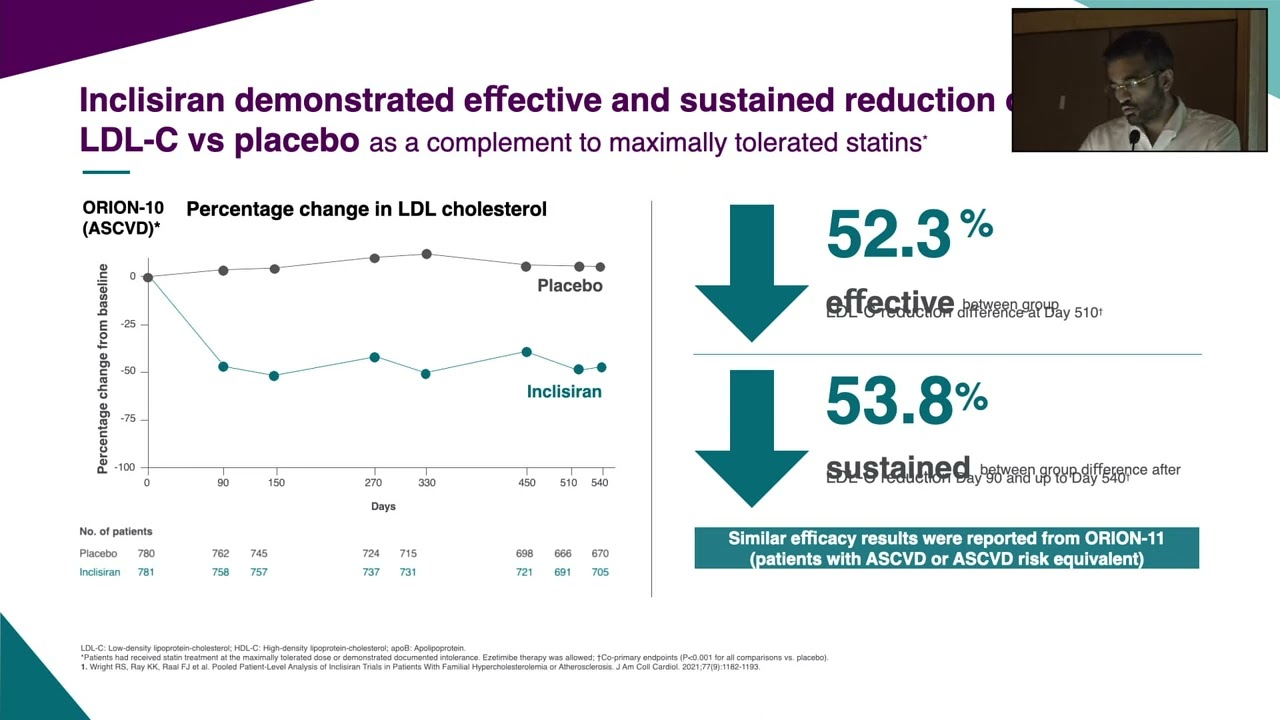
Inclisiran: The first LDL-C Lowering siRNA Therapy - Aman Patel
656
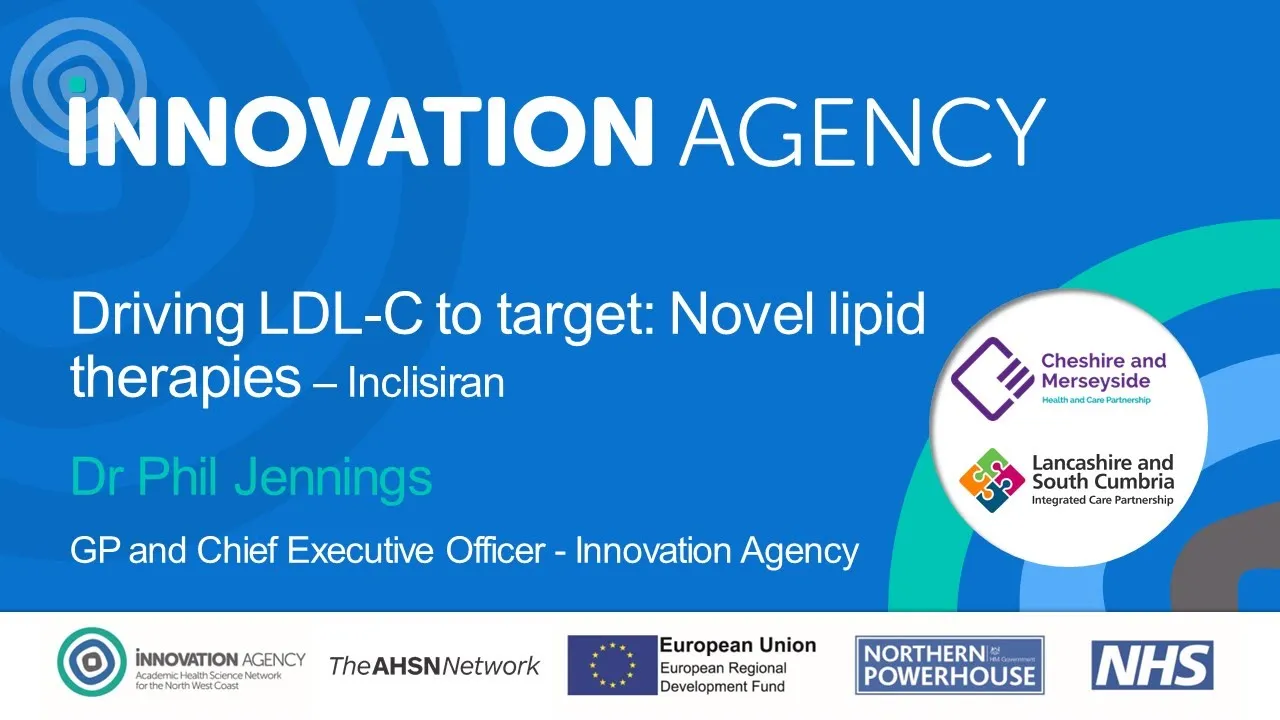
Inclisiran is the first FDA-approved small interfering RNA (siRNA) therapy for lowering low-density lipoprotein cholesterol (LDL-C), which works by targeting the PCSK9 enzyme to reduce LDL levels through RNA interference; it offers a twice-yearly dosing schedule compared to monthly dosing required for PCSK9 inhibitors, achieving approximately 50% reduction in LDL-C even in patients on maximum tolerated statin therapy, with a favorable safety profile characterized by minimal adverse effects including injection site reactions and mild respiratory infections.
Click to watch →

Инклисиран (+eng subtitles).
3.8K
Inclisiran is a small interfering RNA drug conjugated with N-acetylgalactosamine that targets PCSK9, a protein regulating cholesterol metabolism. PCSK9, synthesized in the liver, intestine, and kidneys, binds to LDL receptors on hepatocytes, causing their degradation and reducing LDL clearance. Inclisiran enters hepatocytes via asialoglycoprotein receptors, and its siRNA component forms the RNA-induced silencing complex that destroys PCSK9-encoding mRNA. This prevents PCSK9 synthesis, preserving LDL receptors for continued LDL removal. The drug achieves approximately 50% LDL reduction in patients on maximally tolerated statins and is administered subcutaneously every 6 months.
Click to watch →
Driving LDL-C to target: Novel lipid therapies - Inclisiran
385
Real-world clinical experience validates inclisiran's effectiveness across diverse patient populations. Case studies demonstrate consistent 50-73% reductions in LDL-C levels within three months of initiation, regardless of patient characteristics including statin intolerance, diabetes, or multiple comorbidities. A statin-intolerant patient achieved a 46% reduction from 3.9 to 2.5 mmol/L with monotherapy. These results align with clinical trial findings, confirming inclisiran's utility as a valuable addition to lipid management strategies for patients failing to achieve LDL targets with conventional therapy.
Click to watch →
Deep Dive
Chemical modification techniques (such as 2'-fluorine, 2'-O-methyl, and phosphorothioate backbones) that work synergistically with GalNAc to enhance siRNA stability and duration of effect.

Scientist Stories: Anastasia Khvorova, RNAi Therapeutics
393
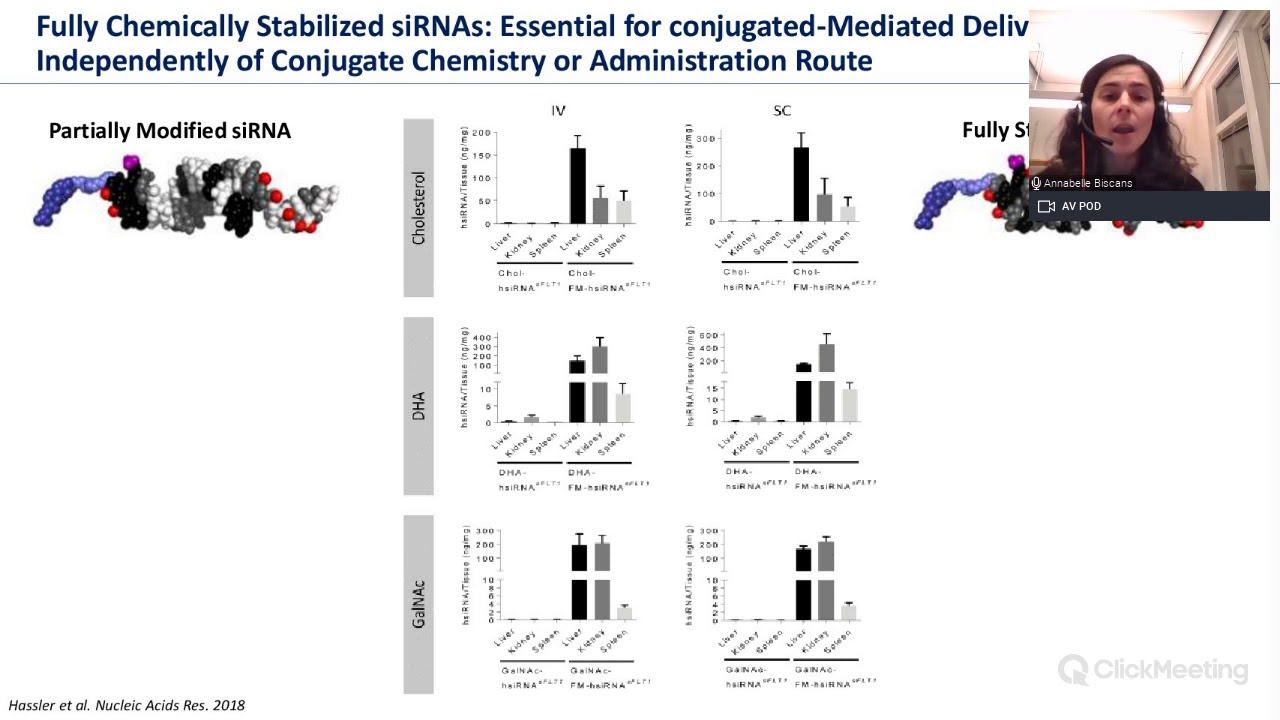
Fully chemically stabilized siRNA molecules, when conjugated to multivalent GalNAc ligands for targeted liver delivery, can achieve remarkable clinical efficacy lasting 6-12 months with single subcutaneous injections, representing a breakthrough in RNAi therapeutics after years of clinical setbacks; this advancement requires reducing 2'-fluoro modification content and increasing 2'-O-methyl modifications to enhance stability and duration of effect, while the field continues to develop extra-hepatic delivery strategies for CNS applications.
Click to watch →

Julia Alterman | Application of Hydrophobically Conjugated siRNAs for Skin & Muscle Disease
423
siRNAs are short double-stranded RNAs that silence genes by loading into Ago2 and cleaving target mRNA. Native siRNAs face delivery challenges due to negative charge and immune activation. Chemical modifications including 2'-fluoro, phosphorothioates, and hydrophobic conjugates transform them into potent therapeutics. GalNAc-conjugated siRNAs achieve 6-12 month duration in liver, establishing conjugate-based delivery as a viable platform for genetic disease treatment.
Click to watch →
Founder Stories: John Maraganore, CEO of Alnylam Pharmaceuticals
995
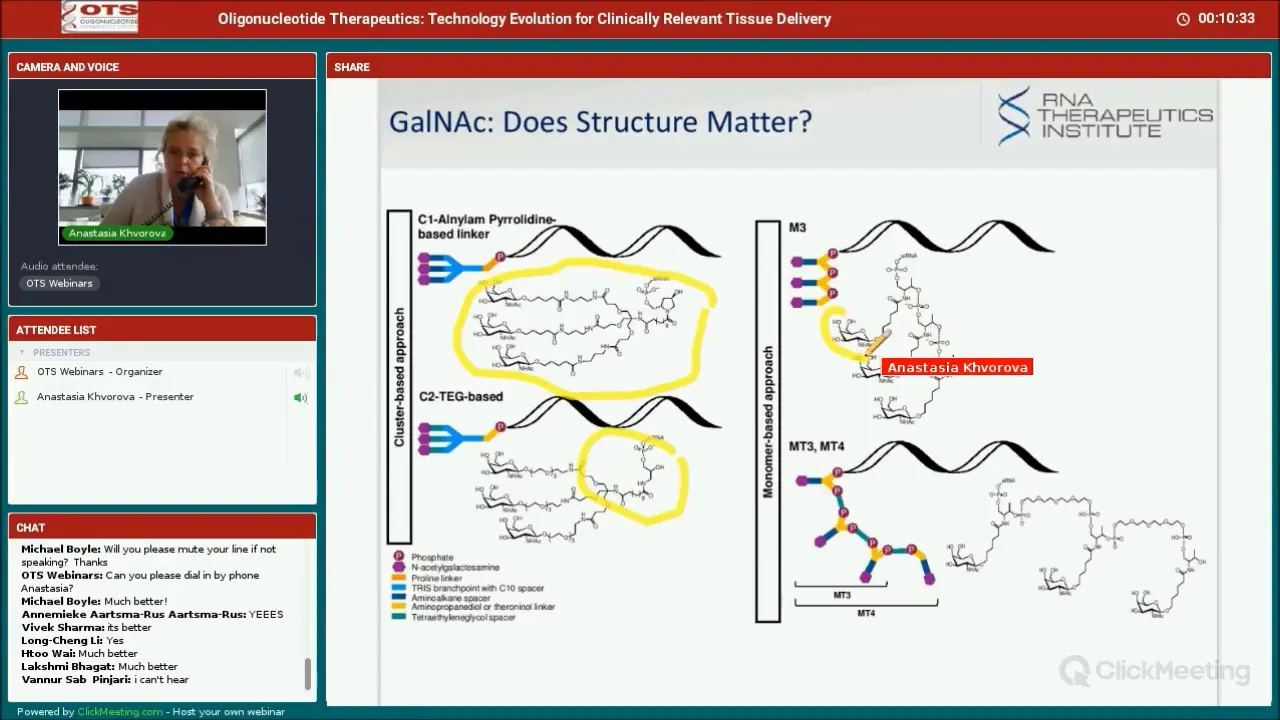
GalNAc-conjugated siRNAs exploit the asialoglycoprotein receptor (ASGPR), expressed at high density on hepatocytes, for targeted delivery. Trivalent galactose ligands provide higher binding affinity than mono- or diantennary structures. Conjugation at the 3' end enables calcium-dependent receptor binding. Enhanced stabilization chemistry (ESC) addresses siRNA degradation by protecting 5' ends from exonucleases through phosphorothioate modifications. Metabolic profiling revealed that standard chemistry siRNAs undergo rapid degradation at multiple sites following subcutaneous administration. ESC-conjugated molecules show dramatically improved metabolic stability, resulting in 15-30 fold increased liver exposure after single-dose administration. This enhanced stability translates to significantly improved in vivo potency, enabling prolonged efficacy with weekly dosing regimens.
Click to watch →
GalNAc Conjugates in Nucleic Acid Therapeutics | RNAi Delivery
2.1K
GalNAc (N-acetylgalactosamine) conjugates represent a revolutionary delivery platform for oligonucleotide therapeutics, enabling efficient liver targeting by attaching trivalent GalNAc ligands to siRNA molecules. This technology leverages the asialoglycoprotein receptor expressed on liver hepatocytes, allowing subcutaneous administration of naked oligonucleotides with exceptional liver-to-kidney ratio (>30). The conjugates incorporate strategic chemical modifications including 2'-O-methyl, 2'-fluoro, phosphorothioate, and glycol nucleic acid linkages to achieve metabolic stability and optimal Argonaute binding. This platform has enabled four FDA-approved drugs (givosiran, lumasiran, inclisiran, vutrisiran) and achieved unprecedented therapeutic outcomes, including durable gene silencing at picomolar concentrations and once-every-six-month dosing regimens, demonstrating how targeted delivery systems can transform nucleic acid therapeutics from experimental concepts into life-changing treatments for previously incurable diseases.
Click to watch →
Designing siRNAs for improving their therapeutic applications
7.9K
Effective siRNA therapeutic design requires careful optimization of multiple factors: (1) Full chemical stabilization of siRNA is essential for efficient tissue accumulation after systemic delivery, achieved through backbone modifications (phosphorothioates, vinyl phosphonates) and ribose modifications (2'-O-methyl, 2'-fluoro); (2) Modification position and content critically impact efficacy—excessive modifications can inhibit RISC loading and reduce activity; (3) siRNA structure (overhangs vs blunt ends) affects tissue distribution and silencing efficacy; (4) Targeting ligands (GalNAc for liver, lipophilic conjugates for extra-hepatic tissues) can be engineered to achieve predictable tissue partitioning based on hydrophobicity; (5) Cleavable linkers between conjugates and siRNA enhance activity by facilitating endosomal escape; (6) Bioinformatics tools and strategic chemical modifications at specific positions (e.g., position 7 of antisense strand) help reduce off-target effects.
Click to watch →
Deep Dive
Advanced strategies for extrahepatic delivery, exploring how different ligands (e.g., antibodies, aptamers, or peptides) are being developed to target tissues outside the liver, such as the CNS, lungs, or heart.
Scientist Stories: Anastasia Khvorova, RNAi Therapeutics
393
Beyond liver targeting, multiple strategies enable extra-hepatic delivery: GLP-1 variants for pancreatic beta-cells, Centyrion protein scaffolds for high-affinity targeting, antibodies, and optimers. Engineering hydrophobic conjugates dramatically changes tissue distribution—unconjugated siRNA shows minimal liver delivery with >90% cleared through kidneys, while slightly more hydrophobic conjugates completely shift distribution to favor liver. Different conjugates achieve varying silencing efficacies at similar accumulation levels, indicating conjugate nature affects internalization and endosomal escape. Some conjugates enable CNS delivery with complete protein elimination lasting several months.
Click to watch →
Anastasia Khvorova: RNAi-based Therapeutics: 2018 Outlook
2.8K
Expanding beyond liver delivery requires innovative approaches: glucagon-like peptide conjugates for pancreatic targeting, small protein scaffolds for high-affinity ligand selection, antibody-based delivery systems, and lipophilic conjugate engineering. Engineering different hydrophobic conjugates dramatically changes tissue distribution—unconjugated siRNAs are cleared primarily through kidneys (over 90% first-pass), while more hydrophobic conjugates increase liver delivery while reducing kidney exposure. Systematic screening has identified conjugates capable of functional gene silencing in heart, lung, muscle, and CNS. For CNS delivery, single injections can achieve complete elimination of protein expression throughout the brain lasting several months, with no evidence of adaptive immune inactivation observed with current chemistries.
Click to watch →

Scientist Stories: Annabelle Biscans, Designing siRNAs for Improving their Therapeutic Applications
124
Beyond liver-targeting GalNAc, various ligands have been developed for delivering siRNA to extra-hepatic tissues. Peptide conjugates (e.g., GLP-1 peptide for pancreatic cell targeting), antibody conjugates (for muscle and other tissues), and aptamer conjugates have shown promise. Astrazeneca/Ionis demonstrated successful pancreatic targeting using GLP-1 peptide conjugates. Arrow Biotherapeutics developed conjugates that bind tightly to specific proteins in different cell types. These targeted delivery approaches expand the therapeutic potential of siRNA beyond liver diseases to treat conditions affecting multiple organ systems.
Click to watch →

September 24: UNSW RNA Institute & RNA Therapeutics Institute, UMass Chan Medical School
201
Two main approaches for muscle/heart delivery: (1) Antibody or antibody fragment-sRNA conjugates targeting transferrin receptor (abundant in muscle tissues), currently in Phase 2/3 trials at 4-10 mg/kg quarterly, but challenging to synthesize and requiring IV infusion; (2) Lipophilic conjugates (cholesterol, C16 chains) that bind circulating lipoproteins for delivery, fully chemically defined, automatable, and suitable for subcutaneous injection, but lack tissue selectivity and have uncharacterized toxicity profiles.
Click to watch →
Designing siRNAs for improving their therapeutic applications
7.9K
Beyond GalNAc for liver targeting, various alternative ligands are being developed to deliver siRNA to extra-hepatic tissues. Peptide conjugates, such as GLP-1 peptides, have shown promise for targeting pancreatic cells. Antibody-conjugated siRNA approaches enable delivery to specific cell types and tissues, with companies like Avidity Biosciences and Dicerna Pharmaceuticals demonstrating promising data for muscle and other tissues. Lipophilic conjugates offer another strategy for targeting tissues beyond liver, with research showing that by engineering conjugate structure (saturated vs unsaturated fatty acids, phosphocolon groups, valency changes), predictable partitioning into lipid transport pathways and tissue distribution can be achieved. This diversification of targeting strategies expands the therapeutic potential of siRNA beyond liver diseases.
Click to watch →
Deep Dive
A comparative analysis of siRNA delivery technologies, specifically contrasting conjugate-mediated delivery (like GalNAc) with lipid nanoparticle (LNP) formulations.
Oligonucleotide Therapeutics 101: Chemistry & Drug Delivery
12.4K
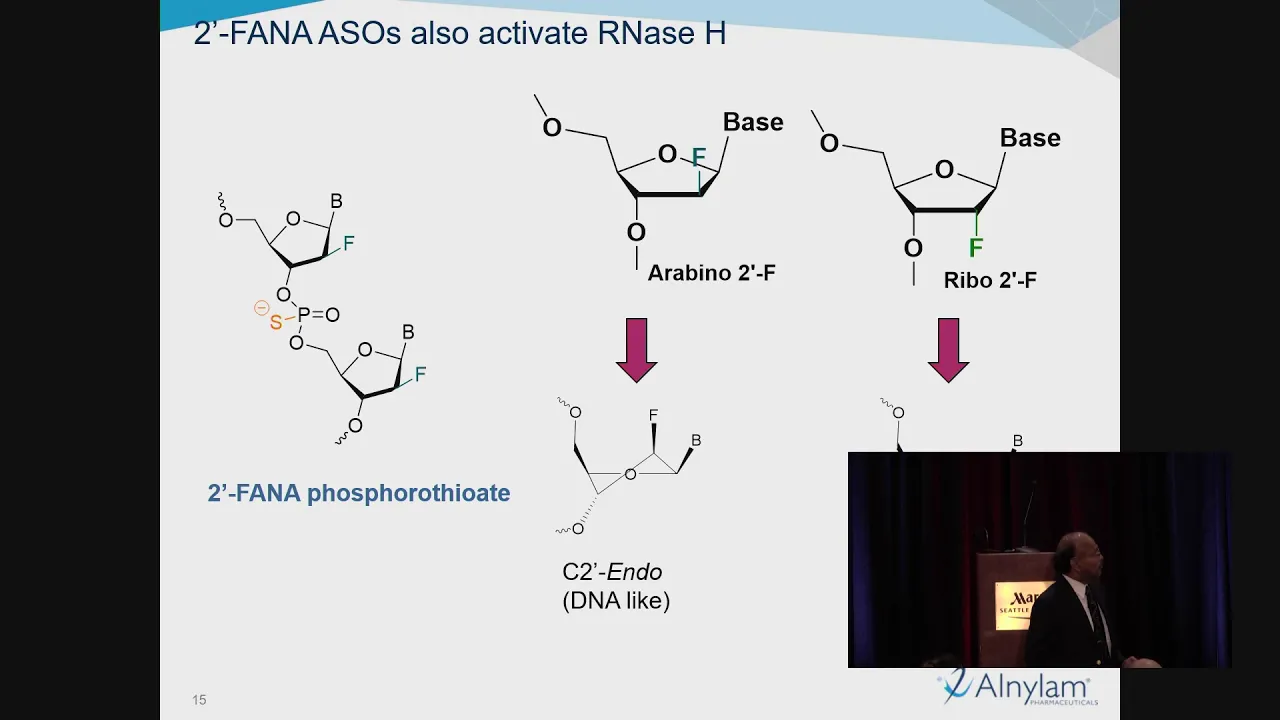
Effective siRNA therapy requires sophisticated delivery systems to overcome biological barriers. Alnylam developed three complementary platforms: chemical modifications alone, lipid nanoparticles (LNPs), and GalNAc conjugates. LNPs encapsulate siRNAs and exploit liver-specific delivery through apolipoprotein binding and LDL receptor recognition. The ionizable lipid MC3 enables pH-dependent endosomal escape through structural transitions. GalNAc conjugates leverage the abundant asialoglycoprotein receptor (500,000-1,000,000 copies/cell) for subcutaneous delivery, eliminating IV requirements. Both platforms achieve efficient hepatocyte targeting through receptor-mediated endocytosis followed by endosomal disruption. These technologies enabled Patisiran's approval, demonstrating that sophisticated delivery solutions can transform siRNAs from research tools into clinically validated therapeutics.
Click to watch →
Opening & Keynote
447
RNAi can suppress viral infections (HIV, herpes) by knocking down viral genes or receptors. The biggest delivery challenges are crossing cell membranes and escaping endosomes. Lipid nanoparticles (first approved drug patisiran) work primarily for liver targeting but cause immune responses and manufacturing complexity. GalNAc conjugation provides an alternative by targeting hepatocytes via asialoglycoprotein receptors, allowing subcutaneous administration with minimal toxicity and long-lasting effects.
Click to watch →
2014 Summer Symposium: John Maraganore
387
siRNAs face inherent delivery challenges due to unfavorable physical and chemical properties preventing natural cellular uptake. Three main approaches were developed: lipid nanoparticles using multi-component carrier systems with cationic lipids, GalNAc-conjugated siRNAs exploiting the asialoglycoprotein receptor (ASGPR) with triantennary ligands providing superior binding affinity, and enhanced stabilization chemistry protecting against nucleases. Lipid nanoparticles deliver siRNAs through receptor-mediated mechanisms mimicking chylomicron clearance via apoE binding to LDL receptors, involving opsonization, hepatic endothelium penetration, LDL receptor binding, endosomal acidification causing lipid protonation, fusogenic phase transitions, and cytoplasmic siRNA release for RISC complex engagement. These platforms enable targeted delivery to hepatocytes for liver-directed RNAi therapeutics.
Click to watch →

Chemistry of Therapeutic Oligonucleotides: A Brief Overview
2.1K
Splice-switching oligonucleotides use three chemistries: PMOs (neutral phosphorodiamidate backbones), 2'-O-methyl phosphorothioates, and methoxy phosphorothioate gapmers. Applications include DMD (exon 51 skipping) and SMA (exon 7 retention). Emerging tricyclic nucleic acids provide additional structural constraints. siRNA delivery faces challenges of charge, hydrophilicity, and immunogenicity. Alnylam addresses these through lipid nanoparticles (LNPs) containing ionizable cationic lipid, PEG, cholesterol, and phospholipid analogs. Each LNP packages 500-2,000 siRNA molecules, with ionizable lipids (pKa ~6.5) enabling proton sponge effect for endosomal escape. ApoE-mediated targeting directs LNPs to liver hepatocytes, enabling intravenous administration. GalNAc conjugation offers an alternative with trivalent ligands binding ASGPR receptors (~500,000 copies/cell), enabling subcutaneous delivery with rapid hepatic uptake.
Click to watch →
![[기업설명회] 올릭스 - 난치성 질환 치료제 개발 기업](https://i.ytimg.com/vi/mfMDN7zJj3I/sddefault.jpg)
[기업설명회] 올릭스 - 난치성 질환 치료제 개발 기업
6.6K
Olexis developed asymmetric siRNA technology as a solution to RNAi delivery challenges. Unlike conventional symmetric siRNA, asymmetric siRNA provides improved delivery efficiency and freedom from patent encumbrances. The company has two key delivery technologies: (1) Self-delivery asymmetric siRNA using lipid conjugation to enable cell membrane penetration, and (2) GalNAc conjugation for liver targeting, which exploits the high density of GalNAc receptors on hepatocytes for efficient drug uptake. These technologies form the foundation of Olexis's RNAi drug development platform.
Click to watch →
GalNAc-siRNA
GalNAc-siRNA
0:00- 1
Explains siRNA gene silencing and delivery challenges.
- 2
Details GalNAc targeting liver cells for precision therapy.
- 3
Highlights applications in treating liver diseases effectively.
The Extrahepatic Delivery Bottleneck and Endosomal Escape Inefficiency
While GalNAc-siRNA conjugates represent a breakthrough for hepatocyte-targeted therapies, their narrow specificity highlights a major limitation: the inability to treat diseases outside the liver. Because GalNAc relies on the asialoglycoprotein receptor (ASGPR), which is predominantly expressed on hepatocytes, this approach cannot address genetic disorders of the brain, lungs, heart, or kidneys. Furthermore, critics point to the severe bottleneck of endosomal escape. Even within liver cells, over 99% of the internalized GalNAc-siRNA remains trapped in endosomes and is eventually degraded, leaving only a tiny fraction to perform gene silencing in the cytoplasm. This inefficiency necessitates higher or more frequent dosing, which can lead to intracellular accumulation and long-term toxicity concerns. Consequently, many researchers argue that focusing too heavily on GalNAc overlooks the urgent need for more versatile delivery systems—such as lipid nanoparticles (LNPs), exosome-based carriers, and alternative ligand conjugates—capable of penetrating non-hepatic tissues and achieving superior endosomal release.
The mechanism of RNA Interference (RNAi), including how double-stranded small interfering RNAs (siRNAs) guide the RISC complex to degrade complementary target mRNA.
The major biological barriers to nucleic acid delivery, such as rapid renal clearance, enzymatic degradation by nucleases, and crossing the negatively charged cellular membrane.
The principles of receptor-mediated endocytosis, specifically how ligand-receptor binding triggers the internalization of extracellular molecules.
Basic hepatic biology, including the cellular structure of hepatocytes and the role of the asialoglycoprotein receptor (ASGPR) in clearing glycoproteins from circulation.
Clinical applications and case studies of FDA-approved GalNAc-siRNA drugs, such as Inclisiran (for LDL cholesterol lowering) and Givosiran (for acute hepatic porphyria).
Chemical modification techniques (such as 2'-fluorine, 2'-O-methyl, and phosphorothioate backbones) that work synergistically with GalNAc to enhance siRNA stability and duration of effect.
Advanced strategies for extrahepatic delivery, exploring how different ligands (e.g., antibodies, aptamers, or peptides) are being developed to target tissues outside the liver, such as the CNS, lungs, or heart.
A comparative analysis of siRNA delivery technologies, specifically contrasting conjugate-mediated delivery (like GalNAc) with lipid nanoparticle (LNP) formulations.
1K views5likes1:52@bocsciences2547Original Release: 2024-05-30
Welcome to our exploration of gal NCSI RNA conjugates a revolutionary advancement in targeted gene therapy over the next few minutes we'll delve into the science behind these conjugates and their transformative impact on Medical Treatments what is sna sna or small interfering RNA offers a precise method to silence harmful genes by interfering with mRNA expression however delivering sna to the correct cells has been a challenge what is gallon AC in acetal galactose samine gallon AC is a derivative of galactose that plays a key role in the structure of glycoproteins and glycolipids it is widely used in targeted Delivery Systems for Sirena therapies especially for targeting liver diseases scientists can precisely Target liver cells enhancing the efficiency of gene silencing what are gal NSI RNA conjugates gal NSI RNA conjugates use netal galac to samine to specifically Target SAR to liver cells improving the Precision and effectiveness of gene silencing treatments for liver conditions applications of gal n acsi RNA conjugates galx CRNA conjugates are applied in treating liver diseases by precisely targeting C to hepatocytes this targeted approach enhances gene silencing efficacy and minimizes of Target effects leading to safer and more effective therapies bulk science's gal NSI RNA conjugate Services bulk Sciences offers comprehensive gal NS I RNA conjugate services including custom synthesis formulation and analytical testing supporting your research and development needs if you are interested in our service please visit bulk Sciences for more information on our gal ncss RNA conjugate services
Up Next
62:38
GalNAc Conjugates in Nucleic Acid Therapeutics | RNAi Delivery
@oligotherapeutics
2.1K views•2023-04-27
14:12
Quantitative Real-Time PCR (qPCR): Principle, Method & Data Analysis
@animatedbiologywitharpan
129.2K views•2023-09-06

23:33
Microbial Degradation of Plastics: Biodegradation Pathways & Sustainability
@majeedhammad
2.9K views•2021-04-11

16:04
CRISPR and Genetic Engineering: How Gene Editing Works and Why It Matters
@kurzgesagt
30.5M views•2016-08-10
Related Study Plans & Knowledge Roadmaps
Structured learning paths in Biotechnology
biotechnology
AAV Production: Transfection, Prep & qPCR
01Introduction to Gene Therapy and AAV Biology
02Mammalian Cell Culture: Suspension HEK293 Cells
03Upstream Bioprocessing: Triple-Transfection Optimization
+ 2 more learning modules
18h5 modules
Explore Roadmap
biotechnology
Building Gut-on-a-Chip: PDMS, Cells & TEER
01Foundations of Microfluidics and Gut Anatomy
02Cleanroom Fabrication & PDMS Soft Lithography
03Epithelial Cell Culture and On-Chip Seeding
+ 2 more learning modules
26h5 modules
Explore Roadmap
biotechnology
Optimizing CFPS: E. coli Extract & Yield
01Fundamentals of Molecular Biology and Translation
02Introduction to Cell-Free Protein Synthesis (CFPS)
03Preparing E. coli Crude Lysate (The Extract)
+ 2 more learning modules
19h5 modules
Explore Roadmap
biotechnology
Haematococcus PBR: Design, Stress & Astaxanthin
01Biology and Life Cycle of Haematococcus pluvialis
02Bench-Scale Photobioreactor (PBR) Design and Engineering
03Culture Media Formulation and Inoculation
+ 2 more learning modules
15h5 modules
Explore Roadmap