
















Air pollution control technologies include industrial methods like gravity settling chambers, cyclones, scrubbers, bag filters, and electrostatic precipitators (which achieve ~90% efficiency), as well as urban strategies such as using clean fuels (CNG reduces pollutants by 70-75%), green cover, cycling, carpooling, and implementing National Air Quality Standards (CPCB 2009) with Euro/Bharat stage vehicle emission norms.
Air Pollution Control Technologies: A Comprehensive Guide
Added:Classification of air pollutants, specifically the distinction between particulate matter (PM10, PM2.5) and gaseous pollutants.
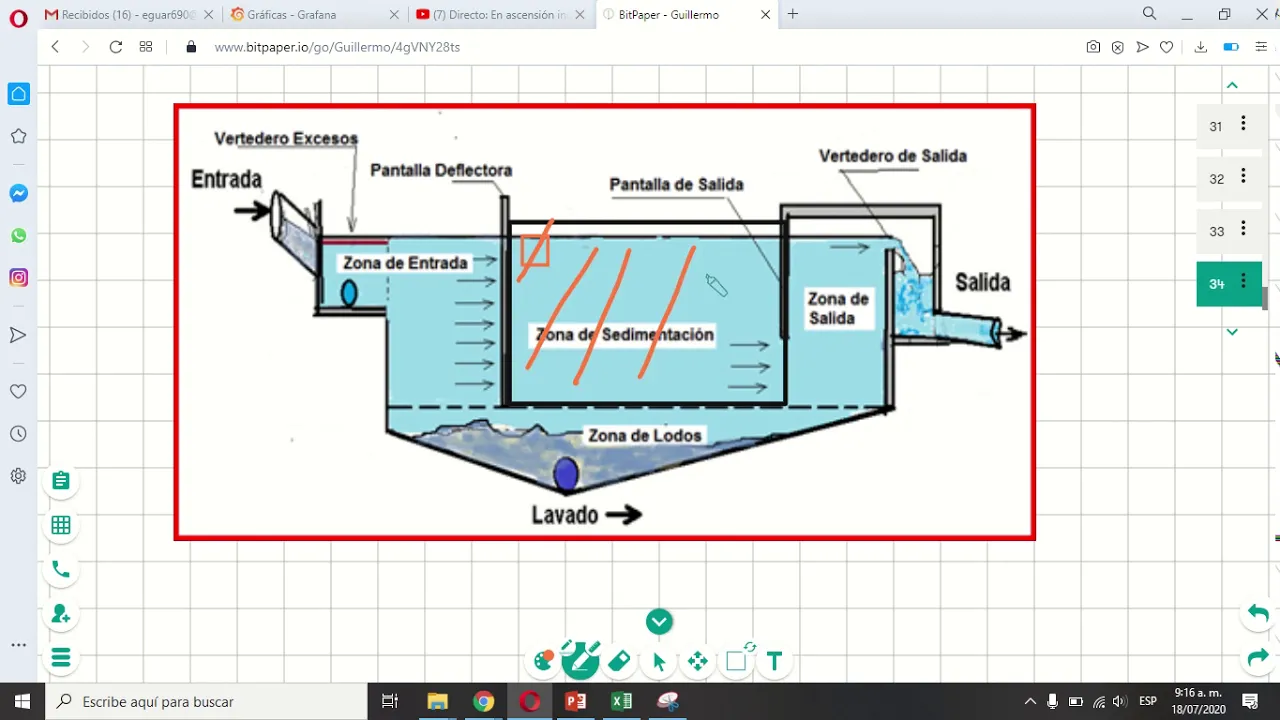
Basic principles of fluid dynamics and particle physics, including gravitational settling, drag force, and centrifugal forces.
Fundamentals of electrostatics, specifically electric charge behavior, electric fields, and Coulomb's law.
Core biological concepts of microbial degradation, focusing on how bacteria break down organic compounds in aerobic environments.
Advanced chemical emission control technologies, such as flue-gas desulfurization (FGD) and selective catalytic reduction (SCR) for NOx removal.
Environmental policy and emission standards, including national air quality standards (e.g., EPA regulations, NAAQS) and compliance monitoring.
Industrial process design and optimization, focusing on system efficiency, energy consumption, and lifecycle cost analysis of air pollution control devices.
Methods for measuring and monitoring ambient air quality, such as continuous emission monitoring systems (CEMS) and PM sampling techniques.
205 views8likes14:40Original Release: 2023-04-04
learning students now today we will be discussing about the different control Technologies which are being operated in the industries or in urban areas for the control of the air pollution the earlier two lectures we discussed about the types and the sources of the air pollution then we also discussed about the impacts of the air pollution on the plants on the human beings on the cultural assets as far as asset line is concerned also how this smoke is being used now this topic will be about the control Technologies of the air pollution and as far as the control Technologies are concerned in the industrial units we have got the different methods like the gravity settling Chambers Cyclones rat screw bars back filters electrostatic status or esps and biofilters also then we can also have clean fuels like the biofuels or the compression Natural Gas or the hybrid vehicles similarly one of important Technologies are the ways of controlling the air pollution is by using the Cycles or you can have the box carpooling and the public transport also then the green cover which is one of the most important Technologies for controlling the different types of the air pollutants on the roadsides and around Industries and then of course there are the laws which have to be implemented as far as the control of the air pollution is concerned as far as the gravity setting Chambers are concerned they are basically the chambers which are used in the industrial units similar Simplicity control the suspended particle matter and these settling Chambers are basically rectangular Chambers in which there are kept several horizontal trays and when the polluted gas enters the chambers its velocity is kept low so that the particulates the exception time to settle down due to the gravity so particles or the dust which is coming from the industries can be stopped can be you know stopped by using these gravity settling Chambers then we have slightly modified form of stopping the dust coming out from the industries and that is so Cyclone filters and Cyclone separation is a method of removing particulates from the iron gas or liquid stream without the use of filters through Vortex separation and a high speed rotating airflow is established within a cylindrical or a conical container called a cyclone then the air Flows In A helical pattern being at the top of the cyclone and ending at the bottom and before exiting the Cyclone State stream through the center of the cyclone and out to the top so the so these Cyclone filters are basically used for also being used for the controlling of the Dust which is coming from the industrial units then reducrobers it is the position of controlling the Dust by using some liquids like water that means the water is basically pumped into these Chambers and this water you know it absorbs all those dust and some other gases but there are some issues with using the white scrubbers because one is the water absorbs all these gases then the water will become acidic and once it will go into the soil and then it may load the soil so wet splubers are also being used by industrial units in controlling the dust pollution as well as the gaseous nutrients then you will have also bag filters the bag feeders they separate dust from the exhaust gas by collecting them with the filter media and the dust is accumulate on the surface of the filter media and a filter media is cleaned by reverse airflow called as back washing and this back filters has a selection of filter media and this or they are made up of you know polish polyester or heat resistant nylon to gas Speeders and as far as these back filters are concerned they are basically being used by most of now the same Industries where the bag feeders are basically kept in series in order to stop the water plates or the dust which is coming from from these muscle units then the latest technology of controlling the iron pollution coming from the industrial units mostly in case of the cement Industries is the electrostatic precipitators and these Electro Superstars they remove the particles from a gas stream by using electrical energy to charge particles either positively or negatively the charged particles are then attracted to the collector plates carrying the opposite charge the collected particles may be removed from the collector plates as dry material or they may be washed from the plates with water and esps are capable of you know cleaning the you know atmosphere cleaning this dust which is coming from the chimneys by almost 90 90 that means their efficiency as far as the control of the particular metal is concerned it is very very good as compared to the other methods as we have discussed then we have got the bio filters also in the biofilter the waste gas is forced to rise through earlier a packet pours material and the pollutants contained in the gaseous effluence are oxidized or they may be converted into the biomass by the action of microorganisms previously fixed on the packing material and these wire filters they can they can operate on two principles one is transfer of contaminants from the air to the water phase or support medium or then the bioconversion of these pollutants to end products or the carbon dioxide in water so these biofilters in this biofilter we can also sometimes use file peat or compost as the biofiliters then then by the vehicles because Vehicles also are an important source of the air pollution in the country or or in the world then different types of the vehicles use different types of the clean fuels like the compression natural gas they can also use the biodiesel the biogas as far as the CNG is concerned almost 70 percent or 75 percent of the pollutants are being reduced once we use CNG compared to the petrol or the diesel similarly now there's a concept of the EU Vehicles the vehicles like bikes Auto rickshaws cars they are now coming on the roads in the India or in the different states or in the different parts of the world also and these e-vehicles they are also good for the environment and by using these vehicles the emissions are very are reduced in higher extent so they can be also used for cleaning the for keeping the air clean and similarly we have got the hybrid vehicles also hybrid vehicles are it's it is a New Concept now and in future you will find that the high Vehicles can can also run on the uh the roads in India so that the air pollution is curtailed to a maximum extent uh then uh you know there is a concept of the national air quality standards you know how much the pollutant should be in the air and these standards have been given by the center Pollution Control Board uh 2009 and these different there are different types of the pollutants like we have got sulfur dioxide uh we have got nitrogen dioxide then particulate matter 10 particle meta 2.5 ozone and carbon monoxide or all these parameters the diameter average has been given as far as 24 hours or the annual average game and in the slide you will find that this two zooms have been earmarked by the cpcb one is called as the industrial residential and the ruler Zone and it is called as ecological sensitive zone so if you consider the sulfur dioxide its concentration should not go beyond 50 if you we will take the annual Cuts impression but if the 24 hours are concerned I then you can have the 80 micrograms per meter cube so the extenders all these pollutants are given and if the concentration of these pollutants is above the standards it means that it is injurious for the human health and we can say that the IR is polluted then there is a concept of the Euro and Bharat stage vehicles in the world now uh European countries started first with the Euro one vehicles and Euro two vehicles then India also started the bar stage one bar stage two now we are in the bar stage six right now and this Euro or the bar stage uh vehicles are basically uh you know on uh this is uh this this concept is basically on the two important uh phases one is the the how you can keep the uh how you can keep the fuel clean that means there is a modification as far as the fuel is concerned second one is that there is there has been a change in the carburetor functioning that means corporators have been modified so one is the corporate head is modified that means there is a burning efficiency of the fuel has been increased with the result there are less emissions so this bar stage or the Euro one is basically your stage is basically on the same concept that you have to take a cleaner fuel for used to be used in the vehicles and also you have to modify your the carburetor also so that the burning efficiencies increase with the result there are less emissions coming out from the vehicles and then one of the important concept is that that you have to drain the roads and if you are Greening the roads it means that because these plants these trees they are our natural you know lungs they can they can clean the atmosphere and by having a dense vegetation on the roads and these vegetation they have the capacity of uh they have the capacity of cleaning the Atmosphere by by inhering sort of noxious gases as well as in trapping their dust which is coming into the atmosphere then you have the ambulatory plantations also ah most of most of the street Industries the the three plantations are being done because as I told you that they act as the links of the atmosphere they can absorb a lot of the gases and they can also drive a lot of dust so we need to have to develop more and more vegetation on the roadside to clean the atmosphere and then in some countries they have also started traffic condition tax that means vehicles are not allowed to move into the pub into the markets and all that and if you are moving your vehicle in the market that means you have to leave your vehicle within a stipulated clear time and if that time till exceeds then they will charge you for that and then what's that called as traffic condition tax then cycling is one of the best options as far as the cleaning of the atmosphere is concerned because Cycles cycling it's economical it's good for the health also and it's affordable also and then zero pollution and then it's also healthy and if you have to cover a distance of three to four kilometers uh we should encourage cycling in our cities in our towns in order to save the carbon Footprints in order to uh you know see the money also in order to save the emissions which are coming out from by using fuels like petal and Diesel and in some countries they have earmarked the roads they have kept the roads separately for the passengers like the footpaths and they have some portion of the road for the bicycles also and so that we can start such strategies in our country also so that they uh so that we can control the air pollution and we can efficiently use the roads for the the public use and these are some of the slides which are showing that in most of the European countries now the people have switched over to the buy skills so that bicycles are good for the health and they also stop our they stop and they cannot buy skills uh they also are helpful in reducing the emissions which are coming out from the vehicles if they are being used and this is uh again one of the important slides that the school children in the European countries they are being you know told to use the cycles for going to the schools and if such things are being promoted in our country also we can have a very good and a safe air then one of the important aspects is about the car pulling and the use of public transport carpooling is now gaining momentum in different states of India as well and by this carpooling that means we get more compact we can save our resources we can have a very good social mix then we can use we can reduce the traffic condition on the roads and all that that means and we will have less parking issues which we usually face right now in different states in different parts of the country that means and we can also uh be economical also because if the poor people are going to the same destination they have to use only one car that means money will be saved and the emissions also will be less and this is also one of the ways of controlling the air pollution in our country and then you can we can use energy wisely this is because lots of fossil fuels are burnt or general electricity and if we cut down the use we will also cut down the amount of pollution we create that means energy has to be used efficiently and judiciously and the governments through the world have already taken action against air pollution by introducing green energy so green energy is a concept which should be taken up so that the air pollution is reduced to maximum level and we can have some Alternatives also like the use of wind energy in those areas where the winds are there and it can be converted into the energy and solar also solar energy also so that they there's a less burning of the fossil fuels and there is the less uh you know pollution coming into the air and uh thank you the students for watching this video all the best take care goodbye
Up Next

18:47
Ground-Level Air Pollution Monitoring Methods Explained
@icimod
238 views•2017-06-09
62:52
HUMUS sapiens: Open Soil Research & DIY Ecology | 36C3 Talk
@mediacccde
1.7K views•2019-12-29
14:30
Microplastics Everywhere: How Plastic Impacts Our Lives
@TEDx
100.9K views•2018-05-08
10:28
Ice Stupa Artificial Glaciers: Solving Ladakh's Water Crisis
@SonamWangchuk66
3.2M views•2015-05-03
Related Study Plans & Knowledge Roadmaps
Structured learning paths in Environmental Science
environmental-science
Phytoremediation: Soil Clean-Up & Plant Biology
01Introduction to Soil Contamination & Heavy Metals
02Plant Anatomy and Nutrient Transport Basics
03Biological Mechanisms of Hyperaccumulation
+ 3 more learning modules
16h6 modules
Explore Roadmap
environmental-science
Ocean Noise: Cetacean Impacts & Mitigation
01Fundamentals of Underwater Acoustics
02Marine Mammal Bioacoustics
03Anthropogenic Noise: Shipping & Seismic Surveying
+ 2 more learning modules
16h5 modules
Explore Roadmap
environmental-science
Road Ecology: Corridors, Overpasses & Fencing
01Foundations of Habitat Fragmentation and Carnivore Ecology
02The Road Barrier: Ecological Impacts of Transport Infrastructure
03Principles of Ecological Corridors and Connectivity Mapping
+ 3 more learning modules
14h6 modules
Explore Roadmap
environmental-science
Ocean Acidification: Kelp Buffering & Shellfish
01Fundamentals of Ocean Chemistry & pH
02Chemical Pathways of Coastal Acidification
03Bivalve Physiology & Calcification Under Stress
+ 2 more learning modules
18h5 modules
Explore Roadmap