




















![[Conférence] Y. AGID - Les maladies neurodégénératives](https://i.ytimg.com/vi_webp/3OI_erixgYE/maxresdefault.webp)
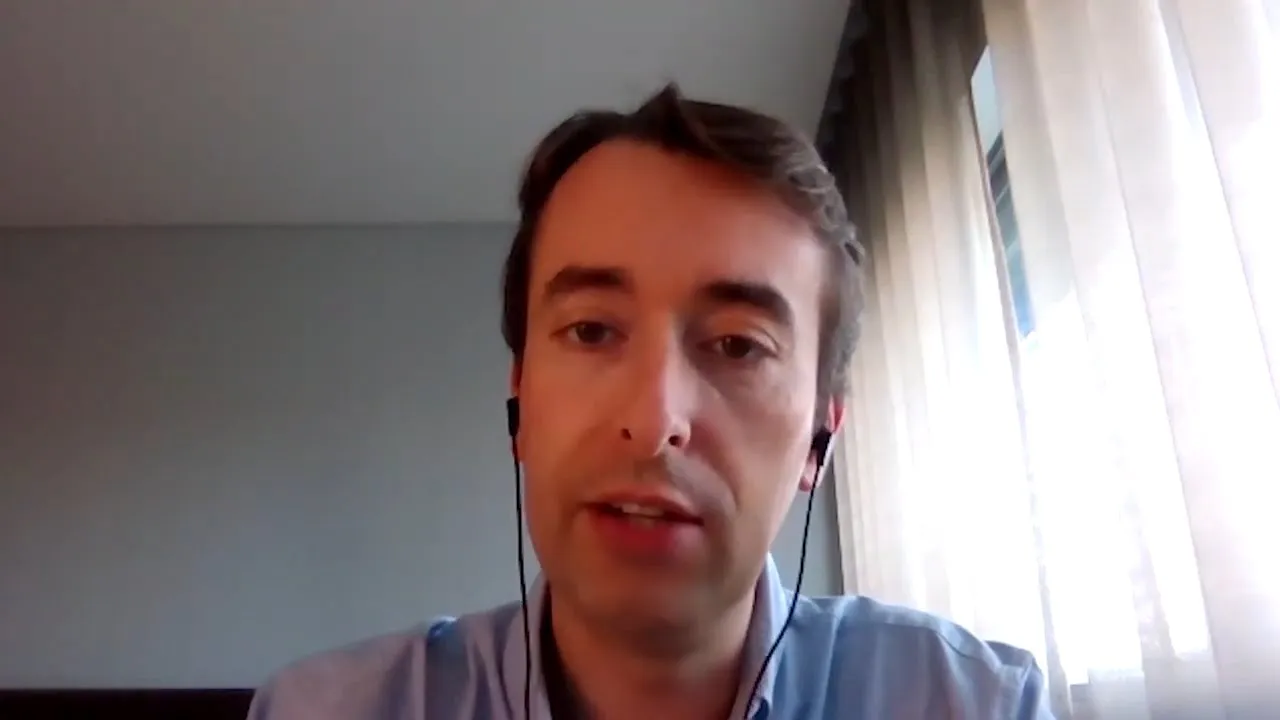
The timing and method of hippocampal inhibition critically determines memory retrieval outcomes, with fast optical inhibition disrupting memory while slower chemogenetic inhibition preserving retrieval processes, revealing that hippocampal function depends on precise temporal dynamics and network interactions rather than simple on/off states.
Memory Consolidation & Retrieval Mechanisms | Neuroscientists Talk Shop
Added:Basic neuroanatomy of memory, specifically the distinct functional roles of the hippocampus (initial encoding and short-term storage) and the neocortex (long-term storage).
The cellular basis of learning, including synaptic plasticity, Long-Term Potentiation (LTP), and how neural circuits strengthen connections.
The fundamental stages of memory processing: encoding, consolidation, storage, and retrieval.
An introductory understanding of optogenetics as a biological technique that uses light to control neurons that have been genetically modified.
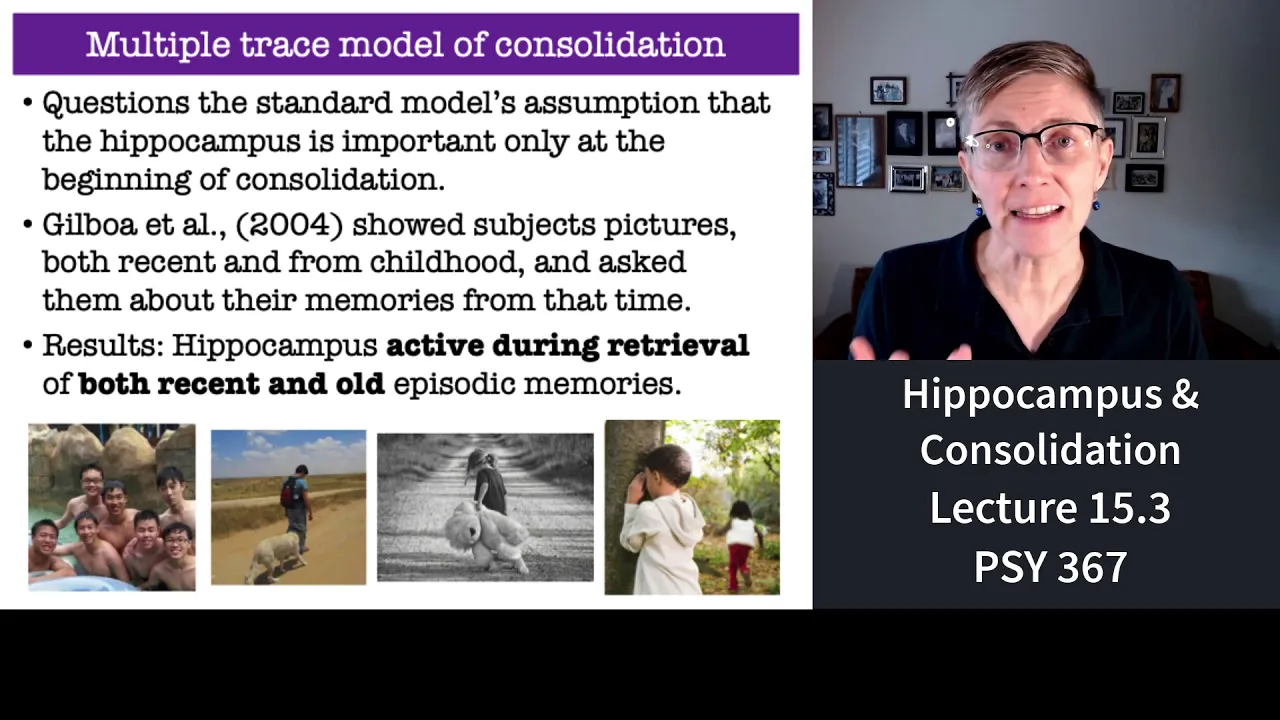
The standard model of systems consolidation versus Multiple Trace Theory (MTT), comparing how different theories explain the lifetime preservation of episodic memories.
Memory reconsolidation and extinction, exploring how retrieved memories become temporarily unstable (labile) and susceptible to modification, update, or disruption.
Clinical and therapeutic applications of engram manipulation, such as target-specific interventions for Post-Traumatic Stress Disorder (PTSD) and phobias.
The implications of aberrant consolidation and retrieval mechanisms in neurodegenerative diseases, such as Alzheimer's disease and other forms of dementia.
153 views2likes51:08Original Release: 2020-12-21
okay all right i'm sama qureshi welcome to neuroscientist talk shop the university of texas at san antonio's neuroscience research podcast it's december 3rd 2020 and today we're talking with brian wiltjan who is associate professor in the department of psychology and center for neuroscience at uc davis hi brian hi brian's lab studies the cellular and molecular mechanisms of memory consolidation and retrieval in the hippocampus and neocortex his work carefully dissects components of this memory network by recording manipulating spatial and contextual behaviors with a formidable array of opto and chemogenetic tagging and simulation tools in transgenic mice so today in our zoom we're joined by fellow learning uh and memory behavior and circuit specialists isabel mussio hi isabelle hello we've got tony burgos robles hi tony hello and matt wanted brian you've spent a lot of time thinking about um the hippocampus and its role in memory networks that underlie memory consolidation and retrieval and in the last few years you've shown with spatial and temporal specificity that area ca1 is required for reinstating patterns of cortical neuron activity associated with learning and retrieving contextual memory and through careful circuit manipulations you've shown that there are actually a lot more complicated dynamics at play in the cortical hippocampal membrane network that depend on the source and the timing of inhibition and excitation in the ca1 network and that's your most recent paper so there's so many interesting points of discussion on tools and tech and that work that that you guys i should by all means pick up and run with at any point but it seems like a really interesting component of that work is this idea that that uh fast inhibition or there's a sort of a differential temporal component to inhibition so fast optical inhibition um disrupts memory while slower inhibition through chemogenetics leaves network retrieval processes intact so can you just kind of say something about that work and maybe and that's largely centered on retrieval and maybe comment on how it connects to some of your larger ideas about contextual binding as as the machinery of consolidation yeah i mean i would so the you're right the the stuff that uh uh that you're discussing has to do with memory retrieval and how uh you know in some cases uh other brain regions can compensate if the hippocampus goes offline particularly when the hippocampus goes offline slowly that seems to create a situation where other brain regions can take over which means they they do contain some of the information that's needed at least for you know pretty basic uh fear memories like just recognizing the context um and if the hippocampus goes offline very quickly uh you know no one has time to uh pick up and and and cover for the loss of the hippocampus so but that's it's not confined to retrieval actually um some of the first stuff i worked on in graduate school i dealt with learning and the thing that had come up in the lab that i was in was that you often didn't need the hippocampus for learning either so in some situations uh for example if you are to lesion or damage the hippocampus let the animals recover for a week or so there's some things they can do perfectly fine that you might you know like contextual learning that we didn't think they'd be able to do but again if the hippocampus went offline rapidly during the learning they were impaired so it seems like both during learning and during retrieval there are these you know interesting interactions taking place between the hippocampus and other brain regions and depending on you know how quickly those interactions are occurring or how you know prolonged the hip campus was offline you can often learn without the hippocampus and retrieve information without the hippocampus which we find interesting because like i said we think it means that these other brain regions have sufficient information to retrieve at least some aspects of the memory it's interesting that what you mentioned because the data of paper that was published a few years ago so the same effect for the remote memories yeah so um maybe you want to discuss a little bit that idea but uh it's interesting to put things in context that is not just learning or retrieval of the memory but also the remote memory that can be affected by these compensatory mechanisms yeah i mean if you think about it right the ever we're going to lab the uh you know well the animals is uh very smart and crafty uh which means their brain is very smart and crafty and they will find other ways to learn right if they need to and you see it all the time even with you know human patients who have damage to some parts of the brain uh you get compensation and sometimes other regions can take over and uh do the learning they usually you know you you have to probe very carefully to find that you know often the learning isn't the same right it's different in some way so the other regions are you know they have access to or are learning a little bit differently than let's say they hit the campus might um but if the task is to survive uh under a lot of conditions they can they can figure out how to do it how to remember the context well enough to know that it's bad they can learn you know different strategies to obtain food if they need to so you know if anything it's it's it's um it seems to me that the the rule is more that uh the brain is pretty flexible and uh can adapt and most of the time in the lab that's a problem for us so we try to get rid of that but in reality i think it's it's uh it's a it's an adaptation um and sometimes we talk about it uh it was actually one of my favorite exam questions to give grad students was um so we talked about carl lashley who was one of the first people to look for memory in the brain and oftentimes it's talked about as if he's kind of like a terrible failure because he never found memory in the brain so we'll say okay to the students what is what is it what did ashley believe what do you get wrong and how do we know it's wrong and they answer that just fine and then you ask okay but what did he get right and i think the that usually they don't like that the students find that challenging to answer but i think one of the things he found is that the brain is incredibly adaptive and he had trouble finding memory because the animals could find other ways to do the tasks that they needed to yeah that's true okay sorry um it's a very intriguing finding and it brings me back to several studies in other brain regions um all that also participate in fear conditioning for example in context and not in contextual fear conditioning but in auditory fear conditioning in which you can even listen the amygdala and somehow animals are able to learn of course you know like it depends you know how much of the amygdala you can remove but for example if you remove the entire basolateral complex with a lesioning technique animals still can use the lateral amygdala to still put together the information the sensory information and do the uh proper encoding but again you know if you do this um temporal inactivation with drugs or of genetics you see huge impairments that are not observable with condition so it brings me back to this um phenomenon of recovery of function people tended to um to talk a lot when uh we used to do a lot of listening studies yeah and i'm wondering um you know like i think you touch base on on this a little bit already but how you feed this model of uh recovery of functioning to into your uh some of your studies yeah i mean i would so after i uh had left the lab graduates fighting paper where we were trying to figure out uh how animals were able to learn context right that was our question and we never fully answered it as a strategy [Music] because it has a lot of the same information but subsequently they found that at least one area that seemed to take over was the medial prefrontal cortex so the lab had found that if you and if you lesion the hippocampus they could learn but not if you inactivated the medial pfc so it seemed to be that somehow and we don't know the mechanism without a hippocampus the medial prefrontal cortex is able to take over and compensate and learn that information and ray kessner had found similar things uh with the prefrontal cortex and the hippocampus and in some of his spatial learning tests where if they only had to remember for a short period of time they could use either the hippocampus or the prefrontal cortex so you take one out right it's like whack-a-mole take one out and the other one pops up and does it uh but you had to really stretch the circumstances to find that uh the pfc couldn't learn over very long intervals like the hippocampus was able to or longer intervals so it's one of those things where i think you gotta really get in there and try to uh you know understand the behavior understand the strategies are that the animals are using develop tasks to pick up on those strategies and then you'll start to see that um the brain's probably doing something much more interesting than than we than we thought initially which it's not right it's not binary it's either they hit the campus or nothing else but rather these these systems are interacting constantly and there are conditions under which they they can they can sort of help each other out so i mean you've one really interesting thing about that study is that you've also just looked at the level of the network right so direct hyperpolarization of pyramidal cells had no effect but in inhibiting them through the through the gaba through the inner network had a completely disruptive effect on memory right so it seems like there are some clues there about inputs and i mean that that seems or is that just a trick of the the fact that you were doing things with these viral tools or what do you how do what do you make of that well i mean i think uh yeah in our so we didn't do like the the goshen and dice rock paper where they did either uh this acute optogenetic inhibition or they started the inhibition like 30 minutes before the memory test right and then they i mean you have to try to imagine what the equivalent would be i'm going to give you some memory test and i either shut the hippocampus off right when you're trying to retrieve the information or i do it when you're out in the waiting room and you have 30 minutes or an hour you're like this is weird i just don't feel the same i don't have a hippocampus uh but once the you know uh that there's sort of like a resettling in i guess of the networks that uh they're like okay we don't have a hippocampus now that input is gone we still have problems to do we still have things to do and then you interrogate memory sometimes you'll find that that information is in there and you don't need the hippocampus to get it out but yeah like i said in this particular case in the in the uh goshen and dice roth had used opto either acute or prolonged we had two different tools so you know you could always say well maybe there's something very different about the dread the way that they inhibit compared to the way the opto tools inhibit so we would like to go back and use the same tool and do like goshen and and dice roth and show that you get the same thing it really has to do with timing and less to do with this so that was also a timing effect there wasn't an acute uh okay got it i have a question for brian and this could be related to differences in tools but um today in your talk you were showing how the the cells that express c phos that some people call engram cells but let's call them stifos expressing cells are really important for the retrieval of the fear memory i want you to discuss a little bit the differences between your study and the ramirez study from the tonight because in that study that made the news they were finding that the cifos expressing cells in the dante gyros were the ones that actually were important for the retrieval of the fear memory in fact when they did the manipulation in ca1 and tried to recreate the artificial memory in ca1 they couldn't they didn't work it was in the gyros which is the input station so i wanted to know if you um could comment on the differences between that study and yours and what your thoughts are if you have essentially uh we essentially find the same thing uh that steve uh found in uh ca1 which is that uh when you stimulate at 20 hertz it doesn't work you can't get you can't get memory retrieval uh in fact we can show in some of our experiments that is disruptive um and i'll tell you it's kind of a funny story but i had mentioned that i was uh i was working on these ideas when i was at virginia about okay we need to find is there a way we can identify these cells and like i said uh john gazowski had published this immediate early gene work and we thought oh immediate early genes maybe that's a way to you know get at these cells you know manipulate them in some way just the ones that we're interested in and so we're putting those ideas together and figuring out the optogenetic tools and i invited matt wilson out and i sat down at breakfast with him and i was explaining to what we were gonna do and uh and he said oh god don't do stimulation that'll never work he goes if you stimulate ca1 it's gonna screw up everything and so we're like oh and so we uh i was like okay yeah we were a little bit worried about it because it's not you know physiological right it's artificial stimulation and you have all these beautiful temporal patterns of activity in ca1 when the animals are learning things and now we're just going to come in with a sledgehammer and turn all these cells down synchronously and we thought okay you're right that probably won't work so we went and did inhibition uh and then uh steve will ramirez will uh you know openly in his talk say that they were trying to target c1 and they missed uh and they got into the dentate gyrus and then it worked and so um one question that you know we've thought about that you know how that could be possible is it you know one possibility is that there's pretty sparse coding in the dentate gyrus compared to ca1 so when we do learning tests we find that maybe 30 to 50 percent of cn1 neurons will be engaged but indentate it's like one to five percent of the cell so you're like okay maybe you're getting a small population maybe that's easier for the brain to interpret um and then in addition you have ca3 in between uh dentate and ca1 and so we thought perhaps with a sparse population and then you have ca3 with its recurrent collaterals maybe ca3 can make enough sense out of the dentate stimulation even though it's artificial that by the time it gets to ca1 though when it gets out to the rest of the brain it can be interpreted in some way and so and we found that you can get the effects in dentate uh as well uh like uh the ramirez data there's some uh one publication or two that says maybe four hertz works better in ca1 um but we haven't tried uh uh that yet to simulate the these uh c positive cells and see if four hertz works um but our initial idea was just that it had something to do with sparse coding and ca3 being in the middle that allowed uh the brain to understand uh what the you know artificial optogenic manipulation was trying to say that's quite interesting i actually had a question maybe this is something that you know bridges isabel and brian's uh work is you know when you're referring to the hippocampus here you're you know predominantly talking about the dorsal hippocampus and um you've highlighted obviously that you know there's some challenges going you know targeting any ventral structure in the brain but yeah you know is there evidence for a role of the ventral hippocampus in contextual fear conditioning and are there parallels differences yeah you know what what you know the comparing contrast uh wha what does know what's not known yeah so the yeah that's kind of thing um for a while uh there were you know people with uh when they were talking about they and you see that sometimes even now in papers they'll talk about dorsal as like the cognitive part of the hippocampus and the ventral is the emotional um part and so people would often think oh the ventral is is doing context fear and tone fear and all that but it turns out that both are involved and so a lot of the early manipulations you know let's say in the morris water maze was a spatial task they were getting deficits with the manipulations of dorsal but not ventral and so it said so that seemed to fit with this maybe cognitive emotional difference you need dorsal hippocampus to learn these spatial tests and then with contact spear conditioning like i told you today jean sock kim and others you know they just did the same manipulations that people had done in the water maze and in the dorsal hippocampus it also wipes out context fear even though context conditioning has kind of you know like both an emotional and this sort of spatial or contextual component but you also need the ventral hippocampus uh to learn context fear so that's uh one difference between that in water maze which uh the spatial learning i mean this isn't you know not completely true because there are some eventual studies but uh that the dorsal hippocampus seems to be more important for the spatial learning um and not so much ventral at least when the spatial learning sorry you know isabel correct me here when the spatial learning uh is very precise and you're asking the animal to maybe remember a precise location but when you get to contact sphere condition you need both the dorsal and the ventral hippocampus and we think part that's partially because the ventral hippocampus is the gateway to structures like the amygdala or medial prefrontal cortex which are going to modulate the fear response i would like to add that the ventral hippocampus in terms of connectivity it doesn't receive visual inputs or preprocessed spatial information it gets it through intra-intra-hippocampal projections or projections from the lateral and rhino cortex so um we really believe that there is integration of information along the longitudinal hippocampal pathway but the ventral region is the one that is connected as brian said to other regions that control emotional memories such as the amygdala and prefrontal cortex or the hypothalamus so but somehow the ventral hippocampus integrates contextual information from the dorsal via intra hippocampal projections so there is a need for both areas and you know maybe one has a higher weight on emotional processes emotional processes due to the connectivity but both regions are necessary yes um that's a good segue for my next question which was you know brian in within your studies have you looked at any uh patterns of activity in downstream brain regions every time you do your dorsal hippocampal manipulations and if so do the patterns in the downstream ingredients correlate with what you see at the level of dorsal hippocampus yeah we did look at the uh basal amygdala and you get uh disruptions there as well so when uh so even though we're way up in dorsal ca1 which doesn't send a direct projection to the amygdala when we manipulated the cfos positive cells there we also disrupted reactivation in the basal amygdala and then in the ramirez and tanagawa paper they they had also found that when they stimulated these cells indentate they could get uh activation of the basal amygdala as well so um so in our case we were in ca1 so it wouldn't have a direct projection but there are many indirect projections to get to the amygdala i have a question about context in coding context so context is sort of a more diffuse context sort of run into one another and they're sort of associated with a time locked event in in the trace i mean in the fear conditioning that you guys do how does how does one actually study context in a way that you so for example how do you look at contextual interference for example because that's presumably you know a big part of of of forgetting apparently i mean according to some of the stuff that's been written about definitely right there's some really interesting uh workout out there on uh interference the um a lot of the human studies like you had mentioned in the review paper where they talk a lot about interference and how uh contextual information right could either get bound to or information found in the same context or if there's a new context afterwards right you could get competition how do you study that in the lab yeah yeah with the mice um well it's it's it's kind of interesting because the you know for the longest time um you know people would do something like lever press suppression to study fear conditioning so tone would come on and they stopped pressing lever but they you know found out that the animals would also be scared of the box as well but because they didn't know exactly what cues were there and they were diffused they just called it context right and not that many people studied it for exactly the reason that you're saying is because you know you don't know what the stimulus really is and it's you don't have control over it very well at least not temporally uh and how they sample it and so um but uh uh bob boles who was michael uh fanzil's supervisor at washington and others uh began to study context conditioning and you're right it is tricky to uh you know figure out uh or dissociate all of the elements of the context but interestingly um you might not have to because the animal kind of does it for you and so what i mean by that is there's this interesting phenomena where if you take a rat or a mouse and you put it into the chamber and you deliver the aversive stimulation the foot shock right away uh within like five seconds um you can take them out and bring them back later and they act like they've never been fear conditioned before they explore like it's a brand new place but so if you however in another group if you pre-expose them to the chamber a day before nothing happens in there you just let them explore then you bring them back and and give them shock after five seconds they learn perfectly well so what that seems to suggest is that the animal has to build this representation of the environment um and put it together as some sort of we used to call it a configural representation and then have that available to them right away when they when they undergo conditioning and jerry rudy did some really cool experiments where he would pre-expose animals to all the different elements in the box just the grid just the odor so on and so forth but none of that worked they had to experience all those elements together and then they could learn the next day so we think that i mean there are obviously components like the odor which is uh salient the grid the geometry of the box and cues but any one of those cues doesn't seem to control the behavior very well um the animal seems to sort of automatically uh uh form this sort of configured representation of the context maybe this goes a little bit sort of full circle but um you know the contextual fear conditioning and you know the uh you know the brain regions that are responsible for it uh how important is it that the aversive stimulus or the stimulus you're using is say a foot shot um you know you gave a shout out to jean sock kim and your talk and you know he's he's also known uh for the robo gator and you know other sort of aversive stimuli and i guess um you know when we first were talking about how other brain regions can sort of compensate if you take one offline i guess you know how much is you know what you've identified with the dorsal hippocampus when the aversive stimulus is foot shock do you believe or is it known that this generalizes to other sort of you know maybe ecologically relevant stimuli you know whether it's it's you know looming discs you know barn owls yeah you know take your pick up we did all of them [Laughter] uh there's a uh it's been sort of a push to um from funding agencies to use more uh you know what they call naturalistic stimuli like you mentioned the uh you know fox urine the looming disc robo gator etc um and we've used all of them the problem is um it's kind of like putting a owl on your house and the birds within two days are all sitting on the owl they learn that too and they uh so we did some rover robo-gator stuff with the mice and initially they're kind of scared but if nothing really happens they're crawling all over the thing you know within a few minutes we did the looming disc the first time they saw it was scary and then they didn't care anymore and so uh even though you could say that you know in some way foot shock is artificial it is a painful you know scary event and it engages their natural defensive systems fantastically um and i think this goes back to your question about the hippocampus i actually think that's one reason that there are a lot of these uh you know uh effects that people were finding with context fear conditioning was that because the learning is so rapid and a lot of times with fear condition just a single trial and they learn fantastically with a lot of the uh repetitive or reward tasks that we've done you have to do a lot of trials before you start seeing the learned behavior and it seems like when you start doing lots and lots of trials you don't need the hippocampus anymore and so i think it's kind of an accident that you know fear conditioning works so well and you get these big hip campbell deficits but i think it's because it's it's so fast now richard morris has done these single learning trial tasks like the event arena where they you know he has to give him a lot of pre-training so they know the basic rules right he calls it a schema but then they can learn uh if you give them that they can learn in a single trial and that depends on that's repetitive but it depends on the hippocampus so i think the the rapidity the speed at which you learn has a lot to do with it and most time right in the human studies they're looking at episodic memories they've only happened to you one time you didn't get 600 trials pressing a lever like i said the rest of brain will figure that out if the animal's hungry even if it doesn't have a hippocampus cool i think that the the question about the hippocampus and the role that it plays in context is referring a little bit to the previous question my mind kept thinking about that even if you haven't have a paradigm that is simple like classical fear conditioning with shock it's complex because there is this idea that each time that you retrieve the memory the context changes because time keeps passing by and that gave you know um to the idea that uh there is reconsolidation as well each time that you retrieve the memory the memory becomes lava right because the context changes whenever you retrieve the memory so there is a window of opportunity to modify the memory so um i wonder if you have thought at all about this idea in the context of your experiments or is something that you haven't explored or how do you deal with the fact that the context is not something that is constant but changes over time for the animal yeah i mean so that is uh yeah that's right so that's similar uh to what someone was saying i think with the contextual binding uh idea which is that um you know that the the the context that you're in so let's hear you know is we typically there's these event boundaries like you said we have okay i walked into this room then a bunch of stuff happened and then you're off into a new context afterwards and so you know the context is uh constantly shifting over time and so it's i think you're right that well first of all we know that they can still retrieve information about the context even a long time later and even though the context is you know not exactly the same as it was originally and the animal's not exactly the same as it was originally but there's at least some elements of the context still there however we do see that um a lot of the details uh seem to get lost over time and this is again not surprising i just think of your own memories and uh you know like for example my wife and i were watching um this documentary uh the other night about the uh challenger shuttle and i swore to her that i was you know in fourth grade in my classroom when it happened and she's like wait a minute you were in sixth grade when that happened and i was like oh my god my whole life i swore i was in my fourth grade classroom watching that on the television with the rest of the kids and uh i wasn't i was in sixth grade so uh the same thing happens with the with uh the animals in these experiments and again you have to sometimes you know they'll freeze even if it's a month later they're scared but if you start to ask them to remember details of that uh experience they forget though so a lot of the context a lot of the elements of the context seem to fade over time but there's enough there that they're able to recognize this place and and remember that it's that it's bad so actually maybe i'm misremembering uh what she presented but um uh but you had the experiment where i believe you were um doing channel rhodopsin activation of the the cells that had been you know activated um using your tet mice and um you put them into a new context and you had periods of photo stimulation and off photo stimulation off and one of the striking things about the data you showed was it was a perfect sawtooth yeah you know who was actually expecting what you know isabel i think maybe was alluding to was the memory might have been more labile and you would imagine you're in a new context and i would expect over time that it would trail off and maybe it was just the window of the data that you showed but it seemed to be binary zero one zero one zero one and there you didn't that would happen either i mean emotional responses don't shut off that quick usually so i didn't yeah that's a i still don't quite understand how to explain why it is such a sawtooth function it's not like they're gonna forget that they were scared out of their mind just a few seconds ago um and so and even if you do other forms of conditioning you know like even with a tone an auditory stimulus without you know they'll freeze to it and after it turns off they don't just stop freezing right away they still are like whoa what's going on is something bad gonna happen and uh so it lingers for a while um so yeah that's a really good question and i don't have an answer for why when you stimulate in that way there is such a dramatic shift back and forth between between behavior maybe maybe i misunderstood that but isn't the premise of some of that study also that the cfos tagged cells are actually encoding that context and you're actually completely reinstating the context as well as the fear yeah i think like uh massing is the um so you're in this new place they're not at least not scared enough to start freezing initially and then you stimulate and they freeze like gangbusters and it turns off you would think they would say oh this place is bad now too so you might you know we call it second order conditioning and pavlovian terms you would think now they start to say well i don't like this place either because i was just really scared in it but they seemed to not do that they just and then they freeze and then they explore and they freeze and they explore and so yeah i think you're right i think so there's no re-learning uh on the basis of that content i mean it's just sort of yeah i see what you're saying and i don't know if it's because the i mean maybe it must have something to do with the fact that the stimulation is artificial right so i don't know what they're really remembering they're not feeling the pain right yeah they're not i mean it's it has to be something with that artificial nature because usually if you do an experiment where let's say it you know a tone was paired with shock and then you paired that tone with the context they would show some fear to the the context and um but in that case they didn't and so yeah i think that's that's interesting that you caught you caught that because whenever i presented i wonder if i should talk about that or not because it always in my mind i'm thinking someone's got to be thinking of this like why does it look like that uh so there you go we don't know yet maybe have you have you consider in that experiment the possibility that there are conflicting motivations since you know the animals are in a new context you know the motivation now is to investigate right but you know from all the sudden artificially you activate the c uh positive neurons uh the perhaps you know are retrieving that aversive memory but once you remove the excitation of those cells then you know the animals still have the motivation of exploring the new context i'm just wondering if if in many of your experiments uh you could get perhaps even clearer uh results if you tested the animals for example in a new context and give that kind of conflict can you comment on this yeah i mean we have yeah that's a good question we haven't uh done that i'm not sure if anyone's done that where you put them maybe into environments where the the animal could make a couple different responses and then see if you can bias uh what they do in one way or another um and that's a yeah that's a good that actually isn't we wanted to do uh that we're planning to do an experiment like that maybe with the lever pressing and trace conditioning to see if we could you know get the animal to make a choice that told us they knew what was coming next or something like that with these uh with the stimulation of the cfos positive cells but but we haven't done we haven't done that yet um one of the so one of the ways i've been i remember mark mayford when i was presenting with him at a meeting and someone had asked him a similar question because they had done these experiments as well and and he brought up a study i think was a journal of neuroscience study where they had some there's an epileptic patient and they were stimulating to look for the the foci of the seizures and they were in the medial temporal lobe and the patient reported that when they were stimulating in one location the uh room would slowly transform into his favorite pizza place and then the doctors became the workers at the pizza place and then they turned the stimulation off and it gradually like went back to the hospital room and so he knew he wasn't at the pizza place so he didn't try to get a slice of pizza right he said he knew that for a while it felt like he was at the pizza place but now he was clearly in the hospital and so that wasn't real i don't know if something like that is happening with the mice but mark would talk about it like that like you're almost creating these little hallucinations but then when they fade you're like oh i'm gonna i'm in this place and this place isn't bad so they just go around exploring right and so i mean that's a human example but and of course we don't know exactly if that's what's going on with the the mice but the fact that like you said they keep exploring right away suggest that it's something they can tell the difference between where they are and where they just thought they were all right and i think it's significant though that there that the sensory simulation is not there for new learning it's really just like that moment when you when you see a shadow and think oh it's like a something's happening around you i mean i've had that we've all had that sensation right where then you're like okay so i mean yeah i think it so yeah yeah exactly they it seems as if you can kind of trick them for a little bit [Laughter] um but once that simulation is gone the sensory cues take over and they they're curious and they want to explore i think there is something special about the artificial stimulation because even in the tonewa papers when they condition the animal in a context let's say they test the animal in context be without any stimulation and then they test context b without any light the animals show eighty percent freezing but the artificial memory that they get with the combination of context and light is never going about 35 percent of freezing so this artificial there is something about the the artificial memory can somehow create a memory but at some level the animal knows okay this context resembles somehow my fearful experience but even the animal is completely aware i don't think he's aware but the animal perceives that is not the same as when you don't have this artificial stimulation so yeah so we uh we did it we so that bothered me too that the freezing is always pretty low you can never get like a natural context will give you a lot more conditioning exactly and when you stimulate these cells and we thought okay well why could that why why would that be the case well you know the so when the animal explores like we were just talking about there's these beautiful temporal patterns like this play cell fires and that one fires and that one fires as they go through around you get these sequences um and that's what the processing looks like when they're learning but then when you test them right you simultaneously turn all of those neurons on and make them fire at 20 hertz or four hertz in synchrony which is not at all what they were doing when the animal was learning and so we thought oh maybe it's just a generalization decrement so when you're testing them you're not testing them with the same stimulus you train them with so you always get decrement so we did an experiment where we randomly labeled cells and then we paired stimulation of those cells with shock oh that's cool then tested them later and you get gangbuster freezing that's a really interesting experience it matches testing it looks like natural if you make so okay we thought we can't make optogenetics naturalistic the stimulation at least not right now but we can make training artificial by using optogenetics during training and then you get them to match and the behavior looks uh much much more like the natural freezing behavior so i think this generalization decrement is at least partially one reason why you never get naturalistic levels of conditioning with uh stimulation that's very interesting and i have just a general question because we are getting towards the end right selma what do you mean it's the future for the field of emotional memory and what are the need the future questions the the the most important important questions that need to be addressed and yeah i mean so what we're interested in well i'm really interested in it my graduate students are uh you know a few years in now of course there's a lot of anxiety with covid and not being able to get into the lab so they definitely don't want to hear new ideas and projects right now they just want to you know do their stuff that they've been working on but uh but i definitely you know have been have tried a few times even before covid uh to get them interested in something that i think is is fascinating which is the interactions between uh these defensive behaviors and other goal directed behaviors so most of the time right when you fear conditioning there's nothing else for the i mean the animals in a box but what else can it do and so they freeze but there's no you know other competing uh responses or at least gold direct responses that they that they could make and so um i'm really interested in how these defensive behaviors will uh interact in a situation where there is some kind of conflict because that's more uh naturalistic that usually is what happens out in the wild trying to get some food and then oh no there's this predator over here and i want to get over there so there's all these really interesting interactions going on potentially between hippocampus amygdala periaqueductal gray and so that's one thing that i would like to look at and so um i so i have well i i have the equipment i've even done some pilot studies where we're doing the uh where the animals are in there level pressing for uh food and then we do the uh conditioning in the background fear conditioning in the background so every once in a while the tone comes on and it's paired with shock and tone and so forth and it's pretty amazing because when when you do it that way you uh now wonder if this has to do with our question earlier you do get this sawtooth pattern where uh they're pressing like crazy the tone comes on they stop and they freeze and as soon as the tone goes off they go right back to lever pressing so for a brief period of time there's an interaction i want to make this response but this thing is bad so i'll hold off and then i'll go back to doing what i was doing before and so those are the sort of that's the kind of the situation um that i think would be interesting to look at so we would see the fear conditioning system in action but then also see it interacting with the hippocampus most likely the ventral hippocampus which is i guess these older theories of the hippocampus were all about behavioral inhibition um but the hippocampus uh you know want in and other regions sort of motivating the animal to you know let's say go get food uh but in the presence of other stimuli that are saying no it's dangerous right now and i think looking at those interactions uh would be fascinating and so maybe i can convince my next graduate student for you to do it with contextual information as opposed to auditory cues we can talk more offline if you like yeah this was where i got into it it was kind of what thomas was saying um when you start doing you saw the contextual experiments today but um if you wanted to let's say turn off the hippocampus you know key moments of learning well you don't exactly know when they're learning the context right because they're just the cues are in the background and and so we started doing trace conditioning because then we have a stimulus that we can control um it still depends on the hippocampus and now when we do these manipulations we know exactly when to do them right during the tone right after the tone um so on and so forth and so we picked up the trace conditioning stuff really because it matches well with things like optogenetics recording as well you have a stimulus right that you can look for uh the photometry stuff we've been doing again you want to see you want to you know time lock everything to that stimulus and see what's going on um i if you have a can i tell you one interesting thing we did fine i was going to talk about it today but you can get there there's plenty of time so we started using trace conditioning so in trace conditioning what happens is uh it's kind of so you heard about the tone conditioning i told you where the tone comes on and then they get shot you don't need the hippocampus but if there's a gap between the stimuli like 20 seconds or so so now the animal like a tone turned on but then it turned off and then nothing happened for 20 seconds and then the animal gets the shock in order to learn that you do need the hippocampus and so the predominant idea has been well that's because when the tone turns off the hippocampus has a memory of it and it keeps it alive right it's just reverberating around in the hippocampus and so by the time the shot comes around this hippocampus is still thinking about the tone and that's how the animals are able to learn those two things what we're reading a tolman paper in uh because we had a whole memory meeting devoted to uh cognitive maps uh a couple quarters ago and at the end of the one of the towing papers i think it was the review he talked about how so many things are learned after they happen so an experience will happen and then you'll sit there and think wait a minute what just happened to me and try to figure out you know what caused what you know beforehand and so a lot of the learning might happen after the trial has ended we thought well that's kind of interesting um and there's some uh isabelle's you know there's this reverse replay that you'll get in the if a rent runs down a track and you see the place cells when it gets food it goes backwards like it replays the path it just took and so we thought i wonder if that happens for trace conditioning and so my student kyle who didn't have a chance to talk about his data today he's done some experiments and that's what we find so if you do a conditioning trial but then silence the hippocampus afterwards for a few seconds they can't learn but if you do the learning trial you know wait two more minutes and inactivate the hippocampus nothing happens so we do think that actually there might be this sort of retrospective learning with trace conditioning that the hippocampus is involved in um that we never i never would have thought of doing that experiment before until we read the tolman paper but now it's another thing we're wondering which is that you know in some of these tasks after the adverse event happens you know does the hippocampus and the rest of the brain still continue to work on it and try to figure out like what the heck was that there was a noise and then that thing i was like what and it continues to work on it and there may be a lot of learning that takes place after the after the trial which i think is really interesting that is a very interesting idea because in the field of play cells you mentioned there is this phenomenon called the reverse replay so when the animal stops uh the sequence of black cells that are active when the animal is navigating play but in reverse order and when those findings were first reported people were were wondering right why in reverse order so maybe your results could give a solid explanation to why the replay happens in reverse order is because you know the animal is thinking backwards about the experiences that it has they happened yeah i mean so it's it's really fascinating because so the animals are able to learn let's say when the delay is like 20 or 30 seconds but you push it to like a minute so the tone happened but then a minute goes by or something then they don't learn and so we started to wonder like is that too far for replay can reverse replay not go that far back in time for the animals and then you know so like i can i can put things together in the last 20 seconds but you know i think about my dog 20 minutes ago and it's already out of his mind he's not thinking about it at all and so um we have uh david foster is now at berkeley and so i went down and presented this at his lab and we're desperately trying to collaborate with him so because he can record from hundreds and 200 300 neurons simultaneously and we want to do some of these tasks and look for uh replay reverse replay and see if that might actually be mediating some of the the learning in this case that's very interesting such exciting stuff so i think we we are getting to the end here so unless anyone has anything else i'm gonna maybe let you go to your day if we've already done about 50 minutes i think yeah but this is great we could just go on and on this is fantastic and i really appreciate you playing along with us and uh hope you enjoyed it we enjoyed it and everyone this has been neuroscientist talk shop thanks very much
Up Next
1:59
PTSD Neurocircuitry Explained: A 2-Minute Neuroscience Overview
@neurochallenged
190.2K views•2022-08-16
21:55
Deciphering Neural Circuits Controlling Anorexia in Mice | Richard Palmiter
@AllenInstitute
2.3K views•2011-10-10

4:10
Vagus Nerve (CN X): Anatomy, Nuclei & Functions Explained
@Alilamedicalmedia
305.2K views•2022-10-31
13:03
How Exercise Benefits Your Brain: Science Explained
@TED
11.4M views•2018-03-21
Related Study Plans & Knowledge Roadmaps
Structured learning paths in Neuroscience
neuroscience
Appetite Regulation: Brain Circuits & Hormones
01Foundations of Endocrinology and Brain Anatomy
02Introduction to Energy Homeostasis
03Peripheral Signals: Leptin, Ghrelin, and Insulin
+ 2 more learning modules
14h5 modules
Explore Roadmap
neuroscience
Neuroeconomics: Value, Risk & Brain Mechanisms
01Foundations of Neuroscience and Brain Anatomy
02Introduction to Neuroeconomics and Subjective Value
03Dopaminergic Prediction Errors & Reinforcement Learning
+ 3 more learning modules
18h6 modules
Explore Roadmap
neuroscience
Spatial Navigation: Cells, Grids & Brain Maps
01Foundations of Brain Anatomy and Memory
02Place Cells and Head-Direction Cells
03Grid Cells: The Brain's Coordinate System
+ 2 more learning modules
12h5 modules
Explore Roadmap
neuroscience
BCIs: Neural Decoding & Prosthetic Control
01Neuroscience Foundations: How the Brain Signals Intent
02Signal Acquisition: Recording the Brain's Activity
03Neural Decoding: Translating Brain Waves into Data
+ 2 more learning modules
25h5 modules
Explore Roadmap