


![[Desain Pipa Bawah Laut] Free Span and Fatigue Analysis Part 1](https://i.ytimg.com/vi_webp/F9Fbh2be3nc/maxresdefault.webp)


![[#PE²C S1E6] Comment fabriquer un océan ? | ENS-PSL](https://i.ytimg.com/vi/9_eIBAgLwJ8/maxresdefault.jpg)




![Az Oceangate baleset 1/3: történet és ablak [EGYÉB]](https://i.ytimg.com/vi/n4OZAEqQrrI/maxresdefault.jpg)









![Effondrement : notre civilisation au bord du gouffre ? Aurore Stéphant [EN DIRECT]](https://i.ytimg.com/vi/FkiMqLD3_YQ/maxresdefault.jpg)


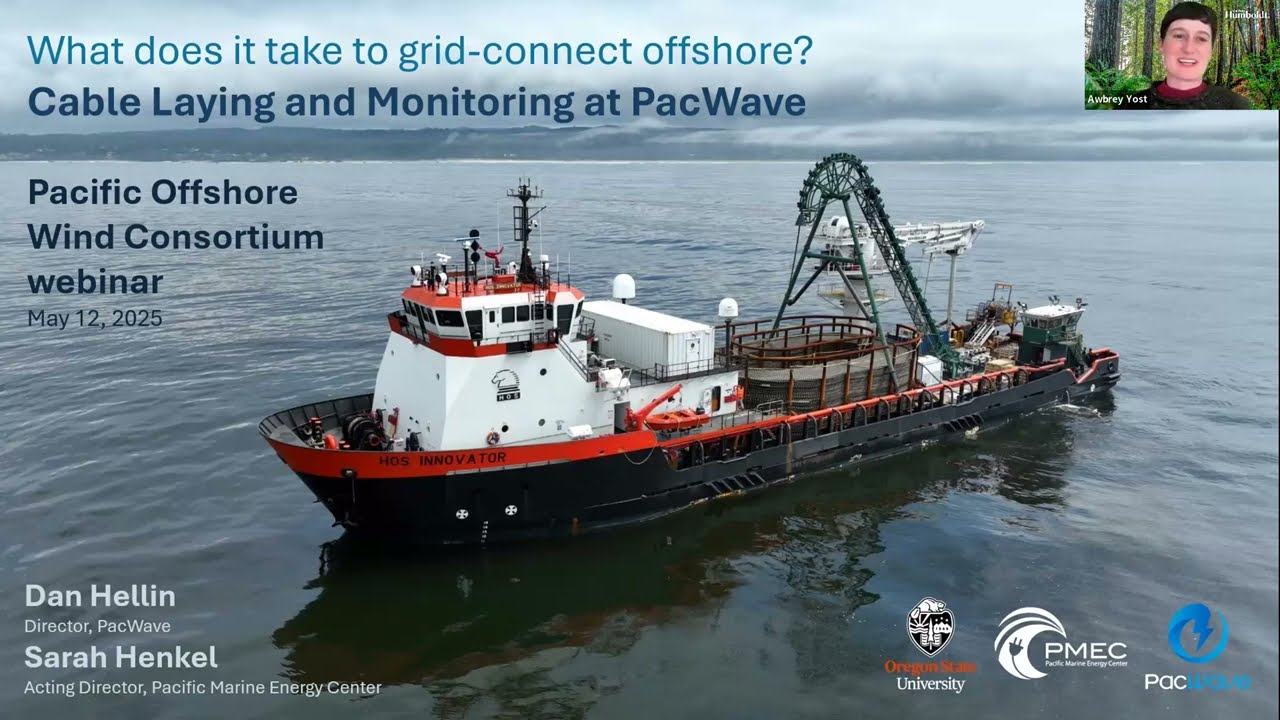
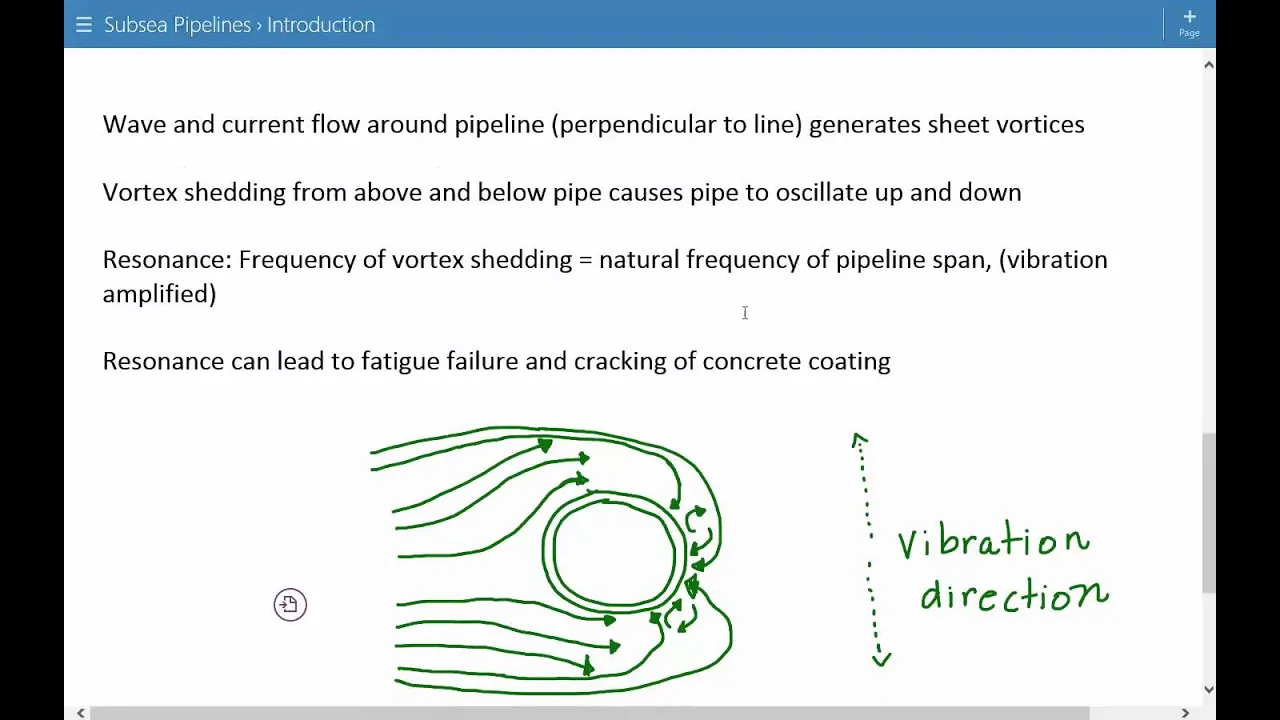
Fallpipe vessels are specialized ships that use a long, flexible pipe system to drop rocks onto the ocean floor, creating a stable bed for laying oil and gas pipelines in deep water environments. These vessels can operate at depths exceeding 900 meters, far deeper than previous vessels, by using remotely operated vehicles (ROVs) with cameras and sensors to guide the pipe with pinpoint precision. The rocks are custom-cut granite pieces that fill depressions and level the uneven seabed, preventing pipeline rupture from terrain stresses. This technology enables access to untapped deep-sea oil and gas resources that were previously unreachable, with the ability to drop thousands of tons of rock per trip to create the necessary foundation for pipeline infrastructure.
MV Storis: Deep-Sea Rock Placement Vessel for Pipeline Protection
Added:This ship is ready to rock. This is Storis, the newest, most sophisticated rockdropping vessel on the planet.
>> It's designed to beat the record.
>> Her goal is to make deep sea history.
Working over a kilometer down to level the path for the pipelines that fuel Europe.
>> Everybody's eager to get to that depth.
We are nearly on the edge of the safety zone. If she succeeds, Storis will open up a brand new world of oil and gas exploration at the bottom of the sea.
Storis is the newest chip of her [music] kind, working in the competitive world of offshore oil and gas.
She's what's called a fallpipe vessel.
One of only a few ships in the world built to lay rocks as a bed over which oil or gas pipelines are laid.
Storis can install rocks faster and deeper than any of her rivals.
It's a point of pride for the man in charge of rock dropping, Dave Mloud.
>> Alan, we are going to KP 975 [music] and you can give me a skin at 972.
This vessel is definitely far far above the the standard. The the setup of the whole vessel is is very good. Other vessels they they need really good weather. Maximum 2 3 m waves. We can work up till four or 5 m.
>> On the deck of the ship is a snake like pipe. It acts like a funnel for the rocks that will be dropped to the bottom.
The pipe is lowered through the middle of the ship all the way down to the sea floor. Rocks fed from the ship's cargo hold fall through the pipe, giving it the name fall pipe.
>> We are ready to start launching.
>> At the end of the fall pipe is a large yellow remotely operated vehicle or ROV.
bristling with cameras [music] and sensors to guide the pipe. The ROV has powerful thrusters which move the bottom of the pipe along just a few meters above the ocean floor, giving it pinpoint precision when laying rocks.
The fall pipe on [music] Stor can descend deeper than the world's tallest building is high, more than 900 [music] m.
The ocean floor is not a flat beach.
Underwater gas pipelines must [music] negotiate rolling terrain and stretch across wide gullies. The stresses are enough to make the pipelines rupture.
The rocks dropped by Storess form supports in those gullies. So when the pipelines are laid, they remain secure.
For Storis' first deep water job ever, energy giant Shell has hired the ship to lay rocks at one of the most challenging sites in the world.
The Orman Longa gas field lies 120 km off the west [music] coast of Norway.
Orman Longa already supplies 20% of the United Kingdom's [music] natural gas.
Storis is laying the foundations for two new pipelines, each 5 km long, [music] at depths ranging from 800 to 1,000 m.
In all, she will drop 450,000 [music] tons of rock to complete the job.
This project will establish the new ship's credibility, and she has just 2 months to pull it off.
I think everything is shut up now.
>> Yeah.
>> At the helm is an experienced captain who is eager to see how his new ship will perform on her first deep water mission.
>> It's a very big challenge for us that uh we have a new vessel. We are experimenting with a new vessel. Uh we have a new crew and we all have to get familiarized with this new uh equipment.
It's a big challenge for us.
>> No fallpipe ship has worked deeper than a,000 m.
Storess is built to break that threshold.
If she succeeds, she will open up access to a whole other level of deep sea oil and gas exploration.
We'll get confirmation on that today.
>> Les Sturgeon is the Shell representative aboard.
>> It's not decided yet, but there is talk of pushing development into deep water further north on this project. So, should that development come, Shell would like to know that this vessel can work in those water depths.
>> The entire crew has an eye set on the deep water record, including Sergio Vanpelt, the assistant fallpipe superintendent.
All stop there. All stop.
>> You're talking 1 th000 meters. So we're pushing the the system to the limits then.
>> Yeah. We're going to be pumped up for it. Of course. Yeah. You're trying to set a record. So everybody's going to be eager to get that uh to get to that depth.
>> It's just after 900 p.m. in the fjords leading to the small seaside town of Avoy, Norway. Storis is here to pick up the first 27,000 tons of rock she needs to do the job.
She is one of the largest ships to ever sail into this port.
175 m long, 25 m across with a crew of 50. Storess is the second largest vessel in her class.
Being the newest, all eyes are on her until she proves her place [music] as the world's best rock dropper.
The local harbor pilot comes aboard to help bring in the huge ship.
>> Hello >> on the bridge.
>> Hi.
>> How are you?
>> Hi.
>> He is now in charge.
>> Going straight alongside.
>> Uh yeah, this one is moreing uh on starboard side.
>> All right.
>> Full speed.
>> Sir, we're going to run first the morning route.
>> Yeah. Okay. Second, >> a moing crew sets out from shore to fight the elements and tie the ship down. It's freezing cold and blowing snow, typical for January.
>> Mara, slack a little bit.
>> Profeted by waves, the crew struggles to get the huge ship snug against the pier.
Right next to the docks is a huge quarry which will feed Storas her load of rocks.
Okay, thank you.
>> Seeing you again.
>> See you.
>> Now it's time to start loading the rocks.
The 3 and 1/2 ton hatch on the first giant hold opens.
The conveyor belt from the quarry moves into place.
A backhoe and bulldozer work together to dump rocks onto a conveyor that stretches across the jetty to Storis.
Storis can hold a whopping 27,000 tons of rocks.
As each hold fills up, the weight is enough to actually bend the hull of the ship. So, they follow a specific loading sequence that reduces that stress and prevents the hull from cracking. [music] The rocks are granite and custom cut to no more than 12 cm across.
The loading continues nonstop all night at a rate of 1,800 tons an hour.
While rocks tumble into the mammoth holds, deck engineer Pedro Defradus is racing against the clock to load supplies.
>> I'm only going to be until midnight, but I'm sure my reliever is going to keep all night doing it.
>> Time is money. Once starts her job, overlooking even the tiniest [music] item could prove critical.
12 hours later, the Arctic winter sun still isn't up, but a mountain of rock is now on board.
>> Uh, Jake, Captain, >> go ahead. Captain Ed.
>> Yeah, Jr., as soon as the pilot has arrived, he can let go the gang way and then the forward and off springs.
>> On the bridge, Captain Ed Noctagal gives the order to cast off.
>> Pilot on board.
Okay, thank you. For ship, off ship, Lego, bowspring, and stern spring.
>> The captain leads the rock heavy ship out past the treacherous shores at the mouth of the fjord and into open seas toward Orman Longa.
Loaded to her maximum, Storis will now attempt to lay 27,000 tons of rock. 1 kilometer down on the bottom of the sea, the fallpipe ship Storess is on route with 27,000 tons of rock. Her job is to build supports that will level out the ocean floor for [music] a new branch of gas pipelines, the latest in a web of subc pipelines that fuel Great Britain.
The ship will drop these rocks and then come back to port over and over round the clock until the job is done about 18 times in 2 months.
Storams full speed for the Orman Longa gas field 6 hours away. She's left port 2 days ahead of schedule, but the weather waiting for them at the work site threatens to stop them cold.
Captain Ed Noctagal knows it all too well.
>> We have the conditions when there is a depression starting from Greenland or from America that comes to Europe. It has the possibility to build up uh the waves.
>> If waves exceed 5 m, the fall pipe cannot be deployed. Less sturgeon is the shell rep aboard.
>> We are limited to the weather conditions we can work in. We have something called a significant wave [music] height and the knockoff is about 4 and a half, 5 mters.
>> Once they get to the site, decision making goes to the [music] fallpipe superintendent Dave Mloud.
>> It's going to be extremely difficult. As seated at the moment, we have wave heights 5 m. You can see the rolling off the vessel. Uh I give it a 50/50 chance.
As worried as he is about the waves on the surface, Dave is even more concerned about the strong underwater currents of the Norwegian Sea. Surface currents move in one direction. Those in the deep move in another, which can twist the fallpipe into an S shape, making the entire operation much more difficult, sometimes impossible.
>> I really hope everything goes well. If I have the impression the weather will uh force us to stop because it will give us too much problem. I will not take the risk to go down. It has to go the first time right. If it goes wrong then we have big problems.
>> With Storaming out to the site, Chief Engineer Mark Vanderto and Chief Officer Reamer Van Dornne head below decks to inspect the ship's massive conveyor belt system.
>> Hello, Bridge. Uh bridge river bridge come in.
>> Okay, JR, can you discharge uh from the port side tunnel belt, please?
>> It's one of a kind, brand new, and it's the lynch pin to the fallpipe system.
Success.
>> Okay, we're going to discharge the port side belt.
>> They test the belts with a small amount [music] of rock.
>> So I can check if everything is okay, if it's falling from the gate.
A complex conveyor system runs almost the full length of the ship.
This moves the rocks out of the holes and into the fallpipe.
In all, there's almost a kilometer of conveyors running up and down the ship.
>> Okay, thank you. Can we do now the starboard tunnel belt, please?
Jay, >> this one we need to put a new uh valve.
>> Yeah, this one we have spare.
>> This one.
>> If any one of these belts gets damaged, the whole system shuts down.
>> For example, there can be a metal plate coming loose in the cargo hold and can go on the belt, can cut all the belts.
Uh hydraulic spill can happen and a lot of things can go wrong.
>> Well, there are so many moving parts and so many things which are still obviously new. But yeah, as long as it's machinery, everything can and eventually will break down.
>> For their client, Shell, that's not an option. In just 2 months, another ship is scheduled to lay pipe on top of the rocks. Storess has been contracted to drop. Delays here could cost millions of dollars if the job isn't done before the pipeling ship arrives. Storess must succeed.
6 hours later, Storis arrives at the job site. Amazingly, the weather has improved.
The seafloor here is rugged. The crew is eager to get to work leveling it out by deploying the fall pipe and laying some rocks.
First step, launch the device fixed to the bottom end of the fall pipe, the remotely operated vehicle or ROV.
>> Let's go. Okay, Bridge, we are ready to start watching.
>> Storis has a trapped door in her hull.
It's called the Moonpool.
It opens to reveal a gap large enough to [music] drop an 18-wheeler down through the belly of the ship. The ROV is equipped with four cameras and three [music] sonar sensors that are the crew's eyes to the ocean floor.
Controlled by pilots on the ship, it has [music] thrusters, small, powerful propellers to maneuver it.
From a height taller than the world's tallest building, rocks will fall through the fall pipe onto their precise target, give or take just 20 cm.
This ROV [music] has never been deployed in waters as deep as this, and the crew is eager to see how it will perform.
The ballpipe uses a series of open cylinders called buckets held together by chains.
The buckets fit together like Russian dolls and stretch apart as they drop through the moonool.
At full length, the chains alone weigh 17 tons, and the fall pipe can be a staggering thousand m long.
Storas can deploy her flexible fall pipe in less than 3 hours. Older systems on other vessels take 6 hours or more.
The entire operation is controlled from a location called the dump [music] desk.
It's the ship's nerve center, and Dave Mloud is at its hub.
They're keeping a close watch on the new ROV.
>> 100 200 300 m. Suddenly a problem.
>> Sergio Vanpelt heads to the moon pool and discovers it's a big one.
>> Now we have an electrical problem on the RV. So, we're trying to figure out if we can sort it whilst the RV is down in the water. If that's not the case, then we'll have to recover the buckets and after that recover the ROV and see what kind of problem we have. Solving the problem might be a big deal.
>> The brand new ROV is completely dead and they're only onethird of the way to the bottom.
>> So, what we're trying to figure out is if we can uh resolve the problem on software wise on the control panel on the bridge. Hopefully, we can get it working again.
>> If the dump desk crew can't solve the problem, the fall pipe will have to come back up to the ship, and that's not in the schedule.
Once the ROV fixed to the end of the fall pipe is deployed, it's meant to stay down until all the rocks are dropped.
>> We will take up the arms and we keep it here for a few minutes before we go down. All right.
>> They switch power to one of the other umbilical cables, the lifelines between the ship and the ROV.
>> Suddenly, the ROV comes back online.
[music] >> Everything is switching.
>> The glitch seems to be fixed.
>> Okay. Uh Dave, copy that. Continue uh launching.
Minute by minute, meter by meter, the fall pipe is lowered almost a kilometer into the ocean.
Then at 900 m, another blackout.
The ROV once again goes dead.
>> The launching went very successful. Just when we were about to start [music] working at 900 m, the RV suddenly uh became dead. Uh meaning we lost electronics on the RV. Uh we have an earth fault somewhere in the system.
>> The pilots scramble to recover communication with the ROV. Meanwhile, chief deck engineer Fred Dour racks his brain. Is >> that what you're giving me to the midship?
>> He suspects there is a problem with the second umbilical cable.
I think our umbilical has damaged somewhere.
>> I don't know where.
>> On the first ever deep sea deployment of the fallpipe, [music] the entire operation is dead in the water and Storis hasn't even dropped a single rock.
It's day two for the fallpipe vessel Storess on her first ever deep water job. Her brand new ROV is malfunctioning, lifeless, and the mission is at a halt.
Her task is to drop thousands of tons of rock down a long pipe to level the ocean floor for a gas pipeline expansion.
The crew switches over to the third and final set of communication lines on the ROV. The cameras are offline, but other sensors are working and feeding sonar data back to the ship. It's time to [music] make a decision. Pull up and go back to port or keep working at the bottom of the sea.
>> Dave Mloud, the man in charge, has experienced failures like this before.
He knows they can safely operate with the sensors that are working.
>> Just give it a try. We start everything up. Uh we just have a look for half an hour. See how it goes and keep an eye on the bend.
>> Okay.
>> If he's wrong, he's wasting precious time on a job where time is the one thing they don't have.
Despite the technical setback, Mloud keeps his cool. It's a new ship and he knows things can go wrong in the first few voyages.
>> In normal life, it would be quite expensive. However, we have calculated with the start of new vessel, you will have some problems.
>> Assistant Superintendent Sergio Vanpelt works with the ROV pilot in pitch black water. It's hard, but they navigate with sonar alone, seeing the bottom with sound.
One collision with the sea floor and the operation is done. There is no backup.
>> How far down you need to go?
>> Take them another 10 m to the south, please.
>> Success. Without video, the skilled crew manages to guide the fall pipe within mere cm of the exact position. Dave Mloud's experience has paid off.
>> Exciting. The first rock at 900 m.
quite happy with that. So I hope the problems are solved. Um not 100% confident yet. Um but uh let's hope we can continue working. Now the diff difficult task starts to get all the rock in the right place.
>> Before a single rock can be laid, the ROV does a sonar survey of the bottom to confirm that their existing map of the sea floor is correct.
Surveyor Bartas Kowalsik knows there's a real challenge here.
>> Orman Langa is very strange environment.
It's not completely flat like in the UK.
In here you can see plenty mountains, plenty deeps, a lot of different features on the seabed.
This is extremely difficult.
>> End of survey.
>> The critical job begins with the data the survey team now gathers from the ROV.
>> Yes. There's survey on the location 5025 south and uh I would recommend to use the aft one.
>> Okay. Right.
>> Oh yeah. Thank you.
>> Yeah. Okay.
>> Chief surveyor Robert Kroll takes the data from the ROV to map out where the pipeline will eventually go and where the rocks need to be laid.
>> There's no pipeline yet. So we design our own grid over the working area. And that is just a square grid of of lines crossing each other. And we take one line as the main line, which is always the long line, and we navigate on those lines.
>> All the while, Storis is kept in place over the work site by a system called dynamic positioning. GPS communicating with the ship's thrusters ensures that she doesn't move more than 50 cm, even in 3 m waves. The system is among the most precise in the world.
>> The data is confirmed. The site is about 70 m across and 40 wide with depressions as deep as 3 m.
>> Fear is on.
>> The fall pipe's job is to fill in an uneven area of the ocean floor with tons of rock.
The rocks provide supports for the pipelines that will be laid here in 2 months.
Without those supports, the gas lines could rupture.
>> I need you to come 50 m to the uh east.
>> 50 to the east.
>> Yes. And then stop on track.
>> Stop on track.
>> It's quite amazing that we can achieve that at uh at this depth. It's uh it's interesting to see that uh that it actually works.
>> Go to KP975 if you can. Despite problems with the ROV cameras, the dump desk uses the sonar sensors to lay rocks in exact position.
The complex web of conveyor belts transfers tons of rocks out of the holds.
They feed directly into the fall pipe, which dangles hundreds of meters below the ship.
The rocks leave the mouth of the fallpipe and fall to the ocean floor to fill this depression, exactly where the future pipeline will go.
Every hour, the weight of 10 locomotives pours down the fall pipe. But problems with the ROV are still a big concern.
A few hours later, their worst fears come true. Another complete failure. All communications with the ROV are lost.
For the second time in as many days, work aboard Storess grinds to a halt.
With no quick fix in sight, the fallpipe vessel Storess is on a critical job.
laying rock on the ocean floor to support a new gas pipeline that will fuel Britain.
Almost a kilometer underwater, mere meters from the sea floor, her brand new ROV is completely dead, putting their multi-million dollar job at risk. Dave >> operations chief Dave Mloud declares its situation critical.
The ROV and the entire fall pipe have to come back up on deck.
Dave's right-hand man, Sergio Vanpelt, thinks Storas might even have to go to shore to fix the problem.
>> Most of the problems we can fix ourselves on board. this seems to be a little bit uh bigger problem or deeper problem. So, we might have to call in a technician from the uh manufacturer. If that's the case, then we're going to go uh going to be going in 2 days early.
So, we're going to be losing 2 3 4 days production time. That's not good. That's not good. That's not what we want.
>> So, if we switch off and just get get the cable out and then switch on again, let's see what's happen.
>> It's taken 3 hours to bring the complete ballpack back on board. Now, chief deck engineer Fred Dour and the ROV pilots hope they can find the problem.
>> So, this means this cable.
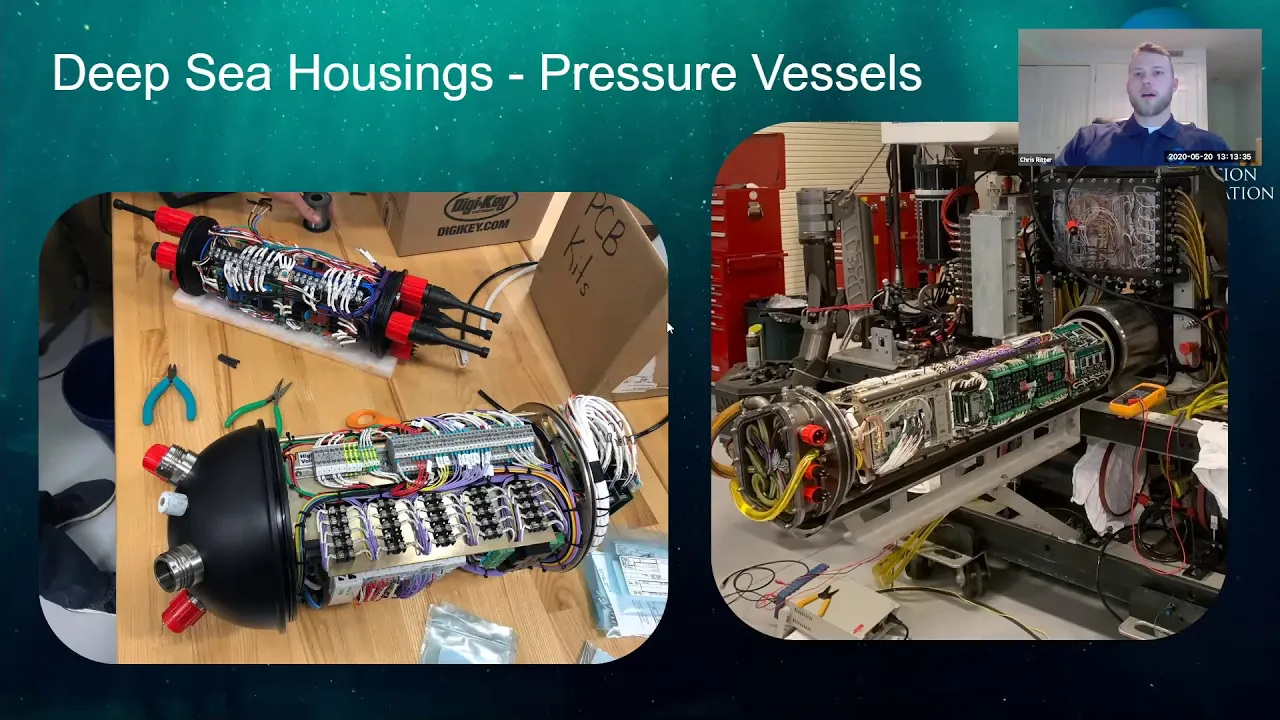
>> The problem with the ROV at this moment is that uh we have a line insulation problem. So, this means that somewhere is a shortage. It can be water ingress or maybe dodgy cables because we are at 1800 m water depth. There's a lot of pressure on. So, we're going to do some troubleshooting and going to do some measurements because I don't want to do this uh again.
Hoping to be way ahead of schedule, Storess could be set back days.
And maybe we [music] have to check the rotating junction boxes as well. Maybe there's moisture inside.
>> The team finally comes up with a solution. Rewire the ROV.
>> We think we got the problem solved. It's a moist connector. And as soon as you get water into the uh contacts of electricity, then the system just shuts down.
>> They reinssulate all the wiring and move the wires away from the powerful thrusters that propel the ROV.
>> These uh cables that are damaged, there are two cables that are near the thrusters. We have to reroot the cables so it has less problems with with the shaking vibration of the motors.
6 hours later, they've completed the rewiring job and the ROV springs to life. It works on deck, but will it work? Nearly a kilometer down at the bottom of the seat. Dave gives the go-ahad to lower the fall pipe and ROV again. He hopes the problems are solved.
He can't afford to lose any more time.
The news is good.
All functions of the ROV are working perfectly.
The fall pipe is deployed to the correct position and 4 hours later the job at the first site is complete.
Storus moves on to her next work site just 2 kilome away.
This is the big one. They will offload almost 10,000 tons of rock on this 120x 50 m site at a full 900 m down.
The job starts with an exacting survey.
>> It's a virgin location. I'm looking forward to this one.
>> It's not an easy one, but hey, we're working at 900 m.
Going forward to 976.
>> A little bit to the left.
>> Bit to the left.
>> And you can come forward.
>> Forward. Slowly forward.
>> Slowly possible.
>> This is indeed a counterfill in an area that is at the moment very uneven. Um so we have to make it reasonable flat and that is quite difficult.
Got to reset the drop.
>> The crew must remain totally focused in this mountainous terrain to avoid an underwater collision.
>> Little bit to the left. Mark to the left.
Levi, can you come 2 m south?
>> 2 m out.
>> Okay, Mark, you can come to KP975.
>> The new wiring on the ROV is holding.
>> Offset is completed, bird.
>> Thank you.
>> Okay. The technical survey is complete at this second site.
>> Starting at the tip left, >> conveyors from the holds now move rocks up and down the ship, leading them to the hopper that funnels into the fall pipe.
From there, they drop 900 m, [music] more than twice the height of the Empire State Building, to a precise position on the ocean floor. Uh tower tower uh bridge.
>> How is the position in us? It's >> okay.
>> It's okay. Can you come 2 m south is 2 m out please.
>> Surveyor Bartas Kowalsik carefully watches the ROV's readouts fearing another failure.
>> What do you want to do next Peter?
>> Well after the survey we track through the mainfill area and we just do a little sprinkle >> Mhm.
>> on the corners. And the plan is that we uh touch the corners here. We got the profiles.
>> We still 11 m to go to the north.
>> We made it easy for you.
>> Of course, it's efficient.
>> Of course, that's what I like. That's what I like. Give me the easy jobs.
>> We'll do 60 tons here and then we'll land on the uh total south.
>> Finally, Dave Mloud is feeling like things are on track.
>> Focus going very well. We're very happy.
>> Over the next day, rocks are deposited on precise targets throughout the site.
>> We keep here just a little bit longer and then we go again forward a little bit for the ditch to the left.
>> The crew can take their first breather and that includes workouts, not so high, >> haircuts, >> and emails home.
The ritual of meal time holds crews together on all ships.
>> On [music] working ships like Storess, it's then that the crew finds time to talk about things other than rocks and ROVs.
>> Can you rise the ROV just a meters?
Within hours, the undersea depression at the second site is filled. The holes are empty. No more rocks. Time to pull up.
>> Ready for recovery.
>> Okay, Sergio. [music] Starting recovery now.
>> Copy that.
>> But just as the fall pipe is being retrieved, a new problem. 65 m from the surface.
>> There's a lot a lot of current.
>> The current is carrying the fall pipe away from the ship, smashing it against the sides of the moon pool. Storess moves with the current to center the fall pipe, but that's carried her close to the safety zone of a nearby drill ship.
>> Captain Ed Noctagal knows the rules. He can't enter the safety zone without a permit, but he also wants to get the fall pipe back on deck without damaging it.
>> The captain monitors the delicate situation from the deck.
>> We are retracting the ROV now and the fall pipe. We are nearly on the edge of the safety zone and uh basically we're not allowed to enter the safety zone.
The ROV [music] is stuck, dangling 65 m from the bottom of the ship. And with strong currents bending it away, there's no way to retrieve it.
Storis is one of only a few ships in the world that can level the ocean floor with rock, dropped down a flexible pipe that is 2 and 1/2 times the height of the Empire State Building. [music] But now that pipe is bending precariously in the current, retrieving it has brought Stor dangerously close to the safety zone of a nearby drill ship.
Chief deck engineer Fred Dbor is fighting the current to reel in the fall pipe quickly, but it's smashing against the side of the moon poolool and can't just be dragged up.
>> There's a lot of current, so we have now a little bit of struggle trying to recover. So that's a bit of a problem at this moment. So we have to look how we deal with this.
But then the current subsides just enough to haul the remaining pipe and the ROV onto the ship.
Now it's a race against time. Move away from the other ship. Return to port, load up with more rocks, [music] and attempt the final, deepest, and most difficult drop yet.
>> That's okay.
6 hours later, they pull into port and immediately get to work reloading another 27,000 tons of rock.
At daylight, the crew quickly takes up the moing lines and Storis pulls away from the quarry. Then it's back out toward the Orman Longa gas field, 120 kilome away.
50 kilometers from their work site, the unforgiving Norwegian sea crashes in on her.
4 m waves rock Storis. Her working limit is five.
On the bridge, Captain Ed Noctagal keeps a close watch on the waves. The computer indicates they are within the working limit of 5 m for now.
Despite the rough seas, they reach their new deepest sight on time. Dave Mloud gives the word. Lower the fallpipe.
Hello, Mr. Kasaka.
>> Yeah. Okay. Yeah. Be careful of your fingers.
>> They try to work quickly to get the job done before the weather shuts them down.
>> And let's try a reverse, please.
Reverse. Same offset. Same speed. You're going north again. Speed setting.
>> The ship's thrusters are powerful, but no match for the power of the sea.
>> Our Ver are having a hard time.
The weather threatens to get even worse.
But despite the heavy seas, Dave wants to push the new ship to her limits.
We have a weather forecast showing that we get waves up to 7 m. I know that is not workable anymore, but can you still work at 4 m or 5 m or maybe six?
Rocks continue to pour down the ship's ballpipe.
The next day they are halfway through the job. Dave Mloud anxiously watches the seas from the bridge.
>> We pushing the vessel. We we want to see the limits but of course we have a safety margin. You I cannot just uh go over the limits at the moment. We are at a state that it's just uh getting to the end.
>> Storess has run straight into the realities of rough offshore work.
And as you can see the weather is picking up. I think we are almost the limits of making a good good rock b >> I think we are on the limits as well >> with the DP it's still tracking but it's not so reliable anymore >> with waves as high as the deck bounding them Dave makes the call >> okay it's going to be the last run after this run we're going to do one more survey run and then we bring up the system >> okay >> they'll have to wait out the weather and come back.
>> Okay, one more scan on the off, please.
Heater is off.
>> There's no possibility we can go now to deep water. Absolutely not. No.
>> Okay. When you are ready, you can stop your system and wait for the tower and then uh they can close all the sections to make it watertight.
>> Okay, that's it.
>> Now you can uh retract the uh the belt.
We'll stop the system. Then you can retract the belt only.
Okay, copy that.
>> Thank you. Okay, system stopped.
Copy.
>> Out on the deck, Sergio and his team secure the fall pipe as it comes up, getting ready to face the brunt of the storm.
>> Come on, Robert. Push some gas in there.
>> Now, a new problem. The ROV is tangled in its umbilical cables 20 m down.
It's stuck and it can't be raised or lowered.
The huge robot swings precariously as the ship is hammered by waves with no solution in sight.
Hounded by weather in the middle of the Norwegian Sea, the ship Storess now faces a big problem.
We have three cables hanging on the RV, actually holding the RV, and one of them sort of got uh a hold of the RV while the other twos were slack.
>> Her ROV is stuck just below the ship's open moon, and it can't be reeled in.
>> We don't want that situation. That way, the the RV comes into an angle and we cannot recover it properly. The ROV has three umbilical cables which the crew uses to keep it level. Now one is tangled. Using the other two, they [music] managed to get the ROV level enough to free the tangle. They gently haul the ROV into the moonpool.
>> The crew lashes it down for the rough ride back to shore.
We finished everybody in the accommodation.
Okay, we we are I'm going to check to see if everything secured.
>> Storess is daunted but not defeated.
>> She has proven that she has what it takes.
>> It's absolutely brilliant. It's the first time we have been to 900 m. Storis has successfully filled her first two sights at a speed no other fallpipe vessel can match all at depths of almost a kilometer. The >> performance of the vessel is is really much better than previous vessels I've been on. Um the whole rock installation uh equipment is so good. Yeah, I'm extremely happy.
>> So we're making full speed now 14 and 12 knots.
She heads for port to reload with rocks for the next part of the job.
She'll finish this project on time over the next 2 months, dropping half a million tons of rock in the Orman Longa gas field.
Now the pipeline can be laid on the level sea floor.
And if she can work in the treacherous mountain ranges of the Norwegian Sea, Storis has proven she can work anywhere.
>> Start of survey.
>> The best the best of all is just to stand up with your chest out and say, "Yeah, we did that. Nobody else can do it.
>> Her crew is proud of her >> and the critical job she does.
>> Hello, Noel Rimmer.
>> Yeah, of course. We always like to go to the highest output, the deepest water.
You feel uh great. You feel like I'm the I'm the king of the rock dumping industry.
Storis works day and night to level the bottom of the sea for the pipelines [music] that fuel Europe. And thanks to this ship, new untapped resources below the seafloor are now within reach.
Up Next

Sir Joseph Bazalgette: The Engineer Who Reshaped London's Sanitation
@gilesmcmullen
4.1M views•2025-10-08

Ultrasonic Transducers: Resonant Frequency Measurement and Horn Design
@imajeenyus42
229.9K views•2017-02-22

Polymer Environmental Degradation: Mechanisms & Stabilization
@iit
1.8K views•2012-07-10
How a Student's Question Saved a NYC Skyscraper from Collapse
@veritasium
22.8M views•2025-04-26
Related Study Plans & Knowledge Roadmaps
Structured learning paths in Engineering