













![경제학 추천서 01. 죽은경제학자의 살아있는 아이디어 [3] 데이비드 리카도](https://i.ytimg.com/vi/P3xNT5B2efk/maxresdefault.jpg)





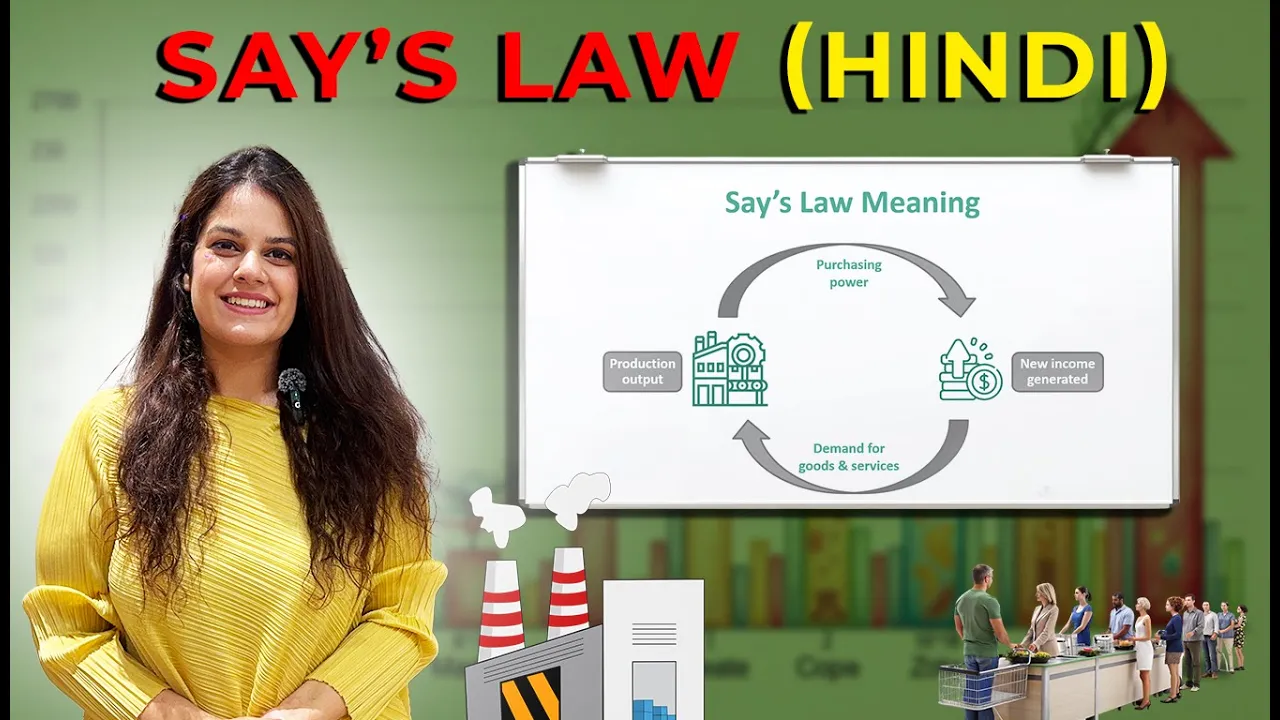
Say's Law of Market, propounded by French economist JB Say, states that supply creates its own demand without government intervention; in a free market economy, the production of goods and services generates sufficient income through factor payments (rent, wages, interest, and profit) to purchase those goods, ensuring no deficiency of demand or overproduction occurs in the long run.
Say's Law of Markets: Supply Creates Its Own Demand
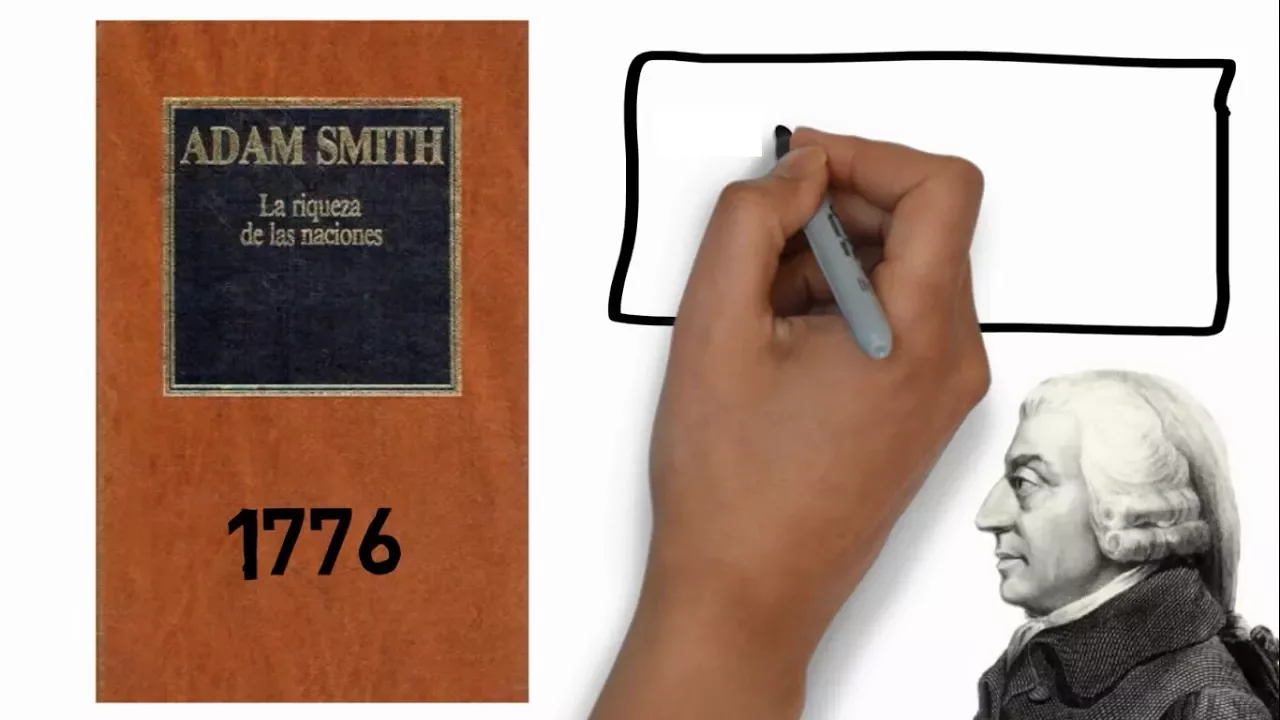
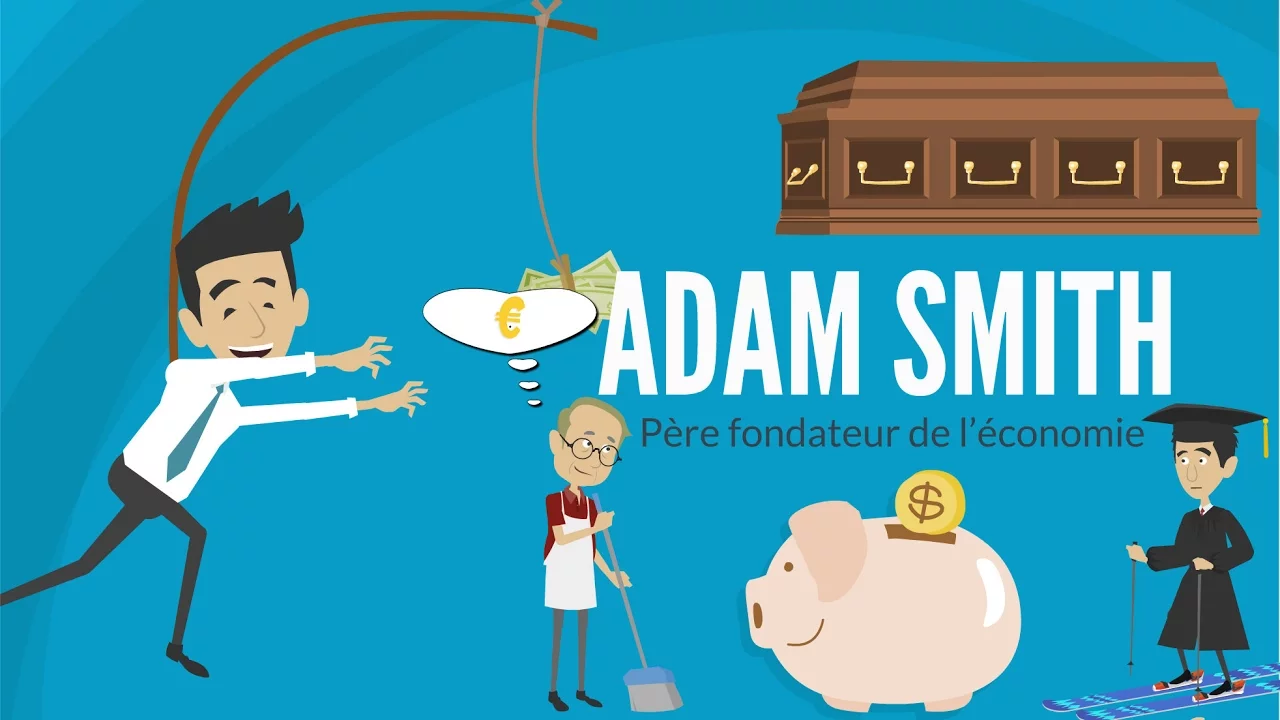
Added:Basic principles of Classical Economics, including Adam Smith's concept of the 'invisible hand' and laissez-faire policy.
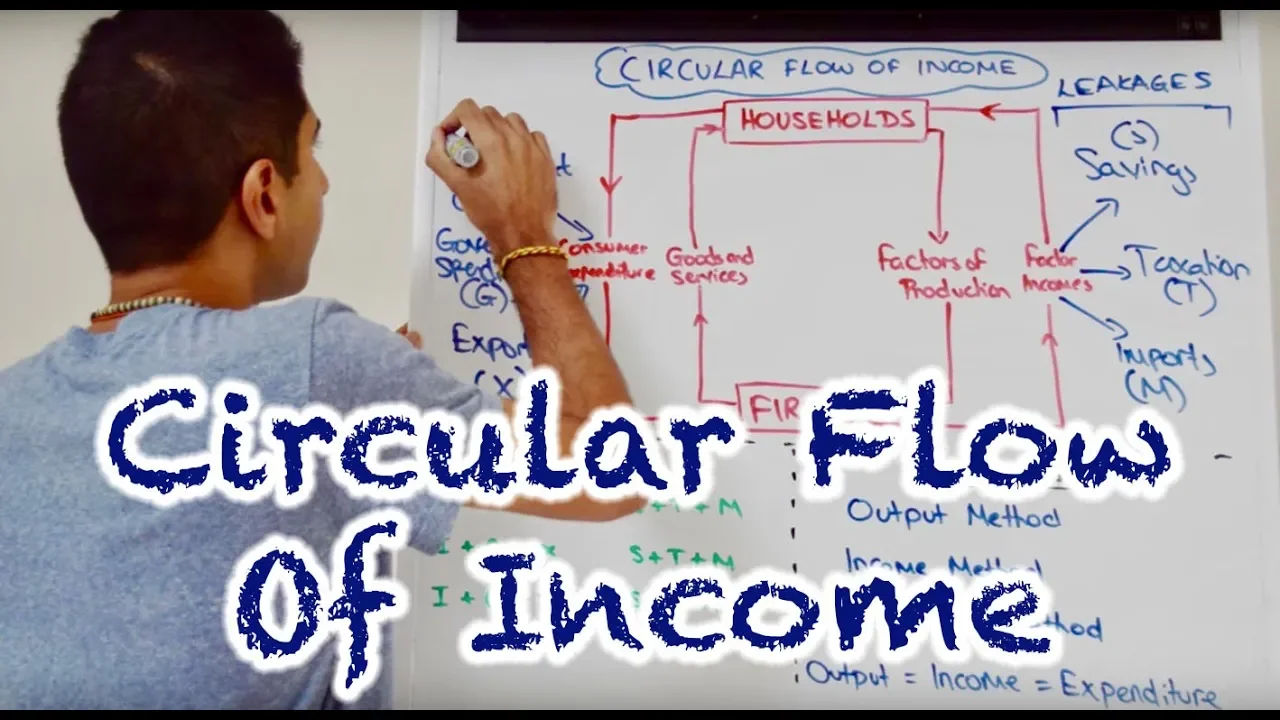
The Circular Flow of Income model, which illustrates how production generates income that is subsequently spent on goods and services.
Fundamental microeconomic concepts of supply, demand, and how market equilibrium is established.
The classical assumption of flexible wages and prices, which allows markets to self-adjust.
The Keynesian Critique of Say's Law, which argues that demand drives the economy and that aggregate demand deficiency can cause prolonged unemployment.
The 'General Glut' Controversy, exploring the historical debates between J.B. Say, David Ricardo, and Thomas Malthus regarding overproduction.
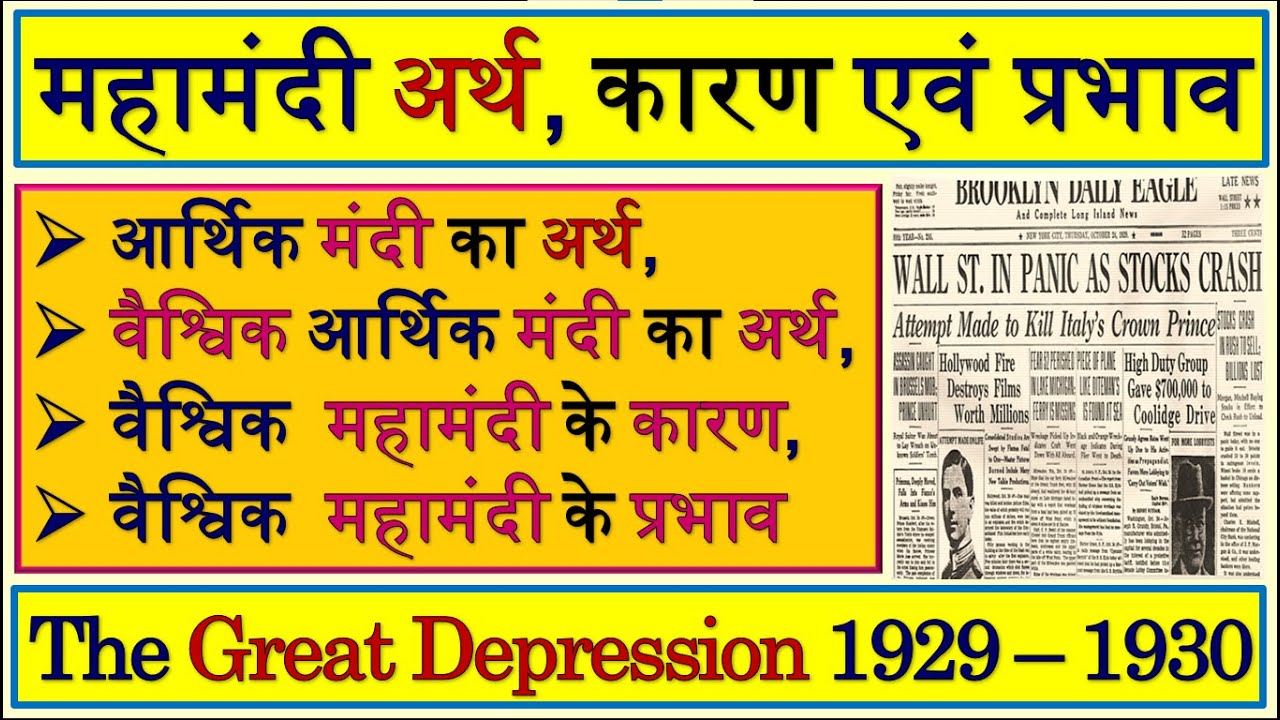
The Great Depression as a historical case study that challenged classical economic assumptions and led to the birth of modern macroeconomics.
Modern Supply-Side Economics (often associated with Reaganomics) and its focus on tax cuts and deregulation to stimulate production.
9.9K views95likes6:00Original Release: 2018-12-18
i offense this is a joke lecturer in economics in this video I am going to explain the law of market the law of market is propounded by JB say a French economist classical theory of employment is based on this law of markets mainly the first part of this classical theory of employment is based on this law of markets here product market equilibrium is there which is a part of the classical theory of employment that is explained by JB say with the help of this law of markets law of markets is propounded by JB say according to this law of markets the supply creates its own demand without anybody's intervention here the main concept of this slice supply creates its own demand without the intervention of anybody anybody means without the intervention of government right and moreover he says that there is no deficiency of demand in the economy according to that level of demand output is produced by using all factors of production so as the factors of production are implied by the producer the level of output increases then the supply also increases so in the long run the supply of the commodity creates its own demand therefore supply becomes equal then it is said to be that the economy is in equilibrium then here we have to understand how the supply of a commodity creates its own demand here you see facts of production or for land labor capital and organization the owners of the FAFSA production are households means landlords are the owners of the land labels are owners of the labor capitalists are owners of the capital and organizers are entrepreneurs are the owners of the organization right so here these pots pit in the production process of output then for their services they get rewards they are rent wages interest and profit this is the income received by the owners of the facts of production this is the income received by the owners of the facts of production generally this income is spent either on consumer goods or on capital goods which is called investment either on consumer goods or on capital goods which is called investment or otherwise we can also say that the part of their income is spent on consumer goods remaining is saved with the banks remaining is saved with the banks all these savings are converted into investment right so the consumption expenditure and investment creates the demand for goods and services like that the supply of a commodity creates its own demand understood so here JB say says that there is no over and excess production of goods and services why because if anybody produces over output then the producer has to suffer loss therefore automatically he will reduce the production of goods and services therefore whatever is the demand that is the base band on which all the producers try to produce goods and services therefore it is said to be that there is no overproduction which leads in general to unemployment in the economy therefore in a long run all the facts of production are implied and output is produced and that supply becomes equal to the demand then there is no need the intervention of the government so without the intervention of the government the supply of a commodity creates its own demand this is what about the law of markets explained by JB's a French economist thank you thank you very much for watching this video
Up Next

5:33
Aggregate Demand and Aggregate Supply Explained | Macroeconomic Equilibrium
@mjmfoodie
315.5K views•2009-10-10
5:07
Impact of Yuan in Indo-Russian Trade Amid Sanctions
@WION
261.9K views•2022-07-01
10:33
Behavioral Economics Explained: Rationality, Nudges, and Risk
@crashcourse
1.1M views•2016-03-12

113:18
The Age of Easy Money: Fed & Inflation | Full Documentary
@frontline
21.2M views•2023-03-15
Related Study Plans & Knowledge Roadmaps
Structured learning paths in Economics
economics
Sovereign Debt: Defaults, IMF & Restructuring
01Introduction to Sovereign Debt & Government Bonds
02Debt Sustainability & Credit Ratings
03Anatomy and History of Debt Crises
+ 2 more learning modules
12h5 modules
Explore Roadmap
economics
Market Design: Matching Theory & Gale-Shapley
01Introduction to Market Design and Price-Free Markets
02Two-Sided Matching & The Gale-Shapley Algorithm
03School Choice Systems and Mechanism Design
+ 2 more learning modules
10h5 modules
Explore Roadmap
economics
Impossible Trinity: Forex, Capital & Policy
01Introduction to Monetary Policy and Central Banking
02Exchange Rates and International Capital Flows
03The Mundell-Fleming Model
+ 2 more learning modules
8h5 modules
Explore Roadmap
economics
Healthcare Economics: Market Failures & Systems
01Introduction to Healthcare Markets and Market Failure
02Asymmetric Information and Adverse Selection
03Moral Hazard and Insurance Design
+ 2 more learning modules
12h5 modules
Explore Roadmap