










![¿Podemos ser 100% Renovables? [Charla] 💡 Sígueme la Corriente](https://i.ytimg.com/vi_webp/yEqm6rVYhTc/maxresdefault.webp)




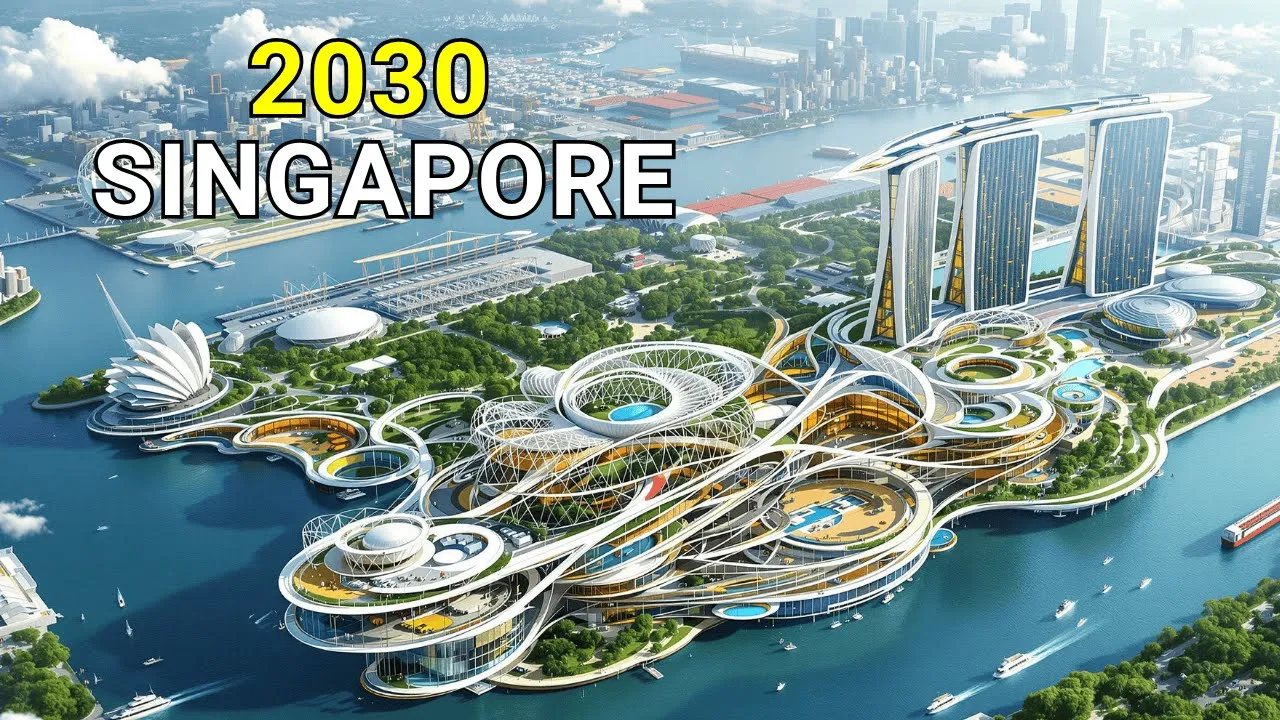





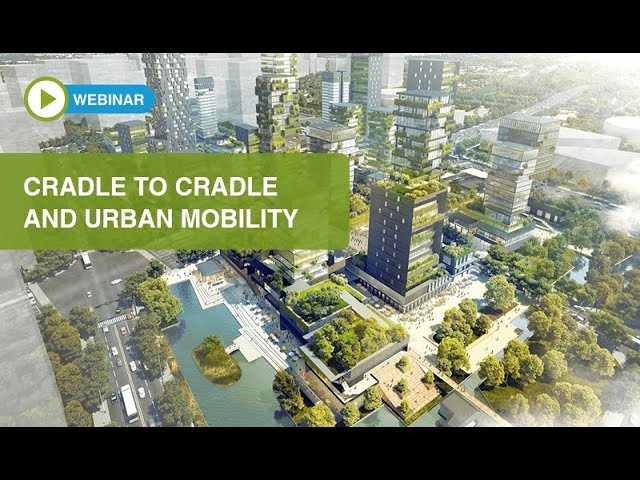
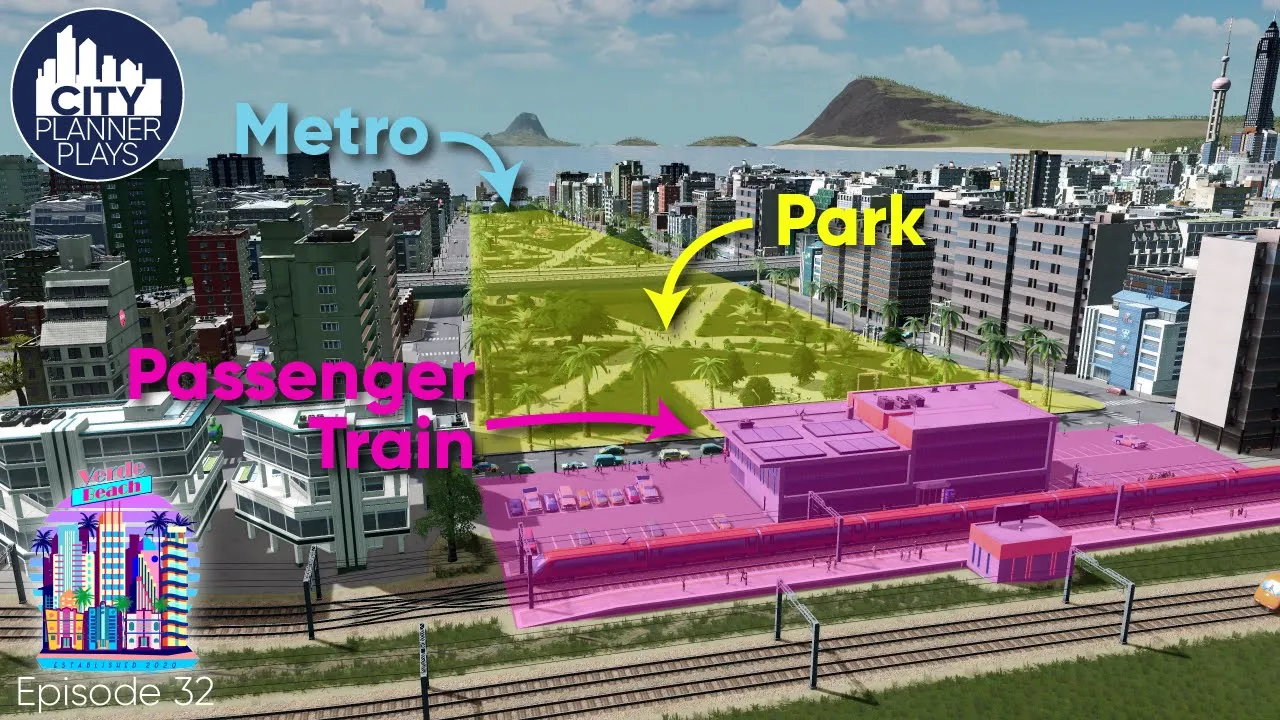








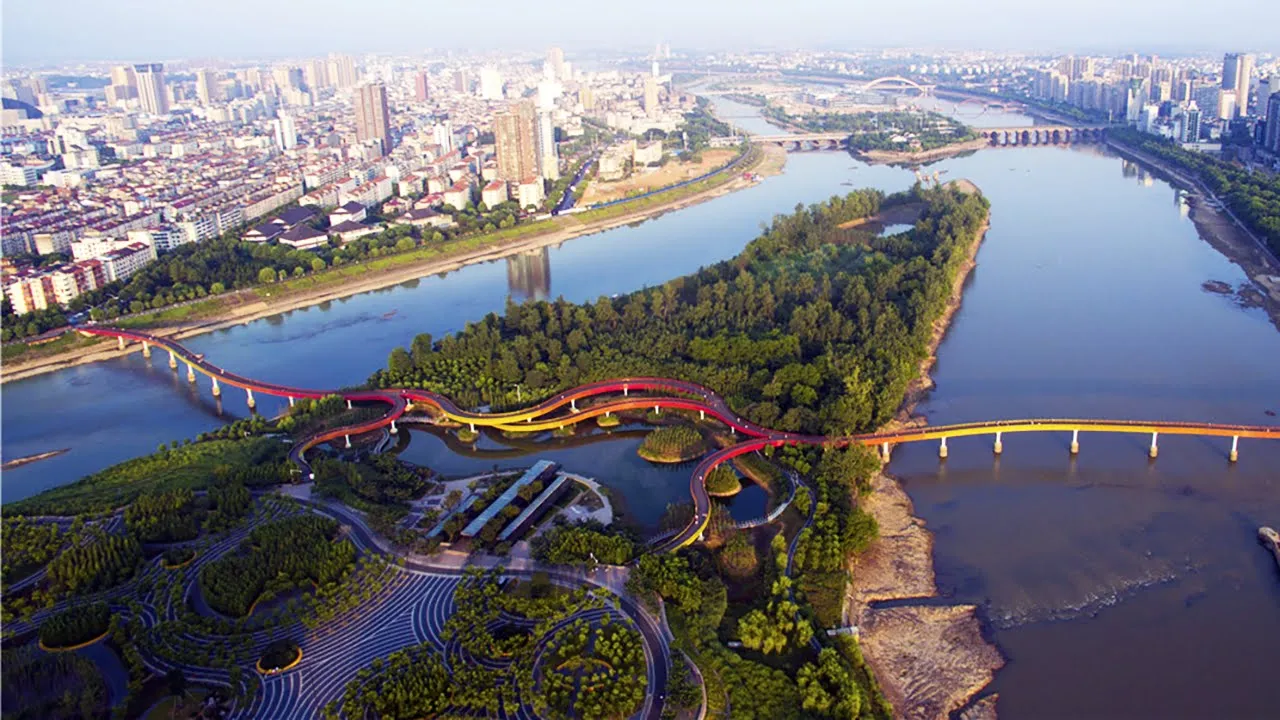
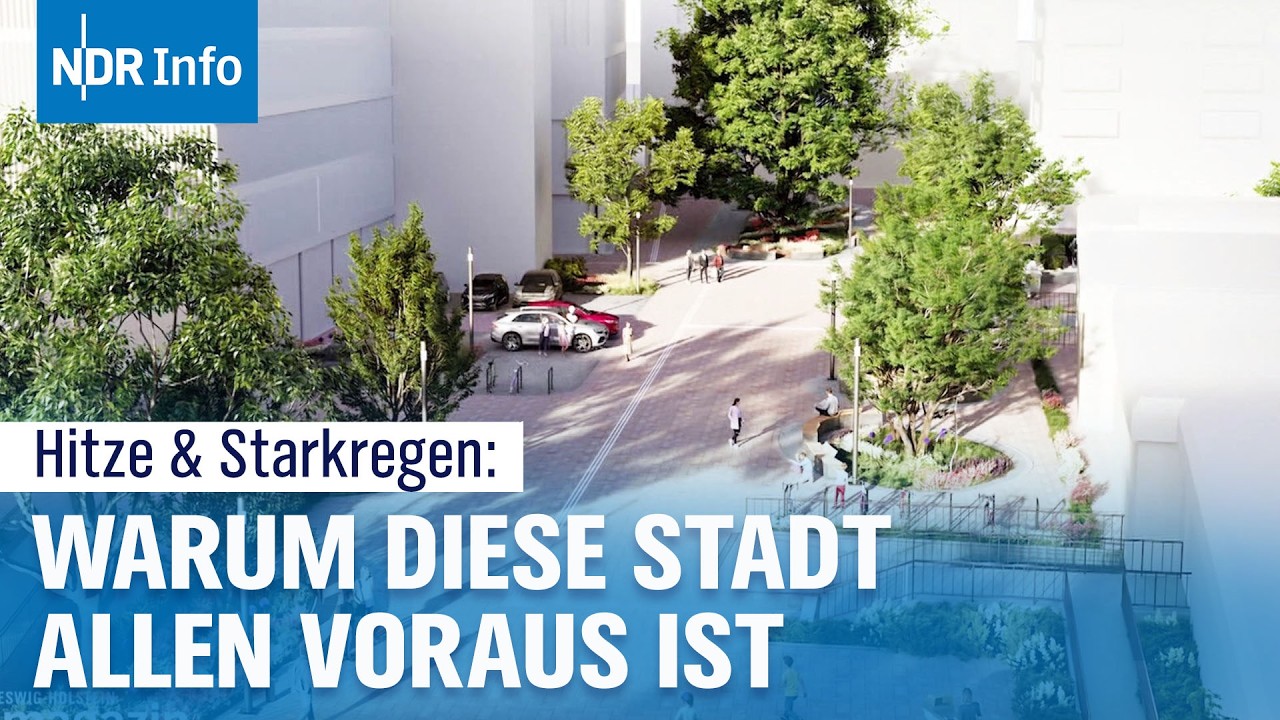

Future cities are being designed with sustainability as a core principle, incorporating renewable energy systems, smart infrastructure, and innovative architectural solutions to address environmental challenges while accommodating growing populations. These developments range from zero-carbon cities like Masdar City in the UAE, which uses solar power and passive cooling techniques, to ambitious projects like floating cities and underground settlements that aim to minimize ecological impact and maximize resource efficiency.
Future Cities: 10 Urban Innovations for Sustainable Living
Added:The fundamental challenges of rapid global urbanization, including resource depletion, waste management, and infrastructure strain.
The concept of carbon footprint, greenhouse gas emissions, and the basic science behind climate change.
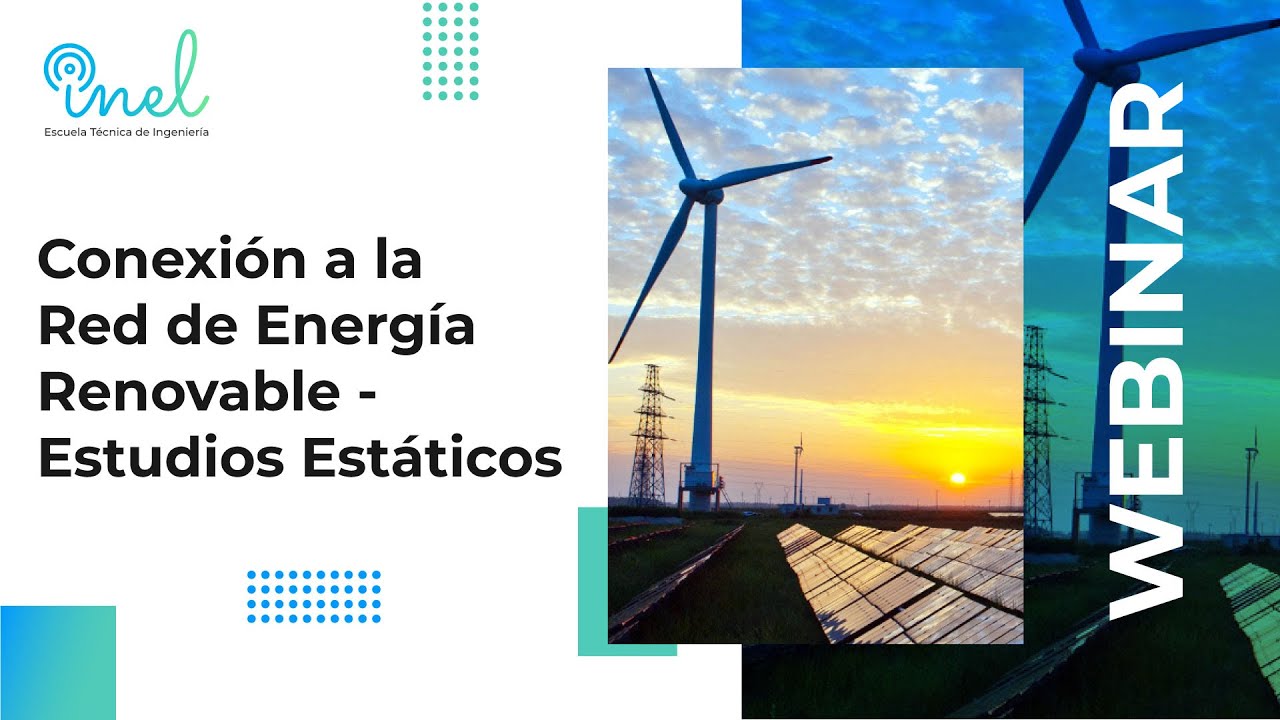
Basic principles of renewable energy sources (such as solar, wind, and geothermal power) and grid integration.
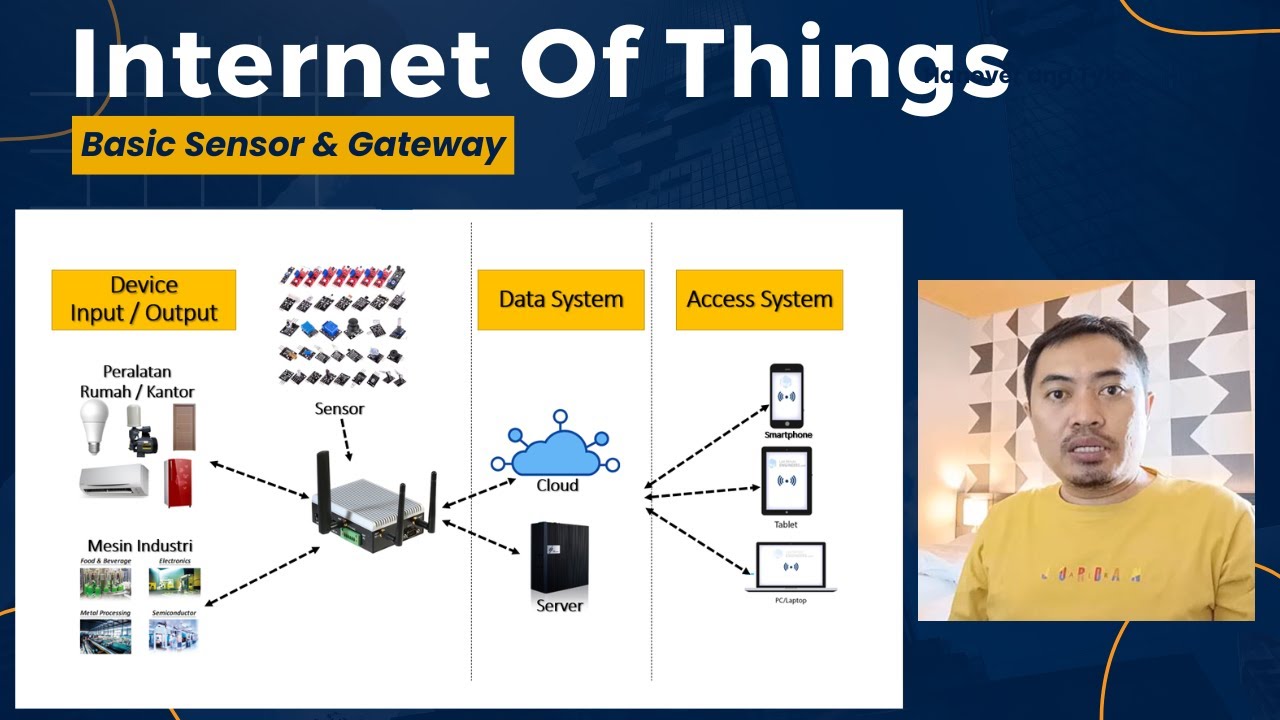
An introductory understanding of the Internet of Things (IoT) and how sensors collect and transmit data in modern infrastructure.
The principles of Circular Economy and how closed-loop systems apply to water, waste, and material flows in urban settings.
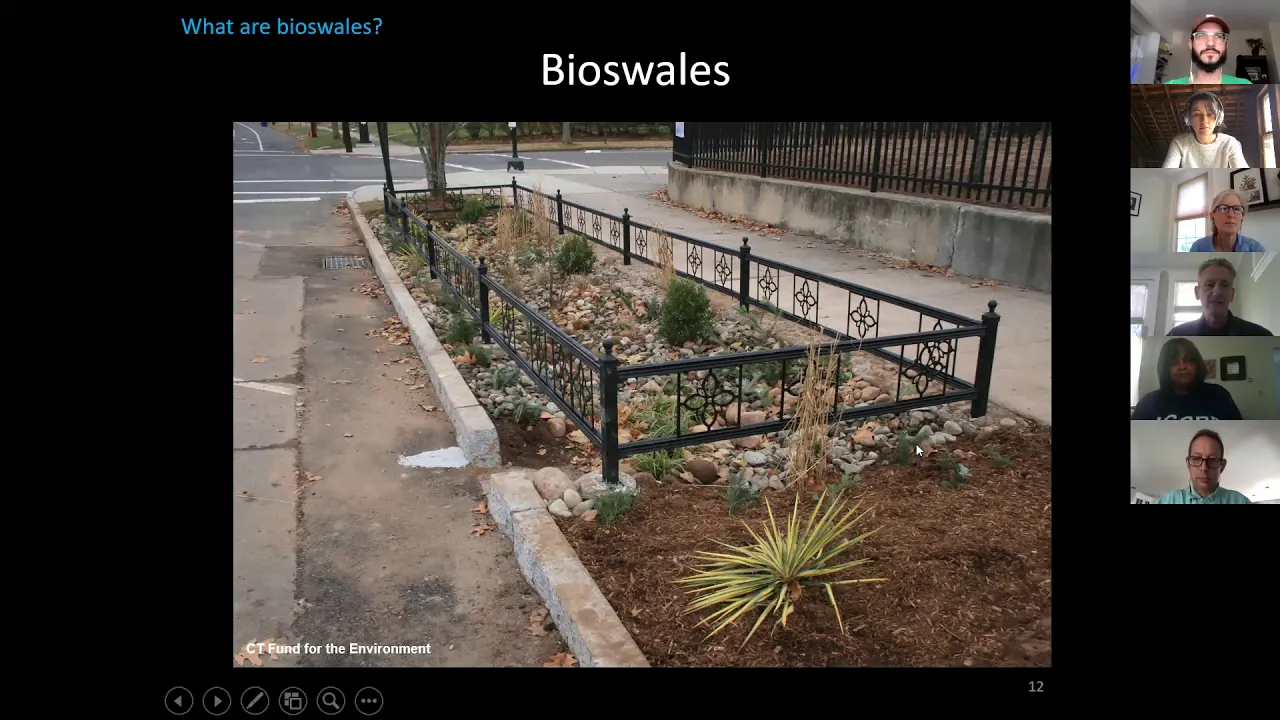
Biophilic design and green infrastructure engineering, such as vertical forests, bioswales, and urban agriculture systems.
Transit-Oriented Development (TOD) and advanced micro-mobility solutions to reduce reliance on personal internal combustion vehicles.
Urban policy, zoning laws, and municipal financing mechanisms required to implement and scale smart-city innovations.
Climate resilience and adaptive architecture, focusing on how cities can withstand extreme weather events (e.g., the 'Sponge City' concept).
197.2K views2.7Klikes14:51Original Release: 2015-05-06
Top 10 Cities of the Future 10.
Masdar City – UAE The United Arab Emirates (UAE) has the largest ecological footprint per capita in the entire world.
This is because of its massive oil production and distribution as well as its huge construction projects from the last decade.
In light of this fact, they’ve taken upon themselves to build the first ever zero carbon, zero waste city called Masdar.
It is entirely powered by an 88,000 solar panel farm right outside the city outskirts.
All taps and light switches within the city are automated and based on movement sensors in order to limit consumption as much as possible.
Architects have studied ancient settlements in order to better understand and apply different techniques to reduce energy consumption.
By surrounding it with walls, raising the entire city foundation by around 23 feet, and building 150 foot towers sucking air from above and blowing a cooler breeze throughout the streets, engineers have lowered the average city temperature by around 20 degrees.
The buildings themselves are spaced closer together and designed in such a way that they allow air to flow much easier, providing both shade and a comfortable climate, all the while maintaining an Arabic-style architecture.
Cars are forbidden within the city walls, making all commuters and visitors park their vehicles outside.
Transportation is provided by an underground network of driverless electrical vehicles which ferry people from place to place.
The lack of personal cars makes the need for “normal” city streets nonexistent and so, Masdar doesn’t have them.
There’s also a light rail system aboveground, helping people get around.
When finished, Masdar will be home to some 40,000 residents while also providing jobs for another 50,000 commuters.
The reason behind this experimental city is to be a central world hub for renewable energy development.
Today, the Masdar Institute of Science and Technology occupies one of the first complete buildings.
The German engineering company Siemens has also placed its Middle Eastern headquarters there, as has IRENA (International Renewable Energy Agency).
9.
Delhi – Mumbai Industrial Corridor – India India, on the other hand, is faced with an even greater challenge.
It is currently home to over 1.2 billion people, 350 million of whom will move into cities in the coming decade.
Because the country is mostly underdeveloped and the majority of its population is around 27 years old, the need for stable jobs has never been higher.
That’s why the Indian government is embarking on the largest infrastructure project in its history, the Delhi – Mumbai Industrial Corridor.
The idea behind this 920 mile (1480 km) “corridor” is for India to become the cheapest manufacturer of goods in the world.
In order for it to do so, a set of modern rail lines will exist to directly transport these goods from the assembly line to the ports and airports (which are yet to be constructed).
Along its route, 24 brand new smart-cities will be built, which will all be superior to any other Indian city in terms of infrastructure, quality of life and services offered.
These cities will also be built in the most eco-friendly way as possible, relying mostly on renewable energy.
This mega-project is funded in large part by the Japanese, whose economy is based on the technology industry and who want India to be their main production “factory.” Estimated costs reach $90 billion, but as most of us know, initial calculations are rarely the same as the end result.
8.
King Abdullah Economic City (KAEC) – Saudi Arabia With 24% of the entire global trade going through the Red Sea, it’s no surprise that the Saudis have finished building the largest port (King Abdullah Port – KAP) in the region.
This is only the beginning, since the entire project revolves around one of the most cohesive and well-planned cities in the Arab world, the King Abdullah Economic City (KAEC).
Just an hour’s drive North of Jeddah (the second largest city in Saudi Arabia), this $100 billion enterprise aims to be as large as Washington DC, all the while connecting the cities of Makkah and Madinah through a high-tech, high-speed rail network. The second phase in the project’s development is the Industrial Valley, which houses a large petrochemical plant and has successfully attracted over 60 national and international companies, some of which are already operational within the KAP.
No city will ever be complete without access to higher education.
That’s why the King Abdullah University of Science and Technology began its construction back in 2009.
It’s one of the best funded universities in the world, with an initial $20 billion endowment given by the King himself, and is only surpassed by Harvard and Yale.
It is also the first mixed-gender university in the country.
In all likelihood, this multi-billion mega-endeavor will be King Abdullah’s legacy left behind for his people, housing over 2 million people and generating somewhere around one million jobs when finished.
7.
Songdo International Business District (IBD) – South Korea Some 40 miles away from Seoul, South Korean engineers are currently developing the Songdo IBD on 1500 acres of reclaimed land near the Incheon International Airport.
One key feature is its close proximity to the airport, which is directly connected to Songdo IBD by the 7 mile Incheon Bridge.
This will shorten a trip from the city center directly to the airport to no longer than 10 minutes.
The city itself will be comprised of around 40% parks and green spaces, with some of them mimicking places like Central Park in NYC, the canals of Venice, and Savannah, Georgia.
One of the most ingenious technologies used in Songdo is its trash system, which will suck the garbage directly from the bin and through a series of underground pipes straight to a treatment facility.
Another smart idea used in designing the city is the use of an informational network which links every device, service, and component through wireless technology.
This allows for a more coordinated and synchronized city that has ever been possible before.
By the end of 2016, Songdo will be home to some 60,000 citizens and will provide jobs for another 300,000 people.
Out of the initial $30 billion investment, $10 billion have already been spent on some 100+ buildings.
Expectations are that by the project’s completion, Songdo IBD will become the central business center for Northeast Asia.
6.
One tower, One city, Several Countries When it comes to city planning, building taller is almost always better.
Today’s skyscrapers, like the Burj Khalifa (2716 ft.) in Dubai, make the most efficient use of space in terms of people per square foot.
Cities which lack the most in desirable land to expand into tend to build the most skyscrapers.
A typical city’s limits usually extend for miles beyond its densely packed core, in the form of residential, commercial and industrial zones.
These make for an incredible waste of resources like fuel, energy and water, not to mention the sheer amount of hours spent in traffic on a daily basis.
That’s why some countries around the world are already beginning their journey towards achieving the incredible goal of building a first ever tower-like metropolis.
Kuwait and Azerbaijan both await the completion of their Mubarak al-Kabir (3285 ft.) and Azerbaijan (3444 ft.) Towers, scheduled to be complete in 2016 and 2019, respectively.
These, of course, are not cities in their own right, but rather, a step in the right direction, which incidentally is up.
Next on the list is Dubai City Tower (7874 ft.), which by its name alone can help us realize just how close we’re getting to making this dream into a reality.
Its estimated date of completion is in 2025.
The Americans had their own design back in ’91 regarding a 500 story tall tower, measuring around 2 miles in height.
They named it the Ultima Tower, placed it in San Francisco and designed it to house over one million people.
Starting plans however, were never put in motion.
Neither were Japan’s plans to build the Shimizu Mega-City Pyramid (6574 ft.) which has the designs for one of the smartest lighting systems.
5.
Mexico’s own Rabbit Hole Like the tower cities we talked about earlier, Mexico plans to follow a similar principle but in reverse.
Instead of going up towards the clouds, they’ve decided to go down underground.
The name Earthscraper was apparently chosen in the same manner.
Architects and engineers are planning to build this 65 story, 82,000 square foot inverted pyramid, smack in the middle of Mexico City.
The “rooftop” for this underground establishment will be a 787 x 787 foot pane of transparent glass, which will act as a public square on that the surface dwellers can walk around and entertain each other with concerts, open aired exhibitions or military parades.
On the other hand, an American designer Matthew Fromboluti has drawn his own plans for a similar underground settlement, near the town of Bisbee, Arizona, called Above Below.
His project is based on the already existing 900 foot deep, 300 foot wide abandoned Lavender Pit Mine.
By utilizing a series of chimneys which allow for light and air circulation, most of the original surface area can be brought back to its natural form.
Geothermal energy could be the main source of power in both of these cases, allowing these future metropolises make the most of their surroundings and design in order to become as self-sufficient as possible.
4.
The Arctic Russians Next we’ll take a look at Russia’s attempt to colonizing the Arctic.
Figuring that it’s about time they began moving into the Siberian tundra, the Russians have designed a self-contained city named Umka (after a popular Soviet-era polar bear cub animation) which will hopefully be up for the task in keeping its inhabitants from freezing to death.
Its venue will be Kotelny Island, part of the Novosibirsk Archipelago, roughly 1000 miles from the North Pole.
This is one of the most inhospitable places on Earth, with temperatures rarely going above freezing point, and some of the most powerful and cold winds blowing across these islands.
Umka’s design resembles that of the International Space Station but on a much larger scale, being home to over 5000 citizens.
Since this kind of city can be built on any type of terrain, completely self-sufficient from the outside world, Umka is a great experiment for Russia’s future space colonies.
Other, more futuristic designs include a floating settlement capable of sheltering around 800 people and can literally “feed” off of melting icebergs.
This Arctic Harvester was thought of by some French students who envisioned their design following icebergs on their annual migrations south, all the while being provided with fresh water on their way.
Through a combination of solar power and an osmotic system which uses a mix of fresh and salt water, the Arctic Harvester will generate all the energy it will ever need.
3.
Taming the High Seas Like the Arctic Harvester mentioned above, the Chinese have begun drawing the blueprints for their own Floating City.
Driven by climate change, rising sea levels, and dwindling resources, China has decided it’s time to think about moving some of its people offshore.
With an area of about 4 square miles, this future metropolis will be comprised of hexagonal modules interconnected by an underwater network of streets and pathways.
The Japanese company Shimizu has designed a floating city of its own and named it Floating Green.
As the name suggests, this buoyant “ecopolis” will be almost entirely covered in vegetation and span over several manmade islands.
A thousand meter (3208 ft.) tower at the city’s center will act both as a vertical farm and housing for its inhabitants.
Their vision expands even further as Japan plans to build the first ever underwater city called Ocean Spiral by 2030.
This will be a sphere-like dwelling, able to sustain up to 5000 people and drawing its energy from the sea bed.
We only have to wait and see which of these will be the first to get built.
But no matter which one it is, you can be sure that all of them are designed to be extremely self-sufficient in terms of food production, energy consumption, and waste management.
2.
The Venus Project The Venus Project is the vision of one 98-year-old Jacque Fresco who has designed the perfect layout for our future cities.
If we ever reach the point where we build brand new, high-tech cities on a regular basis, this design will most certainly come in handy.
All buildings and structures are prefabricated and then shipped on site, allowing for a more coordinated and far less costly construction.
Standardizing basic structural elements allows for alterations to be arranged to meet different requirements in terms of new technology and various structural designs in the future.
One of its other key features is its circular shape.
This will permit the most efficient use of available resources which also include time; time spent in either leaving for work or simply walking about.
Since it has no “hard edges” like a normal rectangular city would, “walking around town” takes on a more literal meaning and thus, saving you time on your return trip.
That’s some efficient thinking right there!
The backbone behind the Venus Project will definitely be the “mega, city-building factory” that will be able to mass produce entire apartments or houses in a single mold and for multiple cities at a time.
These one-piece structures will be light-weight and impervious to the weather, which significantly lessens the risk of earthquake damage, fires or floods.
Did we also mention the fact that these “modules” can easily be moved from place to place?
It is a strong possibility that when the technology for the International Thermonuclear Experimental Reactor (ITER) becomes available, countries like India, with their industrial corridor project, can more easily afford to build and sustain a factory such as this.
1.
Fixing an already existing problem These future designs and already underway projects that we’ve talked about up to this point, all address the issue of starting anew.
Building a brand new city from scratch is usually less expensive and far less complicated than improving an old one to meet the same standards.
This is the ultimate undertaking in which the ingenious micro-projects thrive.
We’re talking about things like the e-QBO which could revolutionize photovoltaic energy production in the urban environment.
Its original design is a standard dark cube but it can take on many different shapes and sizes.
It has a slick look and blends well with the city background.
It acts like a regular solar panel, but besides producing free energy, it can also be used in a variety of other practical uses such as being someone’s house, or a park bench, or a simple paper weight on your desk.
And what about something similar to Masdar’s driverless electrical vehicle system, which can easily make many personal cars within any given city, obsolete?
That’s the main purpose behind Masdar anyway; to find and show us different and better ways to make our cities energy efficient.
In any case, this will be a heavy undertaking for any nation regardless of its economic power.
The silver lining behind this thought is that underdeveloped cities have an advantage since much of their infrastructure can be built from the ground up and in a self-sufficient way right from the beginning.
Up Next

4:42
Grice's Maxims in The Big Bang Theory | Pragmatics Examples
@missmillard9613
187.5K views•2014-06-16

12:54
Triumph of Orthodoxy Icon: Byzantine Art & History Explained
@BenCallan
2.1K views•2024-08-06

9:49
FastAPI vs Flask vs Django: Choosing the Right Python Web Framework
@TechWithTim
302.5K views•2024-05-26

1:42
Game of Thrones Opening Credits: A Cinematic Analysis
@gameofthrones
46.3M views•2011-04-18
Related Study Plans & Knowledge Roadmaps
Structured learning paths in General & Interdisciplinary Studies
general-studies
Elevator Engineering: History, Physics & Cities
01From Hoists to Safety Brakes: The Dawn of Vertical Lift
02Hydraulic vs. Traction: The Engineering Physics of Elevators
03Modern Speed, Safety, and Algorithms
+ 2 more learning modules
12h5 modules
Explore Roadmap
general-studies
Rubber: Material Science, History & Geopolitics
01Origins of Natural Rubber & Mesoamerican History
02The Chemistry of Natural Rubber & Vulcanization
03The Geopolitics of the Rubber Boom & Colonization
+ 2 more learning modules
12h5 modules
Explore Roadmap
general-studies
Containerization: Evolution, Logistics & Trade
01Ancient Trade & Bulk Cargo: Amphorae to Barrels
02The Industrial Revolution & Cardboard Packaging
03The Containerization Revolution: Malcom McLean
+ 2 more learning modules
12h5 modules
Explore Roadmap
general-studies
Textile Tech: Evolution, Labor & Global Impact
01Pre-Industrial Textiles: Handloom & Cottage Industry
02Mechanization: The Spinning Jenny to the Power Loom
03The Factory System & Global Labor Transformation
+ 2 more learning modules
10h5 modules
Explore Roadmap