




















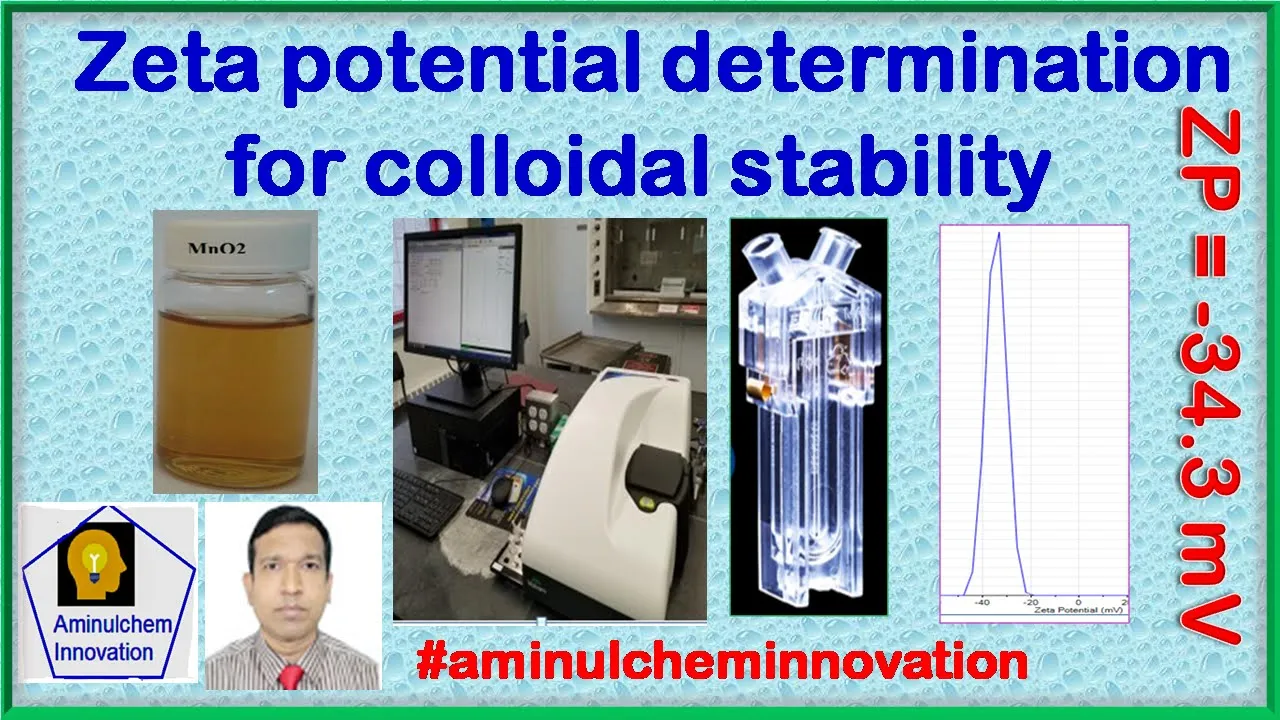



DLVO theory explains colloidal stability through the balance between attractive van der Waals forces (Hamaker attraction) and repulsive electrostatic forces (due to surface potential); the stability depends on the energy barrier between potential wells, where increasing ionic strength reduces the Debye length and weakens electrostatic repulsion, eventually leading to rapid coagulation at the critical coagulation concentration when the energy barrier disappears.
DLVO Theory Explained: Colloid Stability & Coagulation
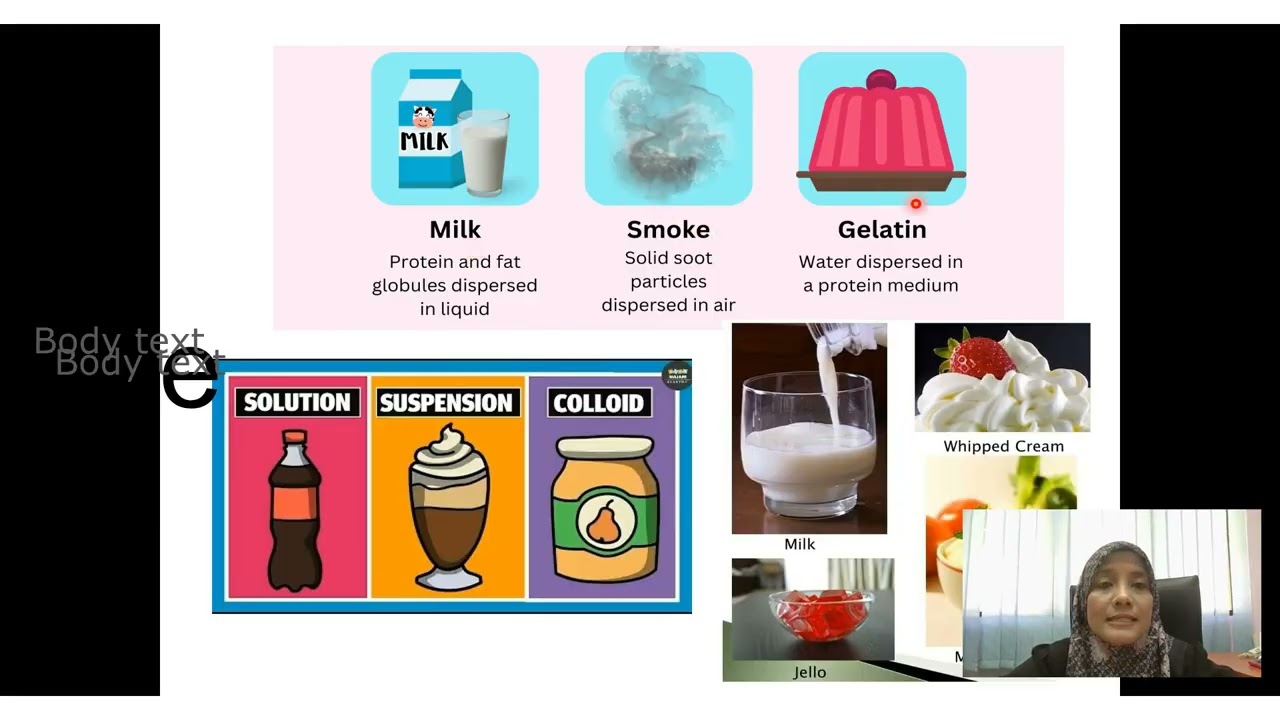
Added:Fundamentals of colloid science, including the definition of colloidal dispersions, phases, and Brownian motion.
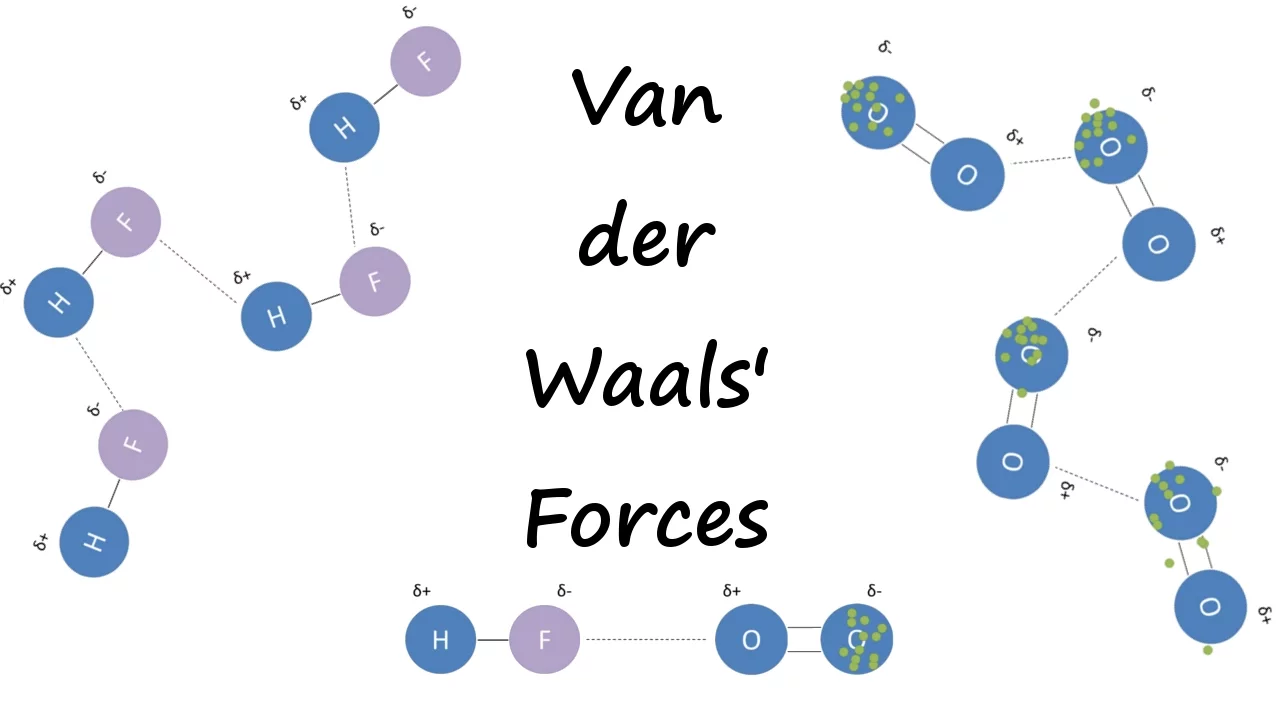
The origin and nature of intermolecular forces, specifically Van der Waals (attractive) forces.
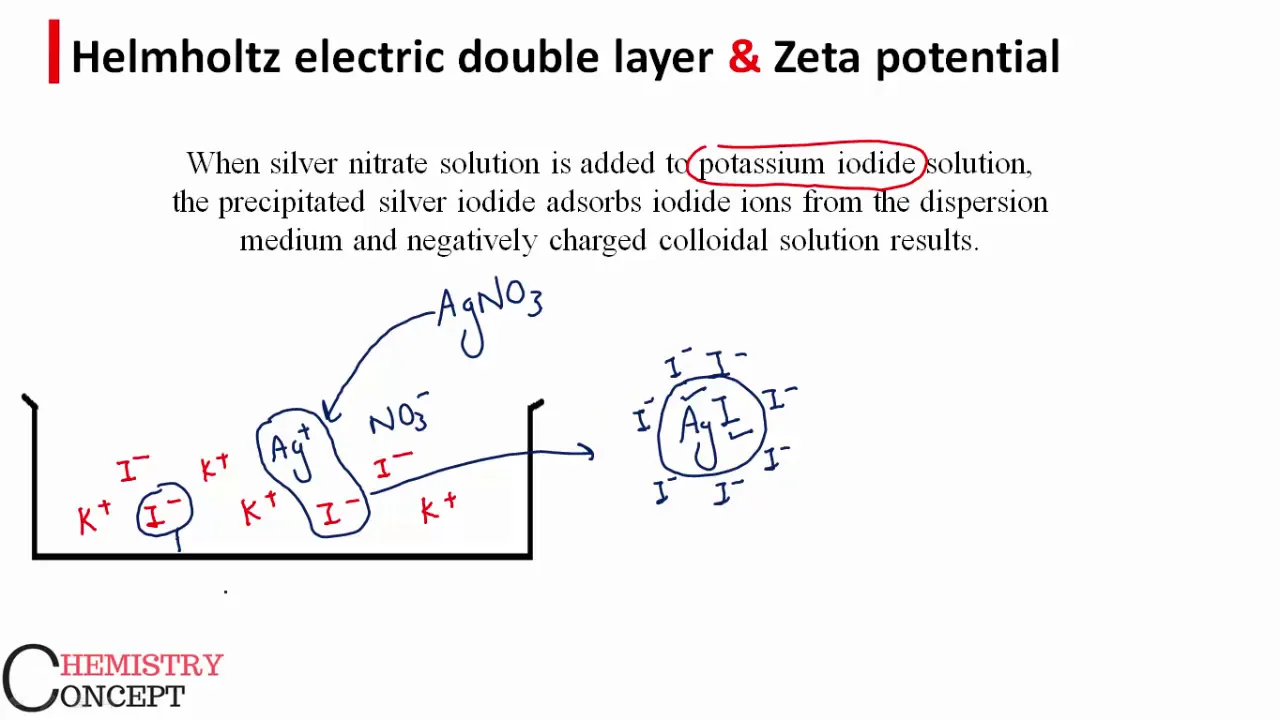
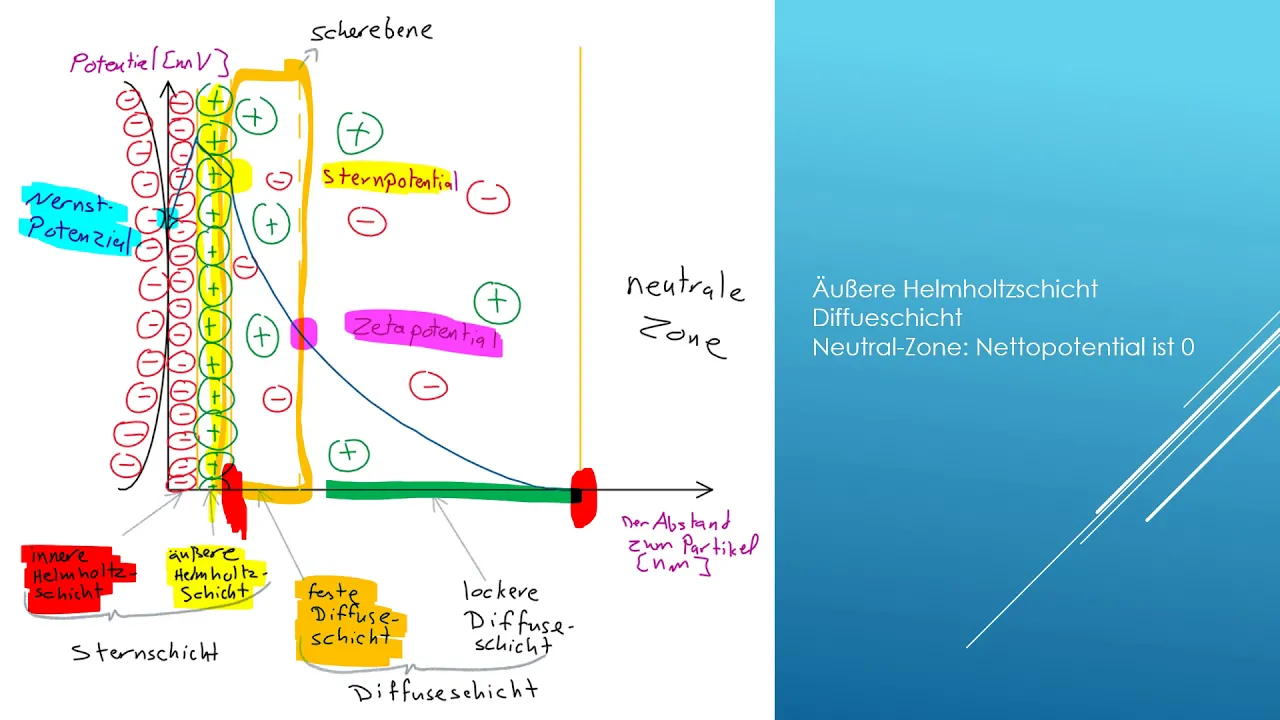
Concepts of surface charge, the electrical double layer (EDL), and Zeta potential in aqueous solutions.
Basic chemical thermodynamics, particularly how free energy relates to system stability and particle interactions.
The Schulze-Hardy rule and determining the Critical Coagulation Concentration (CCC) of electrolytes.
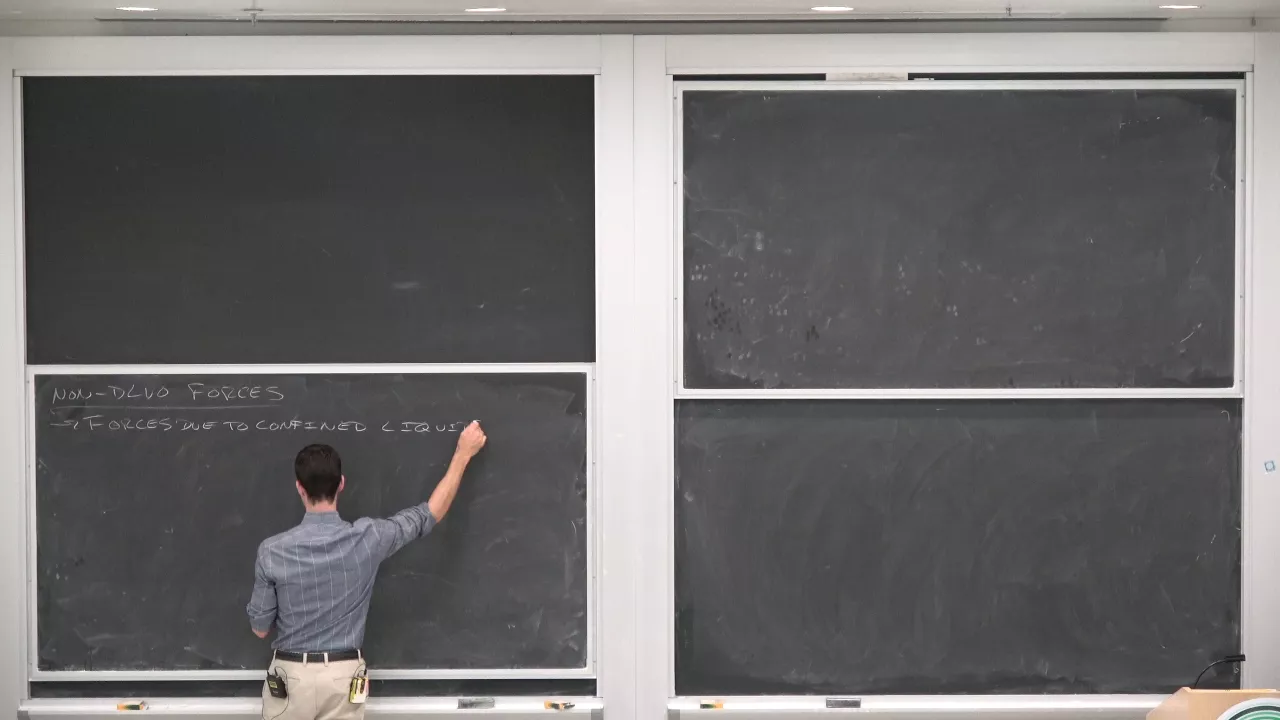
Non-DLVO forces, such as steric stabilization (polymers), depletion forces, and hydrophobic interactions.
Industrial applications of DLVO theory, including wastewater treatment (flocculation), food science emulsion stability, and pharmaceutical formulation.
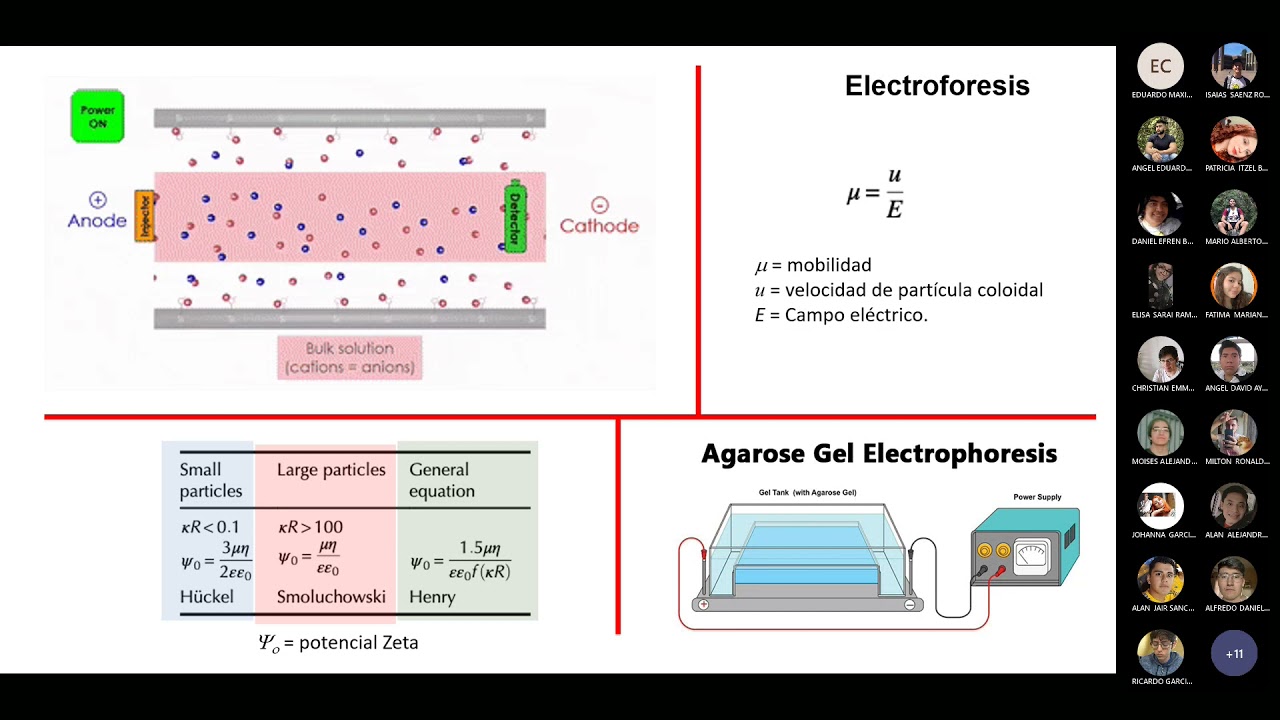
Experimental techniques for characterizing colloidal stability, such as Dynamic Light Scattering (DLS) and Zeta potential measurements.
54.8K views409likes7:00Original Release: 2016-02-19
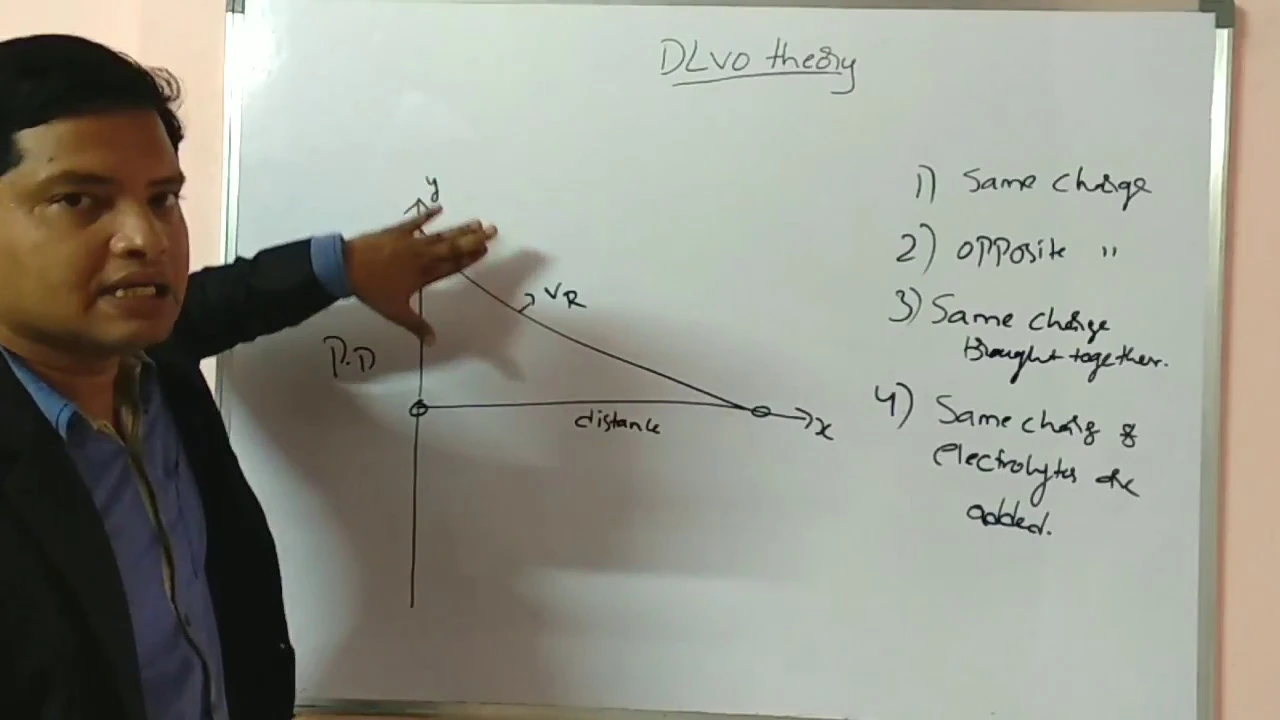
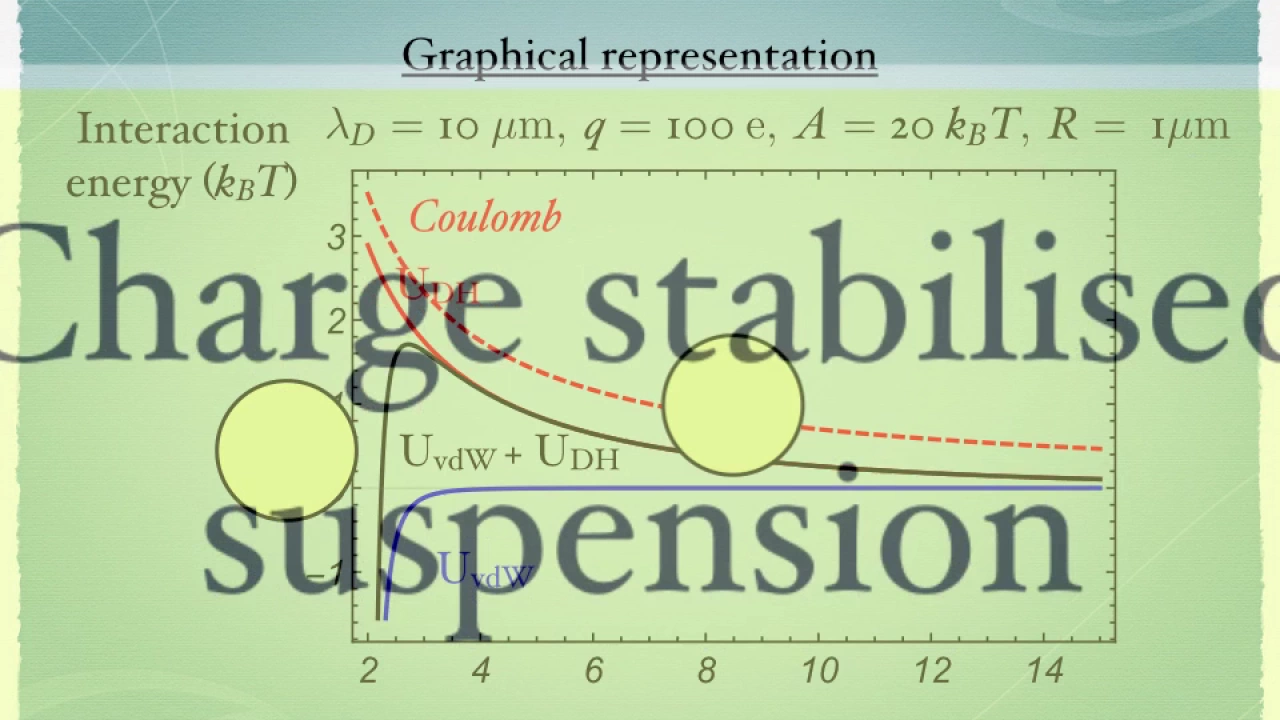
when we look at colloidal stability we can see that there are two conflicting interactions we know that there's a hammerer attraction between any two particles if they're identical whether or not they're separated by a solvent and that's going to tend to destabilize the colloid because it's going to bring the particles together on the other hand we know that there's repulsion between the particles due to it's an electrostatic repulsion due to surface potential so as long as the surface potential is not equal to zero the particles are going to repel each other so the stability of the cidal system is going to depend on the balance between these two interactions electrostatic repulsion which pushes particles apart and then stabilizes the coloid or hammerer attraction which pulls them together and tends to cause the dispersion to destabilize and coagulate so this is some by just putting together the expressions for both repulsion and attraction and that's what D theory is so Doo theory is just the sum of Attraction and repulsion so we'll do an expression for spheres we're going to write an expression for spheres of the same radius so have the radius of the Spheres and then the appropriate hammerer constant so if we had spheres that were identical of course they would be this and they're separated by a solvent this would be h121 so in this expression we have the radius of the particles the appropriate hammerer constant H is the distance the face tace distance not the center to Center distance between the particles uh here we have the concentration of salt uh in ions per meter cubed boltzman's constant the temperature in Kelvin uh gamma uh gamma not remember is that hyperbolic tangent I'll write that again in the bottom just to remind you and Kappa is the inverse div length Okay let's also write the expression for plate likee particles and as a reminder cap gamma KN is just a hyperbolic tangent and it's a ratio of electrostatic energy over random thermal energy uh note that since we only have one number in here for Z this is a simplified expression for symmetric electrolytes so plus one minus one electrolytes or plus two min-2 electrolytes Etc let's graph the expression for these curves so if we graph potential energy as a function of distance between the particles we get a curve looks something like this now this curve is a little bit misleading because it looks like we could just keep lowering our potential energy until the distance between the particles is zero but of course uh if we get them less than one Atomic distance between the electron clouds from one particle will bang against electron clouds from the other so we have a born repulsion curve which is just the particles smashing into each other and that curve would look something like this and so if we add those two curves together we get the overall energy the one given by the equations on the previous page plus born repulsion and we get an overall energy curve that looks like this so only the right hand part of this curve over here is what's predicted by the equations on the previous page Okay so looking at this curve we can see there's a couple of features we have What's called the secondary minimum and the primary minimum and these represents uh basically there's a potential well that you can fall into that's very shallow that's easy to get out of and there's a deep potential well that you can fall into that essentially is irreversible if you're stuck here your colloid is dead all the particles are stuck together and in the literature you will sometimes see coagulation and floculation used used completely interchangeably some authors don't do that and they like to make a distinction they call this potential well the one for floculation and the deeper potential well coagulation unfortunately uh that's not Universal so some people use the two terms uh interchangeably and some actually make the distinction here so you're going to have to uh the important point to know is that if your koid falls into this potential well this is going to be irreversible whereas over here if you fall into this secondary well just by uh agitating or sonicating maybe even just shaking up your colloid you can redisperse the particles over here that's not true it's a dead colloid depending upon the values of the hammer constant and the surface potential there may be uh between the two potential Wells the energy of the curve may go above the zero of potential energy and what just called this Vmax and when Vmax is large if VMAX Max is much greater than KT that means that your particles will come they'll be weakly attracted to one another and then as they get closer the energy goes up and they'll bounce away and basically you won't be able to get into this well and that means that you'll have a stable colloid because you have this represents the electrostatic barrier to going into the primary minimum and coagulating the colloid we can fect the size of this barrier by changing the ionic strength we know if we increase the ionic strength it's going to shorten the Deb length and that is going to weaken electrostatic repulsion and that's going to force this to go down and eventually this will get to the point where we have zero energy barrier to coagulation that's called rapid coagulation the salt concentration it occurs is called the critical coagulation concentration and it's the subject of the next few screencasts
Up Next
40:17
Surfactants and Micelle Thermodynamics Explained
@michaelford8335
5.8K views•2020-02-25

83:56
Biocatalysis and Catalysis in Islatravir Synthesis | Merck Webinar
@SCIwheresciencemeetsbusiness
675 views•2020-10-08

10:46
Surfactants Explained: Hydrophilic & Hydrophobic Structure
@hagencalpoly6773
41.1K views•2016-02-17

17:31
Edible Water Bottles: A DIY Guide to Sodium Alginate Spherification
@ryan
10.5M views•2019-06-21
Related Study Plans & Knowledge Roadmaps
Structured learning paths in Chemistry
chemistry
Nuclear Chemistry: Decay, Meds & Fuel Cycle
01Introduction to Nuclear Structure and Radioactivity
02Decay Dynamics and Kinetics
03Radiation Interaction and Detection
+ 2 more learning modules
24h5 modules
Explore Roadmap
chemistry
Supramolecular Chemistry: Forces & Machines
01Foundations of Chemical Bonding and Intermolecular Forces
02Introduction to Host-Guest Chemistry
03Thermodynamics and Dynamics of Self-Assembly
+ 2 more learning modules
16h5 modules
Explore Roadmap
chemistry
Photochemistry: Excited States & Reactions
01Foundations of Light-Matter Interactions
02Molecular Orbitals and Electronic States
03Photophysical Processes and Jablonski Diagrams
+ 2 more learning modules
18h5 modules
Explore Roadmap
chemistry
Coordination Chemistry: Bonding & Properties
01Introduction to Transition Metals and Ligands
02Crystal Field Theory (CFT) and Geometry
03Magnetic Behavior and Spin States
+ 2 more learning modules
14h5 modules
Explore Roadmap