
















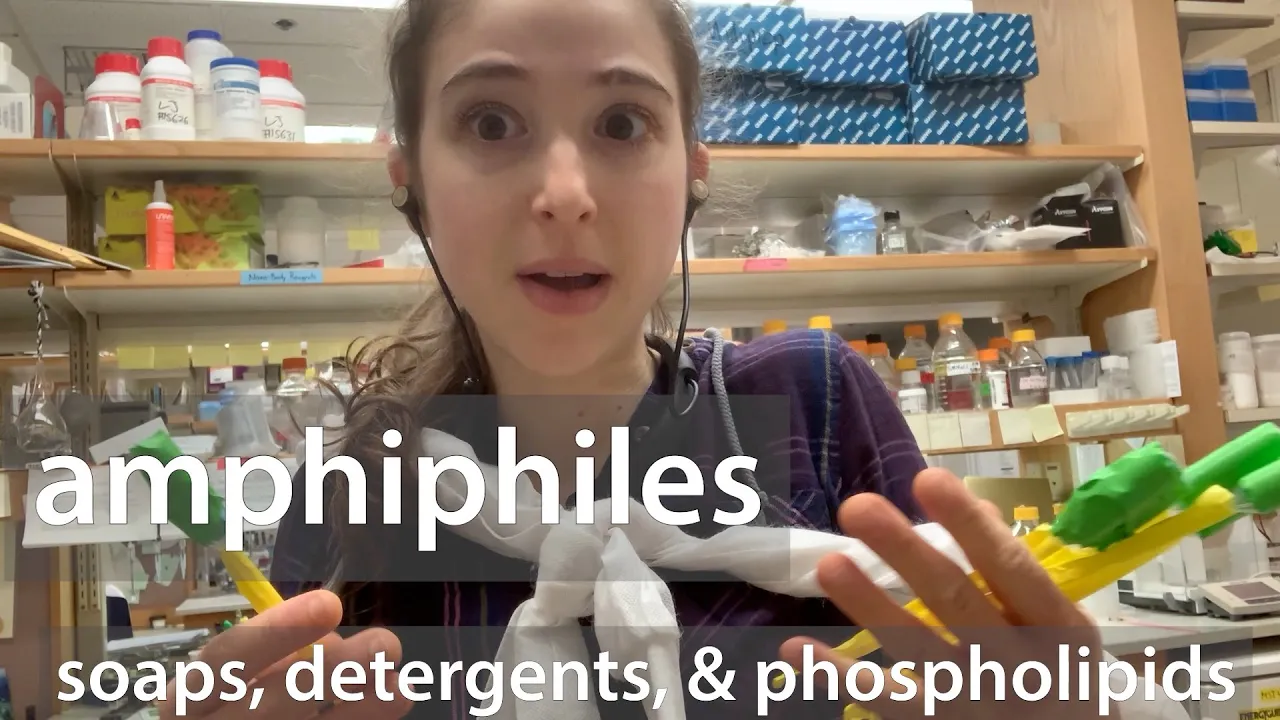



Surfactants are amphiphilic molecules containing both hydrophilic (polar) and hydrophobic (non-polar) portions that enable them to adsorb at interfaces or self-assemble into aggregates like micelles, thereby reducing surface tension and energy in systems involving water and oil.
Surfactants Explained: Hydrophilic & Hydrophobic Structure
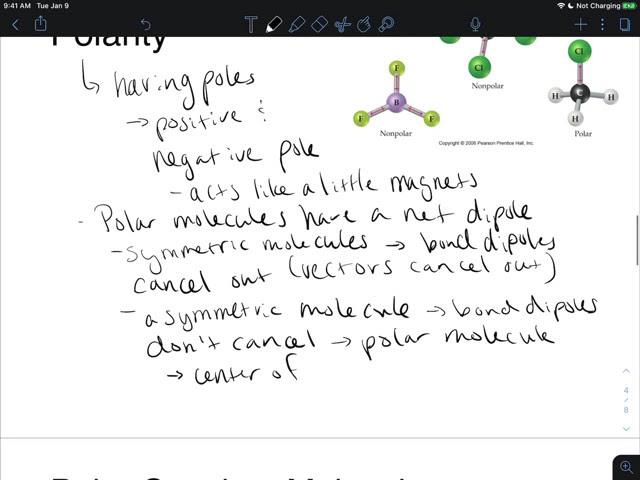
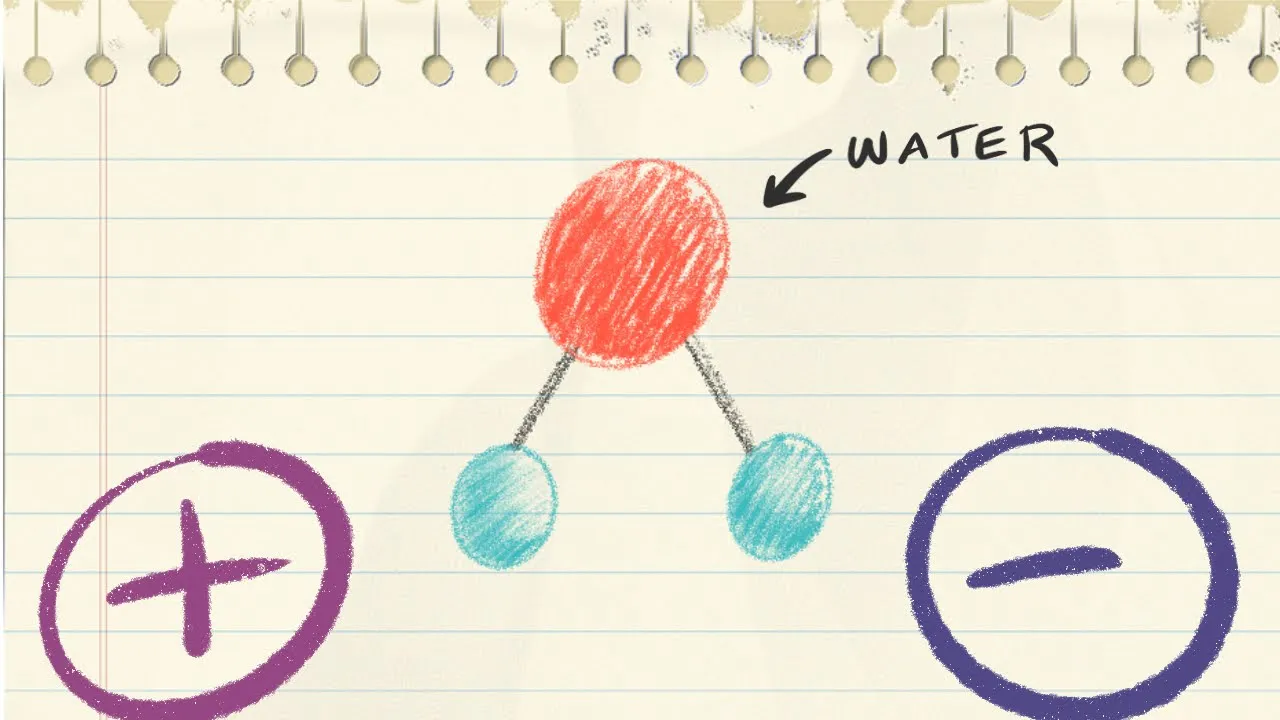
Added:Understanding of molecular polarity, including the differences between polar (hydrophilic) and non-polar (hydrophobic) molecules.
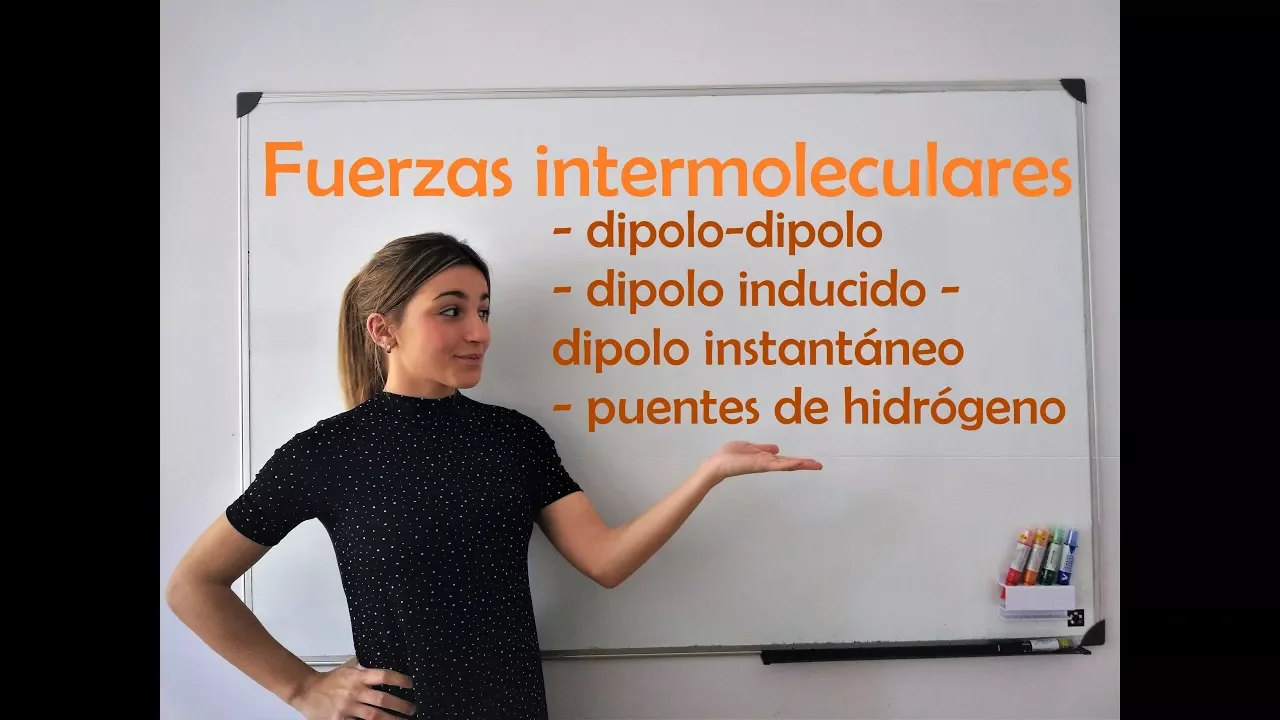
Fundamental concepts of intermolecular forces, particularly hydrogen bonding and Van der Waals forces.
The concept of surface tension in liquids and the cohesive forces that cause it at a molecular level.
Basic chemical thermodynamics, specifically how entropy and enthalpy drive the solubility and mixing of substances (e.g., the 'like dissolves like' rule).
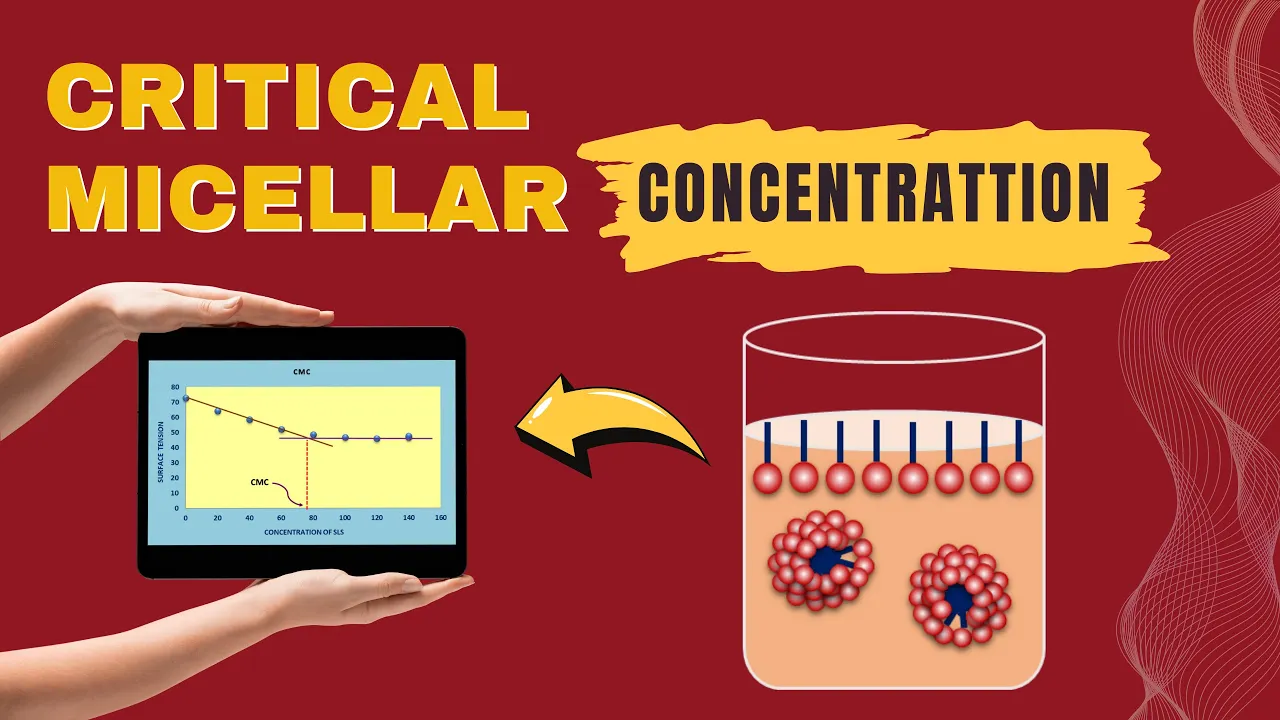
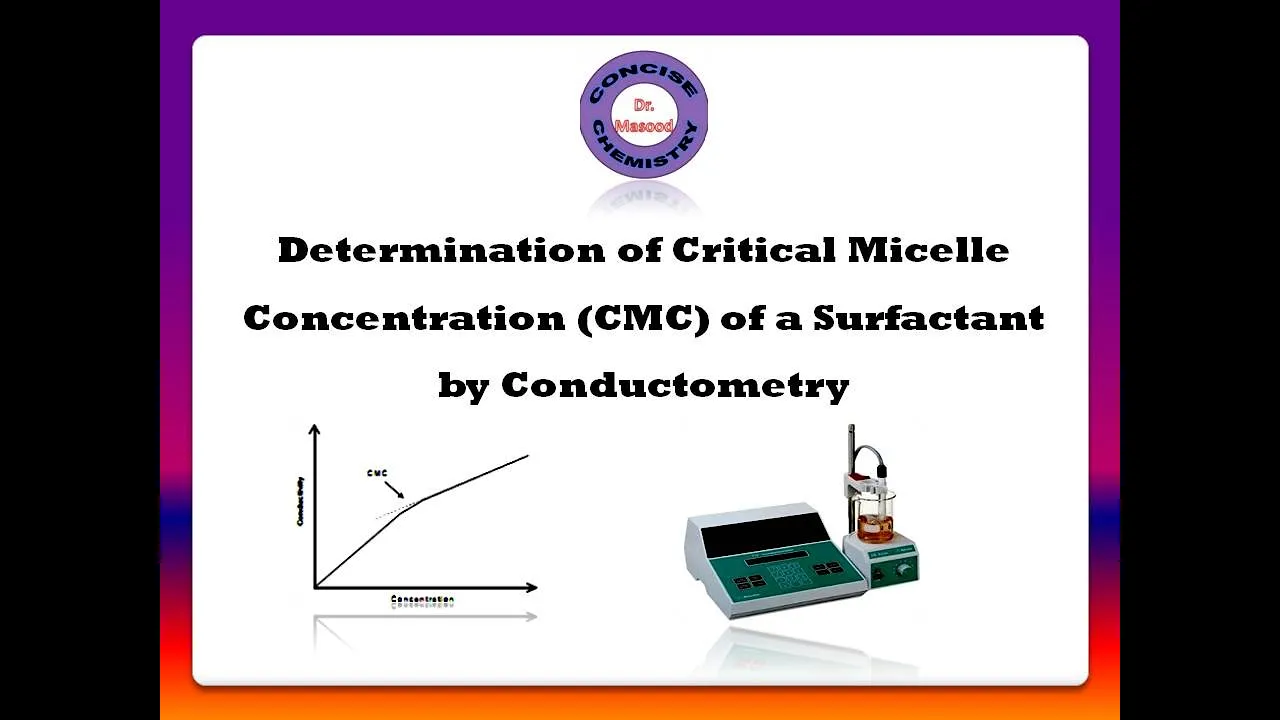
The concept of Critical Micelle Concentration (CMC) and how to determine it experimentally.
The thermodynamics and kinetics of micellization and self-assembly dynamics in various solvents.
Practical applications of surfactants in emulsion science, including the formulation of cosmetics, detergents, and food products.
The role of surfactant-like molecules (amphiphiles) in biological systems, such as lipid bilayers in cell membranes.
41.1K views281likes10:46Original Release: 2016-02-17
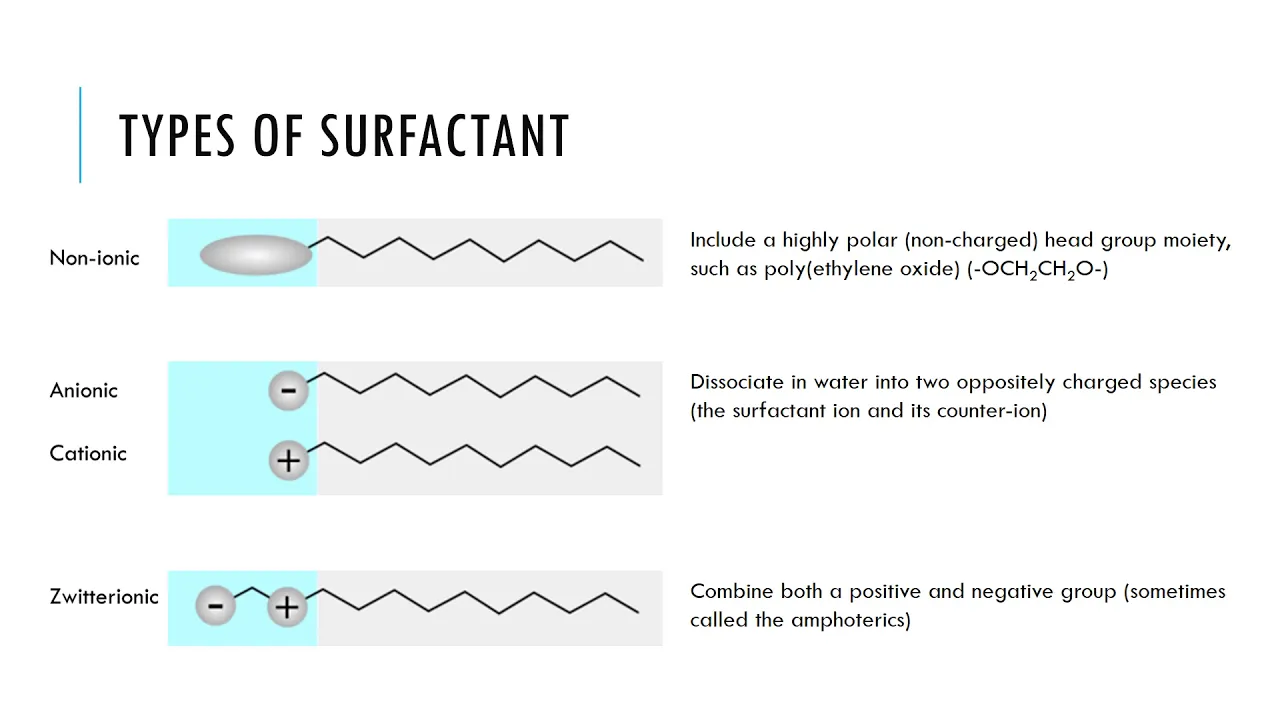
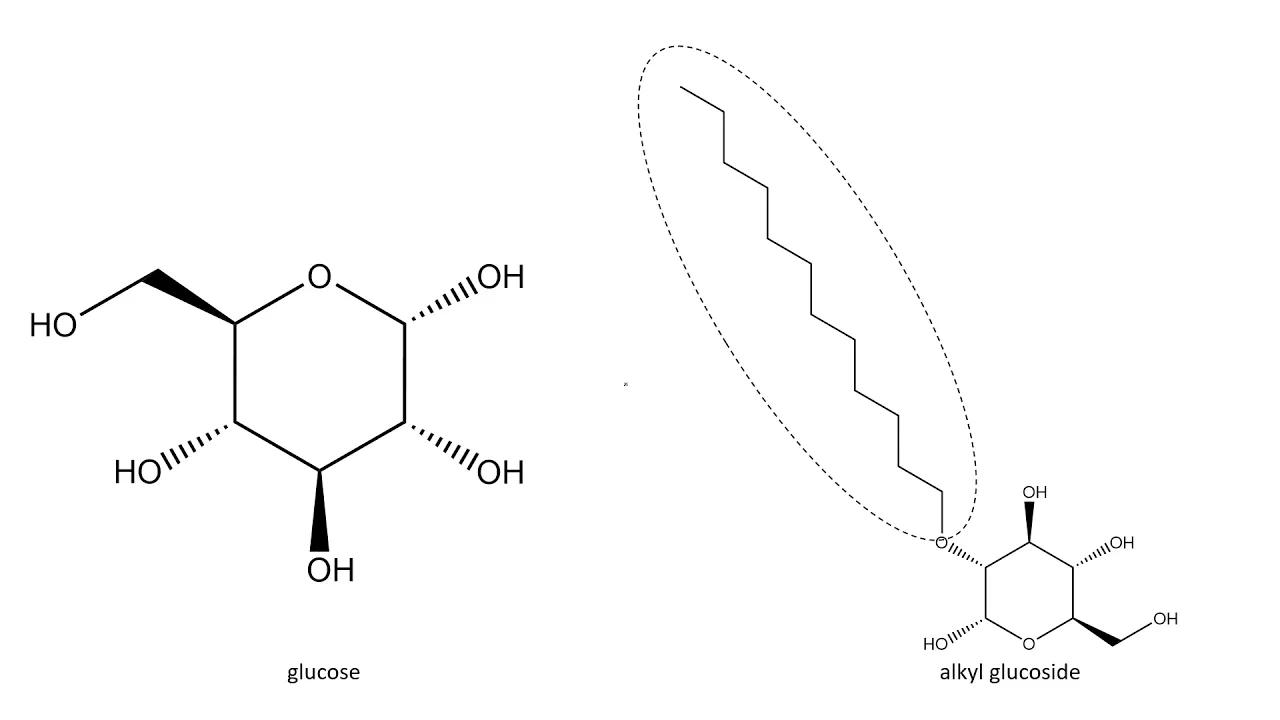
so a surfactant is also called an Ile so it has it's a molecule that has parts to it that have different properties so if we're dealing with a molecule we're going to dissolve in water we have to have one or more hydrophile something that will easily dissolve in water and another part of the molecule that is hydrophobic and typically the hydrophile will be one or more polar groups and the hydrophobe will be one or more hydrophobic um chains or plates so the hydrop fob could be an alkal chain it could be one or more Benzene Rings anything that won't dissolve very well in water now we might not be dissolving our surfactant in water we might have a solvent that's uh that's something like hexane or something like that and so surfactant actually a more general definition would be a molecule that has one more one or more Lio file where Lio is just for the word meaning solvent connected to one or more uh lobe so for in so for instance uh if we had uh hexane the iile would be the alal chain and a lofo would be something that was more polar we can categorize surfactants by their uh hydrophile whether it is a polar but non-ionic group or an ionic group so we can have ionic surfactants non-ionic surfactants the first surfactant synthesized by human would be a soap and a soap is just a long chain carboxylic acid a soap is just a longchain carboxylic acid which is cleaved from fat or an oil using a base people used to synthesize these from by leeching water through wood ashes in the base we cleave the carboxylic acid from the the triog glyceride resulting sodium or potassium salt is a ionic surfactant a common synthetic surfactant is SDS or sodium doessel sulfate so we've got 12 carbons there's the doessel and there's the sulfate there's a sodium the first two surfactants I showed you were anionic surfactants the head group has a negative charge there's also cic surfactant here's C tab so we have a a quinary ammonium salt so a positive G charged head group and the hydrophobe is a 16 carbon chain or cedal chain so this is cetal trimethyl ammonium bromide a very common type of surfactant is made by pairing up an alkal chain with a short igamer of poly polyethylene glycol and because of the hydrogen bonding hydrogen bond accepting lone pairs on these oxygens this is is hydrophilic so we've got a hydrophile hydrophobe and because we could just imagine different lengths of chains on either side these are typically abbreviated with the CN terminology so here we've got 1 two 3 four five six 78 n 10 carbons on our hydrophobe so it be C10 and then the number of Peg units on here one 2 3 4 so it' be C10 E4 it's an abbreviation for that type of surfactant the TR and igal families of surfactants are are two commercial classes of surfactants two families where there's different R groups built onto this Benzene ring and different Peg chains so trit NEX is the most famous of this used in a lot of biological applications another common head group non-ionic head group that's very common is to use some form of sugar as our polar head group and then just attach that aify that to a aill chain of course there's a almost infinite variety of chains we could have in our surfactant so I'll just list a couple most common is just to have a simple hydrocarbon chain it's also the cheapest a fluorocarbon chain is used for applications where we need a really low we want a surfactant that's really going to be able to lower surfa fluorocarbon chain is used if we need a surfactant that can really lower surface tension to a super low number silicone chain can also lead to a very low surface tension when used as the hydrophobe and a surfactant these are both more expensive than hydrocarbons and so they're only used for those specialty applications now every surfactant has one or more polar portion and one or more non-polar portion and for Simplicity we'll just do one of each make keep things simple here now imagine we take our surfactant and dissolve it in water so have some water to put in our surfactive molecule and right away we can see there's a problem because while the energy of the head group is going to be low because it's dissolved in water and it's polar you can see the situation of dissolving a non-polar chain in water is going to be high energy we can escape this problem by putting our molecule into oil we try to dissolve the molecule on oil we can see we're going to have in this case tail is going to be low energy we're dissolving something non-polar in oil that's easy on the other hand if we look at the head group you can see it's going to be high energy because we're trying to take something polar and dissolve it in oil so surfactants can deal with this problem of having two different Natures in two different ways let's look at both of them the first way surfactants can deal with their sort of split nature is by adsorption that is sticking to a surface so we'll give several examples of this can imagine taking our surfactant we've got some water and if the surv actant goes up to this interface the Tails which were non-polar out of the water and the head groups which are polar in the water then we have a beaker made of something non-polar like polyethylene could take our surfactants and have them stick to the bottom so the non-polar polyethylene is where these surfacant ules are sticking to and their polar head groups are sticking out onto the water so both of those are adsorption first to a liquid liquid surface and the second to a solid surface we could also stick to an interface so imagine that we had oil and water our surfactant by gathering at this interface could put their non-polar chains into the oil and their polar head groups into the water so all of these are instances of absorption which lowers the energy of the system I should point out that in all three of these cases in addition to getting the non-polar Tails out of the water lowest energy of the system we're also decreasing the surface energy if we look at each of these interfaces there's an Abrupt change from Polar to non-polar polar to non-polar polar to non-polar and of course that means there's going to be a substantial surface energy there by putting these molecules there and replacing the interface with one that's internal to the molecules we end up basically replacing oil water contacts with water surfactant contacts and surfactant oil contacts and so we decrease the surface energy of all three interfaces by putting uh surfacant molecules there when we put surfactant molecules into water they can get their chains out of the water by another mode aggregation so if we take our surfactant molecules and allow them to Clump together you can see eventually we can form a non-polar environment in which the chains of the surfactants are interacting with each other but not with the water and the head groups are interacting with the water we could do the same thing in oil where we could form something where the head groups were aggregating and the non-polar Tails were protruding into the oil you were familiar with this type of aggregate from your earlier studies you know it as a myel what we'll find out is that we can form all sorts of different morphologies of Aggregates that depend on the shape of the surfactant and upon the properties of the solvent that we're putting the surfactant in and indeed these Aggregates can uh when they become very concentrated can form a type of liquid Crystal called a lyotropic liquid Crystal which will be the subject of another screencast
Up Next
7:00
DLVO Theory Explained: Colloid Stability & Coagulation
@hagencalpoly6773
54.8K views•2016-02-19
83:56
Biocatalysis and Catalysis in Islatravir Synthesis | Merck Webinar
@SCIwheresciencemeetsbusiness
675 views•2020-10-08
10:06
1H NMR: Determining Number of Peaks from Structure
@MSJChem
59.2K views•2017-04-06
17:31
Edible Water Bottles: A DIY Guide to Sodium Alginate Spherification
@ryan
10.5M views•2019-06-21
Related Study Plans & Knowledge Roadmaps
Structured learning paths in Chemistry
chemistry
Nuclear Chemistry: Decay, Meds & Fuel Cycle
01Introduction to Nuclear Structure and Radioactivity
02Decay Dynamics and Kinetics
03Radiation Interaction and Detection
+ 2 more learning modules
24h5 modules
Explore Roadmap
chemistry
Supramolecular Chemistry: Forces & Machines
01Foundations of Chemical Bonding and Intermolecular Forces
02Introduction to Host-Guest Chemistry
03Thermodynamics and Dynamics of Self-Assembly
+ 2 more learning modules
16h5 modules
Explore Roadmap
chemistry
Photochemistry: Excited States & Reactions
01Foundations of Light-Matter Interactions
02Molecular Orbitals and Electronic States
03Photophysical Processes and Jablonski Diagrams
+ 2 more learning modules
18h5 modules
Explore Roadmap
chemistry
Coordination Chemistry: Bonding & Properties
01Introduction to Transition Metals and Ligands
02Crystal Field Theory (CFT) and Geometry
03Magnetic Behavior and Spin States
+ 2 more learning modules
14h5 modules
Explore Roadmap