









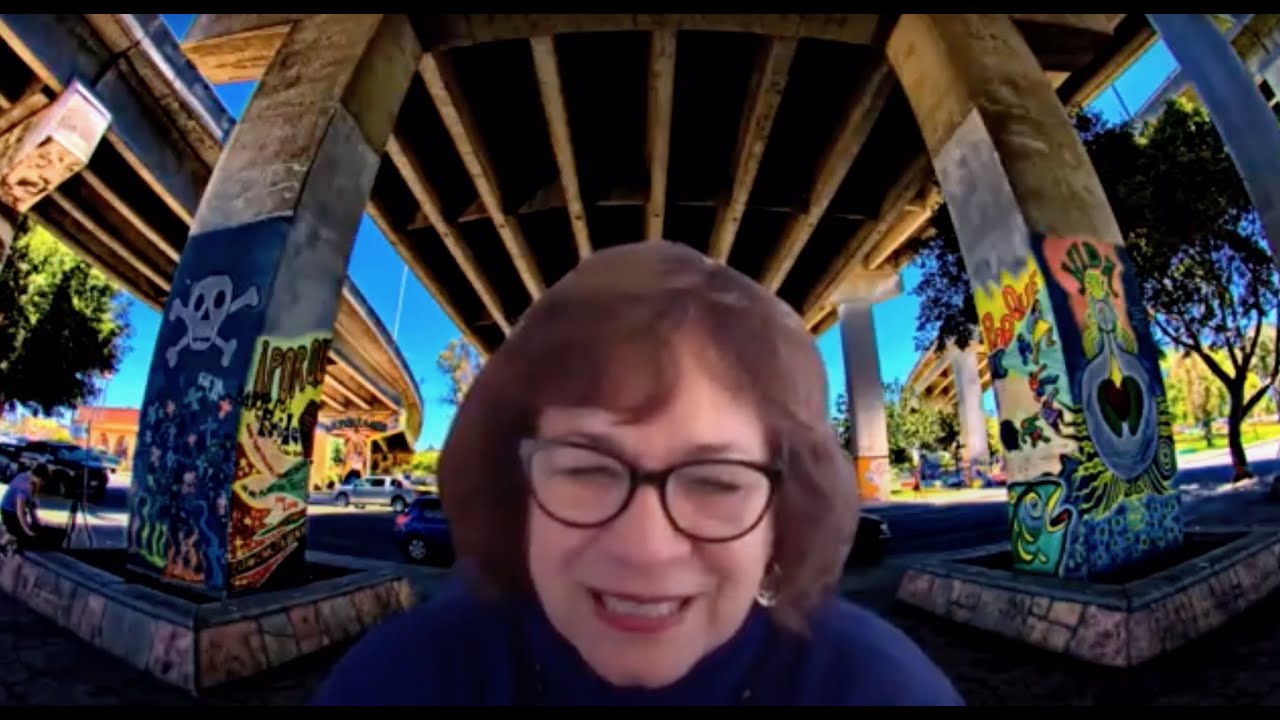
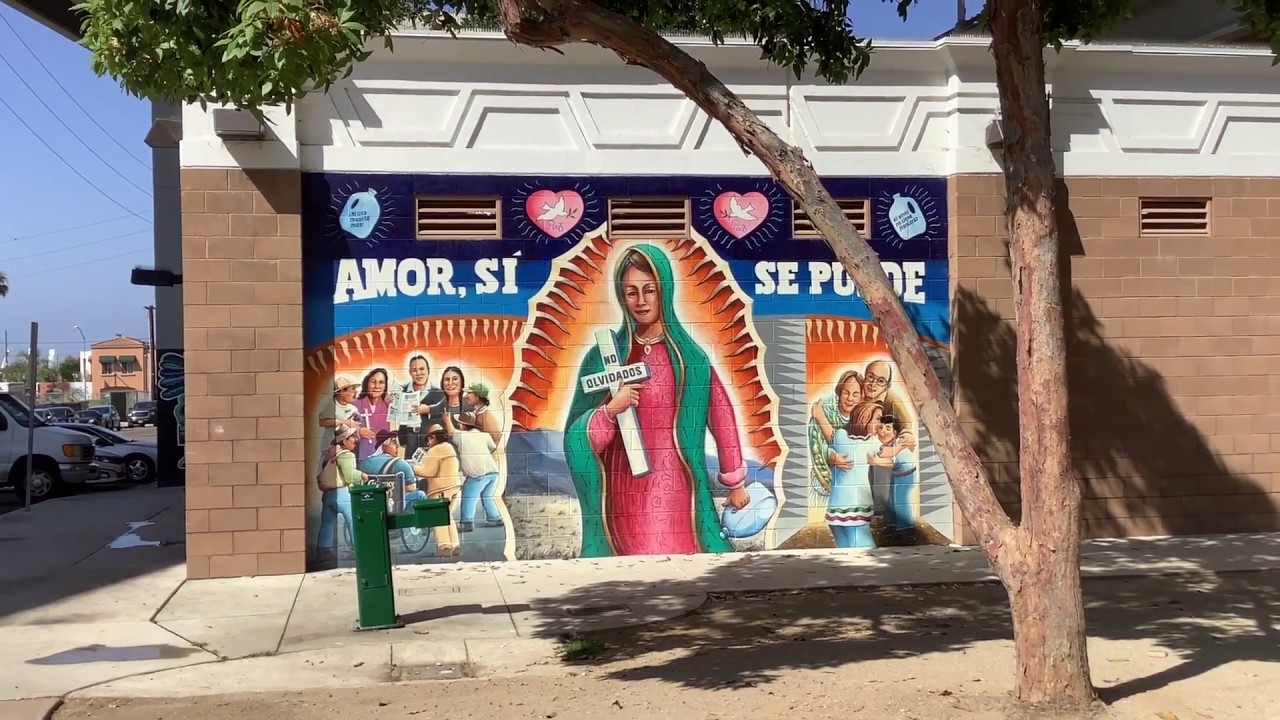






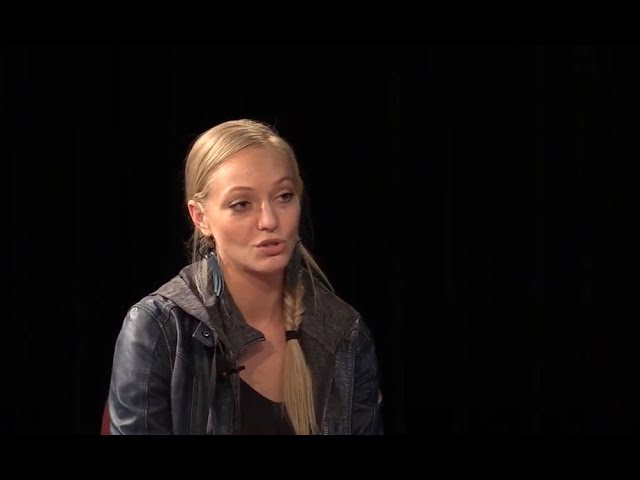

Chicano Park, created in 1970 when residents of Logan Heights took over land under the Coronado Bridge that the city had planned for a highway patrol station, represents a powerful example of community self-determination and cultural preservation. The park emerged from decades of displacement, urban renewal, and systemic neglect faced by the Chicano community in San Diego. Through collective action, residents transformed a contested space into a vibrant cultural landmark featuring murals that celebrate Chicano heritage, history, and identity. The park's creation demonstrates how marginalized communities can reclaim public space and assert their cultural presence through grassroots organizing and artistic expression.
Chicano Park (1988): A Documentary on Community Mural Art
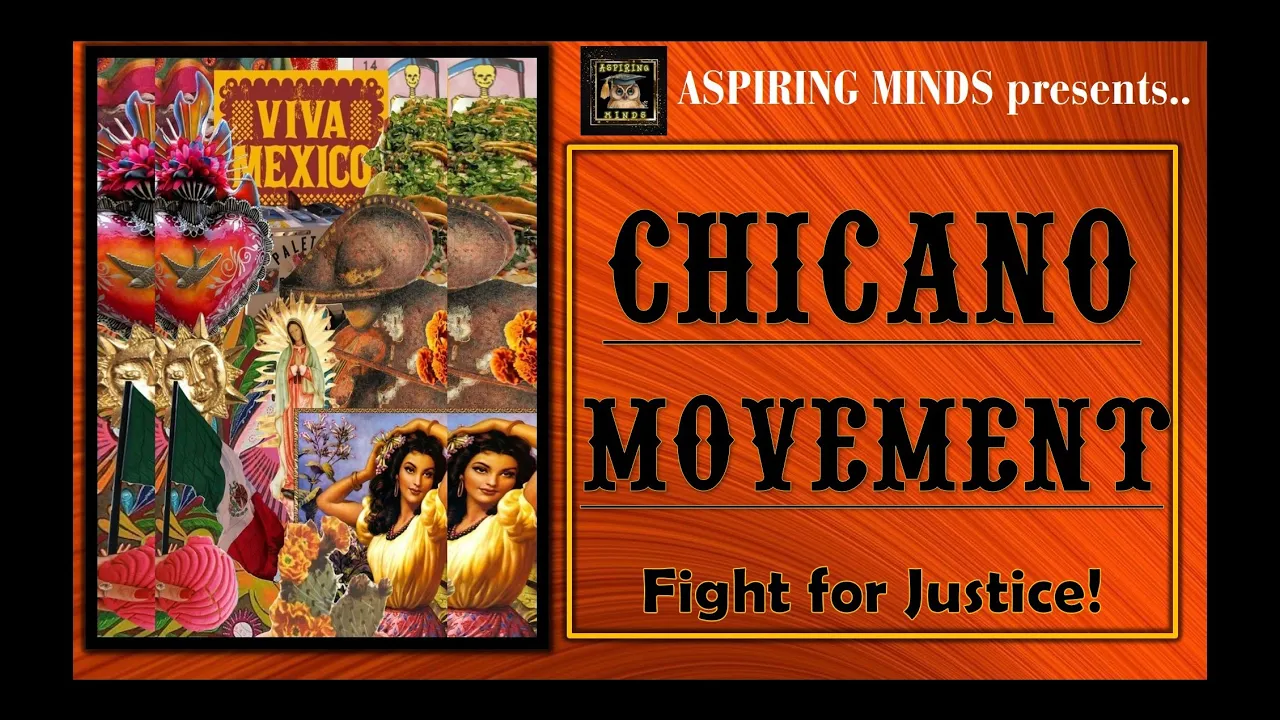
Added:The history of the Chicano Movement (El Movimiento) of the 1960s and 1970s, including its focus on civil rights, political empowerment, and cultural identity.
The concept of urban renewal and displacement, specifically how mid-20th-century infrastructure projects (such as highways and bridges) historically fractured minority neighborhoods.
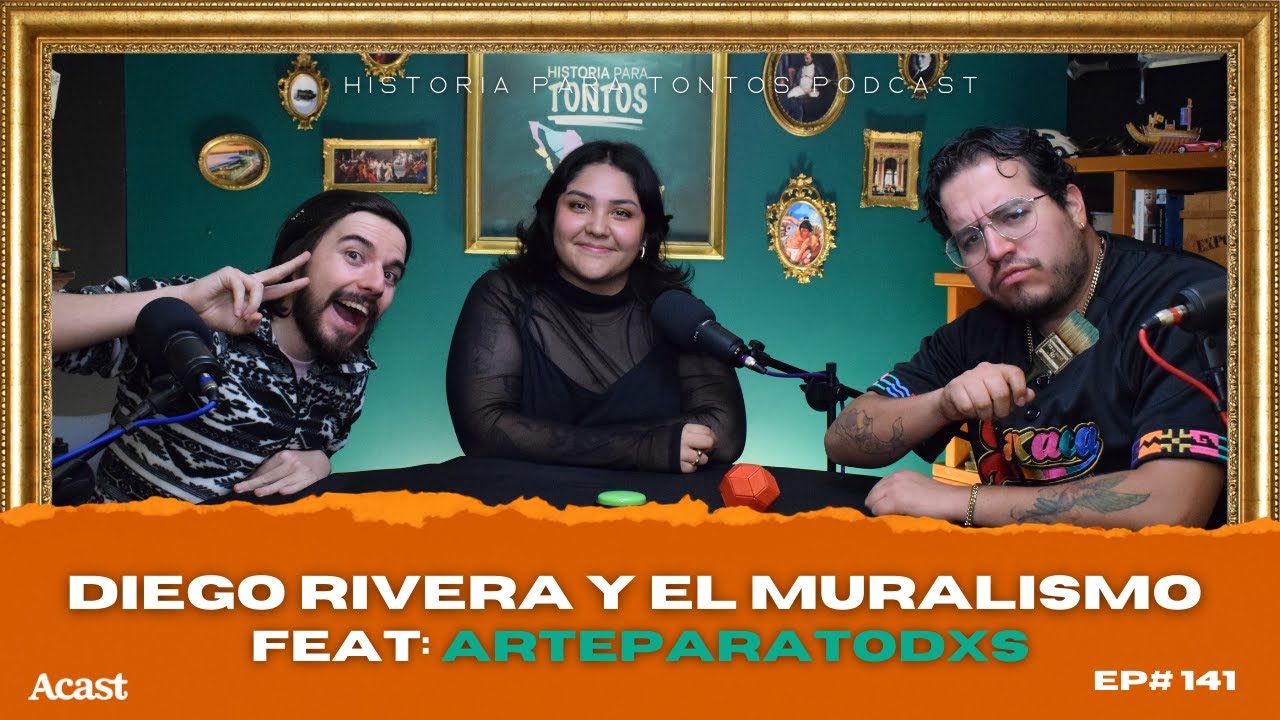
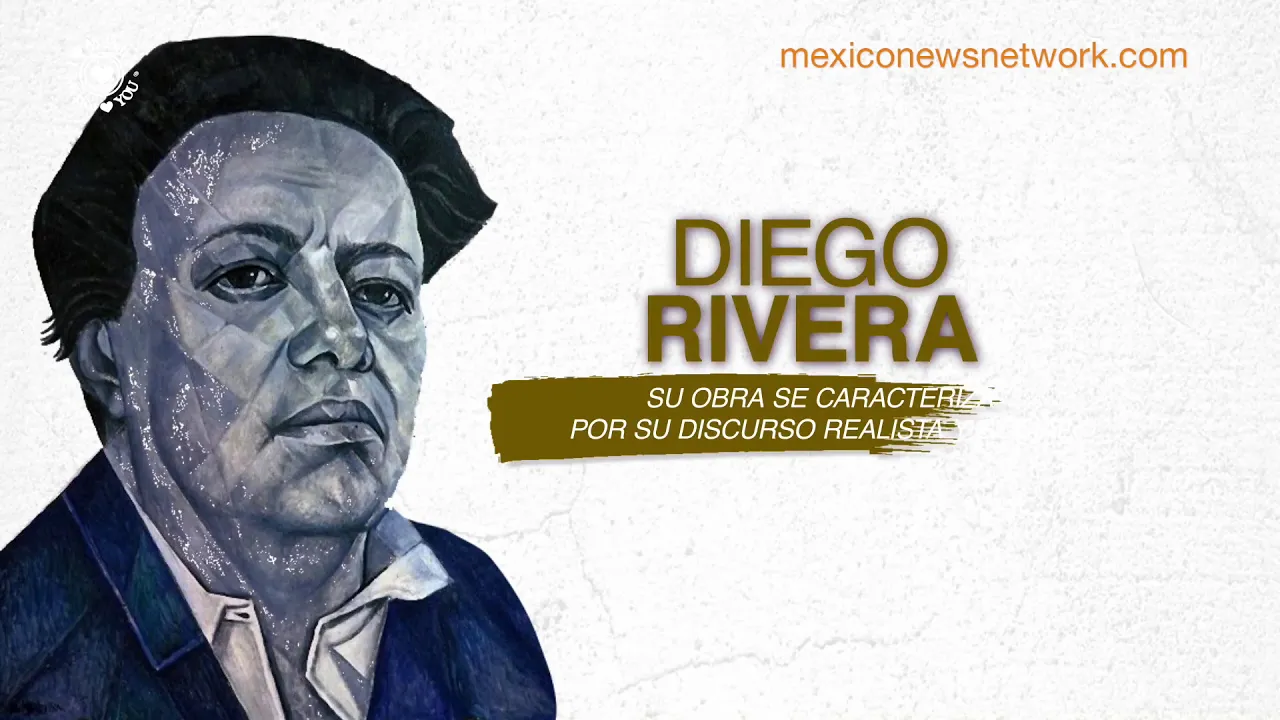
The artistic legacy of Mexican Muralism (pioneered by figures like Diego Rivera and David Alfaro Siqueiros) and its philosophy of using public art for social and political education.
The basics of grassroots community organizing and land reclamation struggles within urban environments.
An in-depth analysis of Chicano Park's specific mural iconography, including indigenous Aztec imagery, revolutionary figures, and local community heroes.
The modern-day efforts in preservation, restoration, and the legal recognition of Chicano Park as a National Historic Landmark.
The study of gentrification, environmental justice, and zoning laws in Barrio Logan and how the community continues to fight for self-determination.
Comparative research on other public space reclamation movements and community art projects globally, evaluating their long-term social impacts.
286.2K views4.8Klikes1:05:43Original Release: 2013-12-20
[Music] San Diego USA California's Southern gate Navy town industry Border Lines factories Mexicans Americans highrise businessmen sun-washed beach sand tourist filled vacation lands growing building affluence Urban modern development [Music] that's San Diego today but it has not always been once this fine land was Mexican once it was Spanish once it was Indian and once in the time of myth and history San Diego like all the American southwest was called Aslan [Music] the ancient story of Aslan speaks of a people who hunted from the Pacific to the Rio Grande but their land became dry parched so they migrated South to the valley of meico they renamed themselves AA in honor of their original home Aslan and the last of their Emperors left a prophecy one day our Sky shall bloom in New Splendor and you my people shall rise up again like trotten grass to find Aslan once [Music] more this is the story of one piece of Aslan Reborn and how its people the chos rediscovered their culture and history by claiming their Destiny as a people and as a community this is the story of Cho Park [Music] [Music] [Laughter] [Music] sing it it began in 1970 under the Coronado Bridge [Music] andio in San Diego well my people begin to fight for [Music] CH every year there is a celebration of the anniversary of that day April 22nd 1970 when larasa took over this land and made Cho Park it's a very special day for lot of Cho in most of our lives this is probably the only time that we've ever had a voice uh a say and something that we wanted you know it's not much of a park but it's our Park you know it's in our style we shall continue to live my brother we shall continue to fight my friend under the bridge Park under the bridge Cho Park is four blocks from the bay in the community of bario Logan bario in Spanish it means neighborhood in English it means ghetto once bario Logan was the second largest Cho community on the west coast with a population of almost 20,000 [Music] Park under the bridge bario Logan is the first neighborhood south of downtown San Diego squarely in the path of continued expansion chos have lived here for hundreds of years since before the US even existed today bario Logan is 17 mies from the border that line that guards the difference between cultures between languages between the United States and Mexico but once there was no border and people passed freely across this beautiful land my parents came in the turn of the century and I I don't remember a lot about that but I do remember that all my life I have lived in the bario my mother died when I was very young and my sister my brother and I lived with our father who was a blind man and so newspapers for a living and I guess we were very very poor but I remember being very happy all the children went to the same school we all knew each other we had everything [Music] here my great grandmother came at the turn of the century to San Diego and settled in Logan Heights because of uh all the community here many of them were from Baja California and she describes it as being wonderful in the sense that everything was [Music] there my father's family came by rail from Sonora there were a lot of families coming into this area and they were working as long shoreman um they were working in the counries and it became very convenient to just interact and live on both sides of the Border I mean there were no borders being on the border I don't ever remember any of my neighbors even mentioning it I had never we never heard the word undocumented alien illegal alien people went came and there was was just like you went across the street or went downtown or there was no big issue the Border chain and checkpoint were set up in 1924 [Music] with the depression of 1929 Cho labor was no longer [Music] needed during the Depression people were just hurted they were rounded up given a certain date move out they packed their little belongings children that were born here of course had to go with their parents that weren't citizens and I remember that my neighbors and I used to go down here to the railroad and see the train that was taking them it was really very sad the depression weakened bario Logan and as many people were deported it became smaller in shape and in memory I remember sometimes you know I used to get in shouting matches with banglow or something and they used to be and they would tell you go back where you came from you know and one of the things that always stuck out of my mind was that here I would was you know like Jose Elio Gomez in San Diego and EST of California and I was being told by somebody named Smith or Johnson to go back where I came from as soldiers marched off to World War II mikanos were pulled into bario Logan to fill jobs created by the War Industry the shipyards by losing access to the coast the Logan was beginning to be boxed in but with jobs and Working Families the neighborhood blossomed again there had been like in San Diego a huge population explosion because of the aircraft industry and the Naval Station being established there and I was born in 1942 so was during the beginning of the war and uh I remember spending a lot of time in Logan Heights growing up there was a real sense of community there was a thought that next door to us where my best girlfriend lived and we used to play in the back growing up in Logan Heights I really didn't have to interact with angl everything we wanted was here I mean it was like being in the womb you went to the central to get your groceries you went down the street to get your tortillas at the tortilla you went to the pania to get your bread you didn't have to venture outside of Logan Heights I was very unaware as a youth of racism I accepted a lot of things as just being and that's the way it was you know like running around with my own people and I was a kid and everybody I knew spoke Spanish it was very rare that you saw anybody of another ethnic group I remember one time it was a guy that came walking down the sidewalk really light skinned bright red hair and I remember just kind of like everything stopped for me cuz I had never seen anybody with red hair I didn't even know it assisted at the heart of all Community activity was the neighborhood house the neighborhood house was great that was our one Recreation I met my husband there at a dance and I was 16 when I got married and I had my children four one right after the other I was just a mother and a wife and my whole life revolved around [Music] that by the 1950s the area many had called home had been rezoned the laws had been changed San Diego wanted a place to expand and relocate its industry they chose bario Logan when our um neighborhood was changed from residential to Industrial it was just changed no one knew anything no one knew that you could go to the city ccil and protest I didn't know any of those things there used to be houses all in here and then the junkyard started moving in and at that time people started to have to move out because the freeway started coming through the the cornado bridge junkyards industry everything started happening my community started kind of falling apart there was no talk of Community Development or neighborhood planning associations we had no idea of what those type of things actually were the pounding every day Clash smash smash our house is slowly cracking the the walls in our house the the paint pings falling off this used to be a very nice area at one time until somehow somebody said it' be a nice place to make junkyards they built the freeway five condemned a lot of houses many many families had to move they built the cornado bridge the same thing happened we lost a lot of our friends we just thought that that's the way things had to with Highway 5 going through and the Coronado onramp a lot of the families and the housing that existed before was totally gone the little Bas were gone the little Tas were gone abandoned houses abandoned storefronts it was very shocking and disturbing to me one day somebody came knocked at the door and told us that we had to leave because the state had bought the property and that uh we had to move because they were going to build a bridge there so it was rather a surprise I would walk up and down the street passing through and I'd see this desolate area of our community where the homes had always been nothing was there it was all destroyed and it was such a sad feeling to see this I thought what could change this if only something could change [Music] this so lo and behold the bridge was built and these great big huge massive columns were built there and the uh ideas began to evolve in my mind so I started sketching them and and sketching the uh the work that was taking place [Music] [Music] the' 60s marked an explosive moment in the world people dreamed and organized for a new Society free of Oppression civil rights and anti-vietnam War movements flourished challenging mainstream culture and chanos organized themselves the struggle to create a United farmw Workers Union sparked a fire that roused chos across the US self-determination for chos of people alternative institutions to meet the needs of an ignored minority now countless individual voices came together into the powerful chorus of el Mento The Cho movement social unrest was happening Cesar Chavez had just had the march from deleno to Sacramento and the movement was starting to develop there were organizations such as Maya and mea and there were all these Sons and Daughters of Farm Workers and cry workers and railroad workers all meeting together in college and it was a real Awakening to see other students with the same backgrounds or similar backgrounds as I [Music] had I walked into this Hall and there was the flag of the United Farm Workers and it was such a strong impact the colors and the image Tre that uh I adopted it in my own artw works and began exploring this particular [Music] power here we had the chance to actually like make images of ourselves and make images of ourselves the way we wanted to see ourselves my involvement as an artist was the fact that uh we started having art exhibits we started doing posters and when there was a March or a rally or something was happening politically we were able to do images that dealt with that I just like to think of myself as indigenous I wanted to give Pride uh and identity to my own people I wanted them to realize that they have roots in this [Music] continent the only history I that they were teaching was the California mission thing you know about the the Spaniards came with the priests and they had a idelic thing going with the Indians and I just couldn't relate to that As I Grew Older I kept looking and the only thing I kept finding in history books was things like Poncho was a bandit well I grew up believing Pono was a was a national hero uh that saata was a bandit and like I had grown up believing saata to be a hebo so right there you know I was complete odds with uh just about everything that they taught me in social studies or in history even though my parents always said you're meico and you'd be proud of what you are and which I was my attitude outside of Logan Heights was very very defensive going out side of here was very intimidating like I'm less because I was Mexico but when I went to Mexico or to Tijuana to visit my family I was POA you know which is Americanized or you're from the other side of the border so I didn't really fit on either side and it was it was pretty confusing it was considered polite to refer to someone like me are you Spanish rather than um use the Der what was then a derogatory term of Mexicans when I became a CH and I became a Cho artist and began to learn more about my history there was a whole revolutionary different way of looking at um myself as a woman and all of a sudden I looked at myself in the mirror and I said you know I'm not I'm not too bad looking I didn't feel awkward or somehow strange or that I didn't look right I felt somehow I looked at the way that I should look like this was natural and it was good and I looked at my mother and I looked at my grandmother and I said God they look good to me too in the late 60s artists throughout the Southwest set up centr culturales cultural centers for the artistic and political voice of the community all this created a new wave in poetry dance music and visual art many artists journeyed to Latin America and Mexico to immerse themselves in Aslan and returned with New Horizons for the Cho future I ended up going down into Mexico and we traveled down there for almost a month and during that time I would stop every place that I knew where there was some kind of monumental sculpture or mosaic or murals you could see everything the movement in it I became aware of the concept of mural painting that influenced me a lot I remember my work changing dramatically after seeing that so when I got back I went back to my drawings for the mural that I was working on and the images just begun to jump right out of it I think my purpose was to educate people as to the status of the society in the sense that of being a mechanized World half man half machine the pollution of the air War [Music] destruction I started looking at the kind of media images used within our own Cho Community movement as far as like positive role models as for women and the predominant image that was basically one was the Virgin of Guadalupe basically a passive image she's wrapped she can't even walk in the material that she's got so in my desire to create a positive images I used um my mother my grandmother and myself as prototypes since I was running at that point in my life I did myself as a runner and I threw up uh her dress cuz she's running I put sneakers on her as taking off exuberant full of life then I did my mother who worked at the naval training center for 30 years as a mistress sitting behind her industrial sewing machine making her own Cape of stars and my grandmother I saw his old woman very rarely do you see like the Virgin portrayed as an older woman I guess this has to do with with the sanctifying of her [Music] virginity in the 60s when the young people that had lived in this neighborhood and they went to college or they went in the service and they came back they woke everybody up that's the way I got involved he wanted to park there was a community council meeting at the school every month and we were told that we would get a park and these meetings went on for at least 3 years and nothing ever happened no Park 1970 the city began construction of a highway patrol station on that same piece of land under the bridge the residents had wanted for a park no one in the community was consulted I was absolutely outraged because then I realized that they had just been lying to us and they had just decided it would be a Highway uh office at the highway patrol office and and that was it we needed no more police in our neighborhood we needed Social Services we needed human care services but we did not need any more police one day I was walking down Logan and Mario Solis came up to me he says guess what guess what he says they're going to build a highway patrol station down there I said where what what's happening he says they're going to build a highway patrol station down there where we want to park yeah they're already got the bulldozers down there and they're building fences and everything we were in our Cho Studies classes and I can just remember someone coming in and saying you know they're going to create uh a highway patrol station right in in the Vio and the next step was really fast everything just started going just like that we came down we came into the park we made human chains around the tractors I was going to the grocery store one morning and I saw many young people and they were in a circle holding hands so I flew over there to see what was happening so I joined in I never came back home from the store I just stayed there and from then on I was there every single day taking pots of food for the young people to eat and we were planting and digging and singing and [Music] [Applause] [Music] chanting in the year 1970 the city of San Diego under the cornado bridge light a little piece of land a piece of land that the community of Logan heids wanted to make into a park a park where all the chavalitos could come and play in so they wouldn't have to play in the street anymore and get run over by a car a park where all the Vitos could come and just sit down and watch the sun go down in the th a park where all the familias could come and just get together on a Sunday afternoon and celebrate the spirit of life itself but the city of San Diego said Char we're going to make a highway patrol substation here man so on April the 22nd 1970 the rasa of Logan Heights and other Cho communities of San Diego got together and they organized and they walked on the land and they took it over with their pigs and their shovels and they began to build their park and today that little piece of land under the cornado bridge is known to everybody as Cho Park [Music] he we shall continue to live my brother we shall continue to fight my friend we shall continue to live my brother we shall continue to fight my friend foro Park under the bridge it was the first time that we had all come together in a sense of unity for ourselves in our community other other than that it had been very isolated we believed it we said it we taught our children but we didn't vocally come out for the I think for the first time in my life I saw some people that were very you could see it in them DED dedicated committed believing in something and that really inspired me and made me say to myself inside you know I want to be part of this I want to be like these people I want to be able to feel dedicated and committed to something to a good cause and to me the issue of Cho Park was that cause that's the way we got it we wouldn't let the tractors work we just stood right there let them roll over us if they wanted [Music] to Cho Park marked The Rebirth of bar a small thing to some a little piece of land but to the Logan it was something of their own people remembered the voices of their ancestors fighting in the Mexican Revolution crying Li land and freedom land and [Music] freedom as the flag of Aslan was raised over the park a new rallying cry was born all the way to the Bay extend the park to the bay and reclaim the Waterfront from industry the ancient prophecy for a new Aslan was answered the trotten grass had risen up thirsty and drank the Sweet Water of Victory the park had been one now it would be made beautiful fill it with murales fill it with mural the empty pillars waited new Cho art was about to emerge for the world to see we organized ourselves to do the first murals in 1973 um that uh that whole process of doing the murals and trying to get permission from the from the city was very difficult we had to do a lot of bureaucratic red tape there was a lot of paperwork every time we uh accomplished one step there was always another step but we did a lot of preparation putting the uh primer scaffolding paints brushes because permission or not we were going to paint the paints were all laid out and there's this gigantic wall there and uh all of us were just looking at this wall so we poured out the paint and took some rollers and some rollers and just attacked the wall the rollers and put color everywhere there was at least 2 300 people that all of a sudden were all over the walls just the energy of all the people just just gathering over here grabbing brushes and going for it was done spontaneously we exploded on the walls whatever went on went on on the walls if we thought we had control we realized that we really didn't by the time everybody got done there was name names there was Donald Ducks there was Mickey Mouse uh there was all kinds of things all over and I was looking at it and about that time Jose comes walking up to me and he was really upset with me it's like if I was responsible for what had happened we really ruined it we really destroyed something that was possible and uh I can remember listening to him and I just kind of turned toward him and I says uh we haven't finished yet [Music] so for about four or five months there was about five or six of us that kept going back and working on those walls [Music] we thought it was very important that our community realized that we had very important people in our history and we did a series of portraits to have more Role Models or [Music] Heroes this was our first attempt to coordinate and to work a mural I had never seen murals in my life I thought they I think they're absolutely beautiful and I was just surprised no one in the community had ever seen them we had never even knew there was such a thing we had never learned about them in [Applause] [Music] school these were the first murals in the park a celebration of all the images from The Cho experience so there was so much to paint red and black the United Farm Workers flag black and red the Astic symbol of the four directions of Mother Earth ketal quatle The plumed Serpent of knowledge arching over the community the Kiosco a stylized Mayan pyramid to be built at the center of the park LTI the Mexican death skeleton reminding everyone of the Everlasting dance between life and death and death and life and the myso face symbol for the fusion of Indian Spanish and Cho cultures the murals reached back and then forward to the present and Beyond into the Future Park all the way to the Bay we will have Cho Park all the way to the Bay we're asking every everyone to please be down here on Tuesday April 22nd at 12:00 noon to participate in the march to the Bay Cho Park was a flowering of Cho power and a challenge to those in San Diego who had planned for the bario to disappear yet the question lingered how to bring about change the park was such a great victory that almost all the people that uh were at the park takeover then we moved over to the neighborwood house and took that building over and and it was decided that it should be a free clinic and I thought well we do have some rights and we can speak up and change things uh we started with volunteer Doctors Volunteer nurses and it was just wonderful I was so apprehensive about the city council taking the building from us that I slept outside on the on the porch just to guard the place see that nobody took it away from us in the early '70s the bario strength was Rising other small volunteer self-help organizations sprang up Laquita a Cho free school the vario station a community Youth Center toas in Aslan an artist Collective it was a time of intense creativity and exuberance the Logan was in motion everything seemed possible at a moment's notice just almost like a snap of the finger we could have two 300 400 people uh marching and demonstrating in front of City Administration to uh to get our issues heard you had to fight for everything you wanted grass you wanted a faucet you wanted trash cans there were een meetings to ask for a lousy trash can then uh the Kiosco was another thing they didn't like the plans for it they didn't like it it looked like a pyramid they didn't like this they didn't like that so what wasn't going to be their park it was ours we wanted the the yosco the way it was uh had the blueprint and that's the way it [Music] was after the park takeover something really nice and beautiful started happening it wasn't just confined to the park though I mean uh the Centro famili was organizing the social workers the the artists were organizing the artist the teachers were organizing the teachers organizations a lot of movement was taking place Don mus all the Arts themselves were flourishing people were flourishing it was like as if the seed was finally getting watered and people started sprouting [Music] through Theo movement and through our own efforts especially through our music we began to learn more and more about where we came from and where we are going as a people [Music] oh [Music] this was the height of the movement politically and culturally Logan artists traveled to other communities to paint Cho artists from elsewhere traveled here to Cho park it was the time of the artistic collectives artists work together in groups sharing and reinforcing their ideas and styles a visual language for Cho art had developed anchored in the pre-colombian imagery of Aslan and inspired by the Mexican Masters Riva SOS Orosco and [Music] fredao Cho art chose its subject matter from the political issues of the day be it the farm worker struggle or laia my land Cho Park in 1975 uh we organized uh Invitational to uh to invite other mural groups from throughout the area the Roo Air Force was one that brought down a really good contention of artists the RCF was a group of uh artists in Sacramento some of us had been doing art for some time a lot of the people that started the group with us were our students so we went and we had N9 days to do it so the night that we arrived they wanted us to hit the sack and get up early and we said we we can't we don't we want to go right now we want to go and see what we're doing here so that we could get up in the morning and start painting as soon as we we said we can go right now you know kessle snaps his finger and lights go on and the scaffolding was there and we could actually go out there and and know at least how to grit our our cartoon how to make our preparations the rcaf women left here earlier they had already started their miral when we got there and I think the women messed up by jumping the gun see they took off without letting us know so it was a solo flight that usually in the rcaf you know it's a court Marshal man in which case they would have come back and say what are you talking about we know you guys too well again it's the old machismo coming out but they did a very beautiful [Music] pillar I maintain that there was enough in our Cho history that still hadn't been told so I thought someone is handling the images of CH and the VIN and sapata uh I'm going to concentrate on something that I've always done as my [Music] people having been brought up in the Fresno area sanen Valley after leaving New Mexico and being farmers in New Mexico it was like a natural so I did a farm worker family education jobs political power housing and healthc Care these were Elmo vento's National agenda issues that affected every Cho and Chana in the United States and in Cho Park local issues shared the center stage so come up here for those people who want to stay together down to the land on the waterfront bario Logan mobilized around the all the way to the Bay campaign and in a thousand City Council meetings San Diego resisted every step of the way we began to organize here in this particular Community to begin planning for our future because this was our right uh and it's important that every Community should plan for their future the dream was to free Logan from IND R and junkyards but did the bario have the strength to realize it or would San Diego Force families out of their homes like so many others that been forced out before when they built the freeway and then they built the bridge the residents here weren't recognized as being residents they were just recognized as people who hadn't gotten out of the way of the junkyards yet you know because they're coming the freeways and the bridge and these people haven't gotten out of the way but they'll be out of there in a few years well the whole area the whole V refused to just roll over and die here at the border that's how we say junkyards Y is no the mural vario yon no was part of the campaign to drive out the junkyards making this billboard was a moment of Harmony within the Cho movement artists and activists working together to Build a Better Community M Casas men yon more houses less junkyards I went to all the meetings with all these young people they all came after me and I went because I I guess they thought if they took an old lady along it would be respectful and we finally got some of the things we wanted [Music] bario Logan was rezoned junkyards began to move away it was a victory but not like the park takeover the politics of the Cho movement had changed less confrontation more meetings meetings and more meetings the all the way to the Bay campaign was being stalled by end less meetings with City attorneys city council the court Authority and the murals by the late '70s the period of spontaneous murals bursting onto the walls was coming to an end the community wanted input so the chano park steering committee began to set standards new artists would have to submit sketches and proposals for the artists this was limiting they yearned for the freedom they once had now everything was open to review and to question everybody had [Music] was a very heavy criticism uh from the vario uh the red star on the on the right hand you know are you preaching communism socialism uh haishi intertwined figures with to him was using the Ang notion to show a movement or the oen symbol the the interacting that was criticized for his nudity and uh Ste man a white lady with tattoos she intimidated the Logan probably more than uh any of the other things that were there if Ste had done an emerging M or woman and he did it all in white and it was not for the white woman or against the brown or the black woman that was the color that he thought best put across what he had in mind she was ascending into a new prominence by the late '70s the ongoing conflicts between male Cho artists and Cho women artists became public women had been encouraged by the activism around them now they reexamine their own lives and emerg to play a major role in the art movement when I approached the male art artist they didn't know quite what to make out of me here was a confident trained verbal um artist and who was a woman and yet were not relating them to them exactly like the typical male female relationship so most of my role was as a support person I was never invited to paint a mural with them and didn't really push it myself as well this young woman and her high school friend friends wanted to paint a mural and they showed me a drawing of themselves as coming out of these corn stocks so they saw themselves as little plants tender Little Sprouts the idea of working with young women was really thrilling to me and um so I said okay we'll do it we didn't have any money we didn't have a sponsor they told me later that they had approached some male artist and they had been turned down or ignored our enthusiasm for each other was really contagious I saw myself simply with them as a facilitator and and teacher I called myself a technical adviser I saw them as the artists so the murals portray Mexican history they portray Latin American history and they portray contemporary Cho history contemporary Cho history think about it things have changed chos can refuse to be an invisible people and can say with pride we write our history for ourselves and paint it on our murals yes things have changed not all the small alternative institutions started in the' 60s survived but some did become an established funded organization and the long-haired bario Warriors brushes in hand many left but others stayed and became painters and teachers of art and the park once's a Barren patch a pass overpiece of land now is green and beautiful Cho park has become a set of real life stories of a people's self-determination a message of creativity and struggle not just for the Sons and Daughters of Aslan but for all the people and all communities let Cho Park speak to those who dream of roses but swallow Thorns as a tale of Hope fulfilled [Music] into the80s the national Cho movement had fragmented in bario Logan activists focus on a single issue of enlarging the park to the Bay years of struggle had taken their toll organizations weakened some leaders left but others stayed since I began to work on the murals I've never let them I've always uh been restoring them a little bit here a little bit there I'm still involved every time there's a picket every time there's a March I'm there over the years I've been involved in the free clinic that has just grown tremendously and I never dreamed in my wildest dreams that it would be the way it is now I just got reelected as the chairman of the committee once again I'm back on for another ride I have mixed feelings about it over the years it's been like a roller coaster ride there's been times we've been riding high and times where we you know we' be riding low we've had problems within the organization problems sometimes with membership disagreements but um I've taken on the chairmanship here because by letting a lot of this division continue we are setting a bad example for our children because they're going to grow up and it's going to cause them the same problems that we had the same miscommunication that we [Music] had like so many times before the population of bario Logan is changing by the end of the 1980s bario Logan began to shrink again as San Diego continued to expand the growth of San Diego was accelerating the downtown was revitalized and a new convention complex installed San Diego is on the move and Logan is in its path for Cho Park the future is an open question it can be the symbol around which people can rally and defend their bario or it can be the last chano Island as families are forced from their homes by the pressure of San Diego's Urban Development it is a question that the future and the people of bario Logan will have to [Music] answer we are united we are not divided we are united we don't have to fall apart right now we have a a common [Music] goal in spite of all conflicts bario Logan moved forward in 1987 the community won a victory extending the park to the Bay acquiring three acres on the [Music] waterfront this took 17 years even though the population around Cho Park is more scant every year people do use the park I mean and every year in Cho Park day there's there's a a celebration with thousands of people there's a greater meaning Beyond simply the neighborhood now in a sense it's almost a memorial to all the little BOS that exist across the country where Working Class People live but we're not going to go down easily [Applause] [Music] speee [Music] foree spee [Music] [Music] [Music] fore [Music] I never realized that I could do the things I did or had the strength or even had the the guts to do it you know and I thought you know here I am a housewife and a mother I've never done this and I just made me feel real good if I wouldn't have been involved in these things I would never have had the dreams to try to accomplish something I would have never even attempted it I would have never attempted to paint a mural we go to parades in areas of of San Diego where before would be full of intimidation and fear because we were mexicos and my children are going look at the chros mama Yoo look at the chros look at the Dan santes look at the FICO mama look at how Pride look at the low riders and people looking around at us like you know and my kids just saying it with pride and beauty and and I know that that's what that did for me I don't know of any other community that would fight for a park under a bridge where we get the fumes where we get the pigeon droppings but it's our park and we love it [Applause] Theo Park under the bridge [Music] [Music] we shall continue to live my brother we shall continue to fight my friend we shall continue to live my brother we shall continue to fight my friendo Park under the bridge Cho under the bridge [Music] n [Music] [Music] [Music] alici [Music] [Music] [Music] Mar for [Music] you am cig I for there AR e e for for for e
Up Next
26:57
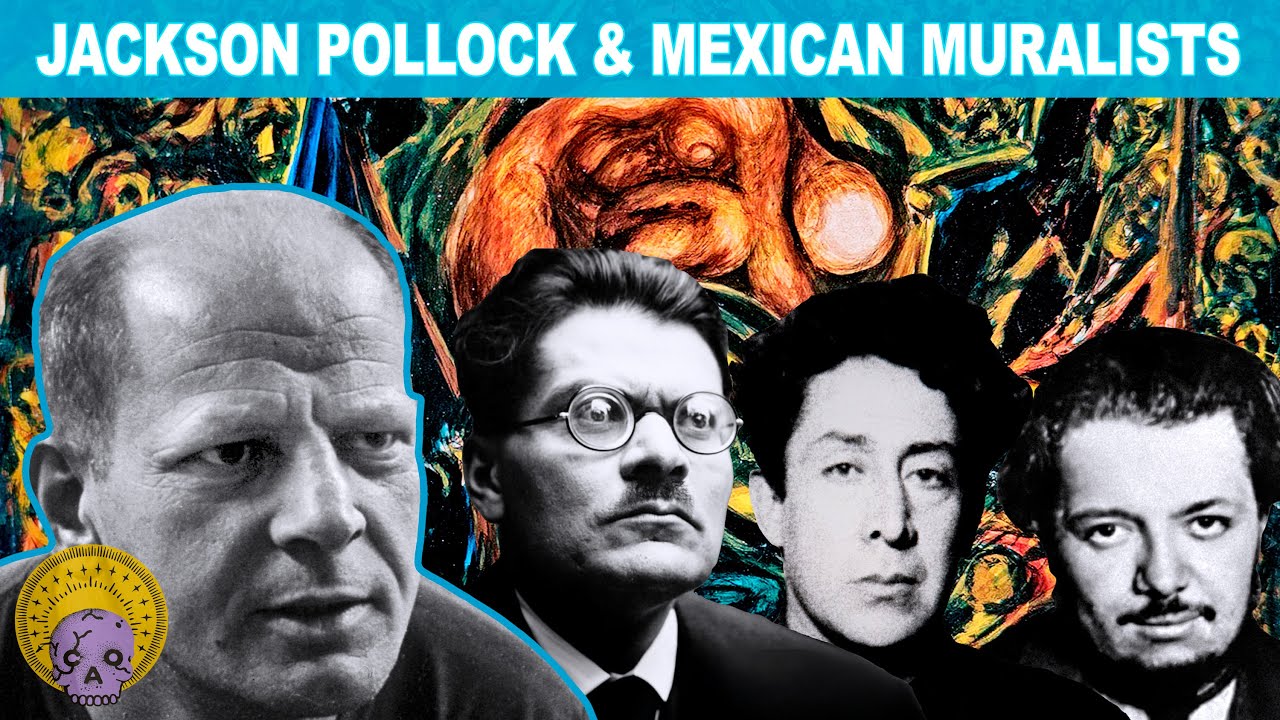
Mexican Muralists' Influence on Jackson Pollock's Art
@TheConspiracyofArt
8.3K views•2025-04-14
60:59
The Mathematics of Perspective in Renaissance Art and Modern Applications with Sarah Hart
@GreshamCollege
29.8K views•2021-10-25
7:48
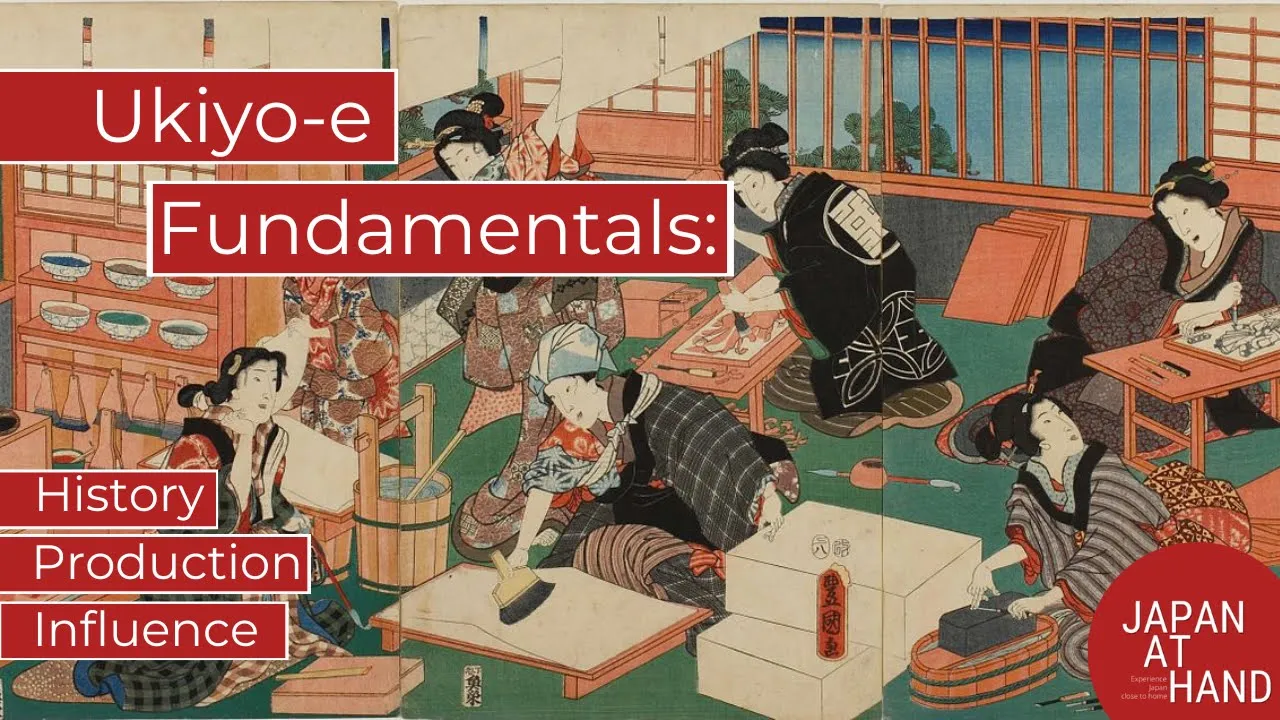
Ukiyo-e Art: History, Woodblock Printing & Influence
@japanathand
6.3K views•2023-06-08

16:34
Earliest Depictions of Jesus in Art: 10 Ancient Images Explained
@UsefulCharts
5.9M views•2022-06-03
Related Study Plans & Knowledge Roadmaps
Structured learning paths in Art History
art-history
Vienna Secession: Rebellion, Klimt & Schiele
01Fin-de-Siècle Vienna & Academic Historicism
02The Secession Movement & Klimt's Decorative Symbolism
03Gesamtkunstwerk & the Wiener Werkstätte
+ 2 more learning modules
9h5 modules
Explore Roadmap
art-history
Gothic Cathedrals: Engineering, Light & Society
01The Birth of the Gothic: Romanesque to Suger's Vision
02The Structural Triad: Pointed Arches, Ribbed Vaults, and Flying Buttresses
03Theology of Light: Lux Nova and Sacred Geometry
+ 2 more learning modules
14h5 modules
Explore Roadmap
art-history
Pre-Raphaelites: Realism, Symbolism & Critique
01The Victorian Art Establishment and Academic Formula
02The Founding of the PRB and Radical Realism
03Medieval Revivalism and Literary Symbolism
+ 1 more learning modules
8h4 modules
Explore Roadmap
art-history
Street Art: From Subways to Art Market
01Subcultural Origins in Philadelphia and New York (1970s)
02The Subway Era and Style Wars (Late 1970s - 1980s)
03The East Village Scene and Early Gallery Crossover
+ 2 more learning modules
10h5 modules
Explore Roadmap