
![Linguistics [Semester 4] |Phonetics| Main Articulators الـدرس الـثـاني](https://i.ytimg.com/vi/rpjdJooSujI/hqdefault.jpg)

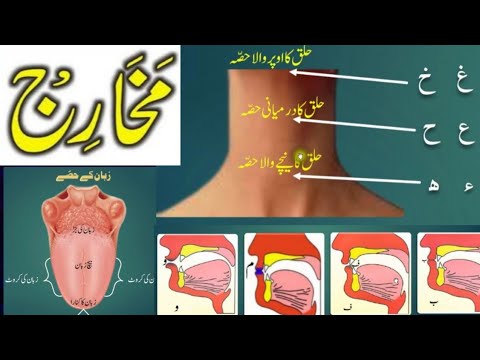
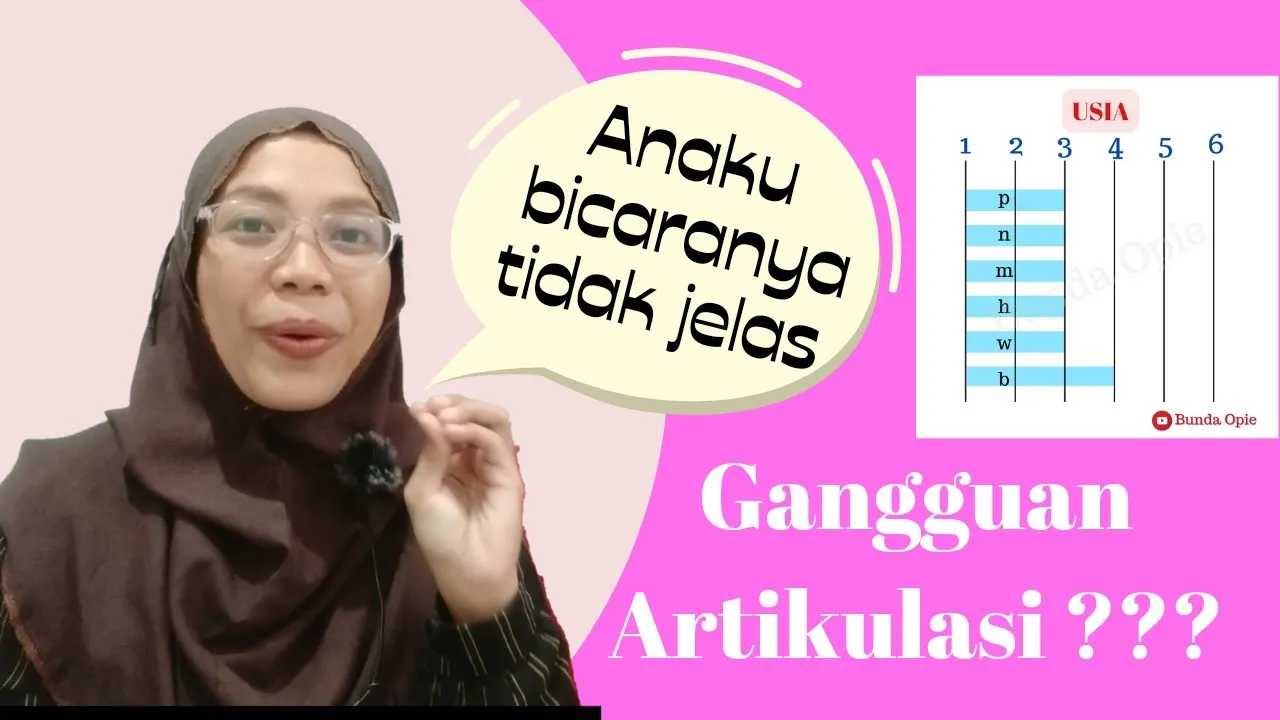



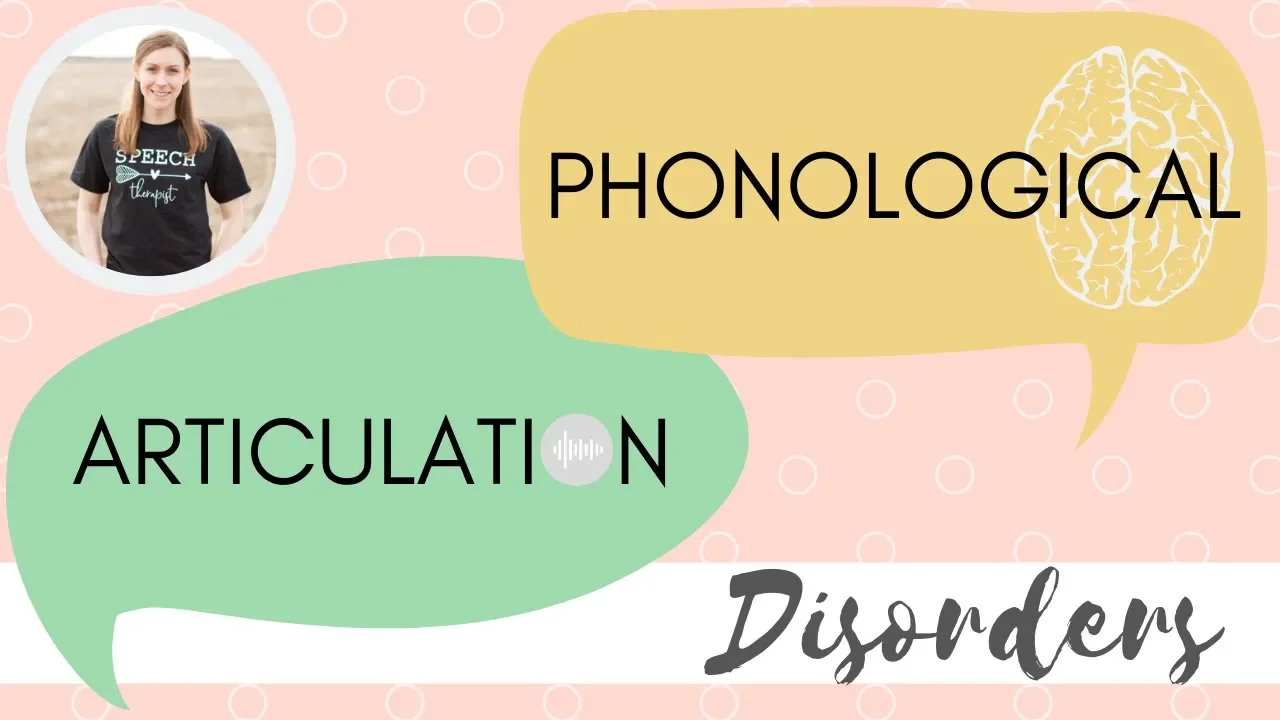





Articulation is the process of producing speech sounds through the coordinated movement of articulators (lips, teeth, tongue, palate, and larynx), where vowel sounds require unrestricted airflow and consonant sounds involve varying degrees of vocal tract constriction; an articulation disorder, now more commonly referred to as a speech sound disorder, involves difficulty or inability to produce sounds correctly, characterized by errors such as omission (leaving out sounds), addition (adding extra sounds), distortion (misproducing sounds), and substitution (replacing sounds), which can be assessed across multiple levels from isolation to conversation.
Understanding Articulation Disorders: A Guide for Parents & Students
Added:Basic speech anatomy and physiology, including how the tongue, lips, teeth, and palate work together to physically produce sound.
The developmental milestones of speech, specifically the typical ages at which children are expected to acquire and master different speech sounds.
The fundamental distinction between speech (the physical production of oral sounds) and language (the cognitive system of symbols and grammar used to convey meaning).
The diagnostic distinction between phonetic articulation disorders (motor-based) and phonological disorders (cognitive-linguistic pattern errors).
Evidence-based therapeutic interventions, such as Van Riper's traditional articulation approach or the Cycles Phonological Pattern Approach.
The role of standardized assessment tools, such as the Goldman-Fristoe Test of Articulation, in clinically diagnosing speech sound disorders.
The connection between early childhood speech sound disorders and later difficulties in phonological awareness, reading, and spelling.
5.3K views68likes46:27Original Release: 2019-12-31
I am so excited about the information that I'm about to share with you all today and I know you've already seen the title so we are talking about articulation today and we're talking about it in terms of what it is and how we would describe it when we talk about it as a disorder let me also give this disclaimer as well because in my recent research that I've done for this video based on our national organization which is the American speech language Hearing Association they are not technically referring to it as an articulation disorder anymore even though when I was in school that is what I was taught they're giving it a bigger name which is a speech sound disorder and it is an umbrella of different things and you I will explain that to you a little bit more so you may hear it called in articulation disorder or you may also hear it called a speech sound disorder but either way we're pretty much talking about the same thing who is this video for it is for the parents of children who may be currently experiencing this I want you to have an understanding of what you may be hearing coming from your child and if you were already have taking your child to a therapist that when they begin to speak with you concerning their progress or whatever the case may be then the terminology that they're using is not going over your head if there were to go as far as to show you any diagrams then you can be pretty much familiar with what they're talking about it is also for any student of the profession right now whether you are in an undergraduate program or in grant or a graduate program or if you are an exit therapist and you are currently maybe just wanting a refresher or maybe studying CEUs they have something to do with it everyone can benefit I am excited about the video because by nature I'm a true nerd and so when I went back and I did a research for this I got excited because it took me back to everything that I learned in school and so it it also allowed me to know like do I still know this is this something else I need to brush up on so it was also helpful for me as well but you will be able to use this video as a way to understand what is going on with your child's articulation skills and know some things that you can do to help them and also I find that a lot of my parents blame themselves for why they chose their children may have this and it's not your fault okay it's a motor disorder but we will get more into that later and I also want to say as I release this video I'm also running a 40% off sale on all of my articulation disorder product products or products that I have that target articulation in my Etsy shop this will run for the next two weeks or so it probably will end either the week of Christmas or the week after but I will be running that on my website I will attach a link within this video where you can find it right now for anyone who has purchased any of my products directly from my website it is not up right now because I'm in the process of redesigning it so it's been down maybe for about two weeks now and so I don't think I had plans for it to be back by the 10th but I've been taking on some other things in addition to trying to do this video so I haven't quite been able to get it back and get it back out there but I'm hoping by the end of the year that page will be back up where you have the option of me of you buying them and me emailing you the workbook or you downloading it directly from AC which is the sale that I'm running so I want you to take advantage of those products as well and please look at the end screen of this video all of my interactive videos that I have that you can sit your children directly in front of to target some articulation on issues as far as specific sounds and things of that nature those will also be in a playlist for you as well so you can click them and find them and you can seat your child in front of it you may want to see that with them for a little while but you can see them and it will give them the help that they need so I hope this video is helpful to you let's get right into it okay everyone let's get right into it you've already seen the intro so you know what to expect and so I want you to do exactly what it says on the screen Keep Calm and love speech therapy because you're about to get ready to learn everything that you need to know about articulation I got your back ride this out with me so that when you're done you come out feeling more knowledgeable than you did when you came in and trust me it's going to be worth your while so first things first if we are to know what in articulation disorder is first we must know what is articulation it is simply how sounds are produced when speaking articulation is directly impacted by their articulate errs don't let the word scare you once I show you what they are then you will be very much familiar with what I'm talking about and it will begin to make more sense so the articulate errs they have to come in contact with each other some type of way and when they do it can cause constriction of the vocal tract depending on how constricted or not constricted the vocal tract is it will determine whether or not you're going to make a vowel sound or a consonant sound then once we get into producing vowel sounds and consonant sounds then we have to think about voicing now this is not something that we will focus on very heavily but what you need to know is that most consonant sounds come in a pair one sound and the reason why I say they're they come in a pair is because you'll have two consonant sounds that are made in the same place we'll get there to let you know what I mean so for example if we take our T and our D sound these two sounds are made the same exact way with with the parts of the articulator z' that we use to make the sounds but the difference is one is voiced and the other one is not if you are to take your index finger and your ring finger and put it in the middle of your throat around the area of your Adam's apple and you were to make the T sound if you do that you're not going to feel any vibration of your vocal folds if you were to take that same method put those two fingers by your Adam's apple or on your Adam's apple and make the dust sound you're going to feel the vibration of your vocal folds and that's all voicing is it is the vibration of the so that's very important to keep in mind all right you're sticking in there with me let's keep going so going back to our definition about what is articulation we said it's simply how you're producing sounds well we produce sounds using our articulate errs so as you can see the articulator x' has to do with our nasal cavity it has to do with our lips our teeth our tongue our throat which we refer to as the pharynx and our larynx which is where our voice box or our vocal folds are all of those things and it also has to do with our hard palate and our soft palate which is pretty much the roof of your mouth okay and then there's a part of the palate that's directly behind your teeth like a little Ridge that we call the alveolar Ridge and the tongue often will come in contact with that to create different sounds so basically it's the thing that you used to talk and eat with every day those are your articulate errs okay now you may not have known prior to this video that there are sounds that we make by funneling air through the nose through the nut nasal cavity and so those particular sounds are your m and your in M if you were to say those sounds now that same vibration that you were typically feeling your throat you can also feel that in your nose so that's important to point out so the articulations are the things that we use to eat and to speak with every day but if you're not in the profession you would not have known that or how it relates to how we speak okay and that is also why speech-language pathologists are qualified to work with feeding and swallowing because we're using the same thing that we speak with in order to chew and to swallow our food so that's very interesting something else that you need to know as well speaking has a lot to do with your air buildup all right so the air that you build up in your lungs your diaphragm all those things help to contribute how we speak one of the very first things that we were taught in our anatomy and our physiology classes were the same system that we use for breathing we are also talking and eating on top of that same system so just see how that just shows you how intricate the development of the body is because we're still able to talk and eat and breathe all at the same time but if we were to break that down once people have start to have difficulty with aspirating when they eat other that those things come in together if there's a loss of coordination between speaking eating and breathing then yeah you can have some food that will fall back into the lungs to call at cause aspiration if a person is unable to get their tongue up enough to produce certain sounds will then also impact their ability to be able to use that same tongue action to prepare food back to start the swallow so all those things are somewhat interrelated okay so that's just something to think about you're doing well keep it up with me let's keep going now if we were to go back to our initial definition of what is articulation we said it is how sounds are produced it has something to do with the articulator z-- and how they come in contact with each other and the constriction of the vocal tract or the airflow that we have it will determine whether or not we're making vowel sounds or consonant sounds so look on this particular picture that I'm showing you I'm giving you the layman's terms or definitions or pictures of what vowels and consonants sounds are because it would be easier for you to understand but I will show you later how we learn phonetically what vowels and consonants sounds look like but let's have tension to the definition that they give us bowels a vowel is a speech sound made by allowing breath to flow out of the mouth without closing any part of the mouth or throat and that is true it is basically that typical thing when your doctor says say ah when you open your mouth and you say ah air is just flowing through your mouth that's all it's doing it's not being restricted in any way there's nothing that could that is cutting it off but what you will learn later on is that if you're probably saving yourself well if if it's simply just opening your mouth then why do we have five different vowel sounds because you can still shape a vowel sound depending on how on how high or low if a vowel sound to spend at the front or the back or if it's made in the middle of your mouth and you can still do that without any restriction from your teeth your tongue your throat or anything so it's uh if you do that it's simply just depending on how high low front or back is your mouth moving for those sounds to be able to come out but there is not any restriction so I hope that makes sense now to contrast that a consonant sound is a speech sound made by partially or completely blocking the flow of air through your mouth this is where the articulate errs come in so they show you on this chart there 26 alphabet sounds that are represented now like I said when we're taught this in our program this is not what we're giving we're giving these sounds phonetically but I'm showing it to you this way because it's a lot more simple to understand so for example if you were to make the buh sound that is not the mouth open without anything blocking it you're taking your top lip and your bottom lip and you are pressing them in together to get that sound but-but-but-but-but that is some form of constriction because the airflow is being blocked and it's being shifted another way in order for us to get this sound if that makes any sense let me give you another example let's um go over to your F sound so when you make that sound you're taking your top teeth and you're placing it slightly on your bottom lip and you're also getting somewhat of a fuzzy sound so it's that is restricting the airflow if we go back to a vowel and it says when your mouth is open and there's nothing interrupting that flow of air you are constricting your vocal tract when you take your top teeth and you put it on your bottom lip to make that sound so to make it short vowel sounds there's no constriction to airflow there's no constriction to the vocal tract consonant sounds there is constriction to the vocal tract because it has to do with where you are placing your articulator so for example for your B sound your bottom lip and your top lip are coming together to create a sound for your F sound your teeth is making your upper incisors or making contact with your lower lip in order to make that sound so this is where the articulate errs begin to come in so I hope that makes sense it was a lot your hanging in there you're doing a great job let's keep going okay so I'm gonna break down for you now phonetically what we were taught that vowels look like now when you look at this diagram of the vowel quadrangle doesn't it look different from the way that vowels are presented to us in written print when we're not learning about them phonetically so what you see here is a diagram of the mouth the same way that we saw it with the articulator x' if you notice the Quadra angle that's towards the middle of the mouth that shows you where our vowel sounds are made now I hope that I did not cause any confusion when I told you that vowel sounds are made with the mouth open with no constriction for no constriction with the vocal tract and that is correct but I don't want you to think that there aren't any articulate errs that are used with the production of vowels the difference in how they are used is the fact that it doesn't restrict the airflow so for example let's break that down in a way where is common sense so the main articulator for vowel sounds are the tongue but in this instance the entire tongue is either low in the mouth or it is high in the mouth but the tip itself is not moving once we get to the tip of the tongue moving that's causing a restriction of air where their air is it has to go around or some type of way or go over the tip of that tongue but we don't find that here it's the entire tongue itself either going up towards the roof of your mouth or down or saying lower towards the floor of your mouth okay or we're not talking about the individual movement of the back of the tongue because there is also causing some type of restriction between the back of the mouth and the throat and that's when we get into the production of other of other types of consonant sounds so the primary articulator for all vowel sounds is the tongue and it was the way that vowel cells are produced has a lot to do with the height of the tongue all right and so as you can see with the Quadrangle there are some vowel sounds that are in front of the Quadrangle that shows you some of our front vowel sounds okay and then we have some in the middle those are your central vowel sounds then we have some in the back those are your back vowel sounds another articulator that is also used with our vowel sounds are the lips typically you will have some vowel sounds that require some type of lip rounding and even with this lip rounding it is not enough to necessarily cause a constriction in the airflow it just impacts how much open or not the mouth is to help you determine how that airflow comes through so there is more that I could tell you about vowels but I do not want to confuse you but I want to leave you with this one last thing bowel sounds can also be tense and they can also be Lex or whatever so if is tint it's just saying that when you make that vowel sound it's more of a harder more stressed vowel sound and most times if I'm not mistaken when you are making more of your tense vowel sounds I think you're going to get a little bit more tongue height when it's a little bit more relaxed and it's stressed and it's not as hard then you're going to get that tongue height this lower to the floor of the mouth so that's just something to remember in regards to your vowel sounds and I just wanted to show you how drastically different vowel sounds look phonetically the way that we're taught them versus the way they are presented to us in print okay now we are taking a more in-depth look at consonant sounds when we are taught them as a part of our profession this is how it is presented to us phonetically but don't make it harder than what it really is okay so for example where we see the P and the B sound we're taught them as pop and buff as bilabial sounds because we're using both of our lips to produce that sound or where we see our T and our D sound they are made with the tip of the tongue touching the alveolar Ridge which is one of the things that we saw on our articulation chart so with the lips being folded in that's the restriction of the airflow is causing constriction to the vocal tract with the tip of the tongue tipping towards the roof of the mouth behind the teeth on the alveolar Ridge that's also causing the airflow to be restricted a certain way if we move down to where um I guess we see the the s and the Z because I don't have my pointer I'm not pointing out once to you that um you can't see with the pointer but with the s and Z it is the same thing it is an alveolar sound but there is also causing some airiness like this and is that little Airy fuzzy sound is causing the airstream to come out a certain way as well so all those things cause constriction to the vocal tract so I just wanted you to become familiar with if you were to ever see any of your child's work transcribed like when you were giving them an articulation exam when they make a sound incorrectly or they substitute one sound for another sound we use our phonetic symbols to let us know what their speech system is telling us with how they're producing sounds so if you were to ever see any of your child's work transcribed in order for therapists under to explain to you your child speech sound system looks like then by looking at this it will kind of give you understanding of what those transcription symbols are those phonetic symbols what they mean all right [Applause] [Music] look at you you're hanging in there and you know what you're doing a great job we're almost through the first portion of this video and we're about to get to the part that we all really want to know about which is what an articulation disorder is but we said in order for us to know that we have to know what is articulation let's review our tickle a tional are produced they are directly impacted by the articulate errs you articulate errs are our teeth our lips our tongue the heart bounded the soft palate the pharynx larynx all those things brought in together and how they come in contact with each other in order to shape the vocal tract we said that if their vowel sounds there is less constriction to the vowel tract because what's happening is the airflow is not being blocked the tongue is either either moving up in the mouth or it's down towards the floor of the mouth and there may be a little bit of lip rounding but for the most part the mouth is opened up with no restriction for the air to flow through but then with our consonant sounds we get restriction when we are creating sounds where both of the lips are being pressed in together to make a sound where the tip of the tongue is going up near the alveolar Ridge and blocking the way that that air comes out these are causing restrictions to the airflow which is a production of consonant sounds okay and we talked about how consonant sounds look different when they are presented to us in print versus how as speech there is how we learn them phonetically okay so now let's get into what exactly is in articulation disorder now we have a firm understanding of what articulation is so since we know it to be how sounds are produced we're speaking when articulation becomes impaired or it begins to be looked upon as a disorder we simply turn that around to say it is the difficulty or inability to produce sounds correctly when speaking these are the things we need to consider with an articulation disorder it is incorrect sound production that can occur at different levels we will talk about what those levels are it is also incorrect sound production that can be specific to a group of sounds remember how I told you before that most consonant sounds are impaired and they are impairs depending on where they are produced or what articulate errs we are using to produce them or what type of constriction it is actually causing to the vocal tract okay and then incorrect sound production can be described as different error types all of these things are considered when we are talking about an articulation disorder and like I said many times already when we were in school around well for me personally I enter into my program at about two thousand three or four at that time we were still referring to it as an articulation disorder but based on recent research that I've done they're kind of doing away with this term and they are putting it on the under the umbrella of a speech sound disorder so that it can cover more than one thing you may even see it referred to as a phonological disorder which kind of plays into the articulation but that's something totally different but I just kind of want to give you this big the definition of what an articulation disorder is let's keep moving along all right you guys so let's deal with the first part of the definition of an articulation disorder we said that it is the inability or the difficulty of producing sounds incorrectly when you're speaking so there are levels to articulation you see them here on this chart you have isolation that is when you are saying the sound by itself it is alone you're not combining it with any other consonant sound or vowel sound is simply if we decided to make the sound on its own this is the lowest level if a child is unable to make a sound when it is being produced alone without any other sound then before we can move on to anything else we have to make sure that they're able to produce that sound alone once your child is able to do that we're going to go from the isolation level to the syllable level now here is when we get into combining consonant and vowel syllables can be produced at different levels you can have an open syllable if it is an open syllable it ends with a vowel sound it can be a closed syllable when it is a closed syllable then it's starting with a consonant vowel consonant you're closing it off with another consonant sound then syllables can be one syllable words or they can be MOU ties syllable words and it's when you begin to add more than one vowel in-between consonant sounds within a word a child has to also prove their level of accuracy with the different types of syllables as well then once we feel comfortable in syllables then we get in to words it's the same thing here most time your syllables are going to be maybe none syllable words words that really aren't real because you just want to make sure that they're able to alternate between consonant vowel consonant in order for them to maintain their level of intelligibility but then with words is the same thing but instead of us focusing on on the sound itself now we're listening for the sound at the beginning of your word which we call the initial word position originally with that consonant sound in the middle of the word which is a which we call the medial word position or we're dealing with the sound or the consonant sound at the end of the word which we call the final word position so a quick example of that is if we're going back to our K sound can we said at the beginning of a word when we hear it in cat okay can we hear it or say it in the middle of a word if we have a word such as kick King King where that case down is in the middle and then can we produce that sound at the end of a word when we hear it in bite so you had K at the beginning K in the middle and K on the end okay so once we get through the word level and word levels can also be a part of doing multi-syllable words depending on where that sound falls so you will also get into syllable production of sounds with n words at the word level as well then phrases is that is when you take that problem sound such as the K sound and you put it at the beginning of the word in the middle of the word or at the end of a word but you put it in a short phrase for example see the cat when I put those other two words in from the word cat can I still maintain the K sound okay go cat go that is another way that we can use it in a phrase then we also have sentences that's when you take the word cat and you put it in a complete sentence and make sure that they're able to maintain the production of the K sound in the word cat the cat is black are they able still to maintain it when it's in a fourth syllable then structured speech is when we up a type of speaking activity where we're trying to direct exactly what it is that we want you to say it's almost like we're trying to get you to talk from a script or to get um ask you questions that we know will give us a certain type of eliciting response to make sure that we can still control how you're producing sounds in your words and then from there it's just conversation just pretty much how I'm talking to you now am I still able to maintain the production of my case sound among other sounds and you still be able to make out what I say now I know that was a lot but those are the different levels of articulation feel free to go back and review this area again because this is the heart of your therapy this is what's decided what sound are we saying correctly what level do we need to practice this sound on okay and the goal is to take you from the isolation level to the conversation level and everything with this is not necessarily cut and dry because I can have a child that comes in my office and they can make the case sound by itself they just lose it when it's in a syllable or I may have a child were okay they can make their case sound in isolation in a syllable but when they start to put it within words they're losing it so it doesn't necessarily mean that everybody that walks through my door that they're all gonna start at the isolation level now sometimes we will start the child there because we know this where they can find the first of most level of success in those initial sessions and we want to build up their confidence before we get them in words even though testing showed us that the word love is where we need to start we will always always start them somewhere where they can have the most success and then move into the area that we know they need to really work on okay stick in there you're getting it now let's talk about the place and manner of articulation now as you can see these two things are listed on this chart and they are broken up in a way for you to be able to understand what we mean by each one now of course as I've said before I'm presenting this information to you in the way that it was presented to me when I was a student or the profession in order to give you a better understanding that when these types of things are being used then you know what your speech therapist is referring to or what they are talking about so let me I guess create a simple way for you to be able to understand place and manner so first let's start with place of articulation that simply has to do with the articulator x' as we've already discussed what they are before this tells us where the airstream is being constricted so if we start here with place of articulation where it says by labial that only means that we're using both of our lips the top and the bottom and we're pressing them together when it says labial gentle labial stands for your lips dental stands for your teeth so you're taking your top teeth and you're putting them or your upper incisors and you're putting them on your bottom lip to create the sounds and if you go a little bit further where we see interdental that's simply saying that we're taking our tongue and we're placing it slightly between our teeth to get what we know as the th sound the th sound can be voiced and it can also be voiceless so hopefully by now you're getting my drift so the place of articulation is just the place in which the articulate errs are meaning to create a constriction okay now the manner of articulation simply has to do with the degree of constriction that degree of constriction will determine exactly what these sounds will sound like once that constriction is made and we have six manners of articulation stops fricatives african nasal lateral approximant retro approximate and a glide and then you can also as I said before your sounds can be voiced lists or voice depending on if there's some type of vibration with the vocal tract okay and so a stop is simply saying that when you create these sounds there is a stop in the airflow when you make those sounds and then we also refer to peas and bees as plosives cuz once that air stream is stopped and you produce that sound there is a posavina sub air that comes after the sound is made a fricative sound like F V voices th voice th is Z and SH it's that little Airy fizzy sound that you hear when you make these sounds and it's easier represented in the S sound see that airiness and that fuzziness that's the sound that you get from most fricative sounds okay so basically that is the difference between place and manner of articulation and I hope this is something that you understand I hope that it is increasing your knowledge so that when you hear these terms you know exactly what it is they're referring to so place of articulation is where the articulator czar meeting to create a constriction the manner of articulation has to do with the degree of constriction when these articulate is caused one to happen what is the degree of it and it determines what the sound itself sounds like or how is produced with the articulator z' alright so let's keep going we're almost to the end everything that we've discussed up into this point leads us to the types of articulation errors and I say that because as a speech-language pathologist when a child comes to my office as having a suspected articulation disorder these four errors are what I'm listening for the determine where they're having difficulty and if there is a disorder to be diagnosed so for example in omission error is when a child leaves out a sound or a syllable in a word so let's take the word goat the word goat is a one syllable word but if the child was to leave out the gut sound at the beginning of goat that is an omission error because now they're saying oat instead of goat that is an omission if a child was unable to produce a word such as kicking kicking is a two syllable word if the child was only able to say kick and they need it to say kicking and they could not get the ink and kicking then that is leaving out a syllable in a word okay in addition error is when a child adds an extra sound or syllable to a word if that sound or syllable was not already there then they've added it and it makes it hard to understand what you're trying to say a simple example of that is if a child was to try and add a sound in the beginning of the word goat so they're saying so goat instead of just saying goat they're adding an S sound in there for some reason and if you're talking to this child in everyday speech and they were to add so goat to a word in their sentence it's gonna make it hard for you to understand exactly what it is that they're trying to say and by any means that's really not a common error but that's just the only way I know how to put it to you to give you an exhibit example a distortion is when a child is able to mostly produce a word correctly but there's just one sound they can't get correct and you typically can hear that um when a child has like a lisp so it's like it's not so much that you can't hear the s sound but it's being distorted because the tongue is attempting to go through the teeth when it shouldn't or there's a little bit more sluttiness to that sound than what it should be but you're still able to make out the word of the other sounds within that word that your child is trying to say but that one sound is sticking out and then a substitution error is when a child is consistently and that word is important substituting one sound for another like a common substitution error is a child doing a duck sound for Ag sound where they're unable to get the back of their tongue up for the Gus sound it's easier for them to get the front part of your tongue up so that's where that B sound comes in at so you may ask yourself how does this lead back to everything that we've already talked about I will tell you how because if we go back to the G sound let's just consider the place and the manner of articulation so most G sounds as we talked about the place of articulation it has to do with the back of the tongue making contact with the roof of the mouth so first of all if the child is leaving G out at the end of a word if they're consistently substituting that G sound with the D sound at the beginning and the middle that shows us that a child has omission and substitution errors with that particular place of articulation which is G most times they will also have it with K which is made in the same place but there's void there's a difference in voicing that occurs between the two now if we take that a step further and we talk about the manner of articulation then that's when the K and G they fall into the stops so stops is when sum is when the air stream stops and there's a postive miss that happens when you make the sound so if we notice that with K with G with P and B then there's another pattern that's being set here so does that make sense we have to know what articulation is for us to know what it is not in order for us to say that is a disorder so I hope that that makes sense to you if you need to stop the video right now and go back and review what we've already went over to help you get understanding that it's perfectly fine it is my goal to make sure that I'm presenting the information to a parent that may need to have a discussion with the speech therapist that if these terms come up you know what they're talking about for a new student you're trying to understand in in class I'm trying to break it down to you in layman's terms even if there's a teacher that has a hard time understanding what a child is saying in your class and you don't want to have to keep asking them to repeat what they say this is also for you okay so we have one more key point that I want to discuss and then we'll be at the end I think you've done such a great job holding on thus far all right you also we have pretty much come to the end of the road with this but there was one last thing that I wanted to discuss with you which are phonological air patterns now these are typically found in children I would say between two and five years old and after five they should begin to disappear you may even hear them as early as you know 12 to 18 months depending on how advanced your child's ability to use words is at the time of you know them developing speech and so basically a phonological air pattern is what we call a phonological process and that is when a child takes what they hear and what I call adult language and they simplify it because they are unable to coordinate all of their articulate errs enough to say every sound or syllable that they hear in a word so they do a watered down version that is easier for them and makes it less complex so if we look at the first one here where it says fronting that is a k' with an arrow that points to a tee it's kind of what we talked about earlier when a child is unable to make a K sound which is made towards the back of the mouth because the back of the tongue is making contact with the palate if they can't do that then most times they will take that back sound and substitute it for a front sound which is a sound that's made towards the front of the mouth using the tip of the tongue which is T so we call that type of phonological process fronting so for an example instead of them being able to say cat they say teched because that K sound is hard to do instead of them being able to say goat then they say doped because they're unable to get the back of their tongue up and it's easier for them to move the tip now we can also reverse that process where a child can get on the back of their tongue up but they're having difficulty getting the front of their tongue up so instead of them saying instead of them saying tea they say key you know instead of them and being able to say door they say Gor so it's like they can't make the sound towards the front of the mouth but it's easier for them to make the sound towards the back so there's a reversal and this phonological process is called backing alright so another example is stopping so of course if we go back to that place and that manner of articulation there are certain sounds that we identified it stops because of the stock and the flow of air when these sounds are produced so the child has difficulty making this sound which is a fricative sound remember we talked about that that has to do with the manner of articulation it creates that extra four fuzziness in the airflow so a child can't make this sound that we hear in the word sock so they're going to say talk instead of sock they're gonna substitute that fricative sound with a stop which is why we call it stopping and last but not least we have deletion and in this particular instance they're showing final consonant deletion so instead of saying the word cat we get cat without the T all of this is shows us thank you so much for watching and I really hope that this video it will be one of these videos that is added to your list of videos that you will save and you can always come back to when you want to understand more about articulation and how it may be impacting your child please share this video with others that you [Music]
Up Next
13:35
Avoid Baby Talk: Essential English Vocabulary for Adult Learners
@engvidRonnie
739.9K views•2017-03-14

12:54
Triumph of Orthodoxy Icon: Byzantine Art & History Explained
@BenCallan
2.1K views•2024-08-06

9:49
FastAPI vs Flask vs Django: Choosing the Right Python Web Framework
@TechWithTim
302.5K views•2024-05-26

1:42
Game of Thrones Opening Credits: A Cinematic Analysis
@gameofthrones
46.3M views•2011-04-18
Related Study Plans & Knowledge Roadmaps
Structured learning paths in General & Interdisciplinary Studies
general-studies
Elevator Engineering: History, Physics & Cities
01From Hoists to Safety Brakes: The Dawn of Vertical Lift
02Hydraulic vs. Traction: The Engineering Physics of Elevators
03Modern Speed, Safety, and Algorithms
+ 2 more learning modules
12h5 modules
Explore Roadmap
general-studies
Rubber: Material Science, History & Geopolitics
01Origins of Natural Rubber & Mesoamerican History
02The Chemistry of Natural Rubber & Vulcanization
03The Geopolitics of the Rubber Boom & Colonization
+ 2 more learning modules
12h5 modules
Explore Roadmap
general-studies
Containerization: Evolution, Logistics & Trade
01Ancient Trade & Bulk Cargo: Amphorae to Barrels
02The Industrial Revolution & Cardboard Packaging
03The Containerization Revolution: Malcom McLean
+ 2 more learning modules
12h5 modules
Explore Roadmap
general-studies
Textile Tech: Evolution, Labor & Global Impact
01Pre-Industrial Textiles: Handloom & Cottage Industry
02Mechanization: The Spinning Jenny to the Power Loom
03The Factory System & Global Labor Transformation
+ 2 more learning modules
10h5 modules
Explore Roadmap