






![Если тебе от 16 до 30 — СМОТРИ, пока не ПОЗДНО | Стоицизм [02]](https://i.ytimg.com/vi/SZILixqg9tk/maxresdefault.jpg)












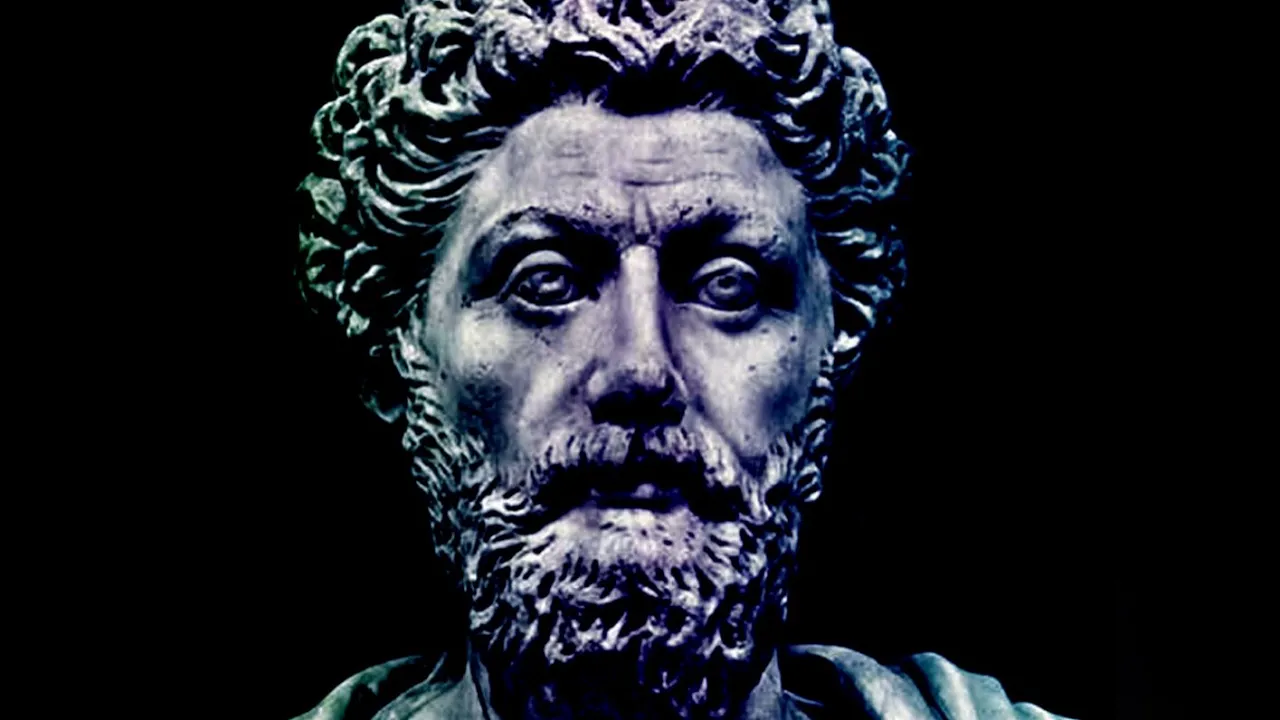




Marcus Aurelius, the philosopher-king who ruled Rome during the Antonine Plague, taught that while we cannot control external events, we can control our responses through nine Stoic principles: putting people first by sacrificing personal comfort during crises, recognizing that another path is always open when one closes, taking action step by step rather than procrastinating, discarding anxiety by understanding it originates internally, starting each day with intentionality, being strict with yourself while tolerant of others, using people's obstacles as opportunities to practice virtue, asking if actions are essential before committing to them, and embracing the mantras of Amor Fati (accepting fate) and Memento Mori (remembering mortality) to live fully in the present moment.
Stoic Philosophy: 9 Timeless Rules from Marcus Aurelius
Added:you could leave life right now as mark surely says let that determine what you do and say and think life is short do everything as if it was the thought or action of a dying person marcus says [Music] i think marcus aurelius is maybe the most fascinating person who ever lived you know we have this idea that absolute power corrupts absolutely but marcus is the exception to this rule he's not born to a royal family he's chosen as a young man actually at the same age as nero and groomed for power and what is the first thing he does with the power he shares it with his brother so i've been on this journey studying marcus aurelius since i first read meditations and it changed my life and it's changed the life of millions of people in the 2000 year since he lived i'm ryan holliday i've written out 12 books i've been writing about marcus aurelius for more than a decade i've been lucky enough to talk about mark surelys to the nba and the nfl special forces to sitting senators to ceos and everyone in between and in today's episode i wanted to give you some of my favorite lessons from the one and only marcus aurelius the philosopher king if you want to learn about the great principles and ideas that this man live by i think this video is for you my favorite story about marcus realist comes at the depths of the antonine plague which is a horrible pandemic that kills millions of people rome's economy has been devastated people are dying in the streets and everyone feels like it can't possibly get better and what does marcus aurelius do he walks through the imperial palace and begins to mark things for sale for two months he sells on the lawn of the great emperor's palace the jewels and robes and couches the finery owned by the emperor he's sending a message he says i'm not gonna put myself first i don't need these fancy things not when people are struggling he says i'm gonna do the little things that make a difference to me this is like the ceo who takes a pay cut in a bad economy this is the athlete who renegotiates their contract so the team can bring on new people this is the leader who sacrifices and struggles who puts the people first not their own comfort and needs that's what greatness is like and that's why i love this story for marcus aurelius [Music] you're not stuck i know you think you are but what the stoics wanted you to know is that yes one path might be closed but another remains open right the impediment to action advances action what stands in the way becomes the way marcus realist isn't saying that nothing can ever stop you he's saying that when you're stopped in one capacity there remains other capacities open to you you always have the opportunity to practice virtue practice excellence to change in some form or another based on what's happening we don't control what happened we control how we respond that's what stoke philosophy is about so yes one path can be closed a door can be shut but the window remains open you know someone gets in your way someone blocks you someone prevents you sure that happens but they can't stop you from being patient they can't stop you from practicing forgiveness they can't stop you from going in a different direction from changing your mind trying something new growing because of this learning because of it the stoics say no one prevents us from accommodating adapting changing integrating the experiences the obstacles that are in our path and turning them into new paths that's what the obstacle is the way it is it's impossible to get stuck because we always retain our ability to choose and change [Music] we know what it is we need to do right we have the information the problem is doing it marcus really says you could be good today instead you choose tomorrow we put it off we say i'm going to get started on the diet i'm going to get started on the novel i'm going to get started cleaning the house i'm not going to do it today i'm going to do it tomorrow if it was about information no one would be overweight no one would be unhealthy everyone would have six pack abs every project would get completed we know how to do it the problem is that we don't do it we don't take the steps that's why the stoics have the discipline of action at the end of the day it's all about the action it's not what you say it's not what you think it's what you do what action are you going to take what step are you going to take and really that's how you finish stuff step by step just just take the first step marcus really says no one can stop you from that it takes an immense amount of self-awareness to go like i'm feeling discomforted because of x or i'm feeling uh anxious because of x you know i think that was something for me that i found during the pandemic where suddenly i wasn't doing anything so i wasn't having to get to this plane i wasn't stuck in traffic here i wasn't having to prepare for this or that and so you'd think that my anxiety would go way down that suddenly you'd have a lot less to worry about and then actually that's not true and then you realize oh the anxiety has nothing to do with any of the things it's actually mark sherlos talks about this in meditations he says i escaped anxiety and then he goes no actually i discarded it and he wrote he writes this during a plague no less but he goes i discarded it because it was within me that was a breakthrough i sort of had i was like oh i thought i was stressed and anxious and worried because of all of these very reasonable things that cause those things in your life work family stuff and then when all that gets pared down you realize it's like oh no it's me [Music] marcus aurelius has a better morning routine than you i promise so he gets up early even though he doesn't want to get up early even though he doesn't have to get up early he makes himself get up early he says what were you made to sit here under the covers and keep warm were you meant to go do the work of a human being so he gets up early and he goes and he does his work and what is the first thing he do i think that he sits down with his journal meditation survives to us because it's the private thoughts of the most powerful man in the world he wrote down these thoughts because they made him better and then what did he do he got to work on his most important task of the day he says concentrate like a roman he says do this as if it's the last thing you're doing in your life that's what marcus aurelius did his morning routine set him up for success he didn't approach the day at random he knew that well begun is half done and so should you start your day with a morning routine that lets you own the day from the beginning [Music] it's called self-discipline nobody else signed up for it you signed up for it so you're you're learning and your study and your self-improvement you have to be sure that you're applying this only to yourself marcus really says tolerant with others strict with yourself the purpose of all this is to make you a better master of yourself it's not to make you condescending or patronizing or controlling of other people it's called self-discipline for a reason it's your discipline over yourself you'll leave everyone else and their mistakes and their way of doing things to them [Music] marx really didn't like people i mean you can't read meditations and not see this he opens meditations with a meditation on how frustrating and obnoxious other people are and even this idea this idea of the obstacle is the way that quote is him talking about other people about how people get in our way how people present obstacles but he says that in that obstacle there's an opportunity to actually practice this philosophy that you say you believe to be good in spite of other people to be just in the face of injustice to be temperate in the face of intemperance that's being rewarded to be courageous when everyone else is being cowardly and being rewarded for it so for for the stoics people are frustrating people are an obstacle but like all obstacles they're also the way that's a challenge we can rise to meet we can be better for wrestling with other people's difficulties so don't resent people use them to become better you're busy i'm busy but how much of what we're busy with actually matters marcus really says ask yourself with everything you do and say is this essential because most of what we do and say is not essential and she's so right most of what we do is because people asked us to do it or people told us to do it or that's how we've always done it do we actually need to do it if we found out we were dying tomorrow would we keep doing it would we do it the way we're doing it absolutely not so he says when you ask yourself is this essential you eliminate so much of what you don't need to be doing and then he says you get the double benefit of now doing fewer things better that's why you ask yourself this question is this essential do i actually need to be doing it am i doing it the way that it needs to be done and you ask this of everything you do and say and think number one amor fati it didn't happen to you it happened for you fate chose this for you accept it embrace it bear it make something of it that's the idea of a more fatty marks really says a fire turns everything into fuel and brightness that's a more fatty number two it's about what you do for other people marcus really says the fruit of this life is good character and acts for the common good right the stoics weren't trying to study this philosophy to be better sociopaths to be able to make more money for their own sake to be more famous it was about what they do for other people do you contribute to your community to your country are you moving the ball forward for humanity number three this puts the other two in perspective memento morit you could leave life right now as mark surely says let that determine what you do and say and think life is short do everything as if it was the thought or action of a dying person marcus says life is fragile the pandemic has reminded us of this live while you can seize the day those are three great lessons from stone philosophy you can apply right now if you want to learn more about stoic philosophy totally for free you can sign up for our daily stoic email it's one free email every morning the best of stoic wisdom dailystoke.com email you
Up Next
Epicurus' Four-Part Remedy for Unhappiness | Philosophy Explained
@WirelessPhilosophy
272.4K views•2014-08-19

John of Damascus on Holy Images: A Theological Defense
@BannedBooks
139 views•2026-04-25

Stoicism vs. Epicureanism: Happiness Lessons with Arthur Brooks
@DailyStoic
48.8K views•2021-12-04
The Myth of Sisyphus: A Greek Legend of Eternal Punishment
@TEDEd
8.6M views•2018-11-13
Related Study Plans & Knowledge Roadmaps
Structured learning paths in Philosophy