












![What’s the funniest thing that happened to the worst person?[FULL STORY]](https://i.ytimg.com/vi/VMfamGuxZWc/maxresdefault.jpg)

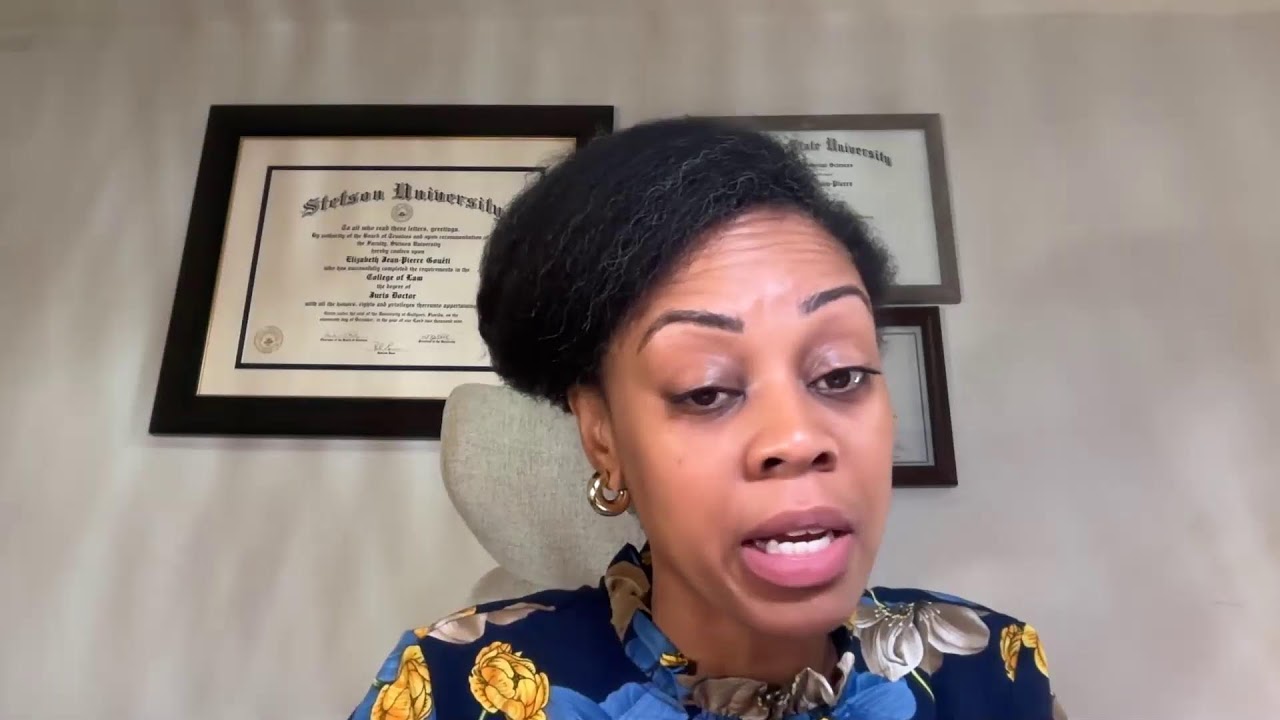











Workplace retaliation occurs when an employer takes negative action against an employee specifically because the employee engaged in a protected activity such as reporting discrimination, harassment, or illegal conduct. Unlike obvious retaliation, subtle forms include cutting hours, changing shifts to undesirable times, excluding from meetings, assigning undesirable tasks, freezing promotions, piling on unrealistic workloads, and writing up minor mistakes. These quiet tactics are often easier to prove than other workplace claims because timing provides compelling evidence—comparing events before, during, and after the protected activity helps establish causation.
Quiet Workplace Retaliation: 7 Signs Managers Use
Added:The legal definition of workplace retaliation and the role of regulatory bodies like the Equal Employment Opportunity Commission (EEOC).
The concept of 'protected activities' in labor law, such as whistleblowing, reporting harassment, or participating in an investigation.
Basic organizational hierarchy and the standard procedures for legitimate performance management versus punitive actions.
The legal doctrine of 'constructive discharge,' where a hostile work environment intentionally forces an employee to resign.
Methods for legally documenting and gathering evidence of subtle retaliation, including establishing a clear timeline and keeping contemporaneous records.
The formal process of filing a retaliation charge with federal or state labor agencies and understanding the burden of proof required in court.
Strategies for navigating internal HR reporting structures while protecting oneself from further adverse actions.
Developing corporate compliance programs and management training modules designed to prevent and detect retaliatory behaviors.
37.9K views1.6Klikes7:43Original Release: 2025-09-22
Let's talk about seven ways managers quietly retaliate against employees.
Now, retaliation at work isn't always loud or obvious. Sometimes it's subtle, and that's what makes it so dangerous.
So, today I'm breaking down seven quiet ways managers retaliate against employees and why you need to recognize the signs before it's too late. Now, before I go any further, let's go back and revisit the definition of workplace retaliation.
Um, because sometimes people still get that confused. Workplace retaliation is when an employer takes a negative action against an employee for engaging in a protected activity. And that's key. It's not just um getting it getting back at an employee for complaining about anything. The law is very specific. It has to be because the employee engaged in a protected activity such as reporting discrimination or harassment or something illegal on the part of the employer. So for example, just saying um you know my boss is micromanaging me.
Maybe you went to HR and complained uh made a complaint something like that.
That would not be uh a protected activity because micromanagement is not illegal. So, you have to have complained about something, something that's illegal on the part of the employer and then have the employer come back and take action against you so that it's deemed illegal retaliation. And retaliation is a um claim on its own.
So, just like you can file a lawsuit for discrimination or harassment, you can also file a claim for retaliation.
A lot of times the underlying discrimination or harassment uh uh complaint might fail, but the retaliation claim can still survive because again that's a claim on um on its own. So anyway, let's talk about seven ways that employers tend to retaliate quietly against employees.
Start with number seven, cutting your hours.
Uh it starts small. Suddenly your hours are reduced or your schedule changes without explanation.
Uh less time means less pay. And it's a way to pressure you out without firing you outright. I've had some uh of my clients, you know, report that, you know, I used to work a lot closer to work. I complained and all of a sudden I've been moved to a different location and so I am having to drive a lot further which means you're spending more hours um focused on work you know it's those little things like that um which is brings me to number six uh which is changing your shift your manager might move you from the best shifts to uh the worst ones evenings weekends or inconsistent schedules it feels personal But, you know, that's probably because it is. You know, again, I see all of this. Anything that's going to be make your life a little bit harder that's, you know, easy for them to change without really having to explain, that's what they do. Another thing is number five, excluding you from meetings. when you're no longer invited to meetings uh that you used to attend. It's not just an oversight, it's a quiet way of cutting you out of the loop and weakening your voice at work. It's so funny because I have heard from so many clients that after they file their EEOC charge, um the EEOC by law is supposed to let your employer know within 10 days of your filing the EEOC charge that that they've had an employee come down and file a charge. And what I have heard from my clients is, you know, it's right around that time that they start noticing all of these closed dooror meetings. some of them um have noticed meetings even that included their co-workers um and they're still, you know, they're just left out in the cold.
And so you kind of know, you look at when you filed your complaint and see when the changes occur and you know it's retaliation.
I've even had some uh and some of my clients who maybe worked as a receptionist and they were the ones to receive their complaint from the EEOC so they know exactly what it is and they have to turn it over to uh their employer. So that's always fun. Um number four, assigning the worst task.
Retaliation can look like dumping extra work on you, the kind no one else wants to do. It's about making your job harder. Not because it's needed, but you know, their whole objective is to wear you down. And they can be masters at this. Number three, freezing promotions.
Opportunities you were once considered for suddenly disappear. You're told to wait or that you're not ready, but in reality, you're being punished for speaking up. A lot of times when you um get have when you have problems at work um according to the handbook you are not eligible for a promotion because you are on probation or you've been placed on a PIP or something like that. I mean they do all kinds of things uh to make your life harder.
Number two, piling on unrealistic workloads. Now, some managers retaliate by setting you up to fail, assigning a impossible deadlines, too much work, or conflicting tasks. When you can't keep up, they use it as evidence against you.
So, you know, you're not really qualified for a promotion cuz, you know, after all, you can't keep up. That's their game. And number one, writing you up for minor mistakes. This is one of the biggest small errors. suddenly become big issues. Things that were once ignored now show up as formal writeups.
It's all about building a paper trail to justify getting rid of you. You know, retaliation doesn't always look uh like someone yelling at you or firing you on the spot. More often, it's these quiet, calculated moves that add up until you're pushed out.
If you notice these signs, make sure you document everything.
I mean, retaliation is the number one type of workplace comp complaint with the EEOC for a reason.
And a lot of times it is the easiest to prove because it's just timing. You look at when you complained, what was happening before you complained, you looked at you look at what happened after you complained. And um timing is everything. I love retaliation claims because they're easy to win. See you next shift.
Up Next
1:52
Franchising Explained: How the Franchise Model Works
@FranchisingOnline
149.3K views•2016-02-08
46:36
Retention Habits of Top DTC Ecommerce Brands Revealed
@SendItPodcast
44K views•2026-03-03

15:23
Decoy Effect: How Pricing Psychology Influences Consumer Spending
@bobinvestsUS
90K views•2026-01-05

17:30
The Planned Obsolescence of Light Bulbs and Tech
@veritasium
25.3M views•2021-03-26
Related Study Plans & Knowledge Roadmaps
Structured learning paths in Business
business
Pop-Up Retail: Strategy, Design & Execution
01Introduction to Pop-Up Retail & Strategic Goal Setting
02Budgeting, Site Selection, and Legal Essentials
03Experiential Retail Design & Visual Merchandising
+ 2 more learning modules
15h5 modules
Explore Roadmap
business
Reg CF: Startup Funding, Marketing & Launch
01Introduction to Equity Crowdfunding & Reg CF
02Platform Selection & Legal Preparation
03Crafting High-Converting Campaign Assets
+ 2 more learning modules
14h5 modules
Explore Roadmap
business
Productized Services: Scaling Solo Freelance
01Foundations of Productized Services
02Packaging and Scope Definition
03Pricing and Subscription Models
+ 2 more learning modules
15h5 modules
Explore Roadmap
business
Gov Procurement: Find, Bid & Win Contracts
01Introduction to Government Procurement & Business Setup
02Small Business Certifications & Set-Asides
03Finding and Analyzing Contract Opportunities
+ 2 more learning modules
14h5 modules
Explore Roadmap