





![PHILOSOPHY - Epistemology: Three Responses to Skepticism [HD]](https://i.ytimg.com/vi_webp/xehTcQeqDWs/maxresdefault.webp)



![PHILOSOPHY - Epistemology: Contextualism [HD]](https://i.ytimg.com/vi_webp/wi4hZg7EtK8/maxresdefault.webp)

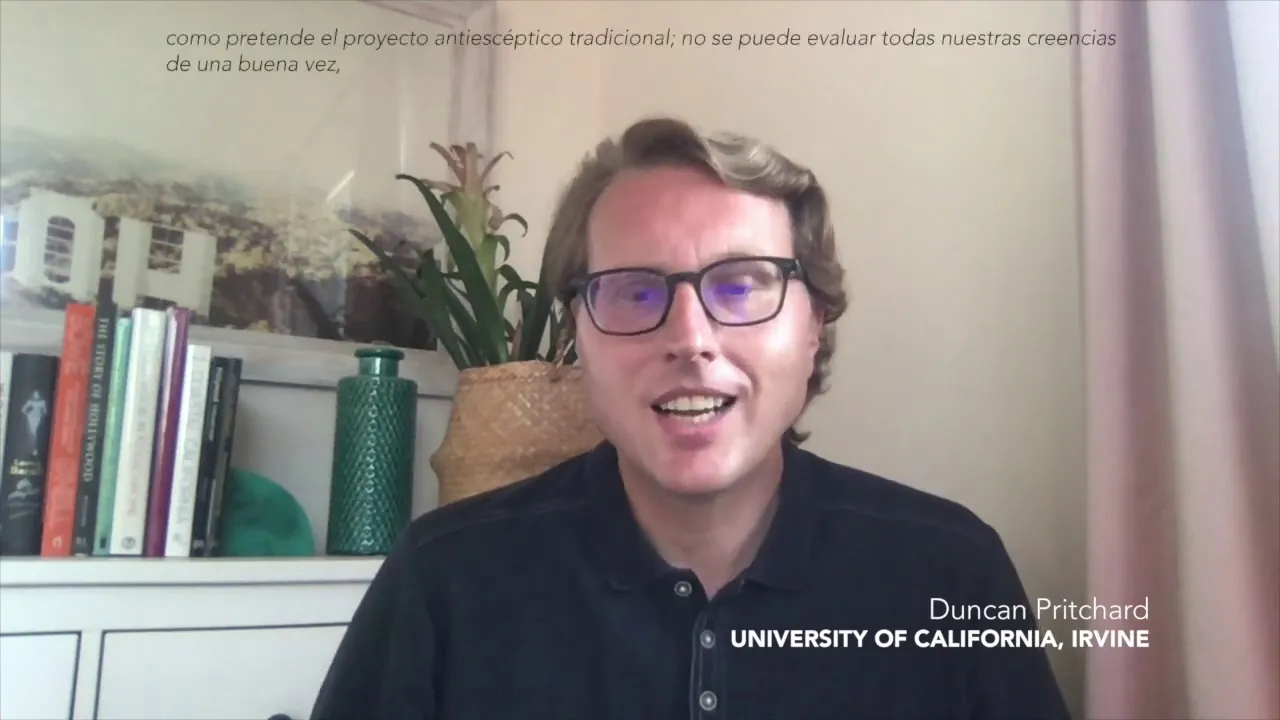


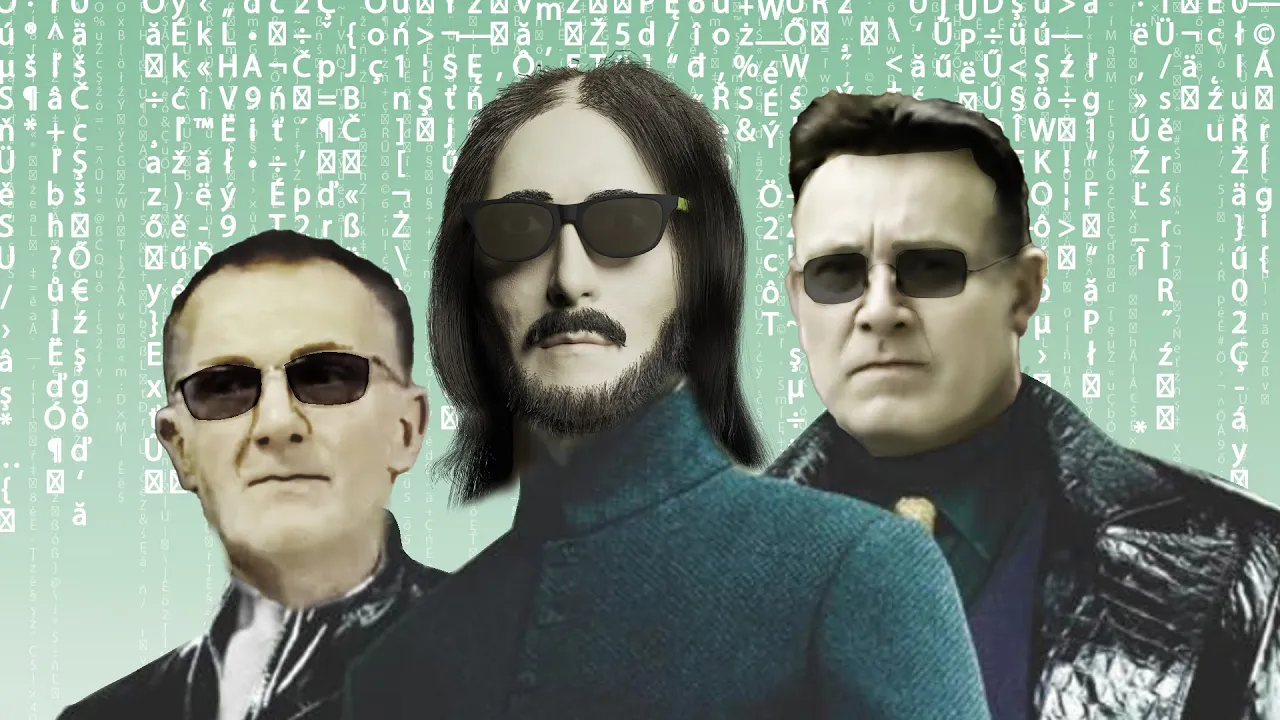



Philosophical skepticism challenges our ability to know anything by presenting scenarios like the 'brain in a vat' where subjective experience remains unchanged despite fundamental reality being different; however, radical skepticism fails because it cannot be genuinely held consistently with our everyday behavior, which demonstrates underlying certainty about ordinary beliefs, making moderate skepticism—a virtue involving intellectual humility and perpetual inquiry—essential for intellectual progress rather than destructive nihilism.
Skepticism Explained: Duncan Pritchard on Radical Doubt (Epistemology)
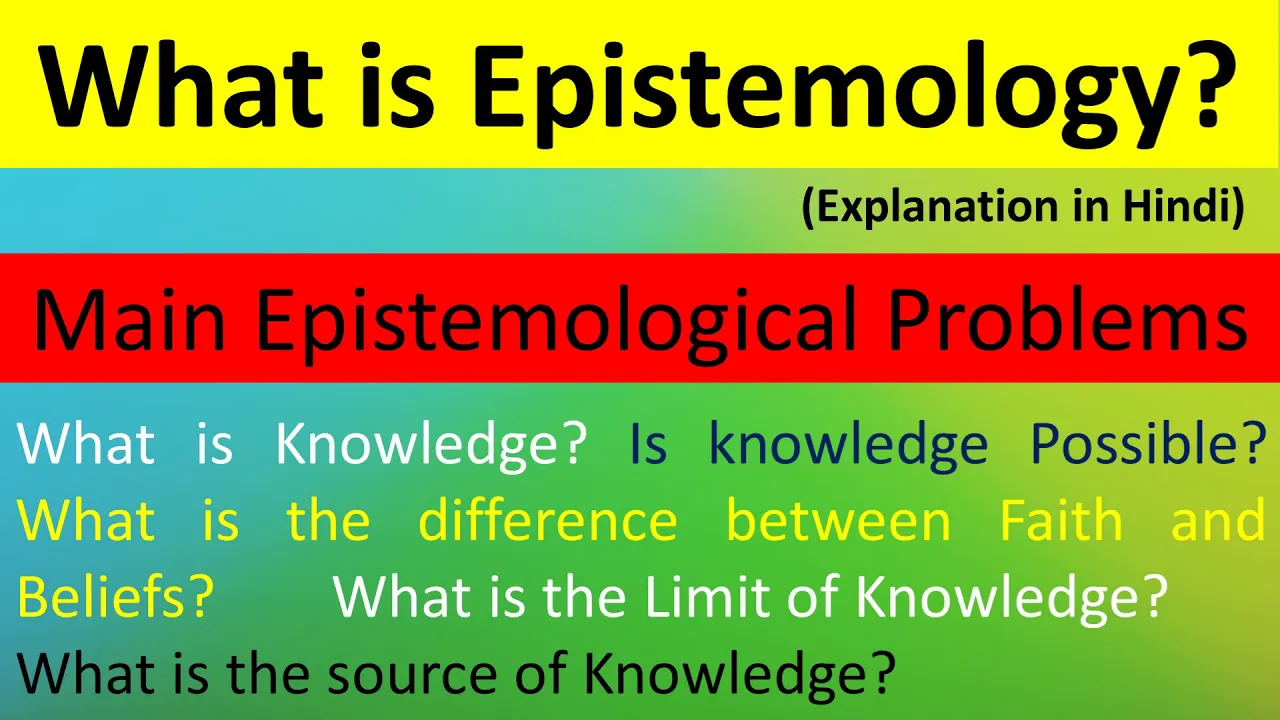
Added:The standard definition of knowledge in classical epistemology, specifically the tripartite theory of Justified True Belief (JTB).
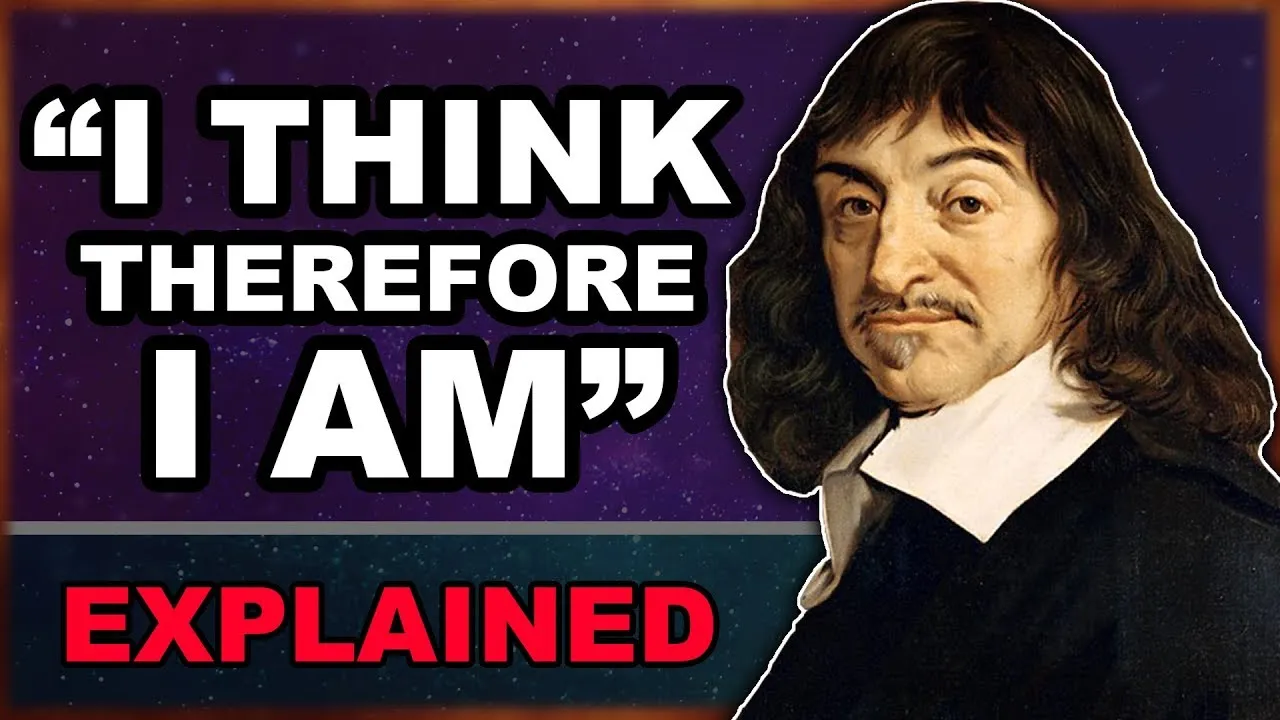
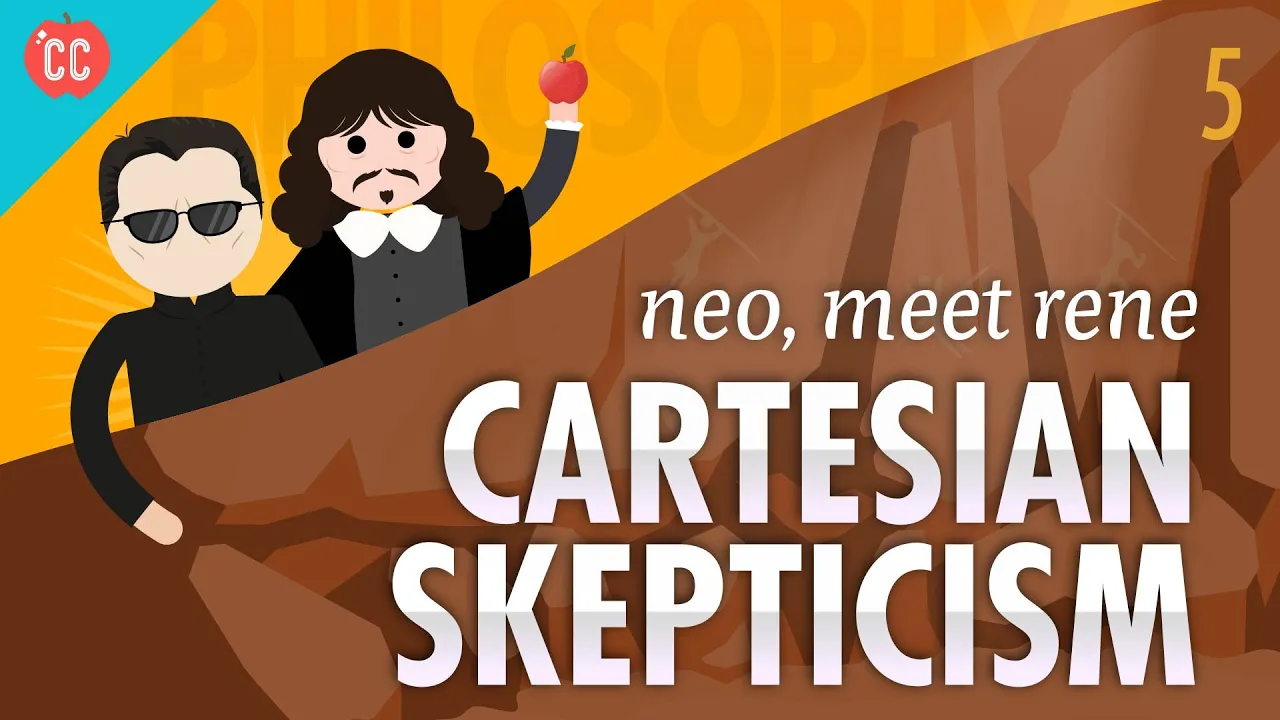
René Descartes' method of Cartesian doubt and his 'Evil Demon' thought experiment from the Meditations.
The fundamental distinction between local skepticism (doubting specific domains, like religion or science) and global/radical skepticism (doubting all knowledge).
Basic concepts of realism and anti-realism regarding the external world.
G.E. Moore's defense of common sense ('Moorean dogmatism') as a direct rebuttal to skeptical premises.
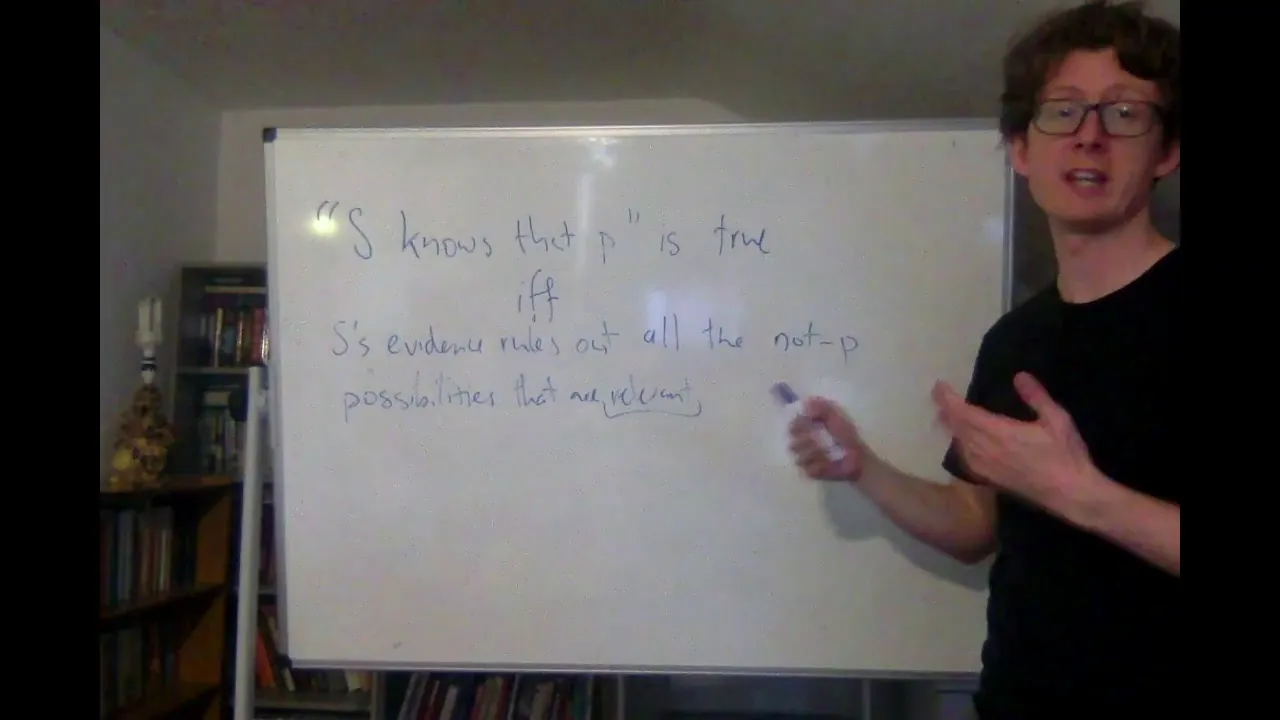
Epistemic Contextualism, which posits that the truth conditions of knowledge attributions shift depending on the conversational context.
Duncan Pritchard's specific framework of 'Epistemic Angst' and his integration of Wittgensteinian 'hinge commitments'.
The philosophical debate between Internalism and Externalism regarding epistemic justification.
Pyrrhonian Skepticism and its practical application to achieving peace of mind (ataraxia) through the suspension of judgment (epoche).
879 views37likes33:18Original Release: 2021-07-14
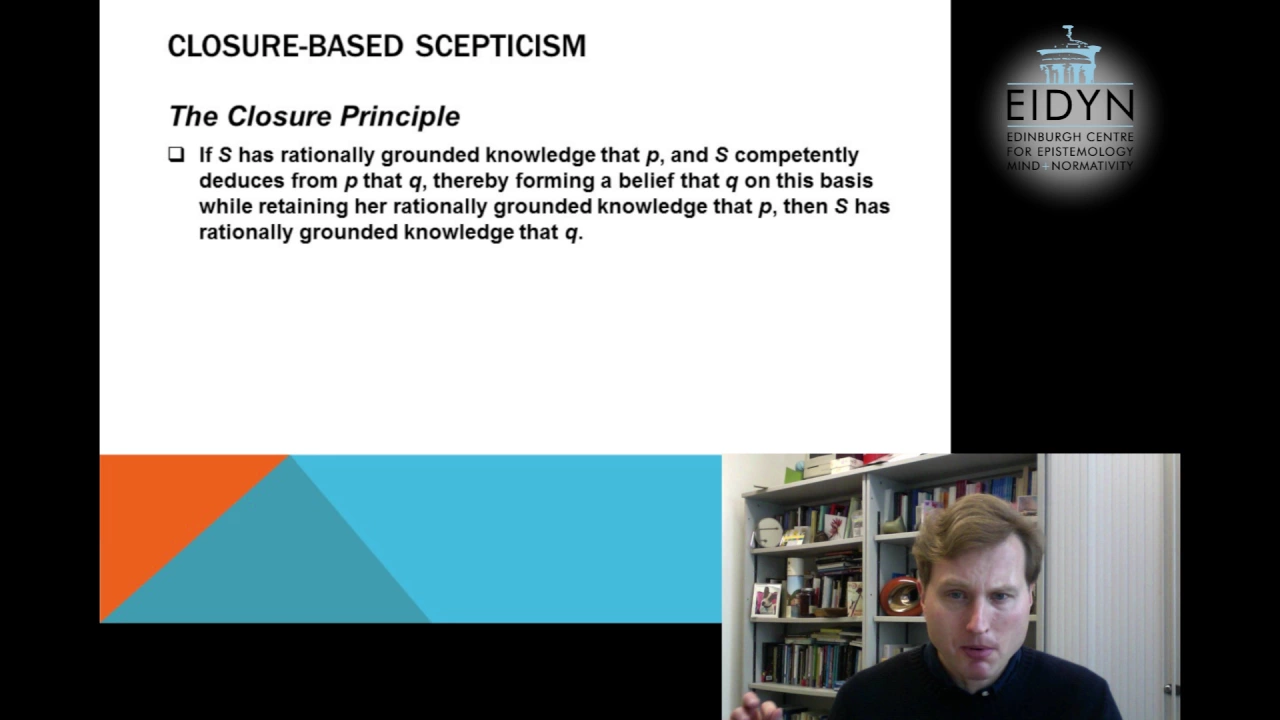
[Music] hello everyone and thank you for waiting i'm here with duncan pritchard who's been on before you're an epistemologist um over at ucl in ucla have i said the wrong uci you see irvine oh uci sorry right you you university of california irvine um and today we're going to be talking about skepticism so um you've got two resources out which off the back of this if people are interested they probably want to check out um one being the very short introduction to skepticism which you've written and the second one being a coursera course on skepticism uh which which you've done which both kind of broadly cover some of the topics we're gonna touch on today so i guess the first thing to to ask is what is skepticism yes hi nathan thanks for having me on the show again um skepticism is about it's about doubt um it's about i mean philosophers were interested in in in doubt of a kind of systematic way so not just localized individual doubts but you know what in general is it about makes people doubt makes people reasonably doubt what kind of systematic doubts might there be about certain domains you know doubts about perception or memory or religious belief as we've talked about before or maybe doubts about belief in general um which is the sort of radical skeptical scenario and there's also skepticism another issue is about skepticism and its role in in in a good life right so what role might doubt play in living a good life so um i mean when when you're talking about skepticism and you you know like for example coming to write this book um was it difficult do you think you went straight in with like how philosophers would talk about skepticism or really is the idea here to broadly encompass what people mean by skepticism and use philosophy as you know a tool for understanding that yeah i did so a bit a bit of column b i think rather than column so i have a a lot of my work is actually on skepticism i have a monograph maurice my recent monograph epistemic angst radical skepticism the ground is about believing came out a few years ago princeton university press is almost exclusively about the skeptical problem but that's a very technical you know technical topic uh whereas the the oup series very short introduction series is aimed at the general reader you're not allowed any they're very brutal with you not allowed any terminology whatsoever well let me explain so i had to try and think about how these um the sceptical debate relates and what i tried to do is to connect it to some live debates in social thought you know things like post facts and so forth it seems to me a lot of um a lot of the challenges we face what we used to call generally relativistic challenges but they've taken a different flavor in the sort of social media age i mean like post facts post truth all this kind of thing i think often they're trading on skeptical arguments and uh in in illicitly trading i'll skip but it's so badly there are good skeptical arguments these are bad skeptical arguments and so what i tried to do was relate some of the philosophical electronic skepticism to that to try and get people to see the utility of thinking about skepticism in terms of thinking about some of these issues so yeah i guess that broadly also covers um you know why we should want to study um skepticism in order to sort of not fall foul of people who are who are using these arguments to kind of manipulate or coerce and things like that um so if we to sort of get started into in terms of this philosophical skepticism then there'll often be skeptical hypotheses skeptical thought experiments which are put forward i mean what what are they and how are they used by skeptics so there's a very radical form of skepticism which says that it's it's kind of the funnest form of skepticism it says how is it possible to know anything at all and it trades on these hypotheses so these are scenarios skeptical hypotheses scenarios where everything subjectively is exactly as you think it is but you rather clean error so think about like the matrix or something like that you know remember the uh in the matrix and philosophers have a version of this called the brain in the vat the person thinks they're having all these experiences of a world around them in fact they're just a disembodied brain or something or i think it's a body in the in the ma in the matrix floating in a vat which is being fed these experiences and what's crucial about it is that these scenarios are indistinguishable from ordinary life now the skeptic isn't saying that you're in that scenario they're not saying it's likely that you're in that scenario they're not making any claim about its plausibility at all they're just simply saying look it's possible and how do you know it's not true and of course if by hypothesis we can't tell the difference between ordinary life and the skeptical scenario then it seems like well how do we know then we can't know i said the skeptic says well look if you can't know that well how do you know i mean for example right now i take myself to know that i've got two hands right they're right in front of me i can feel them because if i have a brain of that i don't have hands right i don't really seem to have hands i've just got vat images or something like that whatever's going on to the the brain that's floating there and the vat of nutrients so that belief that i've got is false if i am in the brain in the fact right um so so if i can't exclude that error of possibility then it causes a question how i could possibly know this claim so i guess the important thing to highlight there is this idea that um to to know something it has to be incorrigible or something like that you have to not be able to doubt it or is it am i getting the wrong you're shaking your head yeah some people think so some people make that move they say aha okay so the skeptic has really high standards of knowledge they think in order to know something you've got to have like be infallible or as you're saying courageable so it can't be proved upon or in jupiter bullets you can't doubt whether or not but actually the skeptic isn't i mean this this is one i think really important to understanding skepticism it looks like they're doing that it looks like they're raising the standards but actually i don't think they are i mean normally that's how it works right normally if you if you claim to know something and someone comes along with an error possibility then it's reasonable to say well what how do you how do you rule that out right so you know if i'm at the zoo and i see a zebra and someone says well you know there's these fake zebras around at the moment they look like zebras do you know hear about this it's been in the newspapers these fakes here they look like zebras they're really they're really mules because they're you know let's say the shortage of zebras so they've taken using disguised mules and then you might say well how do you know this is one of the real ones right and and normally of course you can you can discharge their possibility you can say look you know this isn't one of those zoos it's those zoos down across the border that do that it's easy or you might look i've been up enough and had to look close up it's not it's not one of those or something like that or you might say look i'm a zoologist like i could tell the difference between zoos and do zebras and cloudy skies so normally that's a normal practice you know someone has you know they they think they know something someone comes along says well look is there a possibility and then it's up to you to rule it out and it seems like on the face of it at any rate that's all the skeptics do they're not saying you have to infallibly rule it out or you have to any possibility there they just say the kids won how do you know i mean it's possible right it's just that we don't know the denials of the radical skeptical hypothesis that's for all we know it could be the case that we're we're an error in this way and in fact they appeal to a principle here it's called uh closure which is very plausible it's independently plausible you're independent of skepticism which just if you know one thing you know and tell something else then you know that's something else right so if i do know i've got hands and i know that if i've got hands i'm not a brain about well then i must know i'm not a brain about but of course the danger of closure is you can run it in reverse right the skeptic can say well hang on a minute you don't know you're not a brain a verb so you don't know you've got hands right and this is yeah this this print so the skeptic says look here's something you don't know and that seems right and then he say here's a principle we all accept closure but if you put the two things together you don't know your hands in fact you don't know anything really because just about everything you believe is incompatible with some skeptical scenario and it's really difficult to say well what exactly is wrong with it it doesn't seem there's no raising of standards there it's just the application of familiar principles that we we use in everyday life so so just uh articulate that closure principle is it is it referred to as the epistemic closure principle or the or the closure principle just as yeah i think closure for knowledge it's called closure because the idea is knowledge is closed as it were under known entailment so if you know something you know tell something else then you know what's entailed um so as i say you know if you if you if you know that um you've got two hands you know you've got two hands you're not a brain in the back because brain fats don't have hands then you must know your brain about well conversely if you can't know you're not a brain of that then you can't know you've got hands um it's it's it's a kind of principle closure normally we use it it's completely uncontentious and it's sort of like a philosophical discovery to realize that you can plug skeptical scenarios into it and suddenly has this normally has no dramatic consequences at all it's almost trivial and then you plug these skeptical scenarios in it seems to have this dramatic consequence because it seems to say well either i know something i never thought i could know or if i granted i don't know it as a skeptic says then i don't know even mundane things so um let's close your skepticism that's one version of skepticism and i think that's actually a quite a powerful version um it doesn't appeal to high standards or anything but it looks very compelling so i'm wondering um do a lot of these skeptical hypothesis then um they depend upon that to get off the ground so so do you tend to get do you ever get skeptical hypotheses where people are kind of putting them forward but um you know as part of that i suppose it's also like well maybe the closure principle itself's in doubt so so when the person is appealing to the closure principle to kind of run it backwards as it were you just go well you know for all we know the closure principle's wrong as well yeah although that that's not going to help um i i can see why you might initially think it might seem like it's going to help but the way to think about the skeptical puzzle is that it really it's a paradox or it looks like a paradox anyway it's a putative paradox things about paradoxes is that they're tensions that are internal to your own ways of thinking so it doesn't matter to a paradox whether there's anybody out there arguing for them or not i mean the thought is you can just in your own head you can think well i'm committed to this and committed down and committed this hang on but they can't all be right and that's really the structure of the skeptical problem and we we we cast it dialectically you know we think of them being a skeptic who we're arguing with yeah well but there's a danger of thinking like that because then you can think oh well the skeptic has commitments of their own and you know maybe the view undermines itself but but probably understood i think it's not really a view it's just a tension within our own ways of thinking so you don't need any skeptic you can just reflect on it yourself and i think this is part of the power of it you know if you think of it as as something an adversary is trying to convince you of then you might say well to hell with that right i'm not interested but once you realize actually there's an inconsistency in your own ways of thinking in your own way our own ordinary ways of thinking seem to be committed to the fact that we know lots of things to closure but also to the fact that we can't know the denials of these skeptical hypotheses but they can't all be true so which of them has to go and that's the puzzle right i mean as with all paradoxes right these things something intuitive has to be denied and the puzzle then is to work out what well how so it's interesting that um you know you mentioned we cast it in this diet this dialectical context and but really the question is to contemplate it ourselves and see where it leads us now i mean so do you think what's going on there fundamentally is some people are sort of trying to find their way out of these skeptical hypotheses saying we have to have knowledge and some people just share different intuitions and so they go well i'm just going to run it the opposite way um there's a certain common sense for you which is associated with more which basically privileges the ordinary judgments that we know lots of things and then says well then obviously and chloe so he privileges that privilege is closure and then says so it must be then that we do know the denials of skeptical hypotheses um the challenge though for that is to explain how right because ordinarily knowledge you know if you can't tell the difference between a and b then you don't know the difference between a and b right and if you don't know the difference and b you can't know that you're in a rather than b um i mean that's just an that just seems like normal epistemology in application so yeah i think oh sorry i guess just the revisionist epistemology to explain why why it is you can know you're not a brain in fact even though you have no way of telling whether or not you're brain developed i i guess it within my question i was considering someone who might really identify with um being a skeptic for whatever reason so they might have just this really really high credence or maybe some other reason to be committed to the skepticism so as we kind of layer together these seeming these deductions say they're just going to say well they're always going to find something wrong you know they're always going to run them the other way is there any way to convince someone who's that committed to skepticism you know that they'd even be denied to they'd even be prepared to maybe reject the you know like law of excluded middle or something just to say well the you know the deductions themselves they don't work i'm skeptical of those so yeah i mean i'm of the view that um it's not possible to be a skeptic in that sense the radical so it's like it's just psychologically not possible right um so you can say it you know you can say i doubt everything right but it's just words uh so i'm quite very constricted about this our behavior our actions reveal as underlying certainty um and and as it were there's now a disconnect between the things we say and our beliefs really are tracking you know it's clear from our behavior we do really believe these things now but i don't so so when people say that i think that they're just kind of kidding themselves and it's like sort of philosophical fiction yeah um and i think actually understanding why it's a philosophical fiction is really important to to resolving the puzzle but but not not because um it you know immediately follows well if it's a philosophical fiction then radical doubt must be wrong because maybe it's right you just you can't do it you know you know maybe it's true we don't know anything but we just can't consistently believe it i mean i think like free will is a bit like this right people who deny that we have free will i mean that's kind of it just makes no sense right what does it mean you know i've thought about it long and hard and i've decided that free will doesn't exist that makes no sense at all of course it could be true that free will doesn't exist but just makes no sense yeah there's all about an existing set of propositions that you can put together yeah yeah so so it's the same here you know it could be true that we don't know anything but at the same time it can't be the sort of thing you can actually consistently believe right um but i think so it's not that it follows immediately that you can get away at deceptism by noticing that it can't be believed consistently but i think it is important to understand how you unravel it there's something odd going on here uh and it's important to work out exactly what it is so another approach to dealing with skeptical concerns that you mentioned is the contextualist response so uh i mean what does the consent contextualist have to say and um i think also you've got some reasons for sort of rejecting maybe the contextualist response it's not as strong as the um the kind of common sense closure principle response yeah i mean the problem with the categorism looks plausible and let's pull up with the reason that you alluded to earlier which is that it feels as if the skeptic's raising the standards feels as if ordinarily i mean certainly true ordinarily we don't consider skeptical scenarios we just don't we just consider local error possibilities so it feels like this person comes along and starts raising these radical area possibilities it feels like they've changed the game somehow they've raised the standards if that were true then i think contextualism would get a grip because what contextualism says is that no is the word so it's primarily a claim about language it says the word knows picks out different different things in different contexts so sometimes it picks out a high standard thing and sometimes it picks it so the concept a high standard concept of knowledge and sometimes it picks out a low standard and the thought is when we ordinarily talk we say we know things in ordinary context we're using the low standards no's and then when the skeptic comes along they raise the standards and so they say you don't know and they also speak truly because they've now switched it to the high standards right and we as it were we accommodate them so there's like sort of practice of accommodating other people's when standards get raised so we we now adopt their standards and so we thought well it's true we don't know but then as human remarks you know once you stop you know doing philosophy and start playing backgammon all your doubts disappear and what happens is you go back down to the left on this context again so it can be both true in everyday sense that you know things but also false in a high standard sense you know things and it looks like that solves the problem but it doesn't because skepticism isn't trading on standards there's no high standards here i mean if the skeptic here's the way to think about it if the skeptic's right you don't know anything even against the lowest possible standard lower the standards as much as you like you still don't know anything lowering the standards doesn't help you at all i mean what the skeptic is saying basically is that you have no reason i have no reason all thinking i've got hands because any reason i have would have to be a reason thereby thinking my brain about but i've got no reason to think i'm going to bring it back so i've got no reason i've got hands you know i've got no more reason than the brain of our house you know um so you don't mean any standard at all so contextualism it's based upon a misunderstanding of the skeptical problem it thinks the skepticism is raising standards that we we know relative to low standards but not relative to high ones the skeptic's right nothing to do with standards we don't know relative to any standards right yeah so it's this idea that you know if you're sort of distracted in a different in a different context where um no might have this different sense it's not it's still not really um addressing the skeptic's concerns because they still apply you're just distracted with uh the shadows on the wall or whatever as far as the skeptic's concerned um so i suppose the next thing to to talk about off the back of this is um well you talked about a bit a bit of a few of the historical concerns um of skepticism so i don't know if it would be useful to outline some of those as well so some of the kind of ancient skepticisms and how we can learn from those to inform our view as modern people and who are looking at skepticism so the radical skeptical view the one i just presented is its face cartesian uh it's it was it wasn't presented as a position it was presented it's kind of like a methodological thing it was a way of sort of testing your theory of knowledge descartes presented this radical challenge he thought he could meet it but as often as in philosophy his response to the challenge wasn't persuasive but challenge was the challenge survived um but he wasn't claiming this was a way of life or something like that um it was meant to be just like a sort of theoretical puzzle but in ancient thought there is a kind of skepticism which isn't quite as radical but which is a way of life it was the peronean scepticism and i think it's fascinating um they didn't write any books because it it makes no sense for them to write books uh if you don't believe you know anything um but they uh they were very influential and other people wrote books about them in particular uh we have two main sources uh sexism pericus's book which is really interesting outlines of pyramidism and it they the prairies cropped up in other books as well like del chinese chinese's lives of philosophers uh pirro himself and i find this fascinating he traveled with alexander the great uh on his campaigns into the east basically he interacted when we think about you know ancient greek thought as being sort of insulated it was very it's very very open i think to eastern influences and it's very clear in the case of pyrrha his ideas effectively come from ancient south asian mysticism sort of jainism and sort of proto-buddhism that was around at the time i mean basically what he does is he takes those those those ideas and he strips them of all the sort of meditative spiritual aspects and he extracts a kind of ethical document and roughly the thought is that the good life is a life of doubt i mean as he would put it we think of skeptic skeptic the skeptic is a doubter but the original word actually means enquirer and the way the peroneans understood it is that skepticism is a kind of perpetual inquiry you never you're never on the one hand you're never dogmatic you never have settled opinions right you're constantly in the state of of uh having convictions and then opposing them convictions and opposing those equivalents as they called and um and so you you that that kind of it's it's that that gives you the the ataraxia that that the calmness of mind right and that's that's the ud moment the good life is the calmness of mind you get by not having these commitments so so they contrast themselves with academic skeptics who say you don't know anything um they thought that was a different that was dogmatism of a negative kind so there's damages in the positive kind and there's dogs in the neck whereas they they just keep on inquiring they'd have no commitment at all and so they managed to keep themselves in that state of having no commitments through the the application of what they call the skeptical modes these are practices of doubt and it's fascinating you know how far can so the skeptic the pronunciation skeptics have this challenge how far can you push this right i mean that as they recognize there are some things you can't doubt um i mean this descriptions of pirro you know nearly walk i mean that would probably apocalyptically look into the volcano you know things like that have to be guarded but you know in order to live there are some convictions you need to have and maybe they're not susceptible to death but the idea is you find the things that can be doubted and as much as you can you do and that life of doubt is the good life and then you know this idea get it gets rediscovered in the early modern period i mean especially with montaigne and his essays um popkin and his has this magisterial study of um of the history of skeptical thought richard popkin and he talks about montaigne's work especially his apology for raymond saban which is his sort of theodistic defense of religious belief he talks about this as the womb of modern thought because this was basically the rediscovery of these peyronian techniques and they become really influential now on on on ideas like you know people like hume and so on yeah really to absorb a lot of these peronean techniques and it guides their thinking and you know arguably a lot of the what we think of that is important about the enlightened area is driven by these boronian skeptical techniques and application so you know there's something to that thought the good life is a is driven by doubt you know that it it the dogmatism is where is the enemy of the good and and you avoid dogmatism by having this having this attitude of perpetual doubt i've never never never been convinced of anything and ensuring that you aren't right because that's montana trying to live his life that way it it's interesting um i mean i'll comment this quickly and then lead us into the last question because we've not got much time but um i remember reading something about perhaps uh one of the motivations behind um i mean obviously descartes trying to come up with the method but um to support his sciences but also perhaps one of his motivating factors being some of these pyrenean texts kind of floating around um in his time and interesting the similarities between the kind of argument he offers and i was reading some of um augustine's work like where he comes up with the kigito in soliloquies but then um he was also responding to people like uh some of these skeptics you know of city and there seemed to kind of be these these cycles of thought where people are trying to kind of find certainty and respond to the same kind of skeptical um queries over time and maybe we're in a similar sort of pattern of thought um now i wanted to though with the the last question was well i suppose what is the antidote um to this in in your view so this kind of idea of virtue epistemology or the virtues that um we ought to cultivate as epistemic agents um trying to form true beliefs and why we should form these true beliefs so i think the radical skeptical view this cartesian view that i think that has a response it's quite a technical response i think the answer lies in wittgenstein fundamentally and then we have to unravel some of the sort of faulty ways of thinking that lead us into this puzzle we have to basically understand why this looks paradoxical it looks like it's it's kind of been generated by common sense but it isn't and that takes a lot of a lot of conceptual work actually to untease all the different connections so that's what i talk about in my my epistemic age book the the more moderate kind of skepticism though is is i think just as interesting the kind that we we find in everyday life where people might purport to doubt everything but they're using that they're really do everything they're using as a way of sort of political control or something like that this is a sort of post-fact kind of way of doing getting people to doubt things oh think about climate change pick any topic you like there's always someone out there it's in their interest to motivate skepticism because they're trying to generate um they're trying to generate certain they have some political objectives and they want to promote skepticism because it serves those objectives so i think what we need to do the virtuous enquirer has to understand what role skepticism has in in in the intellectually virtuous life so this is a the intellectual virtues are certain truth directed uh admirable character traits and they include things like integrity intellectual humility intellectual tenacity intellectual courage and so on these are traits that i think that good good inquirers have they're people who care about the truth and want to get to the truth and care about accuracy what's interesting is a lot of those traits have a skeptical dimension to them you know i think intellectual humility involves a recognition of one's valuability and openness to other people's ideas you know willingness to be sort of charitable to opposing ideas trying to work them out in their strongest form um a willingness to change you know to change one's opinions not be dogmatic and so on so i think what that virtue the intellectual virtue framework gives us is a way of thinking about how a kind of moderate doubt could play a role a moderate skepticism could play a role in a good life you know how how to keep a moderate skepticism from being a positive force uh because clearly it is i mean it's what drives science what drives progress of many kinds i think social political scientific progress but you have to how to have it in such a form that it's moderate it doesn't become the more dramatic version which i think is actually destructive you know which says there's no such thing as facts you know yeah it could take any well-established scientific view that it's it must be wrong because you know plug in your conspiracy theory and so on so it's that it's that balancing act and i think virtue theory gives us a way of understanding what's going on there i mean virtue is all about the balancing act of avoiding the two extremes the extreme of lacking virtue and the sort of excessive traits that can be associated with virtues so the golden means aristotle called it i think something similar is happening in the intellectual case a way of the virtuous person finds a way of using skepticism to serve the good such that it doesn't become extreme and undermines the good right well i think for today we'll leave it there because i um sort of messed up the times and uh and half an hour into the time when we should have um it should have been brought out half an hour earlier so sorry about that everyone because some people have been saying will there be time for questions and things at the end but i think uh you said you were willing to come on again at some point so we can right did they have to come back yes sorry maybe that's okay um let me see if i can find um oscar has asked and i guess we could we could maybe do like an epistemology q a um oh it's not coming up when i click on it for some reason um i'll just read it outline out loud um oscar says could i deny if i am a brain in a vet i don't have hands seems like there are two different contexts the outer context of the vat world where oh it's popped up now where i don't have hands and the inner context where i do yeah i mean i mean see if you are in the vat you literally don't there's no there's no context relativity to you you don't have hands i mean what you could say is that i mean i think this might be what you're getting at that there's what you you have something you have something different so so as it were us hopefully in the real world we have physical hands whereas the vat person has something they have like you know that image hands or something like that and you can make that line i mean and and someone thought might be does it really matter whether you have the real hands the physical ones or the vat image ones uh dave chalmers who's a very important philosopher contemporary philosophers has made this point maybe it doesn't matter it seems to me it does matter uh for the same reason i don't know if you're familiar with nozzix experience machine i think it matters whether or not you to a good life whether you're in the machine or not so a lot of people think well look the machine is the life of the machine is just like the life outside the machine what does it matter you know subjectively but i think it does it matter like forget about hands for a minute think about you know your relationships with other people um you know i think so it makes a world of difference whether you know my parents really are my parents or whether my parents my parents are just some images in a vat which have been constructed by a computer i think that makes the world of difference uh or you know think about something you care about in your life some project or you know your family or something you know book your writing or you know you want to do some achievement you've had whatever now imagine it's just happening in the vast i think it makes the world a difference whether it's the real thing or not so uh so yeah i mean we could say that there's a kind of a there's a kind of reality a sort of reality prime or something but it's it's it's a it's a pale it's a pale thing when compared to the real thing we really do want the real thing i think um so oh for some reason my it's not quite working when i click on them so they're not coming up right away but i guess what we can do is if we if we wrap it up around there because we've gone over a little bit um there we go it finally came up a few seconds later yeah that's two they did go out to get a loaf of bread just like non-skeptics and and and this is what they did they they the ancient skeptics they differentiated between the sort of basically they weren't interested in the judgments unpre the judgments that everyday folk have unpretentiously held right i mean their real attack is on the professors uh right the theorists you know the demagogues it's it's the the people trying to control them but ordinary sort of unreflective life going about your business buying loaves of bread feeling cold um you know feeling hungry doing whatever you need to do just to live your life they're not interested in that uh and and in fact so the idea is that it's it's the other stuff this extra layer of ascent that gets added to it when you start forming judgments about the world of a dogmatic kind um that's when that's when uh the the good life starts to get undermined right so it's these these everyday judgments unpretentiously held like going for and the actions and pretentiously don't go for a loaf bread yeah they don't care about that very hard to make that distinction sharp of course but that's the distinction they have in mind i think that could be quite an interesting topic to sort of always psychoanalyze as well you know is it this sort of resentment of um ivory tower academia or something that they have and then so it's like well i'm not too bothered about this it's just i you know i really wish i kind of had what's going on in plato's academy or something uh and so or in the lyceum so i'm gonna um you know it's a very perception of the good life to what the are still inside cool the aristelians think that it's uh you know that actually good judgment is part of the good life but actually you know good it isn't about good judgment it's about trying to avoid judgment of that of the the relevant kind so if we if we wrap it up around there then i guess we can set up in future um at the time presumably that's half an hour earlier to maybe do an epistemology q a and if people have all their questions and things we can just exclusively go through those for an hour yep i'd love that and uh sorry i have to go right now yeah it's absolutely fine don't worry yeah thanks for your time i'll i'll send you an email and we can set that up um for some point in the future but other than that thank you everyone for watching and uh yes they keep keep in touch for um when when that appears in the in your youtube feed for when uh duncan will be back on to talk about those things thanks everyone bye
Up Next

4:55
Stoicism vs Epicureanism: Ancient Philosophies Compared
@diaVLOGGERS
11.9K views•2011-10-28

164:01
John of Damascus on Holy Images: A Theological Defense
@BannedBooks
139 views•2026-04-25

68:32
Should We Destroy the Machines? Big Tech Surveillance Critique
@TheStoriesWeTell303
167.9K views•2025-11-30
4:57
The Myth of Sisyphus: A Greek Legend of Eternal Punishment
@TEDEd
8.6M views•2018-11-13
Related Study Plans & Knowledge Roadmaps
Structured learning paths in Philosophy
philosophy
Frankfurt School: Critical Theory & Culture
01Foundations of the Frankfurt School and Critical Theory
02Horkheimer & Adorno: The Critique of Instrumental Reason
03The Culture Industry and Mass Deception
+ 2 more learning modules
12h5 modules
Explore Roadmap
philosophy
Philosophy of Language: From Frege to Austin
01The Linguistic Turn: An Introduction to Language in Philosophy
02Gottlob Frege: Sense and Reference
03Early Wittgenstein: The Picture Theory of Meaning
+ 3 more learning modules
15h6 modules
Explore Roadmap
philosophy
Feminist Epistemology: Standpoint & Injustice
01Introduction to Epistemology and Feminist Critiques
02Sandra Harding and Standpoint Theory
03Donna Haraway and Situated Knowledges
+ 2 more learning modules
12h5 modules
Explore Roadmap
philosophy
Environmental Philosophy: Ethics & Deep Ecology
01Foundations of Environmental Ethics & Anthropocentrism
02Biocentric Individualism and Animal Liberation
03Ecocentric Holism and Deep Ecology
+ 1 more learning modules
10h4 modules
Explore Roadmap