

























The anxious-avoidant trap is a relationship dynamic where one partner (anxious) seeks closeness and stability while the other (avoidant) resists intimacy and maintains independence, creating a vicious cycle where the anxious partner's pursuit of closeness triggers the avoidant partner's need for distance, which in turn activates the anxious partner's attachment system further, perpetuating the cycle; this dynamic is characterized by unresolved conflicts, the anxious partner making all concessions, and the avoidant partner using the anxious partner's need for closeness to feel powerful, making it difficult for the anxious partner to leave because they believe the avoidant will transform for someone else or that they deserve the relationship despite the lack of intimacy.
Anxious Attachment and Avoidant Dynamics: The Trap Explained
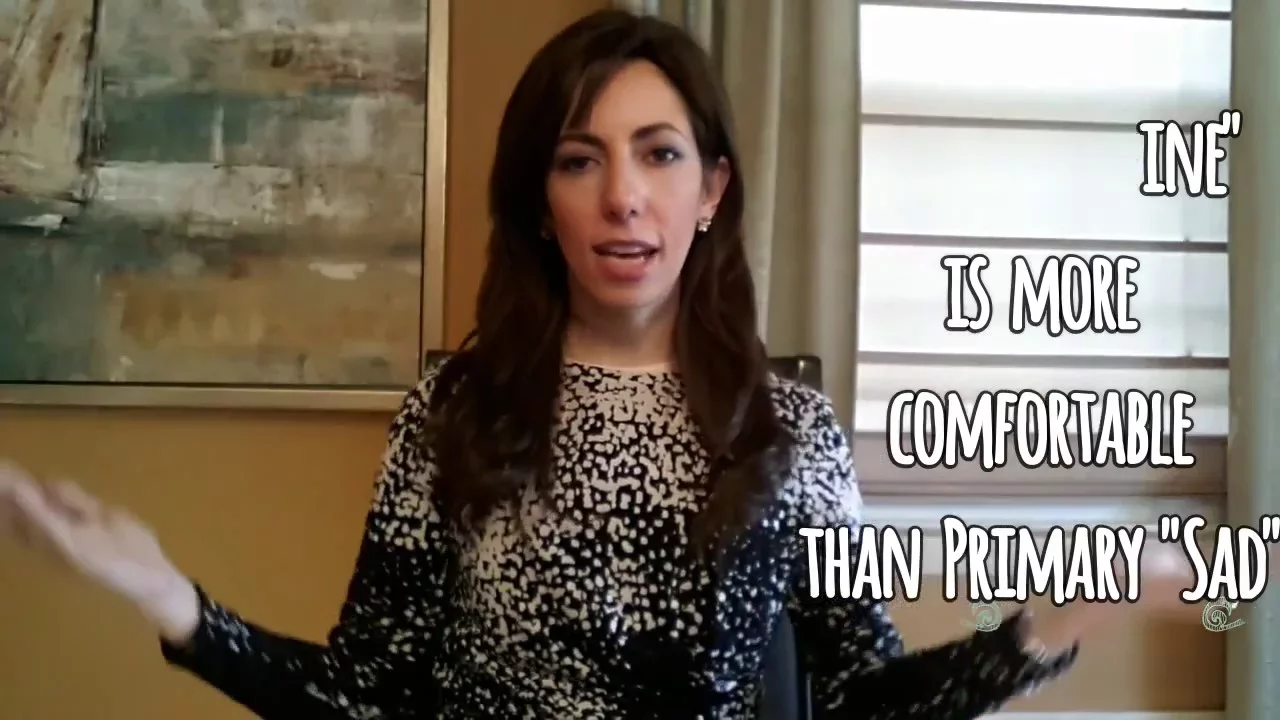
Added:he's anxious you're avoidant she's avoidant you're anxious this is the anxious avoidant trap the remake [Music] hi everyone marianna turf here i am your attachment coach i am a clinical expert on anxious attachment style effective sciences and i'm also a therapist i have this video okay the anxious avoidance trap the remake because i have made this video before and it's probably the one video i have that has the most views i mean of what i call the most views and there was some background music people couldn't really hear me it was really old so i have made a whole new one with even new data for you to see and um obviously i'm a little bit more articulate so i hope you enjoy it i made this for all the people that love me and for all the people that hate me for both of you so let's begin okay so the anxious avoid and trapped the premise of the whole relationship is colliding intimacy needs anxious and avoidant okay they are opposite sides of the same thing and this is a little bit difficult to grasp but it's almost like they both want a relationship they both want to be happy they both want to settle but they act in opposite ways so i'm going to explain this further in a little bit so let's go over the basic information in the next use of wooden trap we fall into it with almost no awareness like you don't you just bump into it and you don't know how you felt in it most of the time is because an avoidant person this is if you're anxious okay because this is a channel for anxious attached people um if you're anxious you fell into it with almost not even realizing it no awareness right and once you're in it you're like how did i end up here so don't hit yourself too hard on the head with this because usually the avoidant presents himself as very charming or very interested or very enthusiastic and this is not that they're faking it okay avoidance do feel the need for closeness they do feel the need for a relationship it's just that in the beginning they do that and once is some sort of level of closeness all they think about is how do i get rid of this person okay but that is just how they're wired um and if you're already in it okay i'm just here to tell you that even if you get help or whatever just know that an avoidant is a person that has a very low prognosis of changing and is not going gonna get better it's only gonna get worse um so we already understand what the conflict is the conflict is colliding intimacy needs um one partner wants intimacy the other one is uncomfortable when things get too close okay that's why maybe in beginning stages or maybe if you're actually married when you go on a vacation and there's some sort of bonding and you're really happy about it then um this person starts to get cold starts to pull away and it's very unstable um that's why it's that's why it's so hurtful because anxious attached people they want stability and an anxious person all they do is bring instability onto your feelings onto your relationship and it can be very hurtful so let's go over this part of information that i really need to pay attention because this is how the whole dynamic of an anxious avoidant trap works okay so first let's say there is a threat to the relationship a fight a small fight or whatever it is that you find this person give you an example this person doesn't want to hold your hand very classic for avoidance right they don't want to hold your hand or they want to hold your hand maybe for like a block and a half and then they don't they let it go they don't want to hold you so let's say there's a threat the anxious person uses something that's called activating strategies okay we all have an attachment system in the case of anxious attached people once you see that your beloved is creating distance automatically your attachment system starts to spike up it starts to go up and um your attachment system tells you this person doesn't like you or this person is too far so it becomes very disturbing to you okay so your attachment system becomes activated and then what happens is that you detect the distance and you want to get closer okay that is one thing now let's talk about the avoidant let's say you are disappointed that this avoidant person doesn't want to hold your hand and you bring it up hey i want you to hold my hand immediately the avoid and detects the threat and what do they do the opposite their attachment system that in your case seeks closeness their attachment system becomes activated and they immediately suppress it and turn it off and they start to create distance okay so pay attention to this because you're anxious your attachment system becomes activated it reinforces that the avoidant turns them turns theirs off so when they detect that your attachment system is high and you feel threatened they immediately sense that and then they turn off their attachment system what happens once they turn theirs off you sense theirs is off and you become more activated and then once they become more activated they go into theirs and theirs turns off even more and then they go up to you and you feel way more threatened more activated and then when you're more activated they sense it and then they turn them even more and you understand this cycle it's a very vicious cycle and that's why it's called the anxious avoidance trap and sometimes we don't realize that we're doing this okay so this is probably the most important part of this whole video so that you understand what the dynamic is okay so when both feel in danger okay when we're feeling danger what is that the anxious person thinks the anxious person thinks i'm getting abandoned i'm not lovable this person doesn't want to hold my hand i'm not good enough or what the hell you know why would you not call my hand what's the problem with me am i do i have some sort of virus or something like am i not worth enough to be held and what is the avoidant thought the avoidant thought is i don't want anyone to get in the way of my autonomy that's what they think and then this is let me go a little deeper on this okay avoidance and you can watch my video on your wooden partner part one part two i'm gonna release part three next week and what they think all the time okay if you're anxious you think i don't want to get dumped i don't want to be um i don't want to be rejected i want to be loved i want more closeness i want more commitment you know that's what we tend to think when it comes to avoidance they don't think that they're like i want no one to get in the way of my independence i want no one to get in the way of my autonomy i want no one to control me and tell me what to do i want to be the lonesome traveler and they always want to look available so that is their motto that is how they walk around life so i just want you to know so if you're if you're getting triggered by your avoid and beloved this is what it's in their heads um so let's go back over here so remember we talked about the conflict colliding intimacy needs the conflict itself that there is not enough intimacy is what dominates all of your conflicts all of your fights no matter how they look like really the core conflict is that your avoidant doesn't want closeness with you and that is what all the fights are about i was reading a book and there's a story of this woman who was avoidant and her husband was anxious attached and she goes and to her sister's house to do her laundry and he said he's like well why let me buy a washing machine and she's like no i don't want it i want to go to my sister and that created a conflict the conflict wasn't really about a washing machine and i like my sister you know the conflict was that he felt that she was going to her sister to do her laundry to escape from him and she was she was trying to create distance from him so this with this i'm trying to give you an example sometimes it may be a conflict that may look like it's about a washing machine or about laundry but in reality if you go on a second layer the real conflict is that there's not enough conflict conflict there's not enough closeness and there's not enough intimacy between the two of you and that irritates you okay so the cycle between the two parts is exacerbating each other's insecurities remember the insecurity of the anxious is i don't want to be abandoned i don't want to be rejected i don't understand why i'm not lovable you know and the insecurity of the of the avoidant is i don't want anyone to get in my autonomy i don't want anybody to get in the way of my independence i don't want this i don't want that you understand so with this cycle what you're doing is that you're exacerbating each other's insecurities that's why it becomes so difficult to get out so now let's go over some important facts we went over the dynamic we went over the symptoms and now let's go over some facts that i have for you if this is your story and if it resonates with you i really want you to know this okay so first is that if you are the anxious person you are the one making all the concessions and you're going by your avoidance rules okay that's number one number two is that the intimacy i'm sorry the lack of intimacy and the lack of closeness will spill and spread wherever you go in your relationship no matter what topic you're talking about the underlying feeling the underlying negative feeling that your relationship has lies on the fact that you are unhappy because your needs are not being met and you're gonna carry yourself through the relationship and walk through this whole relationship unhappy because you don't have the closeness that you need and you know the outside world will always see you as a person that can never be pleased and can never be happy and that's not true you're actually suffering because this person is not giving you the closeness that you want um another thing is that conflict is always left unresolved okay this is very um very common and it happened to me all the time whenever there was a conflict you know whatever however the conflict looked like or the reasons however it looked like we knew i knew that the reason why i would bring this up the reason why there was conflict is because there wasn't enough closeness for me and um no matter what happened it would always come up it would it's just going to taint it's like almost like you have a pot of ink and it explodes everything everything you talk about is gonna have that undertone of i'm not happy i'm not having my needs met um when things are left unresolved okay the avoidant person really needs to leave things you know when you have a discussion the fights tend to be really long and they tend to be really unproductive and it's on the avoidant person's advantage to leave them airy and not resolve that's why after every fight or after every conversation after every sermon and just sitting there talking you leave the conversation dissatisfied you're like you know what that didn't hit the spot you know we didn't make up with a loving hug or with great makeup sex like no it was almost like left all right okay and then you just kind of like avoidance need that avoidance need to leave things unresolved because if things are resolved with a loving hug with makeup sex what happens intimacy grows closeness grows which is what makes them the most uncomfortable if you're anxious you are the one that's becoming more overwhelmed by negative emotions avoidance because they're used to suppressing their attachment system they're trained to care less or they're trained to not care at all so if you're anxious you're the one that's always going to get the worst part emotionally um if you're anxious remember um you will remember the best if you're anxious to say you have a fight once you're done with the fight and you're separate you're mad at each other right what the other person is thinking what the avoidant is thinking is ugh i really hated her teeth i really hated that thing that she would put on her hair i really hated that excessive blush she's wearing i love blush so that's what they think and they think they remember the worst the most negative things about you while you're in a fight well you're in a fight where you remember is the best and the best moments and and the best times and his or her best attributes um another thing is that avoidance will remember the worst anxious you will fail you will fail to resolve the conflict i know you're trying i trust me i know i know you're trying to fix the conflict okay but the more you're trying to fix it and the more anxious you become the more they would suppress their attachment system because you're seeking closeness okay so after you have a fight or after you bring something up this person will suppress their attachment system distance themselves from you and what happens you are gonna go crawling begging for forgiveness even though you were i would say on the right to to say your feelings this person is just gonna be like oh you don't like it okay well peace and then they start their distance and then what do you do you go back and you're like no no no no don't leave me don't leave me okay and then you're trying to kind of beg for that unhappy place you originally had and it doesn't make much sense and then when you're actually on it this person says okay fine i forgive you and you're back originally in that unhappy place that you that you had for a long time that you're like okay well i'm still unhappy so no matter what you will be unhappy okay so in the end the only thing that makes this type of relationship break is when you finally give up when finally you give up your hopes of a good life together and that is really what you want to focus on if you see that it's not going to happen we have to accept it because avoidance or avoidance they're also humans and they are who they are if your partner is of wood and trust me he or she they are who they are and we need to accept that i know you're trying to change this person i know you're like asking all the relationship gods to transform this person but that is not going to happen and really what i rescued from that anxious avoidance trap experience that i had was not onto how to help my avoidant partner it was to how to help myself not be anxious attached or to at least have my anxiety under control and if it wasn't for that experience i would have never seek help i would have never suck help of any kind and i wouldn't i would have never bumped into this topic i would have never created become secure now i would have never held the people that i have helped and just know if you're going through the same experience there is a reason for it okay don't reject it so i have a list of things that usually happen in an anxious avoidance trap that i want you to know it may not be your case most of the time it is i've seen a lot of my clients that come to me and they're either in the middle of the increase of warden trap or they actually ran away and left um is difficult but it's not impossible i've been there myself and i can tell you that this is probably one of the most difficult things when i meditate and i think about things that i've done in the past that have seemed pretty impossible to reach but i want to get gain some belief i think of this and i think of my own experience with the anxious avoidance trap but people completely lost faith in me no one would believe that i will leave this guy until i gather the strength and the training sometimes you're afraid of doing something because you don't have the information and you don't have the training onto how to go about it and that is actually when i started to seek help and how i ended up becoming a therapist myself and that's why this topic is very dear to me and i really wanted to make a video with very simplified information so that everyone can understand it and i just want you to know that you're not alone in this i've held the same emotion and i'm here for you you know if you need me i need to ask me any questions don't forget to leave me a comment and give me a like and subscribe so let's continue um besides exacerbating each other's insecurities right there is a list of things and symptoms and signs of your relationship on how it may look like if you're an anxious avoidant trap so there is something called the roller coaster effect by the way i found this list on this book called attached if you want to buy it it's really good if you want to learn the physiology and some of the psychology of attachment signs so the roller coaster roller coaster effect okay is when let's say you have a partner your partner is highly avoidant and this person never gives you compliments to you know disengage right but all of a sudden this person starts to caress your face and tells you you look stunning tonight and you're like ah oh my god my prayers were answered he's normal no he's throwing you a bone okay and what happens that's called a roller coaster effect because you're in a super high and this person is going to give you the compliment this person is going to be lovey-dovey once in a while for you to get for throw your bone in your you know you catch it and once you're in a high what they want to do is grab a bucket of ice dump it on you and give you a low that's what avoidance are wired to do okay so that's called a roller coaster effect and this is what makes this relationship so painful because the instability is you know the peak and trough is so big you know because of this so once in a while this person's gonna throw you a bone and act nice um then i mean agonize in the way that you want them to act nice okay second is the emotional counter balancing act so what is that i mean i don't know why they came up with that name to be honest it's kind of long so the counter balancing act is how an avoidant needs an anxious person and of wooden and avoidant cannot coexist you know they would dump each other within the next 15 minutes or they'll hit it off and then ghost each other and that's what's gonna happen um a secure person and an avoidant the secure person has a big raider for who people are and it's pretty natural to them so the secured person is not gonna put up with the avoidance and the avoidance behavior sorry the avoidance behavior for too long so this relationship is only bound to last for about i don't know two weeks tops a month that's why avoidance need anxious people so badly in their lives because avoidance feel this moral superiority at not needing any closeness not needing any intimacy and thriving on their independence they need the anxious attached person because the anxious attached person always tends to feel less so that when you display that feeling of being less the avoidance sees that sniffs that witnesses that and that makes them feel even more powerful so that's why this person doesn't break up with you because you're like well if you don't like me you don't want to sleep in the same bed with me you don't hold my hand you don't take me to your friends you don't commit with me you don't take me to your parents you don't include me on anything you treat me like crap why don't you just break up with me you know and that is the classic question that i get from a lot of my clients and i explain this is because these people these avoidance will need anxious attached people to feel more powerful if you have a situation where you're in it and you feel powerful would you leave of course not would you get rid of that source of power of course not because why would you right so that is the reason why an avoidant may seem that he doesn't like you or she doesn't like you but they keep you because of their counter balancing act um another one is stable instability right avoidance will always inject instability in you because they want the relationship to not plateau and go somewhere they want the relationship to be wobbly and roller coaster because that when you take away instability you take away any sort of smooth progress towards closeness um another one is constant small fights and this is what i told you the inner dialogue of your relationship may look like different small fights but the reality of it all is that at the end you need more closeness and you're not getting it or your partner may need more independence and more space and he's not getting it or she's not getting it so it's that the conflict always in the end the root conflict is the collision between your the disparity of the two needs he needs closeness she needs distance okay um treat it as the enemy in the inner circle this is very common okay this person this avoidant will take you home to mama he will or she will and take you to your to his or her friends and just welcome you to his or her inner circle but while you're in it you're always going to be mistreated and this person is always gonna call you names or be sarcastic in front of people to just kind of like you know look look like you're not there to last too long because they always want to look available um then you're going to experience a hostage feeling and this is probably one of the most important signs and symptoms and this is when you really need to think seriously about leaving this relationship when you're starting to feel hostage is when you start thinking if this person doesn't like me that much why doesn't he break up with me why do you need me in your life and then you're also thinking but me why am i here why am i in this relationship where this person doesn't even like me doesn't even respect me doesn't even want to commit i don't understand or or why did you even marry me you know that's when you start asking why did you even marry me what did you even propose to me what if you don't want anything to do with me okay so when you start experiencing this hostage feeling that means it's time to go okay so pay attention to this because these are the reasons why you don't go okay one is that if your anxious attached and your partner is avoidant is that you believe that if you dump this person this avoidant is gonna go to someone else and this someone is gonna be that person you wanted and this person is gonna transform itself for someone else and not you i'm telling you right now that is a hundred percent a lie that your own beliefs is making up in your mind if you dump this avoidant the avoidant is not gonna be the best partner for the next person the avoidant will be avoided to the next person um second is that you feel he owes you okay because anxious attached people and this is another video that i have it's called the dark side of anxious attachment um we tend to give it all right anxious people we tend to give it all but in reality sometimes what we're doing is we're secretly bribing our partner because we want to buy more closeness and we want to buy more respect so as we're doing that and time passes this person starts to rack up quite a debt you know because we've given so much and that is another reason why we don't leave because we're like okay well what about the car that i bought him what about i paid for his career i paid for his masters and i paid for this i paid for her boobs and i did all this and i did all that and no i'm not leaving and i'm not leaving until this person shows me at least some change some closeness and that's why we don't leave because we still believe that this person needs to pay needs to give us some sort of payback for all the love and all the support that we've given them and the third reason why you don't leave it's because you feel well sorry you believe the potential of the past i don't know if you remember in the beginning of the video when i told you that avoidance do seek closeness they want a partner they want marriage and it's not a lie they do want it they just don't know they just sabotage it immediately so um when they when you see that this person in the beginning was all lovey-dovey with you and was head over heels for you calling you texting you you're like whoa you're so high because you're like damn this guy really this girl really likes me this person is all over my case and this person is love bombing the out of you when this person turns into the reel of wit himself you're like no i'm not gonna leave because i've seen how you can really be a person that pursues me i can i've seen in the beginning you were so good in the beginning you will call me you will worry about me you will cook for me you would do x the next next next for me and you think right i'm not gonna leave because i know she has it in her to be great i know he has it in it he has it in him to be great to be an awesome partner i've seen it marion i've seen i'm like yes i know you've seen it i know you've seen it but when it comes to avoidance that is what they do in the beginning that's not really that is who they are but that is not really who they are when it comes to a serious relationship that's who they are temporarily in order to get a relationship but in the end they're wired to be avoidant so when i see clients and they tell me exactly the same thing i don't want to leave because i've seen that he can do it i've seen in the beginning his behavior he can do it and the same thing with women if she can do it she was great in the beginning i don't know what happened how she changed she didn't change she actually is showing you who she really is or who he really is and that is another reason why you don't leave okay so this is the anxious avoidant trap i hope this video really served you um my channel always comes with gifts and my biggest gift to you is a free consultation where you and i can talk for free for an hour and go into the link below and then you can see what you can do to um schedule um a consultation with me it goes directly onto my my virtual book so you go in it you pick the time that you want you fill in an application we'll go over it together on the phone i will scan you myself you will tell me all your feelings or your emotions or where you are in life and it's going to be the most productive 60 minutes of your life that you will invest in your self-growth so we'll talk tonight again i want you to know that i've been through the same thing i've been through the same emotion i know how difficult it is and i don't want you to think you're by yourself you're not alone i'm here to help you i send you a huge kiss and a hug and i wish you all the best and i'll see you on the next video bye
Up Next

Intimacy as a Mirror: Healing Insecure Attachment Dynamics
@heidipriebe1
198.6K views•2024-02-16

Triumph of Orthodoxy Icon: Byzantine Art & History Explained
@BenCallan
2.1K views•2024-08-06

FastAPI vs Flask vs Django: Choosing the Right Python Web Framework
@TechWithTim
302.5K views•2024-05-26

Game of Thrones Opening Credits: A Cinematic Analysis
@gameofthrones
46.3M views•2011-04-18
Related Study Plans & Knowledge Roadmaps
Structured learning paths in General & Interdisciplinary Studies