























Intimacy acts as a mirror that reflects our true self back to us, which can be highly triggering for insecurely attached individuals because it exposes the gap between their self-perception and reality; however, this same mirroring process can become a powerful tool for healing and growth when both partners are willing to use ownership language, remain curious rather than defensive, and commit to seeing the truth about themselves rather than protecting their ego.
Intimacy as a Mirror: Healing Insecure Attachment Dynamics
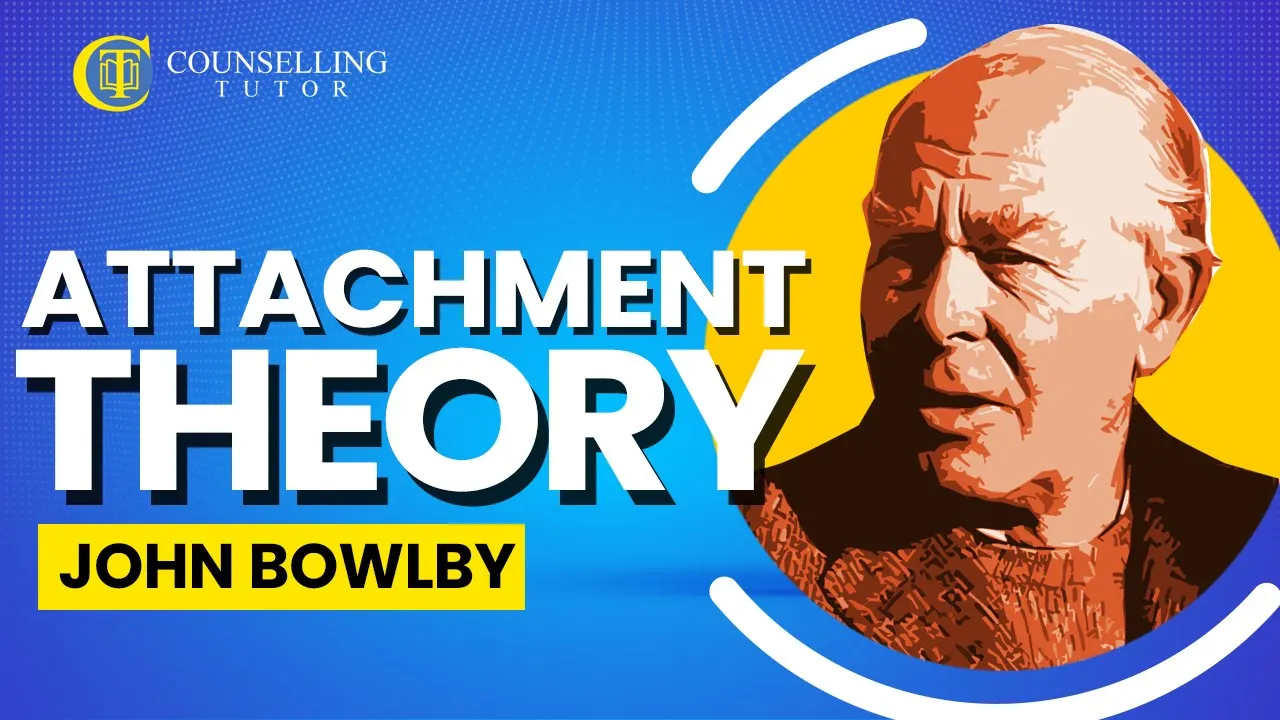
Added:Foundations of Attachment Theory: Familiarity with John Bowlby and Mary Ainsworth's developmental models of infant-caregiver bonds.
The Four Adult Attachment Styles: Understanding the core traits of secure, anxious-preoccupied, dismissive-avoidant, and fearful-avoidant (disorganized) styles.
Psychological Projection and Mirroring: Concept of how individuals project their internal conflicts, fears, and unmet needs onto their romantic partners.
Neurobiology of Threat and Safety: Basic knowledge of how the nervous system reacts to perceived emotional threats (fight, flight, freeze, fawn) in interpersonal contexts.
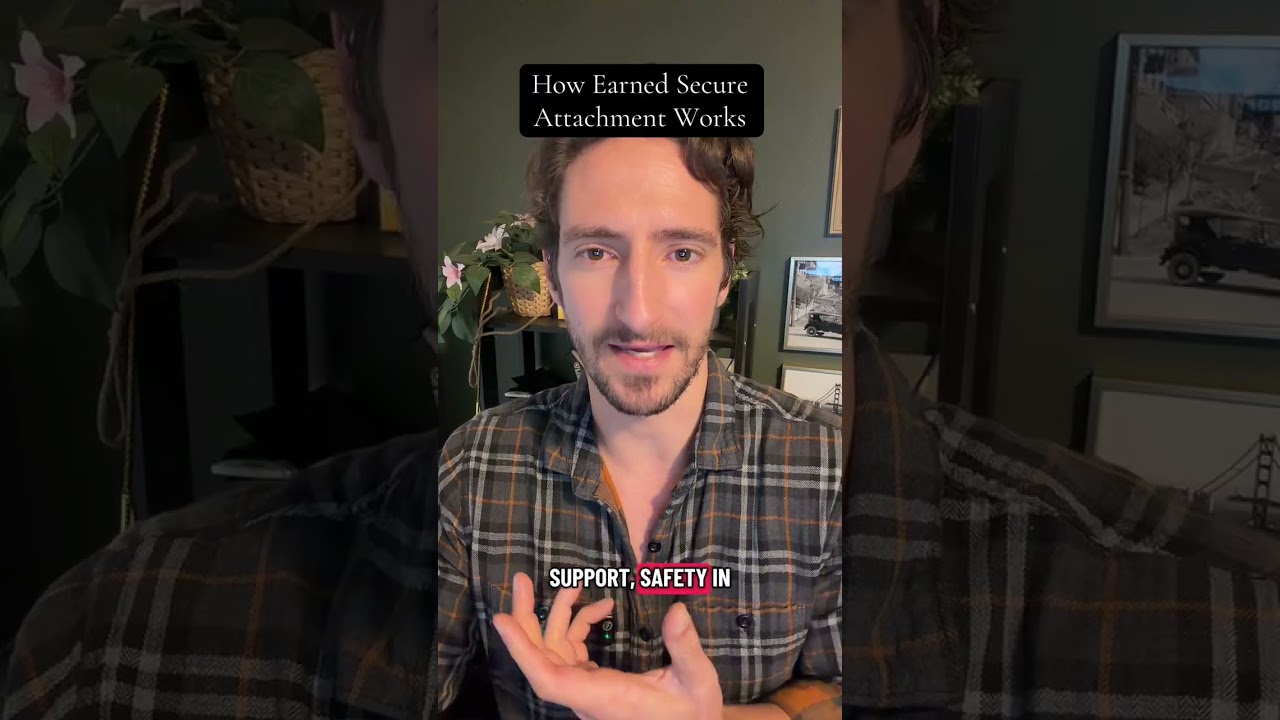
Earned Secure Attachment: Studying the psychological processes and longitudinal pathways through which insecure individuals develop secure relational patterns.
Emotionally Focused Therapy (EFT): Exploring clinical intervention models based on attachment theory designed to reshape interactional patterns in couples.
Somatic Co-Regulation Techniques: Learning physical and mindfulness practices to soothe nervous system arousal during relational conflict.
Intergenerational Transmission of Attachment: Analyzing how unresolved attachment trauma is passed to offspring and strategies to break these familial cycles.
198.6K views8.5Klikes34:23Original Release: 2024-02-16
hey guys I'm Heidi PRI welcome back to my Channel or welcome if this is your first time here today on this channel we're talking about intimacy inside of insecurely attached relationships so that means any relationship where at least one person does not have a secure attachment style but especially inside of relationships where both people do not have secure attachment Styles so this very often shows up as an anxious avoidant romantic relationship Dynamic but everything we're talking about today can be applied to any relationship where you're experiencing emotional intimacy with someone so that could be a friendship it could be a family relationship it could be a romantic partner and it's likely that I will use the term partnership just to make the point the most clearly throughout this video but once again this doesn't have to be applied to romantic Partnerships specifically so what we're going to be talking about today is why intimacy itself can be highly triggering for people who are not securely attached and I think that very very often this is what ends up breaking relationships apart when both people get to the point where intimacy has the potential to develop so we're going to go over why intimacy can be so triggering for those who a either avoidant anxious or fearful avoidant on the attachment SP Spectrum what it looks like to have Intimacy in a secure dynamic as well as what your options are if you recognize yourself in the problems that we're going to go over today so how can you change yourself and your approach to your relationship in such a way that allows you to grow through intimacy rather than break down and disconnect from the relationship when you find yourself facing it and before those of you who areir anxiously attached go this is not going to apply to me I love intimacy I always go directly towards it you might want to stick around because you may find that your idea of intimacy does not perfectly match what intimacy actually looks like and so we're going to talk about how this can come into play even in a situation where an insecurely attached person develops a relationship with a securely attached person if you're unable to acknowledge the distortions that you're making in the face of intimacy you're relationship might not be able to withstand this so the first reason why those who a insecurely attached tend to struggle with intimacy is because intimacy and vulnerability are not necessarily what we think they are in its simplest and most pure form intimacy is nothing but a mirror anytime we meet someone who is able to deeply reflect us back to ourselves we are establishing an intimate connection with that person however most of us do not instinctively consider intimacy to be about that a lot of us unconsciously believe or maybe consciously based on things that we have read or heard out there that intimacy is about sharing the story we have about ourselves and our lives with somebody else and in part that's true so all of us develop narratives and stories about our lives that allow us to experience a sense of continuity in our ideas about Who We Are that is completely and totally human we all need to do that there's nothing wrong with it and in large part intimacy is of course allowing someone to see the inside of our world which includes the way that we see ourselves the stories we have about ourselves in our own lives and a lot of us might believe that that is the whole of what intimacy and vulnerability is I'm here to argue that that is only a very small part of intimacy and vulnerability and in fact a lot of the time it doesn't even get vulnerable at all when we're doing that with someone if we have a life story that we have constructed in which maybe bad things happen to us but we see ourselves as the Eternal hero of that story which might also mean that we are the victim of a lot of other people's behavior in that story we are actually telling a pretty invulnerable story because no matter what we're telling another human being we are in full control of the narrative even if we are being very honest and sharing things that we're not proud of which is definitely getting us closer to intimacy we're still only showing the person as much of ourselves as we are aware of okay so we do not have the full story on who we are that is true of every single human being there are always discrepancies between the way that we see ourselves and the way that other people experience us and in that Gap that exists between how we see ourselves or what our ego is based around and how we actually are in the world that Gap is where all of our true vulnerabilities lie to be vulnerable in its literal definition of the term means to be susceptible to harm or attack we are always most vulnerable in the areas that serve as our blind spots if I think that I am a wonderful caring person who never does anything to harm another human being but I have areas of my life where I am accidentally or unintentionally causing harm there's now a gap between my ego my perception of myself and my actions or the reality of how I am in the world and the impact that I have as a result of how I am in the world so in that Gap once again lies my vulnerability it's that which I cannot accept to be true about myself lest my ego suffer substantially now here's the thing in our non-intimate relationships so in relationships with people we are not that close to or who maybe we don't depend upon for anything significant or vice versa it's unlikely that those vulnerabilities are going to be reflected back to us because if we do something that just kind of annoys someone or that feels in congruent to them if we're not that deeply in relationship with them it's unlikely they're going to risk a conflict by bringing that up to us but in more intimate relationships particularly attachment relationships where people are relying on each other our blind spots are going to start creating more problems because the things that we have not acknowledged about ourselves subconsciously come out through our actions in Intimate Relationships and then when our partner or any other Clos loved one reflects back to us the way that we have made them feel or the impact that our actions had on them if that thing is in congruent with the idea we have about ourselves we are now going to be in a lot of trouble and we're going to be facing a significant dilemma because they are mirroring something very real back to us but it does not match our idea about ourselves now this leads us to the next thing I want to point out which is that insecurely attached people tend to have a lot more blind spots than those who are securely attached so by definition insecure attachment is about the ways in which we have learned to distort our ways of seeing ourselves other people and the world so this idea kind of came into play initially through John bulby who was the father of attachment Theory developing the term defensive exclusion so when we are very young bulby proposed that anything we learned or observed to be true about the world particularly about our caregivers and our relationship to them that would be too psychologically threatening for us to accept as the truth we learn to in some way or another push out of our awareness the problem is that when we push things out of our awareness particularly entire patterns of Behaving or feeling or relating to people we end up having to distort a lot of other things inside of our own minds in order to make that one emission make sense so in the dynamic maturational model of attachment which was developed by Dr Patricia Crittenden she talks about the various transformations of information that we make inside of our minds when we are insecurely attached so things like omitting certain patterns of feeling or ways of thinking from our awareness things like distorting the role that we or other people play in situations things like denying that which we fear might be true that would disrupt our view of how we and the world and other people function so there are various types of information Transformations that we learn to make from a very young age when we grow up insecurely attached and in the future I will make a video where we go over all of them and talk about what they look like but for today all you need to know is that if you are insecurely attached by definition you have a lot more blind spots when it comes to the difference between your ego so the way you think of yourself and other people and the world and the way that you other people and the world actually are and the more distorted our image of oursel is the more upset we're going to be when we look in a mirror right if I have this idea of myself as looking a certain way and then I go into the mirror and see something else I'm going to get a little bit upset and triggered when I look in that mirror because what I see in that mirror is not the way that I like to think about myself and perhaps the way that it is adaptive for me to think about myself so if intimacy is like a mirror into our inner emotional and cognitive world we are going to become deeply upset when we look at that mirror and it doesn't match what we believe needs to be true about us in order to navigate the world effectively so very often in insecurely attached relationships we end up at this Choice point where we have to pick between our ego and the way that we need to think about ourselves in order to feel okay and the relationship which is going to be the thing that is mirroring the truth of how we are back to us and I want to point out here that it is not like secure people have no discrepancies between the way they see themselves and the way other people see them but because from a very young age they were probably having a lot of very open and accurate conversations with the people around them where they had clear mirroring they're going to be more aware than insecurely attached people of what it is that they're not great at or that they're struggling with they're not going to have these strong ideas about themselves that are significantly detached from reality so one such idea might be something like an avoidantly attached person believing that the only thing you need to do to keep a relationship running smoothly is to make sure that you're both always on the same page about what is logical and what is true and that the whole emotional side of things the way you make the other person feel and the way they feel towards you are not as important and so you're going to get into these arguments where you're always trying to argue about right versus wrong when the real problem is in your blind spot of how you're each affecting each other on an emotional level or in the same vein if you're anxious you might have this big blind spot around your own need to self-regulate and you might have this idea that relationships are about someone else making you feel good and your self-esteem healing when in reality that's something that a relationship can never completely fulfill for you so both of you are going to have these ideas about the world that you cling to very tightly because they are the things that truly worked for you and allowed you to survive in childhood so those patterns of survival do not go away overnight they are incredibly persistent but again inside of relationships your partner is not reacting to who you tell them you are they are reacting to who you actually are and the way that you are actually showing up so if you believe I'm the most loving kind devoted person and everything I do is for my partner but the way you're actually showing up is in a way that is creating stress tension and burden for your partner you're not going to be able to resolve that challenge and that discrepancy until you find find a way to look at what is true and where you are each missing a piece of the other perspective the same is true if you think that you have this whole relationship thing figured out you've read all the books you've gotten all the practices down and now if anything is going wrong in the relationship it must be your partner's immaturity that is the problem I'm looking at you avoidance for this mindset until you recognize that you can still have blind spots you are not aware of that your partner can see and you cannot the Deep conflicts that come up inside of the relationship are never going to get resolved now what this does not mean is instantly replacing your idea about yourself with your partners every time they come to you and have a different opinion what this means is that you're willing to stay open to the idea that you are not the final Authority on who you are and how you're showing up other people hold pieces of that puzzle that you do not have in your own hands so it's highly likely in almost any situation of this nature that you have important pieces of information about yourself that your partner does not know it's also likely in almost every situation like this that your partner has important pieces of information about you and the way that you are behaving subconsciously that you do not have and the only way to really get to the bottom of this is for both of you to be willing to find the truth that's in the middle or somewhere off in left field so this is going to require you being willing to hear them out as they share their experience of you to you and take them seriously as well as them being willing to hear you out when you explain your experience of yourself to them and then finding a way to agree that those two things need to be integrated before you can get anywhere significant in resolving the conflict so you have to figure out how both of those things could be true and we're going to get into in the rest of this video what exactly that looks like so some tools that you can use to make sure that these conflicts get resolved in a way that is not deeply damaging to either one of your experiences of yourself or each other other because this does have the potential to get really messy and really ugly really fast so essentially anytime we find ourselves at this moment in a relationship where we're confronted with our partner or our intimate other seeing something about us or vice versa that we disagree with we're now at a choice point so let's say someone I'm close with comes up to me and goes hey you have not been acting very sensitively toward WS me you said something the other day that really hurt my feelings and I think you could have been very different in your approach when you came to me and said that thing you really could have considered how it made me feel and my ego is going to go I say everything perfectly I have studied communication I've studied attachment Theory I have all of these skills if you're offended by what I say it's just because you need to toughen up and stop taking things so seriously now the truth might might be that I actually have not spent a lot of time really sitting with and paying attention to how other people are taking my feedback when I share it maybe I know how to do it in a clear and concise way and maybe I think that I'm being empathetic but the way that I'm coming across because of some other aspect of my demeanor that I'm not aware of because I can't see myself in the world is actually very off-putting and hurtful to the people that I'm close to so in the moment that I receive feedback like this feedback where my idea of myself differs from other people's experience of me I have a couple of choices one choice is that I can kick the mirror to the curb so if someone is reflecting something back to me that I don't like I can go well you know what the relationship with this person is not that important they obviously can't see me clearly so I'm going to get rid of this mirror I'm going to stop talking to this person take space stop being close with them temporarily or permanently and I'm going to deal with the discomfort of this experience by putting that mirror that is intimacy out by the curb the next option and this is probably the most damaging of all possible options is I could try to break the mirror and this is something that often we do very unconsciously right but it's very very dangerous so we convince ourselves this other person is not seeing this thing clearly and if they're not willing to accept that they are wrong about what they're saying I will try to let them know that I think they are not perceiving things correctly because if I can convince myself that the mirror is broken I don't have to deal with what it's reflecting back to me that I don't want to see and this tends to be how we accidentally get into very abusive patterns of behavior the more well-traveled option and this is one most people default to in most relationships is we try to wash the mirror we go hey it seems like there's just something spotty in the way of you seeing me clearly let me clarify for you let me try to Windex this for you let's get back in reality because I know that what you're saying isn't true so I'll just explain to you what is true and eventually we'll get there the problem is that if the mirror actually is reflecting something back to you that is real you will not be able to wash that spot off of the mirror because it doesn't exist this is why a lot of fights never end up getting resolved because there actually is something true the other person is picking up on that you're missing and there's probably also something true that you know that they are missing and so this leaves us one final option that if you want to heal an insecurely attached relationship in any any capacity is going to be important to turn to time and time and time again which is being willing to face the mirror look at what's inside of it that you don't like and accept that there is some truth in it and then be willing to work with that truth to start changing your perception of yourself so that it more closely mirrors what is actually happening in reality and the way that you are actually showing up in the world now this could mean that first you just accept okay I'm behaving in a way that is insensitive to others unintentionally and then you could choose to actually change what's happening so you don't have to internalize that as I'm a terrible person I don't care about people's feelings right it doesn't have to become a part of your identity you can acknowledge the way that I'm acting doesn't reflect my intentions or what I want to be true so I can be humble I can listen to the feedback and I can find a way to change my Approach so that it better reflects what I do want to be true and the really cool thing about this is that if you're able to do this well inter personally this process the intimacy process provides an incredibly powerful portal for healing for both people because if you're able to reflect one another back to each other more accurately and the better that you get at this and the better your communication gets the more accurate you're going to become in your reflections of each other this is how we use relationships as healing tools as places where we can actually grow and get better so now we're going to talk about how to do that so how can an insecurely attached relationship heal rather than disintegrate in the face of intimacy the first thing that absolutely needs to happen is that you have to deeply accept the premise that you are not the final Authority on yourself that other people see parts of you that you do not see and and this part is very important you have to believe that the person you are in this intimate relationship with is both intelligent enough and skilled enough to see you relatively clearly now this does not mean that their own patterning is never going to get in the way of how they see you in fact that's likely to happen all of the time but it means that you at least trust that this other person is not ill-intentioned so you have faith that they are not intentionally trying to reflect you back to yourself in a way that is very negative because they need to do that in order to feel as though their egoo story stays strong so this often happens when you have someone who's ego story is so far from the truth that they need to reflect people back in a way that is incredibly incorrect In order to maintain their idea about who they are and what the world is like so in these scenarios if you hold the belief that your partner or this person you want to be in Intimate connection with is truly so distorted in the way that they see the world that they have almost nothing to offer you in the realm of action accurate mirroring unfortunately that's probably a scenario where you are never going to achieve true intimacy with that person for True intimacy to happen and for True transformation to take place we need to be dealing with someone who we believe sees things clearly enough at least a high proportion of the time that we can take them seriously when they come to us and tell us what their perception is of us because as soon as we're writing off what they say entirely we're right back to that first option of putting the mirror in the trash and deciding that there's nothing we can learn from so there needs to be a certain degree of mutual trust in order for this process to really get its feet off the ground second thing that makes this process work more smoothly is when both parties are able to use ownership language in order to point out the blind spots they see in each other to each other so owner ship language is kind of the opposite of what you would expect when you think about how to point out someone's blind spot to them you might think if your partner is being kind of weird and withh holdy the clearest way to point out to them what they are doing is to say hey you're seeming kind of weird and withh holdy in your energy what's going on but the more skilled way to do this because it by passes a lot of those ego filters is just to share their impact on you with them them so instead of going hey I feel like you're withholding something going hey I notic that for some reason I'm having a hard time feeling connected to you right now and I notice you keep kind of looking away when we're talking and I'm feeling like we're not really able to get in sync here what do you think about that so this is the art of sharing your experience with someone in a way that is impossible for them to argue with and you have to be sharing the truth right when we share our subjective experience with another it gives them information about how they are coming across and gives them the opportunity to notice the discrepancy inside of their own minds between their intention and their impact and the better both people get at doing this and sharing their perspective using ownership language the easier it's going to be for each party to begin naturally arriving at their own blind spots so I remember this time when I was in this kind of unofficial support group where a couple of my friends were gathered around to just offer each other care and support around different issues we were dealing with and I was talking about one problem I had that I felt like was too heavy to put on the group so I was kind of tiptoeing around it and sharing a little bit and then backtracking and going but you know it's okay I've got it under control it ET Etc and my one friend finally looked at me and went I feel really disconnected with you when you're telling us why it's okay and when you're telling us why you don't need help with it and I feel really connected to you when you just share the raw emotion with me and I'm feeling frustrated that you're not doing very much of that because I want to feel connected to you and those are the moments when I feel the most connected and that moment kind of broke my brain because because I believe the way to stay in connection was to contain my experience as much as humanly possible and not let other people see that raw more uncontained part of my experience and here is this person whose intellect I deeply respected telling me that the exact opposite was true and it gave me a moment where I was able to stop look at my perception versus this person's perception and figure out where my blind spot was it turned out I was not sparing other people's emotions by tiptoeing around my feelings other people would have preferred if I had just shared them directly and so it gave me this opportunity to show up in a very different way that was able to integrate both perspectives and again learning to do this is a skill so some resources that I recommend for developing this skill are non-violent communication authentic relating and radical honesty all of them have slightly different flavors and approaches but I have learned an immense amount from studying and practicing all three now the next thing we need to do in order to keep this process moving smoothly is we need to be willing to go out actively searching for the information that we might be missing when we are feeling defensive when we're in that space where someone is saying something or doing something that is threatening our ego we have to be willing to pause and go what might I be missing here which perspectives is this person holding that I may not be privy to and that it might help us both immensely for me to learn more about so this does not mean abandoning my ego it does not mean deciding that everything I think is false it just means being willing to pause in those moments and ask open-ended questions so questions like hey what was it like for you when you said this thing to me what was going on in your mind and your body because maybe you have a story that someone is sharing something with you or giving you feedback in a way that is very malicious when in fact that's not what's happening at all maybe there's a way you are interpreting this other person's Behavior based on your own ego biases about how the world and other people work that is actually not true at all to their experience so we have to be willing to get really curious about what's going on inside of other people's inner worlds and to be more Curious than we are defensive and if that feels very scary to you I want to remind you to hark back to point number one this process only works when there is mutual trust and when you have a belief that this person does have valuable and relatively level-headed perspectives to offer even if you don't agree with them all of the time that's going to go a long way in allowing ourselves to temporarily drop our defenses and consider what we might be missing that the other person can see more clearly about the situation we're in and the last thing we're going to talk about today that's really important for this process is understand that it's going to be very painful and challenging so I think that one of the number one things that trips people up about close intimate connections is that it's not about feeling good and happy and like your self-esteem is healing all of the time well we do of course want our partners to have a basic level of respect and care for our feelings in this process and that is very important more often than not having our beliefs about ourselves and the way that we show up in the world confronted is going to be very painful and very bruising for our egos so we have to learn to expect that as a part of the process and not simply project all of those negative feelings onto our partner and deciding that they are the cause of all of our misery seeing ourselves in new lights especially lights that we might consider to be a little bit unflattering is going to be very triggering it's going to be very activating it's going to be very frustrating and it's going to be very hard to not immediately get angry at the mirror which is our intimate connection with that other person instead of recognizing that there's something valuable to be so we have to develop an awareness of the fact that we're going to need a lot of time and practice integrating the things that we learn about ourselves through intimacy and we might also have to develop a lot of agreements with our partner or with whoever it is we're in that deep connection with about how to do this in a way that is compassionate and that allows you to really have the trust to go there without either of you feeling as though the other person is not on your team at the end of the day the only way for this process to work is for both people to be more committed to growth and to Healing the relationship than they are to their own egos that sounds simple it is a humongous ask to really trust someone enough and to want a connection with someone enough to be willing to accept that some of the ways you've been showing up in the world your entire life might not actually be working as well as you thought is a very significant process to go through and we call that process love most people when they think about love think about feeling very warm and cozy and connected all of the time but love in reality in its purest form is exposure to truth and caring for each other and being present with each other and empathetic towards each other as that truth gets navigated if either person is not committed to that process and does have that belief that love means glossing over the truth and doing only what's comfortable it's highly unlikely that relationship is going to be a place where deep attachment healing takes place and of course in this process you're going to need tons of other resources you're going to need Community Support you're going to potentially need outside professional support in the realm of therapy or coaches or wherever it is that you can get these resources for developing these skills reading books is another great resource and it's going to take an incredible amount of time but it can be a really beautiful process along the way that brings the two of you closer together as you each stay committed to the growth that could happen through committing to this type of process all right I think that's all I have to say for today on this topic as always let me know what you guys are thinking feeling any questions that have come up for you as you go through this video as always I love you guys I hope you're taking care of yourselves and each other and I will see you back here again really [Music] soon
Up Next

8:27
Depth of Field Explained: Aperture, Focal Length, and Distance
@RewindAdvance
169.4K views•2012-11-23

12:54
Triumph of Orthodoxy Icon: Byzantine Art & History Explained
@BenCallan
2.1K views•2024-08-06

9:49
FastAPI vs Flask vs Django: Choosing the Right Python Web Framework
@TechWithTim
302.5K views•2024-05-26

1:42
Game of Thrones Opening Credits: A Cinematic Analysis
@gameofthrones
46.3M views•2011-04-18
Related Study Plans & Knowledge Roadmaps
Structured learning paths in General & Interdisciplinary Studies
general-studies
Elevator Engineering: History, Physics & Cities
01From Hoists to Safety Brakes: The Dawn of Vertical Lift
02Hydraulic vs. Traction: The Engineering Physics of Elevators
03Modern Speed, Safety, and Algorithms
+ 2 more learning modules
12h5 modules
Explore Roadmap
general-studies
Rubber: Material Science, History & Geopolitics
01Origins of Natural Rubber & Mesoamerican History
02The Chemistry of Natural Rubber & Vulcanization
03The Geopolitics of the Rubber Boom & Colonization
+ 2 more learning modules
12h5 modules
Explore Roadmap
general-studies
Containerization: Evolution, Logistics & Trade
01Ancient Trade & Bulk Cargo: Amphorae to Barrels
02The Industrial Revolution & Cardboard Packaging
03The Containerization Revolution: Malcom McLean
+ 2 more learning modules
12h5 modules
Explore Roadmap
general-studies
Textile Tech: Evolution, Labor & Global Impact
01Pre-Industrial Textiles: Handloom & Cottage Industry
02Mechanization: The Spinning Jenny to the Power Loom
03The Factory System & Global Labor Transformation
+ 2 more learning modules
10h5 modules
Explore Roadmap