

























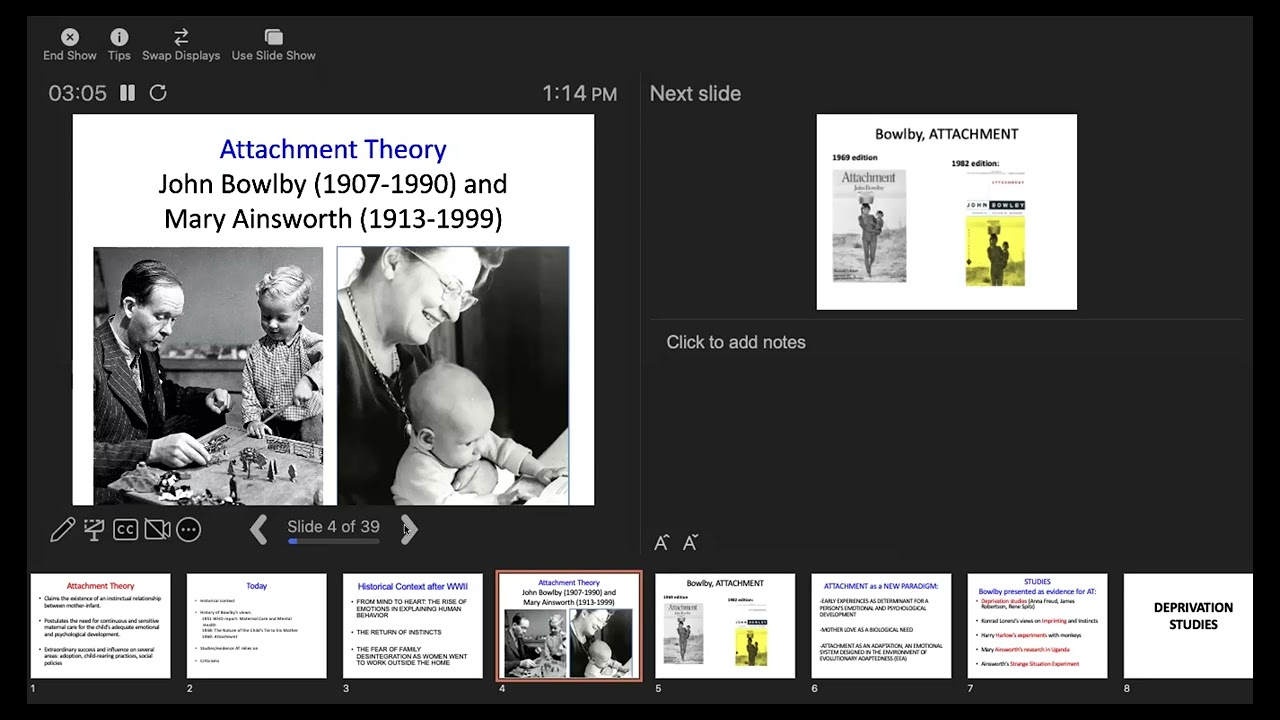
Attachment theory, developed by British psychiatrist John Bowlby (1907-1990), describes the lasting psychological connectedness between human beings that begins in early childhood through the infant-caregiver relationship; Bowlby identified four key characteristics of attachment—proximity maintenance, safe haven, secure base, and separation distress—and proposed four attachment styles (secure, ambivalent, avoidant, and disorganized) that develop based on caregiver responsiveness, with significant implications for adult relationships and mental health.
Attachment Theory Explained: Bowlby & Ainsworth Overview
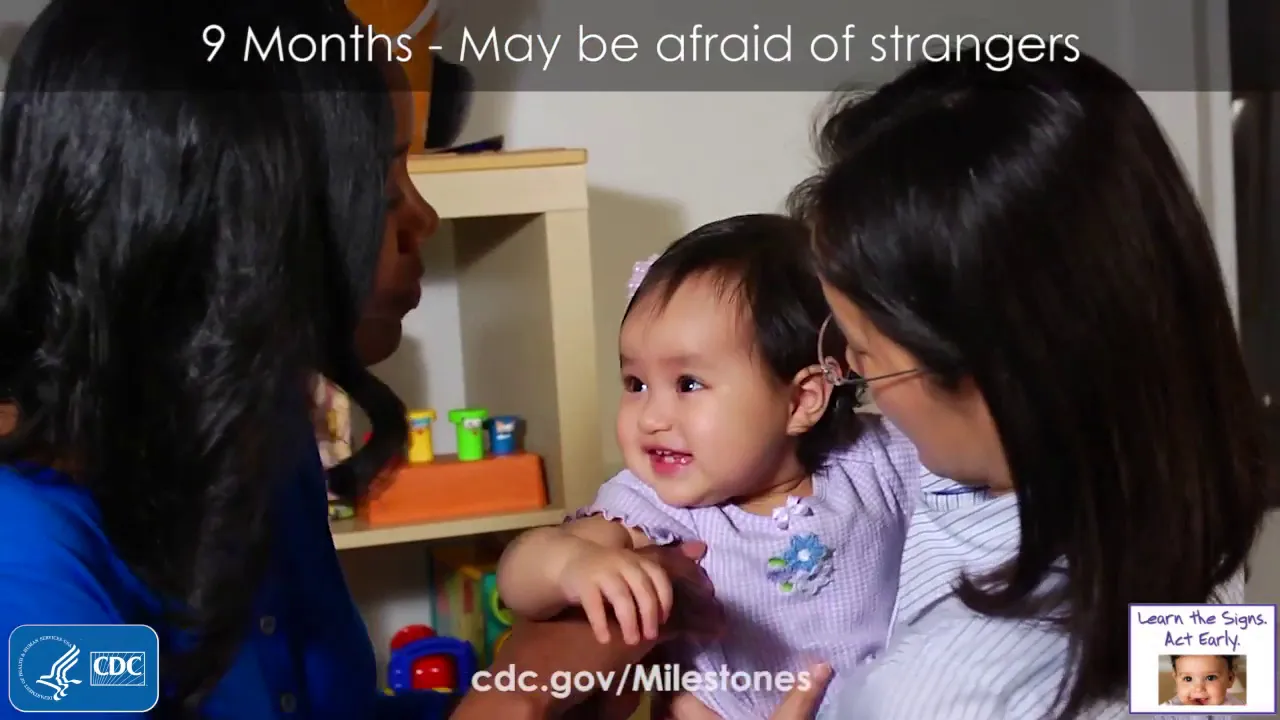
Added:Basic concepts in developmental psychology, particularly infant socio-emotional milestones.
The fundamental debate of Nature vs. Nurture and how early environment influences human development.
An introduction to classical psychoanalytic theory (Freud) and drive-reduction theories of mother-infant bonding, which Bowlby challenged.
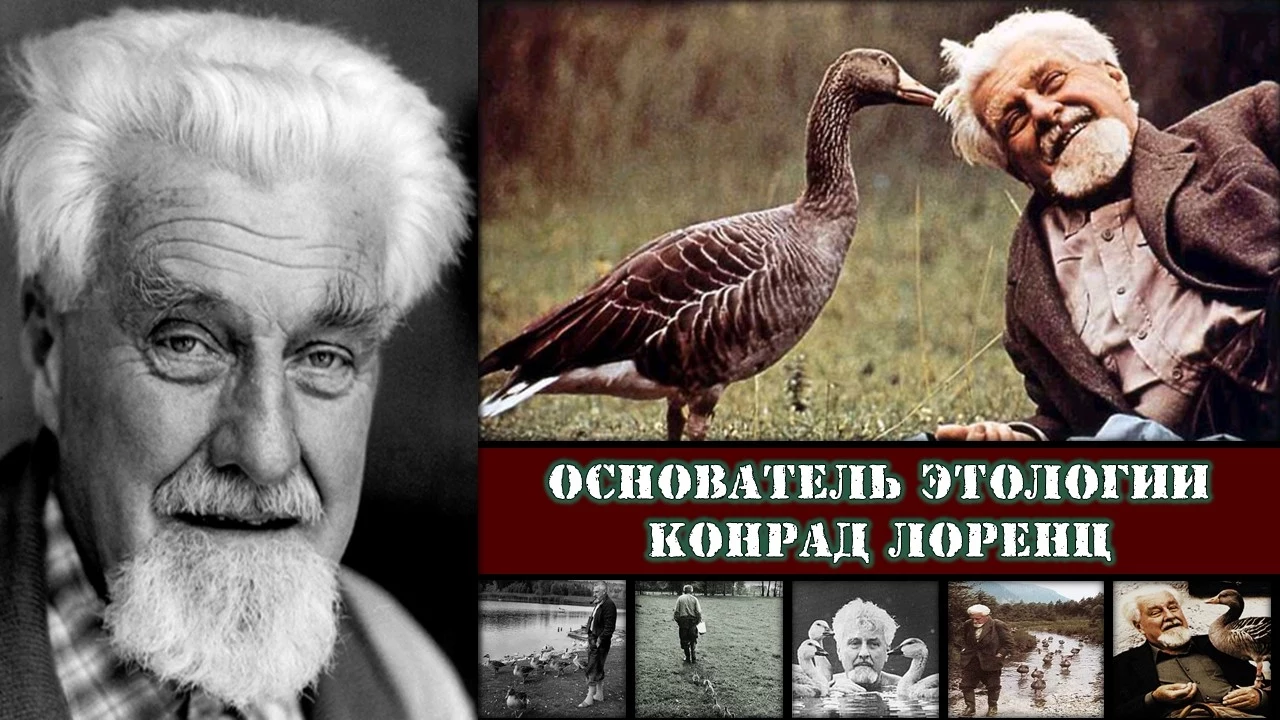
The concept of ethology (the study of animal behavior), specifically Konrad Lorenz's work on imprinting and evolutionary survival mechanisms.
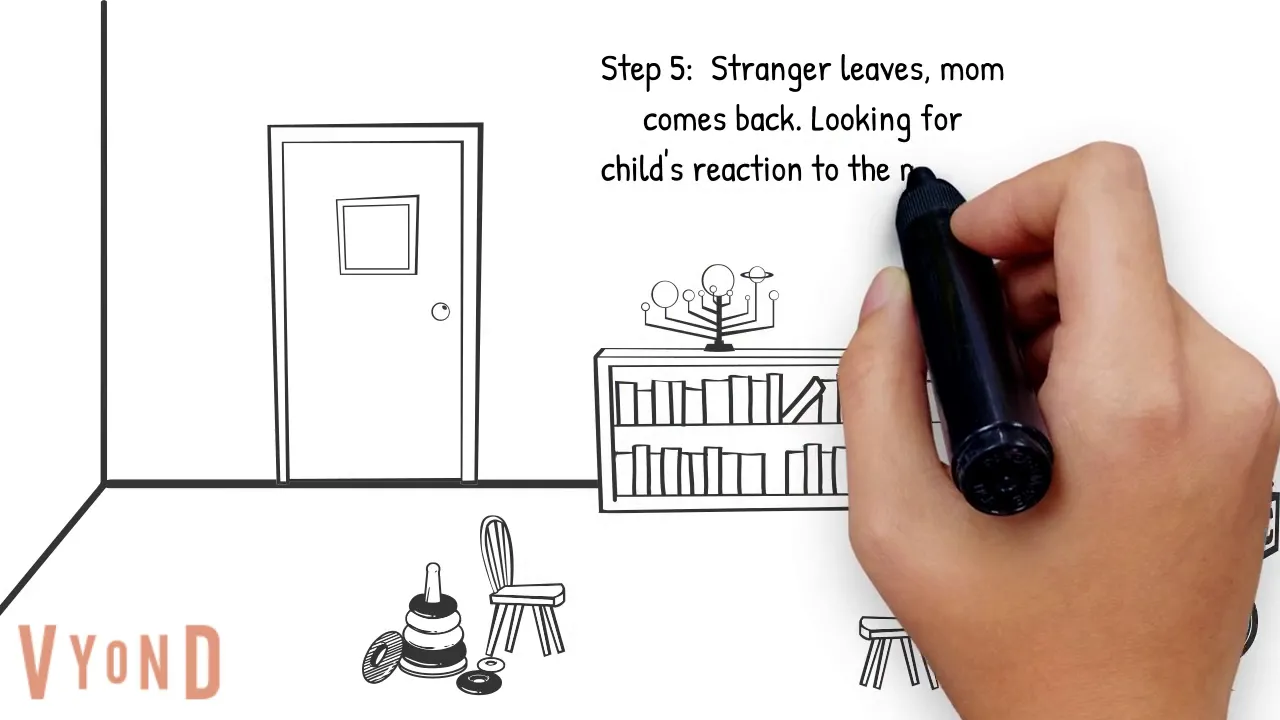
The methodology of Mary Ainsworth's 'Strange Situation' experiment and how specific attachment classifications are behaviorally measured.
How childhood attachment styles translate into adult attachment styles (secure, anxious-preoccupied, dismissive-avoidant, fearful-avoidant) in romantic relationships.
The neurobiology of bonding, exploring how early caregiving shapes the developing brain, oxytocin pathways, and the stress-response system.
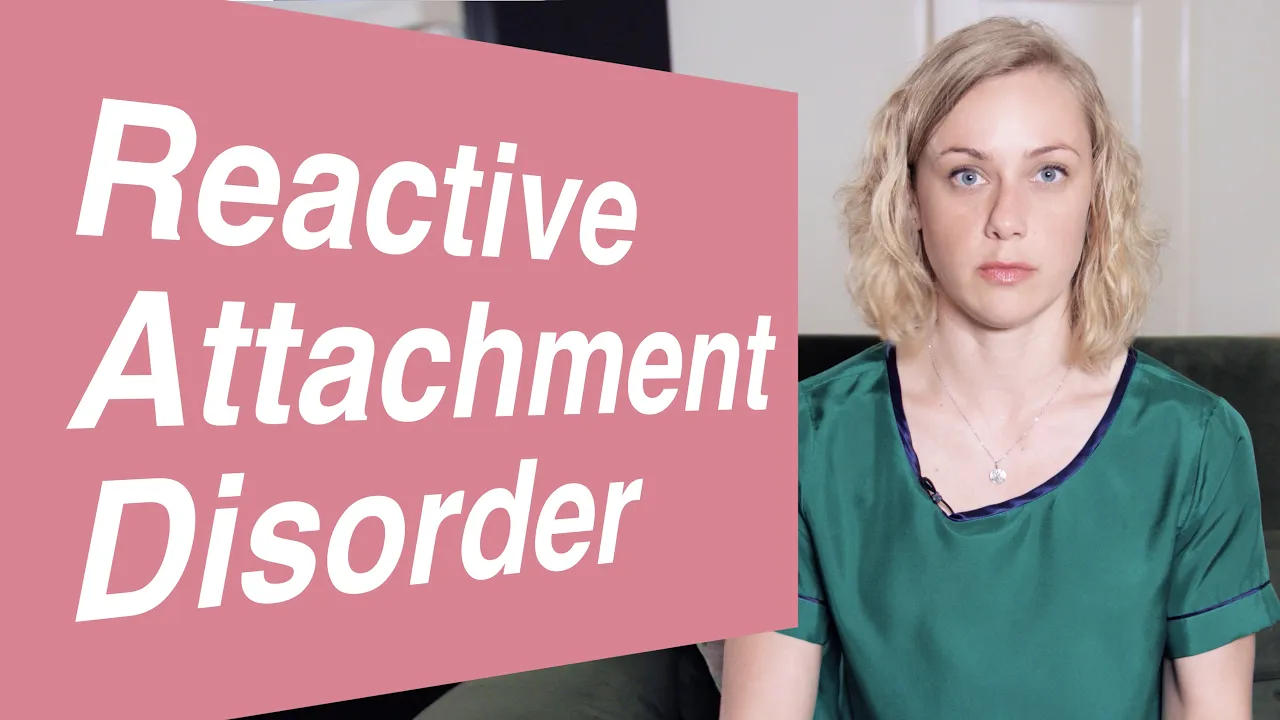
Clinical applications and disorders related to attachment, such as Reactive Attachment Disorder (RAD) and attachment-based psychotherapies.
Cross-cultural perspectives and critiques of attachment theory, examining how parenting norms in non-Western cultures affect bonding behaviors.
328.7K views2.1Klikes10:59Original Release: 2011-10-27
if you're watching this on Moodle or float you by on YouTube a very warm welcome my name is Rory Le Oaks and in this presentation we're going to look at bal's attachment Theory little bit about John Balby he was born February the 26th 1907 in London and he died September the 2nd in 1990 age 83 in the a of sky in Scotland he was British by nationality his Fields were psychiatry his influences were Sigman Freud malan Klein and Conrad Loren he coined the term attachment and his key idea was attachment Theory so what is attachment well attachment can be defined as a unique emotional bond between carer and child that involves an exchange of comfort care and pleasure the roots of research on attachment began with Freud's theories about love however but John bal's research usually credits him as the father of attachment Balby described it as a lasting psychological connectedness between human beings Balby shared the psychoanalytic view that early experiences in childhood have an important influence on development and behavior in later life our early attachment styles are established in childhood through the infant caregiv give a relationship Balby believed that attachments had a basis in evolution he wrote the propensity to make strong emotional bonds to particular individuals is a basic component of human nature he effectively collectively believed it was a human given that attachment was something that was biologically built into us so we're going to have a look at the characteristics of attachment and there's four major ideas in attachment one's called proximity maintenance the other's Safe Haven secure base and separation distress and I'm going to just explain a little bit about those in the next slide proximity maintenance is the desire to be near the people are attached to and we see this in children don't we if a a caregiver or a parent Strays a little too far away from a child they tend to um want to come back to the caregiver Safe Haven is returning to the attachment figure for comfor Comfort safety in the face of fear or threat so if something scares or frightens a child they're more likely to run to the caregiver or parent secure base the attachment figure acts as a base of security from which the child can explore the surrounding environment so children run off to explore their world and and make their world bigger but they always come back to the care or parent um afterwards they they come back to um a secure base and finally separation distress anxiety that occurs in the absence of an attachment figure and we see that sometimes if parents leave a child in a room and then just go out once the child is cottoned on to the the caregiver or parent isn't there they can get sometimes anxious or or distressed so let's have a look at the type of attachments that Balby talked about well the first one is called secure attachment the second he called ambivalent attachment then he went on to call the phrase avoidant attachment and finally disorganized attachment and as this presentation moves forward I'm going to be expanding on these ideas so the characteristics of a secure attachment um is as children we're able to separate from parents and that leaves us as adults of having lasting trusting relationships um when parents return we met with positive emotions and that leads us the theory would tell us to be in adult life comfortable sharing feelings with friends and partners but this all bases on the caregiver's behavior so let's have a look at what the caregiver has to do to promote what we call a secure attachment well caregiver responds appropriately and promptly and as consistently to the needs of the child caregiver has successfully formed a secure parental attachment bond to the child so this is about responding appropriately to the child and is consistent to the child's needs however some caregivers Styles aren't like this and we get different forms of attachments so we're going to have a look at the next one which is called ambivalent attachment and as children if we have an ambivalent attachment we may be wary of strangers and we could be reluctant in adult life to become close to others um as children we become greatly distressed when the parent leaves and that might be that as adults we worry their part partner does not love them so let's have a look at the caregiver behavior that would generate ambivalent attachment in an adult in later life well ambivalent attachment is where the caregiver gives little or no response to a distressed child discourages crying and encourages Independence and that is the basis for ambivalent attachment then we move on to avoidance attachment and as children we may avoid our parents which might mean in as adults we have problems with intimacy we don't seek much comfort or contact from parents and it might be as adults we invest little emotion in Social or remotti relationships as children may show little or no preference between a parent and a stranger and that might lead us um as adults that we're unable or unwilling to share thoughts and feelings with others so the caregiver behavior that generate avoidance attachment in a child is inconsistent between appropriate and neglectful responses and generally will only respond after increased attachment behavior from the infant a good example of this may be a carer or a parent who is just ignoring a child until the child is literally begging for some kind of care chases the caregiver around if they're if they're able to if the child can walk um and that would generate a voiding attachment the idea that they're being avoided and finally disorganized attachment um now this usually um is generated where there's a very difficult parenting Style or caregiving style where it's completely really broken down and at the age of one a child can show a mixture of avoidant and resistant behaviors won't want to do things avoids doing things they may seem dazed confused or apprehensive and at age six they may be taking on parental role and some children act as a caregiver to all the parents so let's have a look at that caregiver's behavior that generates a disorganized attachment in the child well sadly it can be that the caregiver is is either they frighten themselves or they generate frightening Behavior they're intrusive they're withdrawn there's lots of negativity around there's role confusion and this can be where a child takes on the adult or parenting role to the adult and this does happen um sadly um there's communication errors and Mal treatment and it's very often Associated when with many forms of abuse towards children so children whove had um some children who've had child abuse have been abused as children can have what they call disorganized attachment there is a critique of bal's ideas and it goes back to the time that Balby was asked to develop his ideas and after World War II the United Nations were faced with many dispossessed and orphan children and they asked bulby to write a pamphlet on the matter and he went on to formulate his theory that children need need to form an attachment with at least one primary caregiver to have a healthy attachment or a secure attachment bal's views idolize motherhood one of the criticism about bulby is that his views idolize motherhood and traditional family life and governments of the time use some of his ideas to justify the closure of Nursery provision thus woman who had worked in male occupations during the war with with Force back into the home during the second world war women did a lot of work which in those times was traditionally men's work and um some of the more cital or conspiracy theory ideas behind bal's theories being used by the government was that um the government didn't want lots of men had come back from the war not in jobs so they kind of shamed women back to the homes um and it's a very it's still a very strong feminist argument against bulb's ideas to balance this well well acknowledging this many contemporary practitioners in development psychology and Psychotherapy still consider bulb's ideas relevant and certainly in Psychotherapy um there are therapies which focus on attachment Theory as the formulation for clients understanding their own uh behaviors in adulthood and if you want to do any other any further research um have a look at schaer and Emerson's ideas they expanded on bal's ideas in the 60s and I'm going to attach a link to the YouTube site and to the the Moodle site so that you can just have a look at that and get a more rounded view of attachment if you want further information well if you're watching on Moodle click the resource tab here and if you click that it will take you to a website with lots of really information interesting information about um not only bulby but also schae and Emerson and other thinkers in the field of attachment Theory or if you watched on YouTube if you click in the box below the video I'll put a link in and you can click straight off the YouTube site and finally thank you for watching
Up Next
11:37
Attachment Styles and Moral Development in Child Psychology
@crashcourse
2M views•2014-06-17

68:32
Cognitive Skills for Differentiated Instruction | Teacher PD
@BrainWareLearning
631 views•2017-12-17

11:00
Carl Rogers' Hidden Therapeutic Conditions in Person-Centered Therapy
@Counsellingtutor1
37.4K views•2011-08-16

6:40
The Nocebo Effect: How Beliefs Can Cause Real Harm
@CGPGrey
10.4M views•2013-12-23
Related Study Plans & Knowledge Roadmaps
Structured learning paths in Psychology
psychology
Neuroscience of Creativity: Networks & Training
01Foundations of Creative Cognition
02The Cognitive Neuroscience of Insight & Fixation
03The Triple Network Model of Creativity
+ 1 more learning modules
15h4 modules
Explore Roadmap
psychology
Imposter Syndrome: Etiology & CBT Framework
01Defining the Imposter Phenomenon
02Socio-Developmental Etiologies
03CBT Fundamentals & Thought Distortions
+ 2 more learning modules
15h5 modules
Explore Roadmap
psychology
Adult ADHD: Executive Dysfunction & Scaffolding
01Neurobiology of the ADHD Brain
02The Core Triad of Executive Deficits
03Executive Dysfunction and Emotional Regulation
+ 2 more learning modules
12h5 modules
Explore Roadmap
psychology
Loneliness: Evolution, Neurobiology & CBT
01Evolutionary Origins of Human Connection and Loneliness
02The Neurobiology and Physiology of Chronic Loneliness
03Maladaptive Social Cognition: The Psychological Loop
+ 2 more learning modules
12h5 modules
Explore Roadmap