


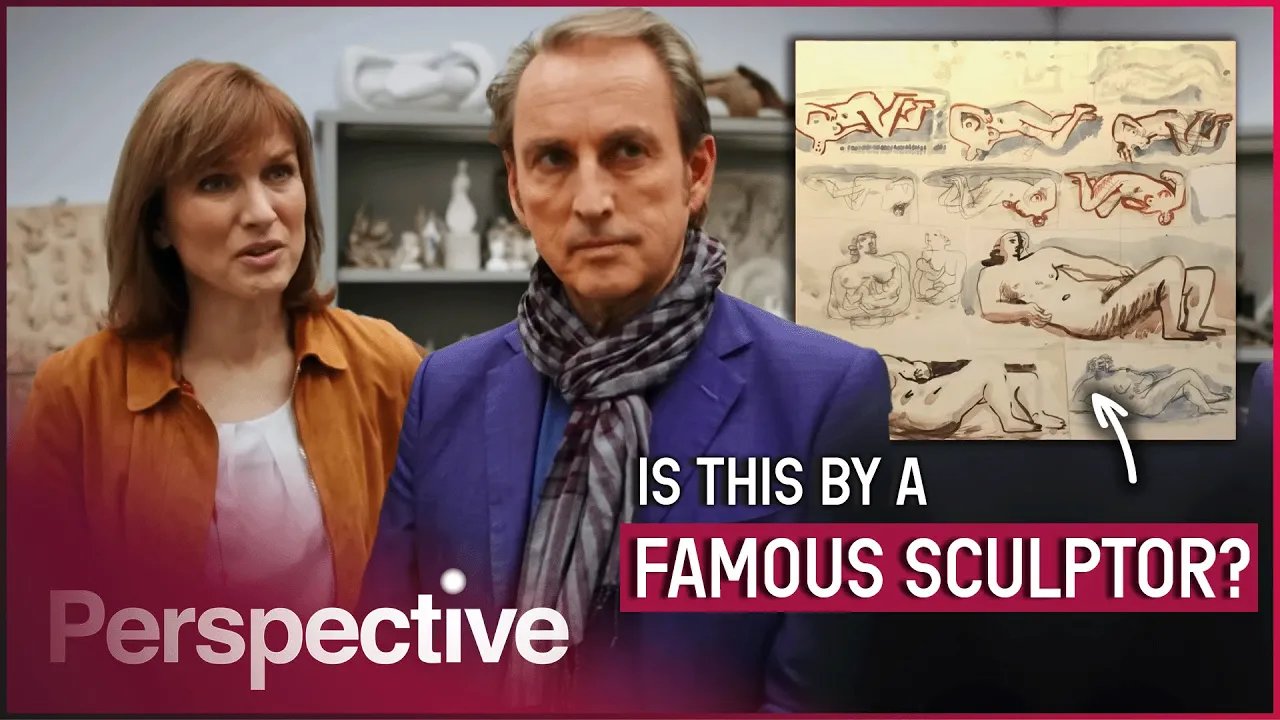














Art authentication can be achieved by analyzing the materials used in a painting, as modern pigments like titanium white (which became available in the 20th century) cannot appear in authentic historical artworks from earlier periods, making material composition a reliable forensic method for detecting forgeries.
Art Fraud Detection: Titanium White Reveals Museum Masterpiece Fake
Added:The timeline of pigment invention, specifically the commercial introduction of Titanium White in the early 20th century.
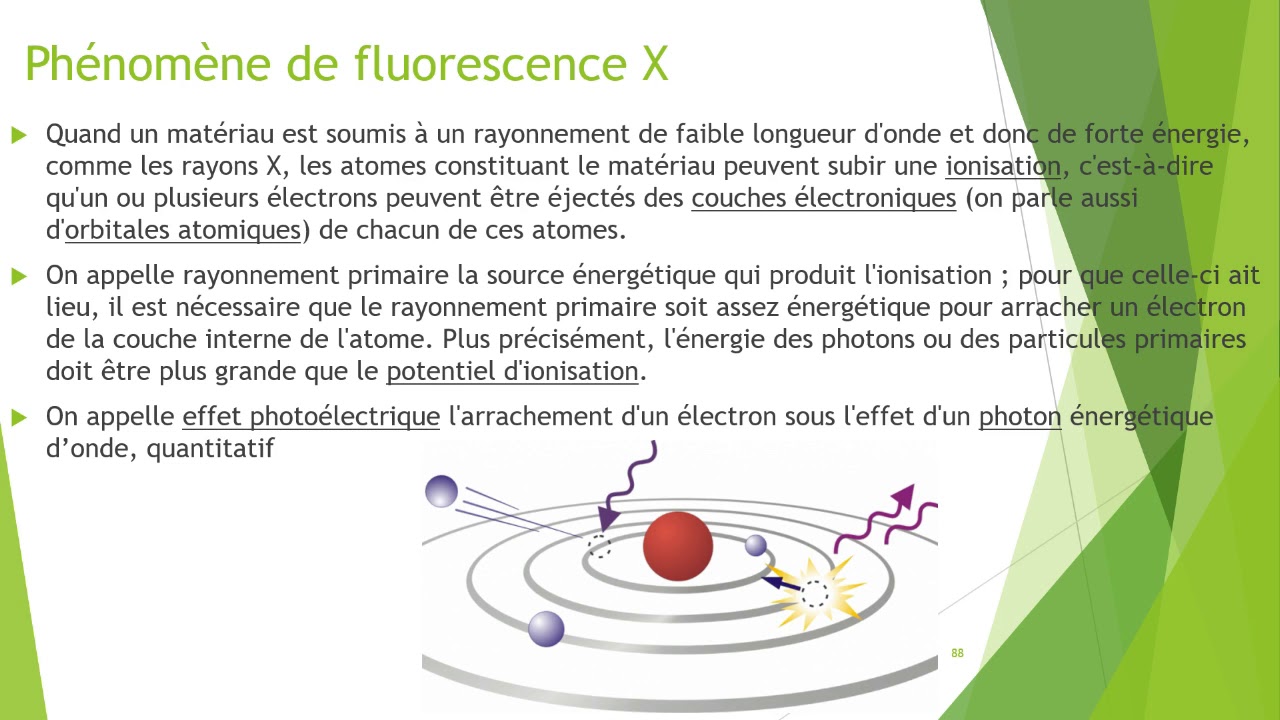
Basic principles of analytical chemistry, particularly how non-destructive testing methods like X-ray fluorescence (XRF) identify chemical elements.
The concept of art provenance and the traditional methods of art authentication, such as stylistic analysis and historical documentation.
Fundamentals of forensic science, specifically how trace evidence is analyzed to link physical objects to specific times or events.
Advanced non-destructive imaging techniques in art conservation, such as infrared reflectography and macro-XRF scanning.
The legal, ethical, and financial ramifications of art forgery on the global art market and museum acquisitions.
Case studies of famous art forgers (such as Han van Meegeren or Wolfgang Beltracchi) and the scientific methods that led to their downfall.
The intersection of materials science and criminal forensics, specifically how chemical profiling of paints and dyes is used in homicide investigations.
206.9K views7.4Klikes2:37Original Release: 2026-04-03
She doesn't have my eyes.
My father always loved that we had the same eyes.
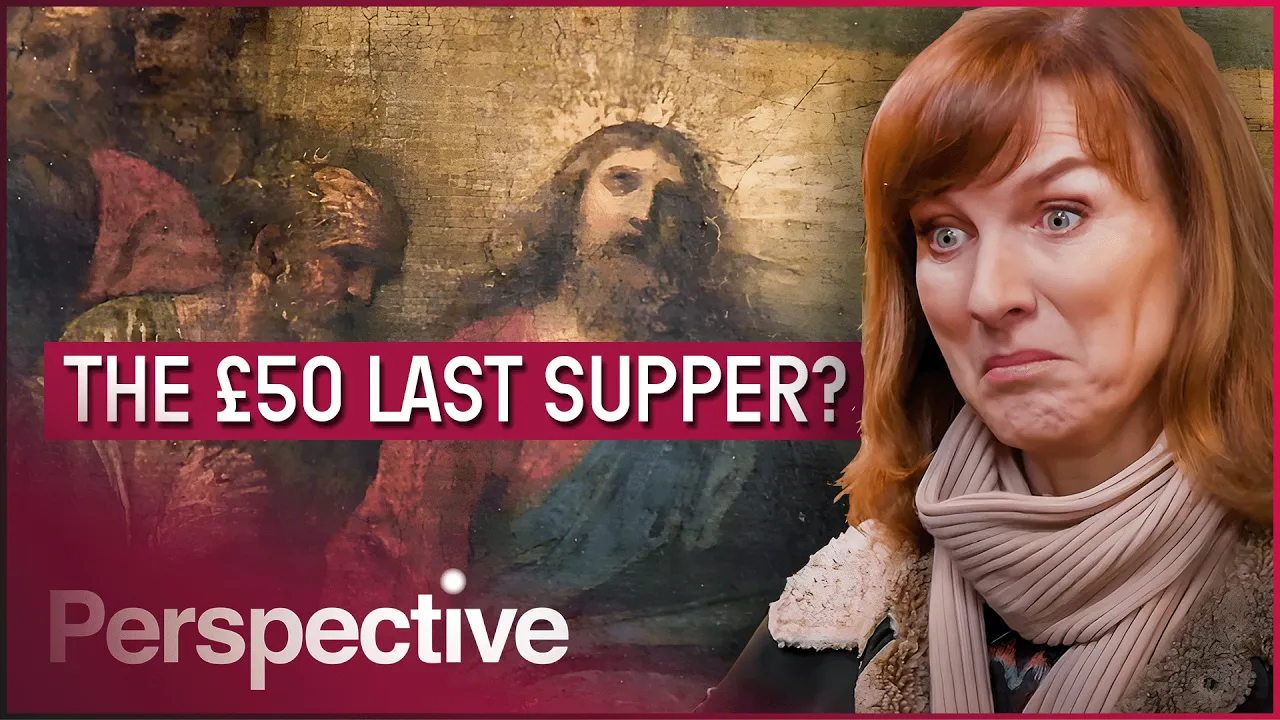
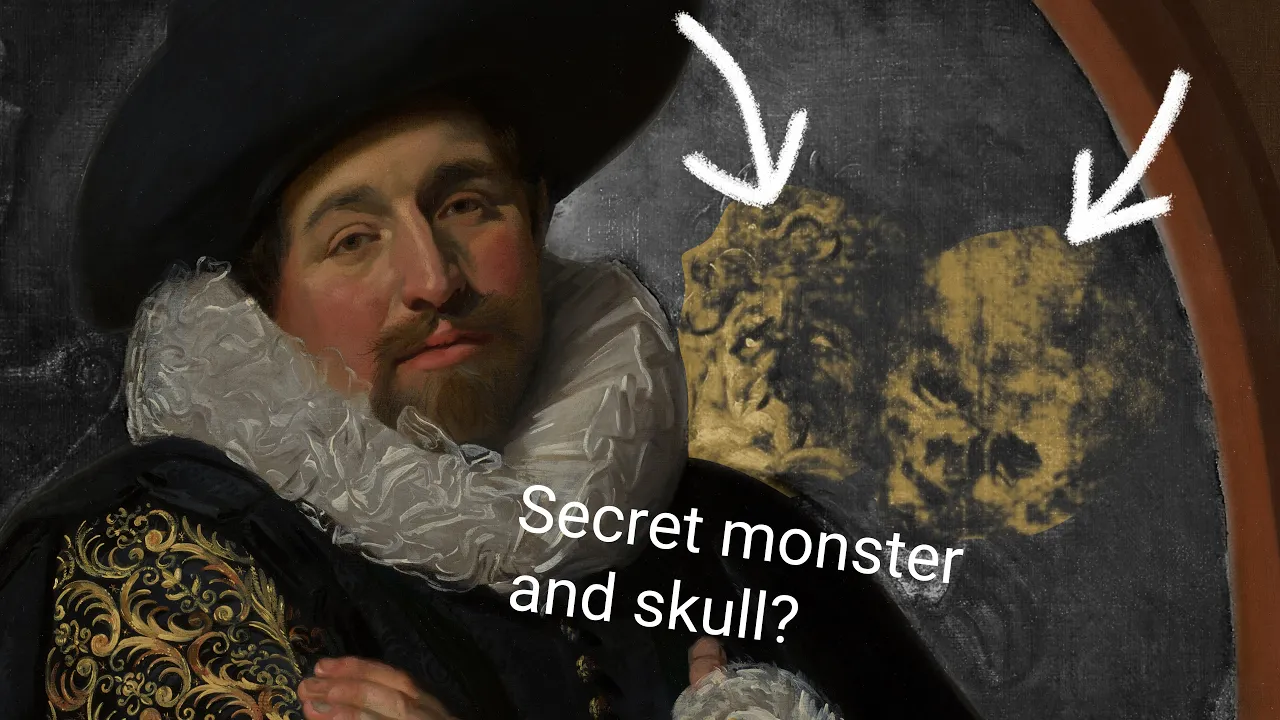
Morgan took one look at the eyes in the painting and knew this museum masterpiece was a fake. This painting was created in 1945. Due to material limitations at the time, the artist could only mix chalk and lead white to make white pigment, giving it a soft, milky tone. But the white in this painting is extremely bright, more like modern titanium white. And how could modern pigment appear in a painting from 300 years ago? What made it even stranger? The museum curator in charge of this exhibition was found dead in the underground parking lot. And this fake painting had been stolen. The only clue police found at the scene was an expensive watch. Nick was puzzled. Why would the killer leave a $200,000 watch on the ground?
>> Well, it's fake.
>> Yeah, if it was real, the second hand would glide and not jump around when it ticks. Plus, the engravings too shall.
>> Our text will take a look.
>> Morgan had no time for small talk. She already had a suspect in mind. To avoid tipping him off, she made up an excuse and left the crime scene. Reese, the art association president who had been helping with the investigation, had a wooden box in his room. Its size was just right to fit the missing museum painting. And when Morgan got close to him before she noticed a gunshot wound on his body, the wound location matched exactly where the legendary art thief, Robin Hood, was reportedly shot. So Morgan had to go back and find out the truth. Morgan may have a sharp mind, but picking locks was not her strength.
Luckily, the hotel staff had a master key card >> and a bin that needs to be emptied less often.
>> Hurry, just grab a towel. Made a mess, so that's okay.
>> And just like that, Morgan got the card.
But when she opened the box, it was just an ordinary oil painting. The lead went cold. Morgan decided to search the curator's home for clues. But as soon as she reached the door, she heard movement inside. The curator was single and always lived alone. What they did not expect was the curator's secret boyfriend inside. The two feared judgment from society, so they never went public with their relationship.
After learning of his lover's death, the boyfriend Evan came to mourn. Morgan then noticed the antique ornament on the table.
>> What do you use to polish yours? Feric oxide.
>> I uh don't remember what we used. Uh some kind of cleaning product. Why?
>> Oh, you can use feric oxide to polish metals. But if you add a little bit of powdered aluminum to it, you get thermite, which is a pyrochnic composition that can burn up to 4500° F. So people use it for things like welding or making fireworks or grenades.
Can even melt glass >> like the skylight at the museum.
>> When the museum painting was stolen, the skylight glass had been melted through and Evan happened to have aluminum oxide powder on his shoes.
>> You know, I think we should take this conversation down to the precinct. Evan panicked and ran.
Up Next
3:41
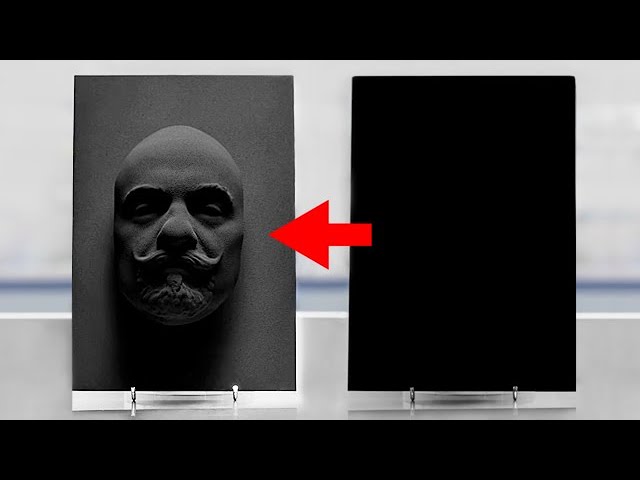
Vantablack: The World's Darkest Man-Made Material Explained
@WonderWorldYTC
2M views•2018-05-20

12:54
Triumph of Orthodoxy Icon: Byzantine Art & History Explained
@BenCallan
2.1K views•2024-08-06

9:49
FastAPI vs Flask vs Django: Choosing the Right Python Web Framework
@TechWithTim
302.5K views•2024-05-26

1:42
Game of Thrones Opening Credits: A Cinematic Analysis
@gameofthrones
46.3M views•2011-04-18
Related Study Plans & Knowledge Roadmaps
Structured learning paths in General & Interdisciplinary Studies
general-studies
Elevator Engineering: History, Physics & Cities
01From Hoists to Safety Brakes: The Dawn of Vertical Lift
02Hydraulic vs. Traction: The Engineering Physics of Elevators
03Modern Speed, Safety, and Algorithms
+ 2 more learning modules
12h5 modules
Explore Roadmap
general-studies
Rubber: Material Science, History & Geopolitics
01Origins of Natural Rubber & Mesoamerican History
02The Chemistry of Natural Rubber & Vulcanization
03The Geopolitics of the Rubber Boom & Colonization
+ 2 more learning modules
12h5 modules
Explore Roadmap
general-studies
Containerization: Evolution, Logistics & Trade
01Ancient Trade & Bulk Cargo: Amphorae to Barrels
02The Industrial Revolution & Cardboard Packaging
03The Containerization Revolution: Malcom McLean
+ 2 more learning modules
12h5 modules
Explore Roadmap
general-studies
Textile Tech: Evolution, Labor & Global Impact
01Pre-Industrial Textiles: Handloom & Cottage Industry
02Mechanization: The Spinning Jenny to the Power Loom
03The Factory System & Global Labor Transformation
+ 2 more learning modules
10h5 modules
Explore Roadmap