


![Suture & Knot Tying technique [Tulane Medicine]](https://i.ytimg.com/vi/jX5yrKmeKD8/hqdefault.jpg?sqp=-oaymwEmCOADEOgC8quKqQMa8AEB-AH-BIAC6AKKAgwIABABGEkgSShlMA8=&rs=AOn4CLBCI942Om94R-UHK9fEX8gDalkG0Q)



![Anatomy of the Skin [Epidermis, Dermis, Hypodermis]](https://i.ytimg.com/vi/GYLXDSq3n1U/maxresdefault.jpg)




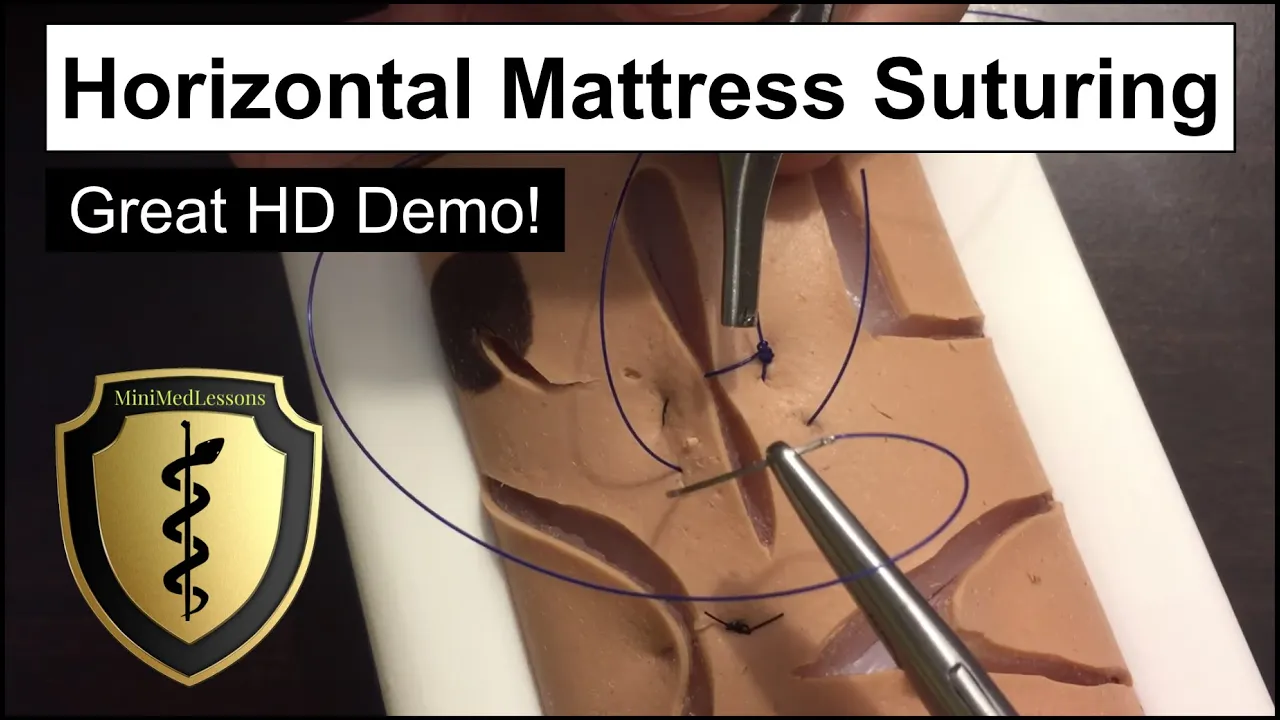
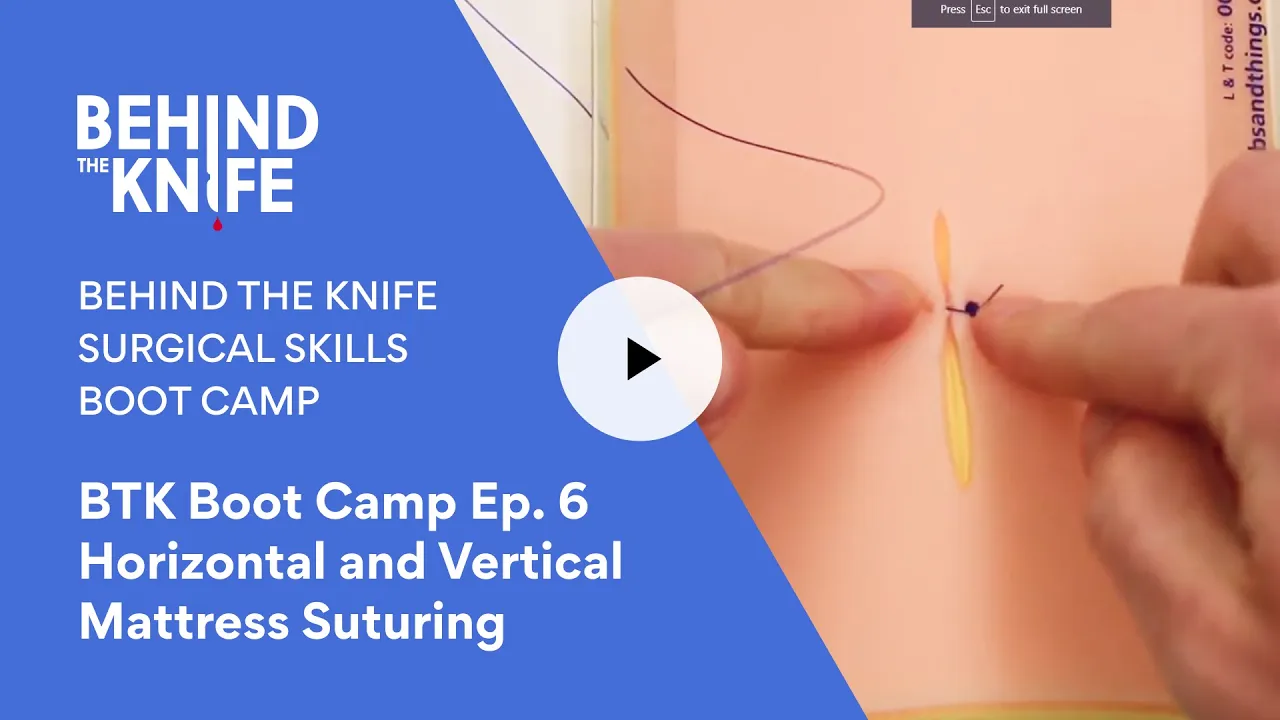
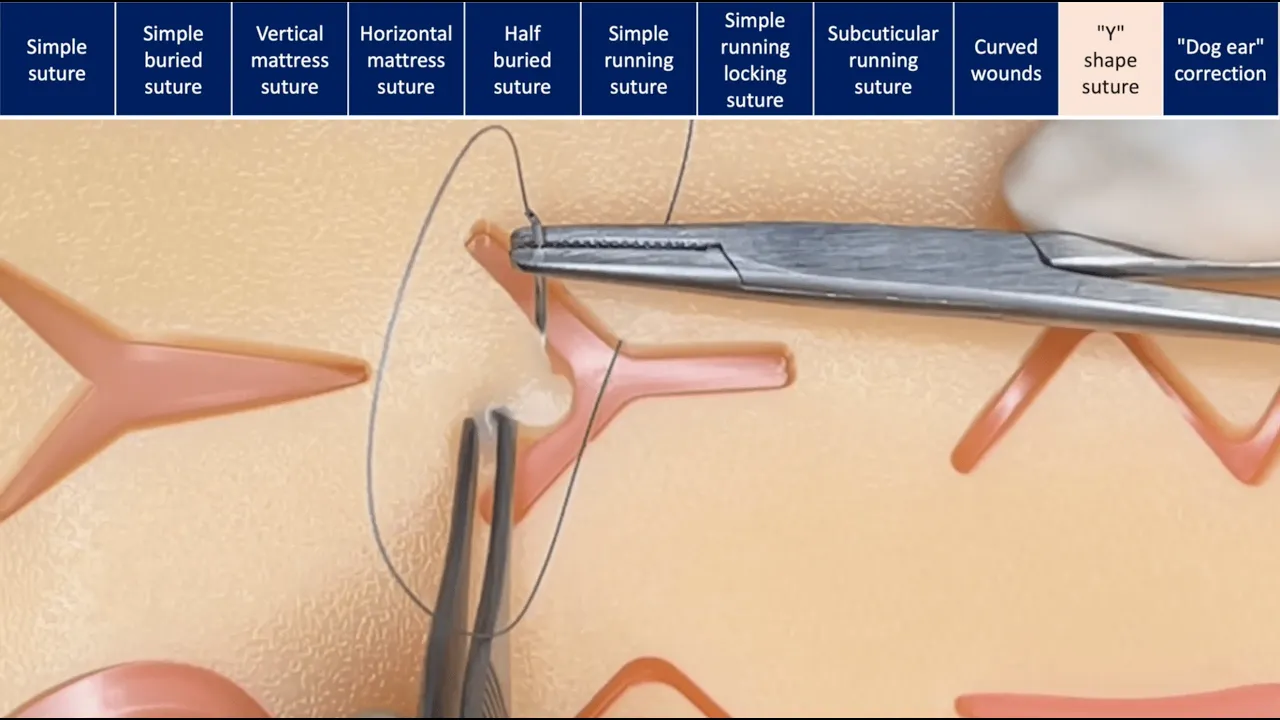






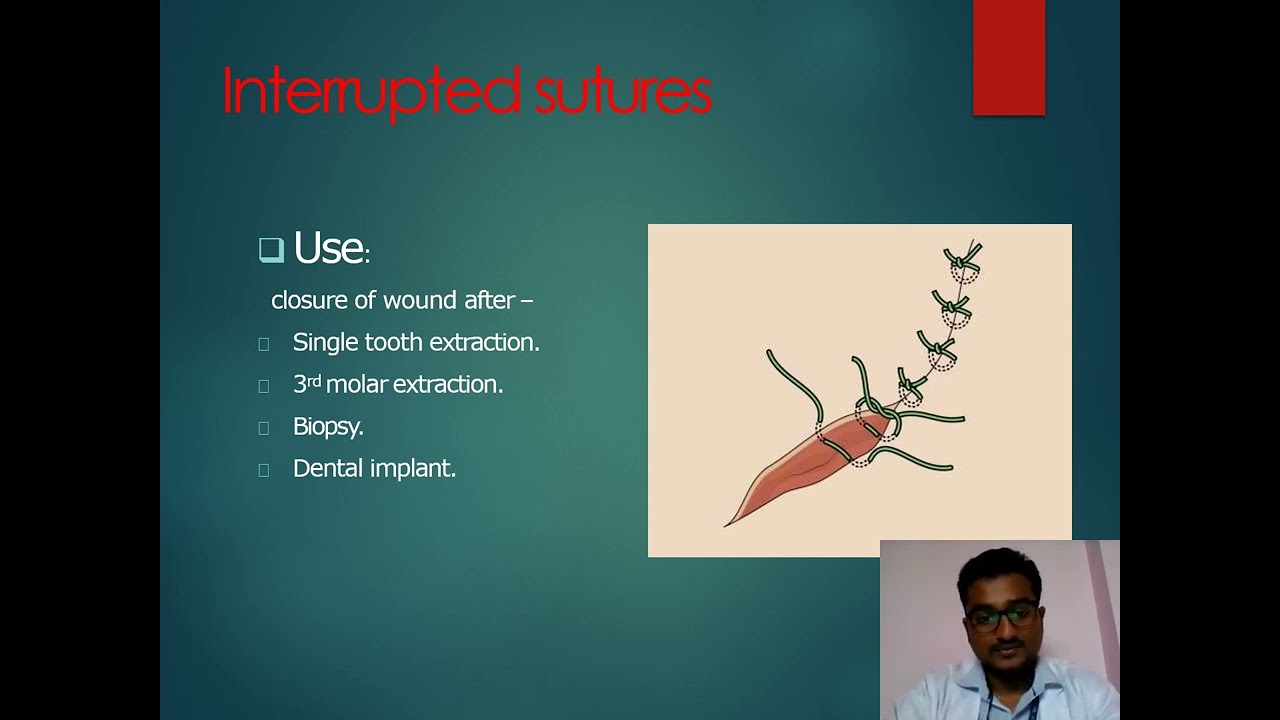


The vertical mattress suturing technique is a surgical method used to close incisions with tension, such as scalp incisions and lacerations, by entering the skin at 90 degrees with a deep first throw and a more superficial second throw on the opposite side, ensuring equal tissue depth on both sides to pull skin edges together and reduce tension on gaping wounds.
Vertical Mattress Suturing Technique: Step-by-Step Guide
Added:Fundamentals of surgical instrument handling, specifically the proper grip and movement of needle drivers, tissue forceps, and suture scissors.
The simple interrupted suturing technique and basic instrument-assisted knot-tying (square knots).
Anatomy of the skin layers (epidermis, dermis, subcutaneous tissue) and the physiological importance of epidermal eversion for optimal healing.
Basic knowledge of suture materials, including distinguishing between absorbable and non-absorbable types and understanding needle geometry.
The horizontal mattress suturing technique, comparing its indications and tension-distribution properties with the vertical mattress.
Deep dermal (subcuticular) suturing to relieve tension from the dermal-epidermal junction prior to superficial closure.
Suture removal guidelines and timing to prevent scarring, particularly 'railroad track' marks which mattress sutures are prone to leave if kept in too long.
Management of post-procedural wound complications, such as tissue ischemia from overtightened sutures, wound dehiscence, and localized infection.
186.6K views2.1Klikes6:40Original Release: 2016-07-19
all right hello everyone I am going to demonstrate for you the vertical mattress suture ring it's actually probably my favorite suturing technique it works really well in many situations I use it a lot in the operating room especially when closing incisions that have a little tension such as scalp last Kalp incisions and scalp lacerations as well so it works really well also for any any type of laceration in my opinion at Evarts the skin edges really well rather than turning them in if it's done properly it can also be used to take a lot of tension off of gaping lacerations so if you've got a wide gaping laceration under a lot of tension a vertical mattress is a good option to pull those skin edges a little closer together so I've chosen today to use a pretty large suture it's a - OH - Oh a prolene just so that it's easier to see on the video but and so to start your vertical mattress you're going to be going in rather deep for the first throw okay so as always you're going to be entering the skin at a 90 degree angle so you're going to turn your needle driver and your wrist in a way that your skin tears your needle it's going to enter just like this at 90 degrees you're going to go rather deep for your first throw just like that see how much tissue you grab with that first throw okay now if it's a rather gaping incision or laceration you might need to let go pull it the rest of the way through and then grab and reset your needle driver now you want to make sure that when you enter this opposite side that you're going to be going in at the same depth of tissue down in the subcutaneous tissue as you exited from on the right side so you're going to enter that same depth and you're going to make sure you're coming up and directly across from where you entered the skin on the other side I like to place my needle excuse me my pickup on the skin like this which helps to helps my skin - excuse me helps the needle to exit the skin at a 90 degree angle so I'm going to pull a lot of this through so that the it's out of the way there we go so on your way back across the incision you're going to be get a lot of this out of the way there we go you're going to be coming across much more superficial than you did with your first throw and so you're going to stay within this this plane okay with a vertical mattress will will come out to the side but with a vertical mattress excuse me the horizontal mattress we come off to the side but with a vertical mattress we're going to stay within this same line so with your throw coming back the other direction you're going to be much closer to the skin edge here but again you want to turn your needle so that you're going to be entering the skin at a 90 degree angle close to the skin edge and notice that you're just barely going to pop through just below the epidermis just into the dermis so much more superficial and then you're going to do the same thing over here and then exiting the skin again at 90 degrees so make sure that the same distance that you enter the skin on this side you're exiting on this side so we call that equidistant okay I'm going to let go I'm going to pull my needle the rest of the way through and pull it across alright so there we go now we're ready to tie and we just do this simply with an instrument tie so we're going to do two on the first one pulling this across there we go you and be careful not to go too tight although that if if you've got a big gaping incision or laceration the vertical mattress can handle a lot of tension you can pull it rather tight if you need to so on this third one I like to pull it nice and tight get it nice and locked and snug so that my knee my knot doesn't come undone later and we'll throw a fourth one here okay so there you go that is the vertical mattress I'm going to grab my my scissor here and cut this so I'll show you another example I'll do it do it again for you I'll move a little more quickly this time but as you can see this this suturing technique does a great job pulling the skin together and averts the skin nicely and that's probably one of my favorite reasons or one of the things that makes this one of my favorite so again we're going to enter the skin at 90 degrees a little deep for that first one now sometimes if you've got plenty of room and on your needle you can just stay there just make sure that you're going to be still exiting the skin correctly at that 90 degree angle okay push that through a little bit there we go let's add up a little there we go pull that through reload so you on your way back let me show you rather than loading it forward I forgot to point this out the first time you're going to reload your needle back handed okay and so with your throw coming back the other direction make sure that you are going to be staying superficial but again enter the skin edges at 90 degrees so that it averts your skin nicely that's superficial and superficial one big thing here is making sure that your your the depth of your bite is the same on both sides because if you exit the skin deep on this side and then you only take a small more superficial bite on the other side then when you tie this then you're going to have this end tucked in under this side and so you really need to make sure that your the depth that you're grabbing with the needle is equal on both sides hopefully that makes sense okay so then we'll go ahead and instrument tie again pulling this together nicely and what word okay there you go so that is the vertical mattress suture in technique hopefully that was a nice clear demonstration for you there you go thanks for watching
Up Next
5:15
Deep Tissue Absorbable Suture Technique: Inverted Simple Interrupted Tutorial
@minimedlessons
504.3K views•2016-07-19

12:54
Triumph of Orthodoxy Icon: Byzantine Art & History Explained
@BenCallan
2.1K views•2024-08-06

12:17
Subcuticular Running Suture Technique: Step-by-Step Guide
@minimedlessons
3.2M views•2016-07-19

1:42
Game of Thrones Opening Credits: A Cinematic Analysis
@gameofthrones
46.3M views•2011-04-18
Related Study Plans & Knowledge Roadmaps
Structured learning paths in General & Interdisciplinary Studies
general-studies
Elevator Engineering: History, Physics & Cities
01From Hoists to Safety Brakes: The Dawn of Vertical Lift
02Hydraulic vs. Traction: The Engineering Physics of Elevators
03Modern Speed, Safety, and Algorithms
+ 2 more learning modules
12h5 modules
Explore Roadmap
general-studies
Rubber: Material Science, History & Geopolitics
01Origins of Natural Rubber & Mesoamerican History
02The Chemistry of Natural Rubber & Vulcanization
03The Geopolitics of the Rubber Boom & Colonization
+ 2 more learning modules
12h5 modules
Explore Roadmap
general-studies
Containerization: Evolution, Logistics & Trade
01Ancient Trade & Bulk Cargo: Amphorae to Barrels
02The Industrial Revolution & Cardboard Packaging
03The Containerization Revolution: Malcom McLean
+ 2 more learning modules
12h5 modules
Explore Roadmap
general-studies
Textile Tech: Evolution, Labor & Global Impact
01Pre-Industrial Textiles: Handloom & Cottage Industry
02Mechanization: The Spinning Jenny to the Power Loom
03The Factory System & Global Labor Transformation
+ 2 more learning modules
10h5 modules
Explore Roadmap