






![[Data Mining] - Bài 4: Similarity Measures](https://i.ytimg.com/vi/9AGnEFVsZEA/maxresdefault.jpg)

![[English] aiClub.ai Lecture 1 ML Introduction](https://i.ytimg.com/vi/Rs8_XTe6B-U/maxresdefault.jpg)





![HIMTI Responsi 2026/2027 | Machine Learning [B28] | UTS Semester Genap](https://i.ytimg.com/vi/3tgRb2nPJJw/maxresdefault.jpg)
![[Project Data Science] Hệ thống Gợi ý Sản phẩm (Recommender System) từ dữ liệu Amazon](https://i.ytimg.com/vi_webp/VOWByrDeCcI/maxresdefault.webp)





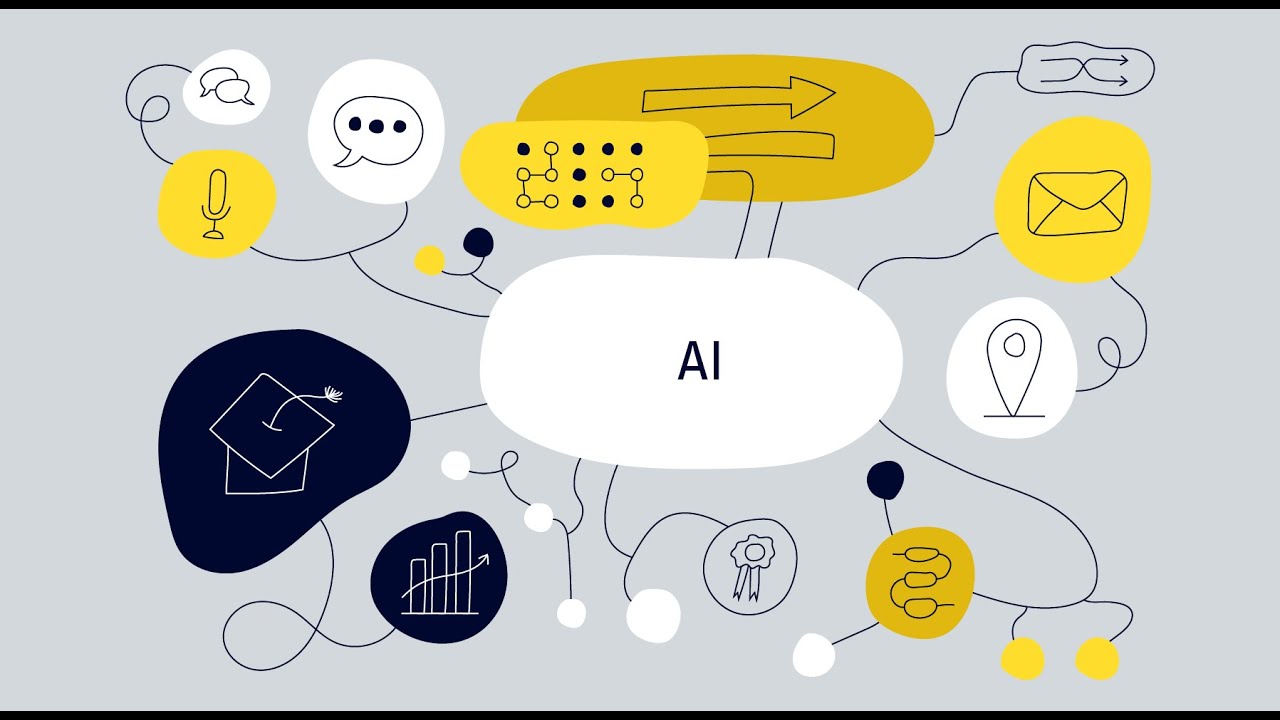
Recommendation algorithms work by collecting vast amounts of behavioral data from user interactions (such as pausing, rewinding, viewing times, and thumbnail selections) and using collaborative filtering to identify patterns among similar users, then predicting what content will maximize engagement rather than necessarily reflecting genuine user preferences; this creates a feedback loop where the algorithm shapes user preferences over time, prioritizing engagement metrics like clicks and watch time over user satisfaction or well-being.
How Recommendation Algorithms Work: Collaborative Filtering Explained
Added:Basic concepts of descriptive statistics and data types, specifically the difference between explicit feedback (ratings, reviews) and implicit feedback (clicks, watch time, search history).
Fundamental linear algebra, particularly vectors, matrices, and how user-item interactions can be mathematically represented in a grid or matrix format.
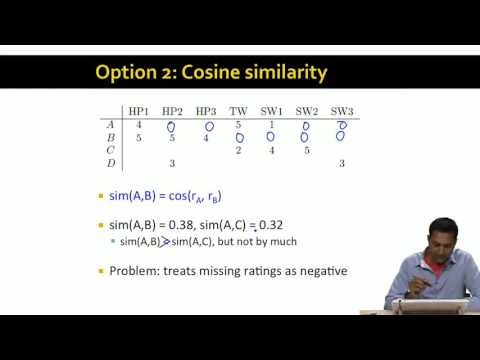
The concept of similarity metrics, such as Cosine Similarity and Pearson Correlation Coefficient, which are used to measure the closeness of two data points.
An introductory understanding of machine learning principles, specifically how algorithms use historical training data to make predictions about unseen data.
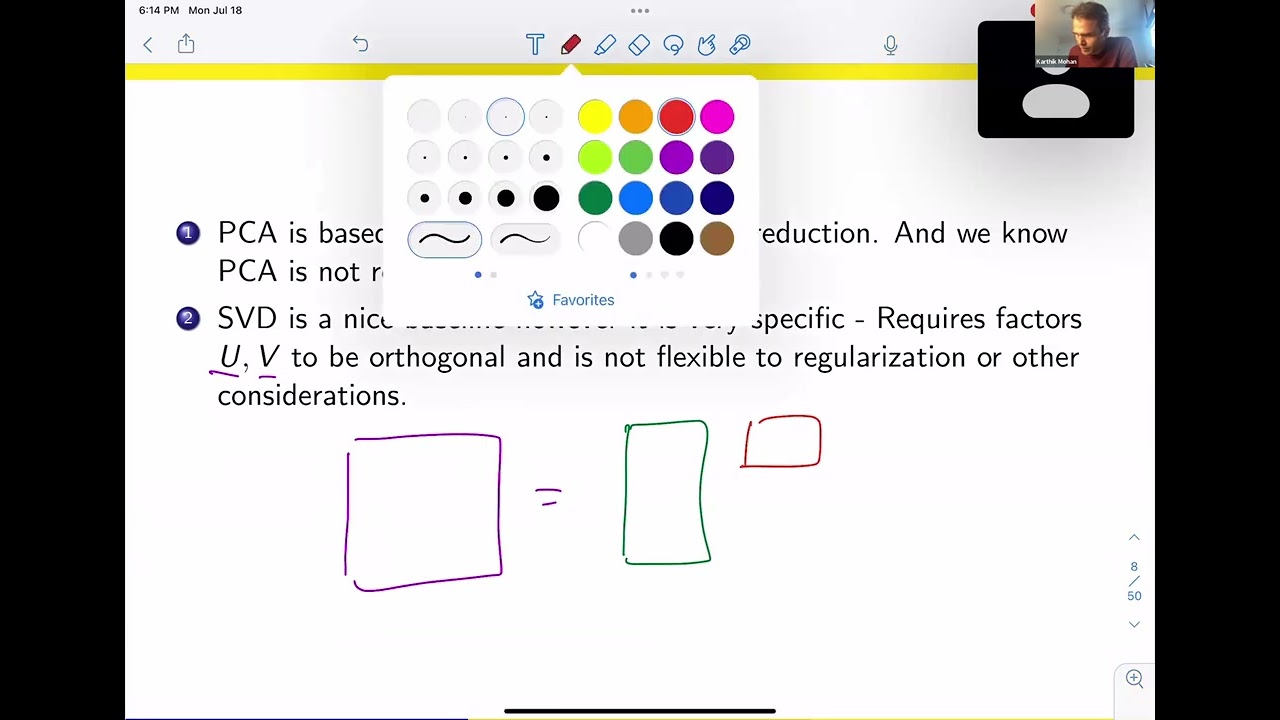
Matrix Factorization techniques, such as Singular Value Decomposition (SVD) and Alternating Least Squares (ALS), which help scale collaborative filtering to massive datasets.
The 'Cold Start' problem and how Hybrid Recommender Systems combine collaborative and content-based filtering to make recommendations for new users or items.
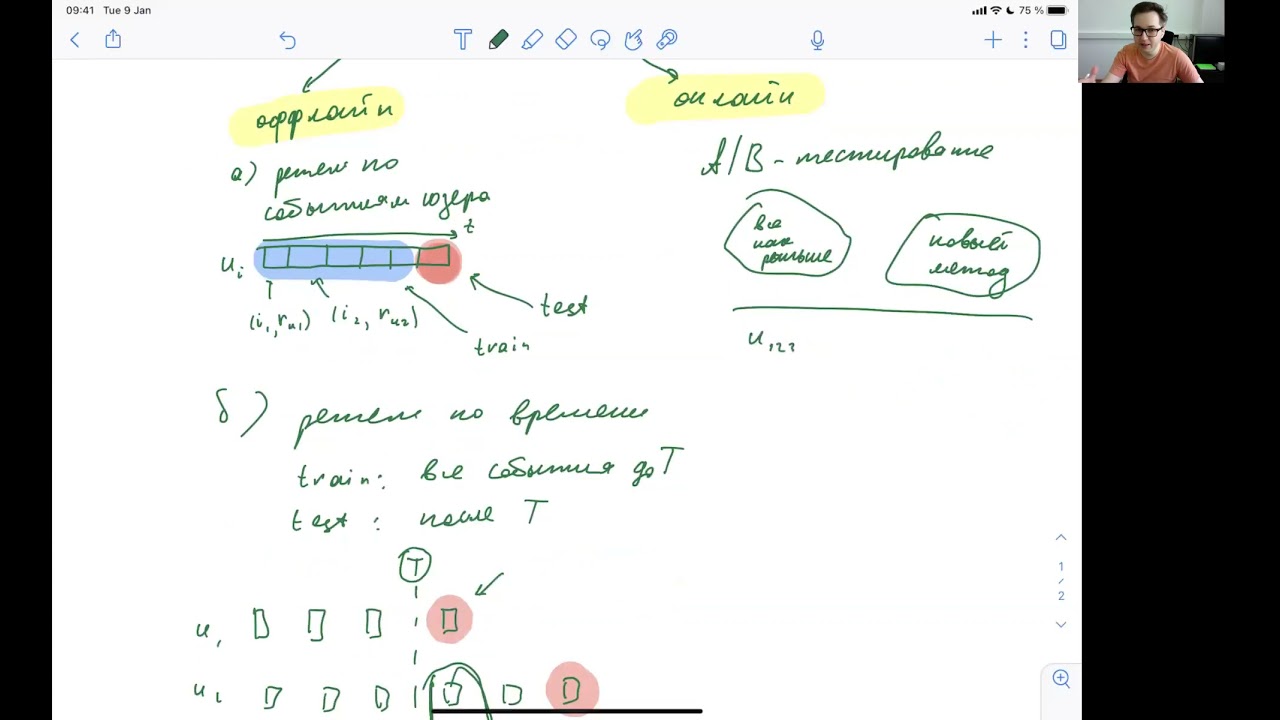
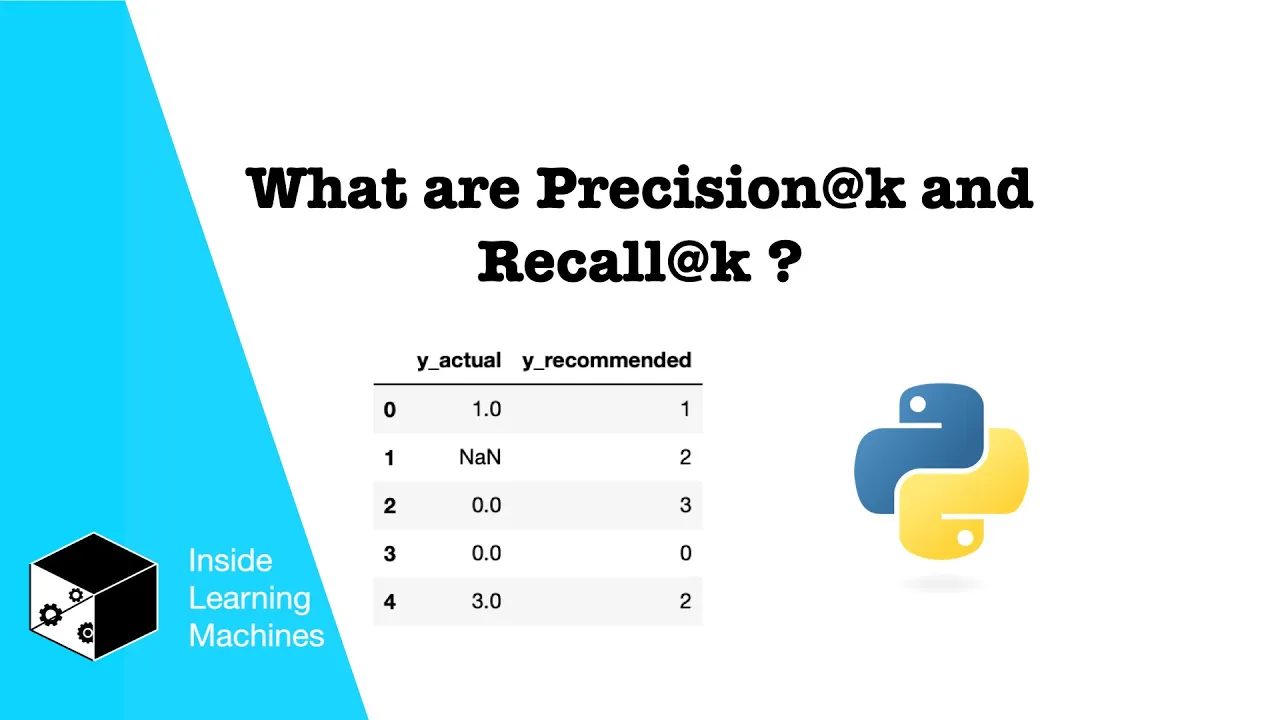
Evaluation metrics for recommendation systems, including Precision@K, Recall@K, and Normalized Discounted Cumulative Gain (NDCG), as well as real-world A/B testing methodologies.
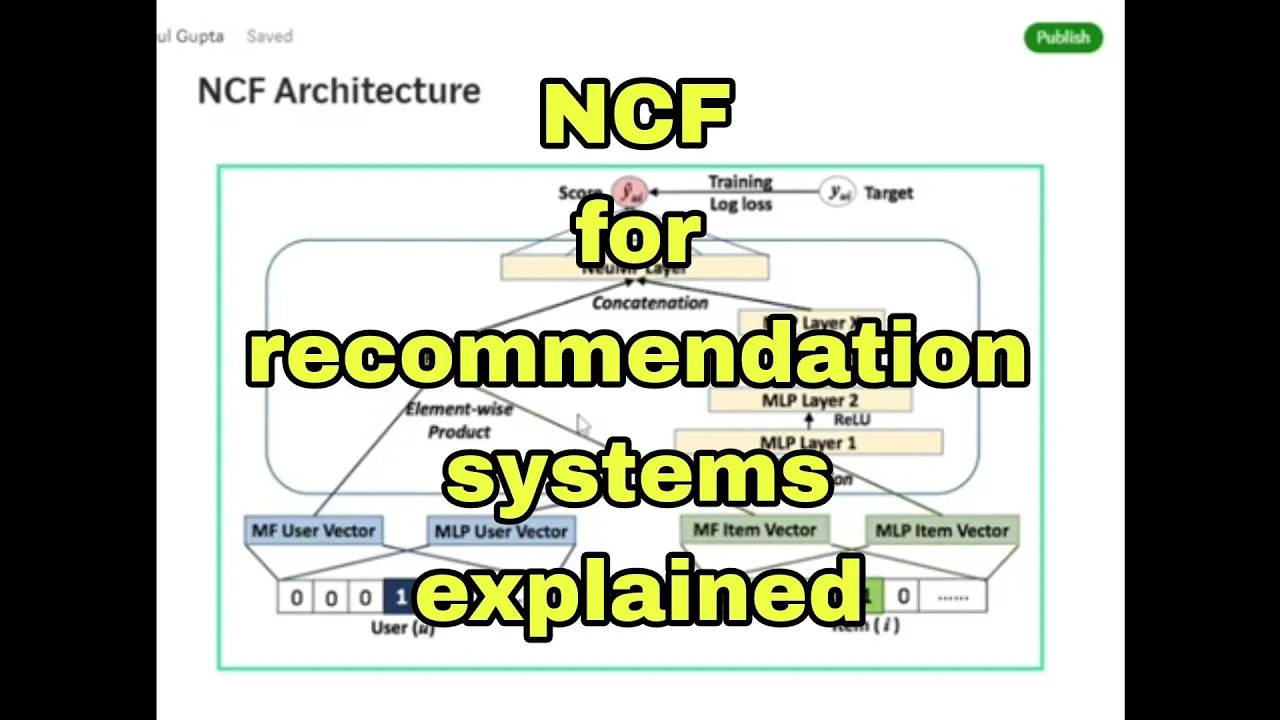
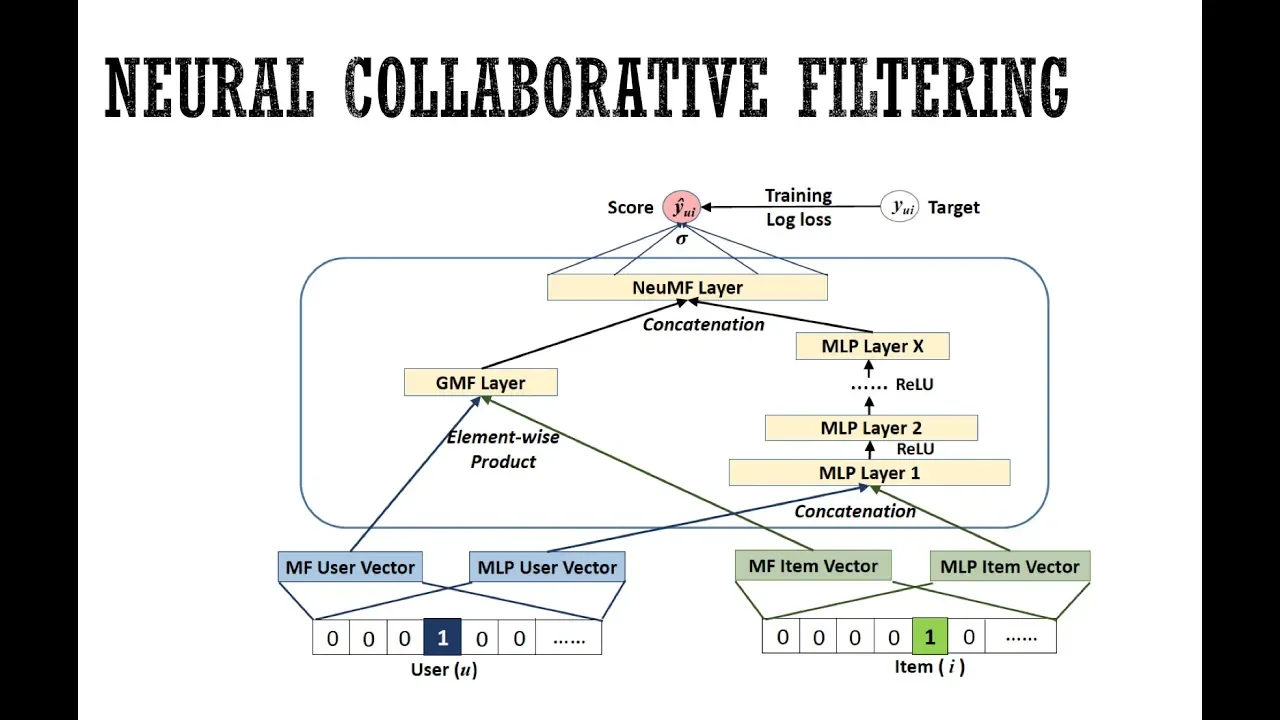
Advanced Deep Learning recommendation architectures, such as Neural Collaborative Filtering (NCF) and Transformer-based sequential recommenders.
The societal and ethical implications of recommendation engines, including algorithmic bias, echo chambers, filter bubbles, and the impact of optimization metrics on user mental health.
352 views31likes8:03Original Release: 2026-03-25
Right now, a machine you invited into your home is building a profile of you.
Not based on what you search or what you buy, but based on every interaction you've ever had with it. Ever wonder how it actually decides what to show you next? Today, I'll explain how recommendation algorithms work like you're 5 years old. By the end of this video, you'll understand the exact engine running under every platform you use, and you'll never look at your feed the same way again. Let's start with Netflix because Netflix knows something about you that you never told it. Why does Netflix recommend a show before you've even heard of it? The obvious answer is they tracked what you watched.
But here's the thing, that's maybe 10% of the picture. Netflix doesn't just know what you watched. They know when you paused, when you rewound, and what time of night you started watching, whether you finished the first episode or bailed 20 minutes in, whether you came back the next day or let it sit for a week, they know which thumbnail you clicked and which one you hovered over before scrolling past. Netflix has reportedly tested over a thousand different thumbnail variations for a single title, all to figure out which image makes a specific type of viewer more likely to click. You didn't type any of that. You just watched TV, but every micro decision you made was a data point. And those data points feed a system trained on hundreds of millions of people doing the exact same thing.
That system is a recommendation algorithm, and it's not guessing. It's pattern matching at a scale your brain literally can't picture. Here's how it actually works. And this is the part most explainers skip. The algorithm doesn't think about you as a person. It thinks about you as a cluster of behaviors. It looks at what you've done, then finds everyone else on the platform who has done similar things. Then it asks, "What did those people love and what did they watch at 11 p.m. on a Tuesday? What did they abandon after 10 minutes? And what kept them glued to the screen?" Then it serves you a version of that content tailored to match those patterns. This is called collaborative filtering. And it's kind of wild when you think about it. The algorithm has never met you. It doesn't know your name, your job, or your taste in music.
It just knows that people who behave the way you behave tend to love a very specific set of things. And so it shows you those things. Imagine a bookstore that organizes books not by genre, but by the exact habits of every customer who ever walked in. You walk up and the store says, "Based on how you move through this store and the time you spend on certain pages, we found 40,000 people just like you." Then it tells you exactly what all those people ended up buying. That's collaborative filtering, not magic. just pattern matching at a massive scale. But that raises an obvious problem I'll come back to in a minute. What does the algorithm do when it has no data on you at all? Here's where it gets interesting. And this is actually the counterintuitive part that most people never realize. The algorithm isn't trying to show you what you like.
It's trying to predict what you'll engage with next. Those are not the same thing. And that distinction matters enormously. The difference between those two goals is the entire reason your feed sometimes feels like it knows you better than you know yourself and also why it sometimes sends you down a rabbit hole you never asked for. Engagement is the metric, not satisfaction, not happiness.
Engagement means did you click, watch, scroll, share, or comment. Engagement is what the algorithm optimizes for because engagement is what the platform can measure and what it can measure is what it gets paid for. Here's your plot twist. The algorithm learns very quickly that certain content drives more engagement than others. Outrage drives more engagement than calm. Conflict drives more engagement than resolution.
Novelty drives more engagement than familiarity. Not because the algorithm is evil, because those are the patterns in the data. And the algorithm follows the data. Studies have found that content triggering anger or anxiety consistently generates significantly higher interaction rates than content that leaves people feeling informed or satisfied. So, the algorithm isn't showing you what you want. It's showing you what keeps you watching. Those two things overlap enough that you don't notice the difference until suddenly you're watching content that makes you feel vaguely anxious and you can't explain why you're still watching because you clicked. And clicking told the algorithm more of this. Even if you clicked because you were annoyed, even if clicking was an accident, a click is a click. The algorithm doesn't know the difference between I loved this and this made me furious and I had to see more.
It's not a bug, it's a feature.
Everything is fine. Now, back to the problem I flagged earlier. How does the algorithm know what to show you in the first few seconds after you join a platform? You haven't given it any data yet. You're a blank slate. This is called the cold start problem. And the way platforms solve it is clever. When you first sign up, the algorithm switches to content-based filtering instead. It looks at the attributes of content itself, genre, topic, format, length, tone, and it watches your very first interactions like a hawk. Your first three clicks on a new platform are worth more to the algorithm than your next hundred because that's the moment it's calibrating your baseline, building your starting profile in real time from almost nothing. Even a two-cond hover over a thumbnail without clicking registers as a meaningful signal during that initial window. This is why platforms ask you to pick interests during signup, not because they need the information, because they want to watch which ones you choose and how fast you choose them. You thought you were filling out a preference form. You were taking a test. Here's the part that actually matters. The part that changes how you think about this every time you open an app. The algorithm is not a mirror. It doesn't just reflect what you already like, it shapes what you like next. Every recommendation moves you slightly. Every rabbit hole you follow leaves a trail the algorithm uses to calibrate what comes next. Over time, the system doesn't just know your preferences, it has partially created them. The version of you that watches YouTube today is not exactly the same as the version that signed up 3 years ago.
The algorithm had a hand in that shift.
Quietly, incrementally, one recommendation at a time. Here's the mechanic laid bare. The platform needs your attention to sell ads. So, the algorithm's job is to hold your attention as long as possible. To do that, it figures out your emotional patterns. What makes you lean in? What makes you stay? What makes you click against your better judgment. Then, it serves you a steady stream of exactly that. It doesn't care if you feel good at the end. It cares that you didn't leave. The privacy policy calls this personalized content recommendations to improve your experience. what that actually means. We have mapped your emotional triggers well enough to keep you here longer than you planned. You're welcome. You're not the customer. You're the product being optimized. The ad buyer is the customer. You're the raw material that gets refined through recommendations until you're as engaged as possible. But here's what most people miss. The same feedback loop that shaped your feed also responds to deliberate signals. You open the app and immediately skip past the rage bait without clicking. You watch something all the way through that you actually enjoyed. You search for something specific instead of just scrolling.
Every one of those is a signal. The algorithm recalibrates slowly, but it does. It typically takes consistent behavior over several sessions before you notice a meaningful shift in what gets recommended. But the recalibration is real. You're not powerless. You're just playing a game you didn't know the rules of. Now you know the rules. So, here's what I want to know. If you could design a recommendation algorithm that optimized for something other than engagement, what would you pick? Watch time on things you actually chose, satisfaction ratings after you finish, mood improvement, learning? Drop it in the comments because that question is the entire debate about how these platforms should be built and almost nobody in power is asking it
Up Next

72:59
Mastering Object-Oriented Python for Robotics
@kevinmcaleer28
12.2K views•2022-06-13

87:26
Introduction to Secure Multiparty Computation with Yehuda Lindell
@fhe_org
7.7K views•2021-02-04
4:55
HTTP Requests Explained: GET, POST, PUT, DELETE
@codecademy
103.1K views•2021-10-07
19:25
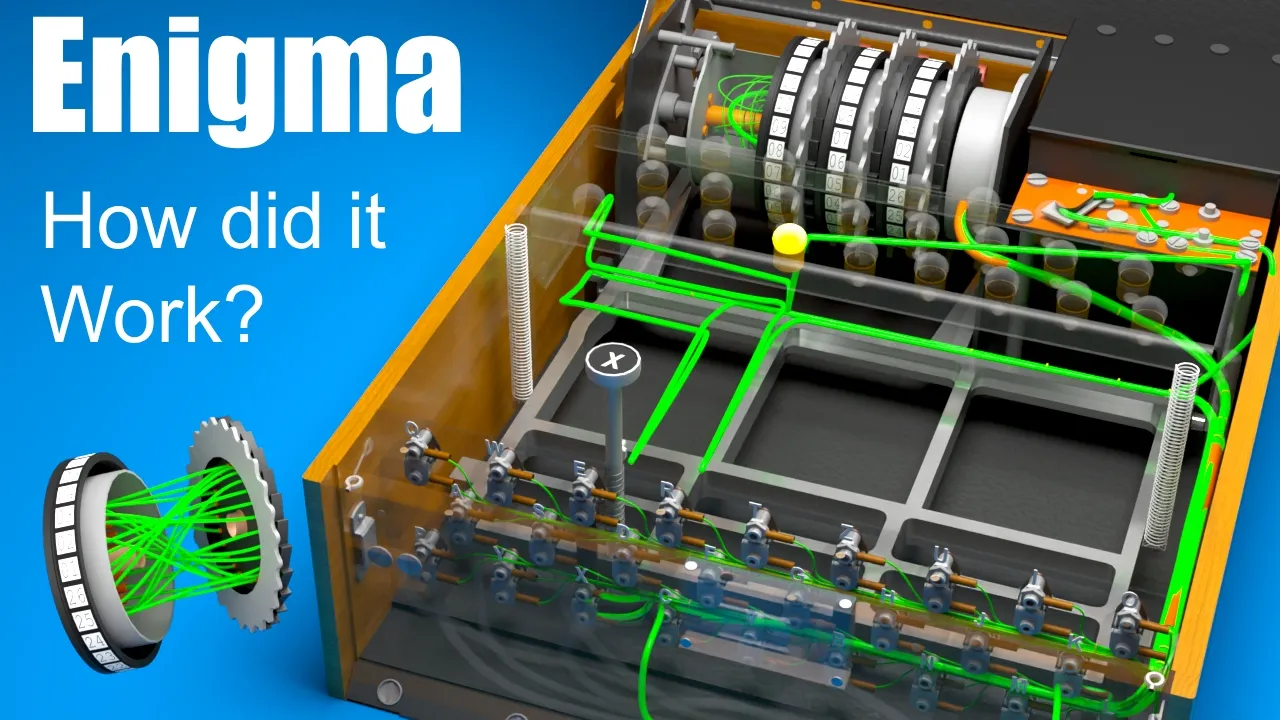
Enigma Machine Mechanics: WWII Encryption Explained
@JaredOwen
13.2M views•2021-12-11
Related Study Plans & Knowledge Roadmaps
Structured learning paths in Computer Science
computer-science
Container Runtimes: Namespaces, Cgroups & Go
01Linux Systems & Go Programming Foundations
02The Core of Isolation: Chroot and Filesystems
03Linux Namespaces: Process Isolation
+ 3 more learning modules
32h6 modules
Explore Roadmap
computer-science
Building a CHIP-8 Emulator: Rust & CPU Basics
01Computer Architecture Foundations (Bits & Bytes)
02Rust Programming for Systems Development
03CHIP-8 Virtual Hardware Specifications
+ 2 more learning modules
32h5 modules
Explore Roadmap
computer-science
Building BitTorrent: Go, P2P & Concurrency
01Go Fundamentals & Concurrency
02Networking Foundations & P2P Architecture
03Bencode Parsing & Torrent Metadata
+ 3 more learning modules
26h6 modules
Explore Roadmap
computer-science
Actor Models (C++ Concurrency & Lock-Free)
01C++ Multi-Threading Foundations
02Thread Pools and Task Scheduling
03Atomics and Lock-Free Queue Design
+ 3 more learning modules
45h6 modules
Explore Roadmap