




![[WEBS] CAE 초보 오브 초보 2편: 구조해석 용어 파헤치기](https://i.ytimg.com/vi/XIWa6NctRw8/maxresdefault.jpg)


![Fabrication d'une GT40 - Réglage des trains sur la GT40 ! [GT40 project #31]](https://i.ytimg.com/vi/LY6QymXCaY0/hqdefault.jpg)
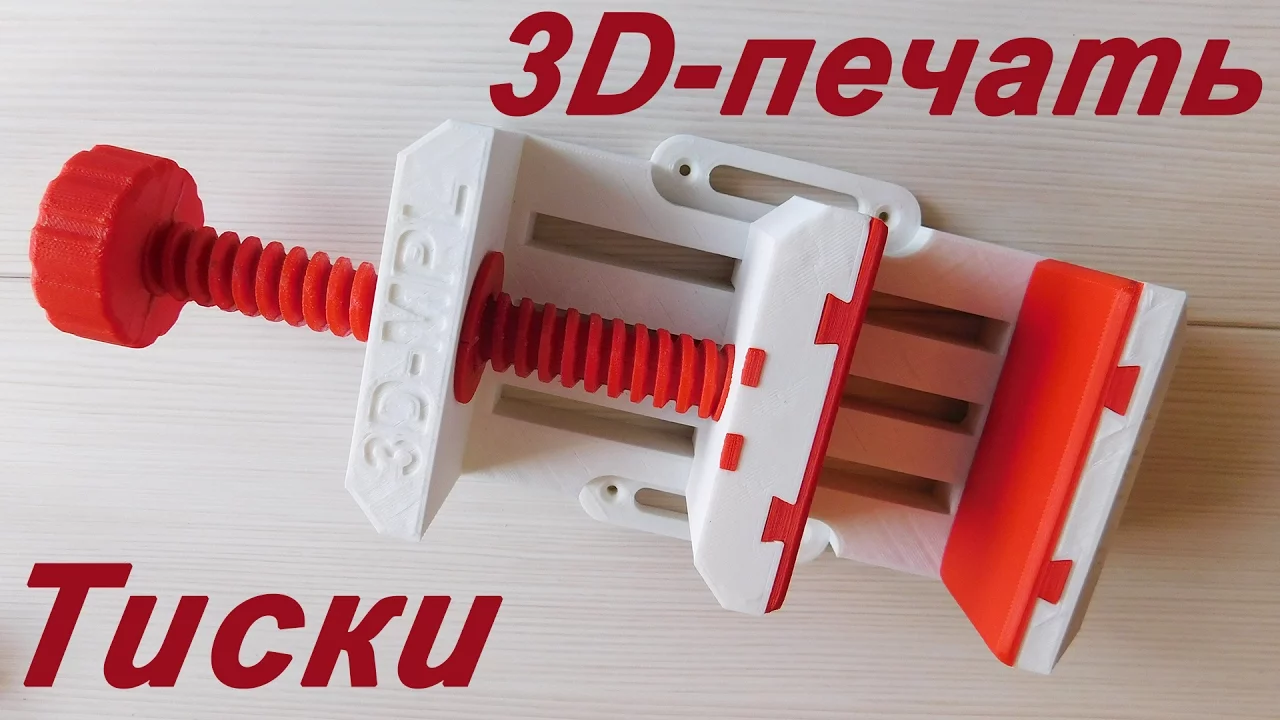









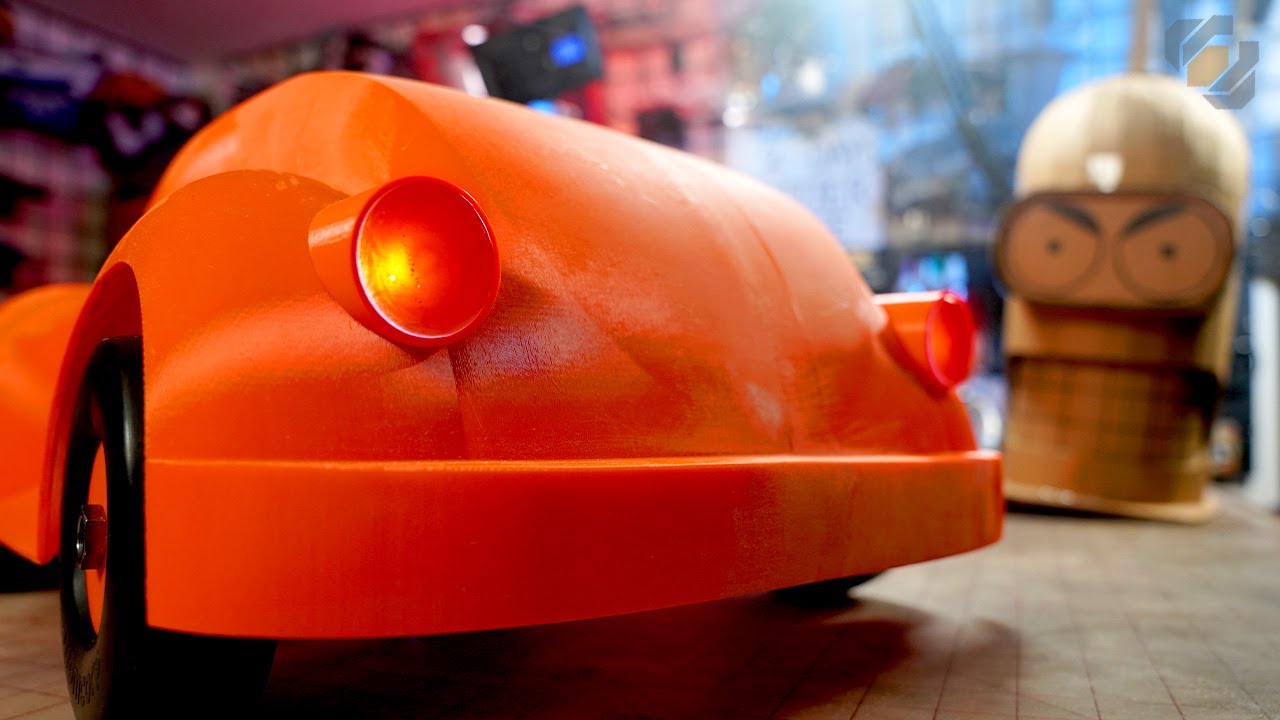



This video demonstrates the design and assembly of a 3D printed go-kart chassis, where the creator uses custom construction blocks, specialized screws printed with Polymaker PLA Pro filament for durability, and structural beams to ensure rigidity while achieving the goals of creating a seatable, rollable, and single-piece structure.
3D Printed Go-Kart Chassis: Design and Assembly Process
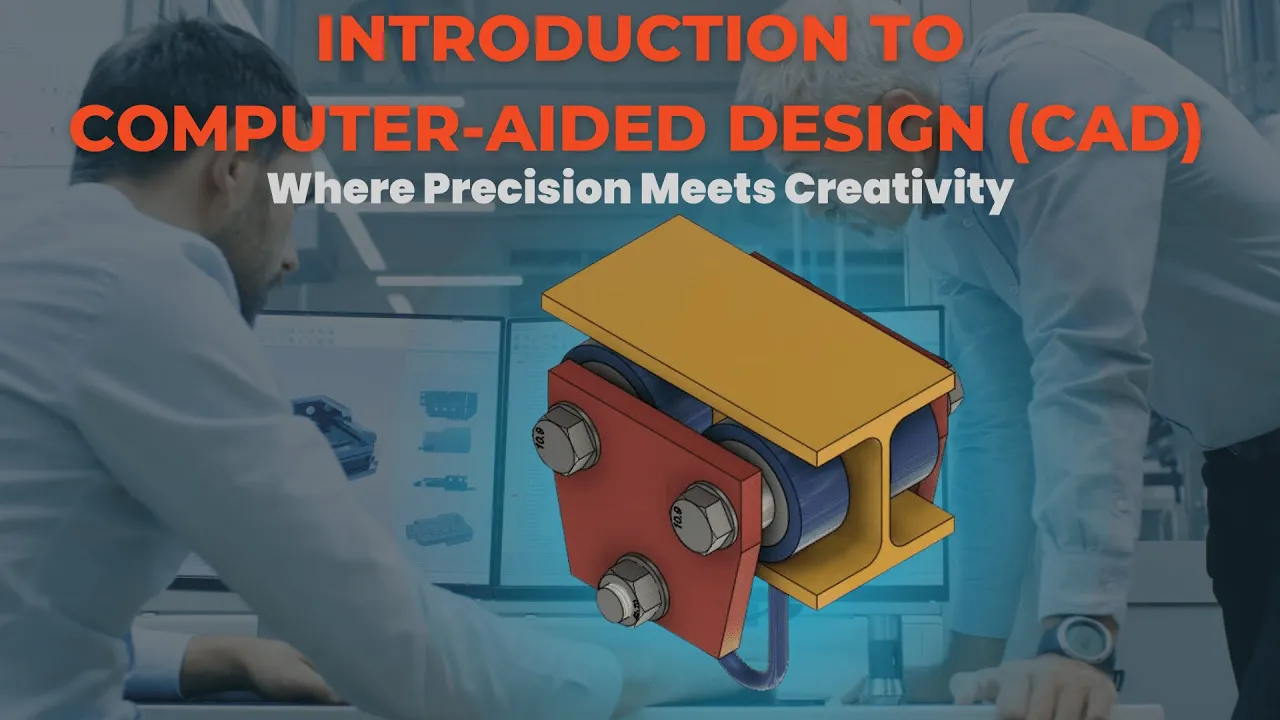
Added:Introduction to Computer-Aided Design (CAD) and 3D modeling fundamentals.
Basic understanding of 3D printing technologies (FDM/FFF), filament properties (such as PLA, PETG, and Nylon), and printing constraints.
Fundamental concepts of structural mechanics, including stress, strain, rigidity, and load distribution.
Elementary physics of vehicle dynamics, specifically basic chassis geometry and wheel alignment principles.
Finite Element Analysis (FEA) to simulate and optimize stress distribution on the 3D-printed chassis.
Integration of mechanical powertrains, including electric motor mounting, battery placement, and drivetrain alignment.
Design and implementation of functional steering linkages, braking systems, and suspension geometry on a custom chassis.
Advanced hybrid manufacturing techniques, such as reinforcing 3D-printed polymers with carbon fiber, fiberglass, or metal inserts.
Safety standards and real-world testing protocols for passenger-carrying scale models or prototype vehicles.
275K views8.6Klikes14:02Original Release: 2023-03-21
[Music] foreign [Music] [Music] foreign [Music] I'm trying to build a 3D printed go-kart to raise my Denton and and win of course and for that I made my own construction blocks that I've refined with other projects [Music] for this space of the build I have two goals the first one to be able to sit in it and the second one to be able to roll in it and as a third bonus if it stays in one piece that that'd be great so let's get to it let's make a sit foreign [Music] [Applause] [Music] [Music] it may not look like it but this is the seat of the go-kart and now we need to install it on the chassis in the right position in the right angle and for that I've been doing some testing with the previous version and this seat mock-up about the steering wheel position angles Heights distances and I think I got it this in here is the right spot the city is going to be held against the chassis in the worst way possible with only two screws so I printed these special screws flat against a bit so the layer orientation helps me a bit and I've also printed them in polymakers pla Pro which is way tougher than regular pla remember that polymaker is a proud filament sponsor of this channel go and check the link in the description to get some of the awesome filament and now let's see if this holds up [Music] right now the entire seat is supported against the chassis in the front and held in place with these two screws in here and as it is in my best interest to make the chassis as read as possible I'm going to install this beam in the bottom yes under the seat which will make the chassis more read and also support the seat from Below [Music] and now the entire base of the seat is supported by this beaming here and to keep working towards that rigidity I printed this huge plate that goes in the back foreign and start building the steering rack from here [Music] [Music] [Music] [Music] [Applause] the reinforest steering wheel has finished printing it's it's printed on Flex civil filament and the idea was to to breastfeed it in here but it has proven to be quite an impossible task so it's time to go back to on shape and make these two parts oil shape is a professional cat plus PDM platform for businesses that is accessible across all platforms because it works in the browser just like Google Docs I just have to open Chrome and I can split the wheel in no time it is great to work in teams and to work directly with suppliers or manufacturers as you can now easily collaborate on the same document across the world at the same time because a document will stay updated no matter what it's open or who modifies it onshape also includes industry-leading manufacturing specific features for Sheet Metal and frame based design as well as surfacing configurations detailed drawings and finite element analysis and to make things even better onshape recently acquired a company called Cloud Milling which means that professional grade cam is coming to one shape soon as well I highly recommend the engineers and product developers watching to consider using unshaped floor data products you can try it for free at onshape.pro slash Ivan Miranda and now let's put this on the go-kart foreign [Applause] [Music] [Applause] [Music] [Applause] [Music] [Applause] [Music] there is only this part of this beam and the same on the other side keeping everything in one piece so I will have now one of these on its side so it stays in one piece staying in one piece that that's great [Music] [Applause] [Music] [Applause] [Music] [Applause] [Music] [Applause] [Music] thank you foreign [Music] [Applause] for the back of the seat [Music] [Applause] [Music] [Applause] [Music] [Applause] [Music] [Applause] and this blogging here supports this blogging here through here because as you can see I'm quite worried about breaking it with my back and finally it's time to assemble the wheels the wheels are a four part assembly two parts of polymaker pla in red and two parts on polymakers polyflex HF filament HF means high flow and I printed this with the exact same settings as this apart of Volvo removing all retraction [Music] and that makes it awesome to work with this filament so let's make some Wheels some some Wheels [Music] [Music] foreign [Music] [Music] [Applause] [Music] [Music] thank you for now I'm going to use a provisional shaft for the rear wheels because I'm not sure how I'm going to do the braking and the motors and everything [Music] [Music] foreign I think it's ready to roll but I have a small issue this thing is incredibly heavy I think that Matt is going to smoke me on the drag race just by how heavy this is but it is what it is so I will bring the ramp and try to get it off the table without dying or breaking it it is so heavy okay oh this is too heavy [Music] [Music] eat that roll with no one in the seat so let's test if it does roll with me on it [Music] foreign [Music] weight is on it no cracking sounds nothing seems to be collapsing let's see if I can move the steering wheel [Music] foreign we have already established that I can sit in it so now let's see if I can roll in it oh it saved me that was fun Museum accomplished I can sit in it it does roll with me on it it didn't break I was really scared about the front shafts because those are made of plastic they held up I printed those in polymaker pla Pro to give them a better chance and it seems that that was a good idea and that's it for this video thanks a lot to all my patrons and members thank you because this is awesome beep beep beep beep beep beep foreign [Music] [Laughter] I cannot believe this is my job [Music]
Up Next
4:13
How to Install Point Cloud Library (PCL) in Python: Step-by-Step Guide
@CodeMakes
479 views•2023-11-26

12:54
Triumph of Orthodoxy Icon: Byzantine Art & History Explained
@BenCallan
2.1K views•2024-08-06

9:49
FastAPI vs Flask vs Django: Choosing the Right Python Web Framework
@TechWithTim
302.5K views•2024-05-26

1:42
Game of Thrones Opening Credits: A Cinematic Analysis
@gameofthrones
46.3M views•2011-04-18
Related Study Plans & Knowledge Roadmaps
Structured learning paths in General & Interdisciplinary Studies
general-studies
Elevator Engineering: History, Physics & Cities
01From Hoists to Safety Brakes: The Dawn of Vertical Lift
02Hydraulic vs. Traction: The Engineering Physics of Elevators
03Modern Speed, Safety, and Algorithms
+ 2 more learning modules
12h5 modules
Explore Roadmap
general-studies
Rubber: Material Science, History & Geopolitics
01Origins of Natural Rubber & Mesoamerican History
02The Chemistry of Natural Rubber & Vulcanization
03The Geopolitics of the Rubber Boom & Colonization
+ 2 more learning modules
12h5 modules
Explore Roadmap
general-studies
Containerization: Evolution, Logistics & Trade
01Ancient Trade & Bulk Cargo: Amphorae to Barrels
02The Industrial Revolution & Cardboard Packaging
03The Containerization Revolution: Malcom McLean
+ 2 more learning modules
12h5 modules
Explore Roadmap
general-studies
Textile Tech: Evolution, Labor & Global Impact
01Pre-Industrial Textiles: Handloom & Cottage Industry
02Mechanization: The Spinning Jenny to the Power Loom
03The Factory System & Global Labor Transformation
+ 2 more learning modules
10h5 modules
Explore Roadmap