


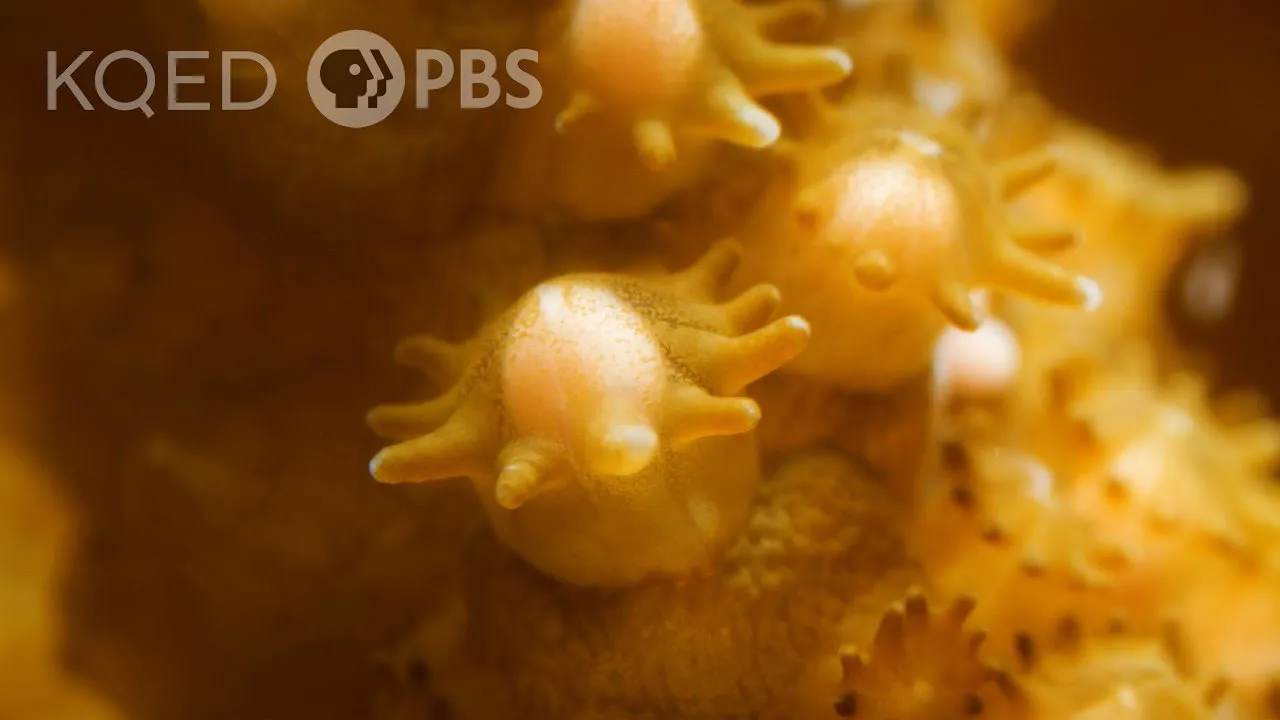










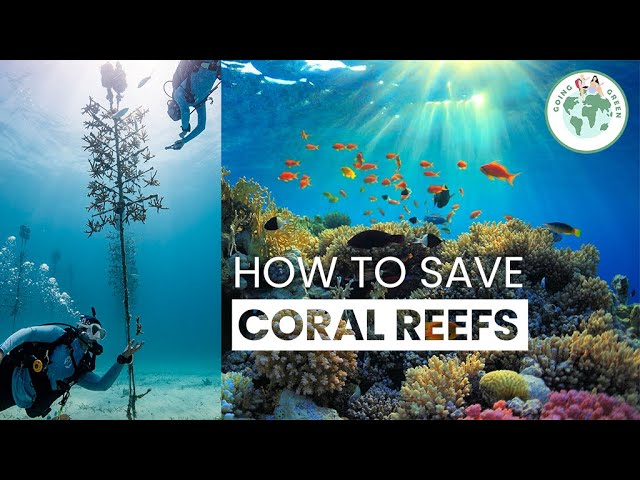

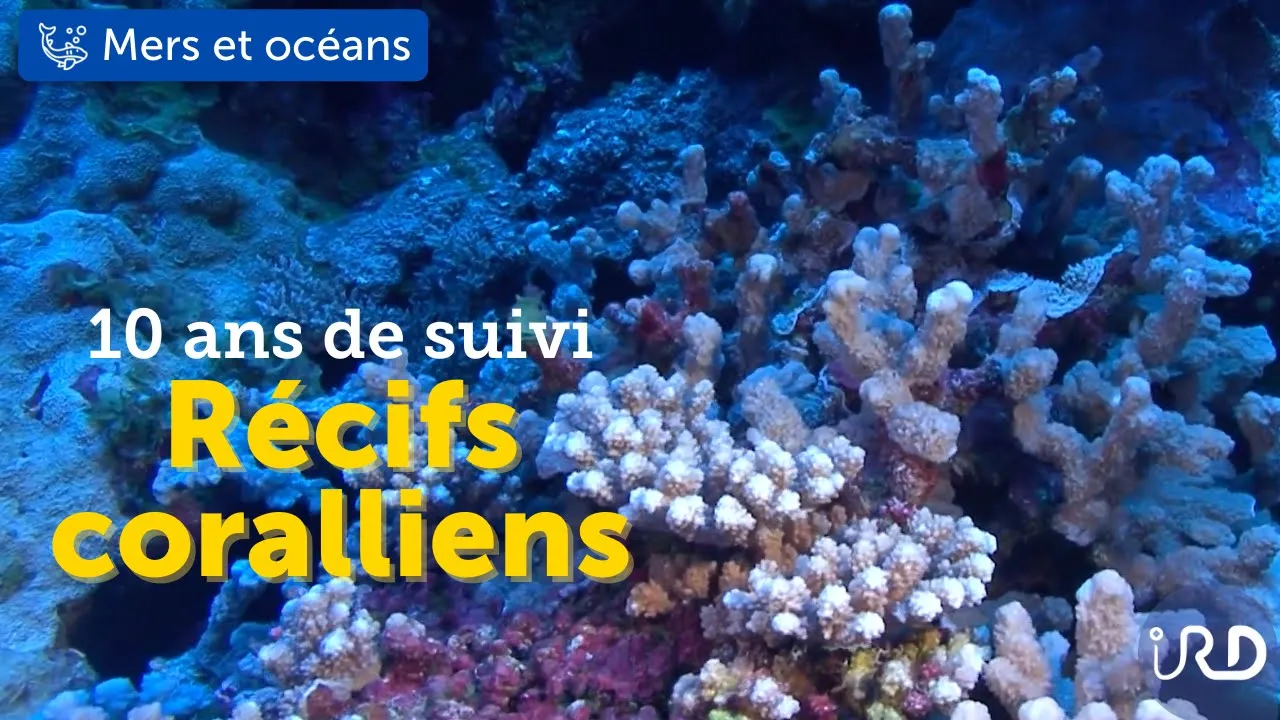


Coral fragging is a reef restoration technique where coral pieces are cut into smaller fragments and attached to ceramic plugs or vertical nurseries, allowing them to grow and be replanted on damaged reefs; this method accelerates coral growth from 50 years to just 2-3 years and enables restoration organizations to plant multiple corals simultaneously, significantly increasing the chances of successful reef recovery.
Coral Fragging: Reef Restoration in the Florida Keys
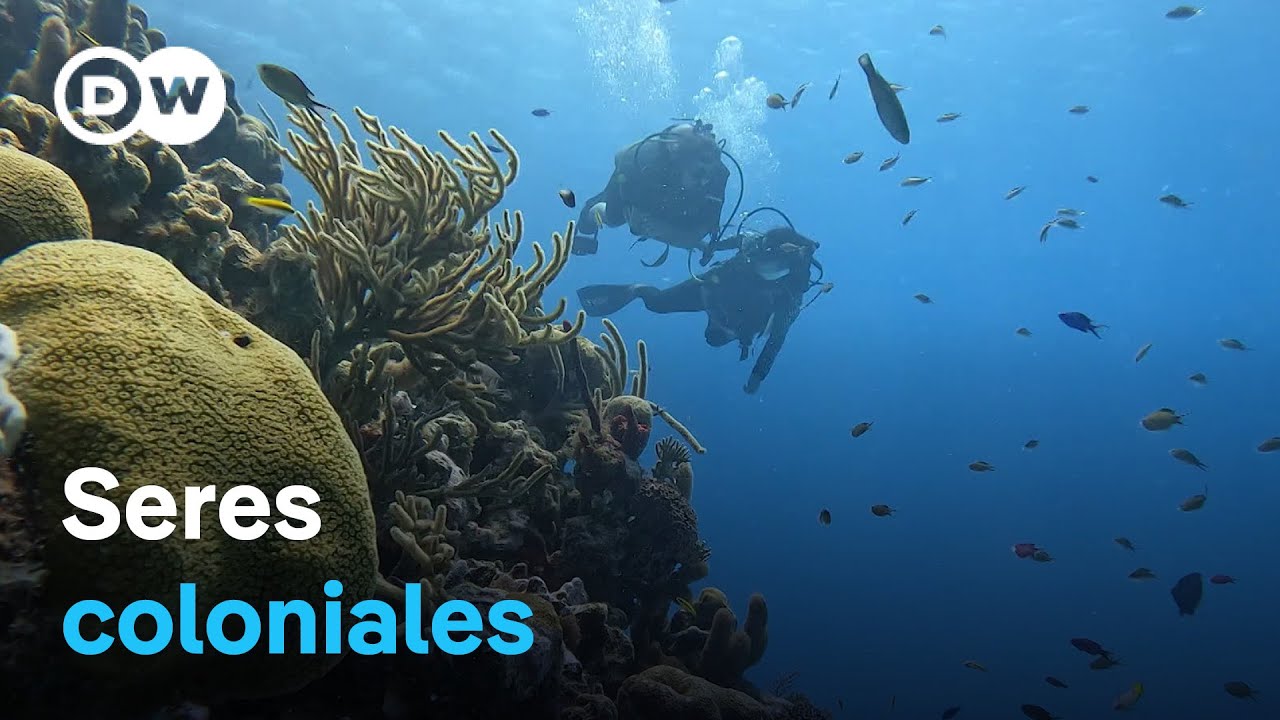
Added:Basic coral anatomy and biology, specifically understanding that corals are colonial marine invertebrates (polyps) that build calcium carbonate skeletons.
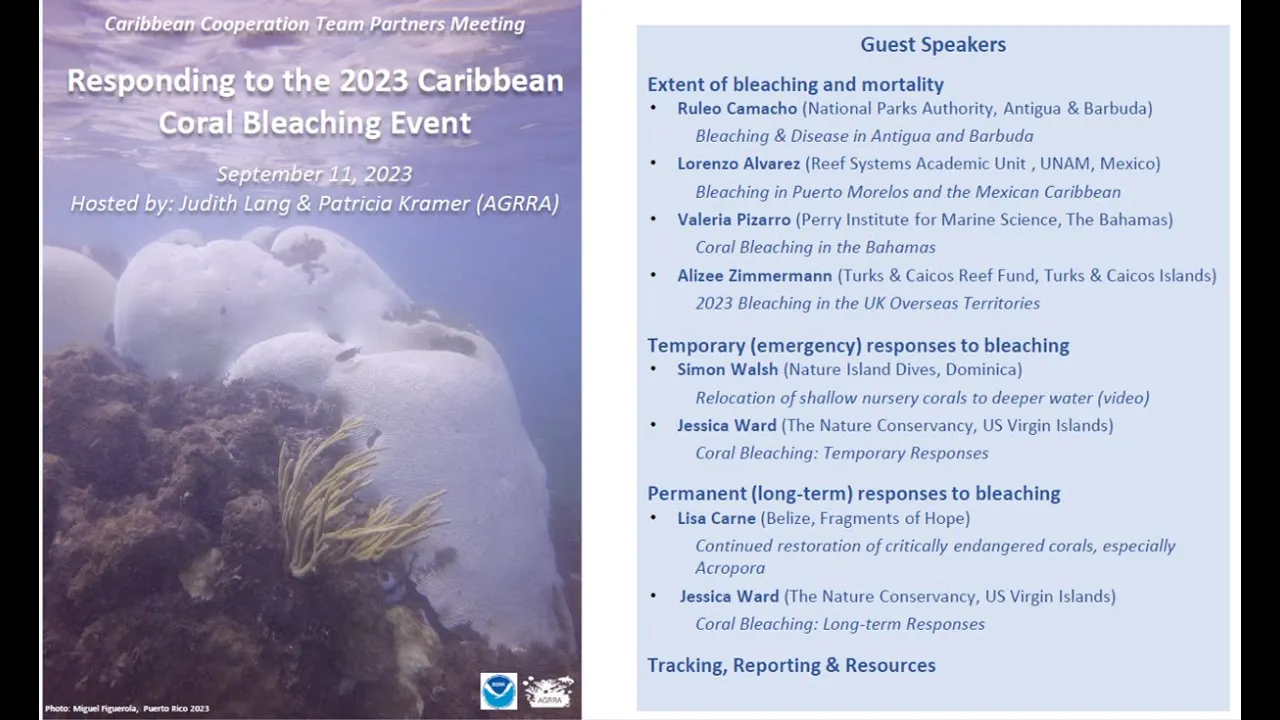
The mutualistic symbiotic relationship between corals and photosynthetic algae (zooseanthellae), and how its disruption leads to coral bleaching.
The concept of asexual reproduction in colonial organisms, particularly how fragmentation naturally occurs in the marine environment.
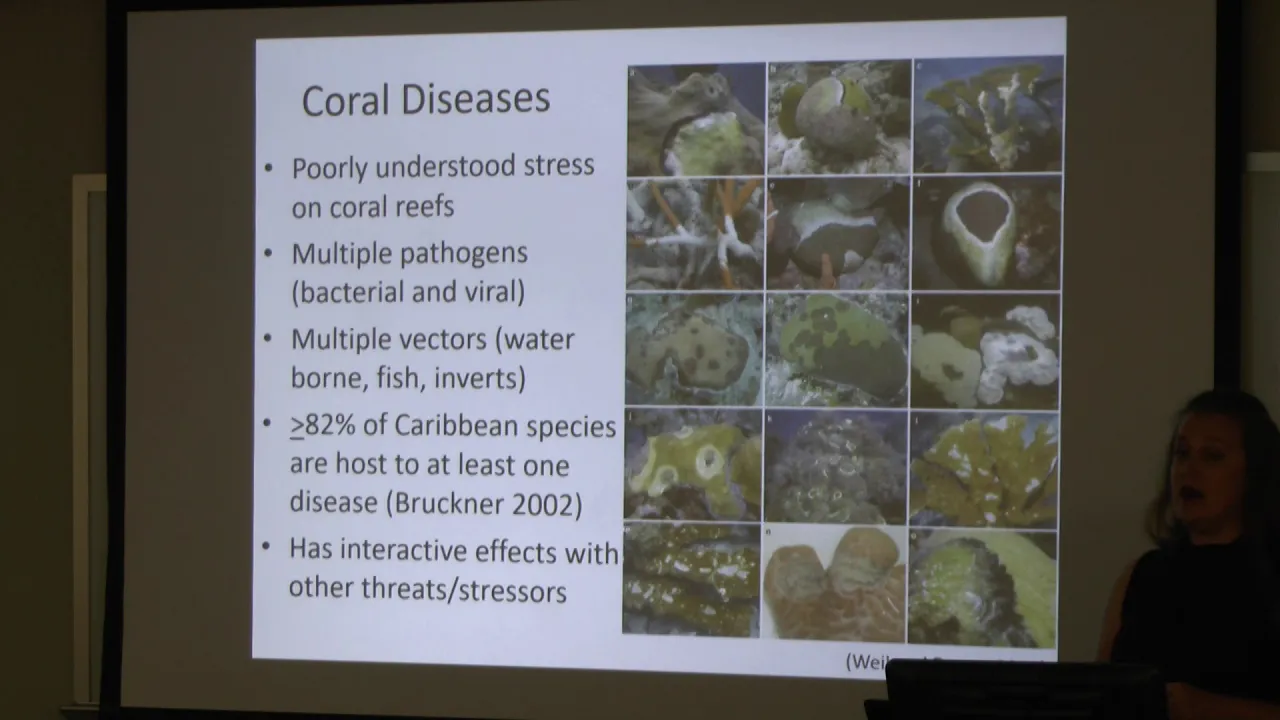
The primary environmental stressors facing coral reefs globally and locally in the Florida Keys, such as rising sea temperatures, ocean acidification, and pollution.
Advanced micro-fragmentation and rapid-growth techniques utilized in land-based coral nurseries to accelerate growth rates.
The challenge of maintaining genetic diversity in restored reefs to ensure resilience against future disease outbreaks and climate shifts.
Methods for monitoring and evaluating the long-term ecological success of outplanted corals, including recruitment of other reef species.
The role of marine policy, Marine Protected Areas (MPAs), and community-led conservation initiatives in protecting restored reef ecosystems.
7.6K views282likes12:24Original Release: 2022-04-29
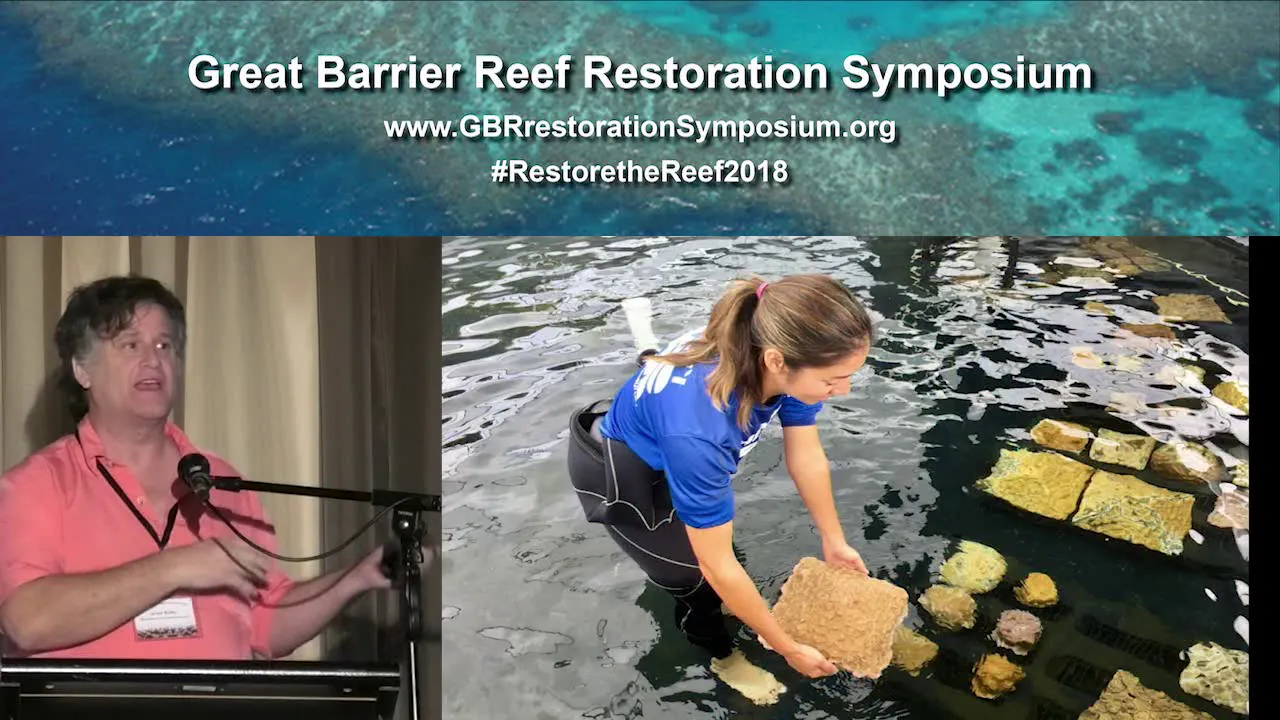
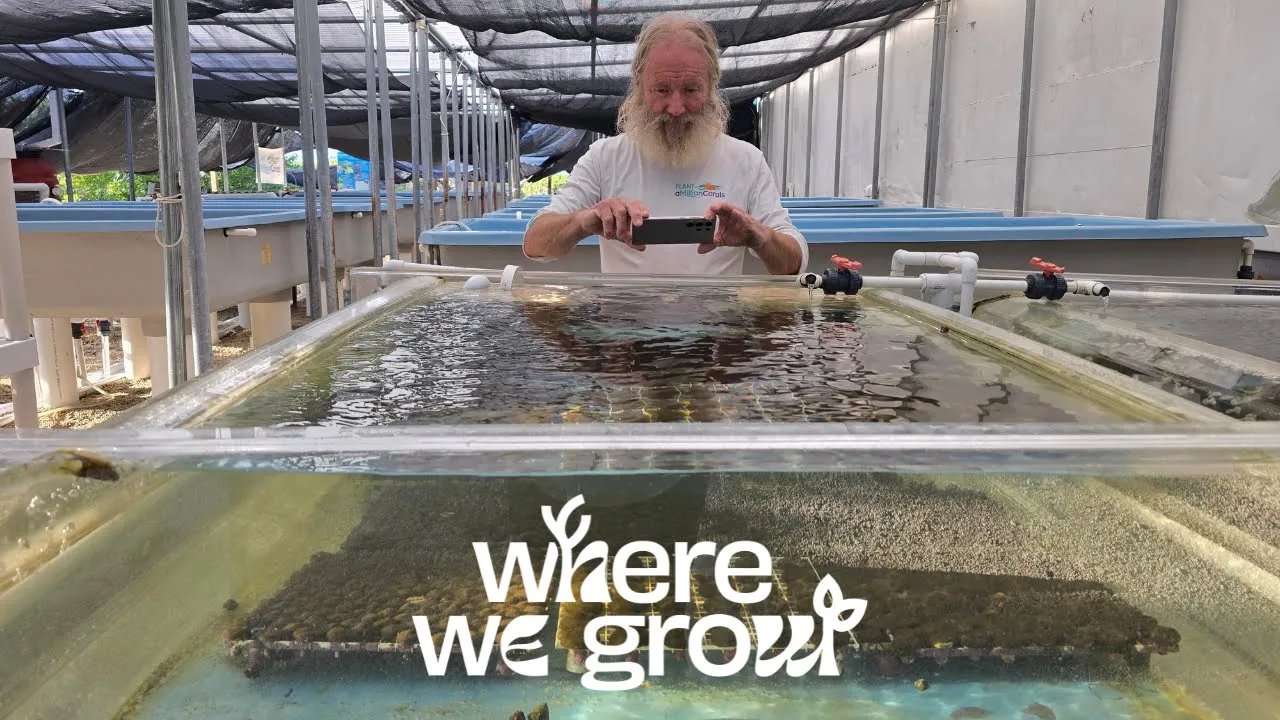
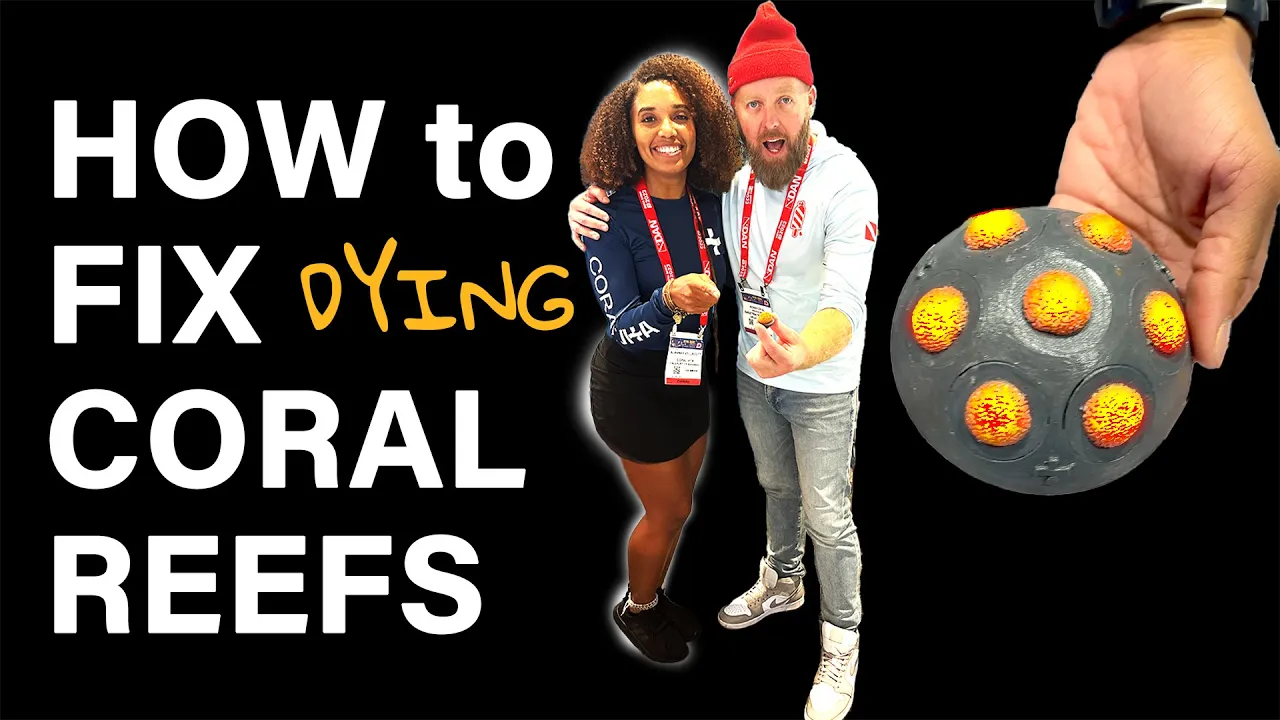
hey everybody it's laurie from gables on the go i'm here with janelle hi y'all and we are doing a special little event today called coral fragging you guys want to join let's go prague yeah tell us about coral fragment what is coral fragment um well basically you cut coral that is grown um in man-made conditions you cut the coral into little bitty pieces and you glue them on little what would you call those those were ceramic plugs plugs plugs plugs and you glue them on there so that they can go and replant them let them grow in the ocean and then replant them on the reef to make more coral and today we were working on what was the coral not boulder boulder coral boulder coral and it's fun um yeah yeah it's really cool the little drill what's that drill called band saw the bench the band with a diamond diamond diamond blade diamond blade yeah we're learning all kinds of new vocabulary words today let's go check it out let's go are you gonna do that honey i'm bragging what are you fragging fragging coral gonna cut the coral cut the coral into little pieces we're taking our broodstock coral off of here and what we're gonna do from there is cut it up and make some fragments out of it so first we have to take it off the card and there it cracks right off so this is orbicella fabulata the genotype is number 93 and it's gonna be oh he's very unhappy you see that sliming that means he's very unhappy so we're gonna put him in the water oh my gosh and the water has tags in it already that let us know it's orbicello fabulata genotype 93 so it doesn't get mixed up we're going to let them sit for a minute then we're going to cut them up very cool they're going to climb some more okay so what we're going to do is is take this coral piece we're going to cut out the center section of it which will be the brood stock for future corals and then the remaining part of it we're going to cut into about quarter inch strips and that will be the new growth that we will put out on the reef that will grow into larger sections gotcha okay so your first thing here will be to cut out that center section and you're going to try to cut something that's going to look like this out of the center of it okay all right i can do that i think and you want it perfectly round i'm not following this i'm not following this right here all right [Applause] [Music] three [Music] [Applause] put back out okay i think i'm okay if i do it you gotta i got a bunch of spit from the drill on them it's not spit it's music yeah i got mucus on my glasses it's a coral mucus i have a core i've been mucus i've been attacked all right so we work with we work with two organizations the one we're working with right now is called reef renewal usa uh the president is mike echeverria and we try to take people out to the nurseries as often as possible right now we're set up to go every third saturday of the month um the trips are 99 but half of that money goes back to the restoration program so we make 40 bucks to cover our staff and fuel costs for the day and we're going to want to replant it we're going to want it to grow so we're going to take this we don't have to go through the whole coral all we have to do is do this and it'll break okay and we'll take we would like them to be obviously longer than this when we frag them and then what we're doing with reef renewal now this is a lot of work to keep clean okay and you can only take divers so often we're going to clean and volunteers you know you can only do it so often and in the winter it's not fun so what what they came up with with reef renewal and we're using a cotton rope which will eventually dissolve they're calling these burns vertical nurseries and so instead of doing a tree we'll take these we'll take it a fist apart we'll twist the rope open we'll take the frag piece that we cut we'll put it in here it'll twist it back and after about five or six months the coral will grow over the rope okay we'll put about 25 pieces on the vern and then we can detach this from the float and the anchor and take the whole thing and plant it on the reef and we can plant 25 corals rather than singles at a time okay so it gives us a greater flexibility we also have mike's been able to with the sanctuary people i never thought we would ever have we have actually 40 of these in the sanctuary off a mooring ball 23.
so we can actually take it right there where the coral grows same water less stress that's true detach it bring it right to the reef and when we use cotton rope the cot we can't do it on polypro okay because polyproper doesn't dissolve and the sanctuary won't let us put polyproper in the sanctuary but we can put the cotton rope because the cotton rope after eight six or eight months will dissolve we weren't sure the cotton rope at first when we first started using it but we're amazed at how it's holding up okay so we're excited about the commonwealth because it makes it easier so instead of taking individual pieces of coral and trying to attach them i have them already all growing over this i can detach it now i can set this down and i can attach this on the reef there's been a lot of coral planting done both elkhorn and staghorn by crf and by mode okay and you can see how some of it like we'll plant it when we get it when we get it out there sometimes it's about to stick there's coral now there's elkhorn or staggering that's not this big around here that's grown out there now some of the places where we have planted um we tried to tell crf they were planting too shallow and they did and two two summers ago the water at liu key was 90 degrees 13 feet down not good for the coal we do know that maybe as much as 20 percent of the stuff we're going to plant we're going to die but the more we plant the greater the chance we have to save the reefs and so like i said i'm trying to get your grandchildren or great grandchildren to be able to see the reach the way we used to see them can you talk more about how okay we'll talk about the skinning with the brain corals yeah so brain so um branching corals staghorn and elkhorn are habitat builders so they build the habitats for fish to swim in and live and everything else but the brain corals and the star corals are the reef builders they build the barrier reefs of the structures okay and that's why they're so important nets also they grow very slowly so a couple years ago one of the scientists who had been working on this for years accidentally broke a piece of coral and he was mad at himself and he let it sit and he came back and it had grown and so they got the idea to start cutting them making them smaller and smaller to eventually they're now making that size about six or seven years ago yeah um and so now you cut them to where we have really small pieces and then they started playing with it so they would get the same genotype and they would they would actually in the old days they would make an old coral head or find an old coral head with nothing on it real holes in it put an epoxy in and then once it had overgrown the plug they would put the same genotypes around it and it would grow over it itself okay and so within about two to three years you would have now a coral head that's this big that in the wild and the normal circumstances takes 50 years to grow because people would ask us because i was working at moat and people would ask us what are you putting in the water to make the coral grow faster we can't put anything in the water and in fact when we started this a long time ago we used to have to get a veterinarian to come and inspect the corals to make sure we weren't putting anything in there that any had any disease we don't want any disease we don't want any more disease than we have out there and so if they're very particular that's why when we were able to get trees the permits to put trees in the actual sanctuary i was stunned because i never thought that would do that because they're very protective of it but there are plenty of places one of the things i don't know if mike talked about it this morning so one of the things they're doing now when these grow big enough they'll take cement they'll mix it up on the boat so put it in the tupperware and so we'll have a piece of cement with maybe 10 plugs in it and within a couple of years it's going to go over it's going to be crazy and again it's all out there we can show it to you if you come up with us we can show you the different things that are out there that's what's happening so we have a real shot i mean there are a lot of people there are a number of scientists other people who say what we're doing is not worth the effort but if we don't do something it's all going to die so we have a chance we know we can grow it now there are coral banks we're storing species from all over the world so that we have species to be able to grow in the future i think most divers are ecologically minded most would like to help the qualities and so this is a way to give back i've told my boss with all the diving i've done if i don't do anything else i don't care this is my my chance to get back to the ocean that's giving me such a rewarding life that's awesome that is wonderful well i hope you guys can hear me uh it's really windy out here today we got cars going every which way but anyway right behind me here we are down in big pine key in the florida keys and right behind me is captain hook's uh dive center i fixed the name but it's captain hook's dive center and uh if you're down here in the florida keys and you're in the lower keys down around big pine uh if you want to come by they've got two big snorkel boats here they go out to the reefs they'll do dives i say snorkel boats i guess they're i think they're big corinthian catamaran so i'll show you pictures of those here in just a minute but they'll take you out to the different areas here in the florida keys to dive they've also got another location up in marathon and they may even have more locations i'm not sure i think um i know for a fact that there is the one down here in big pine and then there is one in marathon as well so if you're down here in the keys and you want to go on a dive or on a snorkel trip give captain hooks a call they're the folks that are sponsoring today's thing with the coral restoration and just a really really cool community event down here they can contact us they can call us at any of our three phone numbers they can book online if they see us booked online um they can contact reef renewal to find out what we're doing so they can do any number of things but the easiest number to call us is that our number here which was 305 872 9863 and just say i'm interested in doing coral work and we'll take it from there okay that's the easiest way awesome
Up Next

88:20
Coral Reef Restoration Planning Guide for Managers (Webinar) – Full Process Overview
@reefresiliencenetwork
387 views•2020-12-02

12:54
Triumph of Orthodoxy Icon: Byzantine Art & History Explained
@BenCallan
2.1K views•2024-08-06

9:49
FastAPI vs Flask vs Django: Choosing the Right Python Web Framework
@TechWithTim
302.5K views•2024-05-26

1:42
Game of Thrones Opening Credits: A Cinematic Analysis
@gameofthrones
46.3M views•2011-04-18
Related Study Plans & Knowledge Roadmaps
Structured learning paths in General & Interdisciplinary Studies
general-studies
Elevator Engineering: History, Physics & Cities
01From Hoists to Safety Brakes: The Dawn of Vertical Lift
02Hydraulic vs. Traction: The Engineering Physics of Elevators
03Modern Speed, Safety, and Algorithms
+ 2 more learning modules
12h5 modules
Explore Roadmap
general-studies
Rubber: Material Science, History & Geopolitics
01Origins of Natural Rubber & Mesoamerican History
02The Chemistry of Natural Rubber & Vulcanization
03The Geopolitics of the Rubber Boom & Colonization
+ 2 more learning modules
12h5 modules
Explore Roadmap
general-studies
Containerization: Evolution, Logistics & Trade
01Ancient Trade & Bulk Cargo: Amphorae to Barrels
02The Industrial Revolution & Cardboard Packaging
03The Containerization Revolution: Malcom McLean
+ 2 more learning modules
12h5 modules
Explore Roadmap
general-studies
Textile Tech: Evolution, Labor & Global Impact
01Pre-Industrial Textiles: Handloom & Cottage Industry
02Mechanization: The Spinning Jenny to the Power Loom
03The Factory System & Global Labor Transformation
+ 2 more learning modules
10h5 modules
Explore Roadmap