












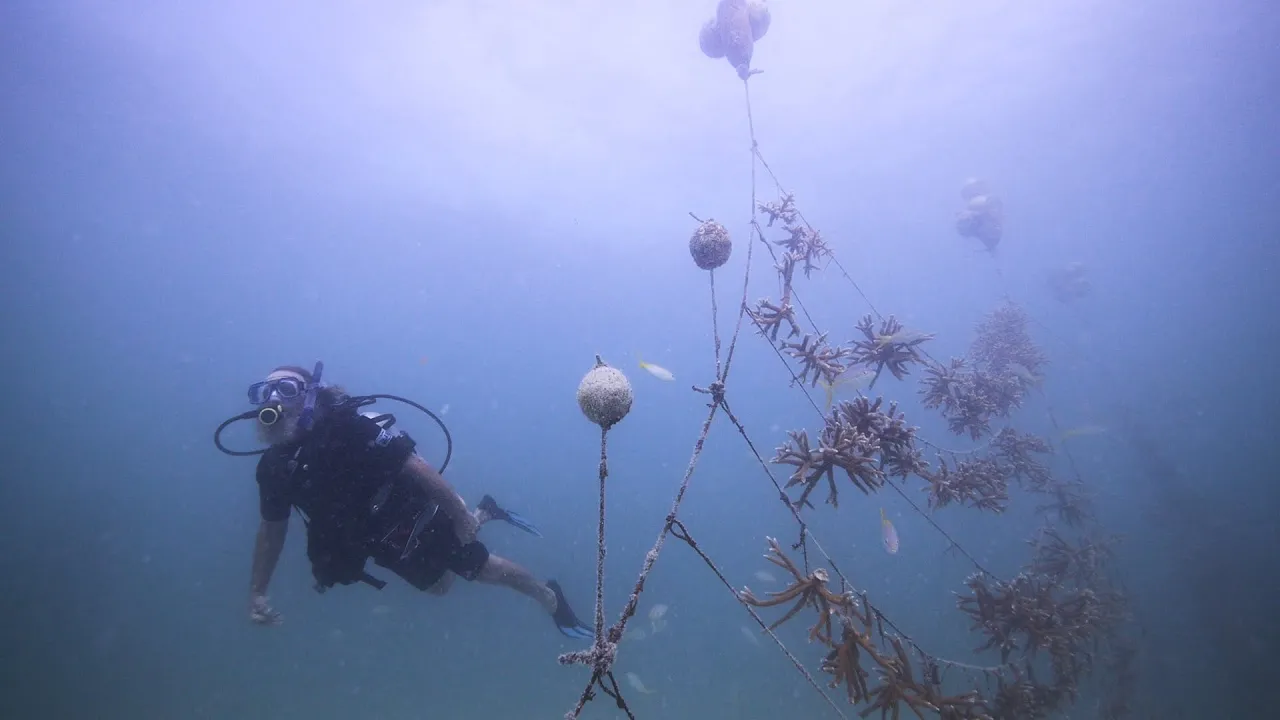


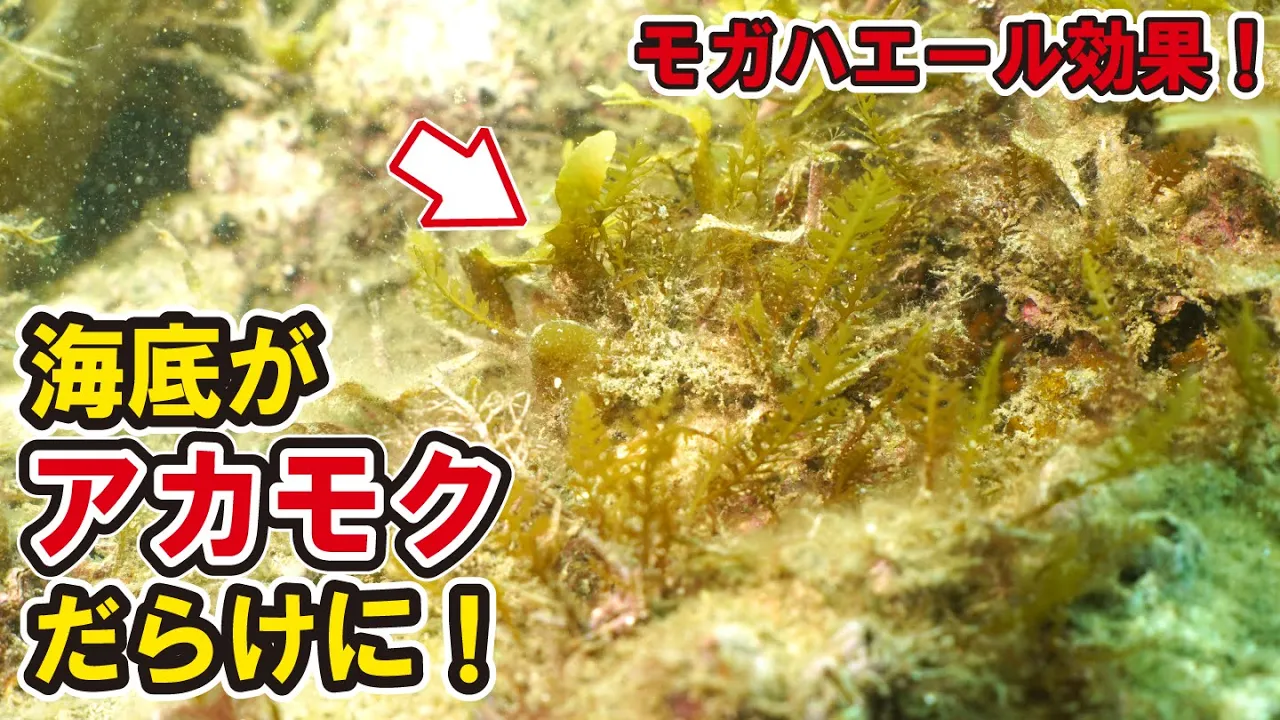


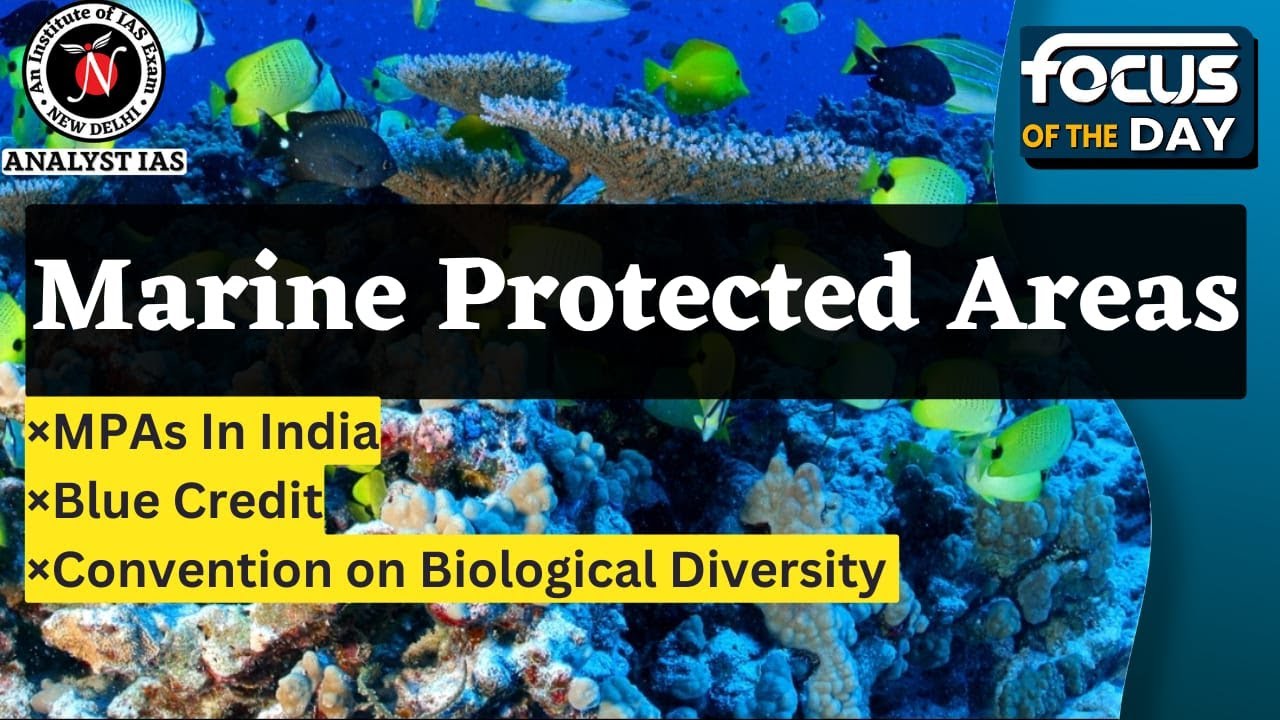





Coral reefs, the most biodiverse marine ecosystems housing 1-9 million species despite occupying less area than France, are under severe threat from both global and local human impacts. Global stressors include ocean warming causing coral bleaching, ocean acidification reducing carbonate availability for reef-building organisms, and coral diseases. Local stressors encompass overfishing (particularly of herbivorous fish that control algal growth), pollution from agricultural runoff and sewage adding excess nutrients that fuel algal blooms, and sedimentation from deforestation. Research demonstrates that removing herbivorous fish leads to algal overgrowth that chokes corals, while ocean acidification experiments show elevated CO2 enhances fleshy seaweeds while reducing calcified species like corals. However, studies of remote uninhabited islands in the Central Pacific reveal that coral cover can exceed 80% in pristine conditions, providing baseline data for conservation efforts. Effective management strategies include establishing herbivore fisheries management areas (like Hawaii's first such area in 2009) and protecting remaining healthy ecosystems, as demonstrated by the Pacific Remote Island Areas Marine National Monument created using research findings.
Coral Reef Ecosystems: Human Impact and Conservation
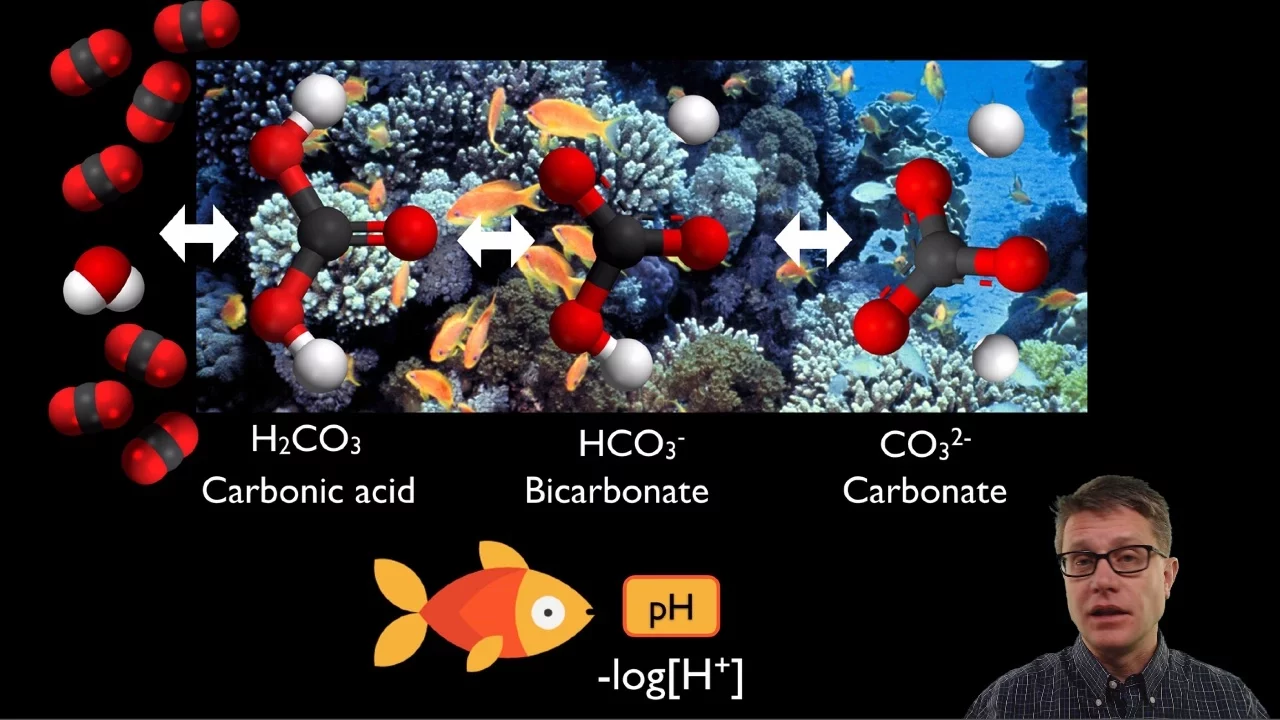
Added:this UCSD TV program is presented by University of California television like what you learn visit our website or follow us on Facebook and Twitter to keep up with the latest programs [Music] [Music] good evening and welcome to the Jeffrey B Graham perspectives on ocean science speaker series my name is Cheryl Peach and I'm a programed scientist here at the Birch Aquarium at scrips institution of oceanography it's my great pleasure this evening to introduce our speaker Dr Jen Smith Jen is a coral reef ecologist and an associate professor here at scripts she received her PhD from the University of Hawaii where she remained for several years as a faculty researcher and then she came to scripts as a post-doctoral scholar and fortunately for us decided to stay on and is now a valued member of The Faculty here Jen's primary research interests um are are actually in uh Marine ecology and in understanding how various physical and biological processes uh affect things like coral reef communities uh Jen does a lot of work on stressors that might affect such communities everything from local effects like pollution or over fishing to more Global effects like our warming oceans and ocean acidification and she's going to share some of her research with us tonight so please welcome Jen for her talk titled coral reef ecosystems human impacts pristine reefs and conservation strategies Jen thank you so much for being here thank you Cheryl for that lovely introduction um it's a pleasure to be here tonight to share with all of you some of the research that I do down down the hill at scripts um as Cheryl said I'm a marine ecologist and my research interests are really in understanding the factors that structure different marine ecosystems and I'm primarily focused on shallow water marine ecosystems those W that you can um visit by scuba diving so I'm not we're not talking about things in deep water that we um visit in Big Ships such as the scrips Fleet but we're uh literally scuba diving and collecting our data underwater um firsthand so I'm going to focus tonight on Coral Reef ecosystems some of the work that we do in the tropics and for for any of you who have been fortunate enough to scuba dive or snorkel on coral reefs you'll share in my enthusiasm for these spectacular ecosystems they're some of the most beautiful brilliant colorful complex ecosystems that support many species of charismatic fauna such as this vampire Snapper um they support many different species of fish and vertebrates and plants um they can be home to many many individuals of species such as that convict Tang um the corals create these complex Landscapes that provide habitat and shelter for many other organisms and they're just these spectacularly beautiful ecosystems that are wonderful to visit and that's why many of us just share an innate passion for these ecosystems they're also important for a whole variety of reasons um coral reefs are believed to be the most biodiverse ecosystem in the ocean so even though coral reefs occupy an area of the planet smaller than the country country of France they house more species than any other ecosystem in the ocean so biodiversity anywhere between 1 and 9 million species are estimated to live on a coral reef we don't really have a good idea of how many species actually live there um they're also really important for providing physical protection so this is a coral reef this is a living geologic feature that you can see from space corals the coral organisms are growing up towards the sun creating this massive barrier around this tropical is Island and this is created by living organisms and this provides a huge ecosystem service from for Tropical Islands particularly in the form of protecting them from the physical erosive forces of wave energy um we know that tropical locations get many tsunamis they get uh tropical storms hurricanes Cyclones um and just large swell um such as what is on its way to Hawaii right now from Alaska many of you have heard of this Mega superstorm in Alaska sending waves on the order of 25 ft High to the NorthShore of the hawaian islands so these living reefs provide Coastal protection preventing those islands from eroding into the sea they're also really important for tourism many of us are willing to pay money to go visit coral reefs to interact with them to scuba dive and to experience that natural beauty that they provide they're also important for Fisheries many um countries that live in the tropics or that EX in the tropics the people of those countries depend primarily on Coral Reef fishes not things like tuna and big pelagic fish like Marlin and Jax but things like reef fish such as parrot fish and um grouper Snapper surgeon fish fish that actually live on the coral reef itself um so many of these people depend on these fish for their primary source of protein and then of course reefs are also important for their natural beauty as I've mentioned and um these pictures while familiar to me um and our kind of the iconic photo photographic sequence of a healthy coral reef um have become less and less common on reefs around the world and I'll mention that briefly in a minute so this is all due all of these ecosystem services that I mentioned are all due to the the life of these of these Coral organisms so this is a single Coral individual a coral pop it looks just like a c an enemy um they're very simple little organisms and corals actually form colonies so this little pop will um Bud to form many copies of itself so this is a a colonial um Coral with lots of little Pops that are all connected together their stomachs are all connected and they share resources and they're all the same genetic entity and these corals can continue to grow um creating clones of one another in uh eventually forming some of the largest living organisms that we have on the planet so this is one living Coral it's it's about 30 ft across and about 20t tall and it's probably over 500 years old we can tell by drilling cores into these corals and they leave behind annual growth rings that are similar to how we age trees so corals are these living geologic features as I mentioned and as that small little uh Coral pop grows it's leaving behind a calcium carbonate skeleton underneath it so when we think about this organism this this is all Stone it's all calcium carbonate and only the Yellow Part on the top is the living tissue with the fine little fleshy Coral polyps so as it grows it's leaving behind this calcium carbonate skeleton creating those living reefs the massive geologic structures and eventually creating these complex Landscapes so all of these are Stony corals they're hard corals they basically Rock but they're living with just that fine veneer of tissue over the top and we get Coral that branch that form stagghorn or antler corals we get cauliflower corals we get these massive or mounding corals plating corals and crusting corals and all of this creates that complex um heterogeneous landscape that provides a lot of different types of habitat for all the species that live on the reef however many of you are also probably familiar that coral reefs are undergoing a state of global crisis it's estimated that 20% of the world's reefs have been lost another 25% are in imminent danger and this is largely due to anthropogenic or human caused impacts these impacts occur at both Global and local scales as Cheryl mentioned and what I say or what I mean when I say we're losing coral reefs is that we see uh a coral dominated landscape such as seen here undergo what's known as a phase shift to dominance by these fleshy seaweeds so these are all algae or seaweeds primary producers that are faster growing opportunistic they can colonize empty space really quickly and so those corals are really fragile and when they are um suffering impacts from a variety of different sources that I'll mention um those fleshy seaweeds can overgrow them so this is a a reef in Maui that I've been working at for the last oh 15 or more years and I've watched that Reef get overgrown by all of this fuzzy fleshy macro algae which is you can see it's basically choking that Coral out and the corals are very slow growing they can live for hundreds thousands of years and so when they get overgrown and choked out by these seaweeds it's pretty much um the end of the road for that Reef we've seen this happen on reefs around the world and probably the most well-known is what's happened throughout the entire Caribbean where these stagghorn uh or antler Coral the acropora um used to dominate throughout much of the Caribbean even places like Jamaica um and now much of the Caribbean is covered with these different fleshy seaweeds and so this is been a phenomenon that we've seen around the world um these phase shifts from Coral to macroalgal dominance and in the worst case scenario we call this the slippery slope to slime so in this case this reef is now covered in slime and um once a reef is transitioned into these states of seaweed dominance it's really hard to get them back out so that is what my lab at scrips focuses on this fun group of lovely students Master students undergraduates PhD students and postdocs um we all are interested in determining the effects of various anthropogenic or human derived disturbances or impacts how humans impact coral reefs looking at both Global and local stressors um we're also interested in understanding what coral reefs look like in the absence of people and so um in order to properly manage coral reefs we need to know what they look like before humans started messing with them um and so to do this we go to pretty much the most remote parts of the planet to try to see what coral reefs look like in the absence of humans and then both of these um different research areas are ultimately tied together to um try to find ways of developing better restoration and management uh strategies to protect and preserve these ecosystems for future Generations so we'll start with the first one um when we think about those corals going away there are two kind of main mechanisms by which they can go away they can be killed directly um and these things these types of large scale Coral mortality events usually occur on larger Global scales so many of you have heard of how global warming causes Coral bleaching um when the water gets too warm for too long the coral has to release its symbiotic um little algae that live inside of its tissue that provide it it the primary food source um it releases those algae and eventually the coral suffers and um will eventually die and this has been kind of the one of the largest causes of massive Coral mortality across the um much of the Pacific ocean acidification is a new problem U or perhaps not new but something that's a new area of research um in terms of looking at how it impacts Coral health and is uh an area that I'll mention more about um coral disease we've seen disease outbreaks that have swept through places like the Caribbean and killed a lot of coral um and things like storm damage big hurricanes can knock out and wipe out a large areas of coral reef um so I'm going to focus we can spend a night literally talking about each one of these I'm going to talk briefly about ocean acidification because this is uh an area that's actively being studied and is um something that's certainly timely um so ocean acidification occurs as the result of burning of fossil fuels which causes uh carbon dioxide to increase in our atmosphere while simultaneously cutting down massive areas of forest so trees absorb carbon dioxide and use it for photosynthesis and turn it into tissue and burning a fossil fuel releases carbon dioxide so doing these two things simultaneously really increases the amount of CO2 that we have in our atmosphere we know CO2 has been increasing in our atmosphere thanks to uh Charles keing who was here um at UCSD um keing started measuring CO2 in the atmosphere um in the ' 50s in the 1950s so starting here um but prior to that we have data using uh air bubbles trapped in ice um using large ice cores and you can basically see that over time um since we've been able to detect this we've seen a massive increase in CO2 in the atmosphere in fact we've never seen um CO2 levels this we haven't seen CO2 levels this High since humans were on the planet I think uh for the last something like 8 100,000 years we haven't seen CO2 levels this high and we we've never seen a rate of CO2 increase um at the rate that we're currently seeing so CO2 is increasing in the atmosphere we know that the red line shows CO2 in the atmosphere um from stations monitoring the open ocean we also know that CO2 is increasing in the surface waters of the ocean so this is taken from ships that go out and measure CO2 concentrations in the open ocean and simultaneously with that rise in CO2 we get a decrease in PH so this is what's known as ocean acidification so the pH of the ocean is slowly decreasing um and why does that matter this shows how the chemistry in the ocean changes as CO2 dissolves it undergoes a series of chemical reactions ultimately leading to more um more bicarbonate and more hydrogen ion and less of this carbonate so we get a red reduction in PH an increase in P pco2 or the amount of dissolved CO2 in the water and a decrease in Omega which is the amount of car uh carbonate that's in the water and this is important because all of those organisms that build shells and skeletons need carbonate to make their calcium carbonate so that's the primary building block so we're not only reducing pH but we're reducing the amount of that particular ion that's available so this is problematic um and we are interested in my lab at looking at the effects of ocean acidification on it on key species so how does OA or how will ocean acidification likely affect certain species that we may care about things like commercially important species like oysters or things like corals um which we know build their shells and skeletons out of that calcium carbonate we also are interested in looking at the evidence for ocean acidification in Shallow Nearshore ecosystems because all of the measurements that have occurred so far have been in the open ocean very far away from any coastlines so not in any place where we have a Kel forest or a coral reef um and then lastly we're interested in using some natural biological processes to potentially mitigate ocean acidification so I'll start with the first looking at the effects of OA on key species and to do that we use experiments so in my labit scripts um we have a little experimental aquarium where we can bubble in carbon dioxide into little experim exp irental mesocosms and we put species of invertebrates or different types of seaweed in those jars and we measure the responses of uh of their physiology to increases in CO2 um we're particularly interested in looking at some of those seaweeds so why is that many fleshy seaweeds such as these species shown here um they're going to be able to use elevated CO2 because they're photosynthetic so the primary uh sour primary substrate for photosynthesis is CO2 so they they fix CO2 and they release oxygen and they turn that into tissue so elevated CO2 could potentially increase the productivity of these different fleshy seaweeds whereas things that we have many different calcified species of seaweeds um these are all very important in the tropics um some help build those those waths that I mentioned um and we could predict that CO2 might also increase their productivity because they're also photosynthetic but because we have um a decrease in the saturation state of of calcium of carbonate um we might see a reduction in their calcification so we wanted to test this to see if elevated CO2 would increase these guys while decreasing these species and so we set up an experiment or several experiments um working in the remote island of Palmyra which is located in the middle of the the Central Pacific this is a an ATL that um scripts as a script scientists were members of the palmy ATL research Consortium this is a wonderful um study location because it's very far removed from any local human populations and we have a little tiny Field Station on the island in conjunction with the nature conservancy um palmy used to be occupied during World War I so it has a landing strip conveniently that has been upgraded so we can fly into the island and spend uh several weeks working there um and the reefs are actually still in quite good good shape given that there's no local human activity there so we uh one of my graduate students Maggie Johnson has done a whole series of experiments with all of these different species that I mentioned and measuring a variety of different um responses by simply bubbling carbon dioxide into these little Aquaria and measuring the responses of those species so I don't want you guys to really absorb everything in this graph but the important part is these are the fleshy species that we expected would respond positively to ocean acidification and all of the red dots are um the CO2 treatment and you'll just notice that the red uh symbols are typically higher than the blue symbols for those fleshy species the calcified species are shown over here in Gray and we expected them to respond negatively to CO2 and you'll notice that over here the red symbols are all lower than the blue symbols if we put all this together in a more digestible graph um you basically see that if we combine all those experiments together the fleshy species are enhanced by elevated CO2 while the calcified species are um negatively affected by elevated CO2 so this um is the result of actually several experiments about 16 different species that we studied and ultimately um we've been able to show that high CO2 does enhance the fleshy species while reducing the growth of those calcified species and so while we still have a lot more work to do there hundreds thousands of species that live on a coral reef um our data so far suggests that the corrosive impacts of ocean acidification is likely to harm the abundance of these important Reef Builders the calcium carbonate depositors um there's been numerous studies on the reef building corals themselves and pretty much um well there's a lot of variable results but a lot of results have also shown negative effects on the corals as well while elevated CO2 will also enhance the abundance of these fleshy species so this is um evidence kind of in support of how those phase shifts might happen in the future with elevated CO2 we're fertilizing these fleshy species with carbon dioxide while eroding the calcium carbonate Builders The Reef Builders so this has important implications obviously for the future persistence of reefs um but what is actually happening in the seawater on these reefs how is um pH varying are we seeing ocean acidification in action and to understand this we need to do monitoring so as I mentioned most ocean acidification monitoring data long-term monitoring data is from the open ocean very far away from where things like corals or kelp or anything like that lives and so we need to monitor ocean acidification in these shallow Coastal systems to see if we can measure this OA ocean acidification in action and so to do this we have an active monitoring platform off the scripts Pier um my lab's been trying to maintain this um on a shoestring budget for the last several years you'd think it would be something that would be institutionalized um we're hoping to get that H to happen in the future um but so we're monitoring uh ocean acidification here right off the coast and then we also have a program in um Palmyra the remote island that I mentioned where we um install these sensors so specifically these CET sensors which were designed um by an a professor here at scrips who's a close collaborator of mine Todd Marts um with the development of these sensors we finally able to monitor pH autonomously without having to take water samples every time um we basically can program these sensors and deploy them and leave them in the field for months at a time pick them up download them and have continuous time series data of pH and this has only been possible really for the last few years so thanks to Todd we've been able to develop data sets like this and this is uh the results of several studies um across multiple ecosystems around the world but the point being that if we look at the two areas in red the open ocean and coral reef ecosystems where some of my data sets um contributed we see that the open ocean is basically looks like a flat line and then if we were to this is only a 30-day time series if we were to carry this out for years on end we would expect these lines to gradually be declining over time as ocean acidification happens but we look at a coral reef and there's a lot more action going on here there's um what we call dial or daily variability so each one of those bumps or humps is associated with a daylight cycle so that's interesting and something that we didn't have a whole lot of data on before um primarily because these sensors were only recently available um and we so we see this spatial and temporal variability on coral reefs so that means over space and across time and we see this really strong as I said dial or daily variability in PH where during the day we get big um spikes in PH and at night we get these reductions in PH um that's called dial cyc and an interesting thing to note is that every night the pH on these reefs is actually dropping below the values that are predicted to occur in 2100 as a result of ocean acidification so this proposes all kinds of interesting hypotheses you know maybe these ecosystems are going to be more um acclimated to reductions in PH because they're seeing these low PH values every night um but as the open ocean water continues to decrease the values might still eventually decline um and cause significant impacts um if we look at our data from across different sites we see that in Shallow protected environments like big lagoons or swimming like almost like a swimming pool a big tidal pool um we get really high variation whereas on the deeper for Reef communities where you have a lot of current and flushing we have much lower variability and so this suggests that as the parcel of water is sitting over a certain area of reef the longer it stays there the more variability you're going to have whereas if you're getting flushed with the open ocean that variability is going to get swept away so what is that attributed to if we take a look again at these dial or daily fluctuations in PH as I mentioned we see big peaks in PH during the day and drops in PH at night Peaks during the day drops at night and we see this pretty continuously over time and so so what is causing that well it turns out that the reef itself is causing that right so all the things that live on the bottom um many of the species that live on a coral reef are photosynthetic so they're going to be taking up CO2 all day long which is going to raise the ph and they're going to be releasing oxygen as a byproduct of photosynthesis and then at night everything is ex is respiring or exhaling releasing carbon dioxide back into the environment which reduces pH and of course they're consuming oxygen as they're respiring as well and so the whole process of the reef breathing and exhaling inhal inhaling and exhaling photosynthesizing and respiring is causing those dial or daily variability the daily Peaks and troughs in PH and so now we know um that pH in Shallow Coastal ecosystems is much more variable than the open ocean and we need to take that into account we see this day night cycling that's predictable and associated with the organisms that are living on the bottom um we also know that some species have much larger effects on that variability than others and we're interested in learning whether we can use this information for mitigation um so that's the last module in this ocean acidification section so we know that those fleshy seaweeds I talked about first they respond positively to CO2 enrichment and they're they have really high rates of photosynthesis so they take up CO2 they increase pH due to that those High rates of photosynthesis and so it's been proposed that fleshy seaweeds might be able to alter the water chemistry around them to make it more favorable for calcification for species that are more sensitive like the corals like things here in California like things we care about such as oysters and Abalone that species that are commercially important so might we be able to make a curtain of kelp around an waster Farm to protect that farm from reductions in PH occurring as a result of ocean acidification in the open ocean on coral reefs might we be able to use seaweed Farms to help um allow us to grow uh Coral fragments for restoration projects so this is an area of research that is um very new and there's a lot of proposals and hypotheses out in the scientific Community including several of my own so I don't have any data to present on it but it's certainly an exciting area a future uh research Endeavor that hopefully um I will have data on in the years to come but this just shows an example so in the tropics there are many areas that grow large amounts of these fleshy seaweeds for a variety of different um commercial production companies such as the production of caragan which is a cell wall product in seaweeds that are used and things like uh shaving cream whipped cream sour cream ice cream toothpaste a whole variety of human products and so these are massive Farms that occur over large scales and so how are these Farms affecting seawater chemistry and might we be able to use them um to our favor to help us mitigate ocean acidification it's been proposed that kelp could be the seaweed that could save Mankind and I would say well yeah but can it so the question is still out the jury's still out and we've got a lot of work to do to try to answer that question okay I'm going to move now to talking about some of the local cause of coral reef floss so we talked about ocean acidification as being one of these Global issues and it's something that really needs to be managed on a global level CO2 is a global problem um however there are plenty of things that occur on a local scale things that occur more on our in our backyard kind of scale um that where managing them is a lot more easy things such as over fishing uh pollution sedimentation associated with deforestation um the introduction of non-native species so all of these things occur on smaller scales scales that are much more easily manageable and manageable in our local communities so on coral reefs over fishing is a big problem um there's a variety of different ways that people fish destructively on coral reefs um Dynamite fishing cyanide fishing the use of giln nuts all these things um not only extract fish but can also harm the habitat um also Coral ref Fisheries tend to be somewhat non-selective and that um some of these techniques like Gil netting is not targeting just one species it's basically catching anything that swims into that net and so along with that we end up killing a lot of species of fish that are really important for maintaining a healthy Reef um and in my lab we're particularly important or interested in the herbivores those are the species of fish that eat the seaweeds that overow the coral that we care so much about so on a coral reef you have an abundant and diverse population of herbivorous fish as shown in this video um these are parrot fish and surgeon fish which are actively mowing the lawn right you can see them taking you know try to count how many bites they're taking per minute that they do this all day long they swim around the reef and they're eating all these little seaweeds that are growing on this bare carbonate which allows the seaweeds to stay in very low abundance which prevents those seaweeds from overgrowing and killing the coral that um are much more slow growing so these herbivores the herbivorous fish are very important to have around um we've done a number of experiments around the world where you basically put up little cages to remove your herbivores and see how the reef the bottom of the reef changes over time um we've done these experiments in a whole variety of different locations and time and time again we found that when you remove herbales you get more herb or more algae more seaweeds and less coral and so it's not rocket science but in the scientific Community you have to prove that these things are important before everyone will believe you so we know that these herbivores are very important for maintaining a balance of coral to algae on a reef and so we've been moving to try to um promote through all of the research we've done over the years to try to promote the development of herbivore restoration areas so I'm sure all of you have heard about Marine protected areas this this is usually uh no take areas where we say we're going to set aside this chunk of of reef and there's going to be no fishing allowed well a lot of the remote tropical places that we work um telling people these local communities that they can't fish anything is just not practical but if we can focus in on a certain set of species that we know are very important for keeping Reef healthy such as these parrot fish and other herbivores um it might be a more sustainable solution so we've worked with the state of Hawaii to develop the world's first herbivore fisheries management area this is at uh kahak Beach or airport Beach off of the kopali coast on Maui um it was established in 2009 and um has been a very great tool for educating the public about the importance of herbivores and for also promoting in the abundance of all of these important species since the establishment of the protected area we've seen an increase in the abundance of the herbivores themselves and we've also seen um The Reef starting to respond on the bottom so the reef is actually showing signs that it's um becoming more healthy since the management area went into place and it went into place in this particular Reef because it was being overgrown with seaweed so um this is promising and suggests that this could be a useful tool for health helping us not only maintain healthy reefs but potentially to reverse the declining trajectory on a lot of reefs around the world so we need more herbivore fisheries management areas and my PhD student Emily Kelly has been actively working at this site for the last several years um however this is still really the only specific herbalore fisheries management area in the world and so my uh former Master student Clint Edwards and I were interested in asking the question okay well what's the evidence that coral reef herbivores around the world are globally overfished our people you know maybe we're just making a big deal of it but it's really not that big of a problem so we collected data um synthesized the literature and collaborated with a bunch of scientists to develop this figure um where in blue these are um unfished areas and this is the mass of herbivores on reefs all across the world from the Caribbean the Indian Ocean and the Pacific and you'll just note that there's a lot more big blue bars than there are red bars right and if we take a closer look at just the overall the global averages of these things the total amount of herbivore biomass or grams of herbivore per meter squared is more than twice as high in unfished areas than it is in fished areas we also see differences in the type of herbivore with all of the important grazers that remove algae from the bottom declining and areas that are fished whereas we have this one group territorial damsel fish which act actually create little algal Lawns they create little seaweed farms and they actively defend their territories from other fish so the territorial damsel fish actually promote seed um so with fishing we're reducing all of the species that actually matter for removing algae off of reaps and we're increasing the abundance of the species that create seaweed Farms so this um synthesis was just published this year and we're hoping this will provide incentive for other locations around the world to develop more of these herbivore protection areas especially now that we know um if you don't fish this is how much biomass or how many grams of herbivore you should have per meter squared at a global level so we're providing kind of Target values for places to know whether or not you're at a really low level is your Reef characteristic of a really heavily overfished area or are you uh doing pretty well in comparison to the rest of the world um moving on from that um that's an area where um you know we're act trying to actively use our research to promote or help develop management strategies that could um you know help reefs recover in the future so moving on to um human impacts in pollution people provide a whole variety of different sources of pollutants into the water um for our purposes thinking about the balance between seaweeds and corals what we're particularly interested in is adding nitrogen and phosphorus to the water so this is fertilizer you think about what you put on your yard or your garden you add fertilizer which is nitrogen and phosphorus and that makes your plants grow faster well the same thing happens in the ocean if you dump nitrogen and phosphorus onto a coral reef your weeds will grow faster and they will outgrow your Coral so how do we get nitrogen and phosphorus into the water sewage is probably the number one um big impact uh runoff from Rivers espe especially when you have Upland farming agriculture you have pig farms or cattle Farms all of that waste will eventually wash down into the marine environment and that is basically nitrogen and phosphorus which will fertilize your weeds and so typically the reason why this is such a problem on coral reefs is because the water in the tropics on coral reefs is considered oligotrophic and what that means is it's low in nutrients it's not like our Coast here where we have naturally High nutrients and we have kelp forest dominaing that's a completely natural process because we have upwelling occurring here that brings naturally high levels of nutrients in coral reefs the water is usually Crystal Clear it's very low in nutrients and that's why corals are so do so well in that environment when we add a bunch of excess nutrients nitrogen and phosphorus we get our weeds growing and again we've done numerous experiments um adding nitrogen and phosphorus and seeing how the seaweeds respond and typically um we've been able to link excess nutrients to these seaweed blooms in a lot of places around the world um another specific case study is an area that I've been working for a long time the island of Maui and back in the early 2000s we noticed that there were three areas along the coastline that had massive seaweed blooms where these seaweeds would wash up on the shore and they would rot and create a foul odor and it was causing big problems for Maui's economy um tourists were unhappy with staying in certain hotels because it was L it literally smelled so bad um and the reefs were getting coated in these different seaweeds and was a big problem so we noticed um okay well these blooms happen to coincidentally all be directly Downstream from Maui's three three large Urban sewage treatment facilities so is that a coincidence or might there be some connection there um and the way that the these sewage treatment facilities work is they settle out the waste and then they inject the settled out waste into the ground and these are wells that are not capped with cement they're literally just holes that are dug into the ground um most of them are um the base of the well is near sea level they're mostly all Mala or up on the um slope of the mountains a little bit uh less than a mile from Shore and so we began wondering whether all of this waste was eventually percolating through the basalt or swiss cheese- likee rock that the island is made out of and making its way onto the reef and causing these big algal blooms so to start um working with a former Master student of mine we decided to see if we could use uh the tissue and the algae as a tracer for human waste so there's something called uh nitrogen Isotopes and you can use the values of these nitrogen Isotopes to indicate different types of sources of nutrients of nitrogen so we developed this map we collected seaweeds from all over the entire coast of Maui and basically um higher values are more indicative of human derived nitrogen than lower values and you see the highest the red dots here those are our three places directly Downstream from the sewage treatment facilities so again this is providing some evidence um but it's not a Smoking Gun um we we were then able to obtain some of the injected affluent that they put into the injection Wells and we grew our blooming seaweeds with that injected Wastewater and you can see that uh as we increase in the concentration of the waste water we have happier and happier seaweeds so we know that if you give the seaweeds these this waste water they will positively respond and they are in fact able to use the nutrients associated with that and so this has been creating all kinds of um contention among the Maui population and um the government and even at the time when I was still working in Hawaii or living in Hawaii um the government said yeah you know we we understand that this could be a problem we just don't have the money to do anything about it so um so that continued to go on and the community continued to get upset um and then finally the the final Smoking Gun was a bunch of um collaborator of mine were able to get permission to inject um fluorescent dye into the injection Wells on land and see if there were still plenty of critics that didn't believe that there was a connection between the wells and the reef and so this was the final way that that uh we were able to show that and this is basically showing a little pipe that's stuck into the reef and I'll just zoom up to here but you can basically see green water coming out of that pipe right so this was 45 days after uh sorry the video is not that great um 45 days after the dye was injected into the wells and we're seeing green water coming out if it's even more impressive at night with a black light then you can see it actually glowing and so this was the final Smoking Gun that led um a bunch of environmental nonprofits to sue the city and county of Maui over illegal discharge of Wastewater so this is basically in violation of the Clean Water Act and I'm currently acting as an expert witness on this case so this is um a situation where all of this hard work and research that you've put in over the the years um will hopefully lead to a positive change in the community and lead to healthier water for not only mau's reefs but for everyone who cares about swimming and interacting in the the ocean around the island of Maui okay so now I'm just going to shift gears and brief talk about um hopefully that's given you a little bit of a taste for how we can do science that can actively be used for management for solving problems on the ground to um help increase the health of these coral reefs and hopefully help make sure that they persist into the future um but we also feel like we really need to understand what reefs look like in the absence of people because most of the research that's been done on coral reefs began when scuba diving was first invented and that was not that long ago um you know only a handful of decades ago maybe uh in the 40s or 50s and so and actually most of the reef research didn't really start until the 70s um and so what did coral reefs look like 200 years ago you know we we have no idea we have no way of going back in time and the only way that we can really um do this is to use space for time use a space for time comparison we essentially can go back in a Time Machine by going to these remote locations in the middle of the Central Pacific that have no local human populations to see what reefs look like in the absence of human human populations and so this is really a collaborative effort between um Dr Forest rower at San Diego State Dr Stuart sandon who's in the back of the room and myself where we take our Labs we board uh ships and we go into the middle of the the Pacific to a series of islands that have um that actually span a gradient of popultion density um this is the Line Islands archipelago and the US has some jurisdiction over some islands including Palmyra that I talked about Kingman Reef um Jarvis some of you may have heard of and then the rest of the islands are under the jurisdiction of of the Republic of kirbos which is a island nation that most people haven't heard about um but they have jurisdiction over three different Island archipelagos the Line Islands the Gilbert islands and the Phoenix Islands um and some of the the northern Line Islands are inhabited the Southern Line Islands which include uh five islands are all uninhabited um and they've never had local human populations so we have a nice gradient of you know going from different levels of human population density um and we do these research cruises about every couple of years um where we go out there and we this is really an opportunity for us to act like explorers we get to go to places that no one's ever scuba do on before we get to collect data from places that potentially um or in many of these cases no one's ever done science there before and so it's a a really neat opportunity and um is just great exploration and once we're out there um we study everything from microbes and water chemistry to the benthos the coral reef Community to the fish population so we like to say from microbes to sharks and everything in between and when we go to these places especially the uninhabited islands we find the water to be Crystal Clear there to be very low nutrients and very little um microbial abundance um certainly low pathogenic bacteria you don't see any of those nasty bacteria that can cause diseases we see a lot of corals so the reef bottom is dominated by Reef building corals the the the animals that we care so much about and the fish populations are dominated by top predators so this is what a reef in the absence of humans um looks like if we take a look at just the the corals and we compare Coral cover across um the whole Suite of islands that we work this is 56 Islands across the Central Pacific including five different archipelagos we first see that the uninhabited or sorry the inhabited Islands so where people are there's just a lot lower Coral cover right than places where we have uninhabited islands um and so that's you know essentially we already knew that Coral cover was low where we have people but the really phenomenal thing is that some of these uninhabited islands have Coral cover this is percent of the bottom that is occupied by corals exceeding 80% and this is unheard of in fact some of our colleagues didn't even believe that this could be true and this isn't just one little location this is an islandwide average where we dive every kilometer around the entire Island and we collect our data and we have means and and uh estimates of variability um but across those entire Islands we're seeing the bottom pretty much occupied only by Coral so despite all of the global impacts that are currently happening on reefs around the world with these warming and bleaching events with ocean acidification if you go to a reef that doesn't have pollution fishing sedimentation the introduction of non-native species you can still see reefs that on an island scale that are dominated by corals that have fish populations that look like this you jump in the water you're immediately surrounded by sharks and Snappers and this is this is the wild west this is what reefs look like this is what reefs look like in the past and this has been really important for serving as a baseline for us because we you know were thinking about what the reefs of Hawaii looked when we first started scuba diving and that's our Baseline but actually those reefs were probably way overfished even at that time and so now to be able to say well this is what the the potential for reefs is to produce a certain amount of fish this is how much Coral can actually live on the bottom if reefs are taken care of in a proper way and so we've been trying to integrate this work with all of the human impact work to um better manage these reefs and actually before President bush left office he created um one of the largest protected areas in the US the Pacific remote island areas Marine National Monument many of you may have heard of this it includes all of those unincorporated unincorporated US territories across the Pacific um Rose ATL Howland and Baker Jarvis Kingman Palmyra Johnston wake a lot of these islands were former military bases or we we grabbed them during the guano act back in the late 1800s so these are all US territories they're now Protected Their National Marine monuments um we also have the papaa mokua National Marine Monument which is the Northwest Hawaiian Islands um and actually just uh recently President Obama decided or um announced that he was going to create the world's largest protected Marine reserve in the Pacific Ocean which was basically a little bit cheating by just expanding those monuments that bush had already made um to include the EZ or the exclusive economic zone around those islands so um I believe this was written into action recently um but not this entire area was included in that um in that designation so we're seeing um and actually in President Bush's designation he used some text from one of our Publications directly in the announcement that he was going to protect that area and so that was the first time we realized that our science could actually reach the desk of the president and make a difference for protecting um these islands so we've seen some definitely some positive um successes with the work we've done in these remote remote areas and we definitely believe we need to continue promoting this especially um just going back some of these reefs are part of the Southern Line Islands which is part of the Republic of kabos and they're the only islands in that uninhabited group that have this amount of coral cover and they're still as of yet unprotected and so we're going to be um hopefully working with the kabas government to ensure that they're protected because there's no people living there so they really they're not providing subsistence Fisheries for anybody um and they're literally just waiting out there for some uh you know long liner or Taiwanese fishing vessel to come through and take all the sharks off the reef and use them for shark fin soup um so hopefully we'll get those islands protected so my goal today was to give you guys a taste for some of the research we do on human impacts to show you some direct examples of how the research can be used for management and to see some action from this science um and to share with you some of our work from the remote islands in the middle of the Pacific to give you a taste for what coral reefs looked like a thousand years ago um ultimately to help ensure that these these ecosystems are around for future Generations so our kind of take home message is we need to protect what remains especially those healthy ecosystems in the middle of the Central Pacific and we need to certainly do a better job at trying to restore what's been lost on these um coral reefs across the world so with that I would like to thank all the members of my lab Who provided a lot of the data um in this presentation and thank a variety of different funding sources and then ask if there are any questions so yeah that's a good question um the question was about acidification causing damage to the reef and loss of herbivores also causing damage to the reef but how might herbivores potentially restoring herbivores might potentially positively um reflect or deflect ocean acidification yeah um so that brings up a good point much of what I talked about today was introducing you to these different problems but in reality they're all occurring so ously and understanding how these different things interact so how does removing of herbivores and ocean acidification together change the structure of these reefs um certainly by bringing herbivores back we're going to reduce the amount of all of these fleshy seaweeds which compete for space for Coral with corals so that's one thing um but if it just kind of depends on what time scale you're thinking of if you're thinking about 200 years from now when the pH of the ocean is a lot lower than it is now um it's hard to predict I guess is the the qu the answer thinking about how these things interact is um is a lot more complicated and we don't have a lot of data for these interactive effects and that's kind of where the science is going right now yeah question was about how does elevated CO2 directly affect herbivore populations there have been a lot of studies looking at ocean acidification effects on fish and I don't think any have specifically looked at herbivores but there have been a lot of studies on other kind of model fish species showing that um fish lose a lot of their sensory AB sensory abilities under ocean acidification for example fish can detect Predators by a scent in the water different chemical cues and when you grow them under ocean acidification conditions they actually swim towards the Predator instead of swimming away um there are other kind of neurological issues that we're seeing with fish under these ocean acidification experiments so I don't know if herbivores are affected directly that same way but um yeah there's a lot of interesting studies on that question yeah that's a great question too and I wish we could do it but as of now um there hasn't been any successful effort at closing the life cycle of these fish in captivity so a lot of the Reish spend a fair amount of their time as little larval fish drifting in the open ocean where they eventually get a queue to come back to the reef and metamorphose and turn into their little mini reef fish self um but that ability to uh metamorphose and to get them to settle out of the plankton in captivity has not been successful and so um there are efforts underway with sein which are also important grazers and they're a lot easier to grow in captivity um and so I have seen there's been efforts in both the Hawaiian islands and the Caribbean to grow out sea urchins and deploy them out on the reefs but the reef fish are a harder one we just we need stronger restrictions on fishing in Hawaii you can fish them without a fishing license so yeah J thank you for a spectacular Applause thank [Music]
Up Next

Seaweed Farming in Maine: A Sustainable Future with Atlantic Sea Farms
@bradleone
120.6K views•2023-07-19

Triumph of Orthodoxy Icon: Byzantine Art & History Explained
@BenCallan
2.1K views•2024-08-06

FastAPI vs Flask vs Django: Choosing the Right Python Web Framework
@TechWithTim
302.5K views•2024-05-26

Game of Thrones Opening Credits: A Cinematic Analysis
@gameofthrones
46.3M views•2011-04-18
Related Study Plans & Knowledge Roadmaps
Structured learning paths in General & Interdisciplinary Studies