YouTube's Content ID is an automated copyright detection system that compares user-uploaded videos against a database of over 3 million reference files (audio and video) provided by copyright holders; when matches are found, copyright owners can choose to block, monetize, or allow the video to remain visible, enabling both content protection and new creative opportunities.
How YouTube Content ID Works A Fair Use Analysis
Added:Deep Dive
Basic principles of copyright law, including the exclusive rights of content creators and what constitutes copyright infringement.

Copyright Infringement | Intellectual Property Rights | IPR
28.1K
Copyright infringement involves unauthorized exercise of exclusive rights held by copyright owners. These exclusive rights include reproduction, distribution, public communication, and importation of copyrighted works. Infringement occurs when someone performs these acts without proper authorization or license from the copyright owner. The legal framework requires that infringing acts must affect the owner's exclusive rights and cause harm to their economic interests. Understanding these foundational principles is essential for recognizing and preventing copyright violations in academic and professional contexts.
Click to watch →

OMG! TECHBROTHERS NAPIKON NGA BA? DAVE MAG STRIKE NG CHANNEL NI TECHRAM?
14.3K
This segment provides a comprehensive explanation of copyright principles. Copyright infringement occurs when someone copies or steals another person's work without permission. The video explains that copyright protects original works that creators have worked hard to produce. Using someone else's content without asking for permission constitutes infringement. Originality is a key concept in copyright law. The video emphasizes that content creators have the right to control how their work is used and can exercise their copyright against those who copy their content. Copyright rights are reciprocal - if you copy someone's content, they have the right to copyright your work.
Click to watch →
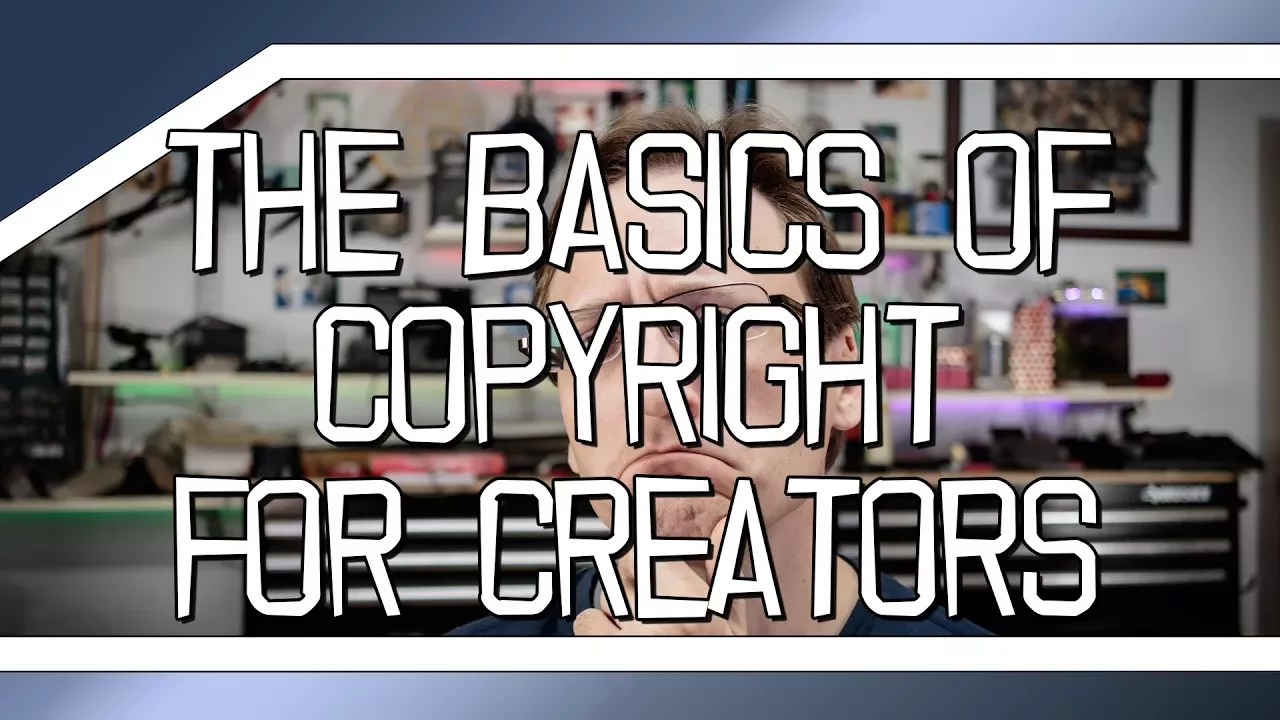
Basics of Copyright for Content Creators
11.1K
U.S. copyright law derives from Article I, Section 8, Clause 8 of the Constitution, granting Congress power to promote progress in science and useful arts by securing limited exclusive rights to authors and inventors. Copyright creates six exclusive rights: reproduction, derivative works, distribution, public performance, public display, and digital audio transmission. The system grants a legal monopoly for approximately 70+ years (or 120 years for corporate works) in exchange for eventual public domain entry. Copyright protects any expression fixed in a tangible medium, but excludes functional items (patents), titles, bare facts, and mere data compilations. Adding creativity transforms factual data into copyrightable works, as demonstrated by phone book cases where dummy numbers provided copyright protection. Understanding these foundational principles is essential for content creators navigating intellectual property rights.
Click to watch →

First Amended Complaint - Decastro v. Abrams et al
5.4K
This segment details the elements of copyright infringement claims. The plaintiff alleges he owns valid copyright to over 800 videos, which are original works of authorship. The defendants allegedly copied and distributed constituent elements of his works without authorization. The speaker explains the five exclusive rights under 17 USC Section 106: reproduction, distribution, performance, display, and creation of derivative works. The plaintiff alleges defendants violated these rights by copying his videos and displaying them on their channels, constituting infringement under 17 USC Section 501.
Click to watch →
CHUYẾN ĐI THANH XUÂN - Tập 4 - Kẻ nói ĐẠO LÝ mà SỐNG như QUẦN |PHIM NGÔN TÌNH HỌC ĐƯỜNG HAY MỚI 2023
194.4K
Content creators build their channels through significant effort and investment, and using their content without permission for commercial purposes constitutes copyright infringement. Even minimal or incidental use of someone's image can be considered a violation of their rights. Fair compensation should be provided when others utilize creative work, and demanding excessive payment for minimal use represents an unreasonable exploitation of content creators' intellectual property.
Click to watch →
Deep Dive
The legal concept of the 'Fair Use' doctrine, particularly the four-factor balancing test used in United States copyright law.
Ethan Calls Out Hasan And Goes GLOVES OFF!
532.8K
The fair use doctrine in United States copyright law uses a four-factor test to determine whether a particular use of copyrighted material is permitted without permission. The factors include the purpose and character of the use, the nature of the copyrighted work, the amount and substantiality of the portion used, and the effect of the use on the potential market for the original work. This test provides a framework for evaluating content reuse cases.
Click to watch →

The Major Copyright / Fair Use Issue! - Dawn & Eli Take On The World PODCAST (Episode 14)
210
Fair use is a legal doctrine in US copyright law that allows use of copyrighted material without permission under certain circumstances. It balances copyright holder rights with public interest in information flow and creativity. The four factors courts consider are: (1) Purpose and character of use - transformative uses for criticism, commentary, or news reporting are favored; (2) Nature of the copyrighted work - factual or published works are more likely fair use than creative or unpublished works; (3) Amount and substantiality of portion used - small portions are more likely fair use than large portions or the heart of the work; (4) Effect on potential market - uses that don't harm the original work's market are more likely fair use.
Click to watch →

Candus Bly Facebook (Summer Wells MOM)
14.9K
Fair use is a legal doctrine in United States copyright law that permits limited use of copyrighted material without permission from rights holders for purposes such as criticism, comment, news reporting, teaching, scholarship, and research. This doctrine operates under a four-factor balancing test that considers the purpose and character of the use, the nature of the copyrighted work, the amount and substantiality of the portion used, and the effect of the use on the potential market for the original work.
Click to watch →

Creation, Copyright, Fair Use, and You.
995
Fair use is a legal doctrine in U.S. copyright law (17 USC §107) that allows certain uses of copyrighted material without permission, functioning as an affirmative defense where the burden of proof rests with the user. The doctrine balances copyright holders' rights with society's need for cultural participation, as enshrined in the UN Universal Declaration of Human Rights. Four factors determine fair use: (1) Purpose and character of use (transformative, commercial, or educational), (2) Nature of the work used (creative vs. factual), (3) Amount and substantiality of the portion used, and (4) Effect on the potential market. Transformative use, introduced in Campbell v. Acuff-Rose (1994), occurs when a new work adds new meaning or expression, making the use more likely to be considered fair. The doctrine is an affirmative defense, meaning users must prove their use is fair, and it only applies in the United States and related territories.
Click to watch →
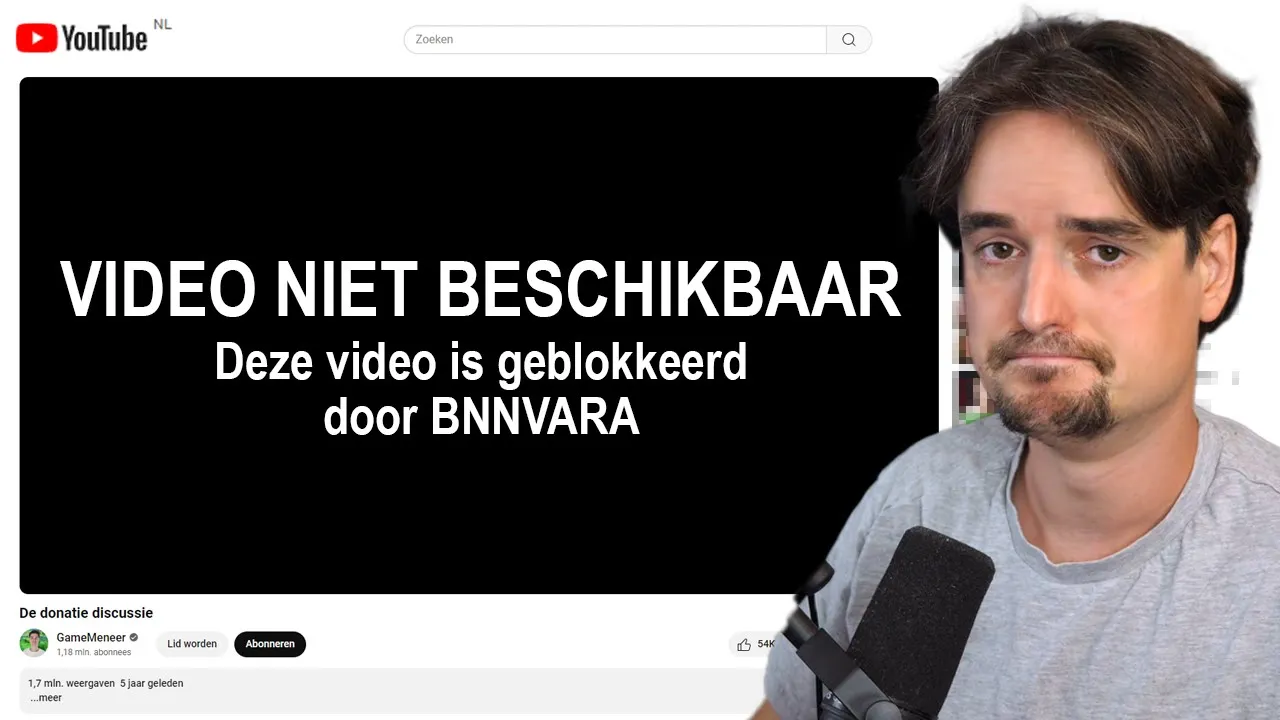
BNNVARA verwijdert De donatie discussie
89.7K
Fair use is a legal doctrine that allows the use of copyrighted material under certain circumstances without permission from the copyright holder. In the United States, judges consider four factors when determining fair use: (1) The nature of the copyrighted work, (2) The purpose and character of the use, including whether it is for nonprofit educational purposes, (3) The amount and substantiality of the portion used relative to the whole copyrighted work, and (4) The effect of the use upon the potential market for or value of the copyrighted work.
Click to watch →
Deep Dive
The Digital Millennium Copyright Act (DMCA), specifically the 'safe harbor' provisions that shield online platforms from liability.
Reviewing Caffinated Kitti's Anti-SLAPP To Jeanette Braun/Lauren The Mortician
53.8K
The Digital Millennium Copyright Act (DMCA) creates a safe harbor framework for online platforms hosting user-generated content. Platforms must follow specific procedures when receiving copyright infringement notices, including taking down allegedly infringing content and providing appeal mechanisms. If platforms fail to follow these procedures, they lose safe harbor protection and can be sued for copyright violations. This creates asymmetry where platforms face consequences for leaving infringing content up but not for taking down content, creating substantial pressure for content removal even when content might be protected by fair use.
Click to watch →

Pokimane Permanently Banned on Twitch
321.8K
The Digital Millennium Copyright Act (DMCA) provides legal protection for online platforms like YouTube and Twitch. The DMCA establishes a safe harbor provision that shields platforms from liability for copyright infringement by their users, provided they follow certain procedures when notified of infringing content. Without the DMCA, platforms would face lawsuits for every instance of user-uploaded infringing content, making it nearly impossible for them to operate. This legal framework enables the existence of user-generated content platforms.
Click to watch →
Film Theory: All Your Memes Are DEAD! (Article 13)
4.9M
The Safe Harbor provision, established by the United States Digital Millennium Copyright Act (DMCA), protects online platforms like YouTube, SoundCloud, Imgur, Facebook, Twitter, Tumblr, and Reddit from copyright liability. According to this principle, these websites are not responsible for copyright violations committed by their users, as long as they promptly remove infringing content when notified through takedown notices. This shields platforms from direct legal responsibility while requiring them to cooperate with copyright holders in removing illegal content.
Click to watch →
How to Make Money on YouTube with your Music (Part One of Three) | Jeff Price | Pyramind
216.7K
The Digital Millennium Copyright Act (DMCA) created a 'safe harbor' provision to protect platforms like YouTube from being sued for copyright infringement. Under this provision, platforms are protected from lawsuits if they remove infringing content when notified by copyright holders. This allows platforms to grow while still protecting copyright holders' rights.
Click to watch →

Run DMCA!
26.3K
The Digital Millennium Copyright Act (DMCA) provides Safe Harbor protection to online platforms like YouTube, shielding them from copyright infringement lawsuits as long as they remove infringing content when notified by copyright holders; this legal framework enables the democratization of content creation and sharing on the internet by preventing platforms from being sued for every user-generated post.
Click to watch →
Deep Dive
An introductory understanding of digital fingerprinting and automated content recognition (ACR) technologies.
C# Programming & AcrCloud SDK: Develop Your Own Audio Recognition System
1.2K
Automatic Content Recognition (ACR) is a technology that identifies media content by analyzing audio fingerprints rather than requiring text-based input; it works by creating unique digital fingerprints from audio signals that remain consistent even when the audio quality degrades, allowing systems to match unknown audio samples against a database of known fingerprints to retrieve detailed metadata about the content.
Click to watch →
Саркис Дарбинян. Авторское право в цифровую эпоху: время менять копирайт
306
Digital fingerprinting creates unique identifiers for copyrighted works that can be matched against uploaded content. Platforms like YouTube use this technology to automatically identify and flag potentially infringing uploads. When a user uploads content, the system compares it against a database of registered fingerprints. If a match is found, the system can notify rights holders and offer monetization opportunities through advertising revenue sharing. This approach enables automated enforcement without manual review, though it can produce false positives and raises questions about fair use exceptions.
Click to watch →

UDIO New Partnership Fingerprinting your Generations
201
Audible Magic utilizes automated content recognition (ACR) technology, similar to fingerprinting systems used in other media applications. This technology allows streaming services and distributors to easily identify tracks made using AI generation tools. The effectiveness of this technology depends on its ability to recognize modified samples—whether users have chopped, moved, or otherwise manipulated AI-generated audio elements within their productions.
Click to watch →
بوت ذكي يقوم بصناعة المحتوى عنك
1.3K
Digital fingerprints (hashes) uniquely identify digital content using cryptographic functions like SHA-256 and MD5. The key property is collision resistance, where even tiny content changes produce completely different hashes. Google's Content ID system uses these fingerprints to protect copyrighted content on YouTube. Image fingerprinting uses Discrete Cosine Transform (DCT) to convert pixel data into frequency components, focusing on structural elements that remain consistent despite color or filter changes. Audio fingerprinting uses Fast Fourier Transform (FFT) to extract frequency peaks and create constellation patterns. Hamming distance measures similarity between binary fingerprints, with fewer than 10 differences indicating similar content. Hash tables enable efficient matching against large databases.
Click to watch →
La tua televisione registra quello che guardi ogni mezzo secondo.
1.5K
Automatic Content Recognition (ACR) is a technology that works similarly to Shazam but identifies content on screens rather than music. The system captures image and audio samples from what users are watching, creates a digital fingerprint, and compares it against a massive database to identify programs, chapters, news broadcasts, or sports events.
Click to watch →
Prerequisite Knowledge
- Concept 01Basic principles of copyright law, including the exclusive rights of content creators and what constitutes copyright infringement.
- Concept 02The legal concept of the 'Fair Use' doctrine, particularly the four-factor balancing test used in United States copyright law.
- Concept 03The Digital Millennium Copyright Act (DMCA), specifically the 'safe harbor' provisions that shield online platforms from liability.
- Concept 04An introductory understanding of digital fingerprinting and automated content recognition (ACR) technologies.
Subsequent Learning
- Step 01The step-by-step mechanics of YouTube's internal dispute resolution, appeal processes, and the legal implications of a copyright strike.
- Step 02Alternative licensing frameworks, including Creative Commons, public domain, and transactional licensing agreements for digital media.
- Step 03The broader legal and policy debates surrounding algorithmic copyright enforcement, such as Article 17 of the EU Digital Single Market Directive.
- Step 04Practical risk-mitigation strategies for content creators, such as conducting fair use audits and negotiating commercial sync licenses.
Content ID
Content ID
0:00Playing Section
- 1
Explains how Content ID matches uploads against a vast database.
- 2
Details automated checks for video and audio ownership claims.
- 3
Highlights system benefits like blocking or monetizing matches.
The Case for Content ID: Scalable Copyright Protection and Platform Viability
While critics argue that YouTube's Content ID system stifles fair use, proponents—including major media companies, record labels, and YouTube itself—view it as a necessary and highly effective tool for managing copyright at an unprecedented scale. With over 500 hours of video uploaded every minute, manual copyright enforcement is functionally impossible. From this perspective, Content ID protects intellectual property from massive piracy losses while shielding YouTube from catastrophic legal liability under the Digital Millennium Copyright Act (DMCA). Furthermore, supporters emphasize that Content ID has fostered a collaborative ecosystem: instead of forcing immediate takedowns, rights holders can choose to monetize user-generated content containing their assets, generating billions of dollars in shared revenue. Without this automated compromise, copyright owners would likely rely on blunt, highly punitive legal measures that could dismantle the creator economy entirely.
Deep Dive
The step-by-step mechanics of YouTube's internal dispute resolution, appeal processes, and the legal implications of a copyright strike.

Frauditor Libertas Audits vs. Frauditor Troll: A Pair of Butt Hurt Idiots HAHA!
7K
This segment details the complete process for resolving copyright disputes on YouTube. When a copyright strike is filed, the accused party has two weeks to file a federal lawsuit to challenge the claim. If no lawsuit is filed, the strike remains on the channel permanently, and the channel can never file another strike against that specific video. The video explains that YouTube reviews claims and determines whether they constitute fair use or infringement. The legal framework assumes innocence until proven guilty in court, meaning no one can definitively determine a strike's validity until a judge rules. The video emphasizes that YouTube's determination is binding within their platform, though parties can pursue legal action outside the platform.
Click to watch →

RECLAMAN COPYRIGHT POR MI CARA Y RECIBO UN STRIKE!!!
49K
When a copyright claim is filed against a video, the video is removed and the creator receives a strike. The creator has a limited window (typically 7 days) to either appeal the claim and potentially keep the video, or accept the strike and lose the video permanently. To challenge a claim, creators must submit a counter-notification through a legal form requiring personal data. YouTube then reviews both the video and the creator's claim. If the creator has valid arguments, the counter-notification is forwarded to the claimant, who has 7-10 days to provide legal documentation proving ownership. If they fail, YouTube restores the video. However, channels with multiple strikes, even when resolved, may be flagged as 'conflictive' and experience reduced recommendations.
Click to watch →
Espartaco Fue Papeado Otra Vez
45K
YouTube serves as an intermediary between content creators and those who issue copyright strikes. When a creator files an appeal, YouTube reviews it to determine if it has merit, then forwards the appeal to the person who issued the strike. This person has 10 business days (not calendar days) to review the information and present legal evidence if they intend to pursue legal action. The appeal process is designed to protect creators from false claims while allowing legitimate copyright holders to enforce their rights.
Click to watch →

The Situation With My Channel.
91.3K
YouTube provides two mechanisms for creators to challenge copyright claims: disputes and appeals. A dispute is an initial challenge to a claim, while an appeal is a more formal process that can result in video removal and copyright strikes. Three copyright strikes lead to channel termination.
Click to watch →

TattiPro in JAIL || Free Fire YouTuber arrested by police | Court Case Against Youtuber
154.3K
YouTube has a formal process for handling copyright strike appeals. When a strike is removed through an appeal, YouTube gives the claimant (the person who filed the strike) a specific timeframe to respond. If the claimant does not respond within this period, the strike is automatically removed. The video shows how the accused used this knowledge to strategically file additional fake strikes to ensure the creator's channel would be terminated, demonstrating how understanding platform rules can be exploited maliciously.
Click to watch →
Deep Dive
Alternative licensing frameworks, including Creative Commons, public domain, and transactional licensing agreements for digital media.
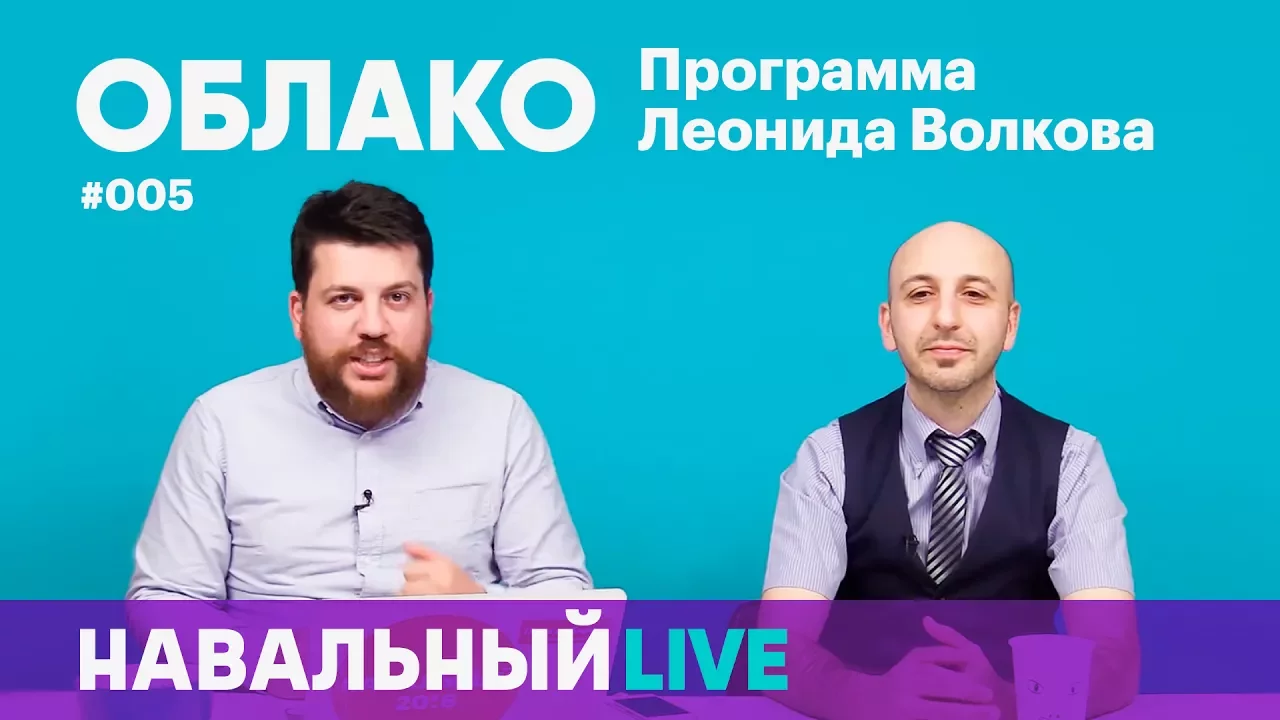
Облако #005. Гость — Саркис Дарбинян, «Центр защиты цифровых прав». Копирайт, пиратство, торренты
38.2K
Creative Commons (CC) licenses provide standardized alternatives to all-rights-reserved copyright, allowing creators to specify permitted uses including commercial vs non-commercial, derivative works, attribution requirements, and share-alike conditions. Rather than fighting against traditional copyright holders, CC founder Lawrence Lessig chose to create alternative licensing frameworks that work within existing legal structures. This pragmatic approach recognizes that reforming entrenched copyright industries is difficult, so providing viable alternatives empowers creators to choose models that better suit their needs and audiences. However, alternative licensing frameworks face practical limitations: they do not prevent infringement lawsuits, and courts continue to enforce traditional copyright claims against users of supposedly licensed content.
Click to watch →

Вебинар "Как перестать бояться и начать сэмплировать"
30.6K
Samples can be transformed so extensively that the original source becomes completely unrecognizable, eliminating copyright concerns. Converting audio to MIDI allows producers to replace any sound within a sample while maintaining the original rhythmic structure. Producers can record any instrument and use the recording as a sample, including recording instruments in unique environments. Granular synthesis is a technique that allows producers to manipulate samples at a granular level, creating unique soundscapes and atmospheric elements. Sampling has historical roots dating back to the Middle Ages when music was not considered to belong to individual authors. Copyright law developed in the 20th century as people began to claim ownership of their musical works. Using samples requires obtaining permission from rights holders. There is no legal exception for samples under 2-6 seconds—any sample requires clearance. For recognizable samples, producers need permission from both the original artist and the record label. Public domain music has no copyright protection and can be used freely. In Russia, works from before 1991 are generally public domain, while in the United States, works from before 1923 are public domain. Creative Commons licensing (CC BY 3.0) allows producers to use samples commercially and modify them. Cover versions of songs can be used as samples without clearance from original rights holders—producers only need clearance from the cover artist.
Click to watch →
License in DOAJ Journals
186
Creative Commons is an open licensing framework where creators retain some rights while transferring others. The framework includes: Public Domain (no copyright, free use), CC Zero (creator releases all rights, attribution optional), Copyright Retention (creator keeps all rights), and Copyright Transfer (requires Copyright Transfer Agreement). The four CC spectrum components are: Attribution (BY) - requires credit to creator; No Derivatives (ND) - prohibits derivative works; Non-Commercial (NC) - prohibits commercial use; Share Alike (SA) - requires derivative works to use same license.
Click to watch →

Mesa 4 | Encontro Internacional Cultura e Tecnologias Digitais | 24/set
516
Creative Commons provides an alternative licensing framework that supports collaborative and participatory culture by allowing authors to retain certain rights while granting others to the public. Unlike traditional copyright's default of exclusivity, Creative Commons enables incremental innovation and continuous modification of works. Creative Commons licenses are contractual tools that allow authors to specify which rights they retain and which they grant to the public. The licenses include conditions such as attribution (giving credit to the original author), non-commercial use, no derivatives, and share-alike requirements. This structure enables authors to maintain control over how their work is used while still enabling broad dissemination and collaboration.
Click to watch →

A © System for the 21st Century
641
Creative Commons provides a licensing framework moving away from 'all rights reserved' toward 'some rights reserved.' Users answer simple questions about commercial use, modifications, and derivative licensing requirements. The framework includes three components: human-readable deeds for ordinary people, lawyer-readable licenses for enforcement, and machine-readable metadata for search engine aggregation. Six license types exist, ranging from broadest (attribution-only) to most restrictive (attribution-share-alike). Major deployments include the White House, Public Library of Science, Al Jazeera, and YouTube's video editor integration. This framework supports all three creativity ecologies while enabling better legal reuse of creative work.
Click to watch →
Deep Dive
The broader legal and policy debates surrounding algorithmic copyright enforcement, such as Article 17 of the EU Digital Single Market Directive.
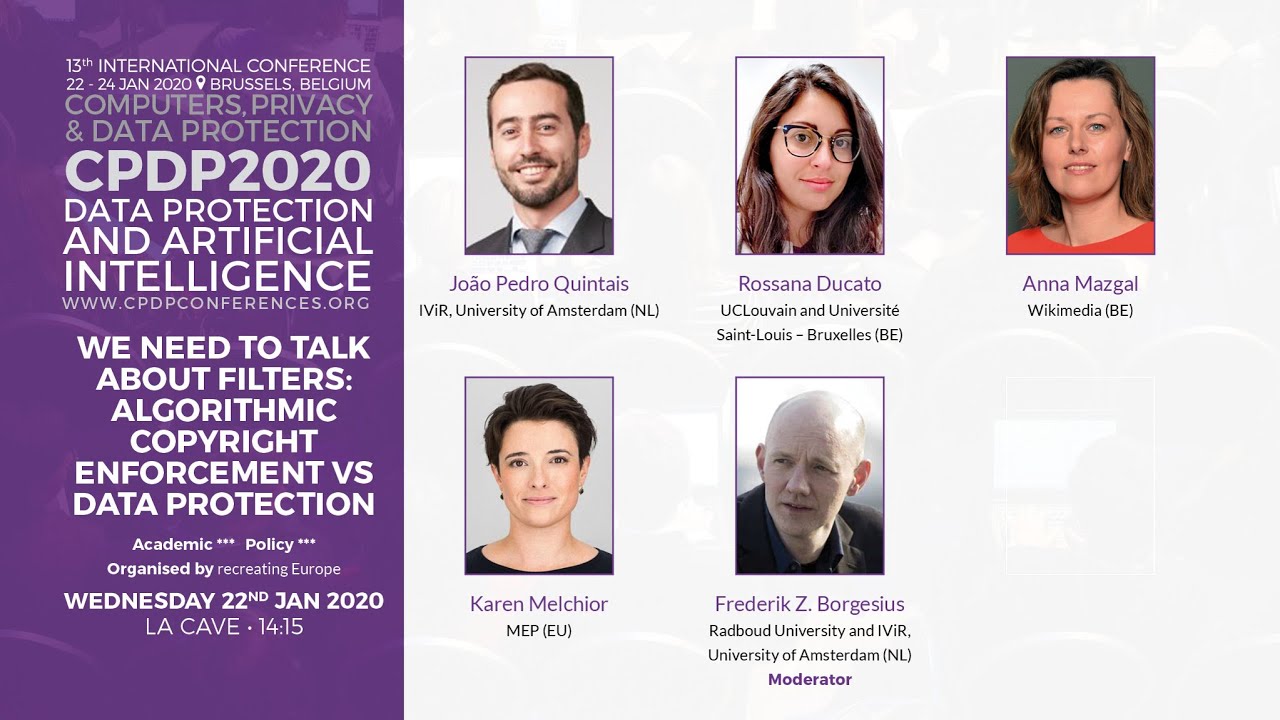
CPDP 2020: We need to talk about filters: algorithmic copyright enforcement vs data protection.
387
Article 17 of the EU Copyright in the Digital Single Market Directive creates a new liability regime for user-generated content platforms, requiring them to either obtain licenses for all user content or implement preventive filtering measures. This shift from reactive notice-and-takedown to proactive filtering creates significant risks to freedom of expression, as automated systems cannot properly assess context-dependent exceptions like parody or quotation, and raises data protection concerns under GDPR regarding automated decision-making and personal data processing. The provision exemplifies how copyright enforcement mechanisms can inadvertently undermine fundamental rights when implemented through algorithmic systems lacking contextual understanding.
Click to watch →
Infovideo #103 Artikel 13/17 ab dem 07.06.2021 und meine aktuelle Meinung dazu
129
Article 17 of the EU Copyright Directive (Digital Services Act) requires online platforms to obtain licenses from copyright holders and be held responsible for copyright violations on their platforms. Key concerns include: (1) The directive applies to all humans who have copyright, making universal licensing impractical; (2) Platforms only provide space for user content, so liability should remain with users; (3) Automated upload filters cannot reliably distinguish between legitimate uses (parody, satire, fair use) and actual violations; (4) The directive may disproportionately benefit major copyright holders while harming smaller creators; (5) Poland has challenged the directive at the European Court of Justice for violating freedom of expression.
Click to watch →

Die digitale Zerstörung der CDU
72K
Article 17 of the EU Copyright Directive requires platforms to test every uploaded content to prevent copyright infringement. According to experts, virtually all content on the internet would be considered illegal under this law because sharing memes, making reactions, or creating let's plays commercially would violate copyright. Platforms must implement upload filters to scan content before publication. This creates significant barriers for new platforms trying to enter the market, as developing compliant filtering systems is extremely expensive and technically challenging. The law was enacted despite massive public protests against its predecessor, Article 13.
Click to watch →

16º Congreso IDP: Rebuilding the EU digital market. Online gatekeepers | UOC
262
Copyright law pioneered platform regulation by addressing dual-use technologies that could be used for both legitimate and illegal purposes. The traditional notice and takedown system required right holders to notify platforms about specific infringing content. The new licensing first model in Article 17 of the DSM Copyright Directive requires right holders to send a single notice with fingerprints to prevent future infringement. The YouTube Peterson case fundamentally changed intermediary liability standards after 20 years of judicial hesitation. A critical question remains about whether ex-ante safeguards (before content blocking) should be introduced by the EU legislature or delegated to member states, with the Digital Rights Ireland case suggesting EU-level responsibility for fundamental rights protection.
Click to watch →
Deutschlands Upload-Filter-Erklärung Punkt für Punkt
98.3K
Article 17 of the EU Copyright Directive (formerly Article 13) establishes platform responsibility for user-generated content. Platforms must ensure that copyrighted content does not appear on their services. This provision is commonly referred to as the 'stay down' requirement, meaning that once copyrighted content is identified and removed, it must not reappear on the platform.
Click to watch →
Deep Dive
Practical risk-mitigation strategies for content creators, such as conducting fair use audits and negotiating commercial sync licenses.

Georgia Harper: Four Ways to Keep it Legal
285
Fair use saves time and money but increases risk because creators cannot be absolutely certain their use qualifies as fair. Strategies to reduce fair use risk include limiting reliance to small parts of works, limiting fair use to cases where licensing is impossible, and focusing on transformative uses that add value and repurpose materials for new audiences. Open courseware best practices address two core questions: Is the use transformative? (Are you adding value and repurposing materials for something new or a new audience?) and Is the amount used appropriate for the planned use? Materials behind access restrictions have different fair use characteristics than openly accessible materials. Risk tolerance varies dramatically among individuals and organizations, with no single right answer in copyright risk management.
Click to watch →

ผมโดนคุณสรยุทธ copyright strike
285K
Content creators may remove potentially infringing content to avoid legal complications, even when they believe their use is fair. The speaker removed debate and news reaction content to avoid court proceedings. Live content that is broadcast and removed immediately causes less damage than edited content that remains available. Creators should obtain explicit permission rather than assuming fair use will protect them. This proactive strategy protects creators from uncertainty and potential costs of legal battles.
Click to watch →

Writing for Sync : Pitching Etiquette and Negotiations - Randall Foster
371
In sync licensing, artists should pitch music once and wait patiently for feedback without pestering supervisors, as excessive follow-ups become annoying and damage professional relationships; when negotiating fees, artists without publishing representation should defer to co-writers' publishers for better deals, and understand that Most Favored Nations (MFN) clauses ensure all rights holders receive equal per-song fees regardless of ownership percentage, protecting smaller writers from being underpaid compared to major publishers.
Click to watch →

Managing Music Rights More Effectively
203
To audit music fees, brands should secure past project licenses and compare publishing/master fees against media schedules, checking for fair pricing and option usage. Risk management requires: (1) Aligning licenses with media schedules; (2) Avoiding media plan changes during negotiations; (3) Understanding that rights owners use automated systems to find unlicensed usage; (4) Avoiding three-strikes rule on YouTube; (5) Preventing infringement by not commissioning similar music.
Click to watch →

How to Get Monetized on YouTube (Full Course)
87.2K
A practical checklist for ensuring fair use compliance includes: 1) Always include an original voiceover or script providing educational or entertainment value, 2) Keep individual copyrighted clips under 10 seconds, 3) Interleave stock footage between copyrighted clips, 4) Give credit to original sources in video descriptions when appropriate. Following these guidelines helps protect against copyright claims.
Click to watch →
Content ID
Content ID
0:00- 1
Explains how Content ID matches uploads against a vast database.
- 2
Details automated checks for video and audio ownership claims.
- 3
Highlights system benefits like blocking or monetizing matches.
The Case for Content ID: Scalable Copyright Protection and Platform Viability
While critics argue that YouTube's Content ID system stifles fair use, proponents—including major media companies, record labels, and YouTube itself—view it as a necessary and highly effective tool for managing copyright at an unprecedented scale. With over 500 hours of video uploaded every minute, manual copyright enforcement is functionally impossible. From this perspective, Content ID protects intellectual property from massive piracy losses while shielding YouTube from catastrophic legal liability under the Digital Millennium Copyright Act (DMCA). Furthermore, supporters emphasize that Content ID has fostered a collaborative ecosystem: instead of forcing immediate takedowns, rights holders can choose to monetize user-generated content containing their assets, generating billions of dollars in shared revenue. Without this automated compromise, copyright owners would likely rely on blunt, highly punitive legal measures that could dismantle the creator economy entirely.
Basic principles of copyright law, including the exclusive rights of content creators and what constitutes copyright infringement.
The legal concept of the 'Fair Use' doctrine, particularly the four-factor balancing test used in United States copyright law.
The Digital Millennium Copyright Act (DMCA), specifically the 'safe harbor' provisions that shield online platforms from liability.
An introductory understanding of digital fingerprinting and automated content recognition (ACR) technologies.
The step-by-step mechanics of YouTube's internal dispute resolution, appeal processes, and the legal implications of a copyright strike.
Alternative licensing frameworks, including Creative Commons, public domain, and transactional licensing agreements for digital media.
The broader legal and policy debates surrounding algorithmic copyright enforcement, such as Article 17 of the EU Digital Single Market Directive.
Practical risk-mitigation strategies for content creators, such as conducting fair use audits and negotiating commercial sync licenses.
5.7K views22likes2:12@azeddinelabidi2910Original Release: 2013-04-18
no matter what kind of video creator you are copyright directly impacts the videos you make and the way you use YouTube today millions of people around the world upload their own videos to YouTube they document world events create home movies and make their own independent films and sometimes even though it's against our rules fans pay tribute to a new hit song they love or their favorite movie or TV show by uploading videos to YouTube that use content created by others so how can copyright holders identify these uses of their content on YouTube control them and even take advantage of these new forms of user distribution the answer is Content ID a system we've built that gives copyright holders choices about whether and how their content is shown on YouTube Here's how it works copyright holders give us copies of their audio recordings and videos that they want us to look for on YouTube we call these copies reference files and put these files into a database this database contains over 3 million files from pop songs to full length movies every time you upload a video to YouTube We quickly compare it against every reference file in our entire database looking for a match content ID can identify audio matches video matches partial matches and can even identify a match when one video's quality is worse than the other each time content ID finds a match we do what the copyright holder asks us to do with that video either block it leave it up or even start making money from it with over 24 hours of video uploaded to YouTube Every Minute Content ID Works Around the Clock IT scans over 100 Years of video every day it's like 36,000 people staring without blinking at 36,000 monitors all day every day now copyright management is easy and accessible for everyone artists can let fans reuse their content and fans can create Promotional and business opportunities for their favorite artists making Content ID a true win-win that enables new new forms of creativity and collaboration around the world you can learn more about Content ID by going to youtube.com/ content ID
Up Next

13:30
YouTube Impersonation and Copyright Enforcement: A Legal Analysis
@LegalEagle
861K views•2025-09-23

12:54
Triumph of Orthodoxy Icon: Byzantine Art & History Explained
@BenCallan
2.1K views•2024-08-06

9:49
FastAPI vs Flask vs Django: Choosing the Right Python Web Framework
@TechWithTim
302.5K views•2024-05-26

1:42
Game of Thrones Opening Credits: A Cinematic Analysis
@gameofthrones
46.3M views•2011-04-18
Related Study Plans & Knowledge Roadmaps
Structured learning paths in General & Interdisciplinary Studies
general-studies
Elevator Engineering: History, Physics & Cities
01From Hoists to Safety Brakes: The Dawn of Vertical Lift
02Hydraulic vs. Traction: The Engineering Physics of Elevators
03Modern Speed, Safety, and Algorithms
+ 2 more learning modules
12h5 modules
Explore Roadmap
general-studies
Rubber: Material Science, History & Geopolitics
01Origins of Natural Rubber & Mesoamerican History
02The Chemistry of Natural Rubber & Vulcanization
03The Geopolitics of the Rubber Boom & Colonization
+ 2 more learning modules
12h5 modules
Explore Roadmap
general-studies
Containerization: Evolution, Logistics & Trade
01Ancient Trade & Bulk Cargo: Amphorae to Barrels
02The Industrial Revolution & Cardboard Packaging
03The Containerization Revolution: Malcom McLean
+ 2 more learning modules
12h5 modules
Explore Roadmap
general-studies
Textile Tech: Evolution, Labor & Global Impact
01Pre-Industrial Textiles: Handloom & Cottage Industry
02Mechanization: The Spinning Jenny to the Power Loom
03The Factory System & Global Labor Transformation
+ 2 more learning modules
10h5 modules
Explore Roadmap