




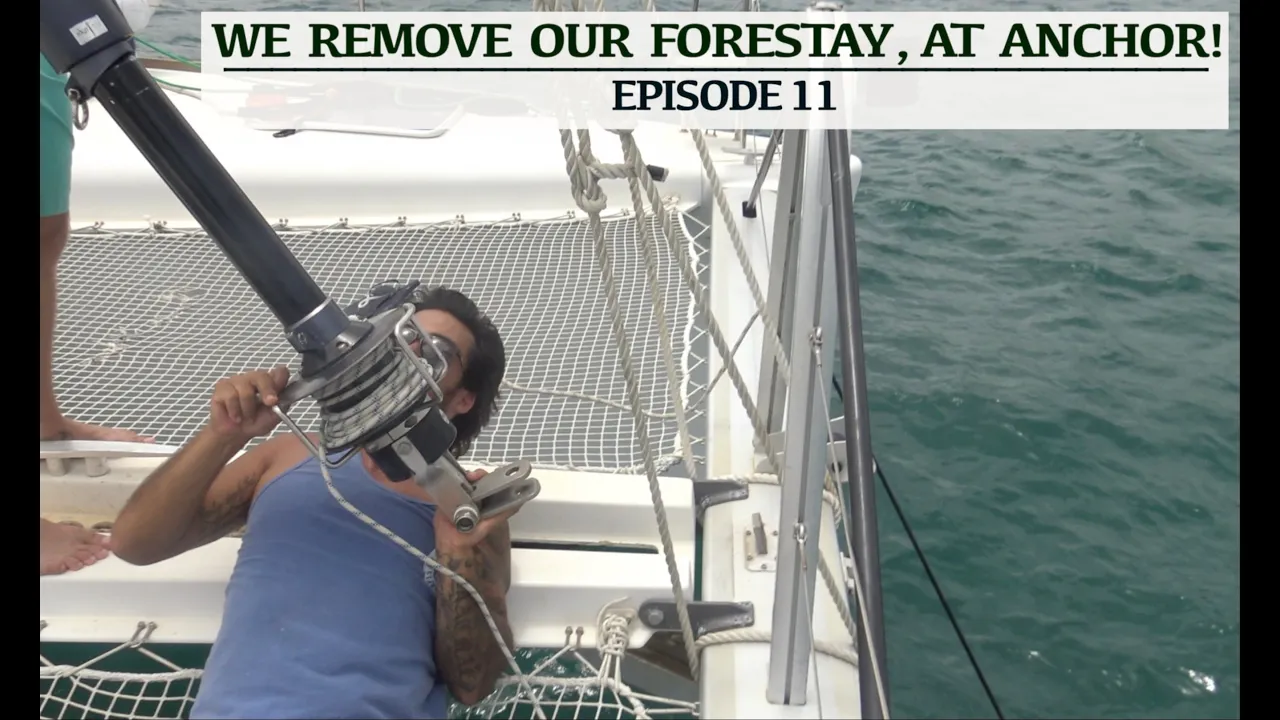













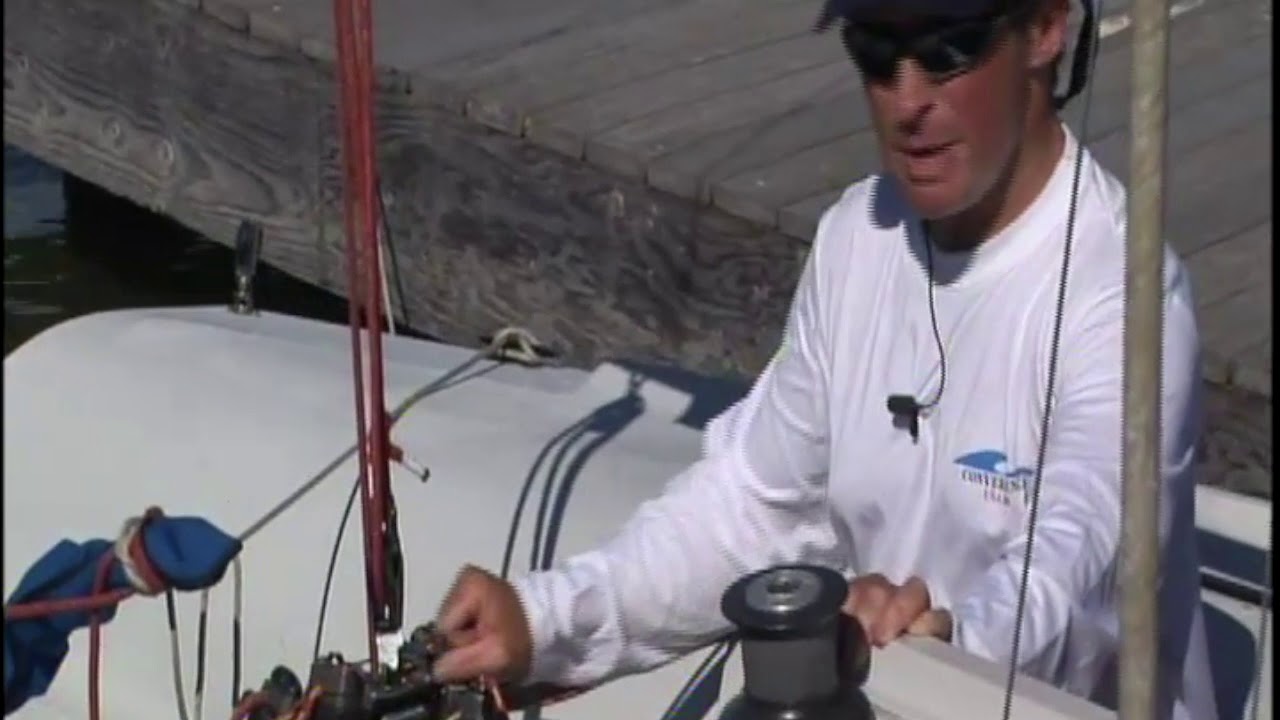



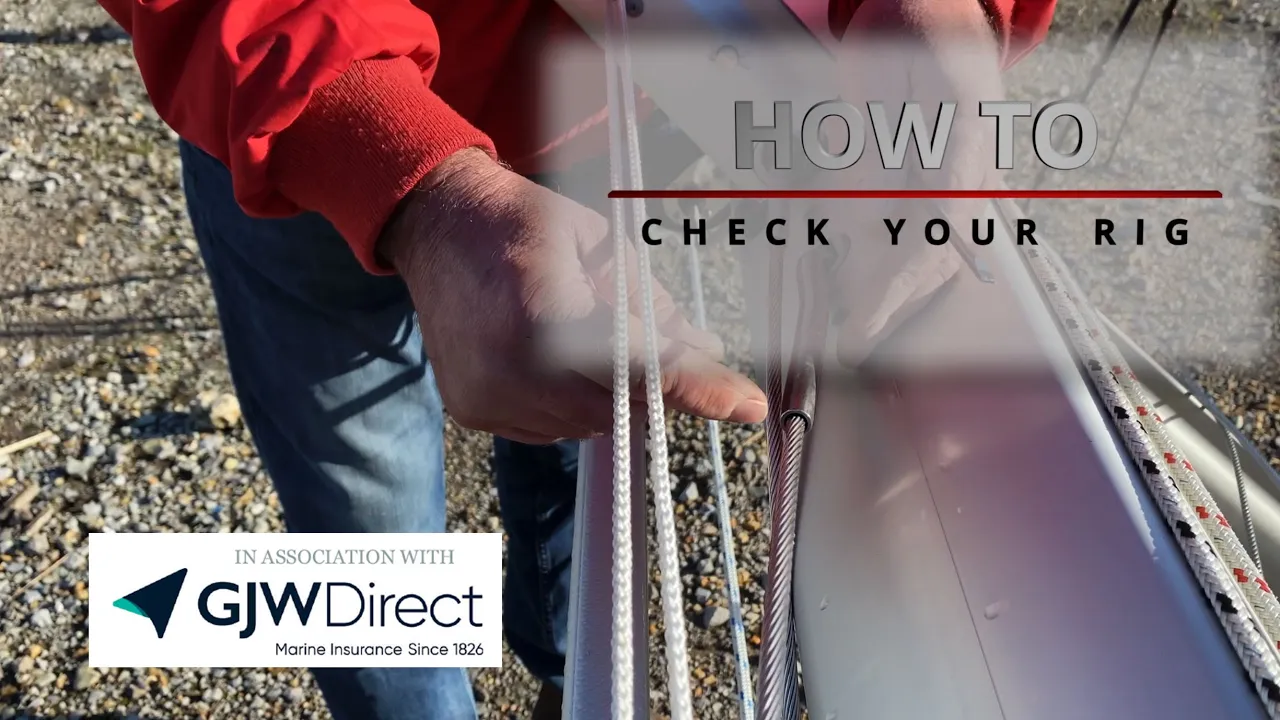



This video demonstrates a cost-effective method for tuning sailboat rigging without expensive tension gauges by using blue tape and a tape measure to achieve proper tension—cables should be stretched approximately 1/8 inch (about 3mm) over a 79-inch span, representing 15% of their breaking strength, allowing cruisers to maintain proper mast alignment and rigging tension using basic tools.
How to Tune Sailboat Rigging Without a Tension Gauge
Added:Understanding basic sailboat rigging anatomy, including identifying stays, shrouds, turnbuckles, chainplates, and spreaders.
The fundamental purpose of rig tensioning, specifically how it affects mast stability, safety, and sail shape.
Basic material science concepts regarding the elastic stretch (elongation) of stainless steel wire rope under load.
Familiarity with turnbuckle operation, including thread orientation, lubrication, and securing mechanisms like cotter pins.
Dynamic rig tuning, which involves observing and adjusting shroud tension and mast straightness while sailing under different loads.
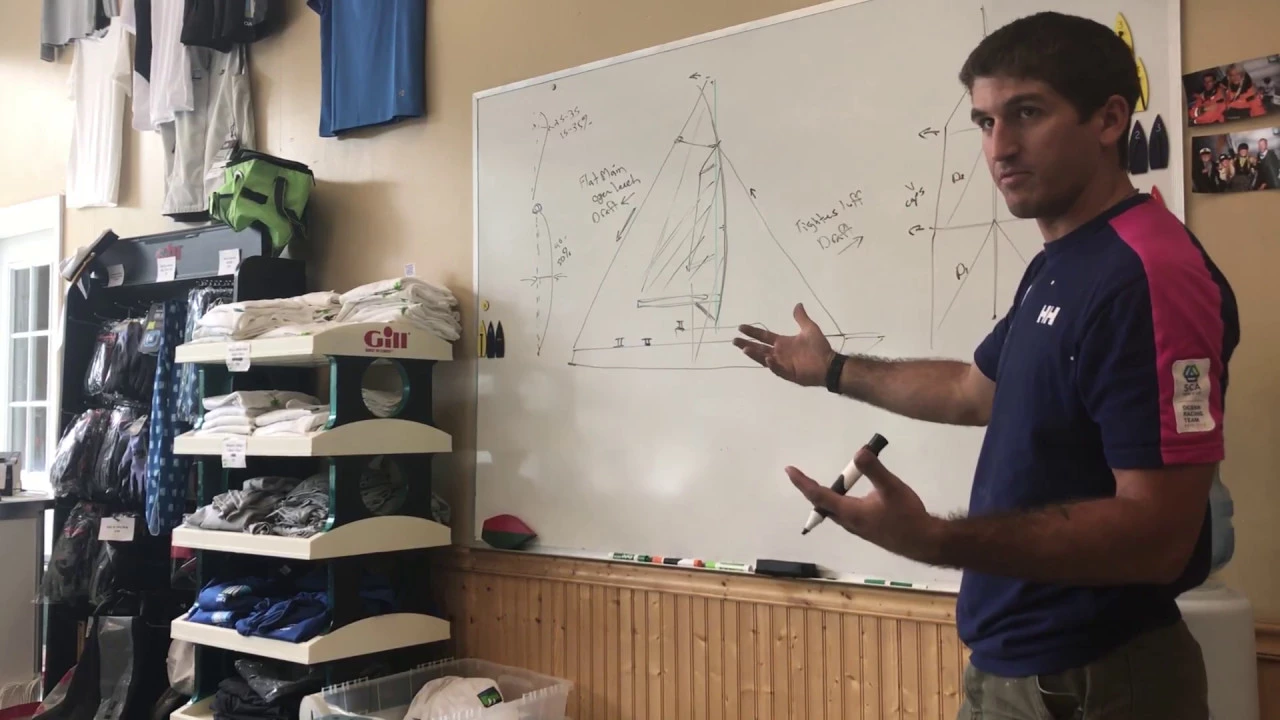
The impact of mast bend and forestay sag on sail trim, specifically how it alters sail draft and boat performance.
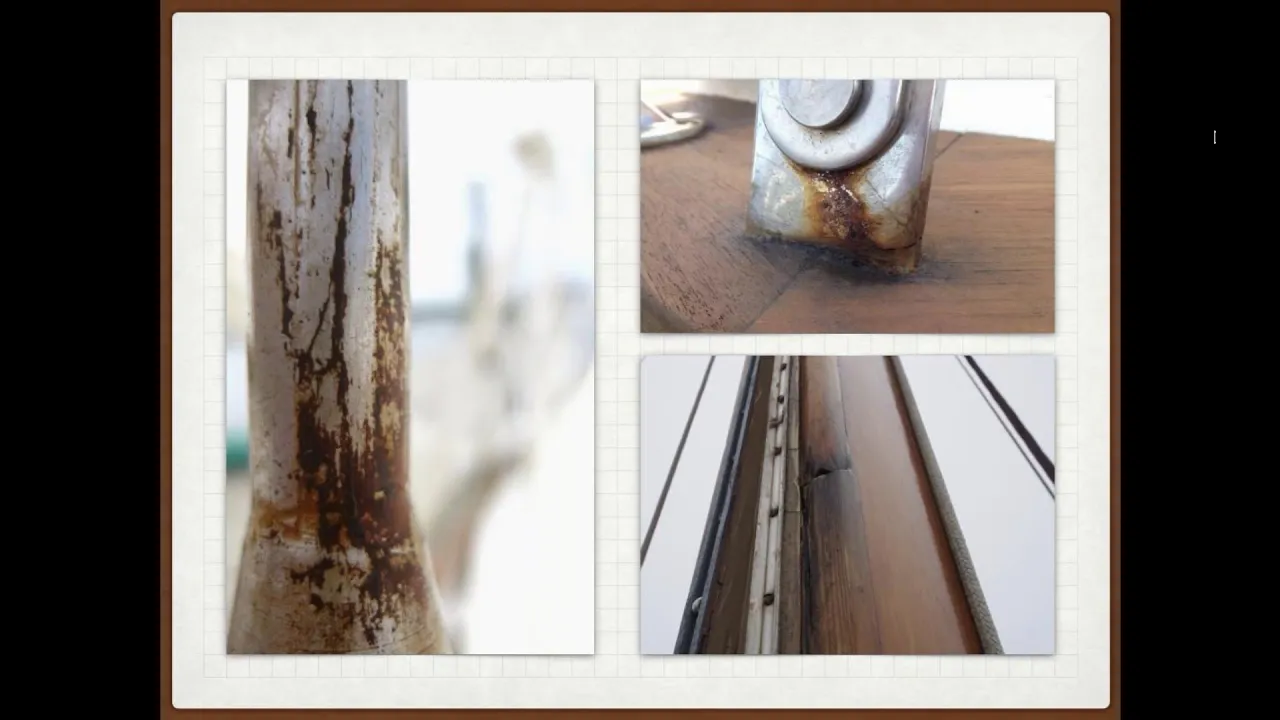
Comprehensive rigging inspection techniques to detect signs of wear, fatigue, fish-hooks, and crevice corrosion.
Using professional tension measurement tools, such as a Loos Gauge, to calibrate rigging for high-performance racing standards.
39.3K views1.2Klikes6:25Original Release: 2018-05-19
today I need to do a little project I need to get my rigging tuned up I was able to find a loose tension gauge and the one that I need for my boat is like 300 bucks not going to do it I found a technique to tune the rigging without the fancy [Music] gauge today I need to do a little project I need to get this uh my rigging tuned up since I wrestled that that turnbuckle off and got the new one back on which is a pain in the butt it had gotten um probably some salt in there and some corrosion and it seized up and it wasn't moving um I was a little worried I'd have to replace the whole piece of rigging but fortunately just got the propane torch out got that thing loose I had to loosen all my rigging and everything's all messed up and nothing's really tuned up and so now I need to tune it um here in bootkey Harbor they got a great Cruisers net and I was able to find a loose tension gauge unfortunately um my rigging is pretty big the tension gauge that they had is too small um and the one that I need for my boat for Satori is like 300 bucks not going to do it I'm not a racer I don't need this thing tuned all the time I just need it you know pretty close for cruising sake so I did a little research and I found a technique to tune the rigging without the fancy uh loose gauge I'm going to take some blue tape and uh a good tape measure and the idea is that these cables should be set at a tension that's 15% of their uh braking strength for every 5% tension on these on the cables they should stretch 1 mm every 2 m I'm going to make a mark up and down on a slack cable 79 in apart exactly and as I tighten this thing it should stretch up to an eighth of an inch I'm not doing the four stay or the back stay um the only ones I've adjusted are the ones here on the side so those are the only ones I'm focusing on so I'll loosen them all to Slack put the tape Mark 79 in apart on every one of those and uh I'll just slowly switch from one side to the other until they're they're tighten and uh make sure the Mast stays exactly straight at least I'll eyeball it and I think that'll be good enough for what we're doing the first step is to loosen the turnbuckle until the Shroud is loose and completely free of tension make sure you only do this on a calm day do this to all of the shrouds requiring adjustment [Music] make a mark about 7 ft above the turnbuckle on each shroud use a zip tie as a convenient stop for the tape [Music] measurer using a tape measure place a piece of tape 79 in below the zip tie if you can this is probably a good time to get a friend to help do this to all the shrouds requiring adjustment starting with the lower shrouds slowly tighten the turnbuckle after a few full turns check your measurement after each set of matching shrouds are adjusted make a visual check of the M make any necessary adjustments to keep the M centered and straight continue to do the same for the remaining shrouds working your way from the lower to the upper shrouds do a second round of adjustments until your measurement increases by an eighth of an inch make a final visual check of the Mask make any necessary adjustments to keep the MK centered and straight congratulations you now have a well tuned rig now this probably isn't as accurate as some Racers might want but I think for our purposes as Cruisers just to make sure that the tension is right and for someone who doesn't really know um how it should feel tension wise um this at least gives me an idea of what I should expect so um without any special fancy tools available at the time I think this is a great way to get your uh rigging tuned up or at least really close close enough for cruising purpos and um yeah and it's cheap easy and pretty quick so um thanks guys for watching I hope this helps out I hope this helps somebody out there all right guys keep cruising keep sailing but I must try to figure it out alone yeah I must try to figure it out alone and now ooh When You're Gone ooh I know things won't be the same no more I'm sure it'll take a while cuz I'm still s and now ooh When You're Gone ooh I know
Up Next

17:58
Recreating Thomas Edison's Carbon Filament Light Bulb: A Technical Exploration
@Nighthawkinlight
503.1K views•2020-03-27

48:00
Clean Water, Green Concrete & Nickel from Plants: Sustainable Inventions Explained
@business
94.3K views•2025-11-06

54:16
Polymer Environmental Degradation: Mechanisms & Stabilization
@iit
1.8K views•2012-07-10
33:39
How a Student's Question Saved a NYC Skyscraper from Collapse
@veritasium
22.8M views•2025-04-26
Related Study Plans & Knowledge Roadmaps
Structured learning paths in Engineering
engineering
Building Acoustic Levitators: Physics & Arduino
01The Physics of Sound and Standing Waves
02Piezoelectric Transducers and H-Bridge Drivers
03Arduino Programming: Generating 40 kHz Signals
+ 2 more learning modules
14h5 modules
Explore Roadmap
engineering
Building Peltier Cloud Chambers: Particle Tracks
01Cosmic Rays & Cloud Chamber Physics
02Thermoelectric Cooling (TEC) Fundamentals
03Custom Liquid-Cooling Loop Design
+ 2 more learning modules
18h5 modules
Explore Roadmap
engineering
Yagi-Uda Antennas: Modeling, Build & VNA Test
01Introduction to RF and Antenna Fundamentals
02Yagi-Uda Antenna Design Principles
03Antenna Modeling and Simulation in 4NEC2
+ 2 more learning modules
18h5 modules
Explore Roadmap
engineering
ECG Monitor Design: Op-Amps, Filters & Noise
01Electronics & Breadboard Basics
02Op-Amps and Instrumentation Amplifiers
03Bioelectricity and ECG Fundamentals
+ 2 more learning modules
18h5 modules
Explore Roadmap