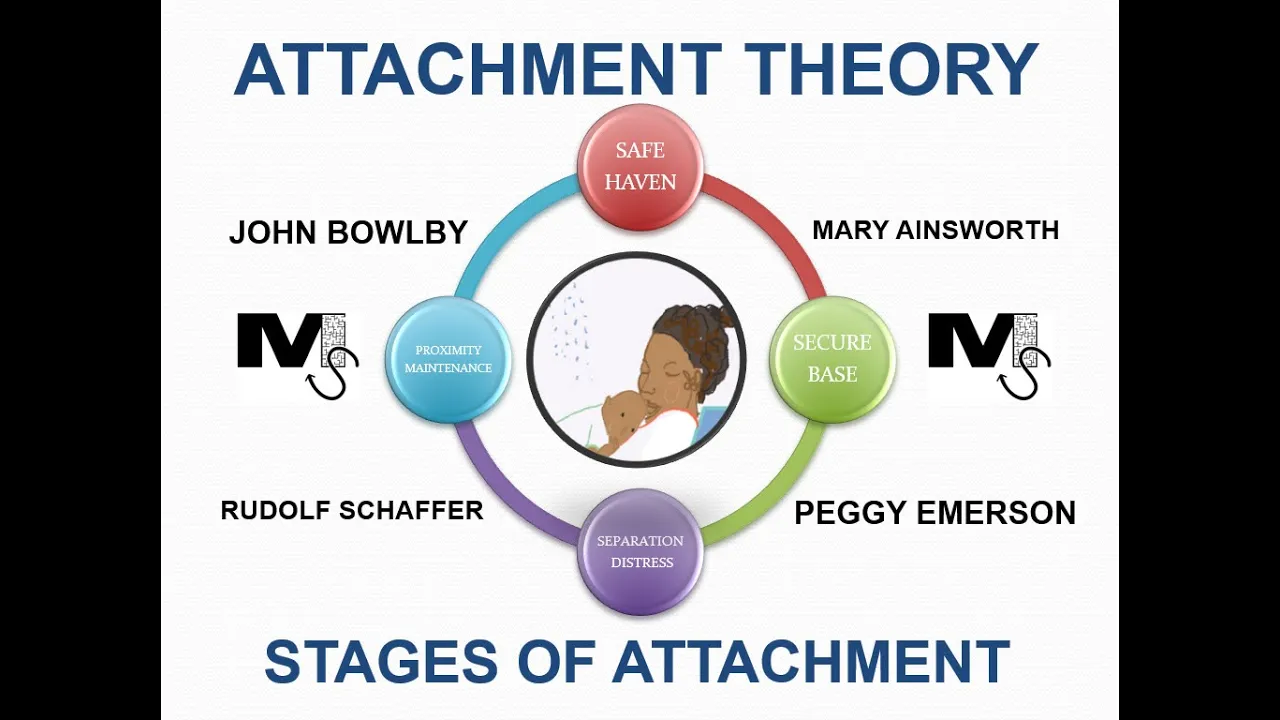



















Secure attachment in children is built through the Four S's framework: Safe (physically and emotionally protecting children, especially when parents are out of control), Seen (tuning into children's internal experience and understanding what's behind their behavior), Soothed (comforting and co-regulating children when they're upset), and Secure (developing trust that parents will show up even at children's worst moments). This framework serves as a 'north star' for parenting decisions, helping children develop secure attachment which is the best foundation for mental health, resilience, academic success, and social-emotional intelligence. The key insight is that history is not destiny—parents who reflect on their own attachment experiences and make sense of them can provide secure attachment regardless of their childhood experiences.
Dr. Tina Payne Bryson: Attachment Science & Parenting Strategies
Added:Hey PCP listeners. Okay, stop what you're doing. Unless you're wrangling a toddler, in which case, keep wrangling.
But listen closely because something very exciting is coming to Sydney this November. Guiding Growing Minds, the social enterprise behind the podcast, is hosting a brand new parenting workshop called 10 Things You Wish You Knew About Parenting. And guess who's leading the event on the day? That's right, Dr. Billy Garvey. Billy will be live and in the flesh for a full day of evidence-based parenting wisdom. Lots of heart, probably a few aha moments. It's all happening on Saturday the 15th of November and limited to 50 places only.
This is what you can expect. A full day with Dr. Billy. Yep, with Billy. Plus two online follow-up sessions to keep the momentum going. A guest appearance from the brilliant Dr. Charlotte Keating, a clinical psychologist with a PhD in neuroscience who brings deep expertise in child and adolescent mental health. live Q&A, plenty of breaks, and a chance to ask questions that matter most. And a whole lot of coffee, catering, and parenting goodness. Now, here's the kicker. Your tickets help fund Guide and Growing Minds Impact Series, which brings free workshops to communities that need the most. It is Parenting with Purpose, and we love that. Whether you're dealing with big emotions, trickery behavior, or just want to feel more confident in your parenting game, this workshop's for you.
But, and this is important, it's a one-time event. No touring, no streaming. So, if you're not in Sydney, maybe it's time for a little parenting retreat. And if you sign up before October 15, you will get a say in shaping the content. How cool is that?
Head to the workshop and events page on Guiding Growing Minds website for all the details. Hi everyone, it's Billy here just on my own. Unfortunately, Dr. Nick is not with me in uh Santa Monica, but I've been having an amazing time over here and I have a special treat. an episode was due. So, I really wanted to make sure there's something out there for pop culture parenting and possibly found the best possible replacement for Dr. Nick, the phenomenal Dr. Tina Payne Bryson. I've known her for years. She's an amazing human. She's an amazing expert in this field. You're going to hear this wonderful discussion where she translates her own evidence, the broader evidence around attachment, interpersonal neurobiology, trauma, neurodiversity, our own mental health into practical strategies to support our kids. I hope you enjoy it. I really loved it. Um, I think it's an amazing conversation that really helped heal me.
You'll hear that in it. Um, and I'm really looking forward to being back in Australia. Going to jump in the Pacific, then go to New York, and then I'll be back. I'll see you all soon. Bye.
>> Hi, I'm Billy, a developmental pediatrician. And I'm Nick, a developing parent. We're going to use scenes from iconic movies to talk about how we best support our kids.
This is pop culture parenting.
>> Hey, let your mother smell that on your breath. She'll take it out on me.
>> I don't want to see you again for the rest of my life. I don't want to see anybody else either.
Who is your daddy and what does he do?
>> Trust you is your best judgment. We trust you.
>> Tina, it is amazing to have you here.
Um, pop culture parenting community will know that we normally have a rule of no guests, but it is a amazing thing to break that rule.
>> I love breaking the rule.
>> Yeah, it's true. So, so >> I'm a rule follower. So, this is very exciting for Yeah, I'm I'm not a real follower, so this is not new territory for me. But um it's amazing that you actually have listened to a bit of pop culture parenting.
>> I love pop culture. I love especially like watching like I follow on Instagram to get the clips and stuff too. It's like such a bright spot. You guys are doing something amazing. I love it so much.
>> Yeah. Thank you, Tina. And you've been I'll talk about it in a second. You've been an amazing supporter for me for some time and >> I'm a big fan.
>> So, thank you. Thank you. I've been massive fan of yours and yeah, Nick, beautiful Nick is obviously irreplaceable, but it's amazing to spend a bit of time with you now. And I guess yeah, two things I'd like to start with.
One is you won't say this, but I will. A lot of people in the mental health space >> um might be different on a microphone in front of a camera than they are in real life. And it might be interesting for people to hear about how I connected with you. I was over here a couple of years ago and you very kindly despite how busy you were were happy to catch up for a coffee >> but it happened to be in the afternoon and I remember that moment where you were like coffee or >> happy hour >> happy hour cocktail and it became a cocktail and then we hung out for ages and had dinner together.
>> Yeah. My husband joined us.
>> Scott came. Beautiful Scott came. So it was this amazing very generous uh thing for you to do and then you connected me with amazing people like that.
>> We became friends that evening.
>> Yeah. So it was really nice. Um, so you are like that off um off the mics or outside of video. And also um another personal thing actually, so maybe there's three things is you also have three kids. I do.
>> So, but they're at the other end of mine.
>> Yes. I just took the baby off to university a few weeks ago. But yes, my boys are 21 uh 25, 21, and or 22 now actually, and 19.
>> Yeah. Amazing. Three boys.
>> They're uh raised.
>> They're raised.
their brains are so 25 30 year old rule thing. I feel like I was even later in that. Um >> I try I'm trying to move, you know, and lots of people you say this so I I don't know who exactly to give credit to because lots of people have have coined this. Um but the idea of moving from manager to coach to consultant >> amazing. So, yeah, you got additional steps.
>> One, I'm still coaching a little, but I'm I'm mostly uh moving into consultant. And my husband read this in a in a book. Um, but it basically said when you have kids who are young adults, you should leave the welcome mat out and close your mouth.
>> Oh, okay. Yeah. And I think there's, >> you know, that that idea of listen that's too far for me. I I definitely want to say things. So, I I definitely do a little bit of consulting here and there.
>> Yeah. Okay. Beautiful. And um and then professionally like it's be shocked if anyone didn't know but um yeah your background is quite interesting. You come from actually a social work background a really phenomenal important profession in our communities.
>> Um you did your PhD in kind of attachment interpersonal neurobiology which we'll talk about.
>> I think my first connection of knowing you was the whole brainchild. So you've written in a number of New York bestsellers, but maybe 15 years ago, The Whole Brain Child.
>> Yes. In fact, it is this week, I believe, or next week having its 13th anniversary.
>> Amazing.
>> Yeah.
>> Yeah. That's really cool.
>> Or 14th, something like that. It came out right after I turned 40. And I just turned 54. So I guess it's turning 14 this this month.
>> Wow.
>> Yeah.
>> And you maybe written six other books.
>> I So five others. Um, so after Wholebrain Child, we did No Drama Discipline, which the first four books I wrote with Dan Eagle. So, Whole Brain Child, No Drama Discipline, The Yes Brain, >> and The Power of Showing Up, which is all about attachment. Yeah.
>> And then I wrote a book on my own called The Bottom Line for Baby, which is all about the most competing advice we get the first year of life. It's done alphabetically, so you can just turn to pacifiers or co-sleeping or whatever, and it breaks down what does the science say and what's the bottom line for your family. Um, and spoiler alert, the book's thesis is basically do what works best for your family. And, um, trust yourself and trust your baby. That's kind of the bottom line for that book.
Um, and then I wrote a book that came out last year with Georgie Wasen Vincent called The Way of Play. And she's an incredible play therapist who has worked with me for a long time at my clinical um, practice called the Center for Connection. And so that book is about we know kids need um free play. They need to be out in nature and playing and and child led. Um and then there's also really adult-directed things like sports or playing board games or things like that. But this book is about playing with our kids and how do we actually do that in ways that build relationship and build skills while still letting our kids take the lead and make it fun.
>> Yeah. Which is Yeah. I feel like you because of how humble you are. The book that book is a beautiful kind of really practical guide of how to actually do it. And I think >> even with all of my training and experience, I still read it and was like, >> "Ah, yeah, with my own kids, I need to do things like get out of the way."
>> Yeah.
>> Um, >> not make too didactic, not over teach. I wish I had written it way earlier cuz I would have been a much better playmate um, and a better mom if I had known what I knew then, you And you talk about not to because I want to park a lot of the play strong stuff which people will find out soon enough what that is. Um but we we're not which is I think a general um theme of a lot of your work is that we're not >> we've lost this part of ourselves this kind of connection. You know, Dan, we were talking about how when I caught up with him recently, he was saying he doesn't like the word self because he's like, "We're all connected." And um >> I think there is a beautiful thing in your work that is the antidote to how a lot of us are feeling at the moment about loneliness and being isolated and how do I actually support my kid? What does it actually look like to take this high level attachment theory or interpersonal neurobiology? You know, you have this amazing approach to it.
So, I'm I'm really excited to talk about some of those in greater detail. And then before we get into the depth of it, you also do something really beautiful that I want to emulate in um the Center for Connection, which is based here in beautiful Pasadena.
>> We also have a Santa Barbara location.
>> Amazing. I didn't know that.
>> Yeah, we're really excited about that one, too.
>> And the cool thing about that is it's this real multid-disiplinary approach, isn't it? which is I think a lot of places are trying to do that. But you have this beautiful way of centering around a family but also coming in with all this expertise that really collaborates and and mixes beautifully to support families and the kids they care about.
>> Yeah. And I think you know in the no drama discipline we talk a lot about >> being curious and peeling the layers back to find out like where is the dysregulation coming from? Where is the behavioral challenge? Like the behavioral challenges are symptoms. So what's really underneath that? And as a trained mental health professional, there were I had like this big case load and I was like, I feel like there's something else going on here and maybe mental health isn't even the right thing, but I don't know what other questions to ask besides from my lens.
And so as I started working with occupational therapists and speech and language therapists and neurosychologists, they helped me ask better questions to peel the layers back. Like if I had a kid who had a particular behavior and I was like, well, it seems like anxiety um so I can teach them some strategies to manage anxiety, you know, with their, you know, bottom up and top down, upstairs brain and downstairs brain like we talk about in whole brain child. But it might be that there's a sensory processing challenge, which is why their nervous systems in these really highly reactive states and they'd be better served by working with an occupational therapist or something. So, it really is a way of looking at the whole child and really looking at the whole system. And you know, sometimes parents are really seeking a diagnosis.
>> Um, and if that's appropriate, then we can do that. It helps us understand. But sometimes it's not a diagnosis. it's really much more about connection and attachment.
>> Um, but a diagnosis might feel better to a parent because then it's something that's not something they have to work on or you know some of sometimes um it's really you you have to look >> not just at does this kid meet diagnostic criteria that's important but we really want to look at the whole child and the whole system.
>> Yeah. Which is beautiful. And I wonder if that's a good place to go to a bit more depth of like I wonder if you know how cuz it is so beautifully translated in the whole brain child but this idea of top down like or bottom up and kind of what that actually looks like cuz I think it's applicable for little bubs but also for teens you know.
>> Oh yeah. And for parents.
>> Yes. Yeah. And for parents and for us and our own relationship.
>> It's really I'll start I'll start with a story in in talking about it. So, I had um I had the parents of a teenager reach out to me. Their daughter had been um in therapy for a year, and the therapist was very skilled, but she was um her whole focus was cognitive behavioral therapy. It was a CBT approach, which is a very valuable tool, very evidence-based. Um but she was suffering from panic attacks and they were primarily triggered um about going to school. She had had some bullying and some social kinds of things. So her nervous system to protect her wired to say that's a dangerous place. So if we're even getting close to pulling up near the school, she started to have panic. So she was working with this therapist and she was able to use all the tools and strategies which are very much higher order brain. So right like we'll do the hand model from the whole brainchild, right? So brain stem limbic um and then cortex. It would sit in our head like this and our prefrontal cortex is kind of where my fingernails would be. So when we're in an integrated state and we're in a regulated state, we have access to our whole brain. So that's where cognitive behavioral strategies work really well. You're like, "Oh, okay. I know that girl's not even going to be here today and I actually have a teacher I can go to if I need to go, you know." So you have all these strategies and all these I talk with little kids. I say this is the part of our brain that helps us make calm, kind choices and be a problem solver. But when our emotions get really overwhelming or there's a threat cue, we flip our lids and we don't have access to that part of our brain. And so it's hard to be a problem solver and it's hard to make calm, kind choices. So what had happened though is that she could use all those strategies except in the moment when she started to h be flooded with panic.
>> She couldn't access those tools and she actually started getting really depressed because she was like, I've been in therapy for a year and it's still not helping me. So I must not be able to be helped. So I did some basic psycho education with her about the upstairs brain. This higher, you know, higher um level of processing that allows us to problem solve and to regulate our bodies and regulate our emotions um to think through all of our options, to make good choices, executive function, like many many things are there um as you know. Um but when we're in highly emotional states or we have an impulse to do something which is highly likely especially in early childhood we have an impulse to do something we have bigger emotions we get more easily overwhelmed because this upstairs brain this top down processing the top part of our brain is not fully developed yet. So we're vulnerable to flipping our lids.
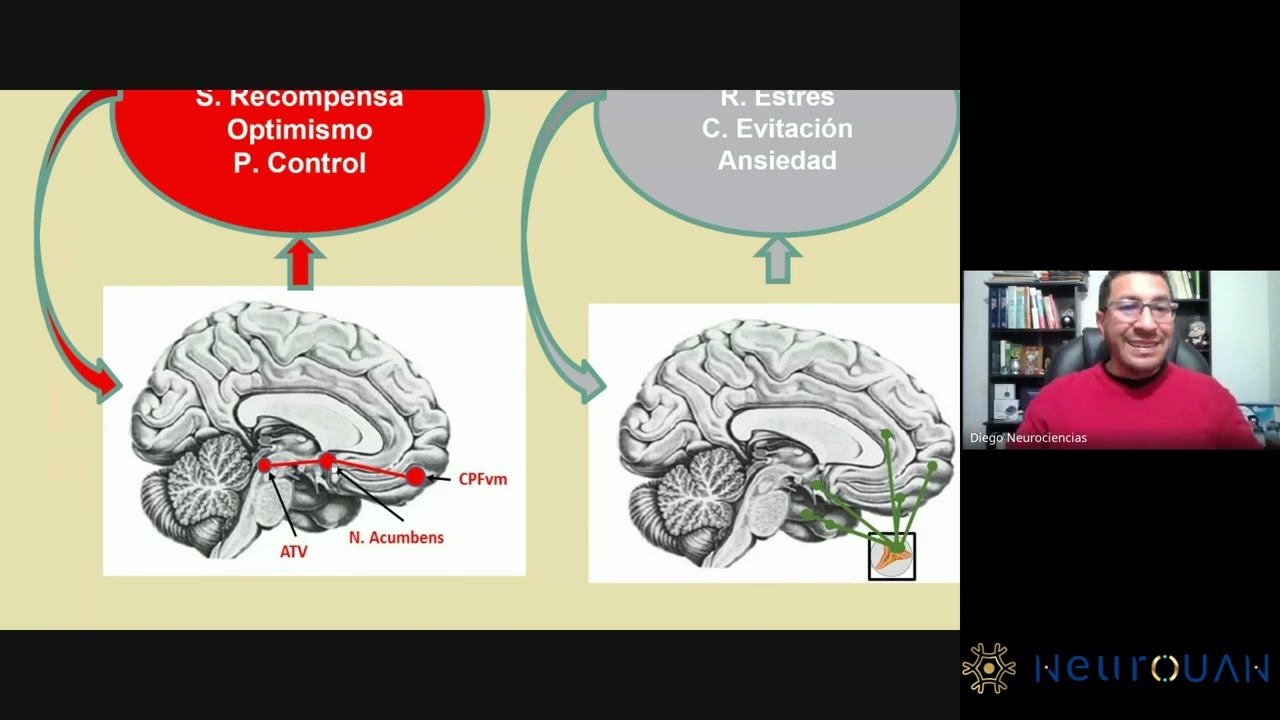
So in those cases and what I did with her was say we need so top down strategies would be like saying oh like I need to I'm noticing I'm feeling really stressed right now. I'm noticing I'm starting to feel really anxious. I'm going to walk outside. I'm going to take some deep breaths. That's a topdown mode of processing that I'm doing right there. But we also need bottom up or Mona Delahoo calls it body up strategies which is much more really our sensory system um the way we breathe the way we posture um and information coming up into our brain stem and limbic area um which is much faster to process information than the higher structures.
And in those cases that's where we really can like shift our breathing. We can provide some sensory input like listening to birds singing or um humming or singing ourselves um doing the way we posture our bodies. All kinds of things that we can do that actually change us from what's happening more bottom up quicker processing and this is actually a lot more of what kids need when we talk about co-regulation.
>> Yeah. And you know, people use the term regulation, co-regulation all the time.
And my favorite definition comes from Dan Seagull, which is to regulate something is the ability to monitor and modify. So if I'm talking about body temperature regulation, >> yeah, >> I wouldn't have to go, okay, I'm noticing I'm feeling warm, I'm going to, you know, take off my jacket or I'm feeling chilly, I'm going to put on a wrap. So I would have to monitor or notice something that needs to be shifted and then modify it. And that's really what regulation is emotionally monitoring and modifying. Monitoring is top down. It's it's that that you know upstairs brain that has to pay attention and notice.
>> Yeah.
>> And so then we can modify using top down strategies, but we also have these bodybased more bottomup strategies that are incredibly helpful particularly when we're not accessing that part. So then co-regulation would be the ability to monitor. Like let's say you're my little and I'm noticing you're feeling embarrassed or you're starting to whine, which is the slippery slope to bigger dysregulation. It means you need connection. It means you're having a hard time navigating the situation in your fully regulated state. So to me, that's like we hate whining. Whining is annoying to parents. I understand. But it's also a really valuable like little flag your child is waving to say it's going to get worse if you don't deal with this. It's like this moment. So, your kids's whining or maybe they're having a full meltdown and they're screaming at you and having a total meltdown.
Wherever they are in that space, my job as a co-regulator to get them back into this regulated state is to monitor or notice what what's happening, what their internal experience is, and then help them modify it. Help them say like, "That really frightened you. That was really a scary noise. And and did you notice your body jumped? um I'm right here with you while you you know while you're feeling afraid. So we or we say what do you need or how can I help or and those are top down ways and then bottom up ways would be >> to provide a hug to pull in close >> to change our breathing in a way that they can see or hear or feel it so that it shifts their breathing that calms down their system. Um it might be going outside and moving their bodies. There might be all kinds of things, but this is really what we're talking about when we're talking about top down and bottom up. Ultimately, it's truly about regulation.
>> Yeah.
>> And bringing those together.
>> Yeah. It's such a beautiful descriptor and um have to shout out the wonderful Mona and that idea.
>> The wonderful Dr. Mona Delahood.
>> Yeah. So, he's amazing. Um, and I I think it pairs beautifully with this idea of how we support the sensory needs of neurody divergent kids as well because I wonder, you know, that idea, you know, cuz a lot of environments say you have to sit still.
>> This is what >> or you have to make eye contact.
>> Yeah. Or that you need to talk to me to tell me that you're struggling with something.
>> Use your words.
>> Yeah. Yeah. Things like that. Or listen to my words. I've said I'm saying it louder. Or, you know, I've said it six times now. you need to do it because I you know you didn't listen to the first five but now I'll say it a sixth time and it'll work louder.
>> Yeah. Yeah. Louder and more sternly.
>> But there's this nice thing that's happened um mainly because of neurode divergent families I believe about saying no no my kids needs or my individual needs are different and that idea of trying to figure out the child that you care about what their sensory needs are and what calms them. My I don't know about your three but you know my daughter a vet her sensory needs are very different to my sons and it's and it will change with time as well of course >> but it's a beautiful thing to think about about how do you move away from that top down language approach >> to what does your body need right now to find that calm >> it's huge and and we say the silliest things when you really understand what you're talking about whether a kid is neurode divergent or neurotypical um that we say things like like a kid is melting down or they're upset and we we we're like calm down.
>> Okay, that's not helpful at all. Um >> and or we say use your words >> or you know we say those kinds of things and if they are in a really distraugh state they cannot do that. They cannot calm down in that moment right quickly.
They can't use their words. They're they're really not able to even access you know the logical language parts of their brain. And I wonder if you think about the what I think is probably worse than use your words or calm down, which is the threat.
>> Yes.
>> If you don't stop now, >> you know, and I fall into that trap all the time. And I >> basically like adding lighter fluid onto the fire anyway, right? Because then you're adding more, you're explicitly adding threat in.
>> And so they're already their brains are already, you know, if you think about the brain and the nervous system is either in a receptive regulated state or in a reactive state. and you throw more threat in. If you don't stop that right now, or you know, if you don't stop crying, you're not getting any bedtime stories. Well, okay, now we're all going to have a terrible night. You know, it's not helpful. And it just adds threat adds explicit threats around behavior, add more threat um signaling to the whole nervous system, which makes them do more of the fight, flight, freeze stuff.
>> Yeah. which probably segus beautifully into um you know that's such an amazing description about how we support the needs and what co-regulation actually is.
>> Yeah.
>> But in a bigger scale this idea of secure attachment and how we build it and this idea of like attachment being a almost subconscious belief system we have about relationships and how safe the world is and how valued we are and >> how much it moves through life. But I wonder if if in your mind you see the repetitive not always but you know a lot of the time the repetitive behaviors where we do succeed in those moments >> of going towards kids as being something that strengthens and secures our attachment with them.
>> Yeah.
>> Um >> I love the attachment science because it's so hopeful.
>> And it's hopeful in many ways. Number one, history is not destiny. And I mean that in two ways. One is the science is really clear that regardless of how we were raised, regardless of what our attachment kind of working models are, how our brains have been wired for what to expect in relationships, um the single biggest predictor for how well we're able to provide secure attachment to our kids is not whether or not we had it, but rather if we've come to make sense of it and reflected on it and and looked at what we needed from our parents and didn't get and and and so instead of running from our past and not looking at it or instead of getting flooded with it all the time where we're preoccupied with it. It's actually called uh free and autonomous attachment in adulthood where we're free to look at the past. We're free to experience our emotions, but we don't run from them. We don't get flooded by them. And the the biggest predictor is whe is whether or not we have a coherent narrative. We've looked at it. We've, you know, made sense of it. So, that's huge. I love that. But I So, history is not destiny in that we didn't have to have had it in order to provide it. And I love that.
The second way I mean that is attachment patterns like every other repeated experience get wired in our brains, right? And so it's it's actually repeated relational experiences that determine how our brains wire for attachment. Which means when we change what the um repeated experiences, we can change the wiring. So I mean that in like no matter how you parented today or this week or this month or this year or since your kid was born, you can make a shift now. And you don't have to be perfect um to start moving towards cultivating that secure attachment. And the reason that's so crucial is because one of the best predictors for how well kids turn out on everything we measure them on based on longitudinal cross-cultural research is that they've had this secure attachment with at least one person.
>> And the attachment literature also says that we can mess up all the time as parents as long as we repair.
>> Right? And so that's also very helpful.
I like that a lot. So, what Dan and I did in the Power of Showing Up book was to say the best way we can help our children have fertile soil for the seeds of mental health to be grown in is secure attachment. If you want your kid to be mentally healthy, if you want them to be um resilient, if you want them to have great um success academically, whatever that means for them, and socially and emotionally have intelligence, like all the things we want for our children, when you make a list of those things, those are best cultivated in secure attachment. So, what we did in Power of Showing Up is to say, okay, so how do we do that? What does that mean when your kid won't get out of the bathtub? What does that mean when your teenager has made a really risky choice that you found out about?
Like what does that mean in the like hard everyday struggles of the everyday activities of living as parents and also when your kids or you mess up? So we talk about the four S's uh which are helping our kids feel safe and that of course means physically keeping them safe as mammals. That's our drive to help us stay alive is that when we are in danger or there's a threat or we are in distress in some way to go to our attachment figure to help us stay alive.
That's the purpose of attachment which is why it's an innate drive for all of us as mammals. So, we want to protect them physically, obviously, emotionally, helping them feel safe. But it also means that when we violate their felt sense of safety, like we just screamed at our sister on the phone or we've yelled at our kids or what, so directed at our kids or not, that when we are out of control ourselves, that gives them a sense like she's not even in control of herself. How's she going to keep me safe? So, it does violate this, but then we just make the repair, right? So, that that's how we help build this resilience there. So safe is the first one seen >> and that's really I think a very hard thing to do without practice but then it becomes your natural thing and that's tuning into their internal experience.
So it's the mind behind the behavior.
>> So your kids pouting about something and it's so easy to be like stop pouting.
You have a good life, you know, and lecture them about I'm I'm doing something nice for you. How what do you mean you're pouting you can't have popcorn? You know, I've taken you to the movies. How could you be pouting? Um but seen requires me to go okay there's a behavior there that I want to kind of think about building a skill around gratitude or you know perspective um around things but in that moment my child's feeling disappointment so I'm going to tune in to so that I respond in a way where their internal experience and their external experience of what they hear matches. So seen is really about Dan's phrase feeling felt being understood. So safe, seen, soothed.
They're having a hard time. We comfort, we nurture, we co-regulate. And most of the time, it's just showing up with a calm enough presence. No matter what you say or do, that's the most important part. And when they have repeated experience of feeling safe and seen and soothed, they develop security, which is where their brain knows to expect. If I have a need, you're going to see it and you're going to show up for me. And even at my absolute worst, you're still going to show up for me. That's it. And so for me as a parent, as a clinician, as a wife, um as a best friend, whatever, um all the roles that I play, there are lots of times I don't know if I've like what do I say here? What do I do here?
Is this working? Is this the right approach?
>> The four S's is my north star.
>> It's like if I can respond in a way, whether it's with my husband or with my kids or with my team at the center for connection. So it's a leadership thing, too. If I can respond in a way that helps the other person feel safe, seen, soothed, and secure and knowing I'm going to keep showing up even while I'm holding a boundary, even while I'm holding a limit, it's always the right answer because it builds the prefrontal cortex which promotes then integration in the brain like we talked about in the whole brain child. It's effective in the moment. Um, and it builds like all these incredible skills including cultivating secure attachment.
>> Yeah, it's beautiful. And I wonder just God there's so many different ways that No, no, no. It's amazing. There's just so many. I wonder if one thing we often, you know, the concepts that challenges that is like, >> you know, well, I shouldn't trust them now because they've lied to me or they've betrayed me and >> there needs to be a consequence. Like they need to be punished because they went did something risky and I found out about it without them telling me. Yeah.
>> And I think, you know, I obviously believe everything you've just said and it's this great north star, >> but you you know I think there's this way that even with the clinical work that we do about that kind of trust being something that we fall back on or like I trust our future together. I trust >> the fact that we will figure this out together as opposed to no, you've broken my trust now.
>> God, I'm so glad you're asking this. I think okay so if I'm gonna have limits and expectations and even you know n allow natural consequences to happen if I'm going to change how things are going the more I help them feel the four S's the more effective my messaging is and from the no drama discipline lens you know if they're in a reactive state they cannot learn they can't listen so in the name of discipline which where my goal is for this child to become self-disciplined then the way I get them there is through lots and lots of repeated experiences of skill building. And discipline, if you go back to the original meaning of the word, is all about teaching and skill building so that they become self-disciplined.
>> They cannot learn if they're in a reactive state. So the way we get them to receptivity, the most effective way to get them there so that they can learn and listen and really integrate it is by helping them feel safe and seen and soothe and secure. So it's it's actually the most important thing. But let me give a really couple specific examples.
So when my uh one of my teenagers and I I'm always very careful in my role in my job to what I share with about my children's lives and what I don't. Um I have permission to share everything I ever talk about. I have like a list of stories and examples that are okay. Um and and and then when I then I will change some details and not specifically talk about a specific kid because I'm thinking of something I want to share right now that I haven't gotten prior approval on. Um, so one of my sons, as you might imagine, made a bad decision as a teenager one time, lots of times, but I'm going to talk about one time in particular, >> which we never did.
>> Yeah. Um, and and basically, we had a family rule um around being at a party and um and I found out that he broke that rule. And so, and I can say he because it's three boys. It's I it's it's gives a lot of anonymity. Um, so, uh, the next day we sat down and I have four S's in my mind. So, I and and in the moment when I found out I was really mad. I was really afraid. Um, and I knew my my instinct and my first response was not going to be >> my best. And so, I want to give every parent permission, even if they're 2 years old, to say like, you do not have to do it in the moment. Sometimes at the moment is the worst time for you and for them, too. So, it's okay. Even after a nap and a snack, you can come back to what a 2-year-old and say, "Let's tell the story of when you threw your shoe at mommy's face before your nap." You can always go back to the behaviors later.
So, so I waited the next day. I had the four S's in my mind. And I said, "You, my number one job is to keep you safe."
And you were given freedom and you made a decision that was not safe. So, what that means is you're telling me and now there's going to be a consequence, but I'm not saying here's your consequence.
I'm saying what you showed me is that you're not ready for that freedom quite yet. So, the reigns are going to come in a little bit more. There's going to be more accountability and there's a little less freedom until I feel like you're ready for that. And he felt really like he wasn't mad. He's like, I understand.
And he's but then he felt really bad.
He's like, "I I can't believe I feel really bad that I broke your trust." And I said, "You did not break my trust. You bent it."
>> Yeah.
>> And I said, and and I said, "Now, I'm going to mix metaphors here. You've made lots of deposits in a trust bank, and last night you took out a huge withdrawal.
>> And what that means is that you need to start making a lot of deposits back in that trust account." And let me tell you what that's going to look like for me.
That means anytime you change plans, you need to say, "Hey, we're now going over to so- and so's house or I know I was supposed to be home, but I'm running 10 minutes late." So, I gave him a specific list of behaviors that would be deposits. And then he could start working on those. And I was like, "And when you've been doing those for a while, I will feel more confident that you're ready for that freedom." So, there was a you know, I changed I changed things. That was a consequence, less freedom, right? But u but it was done in the context of it's my number one job to keep you safe. You showed me you're not ready, you know. So I think that's an example to say like what you do matters and there is a whole relationship here. Um and we're going to figure this out together, but I'm still the one in charge.
>> But you don't have to be perfect either.
But I still have standards and limits and boundaries and there are consequences to our choices.
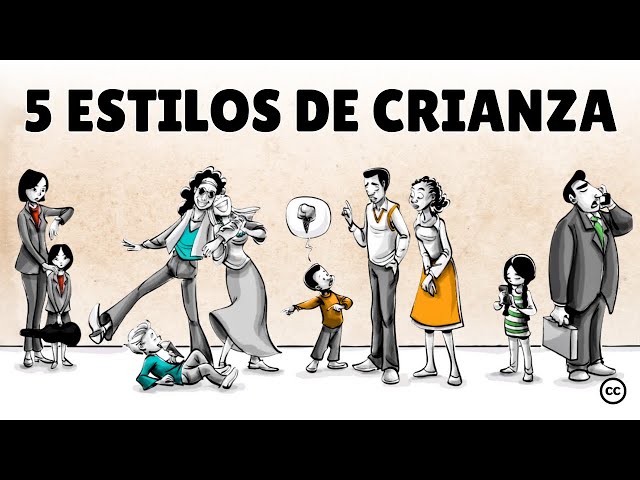
>> Yeah. Yeah, I think it's a beautiful way of thinking about cuz I think a lot of people worry that they'll fall into permissiveness and be like, well, my kid will just walk all over me and I can't be like that. And you know, >> I think it's a nice way of thinking about where does that authoritative lens come in.
>> Like you said, I'm still in charge, but you have a voice.
>> We're on this journey together. And I wonder if you feel comfortable thinking about how that relates >> and D'vorah he has taught me a lot of this. another amazing person that you connected me to um >> about how we together learn to succeed with things like social media and screens and how it's a journey.
>> You know, all of her research and her approach is about going on that journey together as opposed to with a skill development lens as opposed to this is the age that you'll get it and good luck from then.
>> Right. Exactly. You're on your own. You cross over a magical threshold. Yeah.
>> Yeah. So it's I think it relates to that too about like >> you know we're together almost putting these deposits in this bank of how do we you know almost from a circle of securities perspective how do I celebrate you going away from me >> but also when you fall down I'm this safe harbor to come back to >> without overunctioning like it's tricky right I think my favorite way to think about what you're talking about there and I've learned so much from her around that particular topic application as well but my my way to think about this is behavior behavior is communication about the skills they don't yet have.
>> So what that means to me is um I'll give another example. Uh my kid it was actually I was the no drama discipline manuscript was due and I was under a tight deadline. It was really stressful.
I had three kids that were like 12 and under and I was also caring for my twin uh niece and nephew who were four four-year-old twins at the time. So, I had five kids, 12 and under, and my husband and his dad were supposed to take care of the kids so I could finish.
But then my father-in-law had to have emergency surgery, so Scott was in the hospital with him. So, I had these five kids, manuscript, too. Sunday night, my middle schooler, I have permission to tell the story, comes to me and wants me to take him to the craft store at like six o'clock on a Sunday night. And I'm so mad and because he had a project due and it was due the next day. He had known about it for weeks. And and by the way, I totally set him up to lie because I was like, "How long have you known about this?" which is basically just asking him to lie to me. And by the way, just as a quick aside, it's great when our kids lie to us because it's actually evidence of conscience. It's evidence of them thinking about our minds and how we feel about them and not wanting to get in trouble. It's incredible evidence of beautiful prefrontal blooming that's happening, right? Um, and we can talk more about how to how to kind of help them. Don't push them into the corner because the more we push them into a corner, the more they're going to lie.
Um, but anyway, I was really mad and so I kind of yelled at him and I'm militant about sleep. It was the one thing I was really really really militant about. I think it is a huge and I know you agree with me piece of mental health and and when we have chronic sleep deprivation that is in fact I did a parent consult this morning with all these big behaviors happening in kinder and the mom told me she my daughter's not sleeping and I was like we don't know what she's capable of or not capable of.
We don't know if we should be worried or not until we get the sleep on board.
We're going to do that first. So, we talked about how to do that. So, I said, "You still have to go to bed at 8:30.
Um, but I will take you to the craft store, but you have to do your project on your own. This is your project. You wait till last minute." But I was really mad. But then a few days later, I'm reading the manuscript, editing. I read the section that says behaviors, communication about the skills they don't yet have. And I realized his behavior was like, "Hey, mom, you know, all those executive function skills about planning ahead and considering your time and what materials I might need, I don't have those down yet." So, here's where I got to in my mind.
behavior is communication about the skills they don't yet have. So instead of me doing something to my kid, I'm just going to throw a consequence at them. I'm going to punish them. I'm going to um you know, yell at them, whatever. Instead of doing something to him, I need to do something with him >> to help him build those skills. Because if I if my discipline approach does not make it more likely my kid could do better the next time as development's unfolding, I'm not an effective disciplinarian. And guess what? I'm going to have to keep still doing that discipline over and over and over.
That's exhausting. So I So instead of just saying, "You're grounded next weekend. You have to stay home and read books all weekend." That'd be like a consequence I might throw out to do something to him to make him feel like I shouldn't have done that. I maybe should make a different choice. But kids often we we think that every choice is a decision like they sit and think about it. It's not often how it goes. So doing those kinds of things like often doesn't help change the behavior in the long run anyway. But instead I said every Friday we're going to sit down and we're going to talk about what assignments you have coming up. We're going to spend 10 minutes. How much time do you think you're going to need? And so he I was just like when I lift weights and I do reps and I build that muscle. I wanted to give my kid reps around executive function skills. So instead of doing something to him, throw out a punishment, I need to do something with him or for him to help him build those skills. Makes me sounds exhausting, but it actually saves me so much time and cognitive and emotional um you know drain over time.
>> Yeah. Which is Yeah. It's a be and but it is there's a there's a difficulty for a lot of us I think in thinking about our role in our kids struggling. You know, I think it is very easy and it's a pattern a lot of us grew up with of like it's on the kid. You know, that kid is misbehaving. Y >> it's their final chance. They're disrupting the whole classroom.
>> Every meal is difficult because of them.
And yeah, I think you know that kind of kindness about saying, >> "Hey, I've got to open up this door that maybe I'm kind of I should change something I'm doing." I think is really hard for a lot of us, isn't it? To think >> it's so hard.
>> Yeah. And especially like I meet so many kids that are like, >> "Oh, they're a bad kid." And they're stuck in these repetitive patterns of behavior where >> they come to believe it about themselves.
>> Yeah.
>> Yeah. I'm going to take it one step further. I think not only is it hard for us, it's exhausting anyway. I think most parents, whether they're aware of it or not, and I've certainly felt this myself, especially in my early years, um, is that we feel like we are victim to our child's emotions and behavior, and we just have to like get through it, and they're doing this to us. M >> we do not understand the incredible power we have in a moment and over time both survive and thrive like we talk about in the whole brain child >> to shift what is happening by how we are in charge of ourselves.
So when our child is and it's funny I I truly believe that 90% of the time for 90% of the problems if we do more playfulness and play and silliness and more connection and nurture most of the problems go away. Um in fact I did this consult this morning where the mom was saying bedtime is a nightmare. bath time is a nightmare and my kid like refuses to do it and then we have these big meltdowns and then I end up yelling and then bedtime takes hours and and and so we started talking and I was like one thing you have to know is that what is pleasant the nervous system says yes please more of and what's unpleasant the nervous system says no I'm not doing that and I'm going to fight against it and that's even more so with kids because there's such you know there's still such ID you know there's still such that kind of like >> what feels good. I'll do more of what what feels good. So, she was saying like bath times used to be like in warm baths and really fun and really playful and she was playing, but now it's kind of like a cold, you know, squirt off kind of thing that's more like conveyor belt practical, but it's really unpleasant for the kid. And so, I was like, what if you went back to warm baths and what if you took 10 more minutes and you just played? Or what if you said, I just put something weird in the bathroom. Go see if you can find out what's out of place.
put a um a toothbrush, not one that's going to ever be used again, in the bathtub and or like put a weird like box on the mirror, like tape it on, you know, do weird things. Um >> or one of my favorites, getting eliciting any kind of cooperation for bedtime, bath time, getting in the car, getting shoes on, is to start a story, and it can be stupid. You can make up like there were three squirrels. They got in so much trouble, you won't believe what they did. Now, I don't know what they did. I haven't made it up yet, but I'm like, as soon as you have your shoes on and you're in the car, I'll tell you what happens next. And then I can make it up, but then they're like, "Oh, this sounds fun." They can't wait, right? So, so lots of times though, we are kids having a meltdown or they tell us, "I hate you or you're so stupid."
And we think, "You're being disrespectful. You can't talk to me that way." And, and my favorite in that moment is to either say like, "I I know you know it's not okay to talk to me that way or to talk to people that way."
So, what's going on with you? You you must be having a hard time, right? Like, so then you co-regulate and then you address the behavior because then they can listen. They can get it.
>> But I think we feel like whatever behavior is happening, whatever our child's emotions are happening, we just have to like get tossed about by that storm. But really, we can shift things through play and playfulness. We can shift things by being okay with our children being unhappy in that moment.
And I love Janet Lansbury's term unruffled.
>> Yeah. And so, and that's not to be avoidant and cold. It's more to just say like, I can handle your big feelings. I can handle your big behaviors. And I trust that you can help h handle them.
I'm not going to distract you with a screen. I'm not going to promise you something. I'm not going to give in on my limit. I'm just going to say, "Oh, you're so disappointed. It's time to go to bed. You really wanted to stay up later with the brothers, and I'm right here with you while you're really sad about that."
And then he can and if you need to cry for a little while, I'm right here with you while you're crying. I'm not saying fine, you can stay up later.
>> I'm saying we're going to bed and you might not like it. So Alisa Presman says um you uh all all emotions are acceptable, but not all behaviors are.
What Dan and I wrote in um the whole brain child is um we want to say yes to the child and their experience even if we're saying no to a behavior.
>> Yeah. Yes. is another amazing powerhouse and there's almost this beautiful bit in it of like giving space for that emotional expression as well. I think that a lot of us didn't grow up with it was like stop crying >> you know um the consequence and giving that space and also the way that you describe it is not using play as a distraction but using play as a scaffolding opportunity to build skills.
>> Yeah. And to connect to build relationship. So, one of the strategies in the way of play is my favorite called bring emotions to life. And so, my son Ben was four and he loved tying knots on things. So, he would tie a knot on a doororknob and then he would tie the other part of it onto like the top of a castle. And he loved action figures. So, he would hand me the action figure and he'd be he'd have his guy on the castle and he'd be like, "Mom, bring this guy down the down the rope." So, I I'd hook the guy's arm over and I could have easily just gone and that would have been great. I would be following his lead. I'd be joining with tons of benefits there. Or I can also take >> five seconds and knowing in my keep in mind this was a kid who was tentative in new circumstances um uncomfortable like with new new situations.
Um and so I hooked the guy's arm on and I'm like but I'm kind of afraid. I don't know if I can make it. I've never done this before.
>> So all I'm doing is adding emotions to this character. And so now this problem has come up in play. It's a social emotional problem and he wants the play to continue. So he has to solve it. So he's like, "Don't worry, I'm sending a guy up to get you and show you the way."
So now he's now launched in a solution like, "Oh, if I have somebody with me, they can kind of help me feel." Right?
So it's not it's not explicit, but it's getting laid in there. Um, and I'm also doing something else where I'm like, if I'm feeling afraid, I share that with someone. I talk about it. Right? So there's all these layers of skill building that's happening in a simple thing where I'm just giving my little action figure some emotions in a in a situation. So it's incredible like and then my kids like oh well you know now I also just got emotional vocabulary around some of the things I'm feeling like there's so much that happens in that one little moment that doesn't require a huge cognitive load because we're tired >> and also it doesn't require a lot of time. I think a lot of people worry they're like I'm so busy >> I can't sit and play with them for an hour. I'm talking about if you can sit down and follow your child's lead and just delight in the play. Let them boss you around. They want you to walk the plank. You walk the plank. Um if you're not sure what to do and they criticize your play, you can also be like take like little stage notes like should I really jump in the water? Like you can kind of do that kind of thing. Um >> if you can do 10 minutes of childled play a day with your kid, it is massive in terms of the benefits of your relationship. um and massive in terms of the scale building that can happen just by you following their lead.
>> Yeah. Yeah. It's amazing. And I wonder if um one thing just because of your expertise in interpersonal neurobiology >> about helping our kids learn how to be good friends and you know like we meet a lot of kids in clinic and I'm sure you do >> that don't have any friends or they've got really unhealthy friendships >> and it's heartbreaking.
>> That's a key feature for mental health.
Just having one friend >> is the delta between someone being okay and not being okay lots of times.
>> Yeah. And I worry about it with my, you know, especially my eldest. I worry about like she's this sensitive, bright, fiery redhead >> struggles. I have two of those. You met my husband's a redhead. Yeah, I have two.
>> I kind of knew who you met as well.
Listen might have been like, oh, two boys with, you know, two sons with red.
>> But um >> but I wonder how you Yeah. How do you translate that into for parents or educators to see the kid who is struggling socially? And I mean, you've given one really good example about imaginative play >> and, you know, an action figure that needs a bit of support cuz they're anxious and how do you go in, but I wonder how else we can do that with our kids from other methods that you've talked about.
>> Yeah. And I I think I often feel like my suggestions are very simple and like things that um are pretty lowhanging fruit but things we might not think of because when there are kids like I even I talk to other psychologists or other mental health professionals other pediatricians when it comes to our own kids we tend to not think of the things right. So um I think one thing that we have to remember is kids you know they do a lot of symbolic play and they are constantly interpreting things from the world like we are meaning makers for them. So what I mean by that is um if something happens and we freak out we're telling them that was a huge deal and that was freakout worthy versus if we're unruffled we're like yeah that was kind of a bummer but you know what we're problem solvers we'll figure it out.
like that creates meaning around it when we're talking about building any skills.
And in this particular case, we're talking about friendship skills, we can create tons of meaning for them um around this idea, thinking about how do children learn. When we study how children learn, well, adults too. There are two primary ways we learn. The first is by practicing doing it ourselves. So practicing friendship skills with siblings, on playdates, um uh on sports teams, um playing with our parents, those kinds of things, practicing these things. Um so if you're playing with your kid and they do something, you can be like, "Hey, let's try it a different way. Um let's practice this way." And you can have them practice these things.
Or practicing making a repair with a sibling or those kinds of things. The second way we learn is by what is modeled for us. M >> so we can model good friendship skills by um you're you know most people are pretty good friends to at least somebody. So instead of me just texting my friend who's just maybe had a baby and I know she might not be sleeping and I can just text her just checking on you. I can say out loud where my kid can hear, "Hey, I wonder if Sonia could appreciate a little text or a little check-in. I bet she's feeling really tired after the baby's being awake a lot. let's check on her. So, I'm literally saying out loud how to be a good friend. I'm coaching that.
>> The other way that I think is so powerful for kids, especially because they are symbolic um players and all these things, is everyday moments where we foster empathy and we foster thinking about other people's minds. I think sometimes friendship skills that are getting in the way for some kids is like a rigidity or um or not being able to kind of attune to what's happening and knowing how to how to, you know, join in play.
Um, I'll give a couple examples of that.
But so when we're reading books with kids, when we are out in the world, um, if I'm out with my boys and I notice, you know, a man holding a bunch of packages trying to open a door, I'm going to say out loud, "Oh my goodness, let's go open that door. He's carrying so many packages. Let's go see if we can help him. Let's let's be a good friend." I might even say, "Let's be a good friend." Um, or if we're reading a book and I'll say, "Oh my goodness, look at that bear's face. What do you think that bear is feeling? And I wonder what could help him feel better. What could a friend say to him right now? So, you're just using like those moments where they're really invested and engaged.
Storytelling, you know, as we're reading books is a huge one. So, I think those are those are are the kinds of things that are super helpful. I think too around like as parents are listening, we had a kid um at the school where I work that was using really inappropriate language um during unstructured times only. So not during like academic structure times in working individually, but during times he had to sit with other kids at lunch or during library time where he had to form a group or same thing in art or music. And what I went what I noticed when I was observing him was that um he would he would use inappropriate language, you know, lots of body humor kind of stuff which got kept getting him in trouble at school.
But every time he said butt crack or something like it, the other boys would laugh. Mhm.
>> And as I watched him, I was like, "Ah, he's having a really hard time entering play. He's having a really hard time joining the group." So, when I met with his parents, I said, "Your kid's a genius." He came up with a strategy that worked that allows him to get included immediately into the group. Now, we need to give him some strategies to help him.
So, I literally sat down with the kid and I said, "I've noticed that you, you know, you say these words and it's funny and the kids laugh and you get to be part of the group and that's great, but you're also getting in trouble and I know, you know, that's not okay language at school. So, what could you do that would still make your friends laugh, but where you wouldn't get?" And I literally taught him, "Can I sit here?
>> Can I join your group?" Like those two phrases. And then we ca we came up with a bunch of silly madeup words that weren't going to get him in trouble. And so it was as simple as kind of getting clear on where was the breakdown. Was it entering play? Was it, you know, lots of times kids who are really really bright cognitively tend to have that asynchronous development where they have a really good sense of justice and fairness and they they kind of have all of these cognitive maturity kinds of things that comes off as rigid because they don't yet have the emotional development yet to be more flexible around it. Right? So, they're really rigid with other kids and they start saying, "No, there can't be. There can't be two bears. There's only one bear."
And then the kids are like, "Well, this isn't fun. You only want to play your way and then they don't want to play."
So, then we maybe practice flexibility and changing our minds. And those are the kinds of skills we practice in play.
>> Yeah. Gosh, you took me back to my own uh childhood there. Like that idea of like an external observer would say that's a dysfunctional thing that you're doing.
you're playing up. And I got in lots of trouble, but I was actually trying to fit in and I was trying to build friendships because they actually mattered more >> to me than the authority of the teacher.
Absolutely.
>> Or like my mom and her rules.
>> Oh, the peer peer that peer thing is going to always, you know, win out for a kid's drive for the most part. And and I think it's so important to go like if you look at any particular behavior and you say usually this like kids have a reason for doing what they do. And I often argue when I'm giving talks about challenging behaviors that often the most problematic behaviors are the kids best adaptation >> to make something work.
>> Which then communicates to us, oh there's a skill they don't have yet or there's a strategy they haven't figured out. Like you think about the you know like experiments like the marshmallow experiment which I know is highly problematic in many ways but what's interesting to me about it is when you w all the kids want the second marshmallow right this is the lab experiment for those who are listening where they're given these three and foury olds are given a marshmallow >> they wait 3 minutes or whatever you can have well they all want the second marshmallow I want two marshmallows when you watch the videos of these kids the ones who are able to wait are ones who intuitively come up with a way to handle the drive to eat the marshmallow.
They come up with a strategy to wait.
They kick their feet. They play with the marshmallow. They lick it or, you know, use some sensory strategies. They smell it. Sometimes they'll take a little sample and turn it upside down so the researcher can't tell they sampled it.
Um, they turn their backs on the marshmallow. Some of the kids don't look at it.
>> Yeah. They cover their move their bodies, you know, they hide the marshmallow. come up with an intuitive intuitively they figure out a strategy to help them adapt to that demand.
>> The kids who do not wait do it for one of two reasons and I'm broad brushing. One is they don't have a successful strategy that they can think of. They don't have a way to adapt to that. So, interestingly enough, a researcher said, "Well, what if we gave them a strategy?" And they did. They told the kids to imagine it was not a real marshmallow. It was a pretend one with a frame around it. And many more of them were able to wait when they were given a strategy.
>> The other reason they might wait is because it is adaptive not to wait. So they did it in like um places where there was food insecurity like like homeless shelters or you know unhoused shelters. Um it was much more adaptive for them to not wait. It was the smarter choice. So, we have to ask ourselves with any challenging behaviors, including behaviors that maybe you're like, "Why would you act that way when the friends respond to you in ways that make you left out? Why would you keep doing that behavior?" It's probably because they're doing that behavior for some reason, like they'd rather the kids leave them out than for them for like they have in their mind some sort of narrative. I had a kid um at my school who um very gifted, very brilliant and had slower processing speed >> and he saw that his other friends were able to take multi-step instructions from the teacher who just was talking and he could just they could just do them. But he could not. She was a fast talker like I am and he couldn't hold that information and process it quickly enough to know what to do. What he made up in his mind about that was that he was dumb. Mhm.
>> So, he did these really obnoxious behaviors in the classroom where his peers were annoyed by him. His teacher was annoyed with him. He kept getting in trouble at home. He kept getting in trouble with his school. Why in the world would he keep doing this? He's getting all this negative feedback. So then people are like, "Oh, well, he has oppositional defiant disorder," which I am not a fan of. I ungiven it, but I ungod step better than me. I've never never diagnosed it, but I've Yeah, I should be more aggressive in taking it off. Kids take it off% agree with you >> because the oppositional behavior is there for reasons. So this kid had gotten an OD diagnosis previously and so his teacher had oh well his behaviors are because he doesn't care because I always ask what's your theory about what's going on. I ask that to the parents and the teachers because I want to know where I'm going to where I need to start. So, she was like, "Well, he he's he does this because he's he's oppositional and he doesn't care and he's just lazy. He doesn't Well, I I never believed that because I'm like, "There's a reason this kid is doing this with all this negative feedback."
>> And he had he believed he was dumb. And so, he did these behaviors to get kicked out of the class by his teacher or he would run out of the classroom even though his peers thought he was weird >> because that was far less upsetting than for him to feel like his peers would think he was stupid. Also, >> so he refused to do work and then he he would get kicked out because that was less embarrassing than the alternative.
>> Turns out I was like, "Let's find out what's going on with this kid because he really is brilliant." And his mom told me he was not it's it wasn't true that he was just refusing to do work and he was lazy. He was actually working harder than all the other kids. He was spending hours and hours and hours after school that the other kids weren't doing homework >> um because he did care so much turned out. So then I recommended a full, you know, learning neuroscychological profile and we it turned out >> he's passed. Yeah. And we could tell him like, "Your brain's amazing. You know, everybody's has parts of their brain that are amazing and parts of their brain that are harder for them. What do you think is harder for you?" And we're like, "Yeah, that's what the research showed us, you know, and you're an amazing kid." And we could change his whole narrative about how he thought of himself. And then we could start to begin to change the narrative and understanding of who he is to his parents and his teachers, which then changes everything. And I think that's so much of your life's work and mine is to help people rethink >> children's behavior, what it means, and how we can respond to it in ways that promote mental health, that promote relationships, that promote skill building, >> um, and that allow them to build incredibly integrated brains so they can go out and be change makers in the world.
>> Yeah. Which is, yeah, it's obviously very kind of you to say my life's work, but also my life. If I was that kid in the classroom that was like, I want to get out of this uncomfortable experience, so I'll play up because I know through predictability and consistency >> that that will get me out of this room.
And it's and another beautiful thing about >> your adaptation, right? So, you were brilliant in that way, but you might have needed some support around some skill building and strategy that helped you in a different way.
>> Yeah. And I wanted two two more topics cuz I could make this a 10-hour podcast.
Um, >> we'll just have to do another one.
>> Yeah. Yeah. Which would be amazing. Um, there's a beautiful thing in as well in the marshmallow testing about the researchers intentionally making the kids not trust them >> and then showing that they struggled to trust that the second marshmallow was coming. So, they'd be like, >> I'm definitely getting the first one. I don't trust this guy.
>> And thinking about how much that happens to a lot of kids in our community >> all the time. And you shared that um we were talking about pop culture parenting and influence of media and all this stuff and you were talking about a show we both love the Sopranos.
>> Love the Sopranos.
>> And so many of these shows whether it's the Sopranos or Mad Men are about these like often men that are still little boys.
>> Yes.
>> Um because of trauma in >> get those four S's of safe scene soothe insecurity.
>> Yeah. And sometimes like people will look externally and be like how tough is Tony Soprano, how tough is Don Draper?
like but actually they're these you know vulnerable little boys >> and you were talking about cuz my you've got a beautiful blue bluebird blue >> blue blue bell >> blue bell so sorry blue bell your beautiful dog and I was saying about how Melie my dog is named after the psychiatrist and you mentioned there's a beautiful demonstration of insecure attachment >> yes >> in a a session with Dr. Melie and Tony sana.
>> So one of the features of in attachment science has made it very confusing because what we think of um the labels we use in infancy and and childhood are different from the labels in adulthood even though it's the same pattern. So one pattern of this insecure or nonsecure attachment is called um avoidant attachment um and in adulthood it's called dismissing attachment. And basically the pattern that leads to this is when the the the caregiver is kind of avoiding the child's emotional experience um and is kind of dismissing of their emotions and their their kind of more relational and emotional needs. So there's this great scene um and Tony I believe has um an avoidant dismissing attachment um with his father and I think his mother anxious ambivalent attachment and uh and the the third big one which is um >> uh dysfunctional >> yeah the um disorganized attachment yeah disorganized attachment where what happens with anxious ambivalent attachment is you have a really unreliable caregiver. So in the avoidant pattern, your parent is very predictable.
They're predictably like an emotional desert. Okay? But in in the the um anxious ambivalent attachment um which later becomes what's called preoccupied attachment um your caregiver is really unpredictable. Sometimes they see and respond to your needs and other times they don't at all and they're tangled up in their own needs and sometimes they're even intrusive um and trying to get their needs met from you. Um, and then the disorganized, the bigger one is where if if as mammals, as I said, we have an innate drive to go to our caregiver to help us survive and feel connected and protected, particularly if there's a danger or distress. What happens when your caregiver is the source of your terror, the source of your pain, the source of your fear? It literally creates disorganization in the brain because we have one biological drive that say go to your attachment figure to be safe and one that says get the hell away from what's dangerous. And that's both encompassed in that same caregiver. So I think Tony encompasses all three patterns of non-secure insecure attachment. But in this one particular scene, Dr. Melie um is seeing Tony Soprano. And as is the case with most avoidant attachment, he's not going to therapy because he just wants to have a coherent narrative and reflect on his life. He's there because he's desperate.
He is having panic attacks, right? Um, usually people with this pattern of attachment in adulthood only go to therapy because their spouse says, "If you don't go, I'm leaving." They've been court-ordered. Um, they're having panic attacks or suffering in a significant way or their child is suffering in some way and they're trying to figure out what to do with their kid. So, he's there because he's having panic attacks and he's talking about his mother and she's horrible.
>> She is a horrible, horrible caregiver.
Um, total victim, manipulative, right?
and abuses him and abuses him.
>> Oh, abusive. She is she's abusive. And um and so he's talking about her and how horrible she is. And um and Dr. Melie says >> some people maybe shouldn't have become parents.
>> And Tony immediately goes to what we see happen um in the in the narratives of people with this pattern of attachment, which is idealization and degradation.
So he immediately so he's so he immediately jumps. So he's degrading her. She's horrible. She's a horrible mom. Dr. Melie says, "Yeah, maybe she shouldn't have been a mom." And he immediately comes in with idealization and defends her. You don't talk about my mother that way. He says, "She was a loving mother." Okay, so now he's idealizing her. And just like is right out of the adult attachment interview, which is our gold standard for how we assess attachment in adulthood. It's a 20 question structured interview.
She says, "Well, give me an example of a time in your childhood, like in your early years, where she was loving."
>> And he pauses and he thinks and he says, "Well, this one time we were down at the shore and my dad, he fell down these stairs and you know, he just started laughing. We were all laughing. My mom, she just was dying laughing."
And that's the whole story. And Dr. Melby says, "Any other loving memories?"
And what's interesting about that is that's what comes right out of the adult attachment interview is that typically someone will idealize or degreate their parent um but will not be able to provide adjectives that describe the relationship in a way that supports that. They have no memories, specific memories like they'll say like my mom was loving but then they cannot come up with any examples to support that. And part of that is because auto and I don't want to get too deep into the science, but autobiographical memory, a sense of self and time is encoded in the right hemisphere. And when you grow up with a parent who is an emotional desert and who never t turns into your emotional life, you have to kind of live in your left hemisphere um in the factual world. So you have good so they do. So they they often will say and this happens in the adult attachment interview, I don't really have many memories of my childhood. But if you ask them factual memories, they have really good factual memories. They don't have relational memories or a sense of self and time. So he could come up with that story, but it wasn't at all reflecting a loving mother. You know, it was a mother who was laughing at someone who had fallen even.
>> Um, and so I love that scene because it is such a good example of how now what I would hope Dr. Melie would do then is help him go back and reflect on >> what would what would you have liked to have seen? like what would have felt loving from your mother or what what do you feel like you didn't get and um and what then can you do as a dad to provide loving experiences to your kids so they do have memories of that and so anyway I love I I I geek out on all the attachment science but Sopranos is rich rich with >> yeah and I now that you've said it I remember how angry he becomes in the session how defensive yeah physically and >> yeah and maybe just to end on like one last theme that segus beautifully from that is that yeah that story is really common. There's also one maybe of greater complexity for a lot of families I meet or a lot you know my own experience without going too deeply into that and making it a therapy session for me for a year that's for later.
>> Yeah. um >> a a loving parent that also harmed us.
And um how challenging that is, >> you know, for those of us that do reflect on our childhood and think about the kids in our lives and we do have memories of love and care and compassion >> and how confusing it is to be like, >> but there was also this awful stuff.
Yeah.
>> And you know, I think it is interesting to think about all those parents out there that are working really hard to do better or even more concerning that have had those stories, >> have gone through traumatic experiences with their own childhood and are worried they've just repeated that cycle and they're doomed now.
>> And like I spend so much time with my kids trying to make sure that doesn't happen, >> but I will still stuff it up.
>> Of course you will.
>> Yeah. Yeah. And it's an interesting counterpoint to that idea of like >> the parent that was always a desert.
>> Yeah.
>> But the parent that was sometimes really loving and amazing and there for us but then sometimes really let us down. And I wonder if >> you could talk about how when you meet those parents in clinic and how you kind of >> Yeah. I mean one thing to remember is that we are a collection of many many repeated relational experiences, right?
So, I had really different I had a really loving, predictable, attuned, beautiful, secure attachment with my mom, who you're actually going to meet in a few minutes.
>> She's a clinical psychologist to your birthday dinner.
>> Yeah. She uh she she was a stay-at-home mom, all my growing up years, and then actually got her degrees and I was I'm first generation college. Um but she eventually went to college and then became a neuroscychologist. She's a clinical psychologist. I didn't know that.
>> Um she's an incredible human being. She was a young mom, 19 when I was born. And then I had a dad who provided me with that an that um avoidant attachment. He was very much an emotional desert and he was also really loving at times too, right? And so I think back to that idea that history is not destiny.
>> We all had like and I had a different kind of relationship with my grandparents who were really involved in my life. Like and then as we get older, our romantic relationships are a huge part of our attachment wiring as well.
Like can we count on those people to show up for us? Right? Do we feel safe with them or do we not? And can we are they predictable or not? Um, but I think it's so powerful to know that history is not destiny. And I love what you just said because one of the features of what's called earned secure attachment, meaning you may not have had it with your caregivers, but you have reflected on your stuff and done your work and now you are. The research shows that when you do that, you are just as wonderful as a secure attachment provider even in the really stressful times of parenting as the parents who grew up with it, which is great news. Is that what we hear in their narratives is exactly what you just said, which is I've really said, uh, I don't want to repeat those things. I want to do things really differently. And you also acknowledge that you're flawed. that you also acknowledge that I will >> sometimes you mess it up and sometimes, you know, um like my dad was really intolerant. I don't think he really liked children very much. Um not when I was little, not when I had my children.
Um and I feel to talk about him because he passed away a number of years ago.
But um but you know, when I think about that and I'm go, oh, he was 19 when I was born. like he didn't have a strong window of tolerance and he was really impatient and he was working three jobs and like all of these things and I think back about it and then I'm go and then I in the power of showing up we walk through these four S's in the chapters and there's some questions for reflection like were there ways like my dad did not feel safe emotionally >> he was I would even say emotionally abusive at times >> um never physically abusive never sexually abusive but emotionally verbally abusive at times And I asked myself like, were there elements in which I felt really safe with him? And there were, you know, I'm like, "Oh my gosh, he always made me feel really safe in the world."
>> And if I was afraid or if anybody would harm me, my dad was going to go take care of that, you know. Um, he made sure my boyfriends knew that they better not ever even get in a car accident or he would come find them. Like he he made me feel really safe in those way in like physical ways. Um, and to kind of like walk through our parents were flawed.
And >> I believe that most parents, maybe 99.9% of parents really love their children and really do want the best. And everybody has different capacities based on >> how their brains were wired and what kinds of traumas they had and did they have support walking through those traumas like what were their aces and then what were their um positive supportive relationships. So there's just a tangle of all of that. But I think to say to remind ourselves, you know, I I yelled plenty of times at bedtimes and I've said things that were shaming to my kids that came out of my own areas of insecurity. Like we all do these things >> to say if I can help my kids most of the time >> feel safe and seen and soothed and secure knowing I'm going to keep showing up. I'm going to keep doing my work.
>> That is the best gift I can give them.
And when I mess up, which is going to be all the time, I'm going to make the repair. And I'm going to instead of turning the shame spiral on myself, I'm going to say, "Okay, Tina, what got in the way of you being the parent you wanted to be in that moment? What was that about?" And sometimes the answer is, "I haven't peed by myself in four years, and I'm exhausted, and I haven't had anything fun to do with my friends in a year, and I'm overwhelmed." Maybe that's the answer. And sometimes it's like when my kid makes that face, he reminds me of my dad who was really scary at times. And when my kid is doing that, I feel really vulnerable and I get afraid. And the way I respond to that is by coming in hot with power and control.
>> Right? So then we start to >> look at it and you know Dan says without awareness we can't make a change. So the number one first thing we need to do is shine the light of awareness on something >> so that we can begin to look at it and make shifts right back to regulating um monitoring and modifying. So I I I I think I want to say to parents I think most parents are harder on themselves than they need to be. The research tells us there's a lot of room for error. And as long as we continue to work on helping our kids feel positive, predictable, supportive relationship from us and we, you know, delight in them and join with them and build relationship with them, that goes a long long way. M and what a beautiful response to those of us that are experiencing shame as well about like instead of >> curiosity ourselves or you know making that wound deeper thinking about why is this happening >> and you know Dan taught me that neurohysiologically when we're sitting in shame it actually makes us more vulnerable to flipping our lids again. Mhm.
>> So, one of the best ways that we can counter that response is through first of all remembering that people like you and me who do this for a living, we still me we mess up too. It's part of because we're human, right? And kids are annoying and they they it's exhausting and they keep pecking at us, right? Like you can only take so much as a human being, right? So, I want to normalize that. And then the second part is instead of going to shame to go to curiosity.
like I know I do well when I can, but I I didn't do that well. So, what got in the way for me? And when we go to curiosity, we're actually engaging top- down processing. We're engaging our prefrontal cortex that allows us to be calm, kind problem solvers >> and to say, okay, what what do I need differently now to set myself up to handle that better the next time?
>> Yeah. Which is such a beautiful Yeah. a way to grow from some of the hard experiences we have with a kindness but practical like let's move forward approach. So that's amazing, Tina. Like, yeah, what a beautiful thing you've given the world from your own experience. Um, >> all of the amazing work that you do.
>> Yeah. I feel like, you know, I'm just, it'd be interesting to talk with you about it, but I feel like I'm sitting in this like really unique opportunity, which is why I'm in the States >> about, you know, how can I take this opportunity and actually make things easier for people? You know, obviously you've done that phenomenally well. I think I read that your books have been translated into over 40 languages.
>> It's actually over 60 now. Yeah. Whole brain has has gotten there.
>> Isn't that amazing? And just >> it's exciting. I get I get some in the mail sometime and I'm like I don't even know what language this is, but I like the pictures. They're all different, too. Like the, you know, they all have a different cover art and all that. It's fun.
>> Yeah. So, it's so cool. And for people that are listening to this, um, you're a chance a very good chance of coming to Australia next year. Yes. So, um, yeah, >> I'm counting on you and Maggie Dent to to help me find my way there.
>> Yeah. Well, I just know so many people would love to get to meet you, hear you speak in person, you know, workshop ideas. Like, it would just be I know so many clinicians that would love to meet you. Um, and all the other amazing professionals. So, hopefully listeners will hear that and be excited about it, too. And, um, thank you for being so amazing and all the wonderful work you do and all the support you give me, too.
I'm just I I mean it's easy to give that support because I just love what you're doing and I think um you know what you have done is so powerful and important.
I love your book so much. I recommend it all the time. I think your podcast like it's just it's so fun to be in space with colleagues that I respect and am so excited about the work you're doing. So we got to >> Well, thanks T. It's a path that you've you know made much easier to walk because you've been there before me. So it's it's amazing to be following you in that way.
>> Thank you so much. 16.
>> Hey, let your mother smell that beer on your breath. She'll take it out on me.
>> I don't want to see you again for the rest of my life. I don't want to see anybody else either.
>> Who is your daddy and what does he do?
>> Just use your best judgment. We trust you.
[Music]
Up Next

Culture and Mental Illness: Cultural Syndromes Explained
@PsychExamReview
25.4K views•2018-07-30

Cognitive Skills for Differentiated Instruction | Teacher PD
@BrainWareLearning
631 views•2017-12-17

Thinking, Fast and Slow: Daniel Kahneman Animated Book Summary
@FightMediocrity
2.3M views•2015-06-05

The Nocebo Effect: How Beliefs Can Cause Real Harm
@CGPGrey
10.4M views•2013-12-23
Related Study Plans & Knowledge Roadmaps
Structured learning paths in Psychology