


![Estructura de mercado 💰 Economía [CICLO FREE]](https://i.ytimg.com/vi/r9POUyOdM30/maxresdefault.jpg)






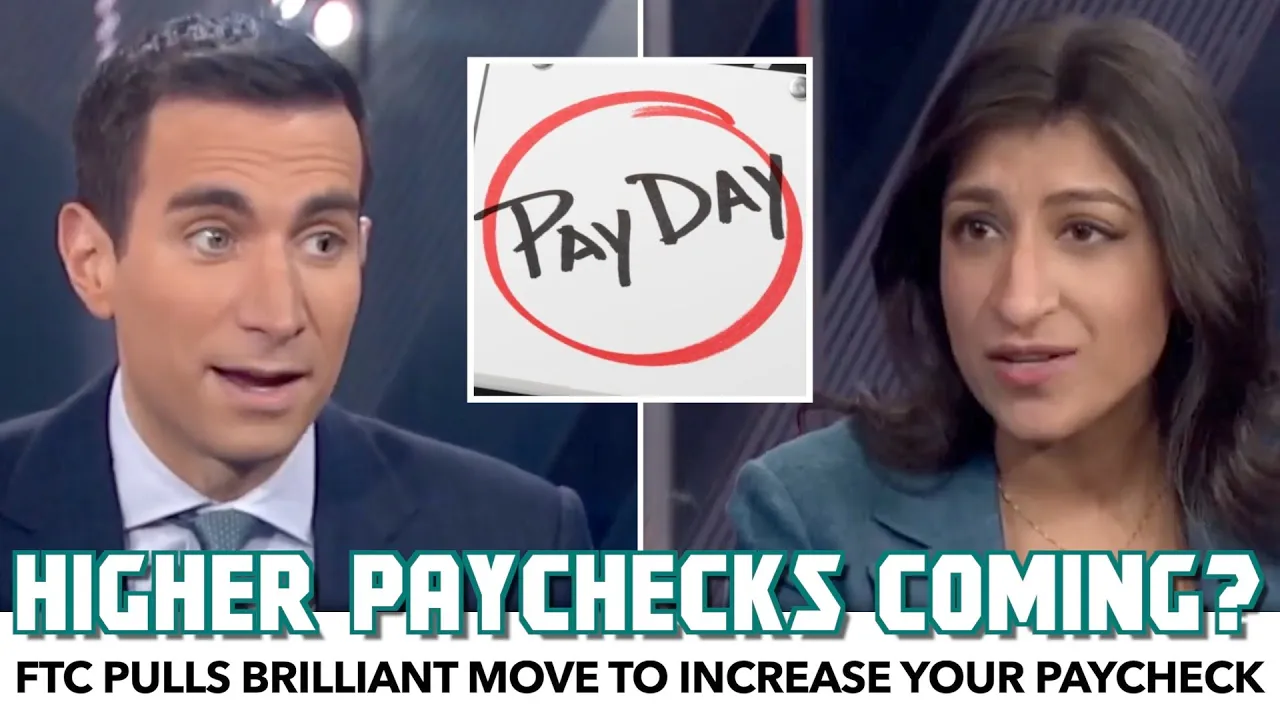


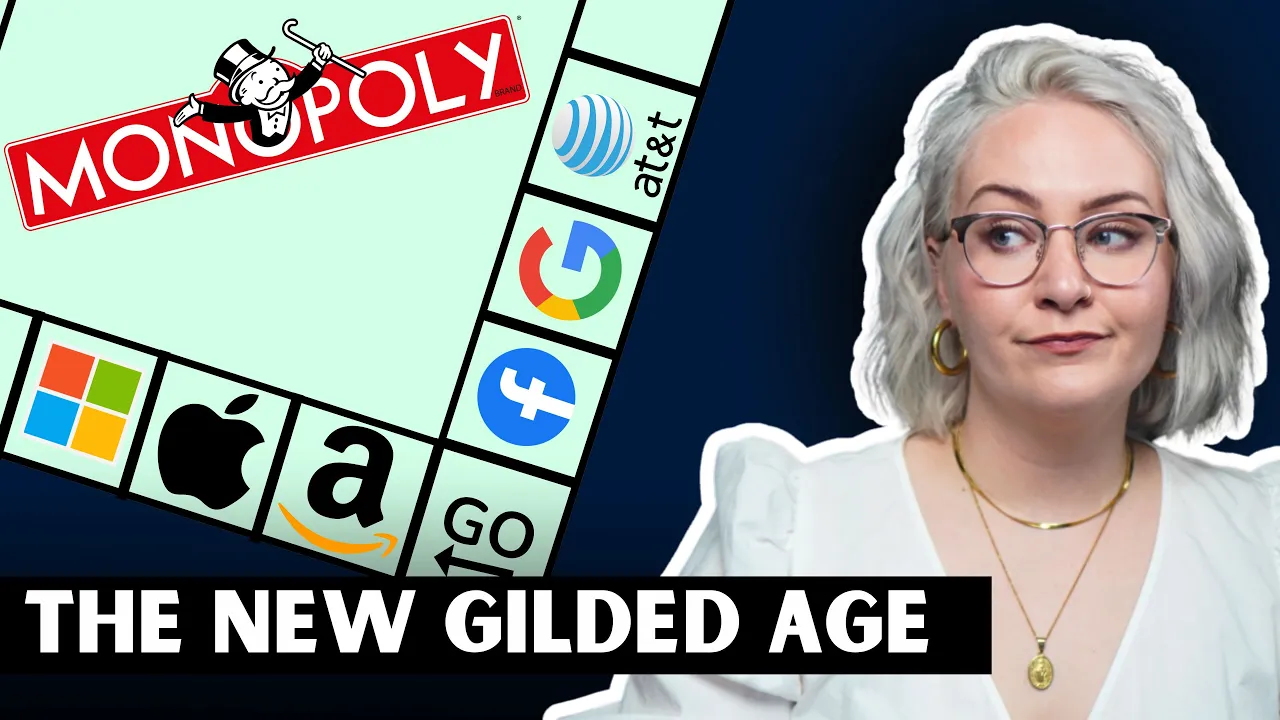





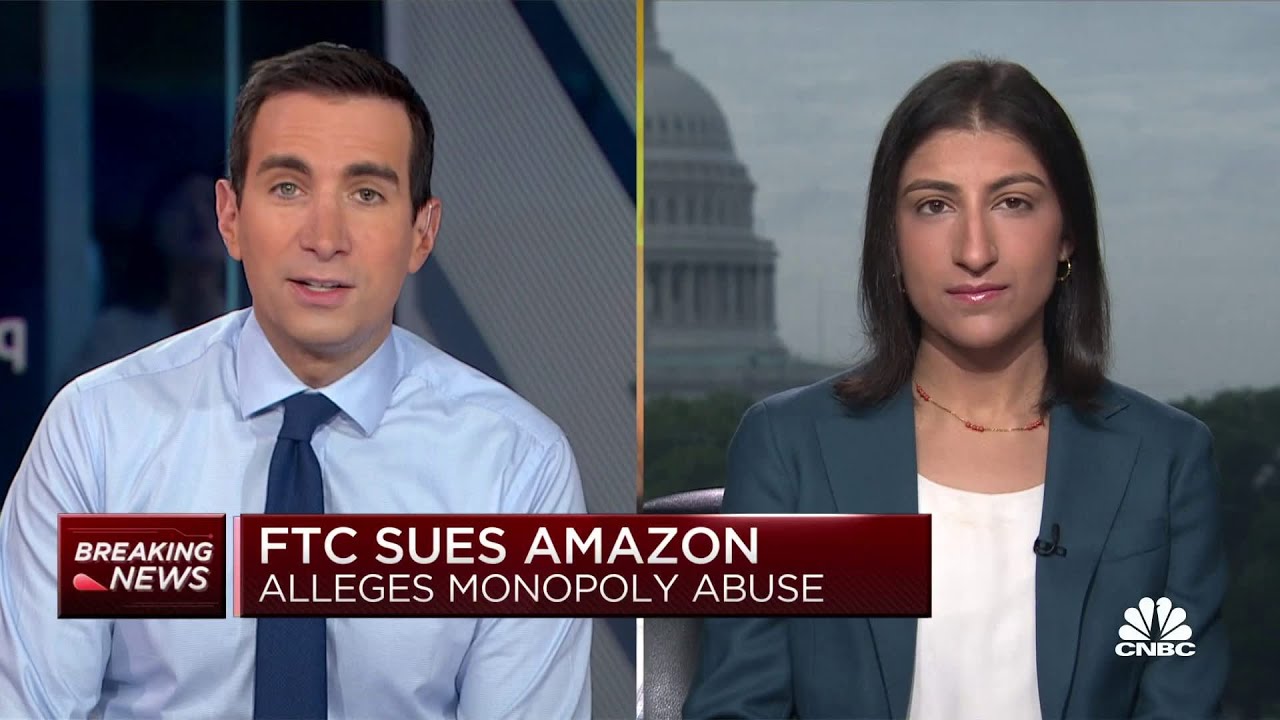



The Federal Trade Commission, led by Chair Lina Khan, is actively fighting back against monopoly capitalism through aggressive antitrust enforcement, including lawsuits against major corporations like Amazon, proposed rules banning non-compete clauses in employment contracts, and scrutiny of digital market consolidations, representing a significant shift from decades of hands-off antitrust policy toward reinvigorated competition enforcement.
FTC Chair Lina Khan on Antitrust and Amazon Lawsuit
Added:Fundamentals of Antitrust Law: Understanding the core purpose of the Sherman Act, Clayton Act, and the Federal Trade Commission (FTC) in preventing monopolies.
The Consumer Welfare Standard: Grasping the traditional framework that defines antitrust harm primarily through short-term price increases and immediate consumer impact.
Monopolistic and Oligopolistic Market Structures: Recognizing how dominant firms control market share, set prices, and create high barriers to entry for competitors.
The Role and Regulatory Scope of the FTC: Knowing how the agency investigates, enforces, and litigates against unfair methods of competition and deceptive business practices.
The Neo-Brandeisian Movement: Exploring the contemporary school of legal thought (led by figures like Lina Khan) that advocates for broader antitrust goals, including protecting workers, small businesses, and democracy.
Platform Economics and Multi-Sided Markets: Investigating how digital gatekeepers use network effects, data aggregation, and self-preferencing to sustain dominance.
The Legal Arguments of FTC v. Amazon: Deep-diving into the specific allegations regarding Amazon's Prime ecosystem, seller fees, and algorithmic pricing policies.
Comparative Global Tech Regulation: Analyzing how US antitrust enforcement compares to international regulatory frameworks, such as the European Union's Digital Markets Act (DMA).
76.9K views3.8Klikes53:29Original Release: 2023-11-08
hello and welcome to factually I'm Adam Conover thank you so much for joining me again I am so excited for this week's episode we have one of the most massive guests we have ever had on this show I am beside myself this week's topic we are talking about one of the biggest changes in how America deals with business in decades we're talking about how we are finally fighting back against Monopoly capitalism by pursuing Anti-Trust reform now I talked about this in my video on monopolies from a few months ago but just to catch up on the history during the Industrial Revolution and the Gilded Age American life was transformed for the worse Monopoly capitalists built up incredible and unprecedented power and this was rightly seen by most people as an assault on American democracy and democratic ideals because you know the billionaires were calling the shots instead of the voters so in response our government pushed by average people like you and me built an enforcement regime that broke up those monopolies and prevented new ones from forming and this massive change helped create a golden era for American equality after World War II but then the capitalists fought back they devised a legal and political philosophy which infected American government from Reagan through Trump this philosophy portrayed Americans not as Citizens but as consumers and it allowed for a return to gilded era levels of corporate control consolidation and inequality we basically stopped doing antitrust enforcement whatsoever but in the past few years we have started to see a sea change the pendulum has swung back and we are now seeing Scholars economists and people in our government start to fight back once again against Monopoly capitalism it's called the new brandise movement and today our guest is the single most powerful and influential member of this new school of thinking and she happens to occupy an extremely high Post in the United States government and I will introduce her in just a second but before we get to her I want to remind you that if if you want to support this show you can do so on patreon head to patreon.com adamc Conover just five bucks a month gets you every episode of the show add free and if you want to come see me do standup in a city near you head to adamc con.net for tickets and tour dates I'm about to announce a whole bunch of new dates so check that URL now let's talk about today's guest because I am so excited to have her on just six years ago Lena Khan was a Yale law student when she wrote an article for Yale Law Journal called Amazon's antitrust Paradise do this article went viral and it helped transform how people across Academia and our government thought about antitrust and monopolies in our era and it opened an entire New Generation to the possibilities of activist Anti-Trust enforcement the likes of which hasn't been seen for decades then just a few years later President Biden appointed her to be the chair of the Federal Trade Commission and now at the age of 34 she is the leader of the most important regulatory body for antitrust in this country she's waging high-profile battles against major corporations and changing how America approaches monopolies after Decades of consolidation she is without a doubt one of the most significant people we have ever had on this show and I am so thrilled to have her so please without further Ado welcome FTC chair Lena KH Lena thank you so much for being on the show thanks so much for having me I'm really thrilled to have you because as anyone who watches what I do knows I'm a uh huge fan of antitrust enforcement weird thing to say but it's like literally a pet topic of mine it's incredible to have you as the chair of the FTC here uh how do you describe when you're at a cocktail party what the FDC does and what do you do there so the Federal Trade Commission is a law enforcement agency uh we also have rulemaking authority we also have an in-house court and big picture Congress created the FTC to prevent unfair methods of competition so the FTC was created back in 1914 against the back drop of the industrial trusts and the robber barons and there was a real concern that a handful of companies across our economy had accumulated too much power and that they they were using that power in ways that harmed consumers harmed workers harmed independent businesses and so the FTC was created as the cop on the beat um we also now enforce consumer protection laws so we go after unfair deceptive business practices across the economy so why is consolidation like that something that the average person should worry about you know like these companies will claim oh well prices are going to go down that's good for consumers right what's what's bad about uh that why is it cause concern so historically we've seen that a lack of competition and consolidation and monopolization results in higher prices it can result in lower wages it can result in less choice and these really aren't abstract issues right I mean consolidation can mean the difference between having to drive 5 miles to a hospital versus 50 miles for life-saving care it can mean the difference between being able to afford life-saving medicine and it being Out Of Reach uh you know right now uh we've been hearing a lot of concerns about a big grocery merger that the FTC is reviewing and people are worried am I going to have to spend you know $10 on eggs instead of $4 and so these are real life issues there's also been a whole set of research over the last decade showing that labor markets in the US are much more concentrated and that that correlates with stagnant wages or decline in wages it can also result in worse working conditions uh people have told us how after a merger you know they'll have less control over their schedule and so there are all these dimensions on which when firms have to compete for your business be it for your business as a consumer or for you as a worker they're incentivized to offer you better terms right and when you see instead consolidation and that competition disappear firms instead can become too big to care and I think we see that unfortunately all too often yeah we've had like a a huge surge of consolidation and like reduced competition over the last couple decades right that's exactly right I mean over the last three to four decades we've seen waves of mergers and Acquisitions waves of consolidation and there's a lot of research showing that huge segments of the US economy are now less competitive than they were several decades ago and that Americans are suffering as a result how did you find your way to this topic like is there a moment that you can think that con consolidation as a problem first became apparent to you so one of my first jobs was as a uh researcher and and business journalist and one of my first assignments was to look at the agriculture industry and specifically to look at chicken farming and so the poultry industry like many agriculture Industries is kind of shaped like an hourglass so you have millions of consumers on one end uh thousands of Farmers on the other end and they're just connected by a handful of companies basically four big chicken processors and like Tyson a couple other ones exact Tyson Purdue a few a couple others and practically what that means is that if you're a farmer often times you're actually just dependent on a single company to get your chickens to Market and you know I talked to a lot of these Farmers tried to understand over Decades of consolidation what that meant for them and it was pretty brutal I mean these chicken farmers were entirely dependent on this one company and the company would use that bargaining power in coercive ways uh at the most extreme you know there was a moment when government officials were going around trying to understand the experience of chicken farming and the chicken processors actually threatened them and so you had these Farmers that were afraid to speak out and that was a really notable moment for me because you know in America we really value the First Amendment really value people's ability to speak up and often times we think about threats to the First Amendment and threats to free speech as coming from the the government side and yet here we had a really Salient example of how Monopoly power and concentrated private power can also infringe on core freedoms and core Liberties and so that's really what got me recognizing the stakes of Monopoly power I mean the so the companies were literally saying to the farmers like if you talk to the feds about this we are going to exact retribution on you that's not exactly really Savory business practice exactly we're going to cut you off we're going to you know dock your pay and so these people were you know fearing for their livelihood and unable to kind of come out and speak to the feds you sound like mobster tactics like you know to put it I mean you don't have to put it that way I can put it that way uh so what are you doing at the FTC to you know fight back against consolidation you just brought a huge case against Amazon right that's right so we do a whole set of work uh some of that is focused on preventing the problem from getting worse so the FTC along with the antitrust division enforced our anti- merger laws and so when there are merger that are you know beyond a a certain size those gets reported to us and so we consider is this anti-competitive is this violating the antitrust laws so we have a reinvigorated merger enforcement program we're extremely active we've been bringing a whole set of suits to to block mergers that we believe are anti-competitive we've also been doing things like revising our merger guidelines uh which sounds very technical but it's basically our enforcement manual and sort of putting the market on notice uh it's been great to see that we're already having an effect and so we've heard uh you know on TV from very prominent deal lawyers and bankers saying that previously when companies were having conversations about merging they'd talk about antitrust at the very very very end if it came up at all and now given the new aggressive environment companies are talking about it at the front end and some deals aren't even getting done because people recognize that the antitrust risk is significant yeah and this is a big deal because I mean my understanding is that based on the work that I've done on it but for decades we had very little Anti-Trust enforcement or we had sort of almost tacitly Pro merger policy this is like a a change that is we've seen sweep not just in your agency but really a change of thought in like a lot of America and a lot of different government departments is that right that's right I think there you know 40 years ago was a an assumption made that Monopoly power if it ever occurs is likely to self-correct because if a Monopoly ever chooses to exercise its power you'll immediately see a rush of new competitors that will discipline it and so I don't see that happening anywhere Fair yes fair I mean there were a whole set of assumptions made that basically led to a much more hands-off antitrust posture yeah and so I think we've been living you know in a 40-year natural experiment and now increasingly we're looking at the world around us and noting all of these ways in which the reality is not mapping on to those assumptions right and so instead all too often we see you know incumbent dominant firms using their Market power in ways that's harming their customers that's harming their workers that's unfairly musling out independent businesses and we actually need reinvigorated antitrust enforcement and so that's what we're doing yeah so let me ask you this I mean you wrote a famous paper on Amazon like six seven years ago um called Amazon's antitrust Paradox right um that was sort of making this argument that the way we went about Prosecuting uh you know mergers was was wrong-headed now less than a decade later you actually find yourself you know in the enforcer position for me as someone who spends my life yelling about problems that I see in the world right but never having the ability to actually okay take up like the Reigns of power and do something about it like what is that like to go from you know Advocate to uh you know someone who's actually you know work working the mechanisms of government and has the power to do something about it yeah look I mean it's an incredible honor and you know huge uh credit to President Biden for his leadership and you know he signed a really important executive order two years ago on competition that said very clearly we've been living in for the 40 years under a set of assumptions that Robert bour introduced and it's clear that that way has failed and so we need to turn the page we need the antitrust enforcers to be more aggressive but we really need a whole of government approach that's embracing anti-monopoly and embracing the importance of competition so it's a remarkable moment and we very much recognize that these windows of opportunity don't come around very often and so we're acting with an enormous amount of urgency uh that said you know the FTC is relatively small uh we have around 1,200 people overall uh the number of antitrust more people than I have but yeah right I mean the number of antitrust lawyers is you know closer to 300 and so we're small But Mighty uh we're smaller today than we were in the back in the 1970s and you know when well Cong you know we got a bunch of budget cuts from Congress and those have have really stayed in place though we've been grateful over the last couple years to get a bit of an increase so we've been able to do some hiring um and more generally you know the FTC is supposed to go up after against monopolis and monopolis are well resourced they're very powerful they have access to a lot of lawyers and so oftentimes we're you know significantly outmatched in terms of just the sheer number of resources that we have uh and so that requires us to be nimble to be strategic to be playing to our comparative advantage uh we're also developing deeper Partnerships with other enforcers and other Regulators so for example we've signed uh M us with the Department of Labor uh with the National Labor Relations Board to make sure that we are really functioning as one government and able to act as Force multipliers across all of our tools mou means a me memorandum of understanding so we're able to share non-public information if we're doing an investigation and we see something where we're not able to act but we think one of them can we can refer it to them and vice versa so you're going up against you have 1,200 people you're going up against some of the biggest companies in the world uh again you have a case against uh Amazon like what what can you tell me I know there's plenty that you can't say but in terms of the general problem with with Amazon right why is that uh a particular you know Market something that you're concerned with so in the lawsuit that the FTC filed we really alleged that Amazon has unlawfully maintained its Monopoly through a set of illegal tactics and to really understand the lawsuit you have to understand how digital markets work and how e-commerce Works in particular and in this market in order to really compete you need a basic level of scale right you need a critical mass of customers on one side to then be able to attract sellers on the other side and to really benefit from what Amazon called its flywheel which basically means you know the accelerated momentum and growth that you can see in digital markets and what our lawsuit alleges is that Amazon was able to benefit from these from the achieving a critical mass of customers but since then it's systematically engaged in a set of tactics to deprive any Rivals from being able to similarly get that critical mass of customers on either side either the merchants that depend on Amazon all the cons or the consumers on Amazon and that's illegal we claim that's illegal and you know the harms here are quite real uh we note in our lawsuit that Amazon in recent years has been hiking prices both for consumers as sell us for merchants uh Amazon's you know takes close to one out of every $2 that Merchants make so it's basically a 50% tax that companies have to pay to Amazon to sell on Amazon and more generally you know the quality of Amazon's storefront has been degrading so we knowe that Amazon has proliferated a whole set of ads including irrelevant ads and if you step back you know in a healthy competitive market if you have a company that's both raising prices for its customers and worsening service that should create an opening for competitors to come into the market but what we're seeing is that those competitors have been blocked out because of Amazon's illegal tactics and so that's what our case is about is there a specific example that you can you give of of uh them blocking out a competitor or sure so you know one of the set of practices that we go after are what we call Amazon's anti- discounting tactics and what this means is that Amazon says to Merchants that they can not list on any other platform a price that is lower than what they list on Amazon and practically what that means is that Amazon itself has been hiking the prices that it charges Merchants so Merchants are facing higher costs on Amazon but they're not able to put a higher price on Amazon than on other platforms right even though Amazon costs them more to use than a exactly exactly and so what that means is that even if you have a lower cost platform a lower cost rival that's more affordable for merchants merch Merchants can actually list their goods on that platform for a lower price and instead what they're doing is raising their prices everywhere but Amazon and so it has this deeply distortionary effect that's blocking out even you know more affordable more competitive firms so are these companies you're saying that because they're getting gouged by Amazon to compensate for that they can't raise the price on Amazon they're actually raising it on the other merchants in order to stay afloat exactly sometimes they raise it on other Merchants uh sometimes they just don't sell anywhere else anyway and that's because Amazon deploys a pretty punitive set of tactics if they ever find out that you have in fact been listing your goods cheaper elsewhere uh you know they can deny you the buy box which is where the overwhelming number of sales get made uh you can basically disappear from Amazon storefront and for a lot of these businesses I mean they currently depend on Amazon for an overwhelming number of their sales and so they live in fear and you know we have quotes in our complaint that document how Amazon realizes that these Merchants live in constant fear of its retribution and its punishments which it exacts any time it sees even a hint of a lower price elsewhere and so that's how it hurts uh the sellers uh we already talked about how it hurts consumers because prices are going up and I my own experience is that Amazon is a much worse place to shop I no longer even trust it in the way that if I if I click add to card and buy I'm like I'm not sure I'm going to get the thing I ordered in the way I was maybe 10 years ago when I was using the service um but what about lab what about the people who who work for the company How does its massive size uh you know hurt them so this is not a part of our complaint but obviously you know there's been um a lot of discussion in recent years about how workers uh for Amazon are not getting a fair shake and so we cover you know we we follow all of that research in those reports um I just saw a report today about how a significant number of people who work in its warehouses end up getting injured uh and burnt out and so I think they're a very legit leg imate concerns there as well and they cycle through people so quickly and they'll like go through an entire Workforce in an area and it's uh very difficult well let's let's move off of uh Amazon I'm curious to talk to you about uh the media industry about about Hollywood the industry that I work in uh you know my my union The Writers Guild has a lot of has done a lot of work uh on consolidation in that area put out white we have a wonderful research Department that's was writing papers and things like that um until recently it sort of seemed like those papers fell on deaf ears that maybe no the federal government like oh why should we worry about you know movie studios buying each other or Etc whereas you know we felt that impact of consolidation on labor really directly if you're selling a TV show and there's only three people who could bid on it rather than 10 you're not going to get as good good of an offer it's been very uh apparent I'm just curious if the if our little corner of the American economy has has interested you at all absolutely and we've been so grateful for the submissions from the wga to you know as we've been reviewing our merger guidelines we looked at those very closely and and they've been really really helpful uh you know stepping back I think there's really interesting parallels between the stories that we've heard from writers and others in the entertainment industry and what we've heard from folks across our economy right so to go back to the chicken farming example I think we see a lot of parallels where you see dominant Gatekeepers or dominant intermediaries that start controlling access to markets and start controlling access to Commerce and the ways that they can then use that GateKeeper superow be it over chicken Farmers or be it over writers and I think you're absolutely right that over the last few decades we've seen enormous consolidation across the entertainment supply chain and so we've gone from a market where you had you know thousands of theaters uh you know dozens of Studios uh lots of different Pathways to Market to now a much more closed system where you really just have a handful of Pathways and we've heard from writers and actors and really folks across uh the entertainment industry about how that is bad for the workers but also ultimately is probably coming at the expense of the creativity and the vibrancy of the content that's being produced yeah it used to be more of an open market where you could find some financing for a film and then you know sell it to a studio or sell it to you know uh to to theaters that were not you know directly owned by the studios or whatever once it's all vertically integrated by a small number of companies those companies get to make the choices and they end up uh we could draw a line to you know oh they just buy up IP and make things based that IP over and over again because they own the thing they don't want to take a risk on something new there's a very strong argument that you know the the sort of wonderful movie industry of the 80s came out of you know the fact that it was a much more open market but the the interesting thing about it to me is that you know the federal government actually came in in the middle of the 20th century and you know enforced competition on the film industry right and lots of different ways there are Paramount consent decrees blah blah blah we don't need to get into the details but there was actually government intervention in the entertainment industry that in the past couple decades has been removed or you know selectively enforced or whatever we've seen those protections uh uh go away with the result that we have more consolidation it's very strange to for all of this to be a battle that we have fought and won in the past and to have lost ground sort of invisibly and now we're trying to play catchup does it look that way to you yeah that's a great way to put in and it's absolutely true that are there are a lot of resonances between you know the regulatory battles and the renewed anti-monopoly interest that we're seeing today and what we saw a century ago and at various points throughout the last century and you're absolutely right that at various moments there was a recognition for example that when you have a concentrated industry that's also vertically integrated that that can create problems and so you noted you know the Paramount uh decrees we also had the finson rules yes and both of those were basically premised on this Insight that when you have the P the pipes also controlled by the companies that are producing content for the pipes that that can lead to certain conflicts of interest right when you combine distribution and content that that can lead to conflicts of interest that are then disfavoring you know rival distributors or rival content producers and I think we're at a moment where we're kind of revisiting some of those core insights so how did the backslide happen right um if we you know had this had this big battle over Monopoly power in the early part of the 20th century uh a whole school of thought arose about it we started making laws and creating departments like the FTC and Etc that that enforced these laws and we actually broke up some big companies in the case of again the little old movie industry not even that important of an industry we had laws put in place um or or various rules and then they all started falling away like what what was the change in American thought or government that like allowed that to happen so overall during the 70s and 80s there was a retrenchment that we saw an antitrust and you know across economic uh rules and regulation more generally and an antitrust at least that was premised on a set of assumptions that uh antitrust had gone Ary that we really needed to be more hands-off uh and that the market would fix Monopoly problems where wherever they arose uh we also took a much more hands-off approach to how we did merger enforcement and that's what contributed to the Decades of consolidation that we've seen uh and this really took place through the enforcement agencies so the FTC and the antitrust division U but also ultimately you know in the courts and so now we're you know 40 years in uh and really trying to make sure that we are fully enforcing the laws that congress told us to enforce right I mean the laws themselves are fairly clear but is there some like underlying cause for that shift to happen like for the for the agencies you know to enforce differently or uh or some pressure that was being being put on you know the country at large back in the ' 80s yeah yeah I mean you know in the 70s there was uh significant inflation and so there was a lot of concern about any policies or enforcement that may have been contributing to higher prices there were some arguments made that antitrust as it was being enforced was part of the problem uh there was also a sense that you know with growing globalization that firms in America were competing globally and so in fact we needed to you know be a bit more hands off and allow them to fight it off in the on the global stage so those were just some of the backdrop arguments but you know this really wasn't unique to antitrust there was a whole set of rethinking happening around the relationship between government and the economy and a more hands-off approach that was taken you know particularly during the Reagan Administration but really it started even in the Carter Administration people often call the neoliberal turn that like this this renewed faith in free markets and government hands off and and we could talk a lot about the reasons for that but let's let's actually take a quick break and let's come back and talk with you more specifically about what you're doing and how you do it we'll be right back with morina KH do you know how much of your personal data is out there on the internet there's a good chance that it's a lot more than you'd be comfortable with every day personal data is being sold and traded online by data Brokers it's completely legal and widespread but that doesn't mean that you can't stay private and protect that personal data delete me is an indispensable tool for this very purpose delete me's team of experts will scan the internet to find and delete your personal data and you will get a detailed report of their findings in just seven days I used this service myself I used it before they even advertised on this show and I am very proud to have them as a sponsor because we live in an era of doxing online harassment and ID theft that can compromise not just your finances but potentially even ruined job opportunities about 41% of Americans are exposed to some form of online harassment so if you want to safeguard yourself from those Bad actors and live with the peace of mind that experts are hunting down and removing your personal information from the internet every 3 months then check out delete me just go to join delet me.com Adam and get 20% off all consumer plans with the code Adam tell them Adam sent you but don't give them my address or anything okay that would be weird so we're back with the chair of the FTC Lena KH um how do you choose which cases to take when you're looking at you know the economy we said there's consolidation all over it's a great big problem um when you uh how do you decide okay this is an industry that we actually need to look at um and then how does that you know process culminate in you bringing a case yeah it's a really good question and it's absolutely true that we have to think very hard about how to prioritize given that we're pretty strapped on resources there so there are a few Dimensions that we think about uh one is just where do we see the most harm uh often times we see the most harm with from some of the biggest companies since they have the most customers uh we also think about you know how critical is a particular sector and so we're especially focused on for example Health Care food and Agriculture and digital markets since those are becoming so Central to so much of the economy and so you know if we're choosing between uh going after a merger that might make yacht prices higher versus a merger that might make insulin more expensive sure you know we think about those types of questions um we also think hard about how do we make sure that we are identifying problems on the front end and intervening earlier rather than waiting decades and so particularly in digital markets I think there's been a big recognition that we actually need to be more Vigilant right so in the early 2000s as we saw the rise of these digital platforms there was an assumption that these markets are so fast moving we're seeing so much dynamism and so government just needs to step back and get out of the way and what that enabled unfortunately was a whole set of mergers that in hindsight we realized were illegal right so the FTC before I arve sued to block uh sued to undo Facebook's acquisition of Instagram and WhatsApp claiming that those were unlawful Monopoly maintenance schemes uh the justice department has brought lawsuits claiming that a whole set of Google's Acquisitions in the adtech space were anti-competitive and so I think there's a a reckoning happening with the fact that in digital markets because you see have things like Network effects uh and self-reinforcing advantage of data these markets can in fact be more likely to tip and so we need to be especially Vigilant and prevent illegal Acquisitions or illegal conduct from doing that so that's why we're being especially Vigilant um in in some of these you know newer digital markets so we just launched a few months ago uh an inquiry into cloud computing because we recognize that you know more and more of the economy is depending on these cloud computing providers how do we make sure that we're being vigilant there these are the providers that are like underneath the service that you use right like you're using Dropbox but they are or whatever service it is but they're subcontracting to some gigantic cloud service provider that is like you know secretly running a huge portion of the internet exactly and so you know we've been very um clear that we're scrutinizing some of these AI Technologies I think more generally and this implicates our Consumer Protection work we also want to make sure that business models that we worry may be predatory or exploitative and unlawful are not getting baked in and so we want to be very Vigilant um as some of these new tools come to the market as well I mean when you say digital markets uh you you mentioned Facebook and Instagram and that part of the internet at least the social media part of it Feels So monopolized currently it feels like you know 10 years ago I would log on had all my bookmarks I would go to and now it feels like I just check three websites over and over again and half of them own each other and I've often fantasized about what it would be like if Facebook and Instagram were compe meting so I I feel like it it uh it's apparent to people do you feel the public is starting to understand the effects that that monopolies are or consolidation is having on them it definitely seems that some of the polling suggests that I mean I've also been going out and you know meeting with various communities we did a whole set of listening sessions around our merger guidelines and you know people get it I mean I was just out doing a listening session around this potential grocery merger and people were very concerned about how this merger could affect their prices could affect you know their wages could affect uh the union contracts that we have I think people have seen mergers go through in the past and promises that either have been broken or you know the way in which the service gets degraded and so I think people have seen it enough in their own lives that they get that consolidation can be a problem yeah I mean it's pretty straightforward when these companies for decades have just claimed that oh well prices will go down because the merger cuz find synergies and prices have not gone down for anything I mean even again just in my industry uh you know all of the streamers are raising their prices like continually and people feel that and they feel that the products are getting worse um even as they you know continue to to buy each other up um so as you said you have limited time in office I'm sure every appointee who's appointed by a president thinks okay I got four years or eight years Max right and likely maybe less than that um and the truth is you know you can bring cases you don't always win them uh and so how do you think about that do you try to bring cases that you think you're very likely to win or is it more about you know are the big swings worth it even if you know the the courtstone always always rule in your favor so look we only bring cases where we think there's a law violation and where we think we can win uh and we have you know fantastic litigators fantastic teams that work hard to really fight for the American people when we think they are illegal business practices I think stepping back you know one of the consequences of various dormant periods in antitrust over the last few decades has been that various parts of the Doctrine have become calcified and so there hasn't been um case law that's developed as much relating to some of these digital markets or relating to some of the business practices that we're seeing today and so I generally think that there's enormous benefit from getting Clarity from the courts uh from getting the courts to engage with the types of monopolistic practices that we're seeing today uh we always want to win uh when we don't win you know we go back and look closely at what happened how we can do better uh Congress of course is also following this and there's a lot of legislative interest in Congress to think about do we need to be you know strengthening the laws improving the laws reforming the laws and so those end up being inputs in their decisions too when you're thinking about working with the courts you know I was really struck by I read uh one of Tim Woo's wonderful books a couple years ago and his uh account uh of how this sort of transition happened was that uh you know the this school of thought arose that all that mattered when judging a merger was whether prices went down and one of the advantages was that's very easy for a judge to understand you know when you know we're talking about very complex Financial transactions and so the companies can just go say oh the prices are going to go down and the judge is okay well as long as they are you bang um and so to some degree it seems like you know you're you're part of a shift in a school of thought uh but there's a bunch of people who maybe still have an older school of thought that you are not in you know totally uh uh in control of and so I I wonder like is it about sort of trying to move the boulder little bit by little bit and and making your making your case um and and sort of trying to change the the overall body or so look the laws themselves talk about you know things like unfair methods of competition monopolization they don't say that can only manifest through you know increases in price and so the laws are Broad and flexible and they're like that for a reason because Congress recognized that you know in 1890 or 1914 we can't foresee all the different ways that firms are going to you know monopolize markets unlawfully and so we want to create flexibility we want these statutes to be durable to last over time uh but what that means practically for us as agencies is that we need to you know continue to apply those laws to the new fact patterns that we're seeing and the burdens on us to be persuading the courts and explaining to the courts why these traditional you know Century old laws uh should apply in this way in these new markets and you know we've already had some successes so uh shortly after I joined the FTC the court uh you know tossed out the complaint against Facebook and we had an opportunity to refile it after we refiled it we actually got a really good decision where we survived the motion to dismiss and the court recognized that for example degradations of privacy by Facebook itself can also be an indication of Market power and so that was important because especially in some of these digital markets where people are paying with their data rather than with their dollars what harm looks like and what exercise of Monopoly power looks like will be different right if you're not paying any dollars it's not an increase in dollars that you're going to be suffering but say an increase in data that you're surrendering that you didn't actually want to and so we've already seen some incremental advances um I think there's a lot more opportunity we're also in court on the consumer protection side and case called relating to kochava uh this company that we allege has um you know been making people sensitive geolocation data available to third parties in ways that's compromising people's privacy and in that case the court also has recognized that uh harms to privacy can intrinsically be a harm under the FTC statute so we're already seeing some progress of course there's a lot more to do we have more cases in the pipeline uh another area where we've been very active is our dark patterns work so dark patterns I love this please yeah dark patterns are basically these like manipulative design tactics that firms can use online when designing their website or apps to try to nudge you in some places rather than another when they make the close box really hard to find on the thing they want you to opt into right exactly exactly and so you know again we have our traditional statute going back 100 Years and we're now applying that to these dark patterns online and saying that the meth of deception might be different but it's deception all the same and the tools that companies have to do it in digital markets is just going to look different and so that's another area that we've been successful uh we're also doing a whole bunch of rul makings and so related to this one of our rules right now is going to require that companies make it as easy to cancel a subscription as they do to sign up for one that would be incredible because you know firms use all these dark patterns to make it easier to sign up I have been paying an embarrassing amount of money to my cable company for like years because I don't want to call them on the phone because I know that they're going to read me the whole script about and I just I can't deal with it I'm like fine yeah so this is our click to cancel rule we've got a lot of positive feedback about it Inc uh we're also going after junk fees uh so these are the fees that you know are surprise fees that come on at the end of your transaction they're called things like service fees convenience fees uh somebody who just telling me about an email fee that they saw even even like uber has these you see like okay there's the this charge that charge driver benefit charge that's before a tip you know it's it's infected really almost everywhere right and you know it's frustrating for consumers it's costing people billions of dollars but it also harms honest competition right because what it does is that it hurts the firms that are being upfront with you about what the total price is and if you're on the front end saying hey it's just $10 but then by the time you get to the checkout it's actually 18 The Firm that advertised is 16 on the front end is going to lose out and so there's a real dimension of this that's also going to promote honest advertising rather than dishonesty got it because it's a way to make it look like you're getting a discount when you don't and if some amount of people don't notice uh then it's that's some unfair competition uh so when you say that you're putting rules in place um or uh is a merger guideline a rule does it count as a rule or is it guid it's a good question it's it's guidance so it technically doesn't carry the force of law but we hope it can be persuasive and instructive that was that was my question where you like you know there's laws made by Congress there's the rulings by judges but the sort of you know you're able to put out rules which are somewhere in between like what status do these rules and guidelines have yeah so the guidelines um you know are are just looking to be persuasive but when we do rules those do carry the force of Law and so for example if we're able to finalize our click to cancel rule or junk fees rule uh that will mean that if a company you know engages in uh a violation of these rules it'll be on the hook for money we'll be able to take them to court we'll be able to require that they pay back their the victims and so these rules actually do effectively carry the force of Law and that if they're violated you know we can take enforcement action uh we also proposed a rule in January that would eliminate non-compete clauses from people's employment contracts uh which is another Ru making that's really important to us and so that would eliminate non-compete clauses what just like nationally yeah as we've proposed it it would ban them nationally in people's employment contracts they're minor exceptions for if you're looking to sell a business um but you know these non-compete clauses started off in the boardroom but they've really proliferated across the economy and so you see you know security guards fast food workers but also journalists uh Engineers health care workers and so we've heard so many stories about how these non-competes a are being used in coercive ways such that they're hurting workers our staff estimate that American workers are making $300 billion less wow because of these non-compete clauses uh and you know it also means that there's just less job opportunity right these non-competes actually lower wages not just for people who are directly covered by them but even for other workers because if you're covered by non compete and you're less likely to leave your job that means there's less job opportunity even for the workers that are not covered by the non-compete and so overall there's just less churn right because they are uh yeah because there there's not enough competition in the market generally so it hurts those workers as well exactly we've also seen that it actually hurts um competitors so we've heard from firms where you know there was a very concentrated uh industry we bought a case for example in the glass container industry these are the firms that make glass bottles it's fairly concentrated we heard for example from a company that was looking to enter that market they were able to secure financing build the factories but ultimately they weren't able to grow because all the relevant workers were tied up through non-compete clauses and so there's harm to workers but there's also harm to competition and so that's why the FTC is looking to act it just seems on the face of it I mean competition is important the one of the purposes of your department is to is to safeguard competition anti-competitive practices are are illegal these are called non-compete clauses it seems very obvious that they are that they're nefarious in this way um and it would be a huge it would be a huge difference for for people if those were broadly removed um and yeah the and they're literally affecting fast food workers like like you worked for McDonald's you can't go take a job interview at Wendy's or what yes they affect fast food workers one of the lawsuits we brought was in the context of security guards these security guards are making you know close to minimum wage uh there was one security guard for example who wanted to switch employers because uh he wanted wanted a more flexible schedule he wanted to be around for his kids more and so he went ahead and went to take that job and his employer sued him for hundreds of thousands of dollars these are people making minimum wage right I mean the this is can have a real chilling effect interestingly in this context the Michigan Court ruled that these non-competes were non- enforceable but the company went ahead and enforced them anyway so there's just a deep deep chilling effect that can happen I mean who wants to risk getting sued by their employer right right like even if they're never going to I mean you see the with ndas too where you know some people live in fear of them even if your actual risk for being sued is maybe not that high just the threat that you maybe could be or that you signed a thing is going to frighten you um and I mean it's just so you know a thing people say so often in America is if you don't like your job go get another one and in this case you are literally being prohibited from getting another job is mind-blowing to me right I mean it really undermines core economic liberties in a very fundamental way but it it also makes me think that in the same way that these companies are able to have a chilling effect on consumers or workers anybody else you perhaps are able to have a chilling effect on the companies that you know if you're going after uh I don't know a security company for this um another company might think twice about it or you know even if uh you know you're going after one giant merger case doesn't go entirely your way but the fact that other companies know going to receive more scrutiny might cause them to behave a little bit differently is that is that part of the hope I mean as a law enforcer you also always want to be promoting deterrence right you always want to be have firms thinking about not violating the law in the first instance rather than violating it and saying hey maybe we'll get caught maybe we won't and so to the extent we are having that deterrent impact where firms are thinking twice we think that's a good thing yeah there's the fact that there's a a cop on the beat at all is are you starting to see you know any general movement on on these issues you know um I know you've only been in office a couple years now and and of course the confirmation process and blah blah blah it always takes a couple years to get up to speed whenever there's a presidential transition but um you know are you seeing encouraging signs so look we've you know are really proud of the cases we've already filed some of these cases can take quite a bit of time to get resolved but we're very confident in them we're really excited about the rules we've been able to promulgate I think stepping back one of uh my big priorities has been to make sure that we're more regularly engaging with the public and hearing directly from the public I think one of the factors that contributed to um you know antitrust becoming more hands-off over the last few decades was it was perceived as more technocratic and so people stop connecting the dots between the fact that their local grocery shut down and the fact that a handful of policy makers in DC were responsible for that right and so I think more and more we're seeing people connect the dots between the ways that Monopoly power is hurting them in their day-to-day lives and the realization that this is not inevitable right this is not inevitable this is in fact shaped by policy Decisions by law enforcement decisions that there people in DC making these decisions that are affecting you know whether you have uh one option or five options for your grocery stores and I think the more that we continue to see people connect those dots that's really what's going to set this up for more long-term durab ility and so whoever follows Us in these positions is also going to be held accountable yeah I mean I've seen the public rise up to a certain extent about this I mean again just in our industry like over the last year we started having writers and actors come to our Union and say hey the FTC is taking public comment should we all should we like email all our friends and like all give public comment and and we're like yeah yeah no we're we're on it we're going to we're going to send out an email to everybody and tell you guys you know we talked to the FTC all all the time um because I'm sort of like in the middle of our unions work on that but it was like amazing to have you know just regular uh you know folks in the in the industry come up and say like hey are are we doing this right how do we get involved please you know I read an article somewhere and now I I want to you know show up I mean have you seen an outpouring of people joining these sessions and making these comments we have I mean for our non-compete rule we got over 25,000 comments wow a lot of these were from you know just regular people like in their day-to-day lives who've been hurt by a non-compete or have a view on it we heard from nurses we heard from doctors we heard from writers we heard from journalists uh we heard from you know ha braiders I mean it's really just runs the gamut uh similarly on the proposed merger guidelines we just put out I think we got somewhere over 3,000 comments again overwhelmingly just from regular people who have seen how mergers or consolidation has affected them in their day-to-day lives and so I certainly think that uh we're seeing more public engagement the the FTC also does these regular open commission meetings uh where anybody can sign up and come talk to the FTC Commissioners and through that as well we hear a lot from people ranging from you know uh gig drivers to Hotel franchises to you know patients who are not able to afford their medicine and it really just gives us um a snapshot of the real problems that people are facing in their day-to-day lives uh that the FTC should be aware of and acting on and you can actually use those ments to actually make rules that will actually affect people's lives in positive ways hopefully that's right I mean there's a real feedback loop here between who we hear from what we hear and how we act and so for example we heard you know very soon after I took office we heard a lot from um Independent Pharmacies and patients about how these Pharmacy benefit managers uh are these middlemen in the pharmaceutical supply chain about how their practices may be resulting in Americans paying more for life-saving medicines and also could be squeezing out Independent Pharmacies which especially in rural regions are basically key Health Care Providers and so you know soon after we undertook this uh in inquiry uh scrutinizing the practices of pbms uh similarly you know we've heard a lot from um a whole set of people that have informed our work yeah and uh let me say as someone who's commented at some of these sessions like it's incredibly powerful to you know show up or you know type into a little government box and like say this is what happened to me and know that someone the other end is reading it and is actually perhaps empowered to do something about it uh yeah yeah I certainly hope that that's what people feel and you know we have a big obligation I mean we're public servants we serve the public uh we've been tasked by Congress to enforce the laws that are supposed to protect people from abuses of Monopoly power and I also know there's a lot of disillusionment out there I mean people have you know for decades now been seeing you know the economy become less hospitable to them them people feel like they're not getting a fair Shake in the market and that the government's been part of the problem rather than part of the solution and so we also know we you know carry a big burden to make sure we're actually working for people and actually delivering it's amazing so if people are listening to this and they're like hold on a second I want to go see how I can make a comment or or participate in any way how do what's the first step where do people go you can go to our website uh ftc.gov uh there's a section on there where we know we have regular commission meetings uh and you can you know sign up to share a comment uh we also have a whole bunch of public dockets where we're collecting comment including on some of these rul makings and so that's uh that's on our website as well what are you most excited about for the next couple years like what's coming down the pipe anything yeah yeah so look we have you know a whole bunch of lawsuits that we file that I'm excited for them to go to trial uh one of the lawsuits that we filed last month is um against a private Equity company that rolled up anesthesiology practices in Texas wow and so this has been a broader Trend where we've been seeing private Equity rollups uh especially in healthcare markets and so we brought a case noting that this you know New York based firm basically went and bought out the largest anesthesiology practices in Texas and then ended up jacking up prices in ways that resulted in Texas patients and businesses paying more they by multiple companies roll them up into one and then they control the area exactly and you know the thing with these more stealth consolidation schemes is that each particular quisition might be somewhat small so it might be you know $50 million $70 million right kind of below the radar but in the aggregate they can still add up to significant consolidation and so in the merger guidelines you know we know that we're going to be scrutinizing these types of Serial Acquisitions and rollups and we'll be able to look at them not just each one in a silo but look at the big picture zoom out say what is the net effect here I I can't thank you enough for coming on the show to to tell us about this it's uh uh again as someone who spends my career yelling about it's amazing to talk to someone who has yelled and now is actually doing something about it so I I yeah I I hope you come back in a couple years and just tell us how you feel it all went thanks so much for having me and thanks for everything you do to bring more light to consolidation issues oh I do uh 0 1% of what you do but I'll take it thank you so much thanks thanks Lena well my God thank you once again to FTC chair Lena con for coming on the show if you want to learn more about her work you can check it out at ftc.gov that's her website because she runs a goddamn federal department if you want to support this show that brings you interviews with people like lenina con support us on patreon just head to patreon.com adamon over five bucks a month gets you every episode of the show ad free for 15 bucks a month I will read your name in the credits of this show and put it at the end of every one of my video monologues this week I want to thank Richard McVey Emily Wilson Lee doson blammo wonderful podcast called BL LMO and Michael Frasco thank all of you for your support if you want to come see me do stand up in a city near you head to adamc con.net for tickets and tour dates I'm heading to Chicago New York Nashville Boston lots of other cities very soon head to adamc con.net for those tickets I want to thank my producers Sam rman and and Tony Wilson everybody here at headgum for helping make this show possible thank you so much and we'll see you next week on factually that was a h gum podcast
Up Next

24:14
For-Profit Prisons: The Business of Incarceration in America
@grinreaperdutchphil
56K views•2012-05-16

24:30
BRICS Pay and de-dollarization: A New Financial Order Emerges? | 55 chars
@DannyHaiphongYT
164.6K views•2024-10-22
7:33
Government Surveillance Methods: 10 Ways You May Be Watched
@BeAmazed
1.6M views•2017-04-09
10:19
Explaining the Saudi-Iranian Proxy Conflict in the Middle East
@Vox
18.2M views•2017-07-17
Related Study Plans & Knowledge Roadmaps
Structured learning paths in Political Science
political-science
Economic Statecraft: Sanctions & Chokepoints
01Foundations of Geoeconomics and Economic Statecraft
02The Mechanics of Weaponized Interdependence
03International Sanctions: Types, Implementation, and Efficacy
+ 2 more learning modules
12h5 modules
Explore Roadmap
political-science
Central Bank Independence: Politics & Policy
01Foundations of Central Banking and Monetary Policy
02The Time Inconsistency Problem & Inflation Bias
03The Delegation Model and Designing Independence
+ 2 more learning modules
12h5 modules
Explore Roadmap
political-science
Consociationalism: Power-Sharing & Stability
01Democratic Dilemmas in Divided Societies
02Introduction to Consociational Democracy
03The Four Pillars of Consociational Design
+ 2 more learning modules
12h5 modules
Explore Roadmap
political-science
Rebel Governance: Legitimacy, Economy & State
01Foundations of Rebel Governance and Statehood
02Establishing Political Legitimacy and the Rebel Social Contract
03Wartime Economies and Rebel Resource Management
+ 2 more learning modules
14h5 modules
Explore Roadmap