
























Automated bird detection systems using AI-powered cameras can identify and track birds near wind turbines, triggering turbine shutdowns only when birds enter designated safety zones, thereby reducing bird mortality while maintaining high energy production efficiency (less than 1% annual energy production loss).
IdentiFlight Bird Detection System Reduces Wind Turbine Collisions: French Validation Accepts Automated Technology to Protect Avian Species
Added:Basic concepts of wind energy generation and the environmental challenges associated with turbine-wildlife interactions.
Fundamentals of computer vision, object detection, and how machine learning models are trained to classify objects in real-time.
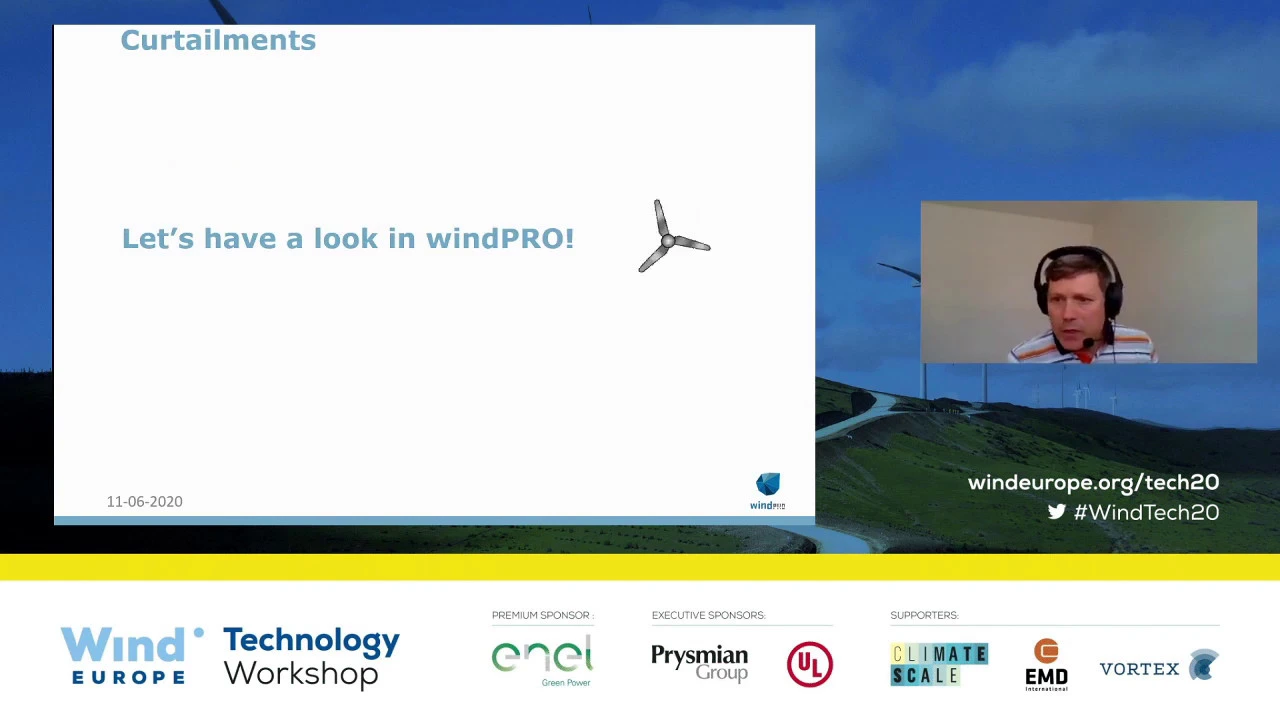
The concept of wind turbine curtailment (slowing or stopping blades) as an active environmental mitigation strategy.
An understanding of environmental impact assessments (EIAs) and the role of regulatory bodies in wildlife preservation.
Advanced techniques in sensor fusion, combining optical cameras with radar and lidar to improve detection accuracy under poor visibility.
The economic and grid-stability impacts of turbine curtailment, and how predictive algorithms minimize power generation losses.
Comparative analysis of global wildlife protection policies and the standardization of automated mitigation systems across different countries.
Broader applications of automated computer vision and AI in conservation biology, such as marine life monitoring near offshore wind or tidal energy sites.
77.4K views168likes12:26Original Release: 2023-06-27
foreign [Music] flight has received acceptance from the grand east region authorities in France and identified as a U.S based company I think it's based in Colorado that provides bird detection systems for wind farms uh and their system has and Joe I don't know if you've seen this thing but especially a series of cameras wrapped around a pole that's looking at all directions then it has a camera that swivels around uh the the cameras that are sort of fixed are looking for the bird and then the the swivel camera which has stereo Vision locates it zooms in on identifies it the acceptance of identify is the first time that French authorities have validated an automated system for reducing bird collisions in wind farms uh the system can identify multiple species of protected Birds including the red kite which is a big deal in France so the success of the system in reducing mortality rates supports obviously French and EU regulations for protecting bird species and rosemary you've done a lot of a little bit of research on this system it does seem to be a really complicated in in the fact that it predicts where the birds are flying and then only slows down turbines in the bird's path so I talked to somebody who was managing the environmental stuff at a wind farm that uses this system and he told me about how it had how it works and how it had worked for them in [Music] um yeah in actuality I think they've been they've had it for a few years now so they've got the chance to see how it worked they have one of these systems on a little mask they're not that tall I think they're like maybe 10 10 meter tall kind of masks you put um a camera system on it's scanning the sky when it sees something bird-like then it will um it will figure out what kind of bird it is because usually you don't care about every single Bird Death there's you know specific species that you're targeting um and he said that um when they're out at sight the system will recognize a bird before any you know human that's there has noticed it so they can see it pretty far away but this wind farm anyway there's about one mask per three turbines ish they have to be able to see see the turbines there's two cylinders um around each turbine and when the bird reaches the outer cylinder um that's when the system goes okay we need to um you know watch this bird now and then when it reaches the inner cylinder then they're like okay slow down and then they pitch the blades and then it you know it slows down and pinwheels um and it it's really active on this particular site they had a lot of eagles that they were worried about um and they saw that they're getting 400 turbine shutdowns per day on average over the over the year there's more in summer than winter takes about 30 to 60 seconds to pitch the bites to slow depending on what the win conditions are like 1.4 minutes per shutdown down um and so that's a lot of activity but he said overall the AEP lost the annual energy production loss is less than one percent and obviously like a lot less than some of the other strategies that we've heard are you know like shut down every night or shut down for the month of May or you know something something like that which is obviously going to give way higher um AEP losses so they've been pretty happy they've actually got more Eagles on the site now than they had before the Winter Wind Farm was built so um you know it's working working pretty well and that has got really low um bird deaths from the turbines with good coverage and they're just in the middle of doing an upgrade to add in another another system to cover this one turbine it's a bit a bit shaded and um you know a bit shaded from View and so they have seen some deaths from that particular turbine and they're pretty confident when they add this extra system that they're going to have close to no deaths from the the birds that they're targeting so what they're saying he told me the number of deaths they're saying about one bird and one bat death per per turbine but um nearly all of those are non-targeted birds yeah so overall it's been really successful you know I I saw this this uh company actually put back in 2019 or so I think it was one of the first ones that I saw in the market right there's a Envision and there's indigenous I think it was and there's a couple other ones out there Robin radar is another one yeah that they're so Advanced now starting to see in my mind I'm thinking about different capabilities for this too right I'm thinking if I was a if I was a major airport I would want to put this out at an airport and I and I would and I would want the AI to be able to recognize drones so I could see when that threat is coming in right or a military base and drones and certain things like that because if you can do this for birds already you can definitely catch pick drones out of the sky yeah that's really true yeah I I you know that's one of the questions about wind turbines is the stopping the use of drones at least in the states right they don't want you flying drones running wind turbines because of the damage then maybe the wind turbines need to protect themselves a little bit but the the this being a regulation based system right it's there to satisfy regulation we do not have that same requirement in the United States because of the success of the system is that going to then encourage U.S Regulators to to go down this route I talked to a guy um I'll say I've been talking a lot about people to people about birds and wind farms click on a video coming out on that um probably around the same time that this episode will be released but do you guys remember that there was a study um it's mentioned a lot in the media about how you can just paint one of the wind turbine blades black and then you know Birds won't won't die anymore and you know it's always mentioned in the media this study but never really in practice so I got in touch with the lead researcher from from that paper to talk about that one interesting thing that he told me was that um in there was one U.S state who saw that study and were trying to mandate that it um that it had to be a one blade had to be painted black on every wind farm in that state um where was it Oregon he said um and so the legislation passed but then they realized that it was kind of infeasible and also silly because this guy um you know this researcher he's an ecologist right he's not not an engineer but he said you know we painted um blades on three turbines in one wind farm on one Norwegian Island you can't just extrapolate that over the whole world you know the highly likely that it's not going to work like this for every bird species in every ecosystem and in fact sometimes it might actually do more harm than good so you really need to recreate the study before you start man dating then everyone does it but I think that's um interesting that you know his idea the idea that they were testing is so simple that it kind of just caught on everyone's like oh well why wouldn't you do it and don't really think actually there are even really simple ideas can cause negative outcomes and you know I'll talk a bit about some of the negative engineering outcomes that you might have if you you know wanted to try and um have every third blade be black um yeah so that was interesting so there has been people attempt to legislate but I always think it's a bit wrong when they try and you know legislate a technology that has to be used rather than legislate an outcome and then let people choose the technology that suits them best and that's specifically tough in the United States because people don't like being told exactly what they have to do you know that the here's the difference too in the states um that I don't think a lot of people realize in the wind in Industry as far as regulating Birds in the states the individuals individual states don't have a whole lot of laws around these things right for the most part there's none except for when the federal oversight happens right so the federal oversight when it's the U.S forest Service and it's a protected species like and most of those are raptors right it's a certain kind of eagle or uh you know like the sage Grouse I know that people that are operating wind farms up in Wyoming and Montana they can't bring cranes on site during the month of like you know June and July because the sage Grouse are mating um and those kind of things but the big one will be when as soon as we start having wind farms that take down flocks of ducks and geese because when you get into the federal migratory bird act and that's what regulates all the hunting of ducks and geese and why you have to have a federal stamp because the federal laws start to start to dictate what can happen with these Birds because they cross state lines regularly and that's when you're gonna so we're gonna start running into trouble so if some some senator from some State brings up the fact that uh flock of ducks was taken down by a wind turbine well then we'll have issues and that's where you'll start to see legislation I think yeah what was really interesting in the research I did for this video on birds that I'm doing I mean I have to I would be remiss to not mention in a segment about birds and wind turbines to say you know it's like hundreds of thousands maybe a million birds are dying in the US for wind farms each year and it's billions with a B that are dying from cats each year and then you know in between there's power lines and buildings and cars so you know it's it's a small problem um in terms of you know total numbers of ways that humans are causing Birds to die not to mention climate change um but you know so that aside it is still a problem about a small one the biggest changes have come just simply from wind turbine design so in probably the most famous example of wind turbines killing birds is the ultimate wind farm in California it was one of the first I think the first wind farms in the the us and it was in an area where there was just heaps of heaps of birds um heaps of uh you know important birds as well or I guess every Bird's important but you know important species um and they because it's a really old Wind Farm I think it started getting installed in the 1980s you can imagine wind turbine design has changed a lot since then and a lot of those original wind turbines have been replaced with modern ones so they did a study um looking at in the same area how many birds were dying from the old wind turbines compared to the modern ones and per energy per unit of energy produced it was 66 lower deaths just simply from Modern turbine Technologies so the old turbines were small their blades came closer to the ground and they they spin faster the small wind turbines because you know it's the tip speed that's important so a small turbine can have more um RPM to keep the same tip speed but I think the most crucial thing was the tower design old turbines had either had a lattice Tower structure you know like a um like a power line pylon or they had an external ladder and those were really really great places for birds to rest or even Roost on them same for bats and so they would have this location that they really wanted to hang out and then every time that they took off from there they were taking off right directly into the path of a turbine rotor so you can imagine that's quite hazardous compared to today's Towers which won the taller and the blades are further away um and there's nowhere to perch on a modern wind turbine Tower it's just a Sleek tube of metal um with nut you know there's no external ladders and stuff anymore either so just inherently in the design it's two-thirds reduction with when that's before you add any you know radar system or AI Vision or sonic deterrence or you know any of the other methods um and then the other big thing is just citing you know like now you wouldn't put a wind farm probably um well before you put installer Wind Farm you have a check to see if there's any vulnerable species that are relying on that area um and where you do see that there are then you require additional measures to even further reduce Bird Death so it's it's come a long way [Music] I
Up Next
4:13
Conservation vs Preservation: Definitions and Key Differences
@Studycomvideo
160.3K views•2013-12-31

15:54
Life in Biosphere 2: Sustainable Ecosystems & Human Survival
@TED
334.9K views•2009-06-16
14:30
Microplastics Everywhere: How Plastic Impacts Our Lives
@TEDx
100.9K views•2018-05-08
10:28
Ice Stupa Artificial Glaciers: Solving Ladakh's Water Crisis
@SonamWangchuk66
3.2M views•2015-05-03
Related Study Plans & Knowledge Roadmaps
Structured learning paths in Environmental Science
environmental-science
Ocean Noise: Cetacean Impacts & Mitigation
01Fundamentals of Underwater Acoustics
02Marine Mammal Bioacoustics
03Anthropogenic Noise: Shipping & Seismic Surveying
+ 2 more learning modules
16h5 modules
Explore Roadmap
environmental-science
Road Ecology: Corridors, Overpasses & Fencing
01Foundations of Habitat Fragmentation and Carnivore Ecology
02The Road Barrier: Ecological Impacts of Transport Infrastructure
03Principles of Ecological Corridors and Connectivity Mapping
+ 3 more learning modules
14h6 modules
Explore Roadmap
environmental-science
Ocean Acidification: Kelp Buffering & Shellfish
01Fundamentals of Ocean Chemistry & pH
02Chemical Pathways of Coastal Acidification
03Bivalve Physiology & Calcification Under Stress
+ 2 more learning modules
18h5 modules
Explore Roadmap
environmental-science
Ice Stupas: Glacial Retreat & Water Security
01Foundations of Glaciology & Mountain Hydrology
02Climate Change and Glacial Retreat Dynamics
03The Science of Ice Stupas & Artificial Glaciers
+ 2 more learning modules
14h5 modules
Explore Roadmap