




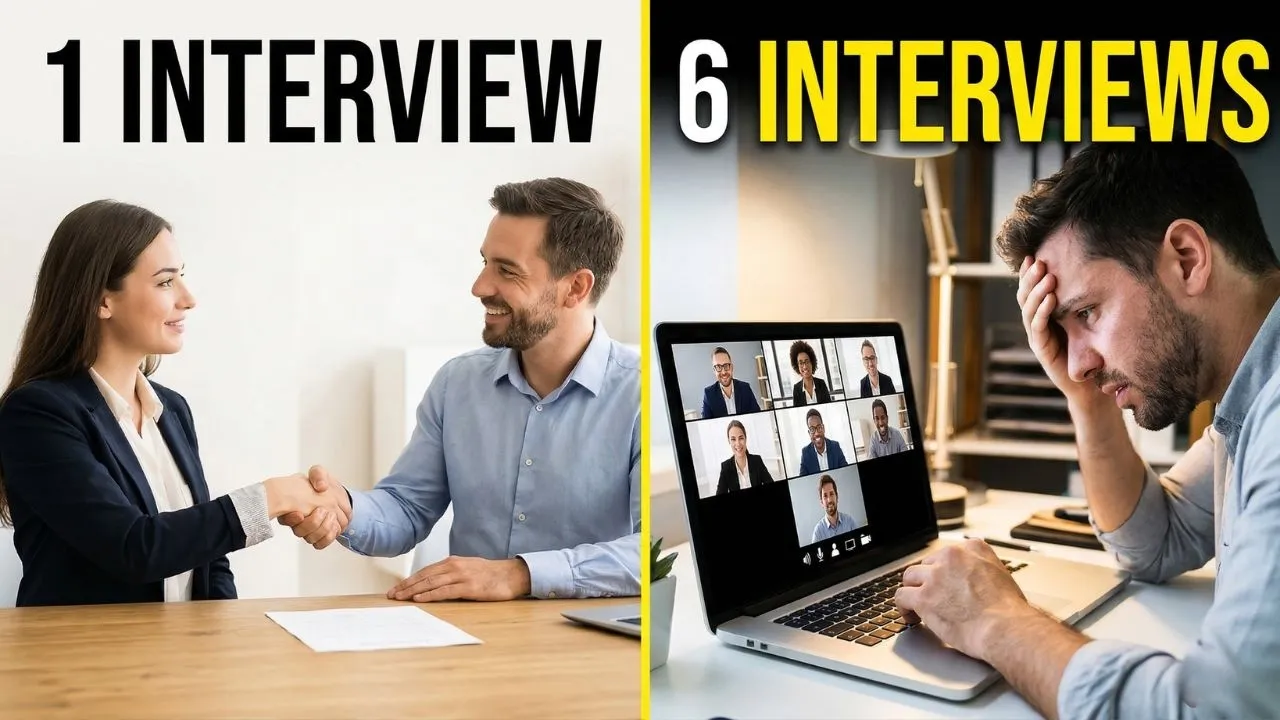








![Behavioral Interviewing [full]](https://i.ytimg.com/vi/YiQoyMtnulE/hqdefault.jpg)







Ageism in the workplace is a persistent reality where employers use coded language like 'overqualified' or 'high energy' to discriminate against older workers, but experienced professionals can counter this by directly addressing concerns, demonstrating willingness to learn, and recognizing that all employees eventually leave regardless of age, making the value of experience and immediate productivity more important than longevity.
Navigating Subtle Ageism in Modern Job Markets: Strategies for Tenured Professionals
Added:Understanding of implicit bias and the legal framework of age discrimination in the workplace, such as the Age Discrimination in Employment Act (ADEA).
Familiarity with modern digital recruitment tools, including Applicant Tracking Systems (ATS) and how algorithmic keyword matching filters candidates.
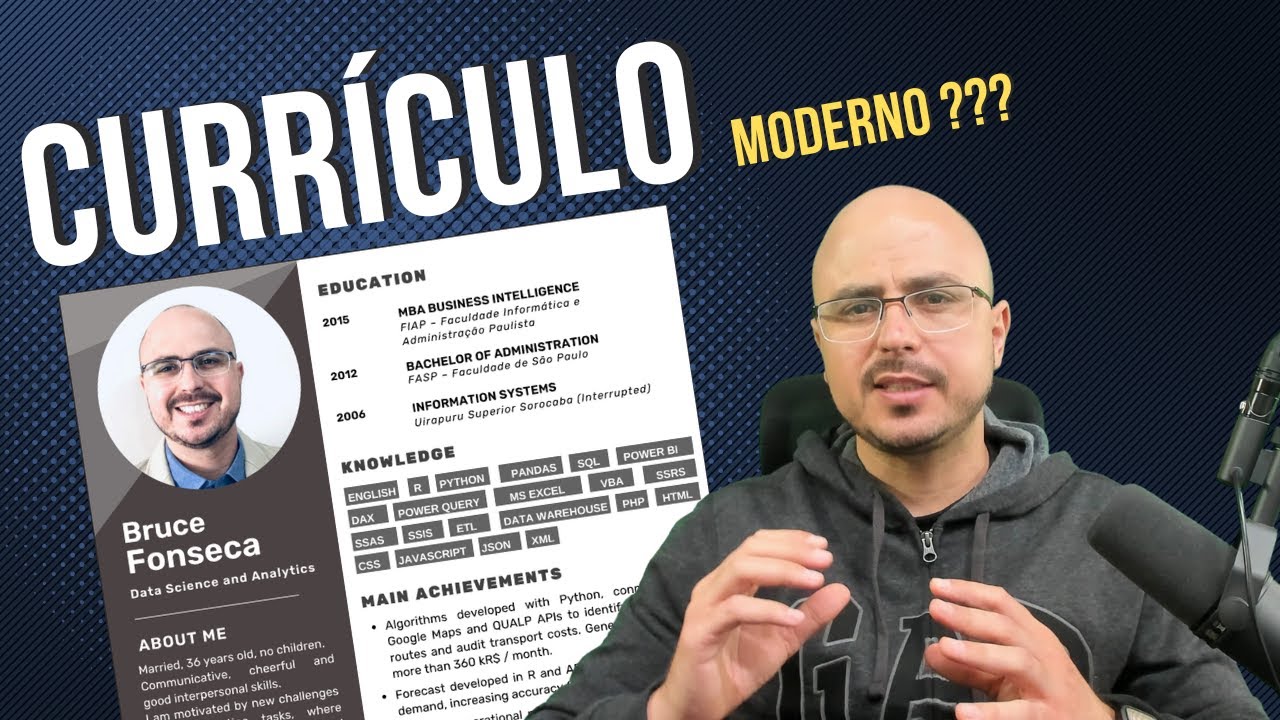
Basic knowledge of contemporary resume design and personal branding principles, particularly the shift from exhaustive chronological CVs to value-driven resumes.
Awareness of the concept of 'cultural fit' in corporate hiring and how subjective hiring criteria can unintentionally harbor exclusionary biases.
Strategies for digital brand modernization, specifically optimizing LinkedIn profiles and online portfolios to highlight technological agility and modern industry relevance.
Advanced behavioral interviewing techniques designed to proactively address and neutralize common stereotypes, such as being 'overqualified' or 'resistant to change.'
Exploration of alternative career ecosystems for highly experienced professionals, including consulting, fractional leadership, and advisory board positions.
Methods for researching and targeting age-friendly employers using diversity, equity, and inclusion (DEI) transparency reports and modern workplace culture indexes.
247K views6.3Klikes20:00Original Release: 2024-06-29
and that's um agism at work so I want to talk about that and I've got some hot Sports opinions about it but I want yall to to remember the the the the background and history in this comes a lot from me being a head hunter so youall know my first books were business books and job books and career things I've done I worked for the Wall Street Journal and was a a a director for them for a long time in their recruiting areas and um I was a head hunter I was a equity partner and managing partner at one of the largest search firms in America and I spent uh well over a decade in that industry and uh placed uh senior Executives mostly C you know CFOs Revenue Cycles CEOs administration at hospitals and what's interesting and I've also done a lot of Consulting for some of the biggest names Fortune 500 companies in America as well so here's the deal you know there's so much bitching and moaning about younger employees about Millennials about Gen Y Gen Z all of that and about how they show up and lack of work ethic and all of that and I I okay I understand that I also hear a lot uh from people our age or in Gen X or Beyond or people who are in midlife who are experiencing firsthand agism trying to get work and what it means is agism wrong absolutely okay absolutely is wrong should something be done about it absolutely is anything to be done about it no not a damn thing we can sit there and we can talk about it we can virtually signal all we want we can you know sit there and understand why it shouldn't happen but it does it's occurred forever it will continue to occur forever and here's my hot Sports opinion on this that may not you know may not be very popular but it's right um you know my first B book was I wrote the first business book for Gen X okay job smarts for 20-some so when we were we were coming of age right we came you know at least for me anyway a lot of people you know we graduated into a to a recession into a shitty economy and we looked at people this whole idea of what we were told of you go to school you get a good degree you get a good job and then you'll climb the ranks yeah we found that a lot of the people ahead of us weren't going anywhere and a lot of those opportunities and things were you know the the Boomers were guming up the works you know and we didn't have all of these opportunities to to advance like we had had been told you know when we were in our 20s and early 30s we're sitting there looking at this and going wait a minute that's [ __ ] we were told if we go do what we were told we get these degrees and we the workforce and we we play the game that will will rise through the ranks and it wasn't and so what did we do we looked at the people ahead of us and we [ __ ] and moan hey you know you had your turn get out of here right what's happening ah now we're those people now we are those people in our 40s 50s and Beyond and we're like oh well we shouldn't be told that we're too old to what I mean for for it's here's the the irony for genx being told that you're that you're tough as Nails you don't put up with any [ __ ] we're sure sounding like a lot of babies aren't we okay and here's the point nothing's going to change I know that I'm Johnny Optimist but this is this has been going on for Millenia okay yes you know you should be holding um your elders with re you know Revere your ERS and you know hold them in esteem and pull from their wisdom absolutely okay but this has been going on forever from tribal systems to corporations to everything the Young Buck sits there and thinks hey you're old you're slow you're weak get out of here okay it's my turn and we forget that we thought that we forget that we thought the same damn thing when we were in our 20s and now that we're there it's like oh well this shouldn't happen oh because you know nobody likes getting nobody likes being the slow goat that said I want to share with you some things I learned um as a recruiter as a head hunter an executive recruiter and that go on the dirty truth the dirty bits this kind of like Anthony berdan uh when he talked about Kitchen Confidential of like here's the stuff that goes in the kitchen about your your your restaurant experience in the food service industry that you really don't want to know but here's the here's the story you may not like the answer but it's the answer yes agism exists and it exists in such an over fashion that it would make your head spin okay it would the things that I had employers tell me to look for to do to not do who you wanted whether you speak in code or not I had people come flat out don't want some the the I want someone high energy what do you think that means I had people flat out out say I don't want a woman I had people flat out tell me I don't want someone over 45 I don't want someone with kids I don't want I mean the [ __ ] that you're not supposed to say guess what they say they say and they may not tell their HR people that but they'll tell recruiters that it's funny because then you see then especially if they go in house or tell recruit tell their own recruiters then you see when it becomes very couched and then you have things like well I just think they're a little too overqualified ah overqualified what does that mean what do yall think that means over they I don't think they'd be happy here because of a number of reasons some fairly legitimate maybe and some just such couched code words and euphemisms for what the elephant in the room is you're overqualified I had this argument so many times bring I'd give them candidates and one is Far and Away the the best candidate okay and they are they may be legitimately overqualified because they held a higher position or had greater experience or with a better organization bigger organization whatever it is and I present this to someone they go well I think they're just a little overqualified for this look if they're willing to do the job you need to look at them because here they are oftentimes the hiring manager or HR person or whomever would make a judgment about that well they really wouldn't want to do that they wouldn't want to do that job they're playing because they either need a job okay they did it they know what they're coming in for do you think people actually you know if they you were a director somewhere you're applying at a manager level for example okay someone go well they're they're overqualified for that is code for you're going to be too expensive too old pain in the ass know more than I know that's a huge one right there you're going to find an insecure manager right there with or they're going to be a pain in the ass because they have so much experience they've already done it this way and I want someone young dumb and stupid who will do what I tell them to do that's that sorry that's the dirty secret right there because I've had these conversations I've had these conversations in the rooms that no one's ever supposed to know about but when you go give me the deep breath okay that's really what happens God you know they're not going to be happy they're going to Bol because you know what we're going to pay them this they say that they want this much money but you know what come on they're used to making X you know we're going to pay in this and they're going to be out in five months when the bigger better deal comes along are they maybe but my argument was always this and if you're if you're older well hell I mean everybody I deal with is older okay midlife so here's the deal my argument to them was always everybody's going to leave you everybody's going to leave you you realize that right that whether you hire someone younger or older they're all going to bolt because let's say you hire that young person that's cheaper okay that that is malleable at some point they're going to get bored they're going to get bored because maybe you're not progressing them you know as fast or as far as they want maybe they just decide hey screw this I want to go sell tacos on a beach okay and they're out or maybe they get married or you know want to leave or say I'm sick of living here and want to do something else because they're going to leave you because nobody stays at a job job long anymore I remember when when I was recruiting and well you know look at this they've job hopped they've they were only in their job five years last time and I want somebody's going to stay forever nobody stays forever people don't stay hell people don't stay in marriages forever people don't stay in jobs forever they will leave you they're going to leave you and they're going to leave you faster than they ever have before and I don't give a damn how old they are so my question then becomes knowing that someone's going to leave you okay why are you looking for longevity because it is a contract it is an unspoken social contract of hey I'm going to stay as long as I want to and as long as this works for me and as long as I'm paid well and fairly and respected and I enjoy the job and it's challenging work but the moment that stops or the moment something in my own personal life changes I'm out of there that's it and yet we we look at someone who thinks that is oh my God you're horrible they shouldn't do that we want someone who's G to give us everything nobody gives you everything anymore nobody gives you anything you're lucky if they show up and give you anything okay so why are you bitching and moaning about that because here's the deal you I both know that whether they're young or old but let's take that that employee that you expect loyalty and blood out of them the moment the market changes the moment you don't hit your numbers the moment you know you lose a client the moment [ __ ] turns the moment you become anything become acquired the moment they do something and miss a project and you just don't like the way they handle things anymore guess what you're gone you can get rid of them for anything loyalty loyalty is a temporary and trans thing and nobody likes to admit that now now now we established this about about how temporary and transient things are let's talk about the benefits of why you want to hire somebody older because I would make this argument there I said everybody's gonna leave so don't sit there and think because they're young and you can pay them less and you can teach them everything that they're going to sit there and go oh my God please I want to stay forever so if you let's say that everybody's gonna stay there the same people are gonna stay 18 months give or take if the person who's older or more experienced or overqualified is willing to accept to come to work for you for the the pay that you're putting out there wouldn't it be better to have someone for 18 months that can do twice the amount of work that can help you accelerate faster that can do better things that H doesn't have a learning curve knowing full well that in 18 months everybody's going to leave either the junior person can't hack it says I'm out or the older person who's more experienced you want to get rid of them whatever you've gotten twice the amount of work out of it you've gotten twice the level of work and competence out of it and so I think that's the whole thing and so the point is you know and granted maybe I'm just an a-hole I would counsel job Seekers to call out the elephant in the room you know you wouldn't be happy why would I wouldn't be happier why will I not be happier tell me why well if it's a cultural thing code for you know screaming ages but if it's the you're overqualified I know a lot of yall aren't fans of sports analogies but let's use a sports analogy if I'm running a sports team if I if I the Cowboys or pick your team pick your sport but if I know hey I want a Super Bowl run here we're kind of average why do you think they bring in Superstars for a year twoyear contract knowing full well that this person's near retirement they're older they won't stay forever they're not going to be someone you build a team on but you know what that year that you're there it's gonna be pretty damn amazing because you can go further faster with that experienced person businesses don't really look at that do they they don't look at that it's like hey you know what we need something that's going to help us accelerate help us move faster help us be better for this period of time and you know what they may not be here forever but damn it's going to be a hell of a ride and help us completely LeapFrog um everybody else and be places where we couldn't have been otherwise oh they're overqualified suck it up suck it up and benefit from that because if someone comes to you whether they're in their late 40s or 50s or whatever you know gray hair no hair doesn't matter and they are willing to accept have they made more before and I ran into that all the time well so and so was used to making you know they were used to making 180 or 200 and there's no way they're going to accept 150 on this you know maybe not maybe not or they're always going to be wanting something more they're going to come in at the top end maybe but also I think a lot of people who are willing to look at that they know the score and I think you know it used to it wasn't this way but I think a lot of times people real you know at this age realize too hey maybe I've made as much as I'm maybe I've topped out maybe I've peaked maybe I'm not going to go and I've seen this a lot with senior Executives you know what maybe I was making X and you know what I won't make that again but I want to work I want to be happy maybe I was making that and you know what the company sucked it was stressful I hated it you know all this and I want something that that I can do that I can contribute I can be a player at and I can be effective yeah I may be overqualified but you know what I didn't like having the the pressure cooker that this was and I'll take a little less money for a better quality of life and somewhere where I can make a difference okay people don't think about that because we're looking at things in a binary way employers employers and HR people they look at things as just black and white yes no and that was my job as a head Hunter often times was to go here's what you're not seeing now stupid employers sorry they're out there they look at things very black and white well I need this this is it and really that's it it's you know all hiring is kind of like dating it's a giant funnel you look at the at the the top end the funnel it's an immediate yes or no qualified unqualified you know you've done it or you're not then it becomes narrow realizing there's so much value in people our age and that's not the virtue signaling oh you should give them a chance it's like this you know what if I'm going to go by car okay sorry Chevy I'm going to throw youall under the bus here for a minute but if I go get a Chevy or a Mercedes that maybe's you know a couple years old maybe was a demo and it's like low miles and I can get it for next to nothing or for the same price that a Chevy wood what do you think I'm buying I'm taking the bins twice on Sunday it's value I see people outrage job Seekers well you know they just they set them overqualified I don't understand understand it they think you're too expensive you're going to be a pain in the ass you're going to know more than the younger manager you're going to over Shadow them you're going to bring your experience which they really don't want you know because they're intimidated okay the idea is if you are open to learning to bringing your talents where you I give you an example okay you a personal example on this one so um I didn't become a recruiter Head Hunter until later in my career okay I'd had a you worked for a number of years I've been in sales I'd already written books I'd spoken I already worked um you know for for big companies and when I went into search though I was at least smart enough to know I mean there were people a lot of young people in there were doing this I'd never searched before okay but I'd recruited done these other things but I remember going in there and thinking hey you guys obviously been successful doing this okay I have a lot of life experience a lot of business experience I know a lot of things but you know what I'm smart enough to know what I don't know and I don't know how you do it so my approach to this and I remember telling the guy who who um you know the name partner on this I said look I'm really good but I'm and I'm cocky but I know enough to know I don't know this business so what I'm going to do is I'm not going to talk about what I've done how I used to do it why don't we do it this way I'm going to come in I'm gonna be a blank slate I'm GNA be a sponge until I put some skins on the wall I'm gonna do it your way I'm G to wash rinse repeat I'm gon to Mr Miyagi this [ __ ] okay you tell me to you know wax on wax off I will do it until I get some skins on the wall and learn it your way and then it's gloves off and I'm going to then bring in what I know and my experience and all of these things and it worked because I came in as a blank slate I learned everything their way which was valuable I wasn't oh here's this old guy who comes in thinks he knows everything but then once I've learned that then I can layer it with what I did know and I accelerated at an alarmingly fast rate and if you older that's a great way to do it but there's the intimidation Factor there's the expense Factor there's the they're going to leave Factor there's the I won't be happy factor and we think because so many of us and I saw this so many times again I've written job books I recruit I did all this and so many people think that is you have to play the game a certain way you're dealing with another person another human being and yet people don't want to say what's the blinding flash of the obvious hey why do you think I wouldn't be happy why do you think I'm overqualified and then you draw these analogies right there now granted sorry HR if you're dealing with an HR person or a recruiter or whatever like that they can't do [ __ ] sorry y'all are helpless okay um in terms of being able to then communicate you're playing a game telephone them because you can't communicate to the hiring manager right but if you ever get an opportunity you get face to face with someone who actually pulls the strings and gives it a thumbs up thumbs down and a hiring manager a person you report to or company owner or executive like that that's it and I think a great way is saying what do you what about me scares you what about me scares you what what what about this would make you not want to move forward and then say is it is it the money is it the age is it no one thinks about that because oh that's just bad form you don't talk about that I know I know we got some Canadians on here who are very friendly look my philosophy in a lot of in life in a lot of things is look if you if you think it's going down in flames if you think it is swirling the drain here you have 0.0 things to lose so just ask the question and it's not this it's not the statement of well you know I'm a quick learner don't say that well I pick up things quickly I'm willing to learn no one gives a [ __ ] it's not always about your education it's not always about reskilling and going up it's about getting real CU here's the other thing this this is the other elephant in the room that nobody wants to talk about here if you're an employer and someone actually wants to work and shows up and is on time and you know can conjugate a verb and is remotely qualified there you go you're 70% of the way because there's so many people out seriously there's so many people out there young and old look I got three 20-some kids who thank God are diligent and great jobs and kicking ass in their career but you know what I know so many other young people ghosting they not showing up the lack of professionalism the lack of forethought the lack of respect the lack of diligence okay so you get anybody young old doesn't matter and they show up and they're going to do the job you know what you get you get bonus points and especially then for if you're if you're older I I'd call out that elephant in the room I really would you here's the deal we expect people to connect the dots we expect people to see things often times they don't especially in hiring okay because you know and I can tell you after dealing with you know hundreds and hundreds of of of hiring managers okay and Executives and business owners we think of things as just black and white binary yes or no you got it or you don't and it's not it's not always that way there's so many variables to this has turnover been a problem has absenteeism been a problem has actually following through been the problem has actually problem solving critical thinking we take those things for granted because they just don't [ __ ] exist at a certain level now with employees that's it you young and old but I mean employees period okay and the fact that you can call that out it's not willingness to learn okay I could train this dog here to learn something but it's the fact of look you're running a business you have customers you have clients okay professionalism work ethic all of these things you can't expect someone to connect the dots sometimes you have to put it in their face okay and you have to ask the hard question are people going to lie yep sure are people going to squirm around it yep sure are but at least you will know that you took a swing you got the bat and you took a swing at it rather than just letting you know some idiot well you because look I've done it I look I prided myself on on giving people the real real okay it was the good news or bad news you're going to get a lot of well it's just not a good fi we chose to go in a different dire Direction okay look this is the other thing too if you're older if you can get somebody who will give you some honest feedback honest feedback then that's a good thing that's a that's a great thing even if it stinks even it punches you and makes your nose bloody that's a great thing but you need to ask for it you know accepting euphemisms and [ __ ] like that no no no it's my small rant for today but overqualified man who wouldn't want a superstar at a discount price you know you're a fool if you don't take that and I'd tell them that to their face
Up Next

21:04
Caring for Aging Parents and Children: The Sandwich Generation Challenge
@CBSMornings
14.5K views•2024-04-26

12:54
Triumph of Orthodoxy Icon: Byzantine Art & History Explained
@BenCallan
2.1K views•2024-08-06

9:49
FastAPI vs Flask vs Django: Choosing the Right Python Web Framework
@TechWithTim
302.5K views•2024-05-26

1:42
Game of Thrones Opening Credits: A Cinematic Analysis
@gameofthrones
46.3M views•2011-04-18
Related Study Plans & Knowledge Roadmaps
Structured learning paths in General & Interdisciplinary Studies
general-studies
Elevator Engineering: History, Physics & Cities
01From Hoists to Safety Brakes: The Dawn of Vertical Lift
02Hydraulic vs. Traction: The Engineering Physics of Elevators
03Modern Speed, Safety, and Algorithms
+ 2 more learning modules
12h5 modules
Explore Roadmap
general-studies
Rubber: Material Science, History & Geopolitics
01Origins of Natural Rubber & Mesoamerican History
02The Chemistry of Natural Rubber & Vulcanization
03The Geopolitics of the Rubber Boom & Colonization
+ 2 more learning modules
12h5 modules
Explore Roadmap
general-studies
Containerization: Evolution, Logistics & Trade
01Ancient Trade & Bulk Cargo: Amphorae to Barrels
02The Industrial Revolution & Cardboard Packaging
03The Containerization Revolution: Malcom McLean
+ 2 more learning modules
12h5 modules
Explore Roadmap
general-studies
Textile Tech: Evolution, Labor & Global Impact
01Pre-Industrial Textiles: Handloom & Cottage Industry
02Mechanization: The Spinning Jenny to the Power Loom
03The Factory System & Global Labor Transformation
+ 2 more learning modules
10h5 modules
Explore Roadmap