











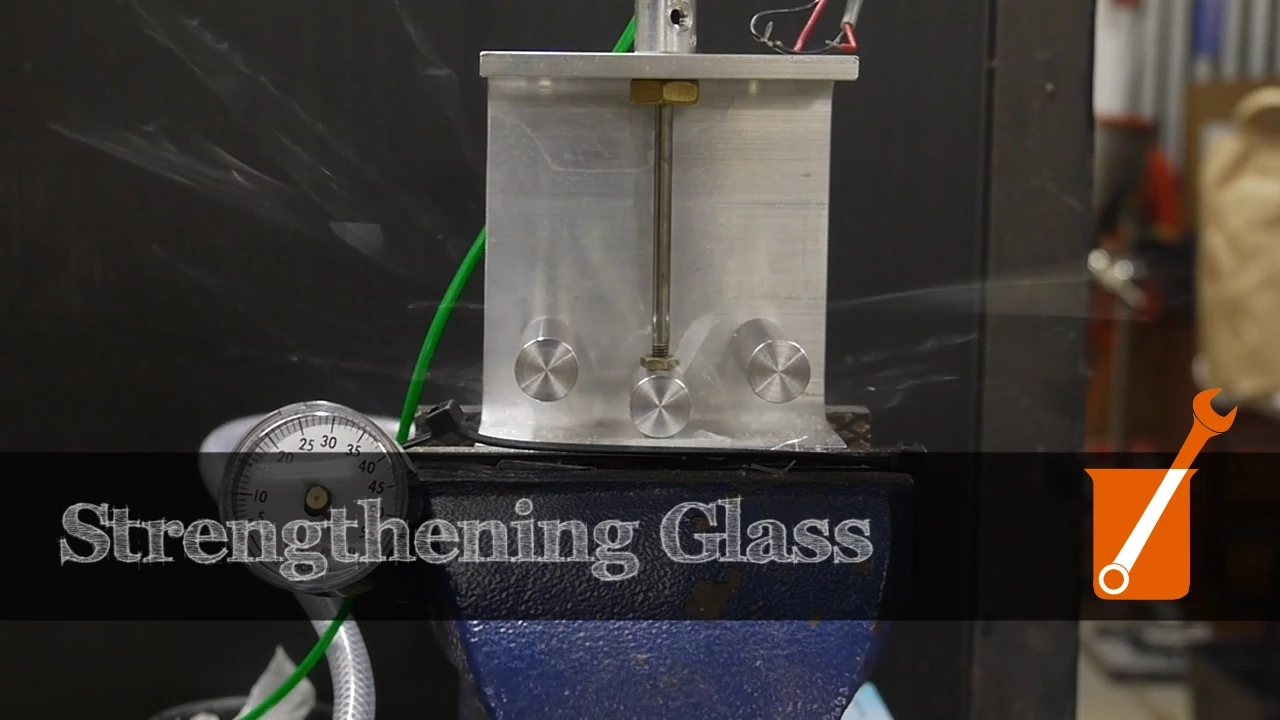












Glass is inherently fragile due to its amorphous molecular structure, which creates widespread weak points throughout the material; however, scientists have developed techniques to make glass much stronger and safer, including tempering (rapid cooling that creates compressive surface stresses, making glass up to five times stronger and causing it to shatter into dull-edged pieces rather than sharp shards) and lamination (bonding glass with plastic layers to hold fragments together), with bulletproof glass combining multiple layers of tempered glass and plastic to create a sandwich structure capable of stopping bullets while remaining transparent.
The Science of Shatterproof Glass: Tempered, Laminated & Beyond
Added:Basic Material Properties of Glass: Understanding that glass is an amorphous, brittle solid with a non-crystalline molecular structure that is prone to sudden failure under tension.
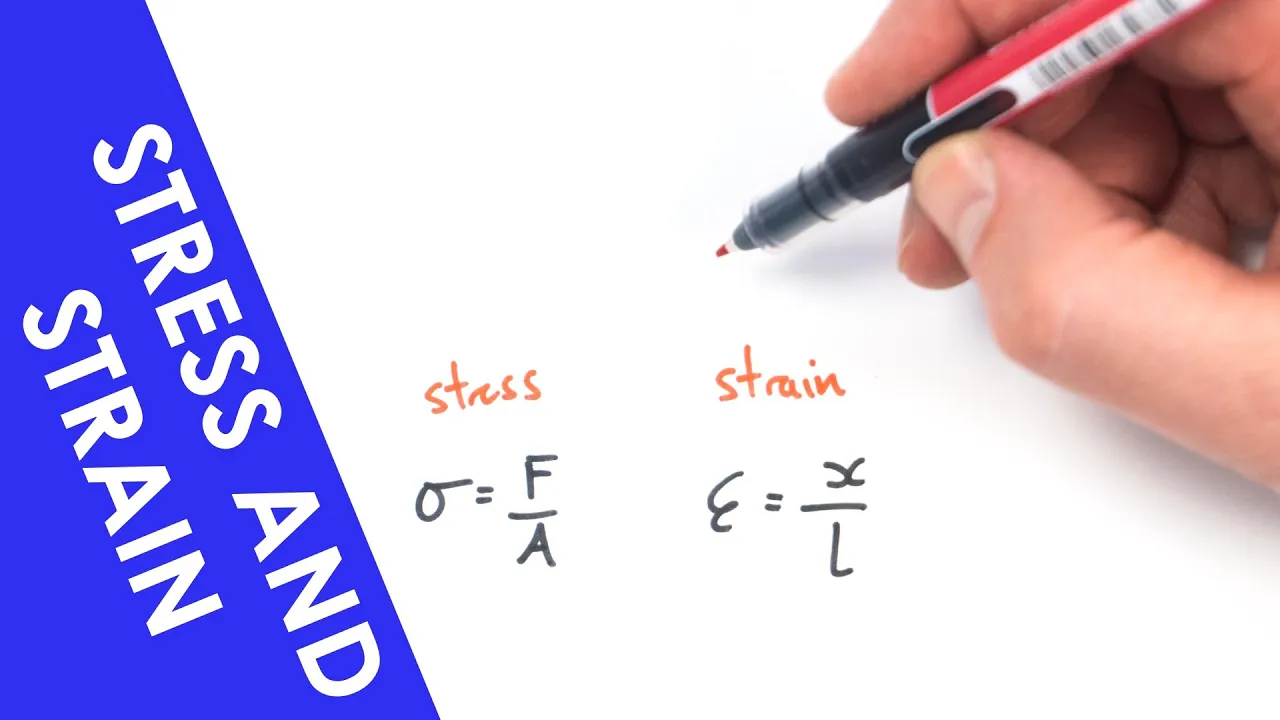
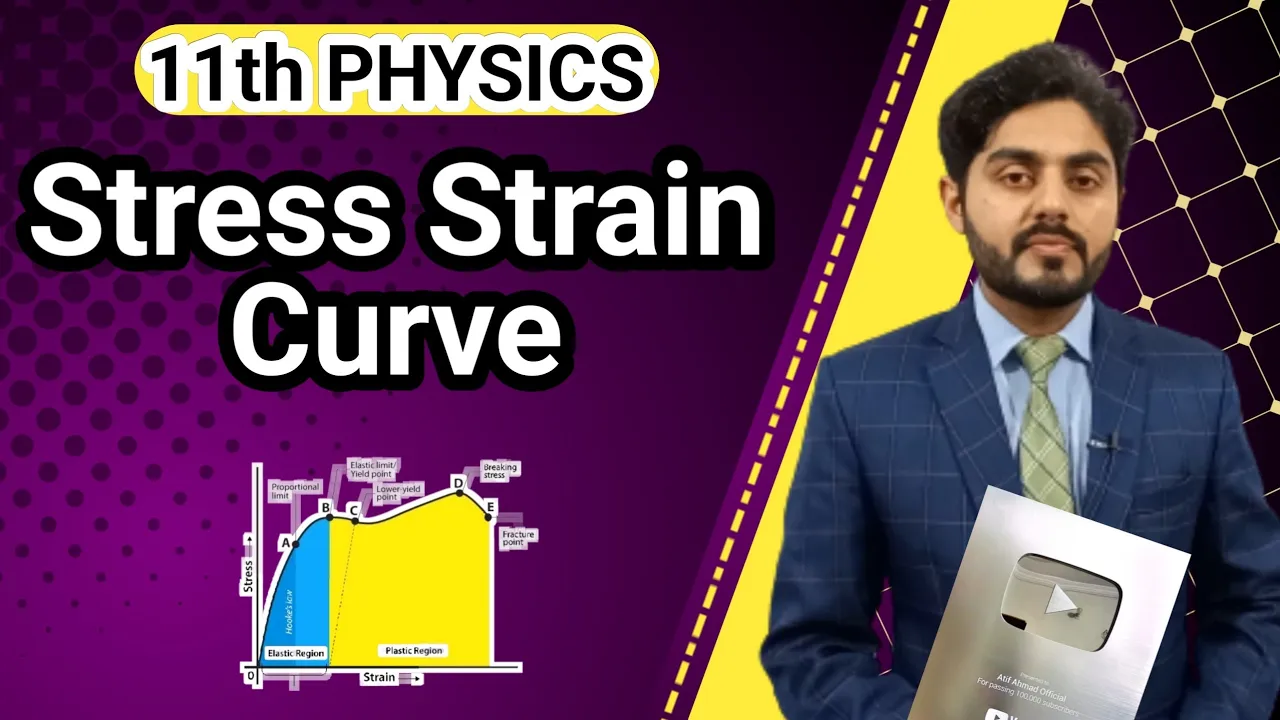
Stress and Strain Physics: Familiarity with the concepts of tensile stress (pulling forces), compressive stress (squeezing forces), and how materials deform under load.
Thermal Expansion and Contraction: Knowledge of how heating increases material volume and rapid cooling (quenching) locks in physical structures, creating internal thermal stresses.
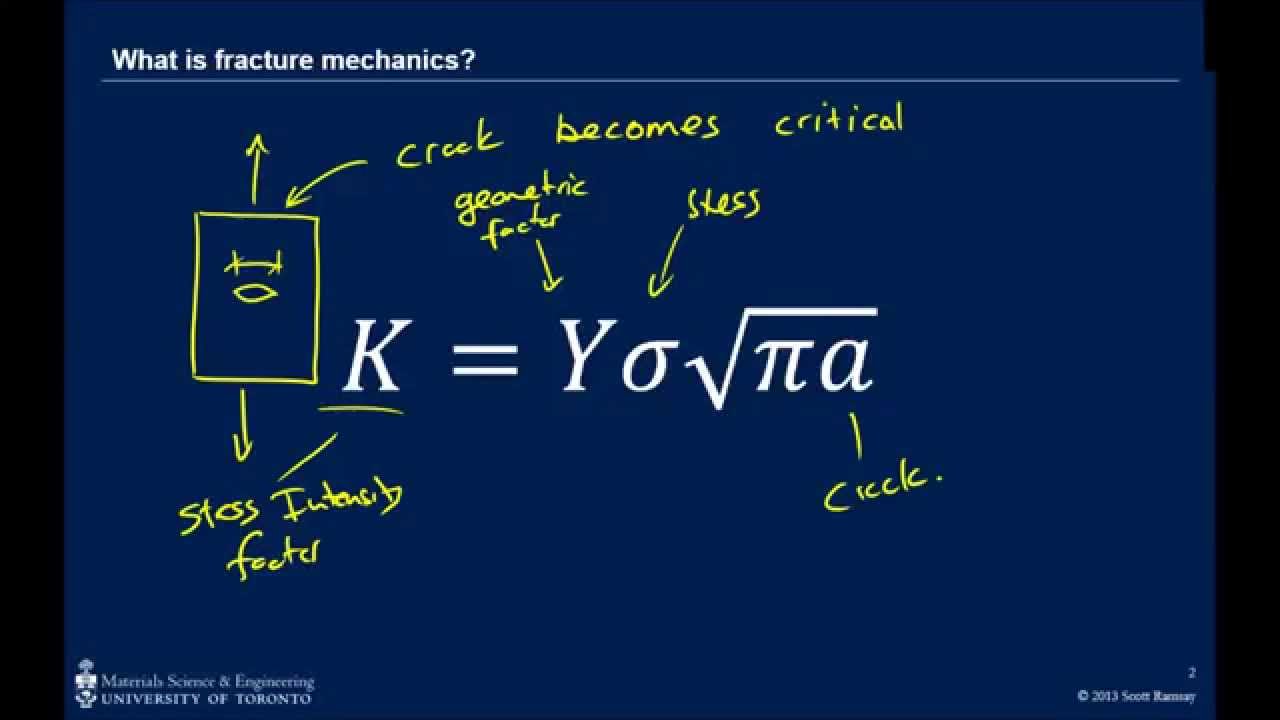
Mechanics of Fracture: Understanding how cracks initiate at microscopic surface defects and propagate rapidly through brittle materials.
Chemically Strengthened Glass: Exploring chemical tempering techniques, such as the potassium-sodium ion exchange process used to manufacture ultra-thin, scratch-resistant smartphone screens.
Ballistic and Blast-Resistant Glass: Investigating the engineering behind multi-layered polymer-and-glass composites designed to absorb and dissipate high-energy kinetic impacts.
Structural Glass Engineering: Studying how architects utilize tempered and laminated glass safely in high-load applications like glass bridges, structural columns, and skyscraper facades.
Forensic Fractography: Analyzing fracture patterns (radial vs. concentric cracks) to reconstruct events, determining the point of origin, speed, and direction of forces that caused a glass failure.
175.6K views9.6Klikes5:58Original Release: 2024-02-15
We all know that glass is really fragile.
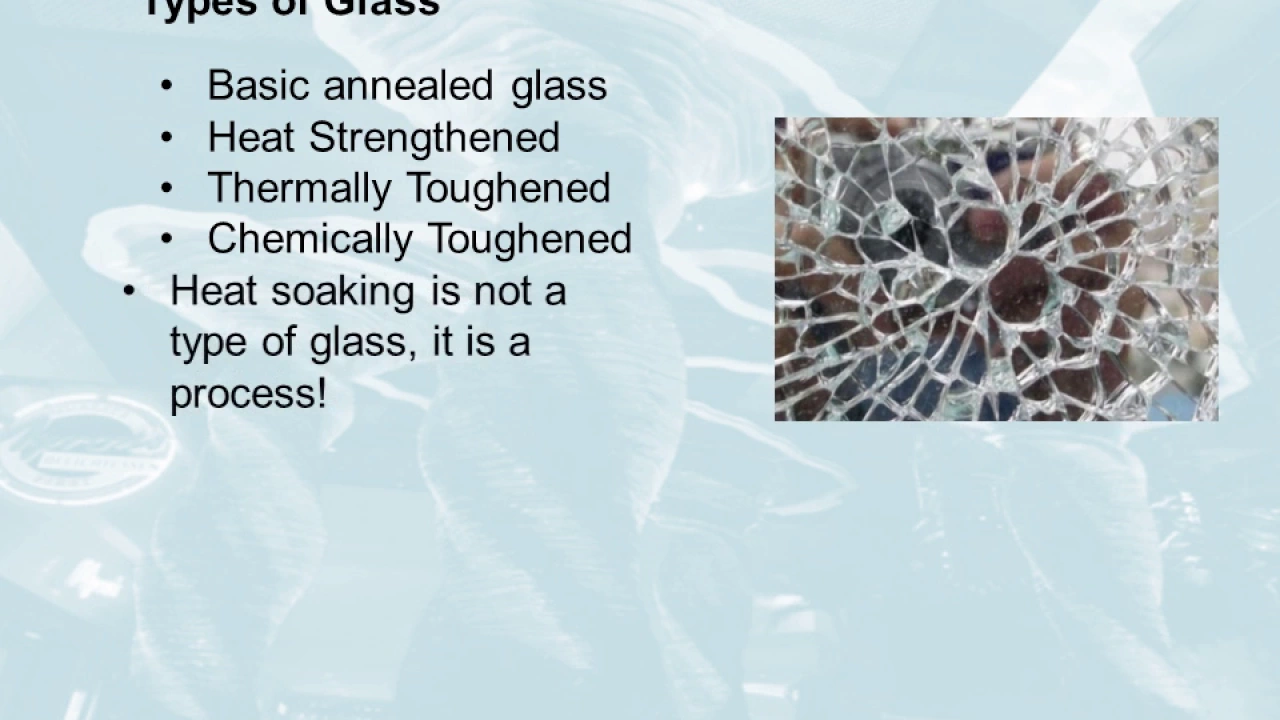
And when it breaks, it usually explodes into dangerous shards that go everywhere.
Which is less than ideal when that glass is used for, like, car windows or the outsides of buildings.
And how can glass be bulletproof if most glass isn’t even floor-proof?
Well, over five thousand years of us making the stuff, we’ve developed some tricks for making glass stronger when it’s whole, and safer when it breaks.
And we’ve also decided that you can call something “glass” when it’s not really, well, glass.
Or, at least, not just glass.
[♪ INTRO] Now, glass is a solid, and no matter what keyboard warriors say, it is NOT a liquid.
That said, it’s what we call in the world of science, a weird solid.
Okay, technically the word is “amorphous,” but still.
See, most substances form crystals, where atoms and molecules get locked into a pattern as the liquid freezes into a solid.
But not glass.
There’s no one most natural way for its molecules to lock together.
Some areas end up with molecules arranged one way and some areas are completely different.
The transition from liquid to glass is so strange that no one fully understands it: It’s an unsolved problem in physics.
And the end result is a chaotic mess of molecules that looks more like a liquid than a typical solid crystal shape, hence the term amorphous solid.
Those messy molecules help make glass transparent; the molecules are so disorganized that they don’t absorb any one visible color, meaning that all the colors of visible light can pass through, more or less.
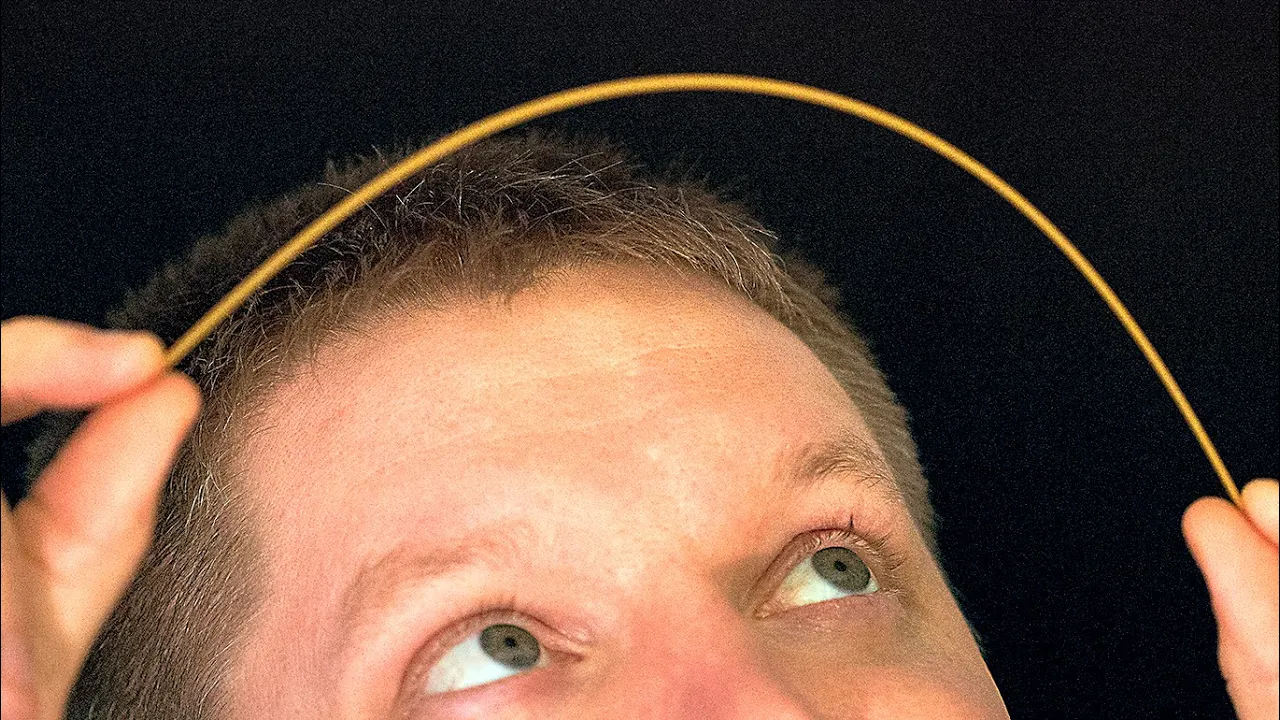
But glass’s disorganized molecules also make it brittle.
The molecules end up in tightly packed clumps in some places, with lots of force binding the clumps together internally, but a lot less force holding the separate clumps together.
And those areas with less force are all throughout the piece of glass, meaning it’s chock full of weak points.
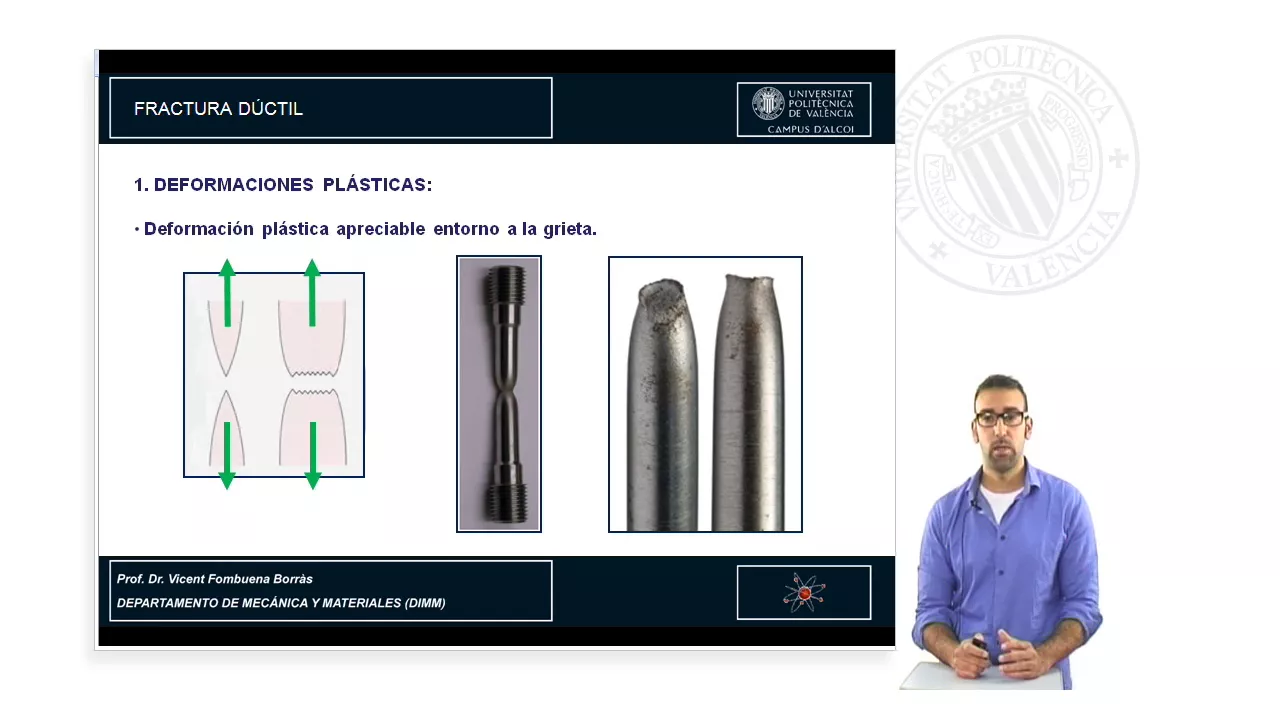
If the glass is hit or bends along one of those weak points, the clusters might just separate permanently, forming a tiny crack in the glass.
And those cracks will grow and keep driving clusters apart, until one last impact makes the whole thing go kaboom.
Those cracks spread across all dimensions of the piece of glass, too, creating super-sharp edges that can be as thin as a single molecule.
Once a growing crack reaches the edge or circles back on itself, energy stored between molecules is suddenly released and the glass shatters.
That makes glass sound like an awful choice for, say, a car window.
You know, something that’s constantly bonked by little stones and sometimes hit by an entire car.
Fortunately, cars use a specially designed type of glass that’s resistant to shattering - at least, shattering in a dangerous way.
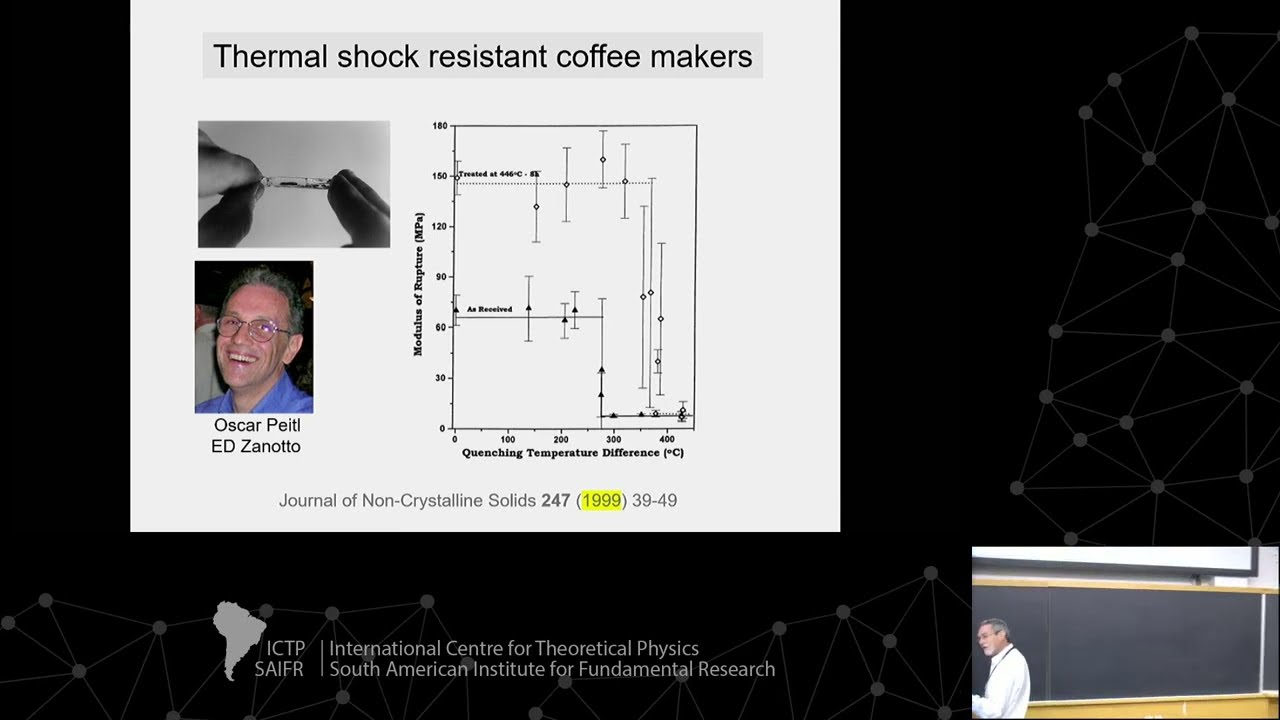
Car windows usually have heat-treated or tempered glass.
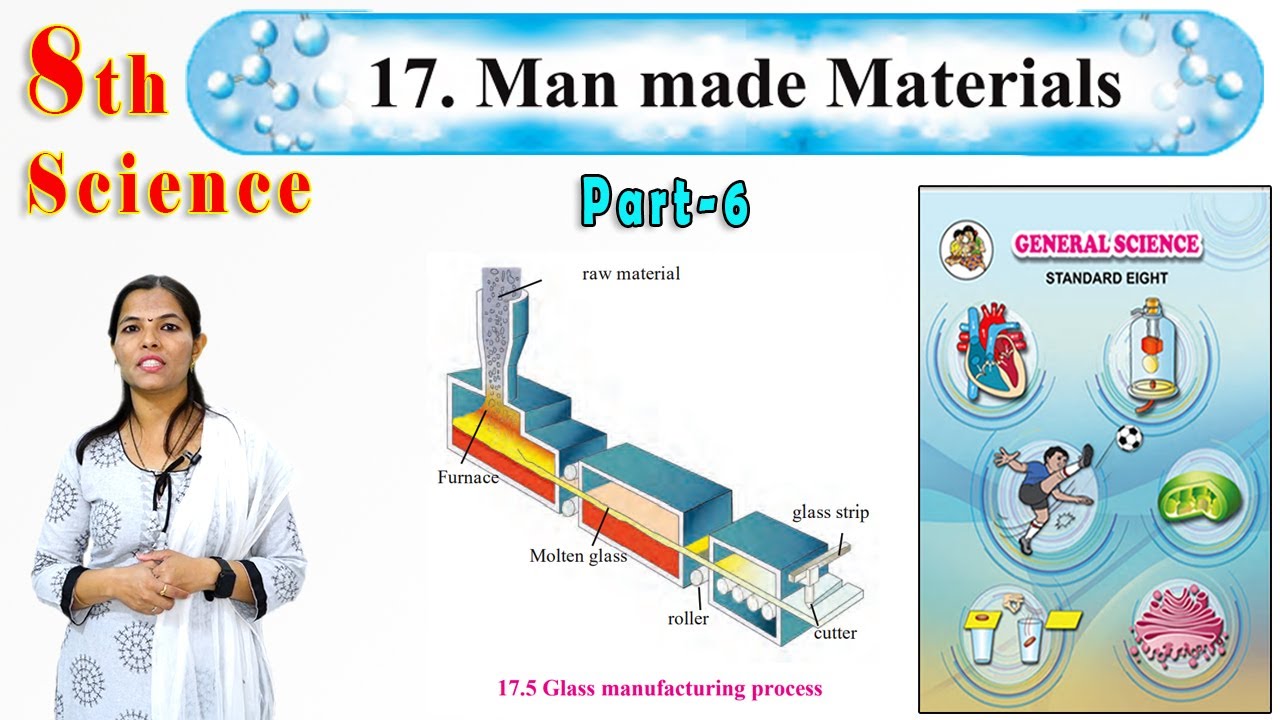
Manufacturers melt sand and other stuff like they normally would to make glass, but they don’t let it cool down like they normally would, with basically all parts solidifying simultaneously.
Instead, they force the outermost layer to freeze first.
The liquid center would usually shrink as it freezes, kinda like an underbaked cake.
But it can’t do that, because the edge is already solid, so there’s no slack for it to sink down with.
This creates a solid pane that’s constantly pulling against itself, which also makes it resist anything external that might pull it apart.
Tempered glass can be up to five times stronger than untempered glass.
And when it does break, all that tension gets released at once, immediately creating countless weak points in the glass.
Cracks immediately find other cracks, so they can’t create those molecularly sharp edges that we usually worry about with broken glass.
Releasing all that tension at once means that tempered glass doesn’t really shatter into big pieces.
It explodes.
But it’s an explosion of dull-edged clumps, so the pieces are much safer to be around.
Windshields go one better than tempering and put a thin sheet of plastic between two panes of tempered glass to make what’s called laminated glass.
The sticky plastic holds the glass in place even if it breaks a little bit, and anything that might go all the way through the windshield first has to travel through a strong, tempered pane; then sticky, bendy plastic; and then another tempered pane.
Because it holds together and has all those layers, laminated glass is even stronger than the same thickness of tempered glass would be on its own.
And bulletproof glass takes this idea to the next level.
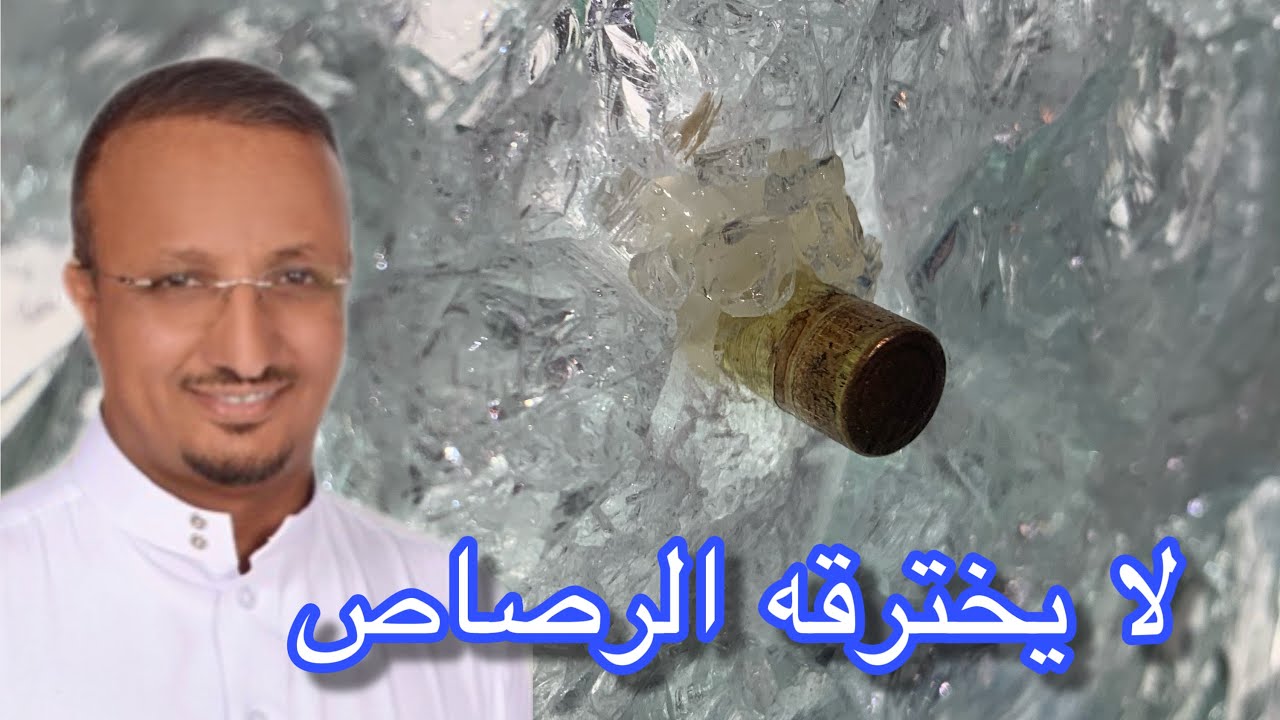
If laminated glass is a tempered glass sandwich, bulletproof glass is a laminated glass sandwich: Glass, plastic, glass, plastic, glass, plastic, glass… And so on until it’s strong enough to stop a bullet, while still being see-through.
That said, glass is heavy, especially once you start making sandwiches with it.
In most true bulletproof glass, some or even all of the glass is replaced with a lighter plastic like polycarbonate or acrylic, or designers might just go for one really thick sheet of one of those plastics.
So really, we might be better off calling bulletproof glass “bulletproof-glass-and-plastic-and-other-plastic-and-glass sandwiches that sometimes don’t have any glass at all”.
But that doesn’t quite roll off the tongue.
So there’s a lot more to making resilient, sturdy, crack-proof glass than meets the eye!
Now, if only researchers would apply all this knowledge to create a true shatterproof wine glass, then we’d be in business… Thanks for watching this episode of SciShow.
We want to give an extra shoutout to our patrons on Patreon, who help us keep the lights on and the science stories flowing.
Patrons also get some neat perks, like our patron-only podcast, a whole backlog of blooper reels, and even a patron-only Discord server.
If any of that sounds like it’s up your alley, head over to Patreon.com/scishow to check it out.
[♪ OUTRO]
Up Next
22:22
How Glass Revolutionized Science and Technology
@veritasium
8.6M views•2024-11-13
30:32
Ultrasonic Transducers: Resonant Frequency Measurement and Horn Design
@imajeenyus42
229.9K views•2017-02-22

54:16
Polymer Environmental Degradation: Mechanisms & Stabilization
@iit
1.8K views•2012-07-10
33:39
How a Student's Question Saved a NYC Skyscraper from Collapse
@veritasium
22.8M views•2025-04-26
Related Study Plans & Knowledge Roadmaps
Structured learning paths in Engineering
engineering
Building Acoustic Levitators: Physics & Arduino
01The Physics of Sound and Standing Waves
02Piezoelectric Transducers and H-Bridge Drivers
03Arduino Programming: Generating 40 kHz Signals
+ 2 more learning modules
14h5 modules
Explore Roadmap
engineering
Building Peltier Cloud Chambers: Particle Tracks
01Cosmic Rays & Cloud Chamber Physics
02Thermoelectric Cooling (TEC) Fundamentals
03Custom Liquid-Cooling Loop Design
+ 2 more learning modules
18h5 modules
Explore Roadmap
engineering
Yagi-Uda Antennas: Modeling, Build & VNA Test
01Introduction to RF and Antenna Fundamentals
02Yagi-Uda Antenna Design Principles
03Antenna Modeling and Simulation in 4NEC2
+ 2 more learning modules
18h5 modules
Explore Roadmap
engineering
ECG Monitor Design: Op-Amps, Filters & Noise
01Electronics & Breadboard Basics
02Op-Amps and Instrumentation Amplifiers
03Bioelectricity and ECG Fundamentals
+ 2 more learning modules
18h5 modules
Explore Roadmap