














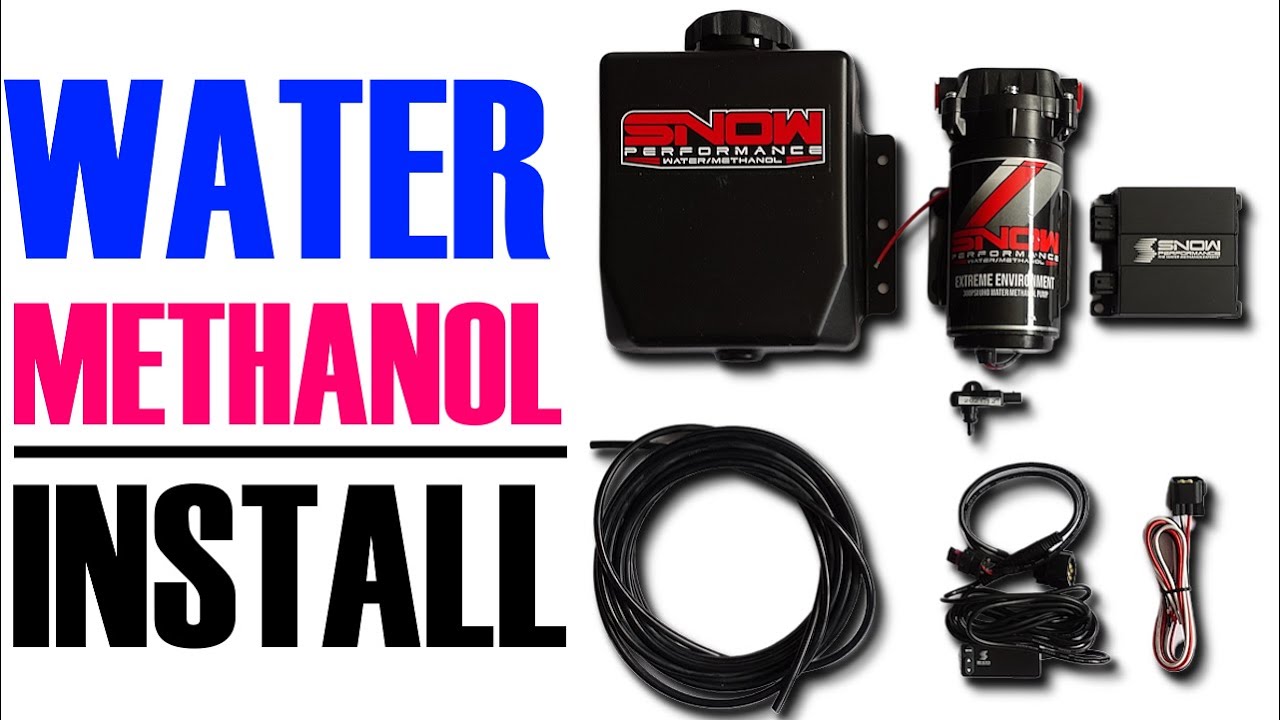





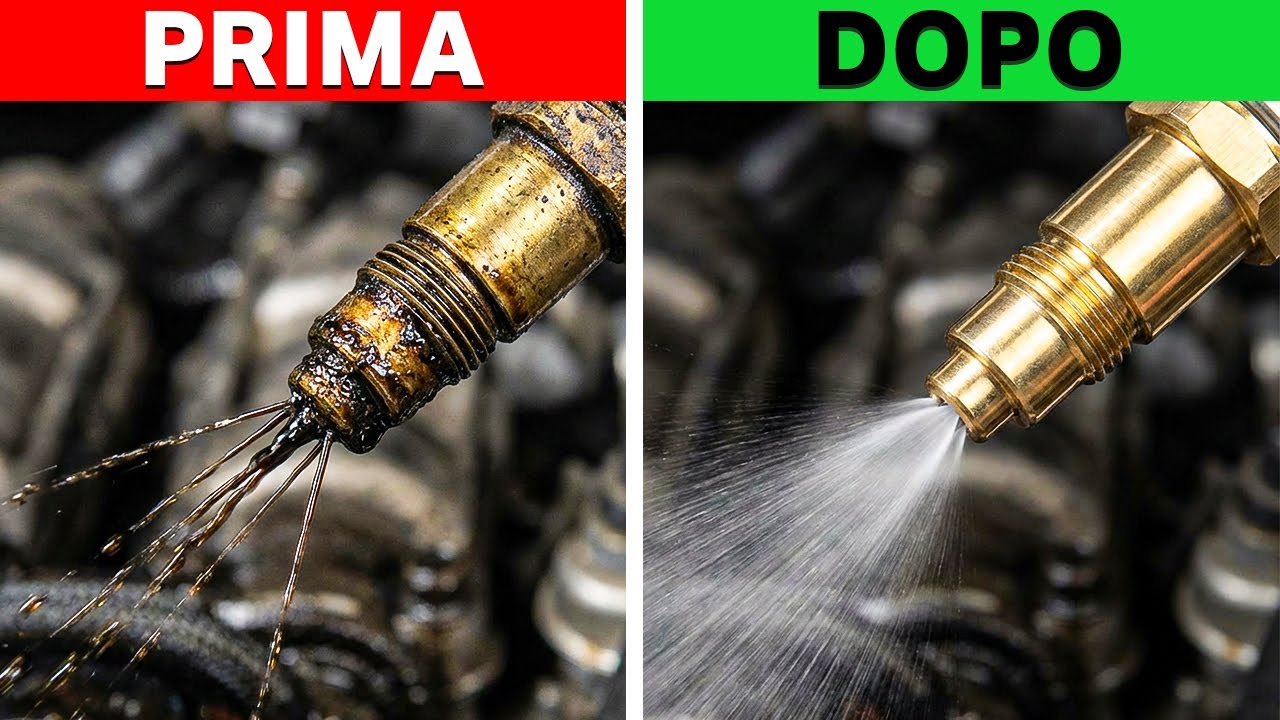


Water injection is an effective and inexpensive method to increase engine octane rating by injecting water droplets into the combustion chamber, which act as a working medium with virtually infinite octane rating; this allows engines to run higher compression ratios and boost pressures without detonation, while also cooling the combustion chamber, cleaning carbon deposits, and potentially improving fuel economy by up to 50% when properly tuned with adjusted ignition timing and fuel mixture.
Water Injection: The Ultimate Cheapest Octane Booster Guide
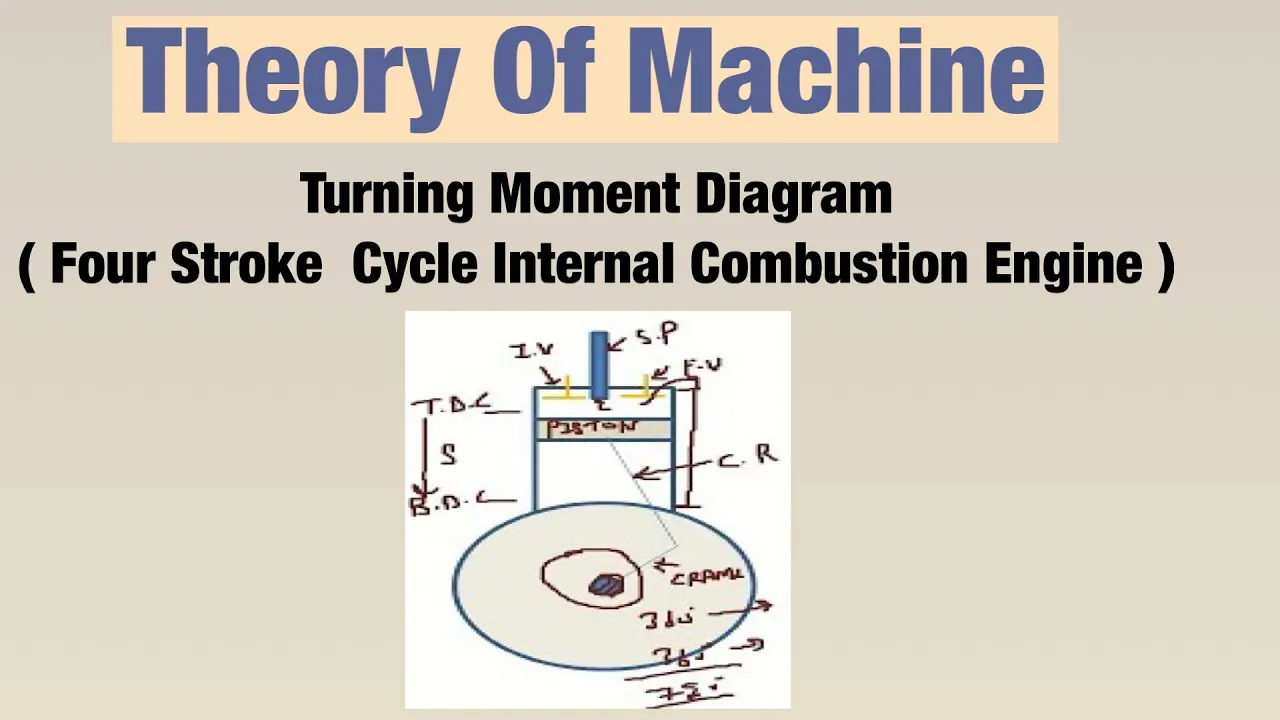
Added:Understanding the basic four-stroke internal combustion engine cycle, focusing on the compression and power strokes.
The concept of 'octane rating' in fuel and how it relates to fuel stability, ignition delay, and resistance to engine knocking.
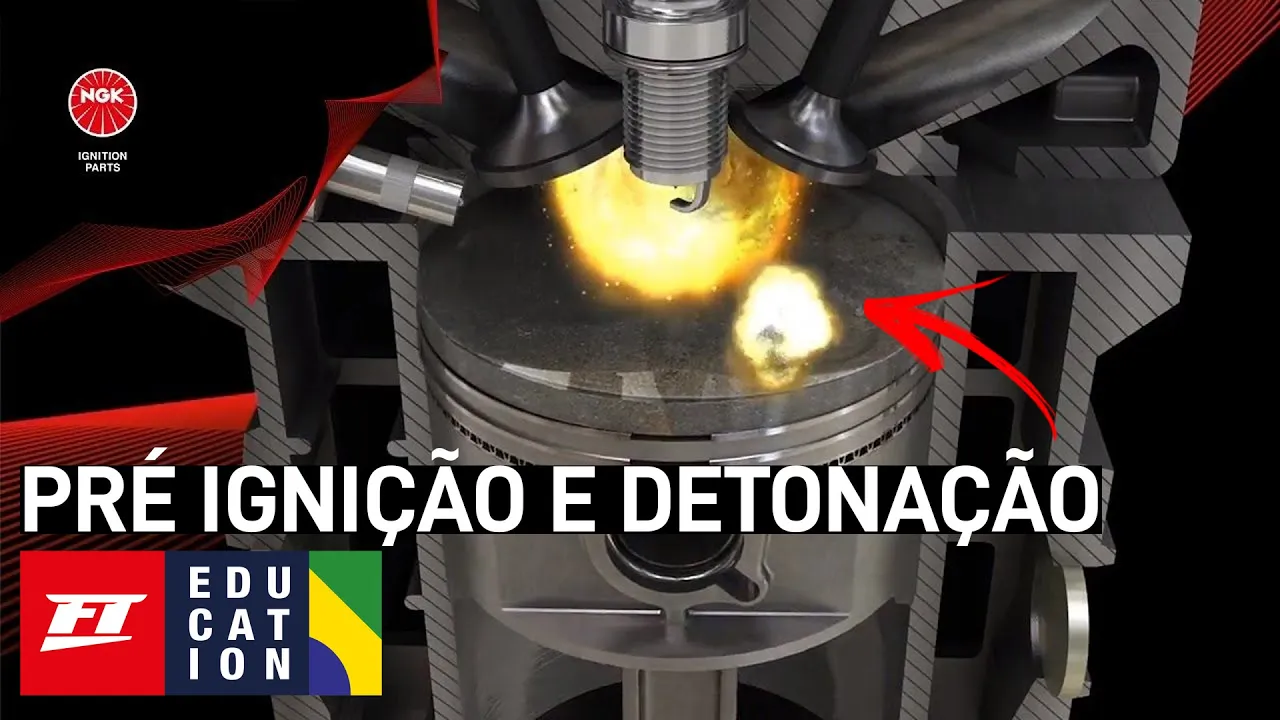
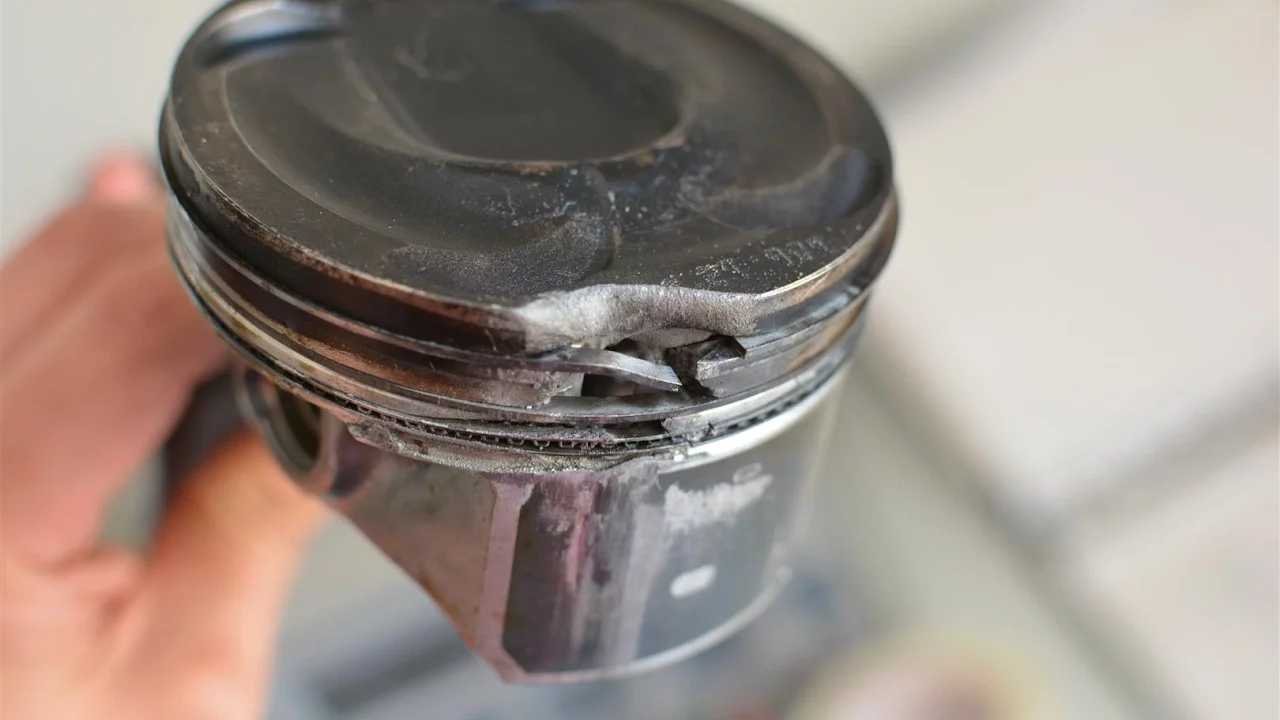
The phenomenon of engine knock (detonation) and how uncontrolled pre-ignition can cause physical damage to engine components.
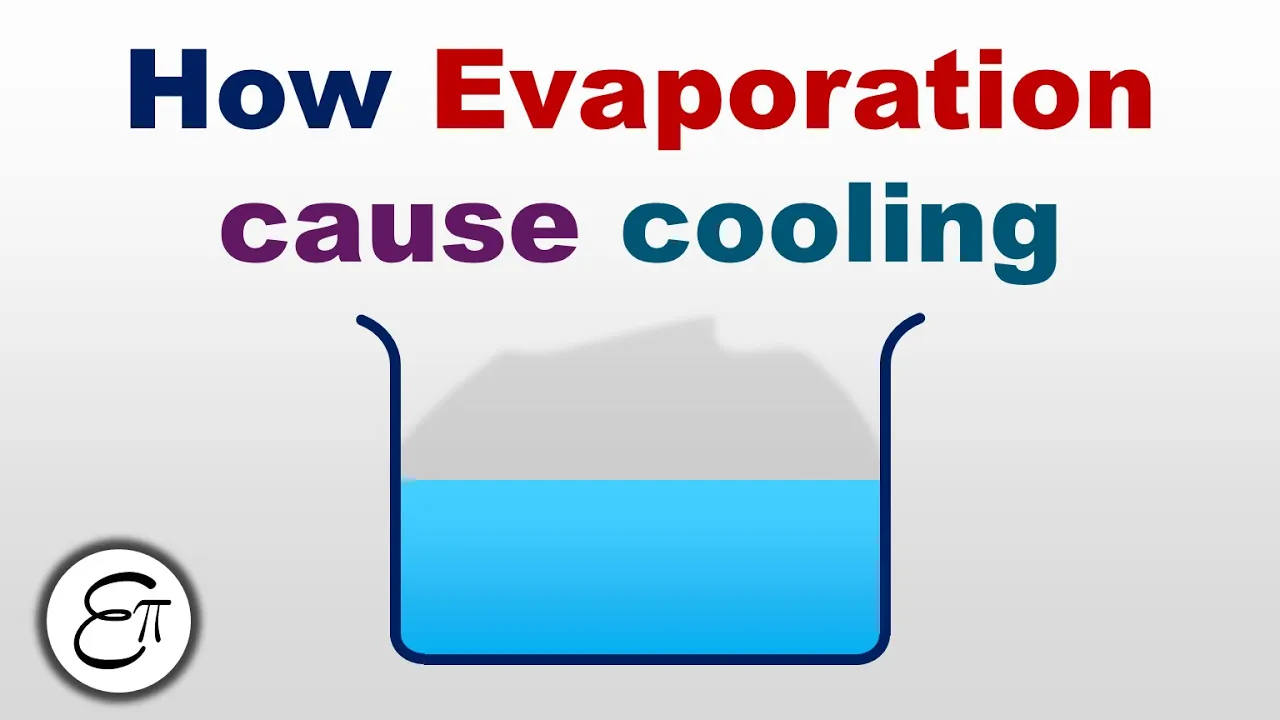
The thermodynamic principle of latent heat of vaporization, particularly how phase change absorbs thermal energy and lowers surrounding temperatures.
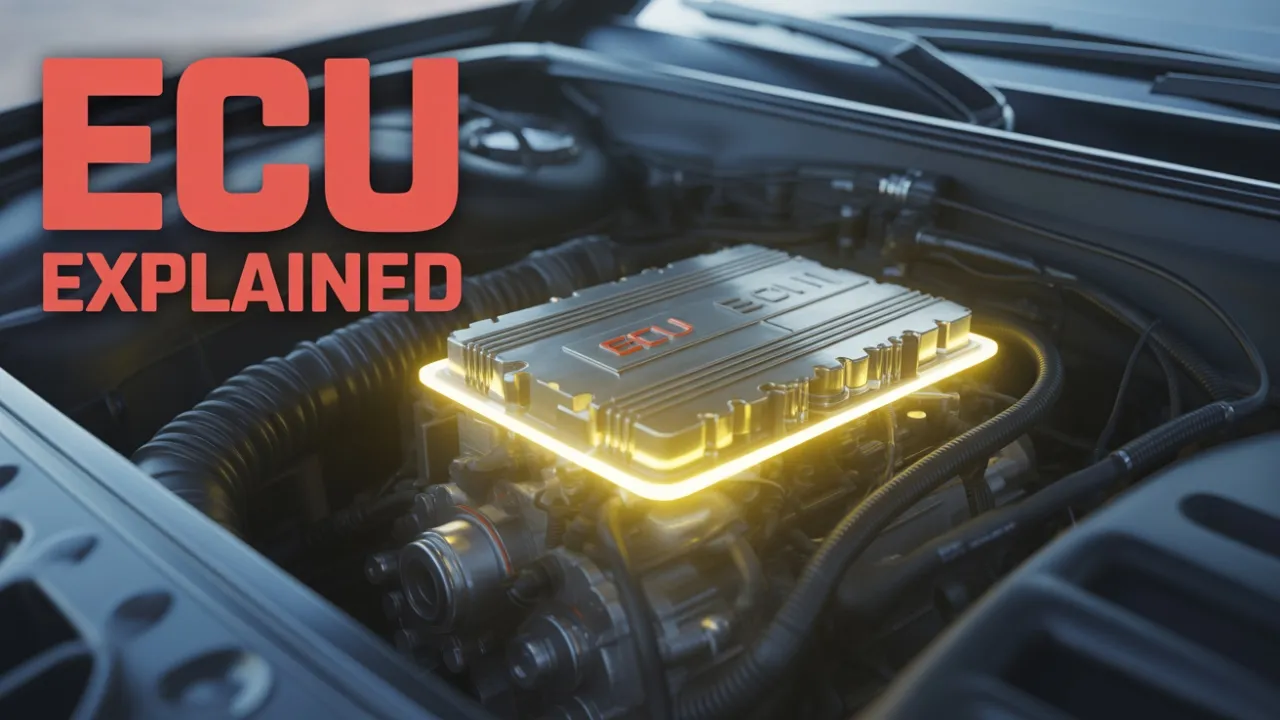
Advanced engine management system (EMS) tuning, specifically adjusting ignition timing and boost parameters to capitalize on the cooling effect.
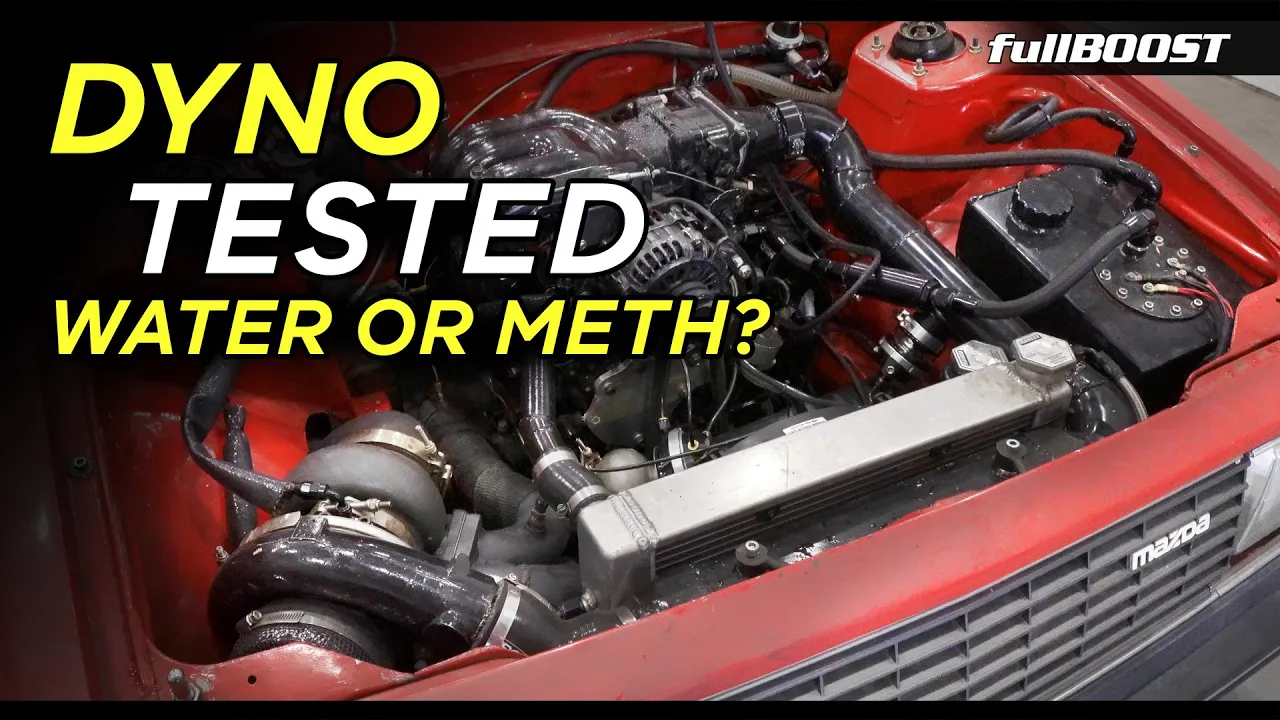
The chemical and performance differences between pure water injection and water-methanol mixtures (e.g., 50/50 mixes).
Mechanical installation, system design, and nozzle sizing methodologies for water injection kits based on engine displacement and boost levels.
Long-term reliability and maintenance considerations of water-injection systems, including corrosion risks and carbon deposit cleanup.
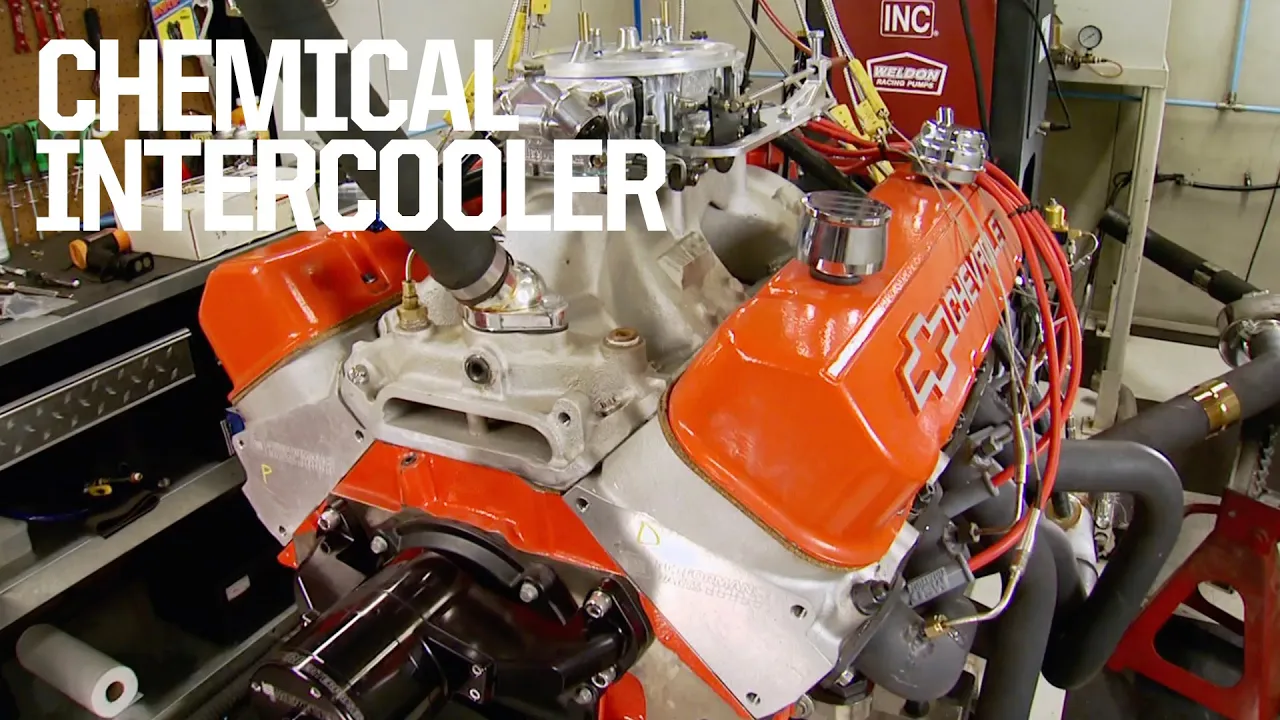
Comparative analysis of water injection against other octane-boosting and cooling methods, such as E85 fuel conversions or chemical intercooling.
164.2K views6.3Klikes42:33Original Release: 2023-07-08
foreign [Applause] [Music] [Applause] [Music] ER here and you my friends are watching Powertech 10.
this if I need to remind you is the channel that does not tolerate BS poor products or anything else that may impede your search for performance our policy here is if it's good promote the heck out of it if it's mediocre for the most part ignore it if it's poor product or BS expose it now we try not to do too many negative ones I think out of the near 100 we've done so far we've only done three that are uh how should I say have deep negative criticisms of whatever it is we're talking about now in this video I am going to be slightly critical but it is only slightly critical and what are we talking about well we're going to talk about the world's most effective octane booster and here's the good news it's dirt cheap so let's have at it what is this episode 95 going to be about water injection now you could be fooled into thinking you cannot possibly be too much to the science of water injection and how to use it will you be wrong but here's the surprising thing bearing in mind how effective it can be at solving so many problems there isn't that much written about it what is written is okay to appoint and this is my gripe here another gripe article none of them none of these presentations that I've seen and they may be out there will give a really good picture of what water injection can do and how it does it now there was a lot of work done on water injection just before World War II and during World War II because it avoided or it pushed back the limitations of supercharged engines what limitations were these designation calls by the exhaust valves getting too hot this is one of the reasons why the Maryland engine had four vowels two exhaust valves instead of one because two vowels for the same area have greater ability to get rid of heat because the center of the valve for a given valve area is always near the edge so it conducts the heat away faster so a four valve engine can take more boost before designation sets in it's not much but it's a help and during World War II everything was important now where's all that information gone it's out there somewhere but you know what if you try finding it you could be in for some how should I say painstaking searches I spent probably a day just trying to find some definitive work that NASA had done or NACA as it was known then National aeronautic and something or other Association I can't remember what the C stands for brain surge but anyway it's not easy to find so I'm gonna help you guys out here by giving you a much simplified how should I say a much simplified but technically in depth look at Water injection and how to make it work now what we've got to do first is look at combustion and see how that plays into the game here now one of the things I want to start with here is do you know the difference between an internal combustion engine and an external combustion engine can any of you think of an external combustion engine you should do it's a fairly common type of engine it's called a steam engine now then the reason I bring this up is because I want to focus on something called The Working medium this is something which you have very rarely mentioned yeah but it relates to what we're doing in a very significant manner if you are to understand the processes involved here first off let's look at a steam engine because this is easier to see what I'm getting at the working medium is water the combustion process is outside of the expansion cylinder right it's a boiler you throw wood coal oil whatever on it to burn to heat the water which is the working medium hot water Heat steam high pressure pushes the Piston back and forth now let's look at a regular internal combustion engine working medium air fuel gasoline it's burned in the air and the object to the exercise is to heat the air up so that it expands and by the way the mixture does not explode when the spark plug goes off it burns it is definitely a burn and it burns across the cylinder at probably less than 200 miles an hour I I I could actually work that out but I'm not going to you know take my word for it it's less than 200 miles when a cut car goes by you on Charlotte speedway the car is going faster than the flame front in the cylinder that'll give you an idea of how fast it burns now what's an explosion now an explosion I believe the definition of explosion is something which burns at a rate of at least a thousand miles an hour I think the thrust threshold stumbled with that word is 2 000 miles an hour that's an explosion we are so far from that in the cylinder it's unreal so the cylinder gas and air does not explode and it's not an explosion pushing the Piston down it is the real definition of it is that it's the air pressure increasing and forcing the Piston down the temperature of the cylinder gets to about 2000 degrees neither if we inject water into the cylinder the working medium becomes Water and Air right you could now you may say what won't the water put the flame out no it doesn't it is very hard to put the flame out when the water is in droplet form and not flooding the cylinder you have to put in so much water to put the flame out in a uh internal combustion engine that it probably hydraulic it you can put in as much as three times more water than Fuel and still run now then what about cooling the charge off well it does that but that is that that is not its main advantage think about this how many octane is water What compression ratio would you have to use to make the a water charge designate is off the scale we might as well consider the octane rating of water to be infinite because it almost is it's not until it gets to pressures that cause the disassociation of the molecules and the atoms of gas in it hydrogen and oxygen that it becomes not water at that disassociation it can recombine in a combustive manner but we are so far from that we're getting into the realm of nuclear physics now let's look at this in a little more detail here how much water can we inject in way more than we will ever need to make our octane value equal to some and this is subjective rather than objective equal to a gasoline of 250 plus octane but here's the advantage it lowers the combustion temperature so it stops Parts melting it cools the cylinder off enough that your Pistons are about 50 percent stronger because they're reduced in temperature uh the steam in it scours the combustion chamber and pistons so they stay cleaner and you can up the Boost and give the engine mean best torque timing that is not the best timing for the best torque number at one point but the best power curves at every point you check the power you can give that engine the advance that it requires for best torque so you plot out the curve you're tested at a thousand RPM at Full Throttle 1500 2000 2000 and so on and at each point you will put down what the timing is needed for best torque and you make a curve and you make the ignition curve to that curve now let's look and see what happens when we inject water and do nothing else let's look it how and why water can be effective first you'll see tests done whereby people just inject the water like into a turbo or into the engine and they say well that didn't work the power went down well yes it did and that's to be expected for one or two reasons the first is the ignition timing may need to be different because it's a cooler charge most often you have to advance the ignition slightly a couple of degrees usually but secondly it now contrab means the reason a rich mixture delivers extra power let's forget about the water for a moment when you're trying to get the mixture to make the most power the most power occurs when the mixture is on the rich side now typically the correct mixture for air and fuel so that they both combine and burn and there's no Oxygen left and no fuel left they've all combined chemically to produce the exhaust gases that's about 14 points something to one eye to get the exact number right but so what happens to the extra fuel well in a way it works like water injection it helps to do two things one it helps cool the charge and two it makes sure that there is always fueled by any molecules of oxygen more or less so the combustion process is easier because the combination of fuel and air is such that it is the most ignitable at that so what you're using is a working medium is fuel and Air in the same way that rich mixture is there it doesn't burn it helps cool the charge and it helps cut detonation but it's not super good at that it does work but it's you're paying for it now I want to make a point here a lot of air-cooled aircraft engines run richer mixtures because it's easier to make the engine run cooler by putting in more fuel than it is to carry a lot of water and put it so that's the point there sometimes you'll get aircraft engines run pretty rich mixtures and it's there to cool the engine when they say these engines are out cooled not quite true they're air and fuel cooled we don't need to worry about weight so much on a car nor do we have to worry about that in water injection lasting five six hours continuously we only need boost the octane of the fuel when it's required and it's never required at light loads and part throttle so there's no point in doing it so we raise the octane value of the fuel only when it's needed and then when we do so we have to back out of the fuel because we do not need as much fuel going into the engine if we do that then we find that when we inject the water the power does not drop but we're using less fuel now if the fuel is not very good when the water is injected and the fuel is leaned out to be more like 14 to 1 maybe 14.5 instead of 13 or 12.8 then we find the the fuel and water adjustments combined will slightly increase the power but we haven't reached the end of it yet if we've got a normally aspirated engine we could build an engine with a very high compression and that means good torque and more so to the point good fuel economy your fuel economy is assuming everything else is right your fuel economy is almost totally dependent on the compression ratio or to be more exact the expansion ratio that's the other side of the coin to the compression ratio now what we have here is let's say we've got an 87 octane engine and it it designates it tend to work well what we could do is run a 14 to 1 compression and put water in now that's where it really pays off because you'll lose a slight bit of power because you're injecting water but you'll gain a whole bunch of power because the compression ratio has gone up so much now you don't need to have water injection and part throttle so now at part throttle you're running a 14 to 1 compression slash expansion ratio which means your mileage should if you go to everything else set right climb substantially you want to build that 32 33 mile per gallon V8 14 to 1 compression you could go to 16 to 1.
um you know have that water injection on but 14 to 1 is very doable so that's one aspect the next aspect and more to the point with what I'm doing with my Mustang I'm pointing to that baby over there is that it will allow me to make the fuel a water combination whatever octane I want for the Boost that I want to use in other words I could make that Mustang run 40 pounds of boost on 87 octane sound unrealistic no with my friend Al in in Turbo techniques and uh California Riverside not Riverside and uh I'll put the name across the bottom here we ran as much as 45 pounds of boost on 87 octane fuel a Chevy engine single turbo made about a thousand horsepower to rear wheels with well over a thousand foot pounds of torque right this thing ran like it was a Saturn V on wheels I mean well our best quarter mile time with it was 8.6 and that was 20 years ago no 20 nearly 30 years ago now so it's fast 8.6 and I think it ran a hundred and sixty high 160s in in the lights and that wasn't a race car that was deadly quiet four-speaker stereo telephone and when we did that pass it out of the groceries in the back be shopping with it so for a performance like that that water worked very well now then you say what about water and methanol injection the extra methanol's fuel no it's you don't actually the only reason that you need methanol is to stop the water freezing right and here's the other thing putting the methanol in there also cuts the likelihood of rust in the system but the best thing is to put a little drop of soluble oil in maybe two percent that will lubricate everything in the system and the cylinders in theory you don't need methanol put it in it's easier to tune but here's the problem with the uh injected engine like the Mustang you put methanol in there and it will bark the fuel act because it sees the methanol as fuel now if we just put water in it doesn't see the water as fuel so tuning the engine is much easier here's my take on this if you want to get water to work in your engine you cut it's a domino effect you cannot just squirt water in it's not that simple you have to put in enough water to suppress detonation then you must adjust the timing and mixture to suit that water injection also to take full advantage of it up the Boost now when I was developing a turbo motor for Chrysler I had no idea how much it could take on stock fuel detonation this I'm going back now to 1970 273 right when the bad fuel started to rear its ugly head and one of the things I found was you could do anything you wanted if you had water injection on there now mostly I used water injection with a bit of soluble oil in it no methanol we managed to well we made 300 rear wheel horsepower on uh uh pump gas basic octane whatever that was back then I think it was at 87 octane and about 30 pounds of Boost from the 1600 cc engine it was the simplest turbo engine you can imagine no wastegate well I controlled the Boost with a specially designed washer in the exhaust right so it was a 10 cent waste gate or boost limiter the longest part of my development was getting the power curve to look like it was normally aspirated and turned over at the top that was one of the things they wanted and that with turbo sizing the shape of my in quotes wastegate and the camshaft a few other things that came about how good was it god that car went like a scalded cat on a wet track just using third gear only at Santa pod it ran a 13-1 at something like a 108 miles an hour but we had to start in third gear because the other two gears in the wet were useless now where we on slicks held up we had done lot rally specials and they were designed to be good in the wet still will spin was a problem and my crew chief who drove the car had to totally concentrate on not breaking the tires loose and anyway after that rent he got an applaud now why were we running the car in the web well it's the only chance we had it it was our tow Car here's the irony here the tow car was faster than the race car but anyway let's move on let's look at some of the requirements of water injection to make it optimal very often I've seen in videos on water injection and tests where the water is I'm going to exaggerate a little here but it's almost like pouring in out of a bucket the truth of the matter is there's more to it than that water and water methanol injection has to be a fine enough spray so that it when it goes into the engine it's small enough to evaporate very quickly at the point of combustion but not to evaporate in the system so if you have two finer droplets they'll evaporate and take up room and that will decrease power detonation resistance will go up and if you run a lean mixture and with water injection very finely done you can run a very lean mixture and get extremely good economy running a huge compression ratio when I say good economy I'm talking about really good you got a one liter engine and you like uh uh what was that little three-cylinder engine that Chevy put out many years ago uh under there was a Chevy Sprint and then there was the little um three cylinder sedan that was yeah I can't remember the name of it but it was three quarters of a Suzuki Swift engine right a single overhead cam neuron bulletproof engine that engine there was suitable water injection could have been a hundred mile per gallon vehicle without compromising its performance in fact we could step up its performance and step up the mileage now I'll just give you an instance of how this would be possible first off we're going to use the water truly as a working medium we are going to get rid of the radiator and instead of firing the cylinder every time we're gonna that's in a four-cycle thing instead of firing it every second revolution we're gonna fire every fourth Revolution now this is how it works remember the engines called No radiator so what we do is we inject water into the charge so that we can use a 17 18 to 1 compression a diesel compression that water prevents the gasoline detonating on the next power cycle we just inject water and it absorbs the heat in the cylinder turns to steam and we get a power stroke from it we haven't used any fuel so we can use the heat of combustion to its extreme we don't throw it away on the radiator and on that second stroke we don't throw much of it away in the exhaust stroke think about that we could Pro now I did some calculations and we can make a gasoline engine with a brake specific fuel consumption a better than 0.28 now you guys who understand that stuff think about that 0.28 think if you had a piston engine aircraft engine that worked on this right running a super high compression it didn't need much in the way of air cooling because it was liquid cooled by the liquid intake that it did we could have a more streamlined plane and have extreme range yes even something like a Cessna 180 could fly probably as much as 1500 mile range on its current fuel tank but anyway let's go back and say what about the evaporative cooling now here is where we get a major statement from almost everybody it also applies to the in quotes evaporative cooling of nitrous into an engine they say well not only do you get the nitrous but you get the effect cooling from the nitrous as well no you don't it looks like you do but here's what happens the point of cooling off the charge is to have a denser charge of oxygen go in the engine now let's use the nitrous as an example here when you inject nitrous and cool the charge off the charge the up the atmospheric part of the charge gets smaller but the nitrous part of the charge gets bigger you turn a drop of nitrous this big into a bunch of gas this big so your volumetric efficiency barely changes now many years ago NOS did some experiments with the university and they found that cooling the charge with nitrous when they checked everything and got everything balanced did not result in any more powerful charge cooling only from the extra oxygen that went in with the nitrous I could have told them this before they started all that testing so the same thing happens with water if we have two finer droplets of water it will evaporate sure it will cool the charge the charge will get denser but the water will expand and get less dense it will become Vapor so our cooling is not via the evaporation of the charge it is via the fact that you have a denser working Mass with a much higher specific heat so it is like throwing water into the cylinder to cool it off it is the fact that the water is there now if you can get that water to turn to steam or vaporize at the right point you can now create a power stroke with it just as I've said inject water into a hot cylinder no fuel suck the heat out turn that heat into expanding steamed water vapor and and Air and you've got something going for you now what is the optimum size of droplet so that we get the benefits of the water in your water injection but we don't tamper too much with how much of it is vaporized and takes up space well unfortunately it varies the cooler the engine runs initially the smaller that droplet size need be if the engine runs very hot that droplet size can be bigger in fact it needs to be bigger because we don't want it to evaporate as fast now you're you're beginning to see the droplet size is now an important factor and so it is so when you're going to buy an a water injection system look into that now I saw a video the other day uh and I'll put the name across the bottom in fact I'll show some breaks out of it that they were demonstrating a new nozzle which looked like it vaporized very well now I have a water injection system here it's got its own Standalone computer and it works like a fuel injection and it sends out a fog of water it comes out of the nozzle over 200 miles an hour and the droplets are almost like smoke they're less than 10 microns and what happens is they slow down so quickly that it might be 200 miles an hour at my finger here that far away it's about five miles an hour so this droplet is so small when it comes out the air looks like it's molasses that's because the Reynolds number of that droplet is so high [Music] [Applause] let's see what I can do to um uh actually say put you in the right ballpark for domestically bread water injection systems yeah because of their the application I've got I'm tending to go with the one I can't remember at the moment across the bottom of the screen now what about the methanol does the methanol boost the power not really um the bottom line is there is the methanol is only there if you want to add fuel to an extra boost for instance the injection system on the World War II corsairs and Thunderbolts when the water injection went on it did so when they went into war emergency boost and it allowed enough extra boost that the engine developed another 500 horsepower the methanol was there as fuel the also that methanol was there to stop the damn stuff freezing at forty thousand feet which it would have done so the methanol is acting as an antifreeze and in the first instance and a fuel in the second now this kind of power was used a takeoff a war emergency now a thunderbolt used to take off with a could could take off with a bomb load almost as big as a B-17 right why they didn't use more of them I don't know because they could drop that bomb and Escape because they were fast enough I mean when they say Thunderbolt it was it was an aircraft that really needed more recognition than it got I'm afraid the P-51 stole all that but the P51 I don't want to denigrate its importance fantastic airplane beautiful airplane fast airplane but the Thunderbolt did have some advantage it was very difficult to shoot down and it was the fastest diving aircraft of World War II so it could Escape almost anything I think even an me262 in a dive had a problem catching it but that's another story anyway so what have we got with the fuel injection well here's what we've got if you've got a turbo motor probably the best place to inject it is right before the turbine now if the water droplets are too big it will cause water erosion on the turbine if you've got the water droplets the right size the turbine will last indefinitely now this means you'll have to take note of how much it is how much the droplet size is now on my Mustang I expect when I'm putting in about half the amount of water that I Am fuel that it will run 35 pounds of boost on 8719 fuel as if I'm putting in race gas that's cheap to run the other thing is is water is very good at keeping combustion Chambers clean and these direct injected engines are notorious for getting dirty Chambers and dirty valves as a result now then you can put an additive into the water and I'll check that out and see how that's going to work out that will clean off the valves so the problem of having valves clog up and an expensive cylinder head removal clean the valves and put it all back together can either be delayed for at least twice as long or even eliminated so water injection can be an asset in that respect now are there any snags yes if you don't do it right you will have problems steam erosion and water erosion of the intake turbine do it right and it will be the makings of your turbo motor I know somebody's going to ask the question but isn't it easier to do this with an intercooler well yes but will an intercooler cool cool exhaust valves no will an intercooler keep the intake valves clean no will it clean the chamber no will it raise the octane of the fuel no it would just reduce the engines requirement for octane now what about doing water injection and an intercooler much made in heaven right first off it will stabilize the function of the intercooler right stop by staying intercooler is adequate for one pass down the drag strip and then it let it the car sit for at least an hour with water injection on that car one passed down the drag strip idle the engine and squirting some water with a button you'll cool everything down ten minutes later you can make a pass if you use a slightly bigger intercooler you may find that just a intercooler that's still rated as a street intercooler with the water injection will give you running 100 of the time on a road circuit depends on how much water you put in but the potential is there so let me pose a question here have I interested you in water injection I should have done the effects of water injection don't seem to be how shall I say fully employed and I don't believe at this moment that those people who make water injection are fully aware of the potential that it could be if everything is done right and that is droplet size distribution water to fuel ratio and then tuning the engine with the timing and fuel to suit what it needs for the water and remember the water's got to replace pretty much all of the excess fuel you would use for a rich mixture instead of having a rich mixture that extra Ratio or to fuel that you use to cool the charge and budget now it's water to not paying for it and it's cleaning the cylinders last thing water injection is brilliant at fixing oxides and nitrogen if you have water injection on it part throttle you don't need a cap it is cleaner you can keep the temperatures down to the extent to the extent that oxides of nitrogen are virtually eliminated at the exhaust pipe now parts per million they can be improved as well not by as much of a factor but they can be improved and uh what else uh oops and CO2 can be reduced because you can reduce the uh mixture but lean it out and I think that brings me to the end of my water injection here now I'm sure some of you are going to have comments but I think I've covered all the things that you need to understand so thank you for watching don't forget to subscribe and I will see you on the next video [Music] thank you
Up Next

31:52
Installing Drip Irrigation in a High Tunnel: A Step-by-Step Guide
@OurWyomingLife
28.7K views•2022-04-04

20:08
Hollywood Fantasy Orchestrator RPG Expansion Pack Tutorial Walkthrough
@HighResolutionJapan
1.1K views•2024-03-08

9:49
FastAPI vs Flask vs Django: Choosing the Right Python Web Framework
@TechWithTim
302.5K views•2024-05-26

1:42
Game of Thrones Opening Credits: A Cinematic Analysis
@gameofthrones
46.3M views•2011-04-18
Related Study Plans & Knowledge Roadmaps
Structured learning paths in General & Interdisciplinary Studies
general-studies
Containerization: Evolution, Logistics & Trade
01Ancient Trade & Bulk Cargo: Amphorae to Barrels
02The Industrial Revolution & Cardboard Packaging
03The Containerization Revolution: Malcom McLean
+ 2 more learning modules
12h5 modules
Explore Roadmap
general-studies
Textile Tech: Evolution, Labor & Global Impact
01Pre-Industrial Textiles: Handloom & Cottage Industry
02Mechanization: The Spinning Jenny to the Power Loom
03The Factory System & Global Labor Transformation
+ 2 more learning modules
10h5 modules
Explore Roadmap
general-studies
Pharmacology: Botany, Patents & Biopiracy
01Foundations of Ethnobotany & Traditional Medicine
02The Birth of Synthetic Chemistry: Aspirin & Penicillin
03The Battle Against Malaria: Quinine to Artemisinin
+ 3 more learning modules
12h6 modules
Explore Roadmap
general-studies
Writing Surfaces: Papyrus, Parchment & Paper
01Ancient Foundations: Clay, Stone, and Egyptian Papyrus
02Parchment, Vellum, and the Rise of the Codex
03The Chinese Rag Paper Revolution and the Silk Road
+ 3 more learning modules
9h6 modules
Explore Roadmap