






















Romare Bearden synthesized European cubist techniques with African-American cultural aesthetics to create a distinctive visual language that redefined how Black life and identity could be represented in modern art, demonstrating how artists can transform global artistic movements into vehicles for expressing culturally specific experiences.
Romare Bearden and Modernism | Art Talk with Duke & Met Scholars
Added:Understanding of the core tenets of Modernism in 20th-century art, including the shift away from realism toward abstraction and fragmentation.
Familiarity with Pablo Picasso and the Cubist movement, particularly the use of collage and the integration of African art influences.
Historical context of the Harlem Renaissance and the social, political, and cultural landscapes of Black Americans in the mid-20th century.
Basic knowledge of artistic mediums, specifically the history and technique of collage and photomontage as tools for narrative storytelling.
In-depth study of the 'dialogue' between Western modernists and African art, examining issues of cultural appropriation versus creative synthesis.
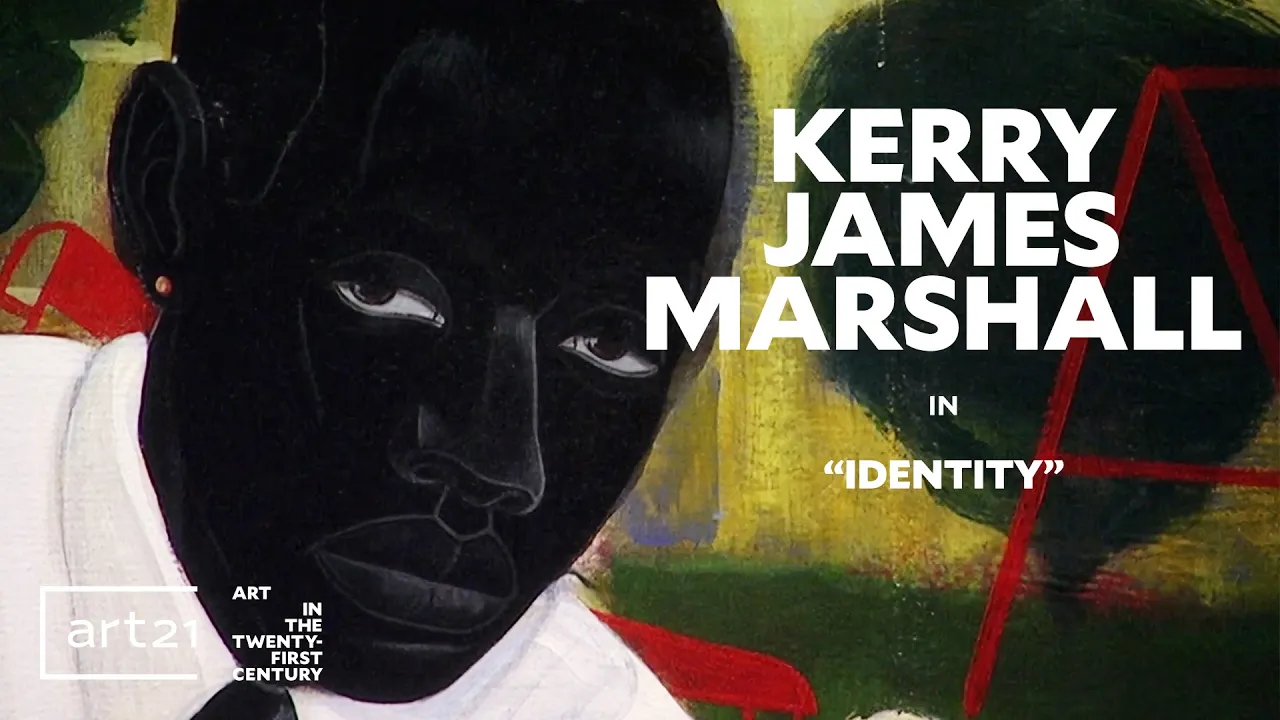
Exploration of contemporary Black artists (e.g., Kerry James Marshall, Wangechi Mutu) who build upon Bearden's legacy of collage and identity representation.
Analysis of the intersection of jazz, blues, and visual art, exploring how Bearden translated musical improvisation into visual composition.
Investigation of institutional art history and museum curation practices regarding the integration of Black modernist artists into mainstream canonical narratives.
352 views9likes1:58:22Original Release: 2023-04-03
this is a a wonderful day for us it's been in preparation for a long time and on behalf of our Board of Trustees and our members and our staff and of course the sponsors for Beard and Picasso rhythms and reverberations and Picasso Landscapes out of bounds we want to welcome you to The Mint Museum this is the 50th anniversary of Pablo Picasso's death in 1973 and the 35th year of Romero bearden's passing in 1988 and with this the mint realized that we could acknowledge both of these renowned artists with two Stellar one-of-a-kind exhibitions that is only being premiered here on the east coast and that being Picasso Landscapes and Bearden Picasso and for Picasso Landscapes you can also see it in Cincinnati once it closes here the end of May so how has it so the exhibitions have been open for just over a month and I am happy to say we've sold out every weekend uh during the week it thank you [Applause] we've had amazing attendance uh during the week and we are especially proud of the support that we receive from both the city of Charlotte and the county of Mecklenburg for their support for both of these exhibitions that have allowed us to form a partnership with CMS schools that allow School groups to come to tour both of these exhibitions on days that we have set aside specifically for school groups so that they can feel at ease to speak a little bit more loudly than maybe they would at you know visiting a a museum and to be able to demonstrate the kind of excitement that we feel these exhibitions in this artwork can instill in them and all of those slots for those tours are full we sold those out almost probably the day we opened the show those were so sold out and so that we could capture the youth that would maybe not be captured by the CMS tours the funding of the county and the city also allowed us to have these exhibitions free for any person any child K-12 and one more thing which I almost forgot which is so exciting is that for the kids who come from the CMS School tours we give them a family pass for them to take home which is a free return visit for them and their family for your choice and we have seen a lot of those tickets come back so we're glad that the um that the kids have been so inspired by what they see that they want to bring their their parents back um so I've mentioned the city and the county and our other presenting sponsors and you'll see a full list of the sponsors upstairs when you go into the exhibition include not only the city and the county but also Bank of America Duke Energy Ann and Michael tarwater and M.A Rogers and let me just say to all of you in the audience when we were putting this together you have to remember we were closed um for covid and so the prospect of doing what would be the largest exhibition and the most expensive exhibition this institution has done in decades at a time when the stock market was tanking and people were laying off employees and PPP loans had not come online yet or ertc had not come online yet and we didn't know when we were going to come back we didn't know what masks meant and we didn't know what boosters were um we decided that we would take on this project and we had those individuals and corporations that I just mentioned step up to the plate early to say this is what Charlotte needs this is what the mint needs and we want to do this for the community so I want to to thank them and all the other names that you're going to see on the list upstairs for their faith in this institution and in the community and what art can mean as a art and museums as a venue for healing um so we have a number of Partners uh that as part of of these exhibitions um we tried to partner with almost all of the cultural institutions in this region including the Beckler across the street am I pointing in the right way I'm terrible at directions um at the Beckler and the Gantt now I'm just arbitrarily pointing um and Jazz art and you're going to hear from Jazz Arts um after this presentation and a number of other institutions like the Opera and the symphony and many many others who helped make this this uh pair of exhibitions more of a community event than just a mint museum event and so we're thankful to them now for the program today so the mint is bringing to you two of the most esteemed and well-respected Scholars globally on the topic of Romero Bearden we have with us doctors Denise Murrell and Richard Powell um and they will be introduced to you momentarily by our senior curator of American art Jonathan stuhlman um so as you know uh many of you know Rick Powell is at Duke University so not far from here and Denise morale which you might not know is originally originally from Gastonia grew up in Gastonia North Carolina so this is a bit of a homecoming for both um and Denise Morrell is now a curator at large at the Metropolitan Museum of Art um so please um if you well let me ask how many of you have seen bearded Picasso rhythms and reverberations oh look at all those gold stars okay so those of you who have not seen it yet please see it multiple times and because like me all of your brackets are busted now anyway so there's no point in watching March Madness anymore so you can go and see that exhibition as much as you want I mean who would have guessed fairly Dickinson I didn't um okay so um so our guest today are here to talk to you about Romero Bearden um and after this event we invite you to go into the atrium for jazz performance um with vocalist Don Anthony and the Lavelle Bradford Trio as you know uh Romero Bearden also wrote music some of you may know that some of you may not know that and had some hit songs and so romare Bearden and Pablo Picasso both saw music and in particular Jazz as an integral part of their creative process um speaking of jazz um I'm good well let me ask am I allowed to make this announcement is it final ah a voice from Beyond okay yes so the ink has dried so I can now say that um on May the 14th we have a special program at the that that is a collaboration between the Mint Museum Jazz Arts Charlotte which will be next door at the night Theater which is a performance by um by Bradford Marsalis [Applause] so as some of you may know um Branford Marsalis uh produced a CD probably 20 years ago from Bearden revealed which addresses and and where he performs some of bearden's music and it's been it's been 20 years or so since that CD premiered and this will be the first time since then that he will be playing that music again um so your tickets are available today [Music] so today live go to the Blumenthal box office website and you can get your tickets there okay so that's it for me now I'm going to turn it over to Dr Jonathan Stillman who's going to introduce Our Guest today and um oh am I really okay so those of you who I take all of that back those of you who don't know ruby red height she is in many ways the lifeblood of this institution and a glue that we couldn't do without her energy is her energy and her knowledge and her compassion is infectious so I want to give her the podium for an important reading I don't know if you all notice he lowered the podium a little guitar five feet one uh thank you all for coming today we are so honored to have you and we're honored to be able to share with you that the Mint Museum has what is being traditionally done in the museum world now and throughout an actual land acknowledgment and so I want to briefly share with you the short version of what we have but you'll soon see on our website how we are acknowledging and show respect to those that I'll mention here I would like to start this meeting by acknowledging the original and rifled custodians of the land the Catawba the Cheraw sugary watery and wax off peoples I would also like to take a moment to acknowledge the enslavement of African people and their descendants that built the original U.S mint building Atlanta which is a federal building thank you we're glad to be able to share this with you and we will continue to proceed to share this as we open our public programs thank you Todd and thank you Ruby it's great to be here just before this program I was walking around the museum and just couldn't stop smiling and it's been that way since Picasso and Bearden Picasso opened um having been at this Museum a long time as many of you know um I've never seen it this buzzing never seen programs so well attended I've never seen this many people in the galleries learning enjoying and not just those two exhibitions or permanent collection galleries as well and I think you know you go into the curatorial field because you love art and I love doing research and I love sitting in my office and reading books and writing things but I also you also do it because you want what you do to be shared with others and to see that really really happening it's just it's wonderful so after this program if you go up in the galleries just look around and it's really a heartwarming site so I'm going to be brief and then get out of the way for the the main event but I just wanted and just many of you know about bearden's long connection with the Mint Museum some of you may not but I just wanted to go over that a little bit and talk a little bit about how beard Picasso came to be um this incredible collage which is you have to go upstairs and see it because it's not being done Justice on the screen came into the minutes collection in 1975 the year after it was made now other museums um you know Bearden was up in New York working at other museums in the North had acquired his work prior to that I think it's a pretty key thing from Museum in this region in the South and of course in his home state and home City to have acquired that piece at that point in history and so that kind of kicked things off in 1980 the mint organized a 10-year survey of bearden's recent work and I've dug into our archives and that show was the amount of research and planning that went into that project I mean there are boxes and boxes full of files for that so to me that signals that the mint was put in a lot of effort and resources and time into doing this and that really began a number of bearded exhibitions and you know the mint really starting to build its collection of works by Bearden we are today we have the most of any public institution so that exhibition happened in 1980 in 2002 we did a show called Romar beard in Charlotte's own and then in 2011 Romar Bearden Southern Recollections and those you know they really built on each other we did other smaller projects with beard along the way but I wanted just to take a moment to acknowledge the people who put those shows together on the left Gerald melberg um and he's here with us raise your and I think I haven't seen her Carl Hansel are you here where raise your hand he's coming she was on her well when she when you see her later um there she is um please thank both of them for all that they have done um to really carry on the passion for Bearden here at the men um in this building when we opened it one of I think one of the amazing things was that we carved out a gallery dedicated to works by rumor beard it's a rotation from our collection exploring different aspects of his work um different artists that he impacted sometimes picking a theme and relating it to other works in our collection so the romare Bearden gallery that is upstairs it's right in the heart when you walk to our permanent collection of American and modern contemporary art find it right smack dab in the middle and I've been managing those galleries for the past couple of years and it's really been been a joy to get to know our collection better to get to know bearden's work better and um to share that with with people so this is one of our more recent installations in there so how do we get to beard and Picasso rhythms and reverberations um as Todd mentioned we started considering the Picasso show an interesting moment and it took a little while to work out that contract and and get us fully on board but as we did we started to think so we're doing this and we're going to be bringing many many people from Charlotte who haven't been to the mint before to the mint and many people flipping down the east coast and overseas to Charlotte as we are the first venue in the only East Coast venue for that Picasso show um so how can we highlight Bearden for all of these people who are coming here who might not know that Bearden spent the first few years of his life four blocks from where we're sitting right now who might not know about all of the connections that his later work had to Charlotte and Todd Todd said to me well me can't we do something to connect the two of them and if you look in the literature you know there has been writing on [Music] the connections between the two but there's never been an exhibition that explored that connection and so we started rather quickly putting together a show we came up with kind of the foundation for the show and instead of having it back in our Bearden Gallery um which you know as I said people are in the permanent collection galleries but we really wanted to foreground it and so if you go to see Picasso landscapes you can't not see beard and Picasso rhythms reverberation because we built it right into the flow of the exhibition and so it's we've gotten really tremendous feedback from the exhibition people really thrilled to not only see Bearden highlighted one of the most exciting things for me was that we were able to bring in a lot of beard into works from the 40s which you don't see that often and people don't think of if they think of beard and they tend to think of you know those wonderful collages from the 70s and 80s photo stop pieces but many different aspects of bearden's career kind of continually being re-explored re-examined so to see those early paintings of his from the 40s it's really eye-opening and to be able to bring a number of them together was really great so um very happy to have this here and now um before we get to Rick and Denise wanted to turn it over to Deirdre Harris Kelly who is one of the current co-directors of the uh as we were talking with them about the programming that we were planning for on the exhibition we started talking about doing some sort of uh Scholars day and so I really want to credit them with bringing in our two speakers today and um not only Deirdre Harris Kelly who's going to take the podium in a moment but also um Johann Bryant Reid news right there and also um I love the fact that they brought you thank you [Applause] the fact that they decided to bring their board of directors down to have their meeting here in Charlotte this weekend we're thrilled to have many of the board of directors members with us here as well so Deidre Harris Kelly is going to tell you a little bit about the foundation but I'm going to tell you a little bit about her first um she is currently one of the co-directors of the Romar Bearden Foundation the non-profit organization perpetuating the legacy of Romar Bearden sorry she offers a unique perspective on beardink's work being a formerly trained painter and niece of the artist's late wife Nanette rohanbearden theater develops and runs programming and acts as the foundation's chief curator and researcher and I'll tell you I spent the whole day yesterday with she and Joanne and and Sheila on the board of directors in storage and I learned so much about our own collection by looking at Bearden to work with them she's been part of the team leading a successful round of exhibitions Publications educational and celebratory programs around the life in our of Omar Bearden Harris Kelly earned an MFA from the University of Michigan and currently teaches a seminar course on Bearden at Barnard College she's taught studio art at New York University Parsons School of Design Studio program and for Alternative High School and elementary school programs as well as conducting professional development workshops and lectures on art she is a member of the curatorial team of jazz at Lincoln Center from 2009 to 2012 and is the author of revisiting Romar bearden's art of improvisation published in uptown conversation the new Jazz Studies by Columbia University um Harris Kelly's own artwork has been published in books and journals and most recently shown in a Solo Exhibition at the new house center for contemporary art in Staten Island you're doing it's wonderful to have you here um statement I just want to thank him again we did take up so much of his time and not only that we descended upon the Mint Museum with members of the Wildenstein plattner Institute who is publishing the catalog resume a digital catalog resume that will be offered to the public for free when we get it done but I just want to you know shout them out they're here they're going to be mingling upon and in the midst of you so if you have any questions Kamara Holloway is the Project Director and she you just tag her down and ask her all about it but poor Jonathan we've just been you know tugging at him making him pull all those works out because why because you have the most beard and tears so that's why we're here right um and so that was lovely but I just want to say a thank you to to um Cynthia Moreno I mean when we were working on this project um and really trying to figure out how we can oppose ourselves because this is what we do with the Bearden Foundation we get involved with all celebrations everything that's going on about Bearden and our relationship with the men had goes way way back um Ruby our cheerleader here she is wonderful wonderful director of community community relations uh yes give another shout out to him because we've been coming back and forth to the mid maybe for 15 years I think she reminded me 15 years beginning with the preparations for the southern recollection show which was a blowout um wonderful and we had again we descend because when we come we come with a lot of people as you um we'll see we have many of our board members here so on behalf of the board of directors and staff and that's Joanne Bryant Reed my co-director we are co-directors but also we have with us today one of our brand new leaders an executive director Linda Steele so I'm going to raise your hands and why don't you just get all the board members just to quickly get out their seats so that people can see who you are so they can tug at your sleeves okay [Applause] and I have to give a shout out to our great Gallery is from DC Moore Gallery Bridget Moore is here with us today too um thank you good good but so our relationship with the Mint Museum goes back and Ruby was so instrumental with the Bearden society which was an organization much like they have at several or museums where you have an organization that's purpose is to really focus on maybe one aspect of collecting that doesn't get done or can't get done on a larger scale and so they were very instrumental I believe in bringing several Bearden works here purchasing several building works but when we came and we were prepared when they were preparing for the southern Recollections we made lots of friends while we were here so I got to give a shout out to Patrick Diamond I know he's here um and Patrick you know these are folks that we came and we met and they became our friends um and we keep up with them and Patrick even keep sending me clippings of stuff that happens here so that I appreciate that so he hits me to that and um and I want to also talk about the park I'm not gonna I'm just gonna say thank yous because we want to get to the special event but um uh but I will have to give a shout out to Lee Jones I hope he's here I don't I don't see him okay but Lee Jones from the parks department when they said they wanted to build up city park and name it after Romeo Bearden okay so for any of you who don't know there's a Bearden Park out here um beautiful Park and they reached out to us and we were able to come and talk to them about what was going to be a featured in the park and what we wanted them to do I know you know Gerald was a was a part of that we were saying well where's the art and maybe we could have like a facsimile of the block for you know those kinds of ideas and they just produce something really beautiful that's very much used for protests for demonstrations for weddings for graduation so then we came back when they had the installation of the sculpture by Richard Hunt which is beautiful out there and so these are the these are the kinds of visits we've had and we've loved coming back and forth but I must say I must remind you that the relationship with the mint and Charlotte of course goes all the way back to Romeo beard and being born here in 1911 and then that very epic iconic exhibition in 1980 here at the mint curated by Gerald melberg who's over there he's not smiling but take some credit for that that was a very instrumental show and of course Romero was making lots of friends uh we have heard Jackson I don't know if he's in the house a good friend of bearden's and Davidson College where there was a Romeo Bearden scholarship we have some Davidson College folks here okay um so I just have to thank those folks and and everyone else who along the way has just welcomed us call a Hansel I really would love to see her again so okay um too many thank yous but of course also Todd I think as she sat down Todd Herman uh Cynthia Ruby and um you know a little bit about the foundation I know most of you know who we are we're 501c3 and um you know we have just begun to uh really dig into a catalog resume which is the ultimate catalog of an artist and so we are working with the Wildenstein plattner Institute but they are taking all of our materials that we've been collecting for over 33 years now that the foundation was founded by romare bearden's Widow Nanette Bearden who was my aunt um and just a special shout out to um one of Nanette's youngest sisters Sheila Rohan who's on the board as you know keep keeping keeping the thing going takes a lot of people it takes a lot of um and a lot of love just you know love and dedication all right so um I think I I ran on a little bit too much but I do want to get to the uh introductions of our special guest for today because this is um this is such an honor to have and you know they my friends I know these people but um it is a particular honor to have an opportunity to bring them in and to have such a good match for what we want to expand on with Bearden so you'll see Bearded and Picasso of course the influence you know Jonathan's wonderful show but it does it does take a lot of understanding to really see what Bearden was doing and what he was thinking about and other artists of his contemporaries and so that's what I hope we will get to today all right so Richard J Powell okay is the John Spencer Bassett distinguished professor of Art and art history at Duke University you heard that he's been there since 1990 after completing his undergraduate studies at Morehouse College and earning an MFA in print making from Howard University Powell received the M.A in African-American studies and the M Phil and PhD in the history of art from Yale University I'm going to break out here just a second and say that Rick is one of our distinguished advisors and so he is on our Board of advisors and in 2006 he produced a beautiful Exhibition at The Nasher Museum of Art and we came down for a Bearden Symposium and I wonder that that exhibition Conjuring Bearden no Conjuring Bearden yes okay Conjuring Bearden was the title but the wonderful thing that Rick did was he really used some of his students to work on that and to work on the beautiful catalog so I just want to remember to say that because I didn't write it down Powell is a recognized Authority on African-American art and culture and has organized numerous art exhibitions most notably the blues aesthetic black culture and modernism in 1989 rhapsodies in black art of the Harlem Renaissance put my glasses on to conserve a legacy American Artist historically black colleges and universities very important show 1999.
back to black art Cinema and the racial imagination in 2005 and Archibald Motley which was a fabulous exhibition Jazz Age modernist in 2014.
among the museums where his exhibitions have been presented of the Art Institute of Chicago the Los Angeles County Museum of Art the New Orleans Museum of Art London's White Chapel Art Gallery the Whitney Museum of Art of American art along with teaching Rick has written extensively on topics ranging from primitivism to post-modernism including such titles as homecoming the art and life of William H Johnson that was in 1991 black art seminal to teaching art history a cultural history originally published in 1997 but has said several reprintings and the newest volume was 2021 cutting a figure fashioning black portraiture 2008 and going there black visual satire 2020.
um from 2007 until 2010 Powell was editor-in-chief of the art bulletin the world's leading English language journal in art history now I cut this down some so you you know he's he's he got a lot but Powell has received Awards and honors as distinguished scholar and in 2018 he was inducted into the American Academy of Arts and Sciences and in 2006 like I said he did that um that great show on Conjuring Bearden so um I'm going to also then go on to Denise but I would like him to have a little Applause Just for his distinguished scholarship all right Denise Morrell is the Merrell H and James S Tisch curator at large officer of the office of the director at the Metropolitan Museum of Art she was a curator of the groundbreaking breaking exhibition posing modernity the black model from Manet and Matisse to today that was in 2018 at Columbia University's wallic Art Gallery I had to just say that again because I love that title and they had a big beautiful Bearden in that one but she'll talk about that um and she was a co-curator of the exhibition's expansion um to at the Muse okay in Paris and a guest lecturer for its final tour at the memorial act Point Appetit Guadalupe Museum of slavery um and that museum is so interesting I went online to look at it but it won European Museum of the year in 2017. I thought that was right Dr Morrell has taught art history at Columbia University in New York and in Paris she is published in lectured extensively on 19th and 20th Century modernism and Global Contemporary Art in December 2022 Dr Morrell was inducted at I think it's a version of the Arts and letters in France okay I'm not going to try to use my French to say it she is currently planning a major exhibition on the Harlem Renaissance and transatlantic modernism that will situate this african-american-led movement within the multinational context of early 20th century modernism and you know where that's going to be the mat she is also developing a series of collection-based installations in the European painting Galleries and initiating relevant Acquisitions from the 19th century to the present her research in museums moves oh in the museum moves across the Departments of European paintings and modern and Contemporary Art while also engaging with the collections in the American Wing European sculpture and decorative arts and the department of photographs Morel is the author of the catalog posing modernity from Yale University press and the catalog received the college Art Association book award um I'm sorry the cat the college Art Association and Daedalus Foundation book awards so that's two um and just some recent Publications Susan validone's Venus Noir a conversation uh and Bay sales degar and modern black Paris in the Wiley Blackwell companion to impressionism okay and the mirror of History black artist as anti-racist activist this is wonderful so this is in the Metropolitan Museum of Arts bulletin correct 2020. Morel Dr Morrell previously received an MBA okay I don't know if I can say this this wasn't part of your official bio but um she previously she had a previous life um she got an MBA from Harvard Business School and a BS um from the University of North Carolina in Chapel Hill so she's had a whole career other career in finance and consulted too bad for them because we have her now so without further Ado and any more words from me um we will let's give her a hand yes okay I say all of that so now um Dr um Powell will go first and then immediately after that don't get out of your seats because then Dr Morrell will get up so now you've heard both of their um bios so without further Ado hit it [Applause] I have to start off but since so many people so many entities so many institutions so many um efforts and initiatives have have gone into making uh today possible all of those folks but I also want to thank Romy Bearden and I'm thinking about when I first met him I was a student at Morehouse College and he came to Spelman where I was taking an art class and I remember being bowled over by this person who looked like Yul Brynner but just bigger and uh and and he was so Suave and articulate and uh just pulled ideas out of his head about art and culture I mean I was just blown away and then I thought about perhaps the last conversation I had with him which was in 1984 right before um I did a Fulbright in Copenhagen and I called him to talk about um an artist William H Johnson and um and that was just a that was a phone conversation from afar but I'm just thinking about that Arc of my engagements with him and and what his legacy has produced so he is in the house and I just have to I have to give major major thanks to Romy Bearden for for bringing us together for making this show possible and for really creating um a movement in in in art and art history [Applause] I want to move quickly into a quote and this quote is from Wolfgang Palin who was from Vienna Austria uh he at one point was a surrealist and at one and but after a while he got kind of fed up with um Andre Breton and that whole crowd and then he moved to Mexico which is what happens in the mid 20th century Mexico is the place where intellectuals and art and energy is happening and he settles there and he engages with writing um and also moving between Mexico City and New York City but in 1945 he writes this book form and sins problems of Contemporary Art and this quote has just been with me for the longest and it's really appropriate for me to begin my conversation with you today but it was not first of all of Bach that I thought in front of the Luminous scaffoldings that Picasso and Brock built between 1909 and 1912.
first of all I was overwhelmed by an almost ritual power of incantation by a syncopated Rhythm which irresistibly evoked jazz for an analogy with the syncopation of negro music instead of going farther away in perspective in these pictures in fans and innumerable facets of plastic paraphrases their advances toward the spectator a sort of counter space as I told Deirdre what I wanted to do today was frame Romy Bearden and frame Pablo Picasso in a larger question around cubism and not just cubism in the United States but cubism and African-American art and I thought I would start with Aaron Douglas who arrives in New York in 1925 from the Midwest Earnest wide-eyed I'm thinking about Stevie Wonder's you know Living for the City you get off the the subway and you look up you say New York you know this big city skyscrapers and what Aaron Douglas fortuitously experiences upon those initial days in New York are figures like um Charles Johnson who was the head of the Urban League and a landlocked who was kind of The Godfather if you will of the Harlem Renaissance but but but the real connection that I think was really important for him was a German another German speaking figure not Wolfgang Palin but vinyl rice who was um a product of the modern movements in uh in Europe um before he comes to New York to be a major graphic designer anyway I'm showing you here two pictures one from 1925 and one from 1926. these are early in Aaron Douglas's moment in New York City and they're the covers of uh Publications two important Publications I I'll never forget a good friend of mine at Yale we were talking about the Harlem Renaissance he says what does it mean that two of the great publications of the Harlem Renaissance one is called opportunity and the other is called crisis so in other words I mean I don't think this was thought out but it's clear that that that in this glorious moment there's this delightful tension between the possibilities and the struggle always being in tandem with one another and fortunately For Young Artists like Aaron Douglas he has an opportunity to contribute to both of those Publications and I'm showing you two and I wanted to show you these two because going back to Wolfgang pollen's idea of advancing forward of of of of not being um abound by perspective um by literally within a number of months of Aaron Douglas arriving in New York he had figured out these rules that that could be reimagined and rethought perhaps through the the lens of Pablo Picasso and Brock and other modernists who are beginning to show in New York during that time mostly through Alfred stieglitz um also through Neumann Gallery JB Neumann this very important uh gallerist who was showing um not just um French artists but German artists and not just French and German artists but African-American artists but I'm showing you these two covers one December 1925 and one November 1926 and you see why I'm doing this because in 25 Aaron Douglas gives us this um this portrait this profile this iconic image of this black man but but he's he's inserted these reverberations these rhythms these vibrations um they're built into the the head itself so that when we see this man when we see the The Horizon the star hovering over the the the the the the the the the landscape behind him there's energy there that that vibrates even in simple black and white and then a year later he does another cover for the crisis and he decides to go naturalistic but it's not just straight ahead naturalism he has incorporated these these cubistic um messages these cubistic vehicles for for fracturing this face and and turning it from something that is round and smooth to something that is that is faceted that that has um depth and and and spatial um Dimensions uh connected to it that's 25 and 26. but we could also really Reach Out Beyond um art and art makers and I think this is really also where Wolfgang pollen is perhaps thinking when he talks about not just negro Jazz but he's really thinking about black lives and black bodies and black energies and black designs and black fashion and black corporeality and so um in the course of my research I I come across this um this clip from the Chicago Defender a 1927 strutting his onions Boise Johnson of Georgia it's it's hard to see and it's hard to kind of get your hands on those old newspapers but you can kind of make out this brother really comes up with some interesting fashion statements this this this little tiny cape on his back this this Fedora that seems to take up his entire head these these huge lapels on his suit these bell bottom pants which seem to fly up and down the chance um this came that has has has rocks and and jewelry and stuff attached to it I mean to me this is cubism in motion Picasso could not have imagined that this is this is Boise Johnson of Georgia you know enacting and performing a cubism and of course the other person who's performing cubism is the indomitable Josephine Baker and uh she becomes this icon from East St Louis um that girl on the end of the Showbiz um Chorus Line who's always making faces and joking and finally gets a chance to be the star we know that Hollywood Story but this is a story that Hollywood won't tell you that this beautiful 18 year old African-American woman goes to France and turns the city upside down really blows everybody away including Picasso including um Alfred loose the the architect including um the great illustrator Paul corlan I mean she really forces artists to reimagine what they had thought they had figured out through cubism and she does that with her own body not just the dancing we've seen those incredible um films from from from French films because the Americans would never do films of this incredible beautiful woman the French we can give credit for acknowledging her beauty and her power and her Artistry but even in her style I'm back to this style thing again um this um what um she actually acquires a kind of a company in Paris called Baker fix and it incorporates this Pomade and she uses that Pomade on her hair to kind of create patterns and zigzags and smooth designs that move and twirl on her head and then the light on it creates another kind of energy again sculpture black Bodies In Motion and I'm also showing you these two film stills from Dudley Murphy really important um American filmmaker um he had hung out with Ferdinand legere and worked on a very important film called ballet mechanic but um um after that he comes back to the United States and settles in New York and he has to deal with what's going on this thing called the Harlem Renaissance this thing called the new negro and he makes a couple of films some of you might be familiar with the the one the famous One St Louis Blues with Bessie Smith but there's this other one that he does called black and tan fantasy where he actually uses the camera to kind of fracture and to create a kind of a jagged pattern and motifs where bodies are repeated and replicated and and are respond to one another he uses the camera on a dancer so that she's upside down and right side up he is really trying to do his thing with this idea of reimagining the black body thanks to Dr Morrell's incredible project that's um gonna launch in in a year or two the this major major exhibit on the Harlem Renaissance I give her all Praises for encouraging me to to rethink and re-look at carefully and critically hail woodruff's so important painting on the card players yes yes of course um Paul says Anne had had dealt with that theme um many many years earlier but but but but I mean if you put these two together I mean it's clear that that hail Woodruff has taken this into another Zone that he has taken this theme of of these um of these card players um in the stratosphere almost where the table has been turned up where the chairs have been turned around where the interior has been flipped up where these colors and and the table red the shoulders green um the other tables orange these bodies yellow he has really done a a job if you will on on this idea and I would argue that this job that he's done on this theme is informed by um him growing up in Indianapolis Indiana and hanging out with um the Jazz musicians and and gamblers and and then being in Paris with a whole cautery of fellow um black artists and intellectuals who are playing poker with each other Lois I mean uh I was so lucky to have gone to Howard in the 1970s and to have had engagements with Lois Malu Jones a little lady who despite her height was what was an extraordinary was powerful was Majestic and had a long long story of Engagement with art and ideas I'm showing you on the left her cover of opportunity magazine done uh in 1928 I'm showing you a painting on the right that was done um a few years later 1935 basically inspired by that 1928 image and I'm showing you in the middle Nelson Rockefeller and board members of the Museum of Modern Art drooling over picassos de mosels Davido you know and I would propose to you that um yes their de-mose davinon was an important incredible significant work of art but in the in the mind of a Lois Malu Jones who was trying to make sense of this new negro thing this this new experience this new opportunity to think about blackness in a new way in in a jazz inflicted in a blues aesthetic inflected way she has she has she has kind of Taken lessons from Picasso and cubism and again taking it into the other Zone into another Zone and so she gives us these images of these profiled figures um these um imagined um folks from from the continent and she has literally pulled them she has stretched them she has elongated them so so when one hears Louis Armstrong during this time the same time period you know on his trumpet blowing and and reverberating or when we um see Josephine Baker do one of those um splits you know on the stage you know in Paris and then we look at these pieces by Lois May Lou Jones as how she has really kind of forced us to kind of not do something representational and naturalistic and perspectival but something that's that's imaginative something that that pushes um what the possibilities of of the figure and representationalism can be in service to reimagining blackness this is painting that was done in the mid 30s that um I don't know about um Denise and Deirdre but it is always blew me away and it's called the yellow hat and it's by Norman Lewis who was a protege of Romy bearden's a protege of Jake Lawrence's he also studied with Augusta Savage his background was Caribbean I think his family was of Trinidad and Tobago he's living in New York in the depths of the Great Depression and he is um he is very much his own um artist and he creates this image of this woman and uh it's disarming in its Simplicity but it is clear that that Norman Lewis has really picked up on just the kind of elements that cubism kind of presents to us as a way to think about figuration to think about the body but but unlike a lot of cubism I would argue looking for example next door at the Dream from 1932 a few years before his woman with yellow hat what Norman Lewis is able to do is to inject in this fracture to injecting this abstraction emotion to give this woman um and her pose and her gesture um a message that speaks to the lives and the struggles and the dreams and the hopes and the aspirations of black women in the depths of the Great Depression and the depths of economic Despair and struggle and so I mean wow how can an artist take modernism and make modernism be um something that speaks to people's lives and people's hearts and souls and so this painting again it's a haunting thing in it it comes back to us over and over and over again um with its with its cubism um inflections and um today is William Ace Johnson's birthday he was born March 18 1901 and we're next door to South Carolina and there was no way I I could do what I'm doing today without doing a shout out to this remarkable young man from Florence South Carolina who uh who um leaves South Carolina and moves to New York in the in the early 1920s um by the mid-1920s he's in Paris and and by the 1930s he's in Scandinavia and by the mid-1930s he's in Tunisia and by the late 1930s he's back in New York and he encounters a Black Culture um the jitterbuggers the Zoot Suits and does this incredible painting uh entitled Cafe but look at it and see who he has been talking to visually and conceptually I mean blue period Picasso is is probably the moment of Picasso that that that that it becomes very appealing to so many people um because blue period Picasso is the moment when when Picasso was really grappling with with the challenges and the ravages of poverty and the difficulties of lives um in Paris and and also uh in Madrid and Barcelona and so um looking at this work on the left on The Frugal meal from 1904 yes um William H Johnson saw it but look what William H Johnson has done to The Frugal reap The Frugal repast so The Frugal Meal instead we are in Harlem and we're in a cafe and we have um this incredible woman in her profile in her hat you know right on top of her head echoing the Hat the bowler hat on the man and then the gentleman sitting at the table is echoing the woman from The Frugal meal but he is a cool brother with a zoot suit and and and his arms folded and his legs crossed and and and and then we've got these wonderful legs the legs of the table the legs of the chairs um my mother when I showed my mother this painting she said oh I know this painting I said what do you mean my mother's 101 years old and she's from Mullins South Carolina and she grew up in South Carolina she says I know this I said what do you mean mama and she said she said look at that woman's legs she said in that era black woman black women could not buy Hosiery that matched black skin so look at her Brown face and look at her pink legs that's what black women had to deal with um for a very very very very very very very long time so so so these works by these artists they take they take cubism they take these abstract tools and devices and then they tell stories that are so relevant to the lives and the experiences of real people Bearden you know I was telling Deidre that my love my I really I mean I like all of bearden's I mean his career is just an extraordinary career but there was something about those works from the early 1940s when he's when he's when he's kind of coming into his own as as a maker and and and these are works that that that kind of pull on a lot of the ideas that we've been looking at already um but but but also and also dealing with the politics and the economics and the social realities of life you know just prior to World War II um worse like the Rites of Spring where where bodies and figures you know there's Distortion there but there's Distortion for a reason it's not just Distortion for the sake of breaking and taking things apart and putting them back together it's a distortion that speaks to to to to a human emotional psychological state of being or after church 1941 um powerful poetic work that uh um I was in conversation of some uh weeks ago a couple of months ago with Linda Gilmore about her new book that that deals with Bearden and we were talking about Charlotte and and bearden's memories of of of of the lives that black people led during that time period and how he's able to capture and encapsulate faces and feelings again through this this Cubist impulse um moving forward um the one on the left is again another all-time favorite the family um these blue men these blue women these blue children um that's 1941 Flash Forward to 1948 the family a piece in the collection at at Duke University our national museum um Bearden Bearden has has encapsulated these ideas he one of the things that I think really makes him so memorable and important for us is that like Picasso he absorbs and he takes every thing that he sees and he he puts it in a blender and then he represents it in a way that that that that is quite extraordinary um as we can see here and so I just want to finish my little Spiel to you today and say that we've looked at um Aaron Douglas we've looked at William Ace Johnson we've looked at Lois May Lou Jones We've looked at at Pablo Picasso and and we have Romy Bearden again to thank for giving us an opportunity to kind of take in this history of African-American art this history of black modernism and to find a way to to tell a story that um that frankly isn't in the Jansen history of Art it's not in in the major books that have been written about cubism and modernism it's another story it's another story that where African-American artists and African-American culture and African-American Aesthetics sensibilities shape and and really make a difference for how we see and understand what we're looking at thank you good afternoon everyone good to be back in the vicinity of Gastonia where I grew up and and to be back at the Mint Museum which I came to on many occasions for decades with my mother and occasionally with other family members who she dragged to come and see that 1980 show about Romero Bearden and so forth and I have to say it's it's I'm really amazed to find myself standing here today on the same Podium or coming after Rick Howell I mean you know let's have some correction here Rick is one of the foremost experts on Bearden in the world I would like to think that I must do I'm a former student of beeridan I am still very much very actively thinking uh about Bearden in the context of cubism and Picasso which this show and these events uh these events are taking on but in my role as a curator uh thinking about Bearden and modernism more broadly as well how does he what are the aesthetic influences some or many of which at their Foundation are Cubist inflected but then there are other things of modernism that Bearden is pulling in and then he's blending them to render these representations of the culture that can brightly be described as African-American and thinking about how to locate how to situate those images in that culture within the lineage of art history that has today been so almost exclusively defined by the picassos the matisses of the world even as Works a comparable formal achievement as well as thematic power are being made by Bearden and other artists so it's with that framework that I come to you today to hopefully share some images that we can discuss later on um Deidra pointed out that this is March's women's history month and that is the reason by the way that I am following Rick rather than introducing him and I'm going to take that occasion to take a look not just at beeridan as a consolidator of various strands of influence and exchange and Affinity but as Bearden but looking at Bearden as an icon himself for current generations of artists including women artists women artists of color who end their work of today are looking at Bearden in the same way that Bearden was looking at Picasso and my teets so we'll end with that oh I'm sorry so this um thinking about strands of influence and the whole idea of collage and this idea of beard in choosing collage as his formal Medium as an emergency as a way to address his quest for a pictorial style and making materials that represented his world view he sought to portray a hybrid African-American culture that draws on material on Myriad sources and influences the notion of a hybrid identity situated African-American culture within the context of the black Atlantic as defined by Paul Gilroy and included exchanges between Africa the Americas Europe the Caribbean and it was rooted in a in art making process that began with this idea there were several strands but I think the ones that were most powerfully influential for Bearden was this idea of initially papier-colay pasted papers papers that are plastered together as a substitute for the traditional means of making a two-dimensional image intended to hang on a wall which was oil on canvas and so we see with this anybody who takes an art history course will definitely see what used to be called a glass on a bottle of sews now titled namely fourth of main object that's visible here but taking something that would typically be treated as a Still Life by a Saison oil on canvas and taking this scene of everyday life and thinking about how to use the materials the material culture of everyday life to render this scene in a way that used inexpensive even fugitive materials newsprint was the major one of the major uh materials that he work with at this time newspapers that are visible legible even in some cases in this composition and others of the period to Shake cut chair paste and arrange in a way that doesn't render or depict a specific scene but evokes it so Picasso and his partner Brock in Paris are making these representations of everyday Parisian life in a ostensibly an individual seated at a cafe table with a bottle of sues on the table well a decade decades later krumer beer then is evoking the newsprint the newspaper as a means of capturing his reality of everyday life a street scene in Harlem the diverse populations who may be rushing for the subway rushing for work some of them are reading the newspaper I think is very sort of Apt reference to the sources that he's pulling from encomposing this image like Picasso by cutting and Hasting paper and photographs a medium that became much more important by the 1960s that it had been for Picasso in the early part of the century but this idea of using these materials to render scenes of life in his own lived experience in a manner that can be shown in juxtaposition with these earlier iconic works and take on iconicity of Their Own [Applause] African Aesthetics Picasso so well known for bringing together avant-garde pick Trail strategies of European painting pictorial flatness the non-naturalistic approach to the rendering of the figure and evoking these masks and sculptures that he saw at the time in curios shops to help him think formally through how to achieve how to intensify how to amplify these projects of European flatness and fragmentation of the figure so here we see this cubistic rendering of a fetish possibly done I'm not the ex the expert of African uh sculpture to really identify this for you but what we also see here is the rendering of this fetish in a way that calls to calls us to think about not just the formal the physical process of art making but the spirituality the intellectual that indefinable quality that informs artistic inspiration and expressiveness and motivates artists to produce this work Picasso was looking at this material in terms that have been described as primitive vest that is he's making assumptions about a culture that he himself never visited um but just pulling from the formal qualities of the the output what's visible what's present in his own Society from these cultures ideas that he has been working with uh in the context of European culture so these were exotic uh influences for him and thus this notion of the Primitive fist what gaze looking at cultures in the context of One's Own culture because I wasn't the only and the the cubists of Europe weren't the only artists during this period who were looking at African Aesthetics as Rick pointed out by 1980 and I'm sorry it may have it on this middle uh sculpt this middle work here is a sculpture by Sergeant Johnson called mask and it was made in 1933. Sergeant Johnson was the West Coast branch of the Harlem Renaissance the new negro artist and they were responding to the exhortation by a landlocked the founding philosopher of the Harlem Renaissance to evoke African Aesthetics not as an exotic or influence but as an ancestral Legacy so he's using the materials of Fine Art copper bronze working with wood to convey a dignity to this rendering of an aesthetic that he is then claiming in making work that would be representative of things that he's observing individuals that he's observing in his life on the west coast in the 1920s and 30s buried in is blending those traditions in to women you see the bottom part here of this fetish that he is evoking um sort of the idea of Magic the idea of a supernatural Powers but using that using that as well as the mask aesthetic the odds particular rendering of the face of the nose of the mouth to show in everyday seeing a woman at dinner in probably an American setting with what looks like a bowl of ice cream with cherries on top so this kind of portrayal of everyday life in the vocabulary of the international avant-garde is part of how Bearden brings this these images into a into what has historically been called the Canon the type of thing that the type of work that could be displayed beside a Picasso papier collage in um Cole in a museum setting like the met or the pompidoux or the Museum of Picasso and so forth and one thing that I also found striking about Bearden was his interest his continuing interest in the family and Community figures personae situations scenes that he observed not just in New York City where he moved this family I believe from the age of five but looking back at uh at figures at Lifestyles at ways of being that he knew about from having family here in Charlotte and spending time in Mecklenburg County so conjure a woman again the mask aesthetic of the African fetish but also evoking the fact that this person this someone in this position would have been understood in the context of a southern primarily rural culture to have the type of magical powers that the fetishes of African art were supposed to evoke so maybe it was more sort of considered engagement with the African aesthetic I think this is one thing that characterizes uh the African-American artists of the period and subsequently that escapes primitivism and instead seeks to pull these ideas these formal ideas into the lineage of visual culture of our history one of those ideas is the idea black everyday black light can be as universal as similar scenes that are so much better known because of the focus on the artist who made them so we have Picasso's three musicians and iconic work by Picasso in the Museum of Modern Art and we have a piece that is in your collection here on view in in your show right now back porch serenade what does it take what does it take for art history for the viewing public to see these three guys sitting on a porch somewhere probably not that far from here as part of a universal reality every Community has has uh the trios quintets quartets folks who are not necessarily formally trained and the Harlequin attire of one of Picasso's musicians indicates these are just a bunch of guys who are getting together and playing music same thing back porch serenade why not look at these in juxtaposition why not think of the back porch serenade not just as specific to a given culture that of the African-American rural South but as an image that can evoke a universal reality that exists in all cultures as the Picasso work has been positioned so one of the things that I found interesting in looking at Picasso is I'm sorry at Puritan is the way that he toggles or moves between different sources of influence often when working with a similar imagery so here we see his uh two examples from a series of work that he began work making in the late 18 1960s and made in some quantity through the 1970s Patchwork quilt the first version of a different uh painting by the same name now in Moma still pulling on cubism the faceting of the figure the breakdown of bodily Contours by geometric shaping by shark contrast in tonalities not just of the figure but aspects of the interior in which she's placed but black Venus made just around the same time begins to pull on another aesthetic that of the silhouette which was credible thing of European modernism expect this probably most extensively not by Picasso but by the fellow co-founder if you think of the school of Paris the true leading artist of that period are generally considered to be Picasso and Henry Matisse so this black figure this silhouette this way of rendering pictorial flatness and non-specificity moving away from portraiture to indicate a condition a general condition the icon as a repository of formal ideas and cultural values rather than the representation of a specific individual so this engagement with the silhouette became a way in which Bearden broadened the formal and connotational tools that he uh then deployed in picture and extends in the exclusive picture making of the period one of the sources of this silhouette was likely my teeth my teeth Bearden was a known admirer of my teeth he wrote about the time in 1950 when he spent five months in Paris and he used part of that time he didn't make a lot of work himself in Paris but he read the Journal of a predecessor or it is De laqua of the early to mid 19th century who talked about how engaging and how informative and how much it had shaped him as an artist to systematically make copies of precedent writers that he admired and Bearden talked about doing this during his time there and specifically noted that when he was making copies of works by Manet and by my tease he attempted to reproduce the exact color tonalities so we see this here Icarus is from matisse's illustrated book which was titled Jazz even though it didn't have any necessarily specific connotations or relationship to Jazz but just the idea of improvisation of pictorial informality of openness and open palette to make of it to make of a composition what the artist wanted and the freedom the freedom that that of artistic of expression that that gave to an artist so my thesis Icarus in comparison with a series that Bearden made based on his visits I believe with his wife to Martinique and as he attempts to convey these scenes by the sea that Engage The Water the mountains the natural landscape hope Martinique he uses that kind of you know the color palette of freedom of freedom of expression in this scene that to me is reminiscent of matisse's own paintings of scenes by the Mediterranean Sea Luke's calm full of hay which is a sense of Tranquility a Oneness with nature so working here primarily in this in this form of a silhouette to simplify uh that still capture the expressive qualities of the body and I always want to point out that these types of influences went both ways just as spirited is looking at my teeth looking at Picasso Matisse is looking at um is looking at African culture we African Aesthetics which we know but in this case rendering one of his Silhouettes as a representation that he titled negro boxer my teeth unlike Picasso Ashley did travel in the Americas he spent time in New York while he was making the dancer murals at the Barons Foundation outside Philadelphia and we know from letters to his wife during that time he regularly visited Harlem he attended theater he went to jazz clubs he talked about he swapped notes with his son Pierre about the collection of jazz recordings that he was building and that still exists today so this Negro boxer could it represent could it be a representation of what my teacher might have known about Joe Lewis or it could be one of the several Latin American boxers of African descent who were prominent in Europe at the time but the idea of us looking at them there looking at us and again silhouettes and I just did them in beginning in the 40s and 50s but the new negro or artist of the Harlem Renaissance where we're talking about Lois melee Jones here we see her in 1932. we see Aaron Douglas in 1936 using this simplified form of rendering the body to prioritize and give priority to the ideas the aspirations the social and cultural Legacy that they are using these images to to highlight and I think one of the ways that beeridan brings together these different strands of influence is in the seminal Patchwork quilt which he made in 1970 now in the collection of the Museum of Modern Art when he is evoking African mask Aesthetics the Egyptian striding figure even though he is placing that form figure old style in a prone a reclining position as opposed to the standing stride um but also the patchwork quilt this is not just a collage of paper this is a collage fabric if there would be a material that is more outside the sense of what the material is a fine art making would be it would be fabric this was women's work this was women's material and here we have beeridan evoking it to make a very powerful rendering of a black female reclining nude now this also fits into a legacy of the reclining mood that black artists have had to aggressively intervene with for over a hundred years the most famous arguably reclining nude is mayonnaise Olympia and we see here that the nude is white the maid is a black is a black opposed by the model that we now know was named Laura that was the formula for representations of beauty of desirability for uh for centuries going back to the Renaissance and part of what enhanced that beauty that desirability was the representation of a black woman in a subordinate and often exoticized physician and that was the way that we saw the black female figure in this in this pictorial style now Manet is arduably modernizing this to some extent by bringing Laura into the working class of post-abolition Harris and doing certain other formal things that present her in some ways more as a partner too uh the reclining cortisone but still she's the maid and it was the new negro artist of the Harlem Renaissance who began to disrupt that Legacy even though they're working in the same pictorial's Trope the same position the left to the right to the left hose head popped on elbow William Ace Johnson the right is that Rick so evocatively spoke about was one of the first this knew that some see as exaggerated possibly satirized Larry Sims has written about the German the influences of German expressionism but we also see this cezannian still life and we see her we see the black female body placed in this historical Trope of the reclining nude this figure though is still in a position where what is alluring about her is her nudity her sexual attributes it was Spirited with Patchwork quilt who turned who veered even further than Johnson placing the black female body in this trope but her attributes are not overtly sexual they are cultural it's the representation of a value system that venerates the ancestral Legacy of Egypt in Africa but also admires respects and integrates into one sense of self the full traditions of African-American culture the patchwork quilt so these are the ways that Bearden illuminates and revises our history now I'm going to show just a couple more images here too again emphasize that these cultural exchanges went both ways if burden was looking at Manet in my name in turn looking at Titian Matisse in one of the most Monumental of his paper cut out paintings in the 50s toward the end of his life is depicting Catherine Dunham the African-American dancer and choreographer who had a major career in Paris at the time and just looking at the formal composition here and looking at photographs of looking at images of her posters of her in performance the gestures the performance the hose the positioning and so forth you can see what he's pulling on to make this likewise Josephine Baker this line address is a wall scaled cut paper by my cheese that is at the National Gallery and again the affinities with observed experience so thinking about how this comes together Patchwork quilt was a representation of this on in the depiction of an individual but I think that ultimately one of the most powerful kind of uh set of images in which Bearden is integrating all of these influences is his 1970 the monumentally scaled uh series of collages five different panels called the block and I'm privileged that that is in the collection of the met and we're working with it and thinking about bringing it out again as a coda to our hurling the Harlem Renaissance show the Rick mentioned but I just again call attention to the way that even as Puritan steps back and engages with representations of the community the city street a city streetscape he still attentive to the individual so we see again in a painting Spring Way that is here in the met the black silhouette figure over on the right and Bearden has placed a similar figure in Black silhouette at the top of a staircase in one of the panels of the block so this idea of solitude in the midst of the hustle and bustle of the city and that is Amplified as we look at the other candles and we get the glimpse into the windows of each of these five Brownstones depicted here and we see scenes of family life we see lovers possibly elicit and we see Street processionals funerals the church the liquor store we see all of these components both as part of community but also in their individuality and we see the way that in some cases he's using the Aesthetics of the cut paper collage cubism and in others he's using the simplified silhouette of the uh the black the black figure silhouette just showing you a couple more panels here before I now turn I'm going to go really fast through this because we've got to get on um just thinking about the way that artists who are living and working today are integrating this Legacy and one obvious place to start is Faith Ringgold her series of paintings the frit let's quilt paintings the French collection she's picking up on beard and she specifically said that Patchwork quilt she's making paintings from quilts not just evoking them through the collage but she's also looking back at my cheese and the stained glass of Chapel in the south of France that he designed as well as Picasso in his Studio working with the imaginary black model that she places there she puts Josephine Baker in the position of a Matisse odalisk Cara Walker black black figure silhouette evoking the history of enslavement abolition and Rashi Johnson taking Stone the stone the making materials of Mosaic and placing those in the same formal structures as password quilt as collage as by some Lodge that he observed looking back Stanley Whitney it doesn't always have to be about the black body abstractions based on my Cheese's Channel and finally looking at nicolene Thomas here dejanae's based on mit's painting using as she explicitly describes the techniques of collage her materials are rhinestones as opposed to paper and I think just ending here with a comment that Lorraine O'Grady has made an association with this painting that as we bring art history into the present and think about how to broaden the narratives to be inclusive of this material we have to think about the black woman the black artist as having the same space at the table to make representations of their own cultural specificity and to have that those representations be considered as universal so thanks so much for your time and I look forward to discussion foreign thank you Denise thank you Rick for those two wonderful wonderful talks um don't get out of your seat all those people are leaving get back in these days we're gonna have about 15 minutes where we can have a discussion um before we open up to the Jazz reception so if I can have Rick and Denise come up to station also Jonathan join us um we'll just do a little integration of the various talks um thank you so much Denise for a really eye-opening meditation on on Bearden and what struck me was um collaging with paper collaging with photographs collaging with um text paper I mean fabric and and then when we moved into the Contemporary moment with people like Micheline Thomas and and Russia Johnson I'm just wondering this there's something happening here with collage that is not the collage of Hannah Hawk and and an earlier moment and Bearden in some ways is ushering in something that makes us rethink how materials can be put together uh in in a delightfully dissonant way okay okay yeah I think he is and and it's interesting when you think about Patchwork quilt and he introduces uh fabric into the making of his collages and that can be considered to be kind of a gendered gesture because he's bringing the materials of what has historically been marginalized as women's work into this uh fine uh all right even though Bearden was deeply engaged with pornography and so forth but I think that was a precedent for the women artists of subsequent Generations I mean face Ringgold has said she got the idea of making quilt paintings from looking at among many other things Patchwork quilt and so I and then you go on to subsequent Generations right up to the current moment so I I do think as I was saying earlier we spend a lot of time looking at hear it and they're thinking about how Bearden is bringing in these anterior influences Picasso my T's Mane African tribal Aesthetics but I think Bearden has taken on that type of generative iconic stature in his own right all of these artists have written about they will name my teas Picasso but they will name Romero Bearden as well including women artists so that is a turning point I think yeah and I'll just add when you think about the then the artists who go on and do a sublage I mean African-American are completely immersed in those kind of bringing in other objects and things later on Mark Bradford for example who who it's got rope and paper and um yeah and and it's and it's but it's on a different scale Suddenly It's almost half the size of this room right you were very evocative in your presentation of bearden's Engagement with jazz and the Harlem Renaissance and the European modernist engagement jazz um thinking about how to curate galleries of that period a Harlem Renaissance Gallery a school of Paris gallery to what extent do we need sound to be present as well as visual art to really capture is that a distraction or an amplification and enrichment it might be both and I'm going to lean on Deidre to help me answer that question since Boshi and I have been engaged with jazz study at Columbia for a number of years and these issues of of thinking about the aural and the musical um not only in its own right but in conversation with other art forms such as literature such as the visual arts such as dance and um and and and so your question is how to do it um in in a presentational way that works and I think that what's so great about being um on the planet in 2023 is that there's so many Technologies now and so many opportunities and vehicles and and tools for presenting multimedia Arts uh in a way that that on one hand and will hopefully tell the story that you want to tell but but hopefully in such a way that that um one doesn't overpower the other and um while I don't have the necessarily the answers uh on the tip of my tongue I can certainly say that that what's really great now is that if people collaborate and and people think about um not just the the the the historical connections let's say of like 1929 and what musicians were performing and what artworks were being made during that time period and where those performers would take were doing their thing whether it's New York or Paris so we have that our we have that historical Dimension but but then we can think about how 21st Cent 21st Century Technologies can help us to to to tell that story in in a coherent way because um by Nature the multimedia can sometimes be discombobulated but there's a way let me just think about the block when it was initially presented 1971 it had some kind of sound that was added to it that was supposed to be evoking the sounds of the street and gospel music and you know to go along with with this Visual and it wasn't something that Bearden had developed himself we find the research that it was something the museum hired someone to do and I think for that one presentation we don't know yet because we're still doing research but I think that it wasn't something that Bearden liked or maybe the the effect of it was not what he liked although he was I like to say an early mixed-media painter not just in materials but also when you look at something like the profile show where you have the visual and then he draws on the wall um the gallery wall these little vignettes of things that go with the paintings sometimes but sometimes it's just to invoke a memory and so that's kind of like an early mixed media and his collaborations with choreographers and um and musicians and um I'm thinking back to you know collaborations with the marsalises with Martin Perrier with um dance companies I think he understood that that there was a way to um to marry the art forms and and there wouldn't be competition it would be complementary Jonathan did you questions uh yeah why don't we um put that out to um anybody in the audience who has a pressing question correct because we're all thirsty and we want to get to the reception right yes sir did everybody hear that sir how do we think uh beard would respond uh now to the times that we're in and the second one was um including music and future projects right thank you that's a tough question because I always think about Romy Bearden as a Hands-On analog artist meaning that he enjoyed making and uh he um we have all those great photographs of him in the studio you know at a table a paper cut up and glue and and rollers on the other hand we have to also remember that in the mid 1960s he discovers xeroxing and uh and and and and reproductions that he can make photographs of photographs and make copies of them in a multiple way so so um in in in in a 21st century uh new technology context he might have been really he might be really engaged with with with digital kind of image making um the computer we can even look at people like David hockney for example who's a different artist but but in some ways he has a parallel in the sense that he was also a Hands-On artist and now he is totally into playing with with with um software and and creating artworks using using technology so maybe Bearden would be doing that and I think whether he was doing it or not um because he would be a venerated Elder if he were still with us today he would certainly be urging the current generation of artists to do what he did which is use the art making materials and the technologies that were of his moment just as Picasso was working with news prep and you know printed media Bearden evoked that but he was working in his collages to a large extent with they were photo montages they were montages of photographs and so he would be really interested in seeing what somebody who's grown up uh you know having access to the internet and creating on the internet would make and I think he would say represent figure out how to represent the music culture of the present day in the same way that we were engaged with jazz and Blues Before those me those music Styles became part of the mainstream so I think he would say be of your own time but keep an eye on history as well um I think he would say to open your minds and your mouth has a famous quote about the artist being like a whale swimming and collecting and absorbing because he was the great absorber of ideas and culture and music and everything we grew up in Harlem you know right around the corner from the Lafayette Club I mean he was watching everybody come in and out and um you know I think that had a great influence on him because later he's able to talk about all of these childhood memories in his Studio on Canal Street I mean he's you know in the 70s that's what he goes back to and part of it is trying to capture a life in which he felt was disappearing so yes he would be telling young people figure out what is going on and how to represent it before it disappears um you know take ownership of it find a form for it and yes steal some of it from other artists and then make it your own which is something he said so I just want to say one question that I that I thought was going back and forth between your presentations and that's about the black body in motion and movement and modern how modern it was um and seen and that's an influx of music and everything that was going on at that time but how it really represented something of you know something very forward something very futuristic at that time well when you when you bring up a body in motion I have to invoke uh Nanette Rohan Bearden as someone who enters romy's life and um and it's interesting that she enters his life at that moment that he is beginning to rethink and reimagine his own work he's an ABX painter in the 50s but by the mid 60s he's he's thinking about this this simultaneity uh in uh through collage and while it's not a direct line link to um the dance the body in motion in terms of dance it's it's a two-dimensional way of of reconciling movement and and and and the collapse of time and uh so so yeah yeah I think that that that his interactions with um um The Dance World via Nanette I think was important and helps us think about him in relationship to corporeality I think about all right I think about artists whose work is about you know Sound and Motion uh writers like Nick Cave and the sound soos and taking over Grand Central Station he has a stationary Exhibition at the Guggenheim right now but the performative aspect of that and I think it's a compelling part it's it's a way to use the Technologies of the time but his the the composition the making the visual appearance of those suits are definitely hearkening back to you know African masking rituals and and and street life you know uh break dance and and all of these uh tropes of uh International Black Culture in which Spirit grew up it's there of of film becoming more and more prevalent television emergency you're literally seeing Bodies in Motion all around you and Deidre aren't there these incredible series of of works that Romy did um of costumes for ballets and and when you think about them they're Proto in that cave because they are pretty fantastic yeah [Music] I'm sorry where they were just putting on trash or were they putting on just different he was collecting um what the idea of the dance was to to collect all of this baggage and costuming and to make a dance of that so the drawings for that are incredible you know they're actually little collages and drawings do we have another question one more okay which as the ultimate modern music well I was just gonna um delightfully problematize what you brought up because Jazz is such an important part of of African-American culture but we have to remember music is abstract I mean unless it has words to it and a story to it it's something that you have to listen to and you have to feel and you have to kind of go with the flow so it's non-narrative you know and and that's what makes Jazz so and black music so wonderful that it's kind of the proto-african-american abstract art form that that that that roam me um picks up on and and finds ways of of incorporating you know into his work um yet also adding a narrative Dimension through the storytelling of of of of of of the the subjects the Landscapes the the the figures they're in a relationship with one another so so it's it's so so jazz is is is both delightful and a challenge in terms of of of people being encouraged audiences being encouraged to use their minds and imaginations to get into it Patrick had one question yeah the question is with all with everything Bearden was doing and how prolific he was how did he also make time for the books and Publications that he produced well they took a long time um you know when I was doing a talk on the book The 17 the African-American history from 1792 to the present that he worked on with Harry Henderson they talked about how that took 20 years 20 years of conversation and friendship to get to that point and it still wasn't done when Romy died and Harry went on to publish it in 1993. so it took a long time but it was part of the art I mean I I do want to say with the Roman Bearden Foundation a little plug is that we perpetuate both the intellectual and the artistic legacies and there's a lot he was writing articles the painter's mind you know that took a very long time and it takes a long time to read because it's it's very dense and so yeah it just took a long time he also wrote music I mean it was all a part of the work um you know wrote music wrote poetry um watched Sports uh you know big baseball fan and walked around Harlem a lot and absorbed so it was all part of the word work I think it's a great great way to end it and with with the plug to to books I will say please go out enjoy the Jazz enjoy the friendship or conversations but on your way out make sure you stop by our shop down on the street level because we have books by both of these authors down there thank you Dr Denise Morrell Dr Richard Powell thank you for joining us today Jonathan [Applause]
Up Next
8:37
Turner's Fighting Temeraire: Art History & the Industrial Revolution
@Shawn.Grenier
42K views•2021-10-26

114:18
Christian Iconography: History, Theology, and Meaning | Fr. Panayiotis Papageorgiou
@Trisagionfilms
58.8K views•2020-02-21
7:48
Ukiyo-e Art: History, Woodblock Printing & Influence
@japanathand
6.3K views•2023-06-08

16:34
Earliest Depictions of Jesus in Art: 10 Ancient Images Explained
@UsefulCharts
5.9M views•2022-06-03
Related Study Plans & Knowledge Roadmaps
Structured learning paths in Art History
art-history
Gothic Cathedrals: Engineering, Light & Society
01The Birth of the Gothic: Romanesque to Suger's Vision
02The Structural Triad: Pointed Arches, Ribbed Vaults, and Flying Buttresses
03Theology of Light: Lux Nova and Sacred Geometry
+ 2 more learning modules
14h5 modules
Explore Roadmap
art-history
Pre-Raphaelites: Realism, Symbolism & Critique
01The Victorian Art Establishment and Academic Formula
02The Founding of the PRB and Radical Realism
03Medieval Revivalism and Literary Symbolism
+ 1 more learning modules
8h4 modules
Explore Roadmap
art-history
Street Art: From Subways to Art Market
01Subcultural Origins in Philadelphia and New York (1970s)
02The Subway Era and Style Wars (Late 1970s - 1980s)
03The East Village Scene and Early Gallery Crossover
+ 2 more learning modules
10h5 modules
Explore Roadmap
art-history
Classic Maya Art: Iconography, Glyphs & Ritual
01Foundations of Classic Maya Visual Culture
02Deciphering Maya Hieroglyphs & Text-Image Integration
03Sacred Geography and Cosmological Architecture
+ 2 more learning modules
14h5 modules
Explore Roadmap