


























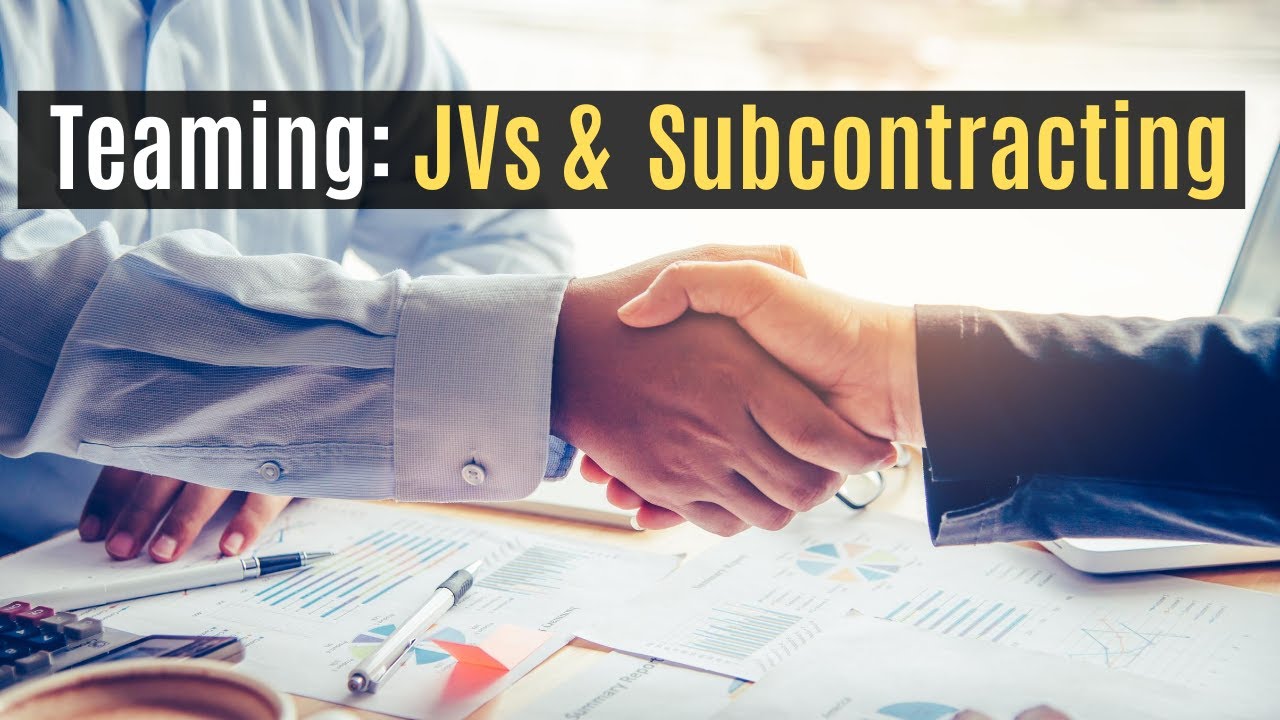

The U.S. Treasury has released over $350 billion in funding for state and local governments, distributed to 1,100 metropolitan cities ($45 billion) and 3,200 counties ($65 billion), creating significant opportunities for small businesses to participate in government contracting. To access these opportunities, businesses should register directly with local municipal procurement departments rather than PTACs, as these departments handle city pool contracts and can assist with registration. Key strategies include identifying low-competition contract areas, building capacity through team expansion, and maintaining persistence despite initial challenges. The funds support various categories including public health infrastructure, medical staffing, HVAC systems, transportation, and construction services.
Guide to State and Local Government Contracting Opportunities
Added:all right we are live hello everyone hello hello hello hello welcome to today's session happy monday happy monday happy monday to all my beautiful people out there how's everyone doing today tell me who's in the room who do we have in the room this afternoon what do we have out there welcome welcome welcome tell me who's in the room today where's all my serious people at who we have out there by the way as always on these sessions look at that like button already bam i didn't have to tell you on these sessions alex alex you remind me of again every time i listen to jim rom i think about you um jim rohn says when he speaks all the successful people continue to show up so it's it's really a treat to have you on i appreciate you as always thank you so much for joining us oh look at that t foster knight welcome welcome welcome welcome today to foster night who else do we have out here okay all right shawn bird's enterprise llc sean tell me what you do where are you from uh what's your space that you're operating in one thing to keep in mind i always like to tell folks is when i'm out and uh you know we're receiving emails from people they forget to tell us what they do a lot of times the company name doesn't necessarily describe what you do so it's up to you to tell us what you do and for for that reason like for example when i read your name sean it says sean bird's enterprise llc consultant okay tell us what you do now um you know there's nothing wrong being a consultant obviously that's approach i take but when you introduce yourself you definitely want to have an industry in mind that's representing a person in mind so for example guru said uh trucking consultant so actually what i would say um tuned in welcome elevation law guru yeah um you know trucking there's all kind of trucking there's the you know there's the trucks that are the refrigerator trucks there's a short distance trucks there's a long haul trucks uh and then and you get into also like the dump trucks as well so there's just a lot of things in trucking that you can do uh and so for that reason i want to help you guys kind of define your specific area of interest today we're going to talk about and i appreciate that um elevation i appreciate that by the way thank you you know i pre much appreciate it we're going to talk today about this video that i posted back in january that state and local contracts might be worth it and i want to talk to you that about that today so while we're waiting for everyone to get on and we i just want to kind of give you a head view of what we're going to discuss today's session we're talking about state and local contracts uh all the money the government's throwing in to state local contracts and the fact is that there are not enough of you out there to handle all of this work and in fact today i was having lunch with one of my partners and we were discussing uh with a new student the same thing so we i mean we were discussing the same issue he was asking me a lot of same questions that you guys asked eric where do i start you know what how i mean he would he's a a programmer he's an i.t and so he was asking a lot of the same type of questions so i again a lot of the same information that i'm telling you guys on here live i was talking to a buddy about it today so i'm just very excited to share it and looking forward to coming on live more often i want to be with you guys i want to support you any way possible so um you know one of the things i would like to do to start off and i always encourage you like i said we don't remember about 605 so i always encourage everyone on here there's about 30 people on here make sure to let us know the industry that you're in and the city that you're in that way other people can see this stuff we want other folks to know all about you so again make sure to let us know the city that you're in and also the industry that you're in because we want people to know who you are and what is it that you do so definitely do that right now when you get a chance while we're waiting on some other folks to come on before we get started with today's session so excited to be here thank you so much for joining me on this monday giant hawaiian welcome yolanda wright welcome random flavors welcome uh so let's get for those of you who've been on our monday sessions you know what this is all about use it as your own meet and greet session so again thank you so much for being here thanks for joining us tonight we're going to jump in and talk about all this money that the government is spending today i mean it is insane literally uh and this came out just so you know may the 10th so this was just a few days ago that this came out may the 10th that released the guidance on the distribution of more than 350 billion dollars i know it's it's it's kind of crazy right to think about those types of numbers and so when i saw this i go nah we got to talk about this because so many folks out there continue to struggle and continue to ask questions and there's all of this happening right around your neighborhoods your cities the places that you're at so again just tuning in make sure to put in there your industry your city let us know who you do because know what you do who you are because again when i'm out here reading the comments and the questions i can speak and give examples that are specific to your situation and that's what i like to do um is is basically i would like to talk to you not at you so again if you don't let me know what you do it's very difficult um for me to really help you out right it's really it's really difficult for me to give you examples all right the combination represents has seven box trucks perfect that's excellent so now we know we're dealing with different box trucks um [Music] yeah i know the contracts are going crazy it's true uh has anyone out there while we're doing that while we're all plugging a like button 37 people on right now while we're all doing that how many of you had an opportunity to watch this video bidders needed for low hanging fruit contracts how many of you out there had a chance to watch this video bitter for low low-hanging fruit no certifications required that video i posted a few weeks ago um again i follow it's a follow-up from my january videos on state local contracts might be worth the risk if you have not already watched this video make sure to do that because why this particular video explains to you how you can get on the pool list of contracts and how you can actually already without having done any work without having any past performance you can pre-qualify to be on this list to provide these services to the local government local municipality so if you have not already checked out this video make sure to do that today because that is the premise by which we're going to be discussing today's lesson so this video bitters needed for low hanging fruit contracts right here i'm going to put the title up on the screen this is the premise for what we're talking about today so again just make a note of it don't go watch it now obviously because we're tuning in today's lesson but make a note to go back and watch this video have you if you've not already seen it go back and watch that video because that is the basis for what we're discussing today so again going back to this report may 10 the treasury begins distribution of 350 billion dollars for state and local contracts and what's interesting is not only does it talk about the amount of money that we're spending um it says the major cities who are going to be receiving this funding so we look at what are some of the major cities they're going to be receiving this funding and we already know it's the large cities that are going to be receiving funds so places like new york chicago l.a philadelphia detroit houston baltimore cleveland but then they talk about some other counties as well and into the article it lists that there's 30 200 counties that's gonna receive 65 billion dollars so i don't care if you tell me you're in a small town usa you're on that 3 200 counties that covers everybody if you ask me so again there's 1100 okay totally 1100 metropolitan cities they're going to receive 45 billion all right and then there's 3 200 counties that's gonna receive 65 billion dollars that's a lot of money all right and so again they're they're giving them um look the city and county fund is going to be paid in two equal installments first this month so we're still in may they're getting their funds now now we're not coming on telling you something that's going to happen that happened in the past i'm not telling you something that's going to happen in the future we're telling you something that's happening today present as the 43 of you are on here watching this video there are cutting checks to the cities out there so they have all these cities right they've got this laundry list of projects that they want to do and inside their laundry list of projects they have all these things that they now have the funding and the funds available to push go right they can greenlight all of these projects that they've been wanting to do so what are those projects we know if we go to our local municipal our local cities we can find out what those projects are right so again going back to that video we discussed how is it that you get started how do you take advantage of this stuff what does that look like and so that's what i want to talk about and i want to give you practical examples which is why i tell people tell me what you do because if i don't know what you do then how can i help you so uh for the people that did watch that video um what did you did you try and attempt that particular area like did you already reach out to your local city and try and get on the pool what were some of your challenges let me know so i can go ahead and help you out so let me know what were some of your challenges with that because um again i know sometimes uh we had one of our students in our program said to me that he reached out to his local p-tac and that the p-tac told them they didn't know anything about the city pool contracts so i told him that p tax are not necessarily the experts on local contracting local municipalities so if he watched the video in the video i stated go to the local municipal small business person not the p-tech you want to go to your local municipal small business person so whatever city you're in forget p tax go to your local small business municipal person all right so that's likely to be a for example here on the screen chicago.gov all right chicago.gov so if you're in chicago which is on the list of awardees slated to receive 1.8 billion dollars you want to go to the city of chicago chicago.gov and you want to talk there on this particular page vendors right new business contractors this is where you want to go if you're in chicago procurement services so all i do is i type in the name of my city and i type in small business i type in procurement how to do business with that city and you find it so that's really uh for a lot of the folks who've tried this who haven't had any success uh you want you don't want to go to the ptac you want to go directly to the actual cities where this is being impacted now people ask me so you know what is this funds going to be used for and how they're going to use it and it says here public health needs which includes coronal virus mitigation efforts well what does that mean that means right electrostatic spraying right that means the cleaning that means uh putting up new hvac systems all that comes into corona virus mitigation efforts so a lot of the times when we think about that ppe right supplies those things and then on top of that with all my truckers that includes transportation because we have people in our group that have transportation readiness contracts to what help them get supplies back and forth help them deliver critical resources to and from places so all of that falls on that umbrella um and so when we look at look water sewer broadband infrastructure all of these things that is all of us contractors can get involved so for those folks out there who think that this does not include you this includes every one of you all 45 of you on here right now are included by the way make sure to hit the like button and let us know because we need all of the help on social media that's possible so just hit the like button while you're in there um welcome from south africa let me see who had some questions before we keep going on all right we've got medical supplies and staffing perfect so medical supplies is on this list okay john hawaiian said he tried it business accounting and erp national support they buy that we've done some research in that area cyber that's on the list um perfect going after major state energy company next excellent [Music] furniture contract thing furniture is huge huge huge huge contract for furniture um construction photography yes there's construction photography uh trucking hauling dominique hall uh we've trucking hauling aggregate trucking hauling um we have in fact we have uh cities right now that they said they can't find people for trucking and hauling um spots funding went through but their higher bid for rfq on a local contract robe original procurement office with the state of houston great medical supplies office supplies diesel great pp equipment all day um the name of the pool contracts mine is called something different however it's still handled by office procurement yeah so actually it's funny you said that let's talk about that um so again pulling down that list right so let's you know pull down the list of the major cities i'll go back to it on the screen here what i did because i knew that like you know i like to offer practical examples so here are some of the eight cities with the largest payments yes they may have different names maybe they don't call it pool of contracts but it's the concept is the same so here is city miami and this this is a list of their contracts now on the example that i gave you i showed you miami-dade county and so miami-dade county had their vendor list but then within miami because miami is so large we have i think it's 30 something municipalities so within miami we've got all these different municipalities 30 something or 40 something city miami is the second is the largest municipality within the county of miami-dade and so here is an example of their pre-approved list so how do you equate that to federal contracting it's the same thing as you would say an idiq or g-whack or mac or may talk this is the same exact thing at the county level in the city level so look we talked about um trucking here's debris hauling uniforms uh who else do we have in there someone said uh i t i'm sure it's on this list uh field turf maintenance programs capital program support services drug screening something flying on my face auditing services employment benefit services you name it it's here and so when the person i just mentioned about the city of miami call it something different but we're still at the procurement department so if you look at the top we're still at the procurement department so you want to look for your local procurement departments and then you want to find out uh these contracts that they have out there that you can pre-qualify for and if i were to click on here and go into this so it sells you here here's a list of the contract um it tells you where it's coming from it tells you the term and the contract award and it lists the vendors that are on here and the suppliers and so you can click on all of this data uh i noticed that it's not showing you on the screen let me see how i can do this hold on let me go to this browser okay so in this browser you can click on the data and you see below where it shows you the list where we can pull up all of the information on that contract social media all right um and so here when you click the pdf documents below you'll be able to see a list of the people that are involved the vendors and like we showed in the video what my buddy john does is he looks at contracts where there's not a lot of people not a lot of competition um installation of equipment emergency debris banking services fire rescue uniforms part supplies things like that so going back to you know over on the other page here where we talked about some of the cities so we mentioned the city of miami because um here in the eight counties the example is miami-dade county is number seven which that's the base of the contract but even uh that's the county but then when you look at cities which falls under the here the 1100 metropolitan cities you have the city of miami so you've got the county that's receiving freaking was this 500 million dollars and then the city of miami falls in this group of metropolitan cities so so again if you live in that area you've got two places where you could go to tag for opportunities and literally the city of miami building where the procurement is and the miami-dade county building or both downtown miami within walking distance there's probably like maybe four to five blocks between them so it's probably a seven minute walk but nah i mean i exaggerate maybe a nine minute walk between city miami procurement and miami-dade county procurement and they're both getting allocations of funds so for some of those people who've tried it let me know what's been your experiences so far of trying to do that uh i want to show you another area because this is uh interesting this is baltimore baltimore's on that list and i went here to bureau procurement for baltimore just to see and i found hold on that's miami hold on wait here in baltimore right and it's listed under baltimore and let's see if i can okay there's the url at the top you see it says baltimorecitybuy.org and here's the list of their contracts that are available and the same thing charter bus services um sign language interpretation emergency elevator prayer so here's the list and they had and again i could go continue on but the the point i'm trying to make is speak to your cities uh talk to talk to them and uh you know we want to clarify this point because a lot of folks out there seem to be confused oh nice okay so i just want to see and interact with you to see how many people actually have tried this how many people have called and reached out and then tell me what your interaction has been because again i want to try to help to make this clear for folks so that if you really want this if you really want the opportunities if you're is something that you really are interested in doing i want it to be available for you right so i want to make this available and i want to try and help facilitate uh this for you and your particular entity so that's why i'm asking these questions who's tried it what's been their experiences so we can talk about what's happening uh let me go into the chat and read some of the comments and questions from folks out there let's see everybody has a city pool contract but the name of city pool is called something different yep it's still handled by officer procurement perfect in phoenix these projects must be awarded to the existing contract holders right so that's the point brian that i make it is that you have to become an existing contract holder and that's what we want everyone to do [Music] correct check scottsdale or tucson or flagstaff okay how do we see which local needs to get award the most so so inside of the pools they have budgets now what you're asking about is that gets the worth most to me that's really going backwards because just because they get awarded the most contracts doesn't mean that that's an area where you can go in and dominate because for example i would have to say construction and i.t is probably the most like if you were to look at it that me but that also means they're probably the most competitive right does that make sense so just because they're the most in terms of awards they're going out that doesn't make it less competitive that doesn't mean that it's necessarily the area where i would recommend people go into because if you do trucking or if you're trying to let's say assuming this question you're trying to find an air to go into what we discussed in that particular video is john looked at areas where there were least amount of competition not the most amount of contracts awarded so when he goes and he's participating a lot of times it's one or two people showing up to me i'm more interested in being in a place where there's one or two people showing up even if they only come out once every week or once every two weeks i know that i have a 50 chance of winning than i am of contracts that come out every single day but there's 50 people showing up there does that make sense i hope that i hope that clarified that particular issue so for me uh a lot of times we're looking at well they're buying this services all the time or this is the service they're buying the most of however uh that doesn't make it less competitive and that doesn't necessarily make a particular great area to go into just because of that um eric please exchange the blue ocean strategy what is that i don't know what that means um so so that's that's what i would say to that sms for you medical staffing agency uh danielle um medical staffing is enormous uh the amount of help that's needed in medical staffing is out of sight out of mind there's no way possible that you can go to any city usa and say that you do medical staffing and they're going to turn you away you can go anywhere in this country right with medical staffing and they will welcome you so for me um you know when i hear medical staffing it's like a slam dunk we looked at some of those opportunities and people are begging in fact one of my best friends she actually works for a company that does medical staffing and she's her bonuses have been the equal to her salary okay uh and that's been like every few months so she has been making huge bonuses all of last year in fact so much so that uh her and her girlfriend literally upgraded they just they're buying a house cash with her bonus money from medical staffing so and they're out and they're in um i don't want to say the state but they're on the west coast i won't say the state but um yeah they're making fat huge bonuses on medical staffing so there's no way uh in in terms of if that's what you do and you've got people ready to go you can just show up anywhere and do that oh yes elevation okay the blue ocean strategy i got you now i got you the blue strategy the book yep yep yep yep i know exactly what you're talking about now so it's perfect um albuquerque new mexico hvac distributor same thing uh you know that's on the list of opportunities that the government's looking for let's go back and pull that down all right so again remember coronavirus mitigation efforts is hvac right that's hvac that's medical staffing um i haven't seen anyone that's put something up here that they don't do yet all right i did it and i was able to get registered with georgia public schools i've since received emails for public schools and corrections food services good job ty i love it but don't stop at just georgia public schools ty uh you've got to go inside within georgia and find out what are some of the municipalities as well and some of the counties within georgia and then register for though each individual one unfortunately folks there is no one single place you can go and register for all these things when we when we were doing ppe last year um i literally we brought up my son and he literally registered us for every single state and then he registered for the i told him to register for us every single city that had a population over a half a million people and so we literally had to go and register every single state and then every city that had a population over half a million people unfortunately there is no um single place that you can go that's like a one-stop shop and it goes blue and it registers you throughout but the good thing is that and i always tell you if you're watching me and you're listening to my content my videos you're gonna be smarter than 99 of the people out there so the other folks who are not doing these things that's why they're not learning about the opportunities that's why they're not finding out about these opportunities that's why you're the ones that are going to be in a position to win these contracts because someone else is going to stop at the state of georgia someone else is going to stop at the city of miami someone else going to stop at miami-dade county don't let that be you because you're saying no why would i want to do that when maybe uh and by the way let me just say something i got to keep on that same thought uh if you did not receive the email i sent out an email on friday that we have people in miami-dade county at the school board that are looking for minority contractors they're looking for everything drywall carpentry hvac they're looking for everything please send me an email they're they're telling me that they can't find minority contractors i know my audience i know who's watching me send me an email we have people that reached out to me and said eric we can't find minority contractors okay thank you the 10 or so people that did email and respond we've already sent you back those responses we've already turned you over your names over to the person in charge they are receiving contracts they don't have the people to do them so again if you are in and around miami-dade county broward county and you're interested in doing school board work make sure send me an email because i have someone right now that reached out to me i used to work with the guy on the air force base and he's they're looking for a minority contractor so make sure you send us an email service govcon giants.com for that information and now going back to what i was saying is yes so you who are watching the content watching the videos and you're on here with us there is an opportunity for you to go out and apply these strategies and and then take advantage of it i'm telling you things that people are doing today not things that people did in the past not things that people are telling you right out of a book i'm telling you exactly what my friends are doing right now last week last month two weeks ago they're going from 50 000 a month to 100 000 a month okay to 150 000 a month and so with all this money free flowing it's a it would be really unfortunate if uh the 54 of you on here watching right now were to miss out okay if you've got the people you have the capabilities you know even if you have limited resources start where you're at start small start listen again everyone that's in my group if you are sign up and you're part of govcon giants i give supplier references i give credit references so if you're part of govcon giants you already know listen for the person that needs a reference in fact someone sent me an email today asking for a reference depending upon what you do someone needed a bond all right and they were trying to get a bond for half a million dollars i gave them a i think maria wrote it up for 200 000 credit reference it's fine i have i have no problem no qualms with that so listen i understand what it's like to be you i understand what it's like to be in your position i remember when i was trying to get my first credit i remember when i was trying to get my first contract i remember when no one would give me a chance when no one would with no banks would lend me money when i couldn't get a line of credit so i want to make sure that we put everyone in a position to succeed once you get out there and you start working on these contracts once you get out there and you show these people that you're knowledgeable and you know it and you can deliver and perform and execute they're gonna keep coming back to that well they're gonna keep coming back to keep coming back keep coming back keep coming back and then the next thing you know you're going to have the same problem that a lot of my people have now you're going to be you're going to need other companies other contractors to work with and our group call i shared this when i brought john in to speak with us and and so he ended up hiring the people that he used to work for so he was in the entertainment industry and because that industry was shut down because of covet when john switched over to doing actual uh the electrostatic cleaning the like the covet cleaning all the people that were laid off with jobs and the entertainment industry he hired them to work for him to do the cleaning and so look how things turn around 180 degrees so you can and i want everyone to think like that okay you should be thinking about um how do you build up your team how do you build up your capacity uh you know we have other students who have hired their former uh co-workers their former employers uh not the company but they've hired people from their former employer so you have to think about uh you know if you learn about these opportunities and you see how large they are how vast they are right who can i bring onto my team who can i add um onto my team that will give me additional capabilities that i don't have today talk to people about your vision talk to people about where you want to go it's not about where you're at right where you're headed that's what you want to look at and so now when you go back and you say eric i'm sitting now i'm looking at all this stuff i'm looking at all these opportunities and you're right it's a lot i went to my local municipality it is a ton of stuff i mean there's there's a contract left and right and they told me if i get registered then yes i'll be on that list then we want to start talking about okay now that we've identified these opportunities and we could do so much do what you can and then figure out who we need to talk to whether it's you know someone like myself who how do we increase our capacity again we have enough workers we need more leaders so i need all of you out there after you give me a thumbs up i need you to take a look in the mirror and say to yourself where do i want to be and what is it that i want to do and i want you to really consider that because truthfully there are more contracts and more money and more funds than people able to do them and what we don't want i'm gonna go to the big screen for this one what we do not want is the government to take the money back what we do not want is the government to take the money back do you know what happens when they can't spend this money because you decided not to show up what happens is they take the money back and it goes into like a general pool of funds so if you don't show up if you don't step up to the plate and and us small businesses don't come out and help execute and deliver they're going to take this money back and they're going to take and put it back into the general pool and then all we're going to hear is complaints and moaning and whining and bitching from people saying well i didn't get my chance no one told me i didn't know just got to show up remember the video i posted 70 of the effort is showing up so i want you to keep that in mind show up um and again listen if we can help in some kind of way reach out to us give us a call send us email text us if we can help in some sort of way some capacity so again i want to remind folks out there that yes we have opportunities here in miami but then there's opportunities in your neighborhood everywhere usa questions drop some questions in here so we can answer your questions as we continue having the conversation um thank you elevation allah i appreciate it um [Music] i've started contacting registered county and the dharm database there were so many counties i never heard of laugh out loud good job ty no um and ty remember mebs the intern that used to work for us uh he actually that's what he did up in new york and that's how you start selling those clay shooting discs to one of those cities a small city up in new york he started selling them that dis and so now um it got to the point where and this is so funny that's a good story so mebs was one of my interns who came from africa and he was selling uh one of these small municipalities these clay like the shooting discs that you put into the machine they shoot up and they shoot at them he he started selling those to them um and he uh there was only one other person doing it and that particular person did not do a good job they would deliver some of the discs for broken um they were they wouldn't take it and deliver it exactly to the offices they might drop it off at the front they were making it very hard to do business with them and mebs who again 23 years old he actually hand delivered his first order just to meet his customers to meet his clients and to let them know he would be there to service him and so if there were any discs that were broken he would take those back and provide new ones because they're like these clay disks so if you if you buy a couple thousand maybe there's 10 or 20 of them that are broken the previous company would not refund the money they said well they came that way they were shipped that way and so you know you kind of take it and people do that when they're very comfortable and that they feel like no one's going to come in and take their business they've been doing it for years so when he showed up and all he did was deliver the stuff to them directly he made it easier for them to do business with him they liked the way that he did that so now what happens is now he no longer has to bid they send him a purchase order for the amount they want to order and they buy directly from him this is the kind of stuff that happens when you start getting out from behind a computer and start going out and talking to folks going out and meeting with people and finding out how this stuff works finding out where is the need but you've got to get from behind a computer and start going out and visiting these people because they are humans so i just i thought that was a funny story that i want to share with you because he has now since gone back to africa to help his father and he's now paying his college buddy that he was in college because he dropped out of college he's paying his college friend to now manage his contract with this particular county so now he's got this thing on autopilot and so he's essentially making passive income from a relationship that he built and he created while he was here in the united states by taking advantage and doing exactly what i'm telling you guys to do so if a 23-year-old kid can do this why can't you do that i mean he's in africa literally right now and has his friend working for him managing the contract and sending cutting him checks back over to africa i mean you know it's just mind-boggling and so for me when i as i continue to see this stuff as i continue to hear these things um i have to continue to to share this because this is my everyday life these are my everyday experiences um and so so i just want to share that with you guys uh the email went out uh friday so again if you are interested in doing work with miami-dade county we've got a friend of mine really good guy uh he he he's he's awesome his name is rich uh rich rosen and rich again he messaged me on facebook uh he was one of my uh contract folks when i did work with the tribal company he was one of their project managers we always spoke and he always uh you know he admired me because i was young and hungry and i was out you know i ran my construction guys and he always admired and respected me for that and so we just had a really strong bond between us and he's now working for a contractor down in miami-dade county and they've got a lot of work that they're receiving sole source uh for school boards that they need help with everything painters carpenters floor guys demo guys you name it they need it hvac electrical uh everything so um well in fact one of my good friends that who's also in my book um that i write about the painting guy they're doing work with rich he he he hires him and they pay and that's the biggest part of all this is that they pay so if you did not receive the email maybe not on my email list if you are on my email list and you still didn't receive the email a lot of times what's happening is we find that when people are uh they haven't opened up the emails they'll sometimes will put you in the spam box so if you have enough to open up the emails sometimes they'll put you in the spam box and so my emails might go to your spam folder they might go to your promotions folder uh i'm not sure so you just gotta check that and find out but yes if you send us an email and put in the title miami schools you're interested in working with miami-dade schools erica who's our new executive administrator she's now helping us as a resource specialist taking the place of all the great work that maria did uh erica will send out a response to you with the person's contact information so that we can put you in contact with them they're looking for contractors right now in miami-dade school so if you're interested let us know we'll do that free of charge it costs no money uh what else the student has electrostatic cleaning work he can't get to va right that's correct no he cannot he does not he can't do va work uh and he can't do dc maryland work that's correct so no he can't do work you're right cs uh he's again he's just doing it in miami-dade county for now uh what's the name of the video which video are you referring to l wells uh i think the video that you're referring to is i don't have it up now it's the bid opportunities video on here uh let me see i just got an email came in i don't have it up it's the uh it's the one i can't find it right now but it's the one that's on bid opportunities uh that was released on april the 28th i think i pulled it down let me see if i could pull it up for you hold on give me a second keep asking your questions while i pull up this video for the person keep asking away we're gonna stay until about seven o'clock and then i've got to shut it down because i've got some dinner plans and we're going to do some more business so let me know what you think give me your feedback hit the like button and as always make sure to share this information okay uh this is the video right here the bitters for low hand fruit contracts just the video that we're talking about to make sure to go back and watch let me pull it up it's about 16 minute long video this is the video right here all right bidders needed for low hanging fruit contracts no first verification required go watch that video it explains to you uh what we're talking about and how to do it um all the things that we're talking about all right what else we have eric uh email service at govcon i don't want thumbs up in the chat i want uh the like button um hit like on the actual all right service at goconj.com that's the email um yeah i don't really take phone calls uh unless you are part of our group or um we go through clarity which is kind of expensive um because it charges a ridiculous amount of money so i really don't do phone calls just because we're you know we're busy putting out content for people out here and unfortunately if i took and spoke to an hour with everybody on the phone but if you do want to talk to someone give us a call here and you can speak to erica okay that's our phone number 786-477-0477 uh and you can speak to erica and hopefully she can provide whatever guidance that you need and if you have a question that needs to come up to me erica will be more than happy to funnel that question up to me and i will send a formal response so if you do have any questions for us that's our number in the chat call erica and she will take all of the questions and anything that she can't answer by the way just so you know erica is well equipped she is not just a random person she actually has background in government contracting she is a counselor one of the small business development centers so she's worked with small businesses she's helped small businesses get registered for doing business with the government so she actually herself uh is a force to be reckoned with so erica comes from a really strong background in government contracting with small businesses and so again she is very knowledgeable person on her own merit so again i know a lot of people want to talk to me um but the uh we've got some really competent and smart people here that can help you as well so don't don't get pigeonholed to just talking to me directly because we we do have a team there's a team of us i'm really just the face so there is a team of people behind the scenes we've got about 13 people working to help support our organization and all that we do so don't just get pigeonholed and talk to me so again today we just i just want to let everybody know really about the monies that were being spent the 350 billion dollars uh that the government is about to release to the cities the treasury department is distributing that in two increments starting this month and again uh your city is on that list i guarantee it your city's on that list um and again it's our right our responsibility to go after this if you believe you are competent and capable of performing whatever goods and services that you want to provide i think it's your obligation to you for your family and all the people that you care about for you to go after this it's a must it's it's not a fact that you should or can you must do it um so again the number to call for erica 786-477-0477 i'll put it back in the chat again um but please don't call her and ask her to help you with a registration or anything like that all of these local municipalities have people there to help you register when i first got started the miami-dade county had a liaison person that helped us get registered they had a person for me so i didn't have to do like they literally asked me for uh the financials so i was like okay i got my financials uh give me your ein number okay i got my yeah number give me your it's like i mean i just gave them my documents and then they did all the heavy lifting for me so don't be afraid if you don't know how to register because the cities have people there to help you register a lot of time so i just want to say that because a lot of times we are of you know we let the things in our mind control our actions and control our decisions so don't watch me get excited get motivated and then go back and say oh i can't do that because i don't know how to get registered um so i'm telling people all the cities they have they have folks out there um if you get stuck if you're concerned start with the people there honestly i can't help you get registered in chicago i can't help but get registered in colorado i can't help you get registered in scottsdale i can't help you get registered in baltimore but the people there they have resources there that assist you for free remember i'm the king of free resources right i tell you save money until you're ready to to come up and to work with us in our group and our programs because we are teaching you actual practical skills practical advice but up until that point everything else that you need you can start off with free right build up some capacity build up some experience build up some capital and then move into some of the paid programs out there but again i'm the biggest fan of free listen okay here in my book right this is 72 websites right that we list right for scaling the phone these are all resources that are free free all this stuff is free the places that i'm talking to you about all these resources websites blog posts are free so you know again i i try to tell people start off with that first and even if you get some folks out there that are not so great and like someone mentioned that yes um you know my ptac sucked that's okay because they're not all the same you're not we know some people have great ptax some people have great experiences with sbdc some people have really poor experiences with sba all of our experiences are unique but that's not that shouldn't stop you right that particular person and their your experience with them should not stop you from going after this because it didn't stand in my way it didn't stand in john's way it didn't stand in maria's way it sure didn't stand in meb's way so don't let these things uh be roadblocks or to set you back or let you be deterred from going after this because at the end of the day right the money is still there the money has to be spent the and if we don't come here to help support the cities because they are not going to do this work themselves if we don't show up to help the cities to do this work guess what it's going to go back the money's going to go back and no one's going to get any of it or the same people are going to continue to get it because there's no one else showing up to to challenge them there's no one else sharing up to divvy up the money the resources the funds so listen you want a really really really easy easy easy easy way of doing this find out the guy who's getting the contracts let's say for example uh we're gonna use brian brian's electrical guy brian says well eric uh i'm electrical contractor and i want to work in scottsdale arizona find out who the existent person is using to sell all his work to if they work for that guy they'll work for you whoever's winning the contracts now whoever they're using to do the work you can use those same people they will work for anybody they don't have any um preference if if they'll work for me they'll work for you they just want work right they just want work to keep them busy so again you don't have to go ahead and reinvent any of this stuff this stuff is already existing there are people already doing this all you're going to do is insert yourself into the mix now and then right create opportunities for other folks so now you're gonna you are bringing them more jobs more work which is helping them support their families buy houses buy cars pay bills whatever the case may be and people are going to be thankful for that and appreciative of those things so again don't sit back and say well i'm not really sure how i can pull this off there are people performing this work there are hvac guys there's floor guys there's carpet guys that are actually doing this work right now okay go insert yourself in the middle they don't know how to get the contracts you go out get the contracts let them do the work people uh you know they love that whole middleman approach but this is actually not middleman this is prime and subcontracting so you do have to do something right because you got to show up you got to get registered you got to take responsibility so you do have to handle the funds and make sure everybody gets paid but in exchange for that you're going to get compensated handsomely for it so i just want to let folks know because um sometimes we get into our head and we make up all these ideas and our minds uh we start what we call brain wrestling right in our own minds about what we can and what we can't do and and so we kind of talk ourselves out of it i want you to have the same excitement the same vigor that you have right now while we're doing this live as you when you wake up in the morning as you work you know next week i want you to have the same type of excitement um tomorrow and next week and the week after and i want you to go out and try it i want you to go out and try it because when you try it okay then you'll find out um what are some of the challenges what are some of the issues and now you can come back to me and ask questions right so now you come back to me and ask questions uh l wells just asked how do you join our group on the screen at the bottom um for information on courses go to google giants.com pricing we're also now doing coaching and mentoring for a monthly fee so if you want to work with me directly in that capacity we are doing coaching now and mentoring that's something that we recently started doing i can't take on everybody but i do have room for five new companies to take on right now uh as we're expanding our program and our platforms so l wells to answer your question that's at the bottom of the screen right now how you can work with us and our organization um but again we're here to support you i'm going to continue making these live sessions um for those folks out there that need the additional help they need the resources and as we learn about opportunities as we learn about markets as i discover new concepts new ideas i'm going to definitely bring it to you what else what other questions do we have zoe says i want to join the group i just put it on the screen um i'm already taking i've got sam but i'm kind of lost i'm taking courses with score and gravology score is great gavology is good um uh a lot of people that are in teaching the goveroology classes were already on my podcast you know again right now really i've made it super super affordable to work with us here at go con giants i've made it like really really affordable the most affordable it's been in probably a year and a half and so again if you visit our website govcon giants.com pricing you'll see our pricing on the screen it's pretty straightforward and we meet so again if you do the 1.0 pricing we meet once a month if you do the 2.0 we meet four times a month and i'm teaching these sessions every tuesday so every tuesday we have a session where i'm teaching students and we're working on these particular things so again if you want if that's something that you're interested in visit our website govcon giants.com pricing for more information if you have questions you want to talk to someone about it talk to erica and we've dropped that number on the chat as well uh we have so we look we're we're here for you we're here to support you i love what everybody's doing uh xavier says i'm a testament if you got tremendously with just everyday business and all i've had to do just wait go down the list thanks xavier for that i appreciate it um i just got two of your books thank you nicky i appreciate you uh ando welcome welcome welcome so listen guys i tell you what i'm gonna sign off because uh and i this week i'm probably gonna go live twice so if you don't get the notifications make sure you turn on those notifications because i'm gonna try to go live more than two or three times a week um so i haven't figured out what day yet i just got to figure out when i'm available but i've got a couple more things that i want to share and talk about but again always always always if you have any questions reach out to us thank you guys so much for coming today thanks for being on this chat i hope you learned something make sure please don't be selfish share this with friends share this with family share this with other people out there other business owners share this content because again you don't know who can help you who can be a resource to you who can be an asset at some point that guy or girl that you think is your competition may actually be your greatest asset that you don't even know so again share the content with people out here you think can benefit who can learn from this information um share it with them and then definitely uh if you have any more questions for us call us 786-470-4777 all that information is on the website how many how much time that you receive for coaching they're different by credits each credit is an hour block so you have so many credits with me and you have so many credits with um so you get the executive coach and then you have credits with our regular coaches so um they're gonna do a lot of heavy lifting but i'm in the background helping with them so hey guys thank you so much for being on today as always it's been my pleasure to help you to serve you i really do enjoy this stuff and i'm happy to do it i'm delighted to work with you and i can't wait for those stories
Up Next

How to Find Past Contract Prices for Government Bids
@FedAccess
26.6K views•2024-09-03

Triumph of Orthodoxy Icon: Byzantine Art & History Explained
@BenCallan
2.1K views•2024-08-06

FastAPI vs Flask vs Django: Choosing the Right Python Web Framework
@TechWithTim
302.5K views•2024-05-26

Game of Thrones Opening Credits: A Cinematic Analysis
@gameofthrones
46.3M views•2011-04-18
Related Study Plans & Knowledge Roadmaps
Structured learning paths in General & Interdisciplinary Studies