









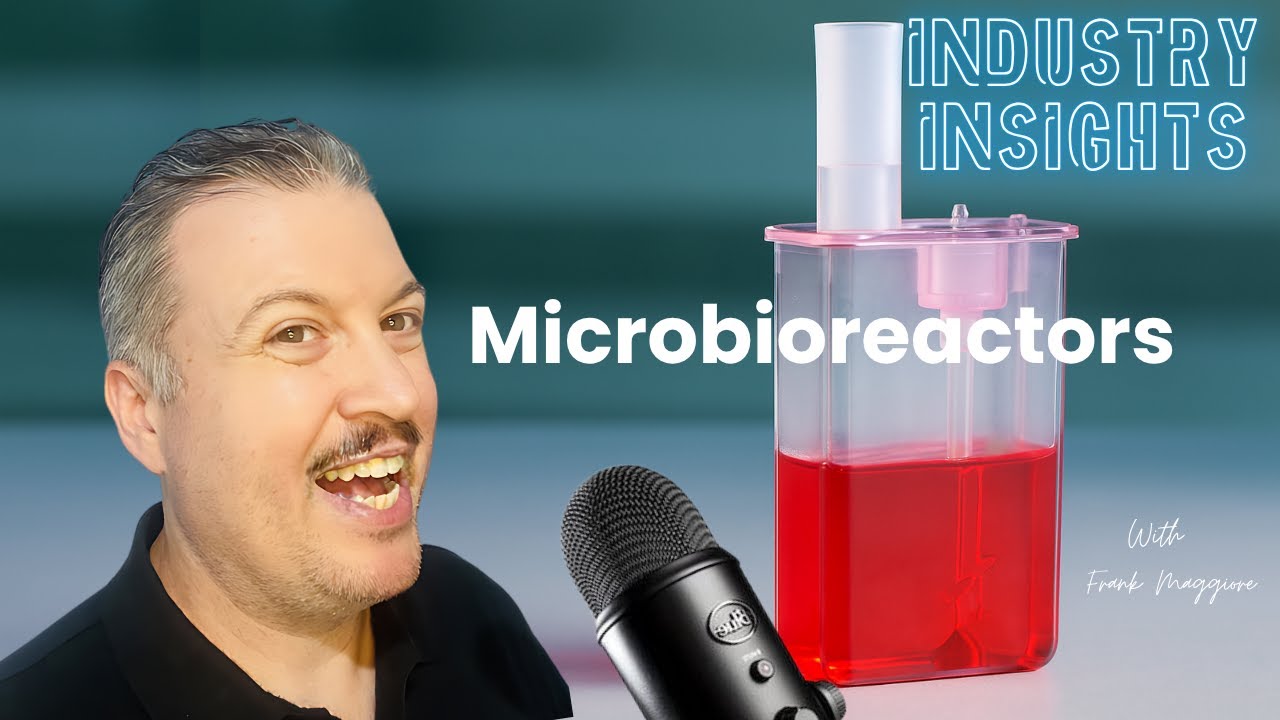










Microfermentation systems enable high cell density cultivations of Pichia pastoris with predictive scalability to bioreactor conditions, achieving multi-gram per liter protein titers while providing a high-throughput platform for strain screening, secretion signal optimization, and process development; these systems combine the advantages of microscale throughput with bioreactor-like continuous feeding and controlled conditions, allowing early identification of problematic strains and optimization of cultivation parameters before full-scale bioreactor work.
Pichia pastoris High Cell Density Microbioreactor Cultivation
Added:Fundamentals of Pichia pastoris as a methylotrophic yeast expression host for recombinant protein production.
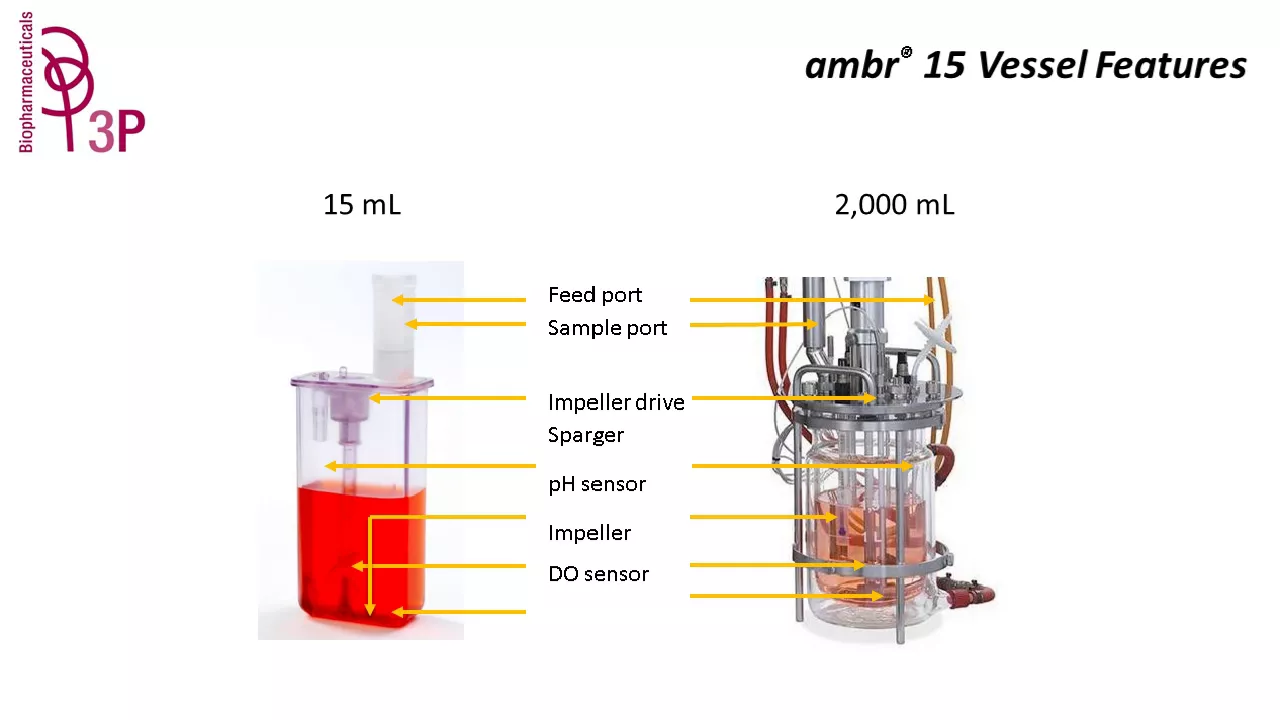
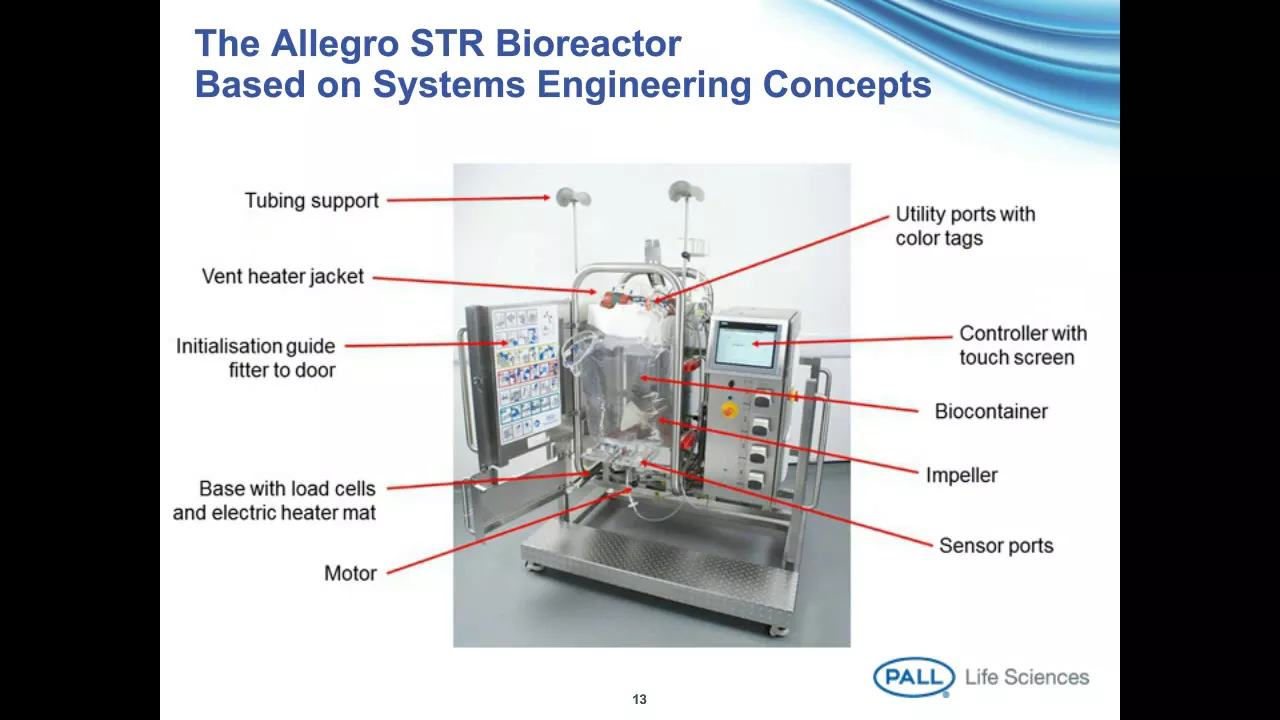
Basic principles of bioreactor operations, including parameters like dissolved oxygen (DO), pH, temperature, and fed-batch feeding strategies.
The concept of High Cell Density Cultivation (HCDC) and the metabolic demands, such as oxygen transfer limitations, of highly concentrated microbial cultures.
An introduction to microbioreactor technology and its role in high-throughput screening and bioprocess development.
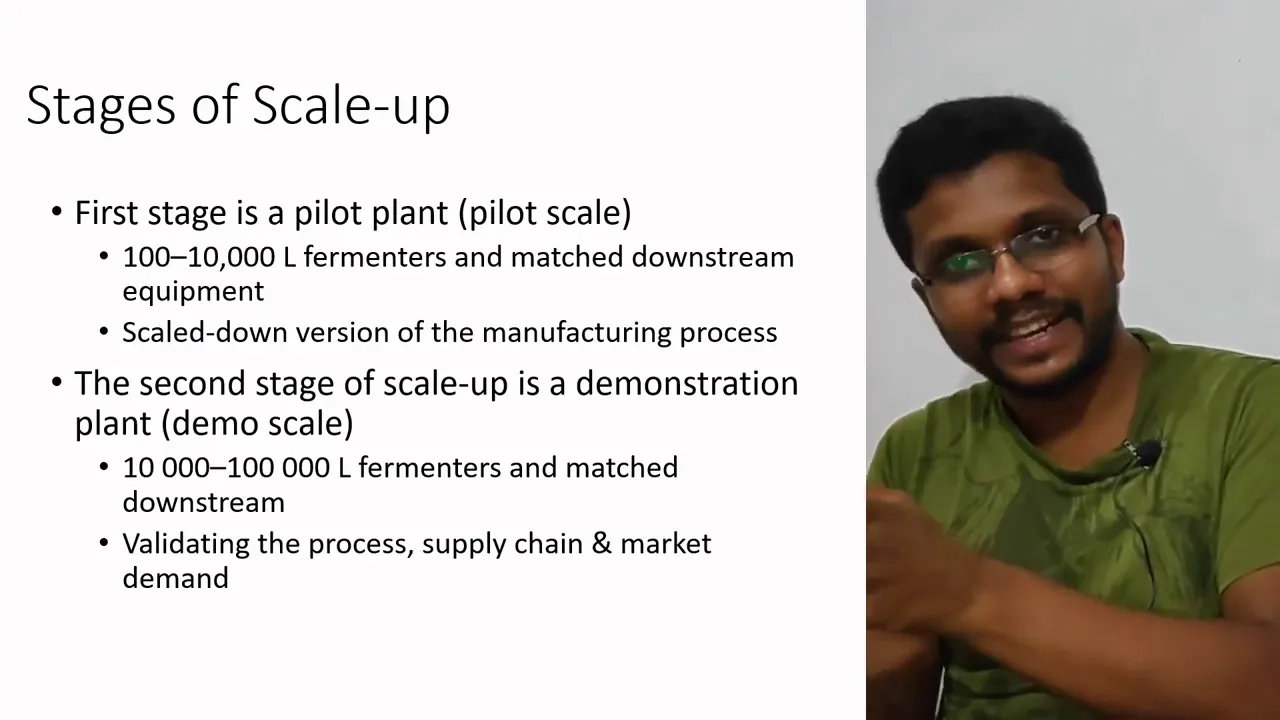
Bioprocess scale-up methodologies: Translating predictive microbioreactor data to benchtop and pilot-scale stirred-tank bioreactors.
Design of Experiments (DoE) and statistical optimization for media formulation and feeding profiles in P. pastoris systems.
Advanced strain engineering techniques, such as promoter engineering (e.g., AOX1 induction vs. constitutive promoters) to maximize protein titers.
Integration of Process Analytical Technology (PAT) and automated control loops for real-time monitoring of high cell density yeast fermentations.
Downstream processing challenges and strategies for harvesting and purifying recombinant proteins from high-density biomass feeds.
331 views6likes15:33Original Release: 2021-11-07
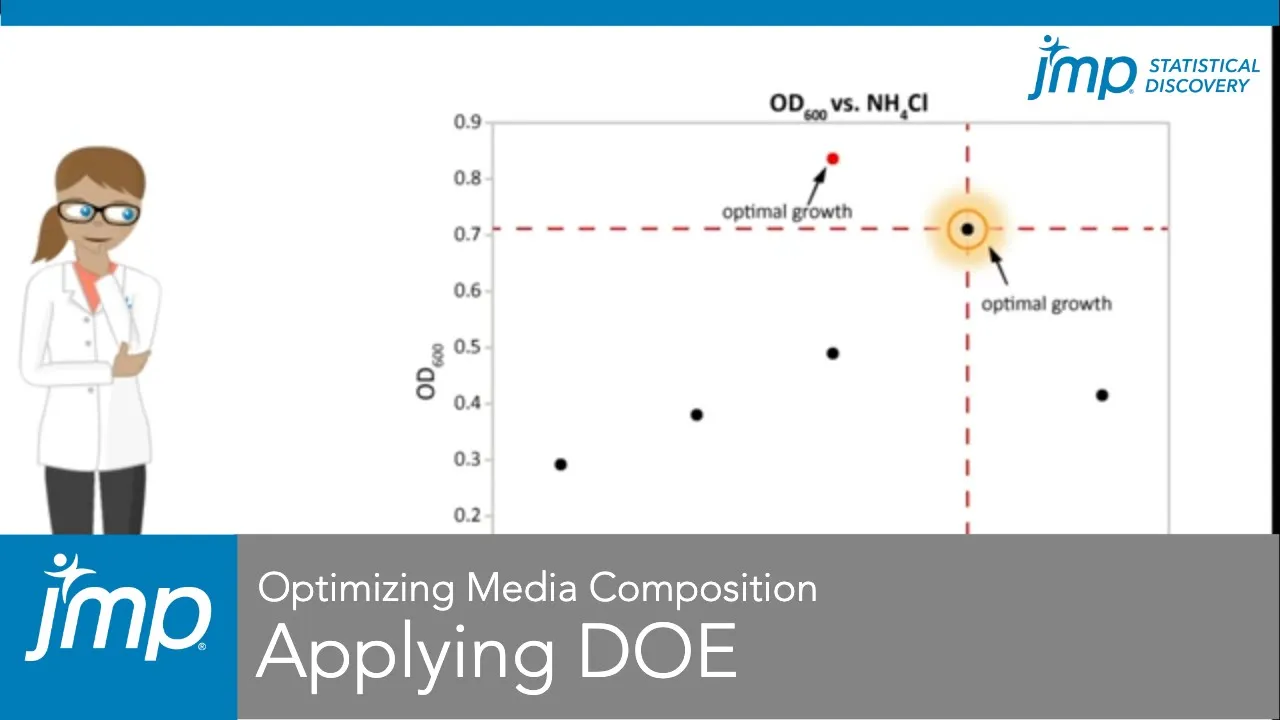
hello everybody today i would like to tell you about isil density cultivations of uh pki in a micro bioreactor system and uh how we here at validation incorporated in uh workflow the micro bioreactor system of our choice is the bioelectric pro now the colleagues from m2p labs already described it so i'm not going to go into any details here just to emphasize that this the distinctive feature of the biolect pro for us is the feeding functionality which enables us to get uh high cell density uh fat batch cultivations yeah here are some numbers to start with uh just to see how uh how the micro fermenter cultivations compare to uh to fermentations in um in a bioreactor uh here we have data for uh several well expressed proteins both in uh method induced uh production setup as well as on the metal metal-free production conditions uh in a viral in a bioreactor we usually obtained cell densities in a range of 400 to 600 grams per liter water weight and in in a micro fermenter it amounts to 150 to about 300 grams per liter with um multi-gram politicians in both scales uh now how does it fit in a string strain cultivation workflow well a usual procedure is to perform uh biore bio reactor cultivations directly after screening in uh in deeper plates uh this transferability works quite well in the vast majority of cases with an occasional and rare exception here's an example of such an exception uh we performed um we performed a test for secretion of trivalent vhh where we compared the benchmark strain with um with the normal productivity improving approach that we've been working on uh the bank of the benchmarks train uh produced 1.3 grams per liter of the product in supernatant and grew to more than 500 grams per liter wetsuit weight now here we see screening data and this is relative product title compared to the benchmark benchmark is on the left in uh in orange and marked with a green arrow is the the best uh producing strain which is the obvious choice for uh for the bio reactor cultivation so we um we carried out the fermentation with uh with the benchmark uh strain in comparison to this uh this strain number eight and it didn't go as well as uh as we expected the string grew and produced uh well for a while but after about uh 70 to 80 hours of of the cultivation um the chain the strain showed reduced methanol tolerance which eventually resulted in cell lysis and product degradation here we always stay on track and keep the task in mind and our task is to deliver the best producing strength to a client so here we have two options option one only if necessary uh meaning if there's an adverse uh effect of the target protein and it's an overall effect on on all strains in that case we would apply an adapted fermentation protocol that we developed for such challenging strains the option two the preferred one is to find and eliminate possible sensitive strains already early in the process so we went back to the screening results and selected several of the best performing strains for cultivation in in the bioelecta these are the strains marked with green columns and this is uh where the bio biolect really proves itself as a as a valuable addition to twa lab from the micro fermentation results we can immediately identify this this train number eight that was the best in uh in screening but uh performed worse here so it is uh the only strain that uh that had a lower relative tighter in uh in the micro fermentation uh compared to to the screening all other strains that we cultivated performed even better in a micro fermenter so we selected five best performing strains these are marked with green arrows again for cultivation in a one liter bioreactor and obtained very satisfying results so all strains uh grew robustly to to high cell densities and [Music] and yielded titus that were multi-fold from uh from from the benchmarks train so the best uh performing strain um had a more than four-fold tighter improvement from 1.6 to 6.6 grams per liter and this proves very sound transferability from micro fermented to bioreactor uh now to next next case study uh in uh here everything well went very smoothly actually between uh between the scales so it was um the test of novel secretion signals he designated signal 1 and signal 2 in comparison to [Music] the most widely used secretion signal from alpha matin vector from saccharomyces cerevisiae already from from the microscale results we can see that the signal number one clearly outperformed the alpha mating factor we performed these 12 strains in in the biolecta and obtained very comparable comparable results to the microscale regarding product data so the the signal num secretion signal 1 was much better than the alpha 18 vector and all strains showed robust growth to cell densities of about 300 grams per liter uh here we have a direct comparison of relative tight between screening and micro fermented scale while there were minor shifts in in ranking we can see that the the trend stayed the same with secretion single number one uh being the most productive one to get the full picture we cultivated uh all 12 strains in the bioreactor and again the outcome was uh was confirmed the best performing strains um secreted the vhh to uh to a very high title of 20 grams per liter and all strains grew well to high cell densities of between 450 and 550 grams per liter that's a weight so again a direct comparison between the three scales here we see that the transferability worked really well and we ended up with 4.5 fold tighter improvement to test for for a possible uh bias that's connected to to allocation of of the individual strains to to certain wells on on the plate of the biolector we performed two separate runs with same strains but on different positions uh this was a project for methanol free production of industrial enzyme that we carried out for uh for a client of ours uh where we used coexpressed help effectors as well so in regarding productivity we can see in the in the graph on the right that the best performing strain had 40 percent higher activity than than the parent's train so like i said in the second run we had the the well positions uh reshuffled and the results were were very comparable so there were no negative uh surprises that was uh that was the most important thing um there were minor differences in the optical density between uh between wells but nothing of crucial importance um and uh concerning the relative activity uh the picture state basically the same from from the first run to the second where the most productive strains remained on top the last thing that i would like to show you is that there is some process development work that's possible in microfilm enter as well here we performed a design of experiment with with a strain producing uh ambivalent vh starting point was um uh was a strain that uh secreted vh to uh to pi uh uh to a title of 5.6 grams per liter in a bioreactor we performed a full factorial design with four factors and two levels which gives us 16 micro fermentations which we performed in duplicates the four factors that that we used were the amount of the nitrogen source ph value feed compositions and feed value now of uh of the interactions that we observed um the most interesting one was that um the amount of uh of the nitrogen source had a slight positive effect on the product title at high ph but a negative effect at uh at large ph values uh here we see an overview of of the results of all 16 sets of conditions so these are the mean values of cultivations in duplicates marked red are low values and marked green are high values as it usually happens in design of experiment setups some combinations of conditions better results some [Music] worse but here it is clear that the condition set number 16 outperformed all the other ones and it had about 30 percent higher tighter compared to standard conditions which were in the run number one so to test to test this outcome we performed bi-radar cultivations under standard and optimized conditions and obtained very comparable results to those from from the micro fermenter with tighter improvement between 30 and 40 percent so to sum up we can say that micro fermentations combine the best of both worlds of microscopy of microscale cultivations that being their high throughput and the advantages of bioreactor cultivation such as continuous feeding and tightly controlled conditions which leads to high soil densities microfermentations are very predictive of bioreactor cultivations and are suitable both for methanol induced and methanol free production achievable are multi-gram per liter protein titers and we can apply the microfermentations within our strain development and process optimizations optimization project as well which in the end helps us further leverage the benefits of our unlock pica technology platform last but not least uh i would like to mention that uh part of the results that represented here uh were generated within uh our partnership with beringa ingelheim with whom we have a non-exclusive joint technology development cooperation that reaches back to the old days when uh when we were still called vtu technology that brings me to an end and thank you very much for your attention
Up Next

142:04
Engineering Yeast for Biofuel Production | Synthetic Biology Tutorial
@thethoughtemporium
34.8K views•2020-06-05
14:12
Quantitative Real-Time PCR (qPCR): Principle, Method & Data Analysis
@animatedbiologywitharpan
129.2K views•2023-09-06
23:33
Microbial Degradation of Plastics: Biodegradation Pathways & Sustainability
@majeedhammad
2.9K views•2021-04-11

16:04
CRISPR and Genetic Engineering: How Gene Editing Works and Why It Matters
@kurzgesagt
30.5M views•2016-08-10
Related Study Plans & Knowledge Roadmaps
Structured learning paths in Biotechnology
biotechnology
AAV Production: Transfection, Prep & qPCR
01Introduction to Gene Therapy and AAV Biology
02Mammalian Cell Culture: Suspension HEK293 Cells
03Upstream Bioprocessing: Triple-Transfection Optimization
+ 2 more learning modules
18h5 modules
Explore Roadmap
biotechnology
Building Gut-on-a-Chip: PDMS, Cells & TEER
01Foundations of Microfluidics and Gut Anatomy
02Cleanroom Fabrication & PDMS Soft Lithography
03Epithelial Cell Culture and On-Chip Seeding
+ 2 more learning modules
26h5 modules
Explore Roadmap
biotechnology
Optimizing CFPS: E. coli Extract & Yield
01Fundamentals of Molecular Biology and Translation
02Introduction to Cell-Free Protein Synthesis (CFPS)
03Preparing E. coli Crude Lysate (The Extract)
+ 2 more learning modules
19h5 modules
Explore Roadmap
biotechnology
Haematococcus PBR: Design, Stress & Astaxanthin
01Biology and Life Cycle of Haematococcus pluvialis
02Bench-Scale Photobioreactor (PBR) Design and Engineering
03Culture Media Formulation and Inoculation
+ 2 more learning modules
15h5 modules
Explore Roadmap