








![La percepción 🧠 Psicología [CICLO FREE]](https://i.ytimg.com/vi/fNUEEQqIUW4/maxresdefault.jpg)

















The ecological approach to perception, developed by James J. Gibson, proposes that perception is a direct, unmediated process where organisms detect relational information in their environment through active engagement; unlike traditional 'picture perception' models that assume vision begins with static retinal images requiring mental assembly, ecological psychology holds that perceiving involves detecting invariant structures and affordances through movement and action, with information being fundamentally relational rather than pre-existing in the environment independent of the perceiver.
Ecological Approach to Perception & Action: Harry Heft Lecture
Added:Traditional cognitive and information-processing models of perception, particularly the constructivist view that the brain must compute or enrich impoverished sensory data.
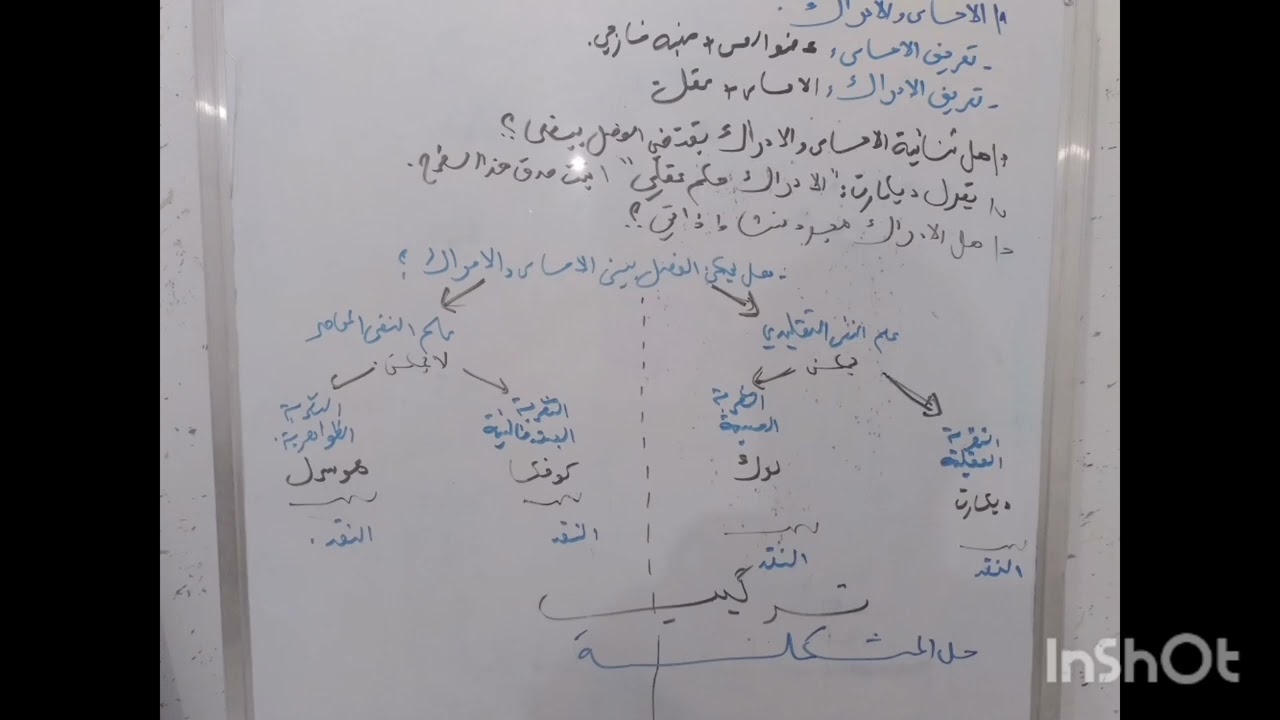
The historical distinction between sensation (raw physical stimuli) and perception (mental interpretation) in classical psychology.
Fundamental concepts of evolutionary biology, specifically how organisms co-evolve and adapt to fit their ecological niches.
An introductory understanding of Gestalt psychology, which emphasizes holistic perception and the direct pickup of environmental patterns.
The framework of 4E Cognition (Embodied, Embedded, Enacted, and Extended), which expands on the mind-body-environment loop.
The application of affordances in Human-Computer Interaction (HCI) and UX/UI design, popularized by Donald Norman.
Dynamic Systems Theory in kinesiology and motor control, examining how perception-action coupling governs physical coordination.
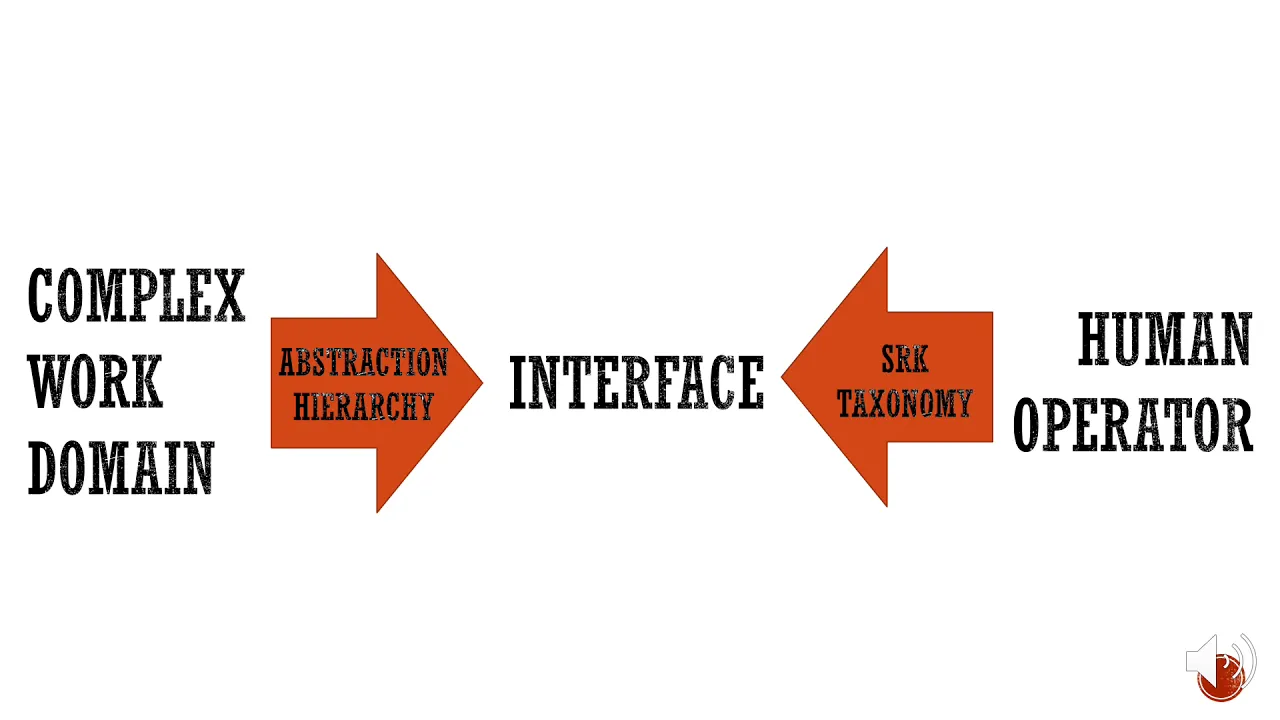
Ecological Interface Design (EID), which applies Gibsonian principles to display complex technical data in safety-critical systems like aviation and nuclear power plants.
19.3K views297likes1:46:29Original Release: 2013-11-13
um secondly as as Merrick suggested um although the the basis of my of the talk is Gibson's ecological psychology there are the phrase ecological psychology is a source of some confusion because there are in fact three different psychologists in the United States who've used that phrase to describe their work and those are can be easily U mixed up you know one of them is Gibson another is Roger Barker who I will talk about a little bit although I'm going be mounting Barker's ideas on a gibsonian foundation which I I take from some bararan has been okay with them and then there's Yuri Bron from Brenner's work who also describes his work as ecological psychology and I'm not going to be talking about that at all so sometimes that phrase is misleading because you you need to you read it you don't know which position we're talking about Unfortunately they they although they knew one another they never got together to straighten out who was going to use which term um um secondly my my apologies in advance if I if I misinterpret any of the views of an action theorists uh I'm not new to an action Theory I I mean I've been reading about it periodically over the years I I I read the aella uh Thompson and rash book when it came out but I haven't been keeping up with it it's only been the last two weeks that I've sort of done a crash course so I there may be some things I say that are incorrect and and please uh Excuse excuse that also in that regard one of my major goals is to make sure that Gibson's understood properly the ecological approach is understood properly and um I I I'm not here to convince you that this is a a good way to go I just want you to reject it on the grounds in which it is offering rather than on some other grounds which it isn't uh pretending to offer uh the other difference I think is that Gibson's I think Gibson's um goals were more modest than what I gather most inter in action theorists and Gibson was primarily trying to develop a theory of perception not a philosophy of life you know not an approach to life overall um he certainly thought that his views about perception could be the basis for thinking about other things like other forms of cognition other than perception but primarily he's focusing on perception and principally visual perception although not solely um um let me add I I said put something phrase something in a particular way a moment ago and let me go back to that we're not I'm not going to be drawing a distinction between perception and cognition rather perception is a form of cognition the term cognition just refers to various ways of coming to know and perceiving is one of those ways and there are other ways which don't involve perceiving although I I like I would like to think they're built on a foundation of perceiving um and and then the other thing which I I think is really great is that um as I look over the some of the literature it that an act of an action Theory um the overlap between it and ecological Psy psychology is is great so that means the differences are small and they're interesting and and we can really squabble over them so we don't have to sort of deal with some of the fundamental assumptions which I think we we share um I guess the way I just want to start out is something a phrase that's been used a bit over the last couple of days um in that there have been some diagrams where we have the organism and we're talking about the organism as having autonomy and then there's this bigger box around it and the phrase is often used everything else okay I'm interested in everything else and or more specifically the focus that I want to take is is not beginning with the organism okay but rather beginning with the organism involved environment relationship which which is a dynamic relationship um so let me Begin by giving you an outline of where I'm going to go I I tried to find something appropriate I I gather this is the golf resort in the early moment of a construction I'm not quite sure um but here's roughly the outline and it's it's going to hop a little bit but you so you at least you'll know first of all I'm going to talk about some principles of ecological psychology and and I want contrast it to picture perception not so much because you I think you subscribe to this but rather I think there are some issues about the differences between picture perception and environmental perception which get dicey between the two views uh and then I want to illustrate some of these points with some research um and uh of mine on navigation then I'll move to the concept of affordances which is of course probably gotten more attention than outside of ecological psychology than anything else and uh at that point I'm going to move into the the positions that I've developed somewhat in not independent but as an extension of the gibsonian so kind of up to here I'm going to be doing chapter in verse of ecological psychology which most folks that I um associate with would agree but then basically move into how how I've pushed the field a little bit and that'll be talking about cultural historical processes then then the last two points is I want to root this theoretical position in a philosophical Foundation um this has been a problem um the the point one of the major goals of my book was to try to do just that many people read Gibson and they think well these are interesting ideas but they don't fit into anything I've ever seen before where do they come from so what I want to do is in a very brief um period of time try to then embed ecological psychology into a Phil philosophical foundation and that will be William James's radic purism and then lastly to kind of create some fodder for discussion I want to say a few things uh about um inaction and particularly inactive inactive approaches to perception and ecological psychology and how I think they're different and and that may give us some things to throw around okay so let let me start as I said I want to start with everything else and so that means I want to start with the environment so I'm going to just in sort of follow the way that Gibson sort of introduces his his last book what's remarkable about his last book if if you've not seen it his book is called the ecological approach to perception but the first you don't get to anything about the organism until you're halfway through the book the entire first half of the book is about the environment which is kind of peculiar most books on perception and psychology begin you know with the receptors and perhaps a physical analysis of stimulation um and and and but but the receptors come early the brain comes early Gibson's going to deal with the perceiver pretty late um so let's first talk about the environment um by the way I noticed just that as your steering wheels are on the wrong side of the car for me it turns out your toggle switches are reversed so I may be going backwards when I want to go forwards on this so let's see so what are some of the principles what are some of the things we need to know about environments first environments surround and are extended that is to say if we take a if we have an organism an organism situated in an environment environment is extended and and and surrounds the individual and this is the case um this is a a ubiquitous property of environments uh the second property of environments is that they are structured um that is to say that they're not amorphous there's variation um we the we can spend a lot of time talking about these structures certainly there there are textures there are objects um there's there's Horizon there's an intrinsic up and down um and there's a nesting of properties such you we have sort of smaller structures nested within larger structures and so on so and again this is true of of any environment this including the one we're in okay so the person situated in an environment the environment is extended and it surrounds the individual the environment has structure now let's talk about the organism U oh well I'm I'm jumping ahead now now this is um Gibson considers these three three terms kind of critical to his theory um substances surfaces and medium okay so first of all in the the environment consists of matter material substances and um and sub and substance has surfaces and a surface is a boundary between um an object and a medium in this case you can see that the surface um is um adjacent to a water medium um but also the the a surface of an object uh can interface with with the air as a medium and so um in in the case of vision we have a source of of light which interacts with surfaces and critically the light is affected by is structured by the character of the surface in terms of its texture in terms of its color in terms of its orientation relative to the light so what we're concerned about here is not so much um the light from the light source but rather light that's reflected off of surfaces so for for so for example and this this I apologize this is if I if I was more skilled at PowerPoint you might be able to see this a little better but but the idea is what we're interested in is the way in which light is reflected off of surfaces and fills the local environment with reflected light the reflected light is going to be structured with reference to the surfaces um um that it reflects from again in terms of in terms of carrying information about texture color orientation shape and so on um so oh yeah and we could although the light is reflected in all directions we could put a perceiver at any place in that environment and and in this case just an eye it's not adequate view of a perceiver it's only part of a proc receiver obviously um and then that perceiver will be in a position to begin to sample the ambient uh structured light and um if you have any questions or clarification I please please raise them um matters of debate I I'd rather save Until the End John who saying things about the environment you God I'm sorry who's who is saying all these things about the environment you God me God yeah I tend not to think about myself in that way um we know a lot we know about the a lot about light and how light interacts with surfaces and so if we think about the environment for the moment independent of the organism we can begin to describe how light interacts with the features of the environment independent of the organism I mean it's not independent of the organism I what you're saying as independent of the organism is a rarefication of the knowledge that human scientists consist in particular what I said was you you didn't hear what I said then because I said I said for the moment we're looking at the environment independent of the organism we're just we we're going to talk about an organism environment system but we're going to first take the environment as the figure in the organism as the ground and then we're going to flip it in just a minute um it must be I guess let me just follow up that point with with something else What in in in traditional approaches to to perception again if we're looking at the the information for perceiving typically it's described in terms of physical variables like wavelengths of light for example or wavelengths intensity of sound what's going on here is an attempt to develop a an account of of the physics of the situation not in terms of um the sources of energy but rather how the sources of energy interact with environmental surfaces so what's going on is an attempt to develop something that we could call ecological physics okay and specifically what I'm talking about here is something that we'll call ecological Optics as opposed to Optics okay Optics refers to how light interacts with lenses ecological Optics refers to how light interacts with surfaces um and we can talk about how light inter with lenses independent of people and that doesn't mean we have a God's eye view we're just we're just carving out a part of the world okay then turning to the organism what we know about organisms as you all well know is that organisms are are active uh they're mobile and um and if we put these two pieces together if we have environments that extend and Surround and that are structured and we have organisms that are mobile then what they're going to be able to what they're going to need are ways of guiding themselves through this structured world so perceiving fundamentally uh is a process that enables organisms to better move through the environment sometimes as is in the case of the earthworm the the detection is of a very proximal environment other times in the case of um other organisms such as us we're detecting properties at a at at a greater distance but the main but the point is that on the one hand perceiving operate um operates in the service of action that is to say we perceive in order to help us better move around get resources and so on it's a it's a functional account of why perceiving um is exists and so you can see that um perceiving is guiding the actions of uh these two individuals these two children um being able to see the cliff Edge or the visual Cliff enables the child to avoid falling off okay so perceiving has a very functional role and and notice that I'm not talking about perceiving an action necessarily as you'll see as two different processes but really as a synergistic processes because in fact we can reverse that and we can say that not only does perceiving support action but action also supports perceiving and why is that the case because there it's it's really pretty easy to demonstrate that if you if you grab an object and don't move your hand with respect to its surfaces it's often very hard to to identify what it is you're holding on to but if you move your hand relative to the surfaces it's quite easy to identify what you're holding on to so action supports perceiving even as perceiving uh supports action so here we have a case of of a physician you know palpating a patient I mean you you may notice that your physician doesn't just kind of place his or her hand on your skin and leave it there as if they're healers they're pushing and prodding and probing what they're trying to do is get information they're trying to understand about what what um the what structures they're they're confronted with with the patient um and in fact people are very keen on allowing um having experiences where actions reveal structures um now let let me talk a bit about what action one of the things that action um provides for perceiving this is an experiment um done with with young infants and uh what what they're shown is um an object in different um in different axes okay and what the baby baby's in a car seat and and it's and it's goes travels around this Arc looking at this object and what it gets is these various transformations of the object in this case it's oriented on a different axis and so on two different objects and and the question that's uh of Interest here is you know what um what is the baby perceiving now this is a terribly difficult question to ask obviously because babies don't won't tell you what they're perceiving the standard procedure which is not without some criticism is the habituation Paradigm which many of you know about um so if the the basic idea of the habituation Paradigm is um the babies will continue to look at something until they and and then we'll lose interest then you show them something else if they if they show no interest in the second thing the presumption is they see the second thing as being similar to the first thing if they suddenly you know if it gets their attention then Pres assumably they see it as somehow different so the question is um do do do babies perceive these different um projective uh presentations as being different projections and this is important for an action theory in terms of the action Theory perception or do they perceive it as an object that's a single object that's perceived from different points of view in other words do they detect um the object um with regard to uh an invariant structure an invariant structure is is structure that is constant across changes of orientation in this case okay so um to perceive an object is to perceive its invariant structure meaning that you can recognize it from any uh position and now we can sort of include we can get back into why action plays a role here because action enables you to engage the object from different angles in different ways so that you can extract the invariant yeah Sor the baby no we're just just getting different viewpoints we're just getting different viewpoints right right and which is why this is actually interesting because this baby's not had prior exper well other than being carried around by its mother perhaps has not had experience uh has Li had limited experience but it but by through exposure it can presumably detect something that's common across all the all the um um viewpoints I'm going on a little sleep so my words will sometimes elude me what is the result of the study baby yeah oh yes yeah and and and yes so the baby has no if you if you present then the object from a certain particular point of view and the baby habituates to it you change the orientation the baby still it doesn't dishabituate in other words it recognizes and as best as we can tell it recognizes the object independent of any particular viewing position in other words what it's done presumably and I'll try to be clearer about the notion of invariant as I go is that it's detected a property that um is common across varying viewing positions in other words it doesn't perceive a projection now an important Point here which I'll come to in a minute this suggests that the notion of and and and of of perceiving as being based on a retinal image makes no sense at all because the retinal image of course are projected uh projections of an object a two-dimensional projection and this is exactly what the baby appears not to be doing just ask you again for clarification you said an invariant property but didn't say what is the property of property an invariant property of it's an invariant property of the object but to anticipate an earlier the the next point but um that's available to a perceiver to a moving perceiver so I mean the in other words the invariant isn't just and this will be important for our differences or agreements or discussion it's the invariant isn't just sitting out there it's something that is revealed through action but it's revealed but what's revealed is a what's revealed is a property of the object so give me well come I'll come way back I'll come back to that I promise but just but it's not like the baby's not moving the baby's eyes are moving it's not that there's no but but but the eyes don't really change the the visual angle very much well but it's a little bit like the detecting so you you need to get you need to vary to detect the invariance of the object you you vary sad it isn't the cads that make a difference because the cads you're not changing your viewing position when you have catic movement I'm talking about literally moving to another viewing position even even a little and I'll show you some evidence for that later on but but again if you have any doubts about this I this is I'll just I demonstrate this with my introductory psychology class I mean you just pick a friend and find some common objects and then tell them to close their eyes and put the object in their hand and and tell them not to move their hand and ask them to identify the object they're going to have a hard time ask them to move it around and it is easy what's the difference between those two cases by moving the object in your hand what you're doing is you're detecting invariant properties of the object through action yeah um I would say that's very different from baby because also if you move an object across somebody else's hand yeah it's also difficult for the person to identify where you're moving the baby around I also want to ask what age yeah I you know I I my memory's crummy but we're talking about on the order of three to four weeks um you're right but but not completely it turns out that self-produced action does reveal more information and I'll show I'll try to show you why but you don't necessarily have to have self produced action you can also have passive movement I would say in the baby case that's not actually active perception but it's mul in terms of vular visual invariance or something like vestibular information gives you no vestibular gives you no information about that and there's no a there's no Ence going on because the baby's not doing anything except engaging in cads but then I wouldn't say sensory motor I'm not I'd never use the word sensory motor again can we put in the discuss and in fact I'm never going to use the phrase sensory motor in fact I think the the notion of sensory is is dead wrong okay but I'll come back to that okay so if we now instead conveying a baby around in an arc we have a person who can can move around what the person is is able to do is sort of adopt different Vantage points in the ambient optic array and actually create transformations in the ambient optic array um and here is um since I don't have the talents of doing any animation this is a poor man's animation um whoops to why is this just going on and on um sorry this is my left right problem here okay so as we move what we're it's essentially what that moving perceiver is doing is is is essentially what you do when you move an object in your hand but in this case the body is moving in the world and creating and this is the this is key transformations in the optic array which enable invariant to be separated or detected in the array in other words it's not that you're perceiving something that's static you need to introduce change in order to reveal what's Constant transformation like invariants are revealed through Transformations they're not and for that reason invariants are not frozen in time they're only revealed over time and I can't emphasize that enough okay that is to say I so I'll say it again which that invariants are not these Frozen Source let's say basis of information but rather they're only revealed over time and they're revealed over time because the perceiver produces Transformations through movements of the body which reveal invariance so so um it so it's it's a fully Dynamic process although Gibson didn't use that terminology okay so what have I said so far quick summary I said that environments surround and are extended organisms are mobile and that we develop sensitivities receptor sensitivities that guide movement in some cases only ey spots uh vibration detectors chemical receptors and so on but they they develop in in the service of um of action and reciprocally action uh facilitates perceiving action reveals structure and perceiving is the detection of structure over time so let me slow down in these last two points perceiving is the detection of structure over time and this is going to be a crucial difference between sensation and perception because Sensations as classically defined do not vary over time they're they're they're patches of light they're pinpoints of sound of bits of sound so they they do not support perception I'll but I'll come back to that um the next point which has kind of been implicit in what I've just said but I I I want to um emphasize it is and because I think this is a place when I read the inaction literature where Gibson's misunderstood frequently there's this notion that there seems to be this expression that information is is out there in the environment and and in a sense it is but not completely because in fact information is revealed through action information is relational and I'll show you a couple of examples of that in other words information is is generated by perceivers actions in relation to environmental structures now notice that's not what that's not an inaction uh consistent phrase I didn't say that structure is generated through action what I said is structure is revealed through action okay now and again I may be misreading the literature and I'll you have you'll have your chance to tell me that here's a here's a basic here's a really clear indication of this and this is this is the notion of optical flow or Optic flow when you move through the environment remember first of all environments are structured okay we're not moving through an an unstructured void there surfaces as we move through the environment what's happens is we generate a flow pattern coming from the reflection of light off of surfaces okay and it's a very compelling flow pattern because you you've all experienced it if you've been to an IMAX movie um that or you know or there's all sorts of illusions of movement where you feel yourself moving and you're not really moving it's because Optical the flow of optical information is information about self-movement okay now um a couple of points to make about this is one that this clearly points to the fact that the information is relational because Optical in the case of self-generated optical flow as I'm moving through the world and the world flows around me it only flows around me if I'm moving it does optic flow does not exist if I stop the instant I stop it goes away so in other words Optical flow information is relational information because it only is present when the perceiver is engaging the environment okay and you could say well maybe it's an ephant copy but in fact as you as you know from the example I offered you a minute ago you can be sitting still in a movie theater and still get compelling feelings of of movement and in fact it's such a subtle sort of information that there's this experiment um wonderful experiment done by David Lee where he he brings people into into a room um David leaves at Edinburgh and um and has them stand on a balance beam okay I mean it's it's it's just a a plank that's that's narrower than their their foot length and um unbeknownst to them the walls of the room and walls in the ceiling are independent of the floor and there and it's suspended on a crane so what David and his and his colleagues do is shift the walls just a little bit one way or the other almost imperceptibly and what happens that well you you kind of imagine it so you're standing on a balance beam and the walls just shift just a little bit this way what do you think happens person falls forward shift it the other way the person falls backwards because optic what he's doing by Shifting the walls is generating optic flow and optic flow is information about self-movement in this case it's he's producing the change but normally and again this is the important point we are producing the information now we're not producing the information in our heads we're generating the information through our interaction with the world yeah I think probably idea if you explain your term information because it's yeah in information um what I mean by that is is is is a characteristic of the um the the let's say the light or the sound the array of it which specifies some feature of the environment okay so in this so in this case if I'm if I'm looking uh it's I'm manipulating the object in my hand um this information is that which is invariant that the enironment that I discover as I manipulate the object okay so in so information specifies properties of the environment why is that important well go back to one of my earliest claims that perceiving is a function that enables organisms to engage their environment you want to be able to perceive the environment that you're moving around in you want to be able to perceive resources and Hazards and so on and so um what you're doing is detecting um properties that specify these distal surfaces and these properties are I it I I can elaborate on this are somewhat ambiguous in a stationary array but they're not in a moving array not computational information no no it's got nothing to do with computation in fact I haven't talked about anything going on in the head I'm talking about the organism environment interaction Ezekiel I totly understand uh I think the main point uh you know like the importance of of moving the the you know the ways of relating and somehow uh connecting to this in varing structures but I'm very confused with the language that you use sometimes because I mean sometimes you say that things are revealed through Transformations as if I am you know the discoverer or something that is out there and just now you said that through that Movement we producing information and and and and and I know that you know information in this relational but the the terminology sometimes seems to imply that actually is something that is out there and I am actually the discoverer of something that is out there as opposed to something that is actually produced in that interaction the these are these are really hard issues um and and and and but I what I'm trying I and I want to come back to talking about independent the notion of independent versus relational later but but what I want to say is that the the information is revealed in the organ organism environment interaction but it's but the information the invariant is is a pro is a potential property given a moving perceiver so it in in a sense it we have to get away from the notion of there's an environment that's independent of us you know that is this but we also and what I worry about is the other move of of talking about the the environment that we experience in our heads I think the danger for the ecological psychologist is being read as saying that the information is in the world indep of the organism that isn't true but I think the the the the the um the reciprocal danger of the an action position is being read that everything's going on in the head and we need to what we where we need to converge is a clear sense of what we mean by relational so so let's we'll have that conversation um let me see what comes next oh yeah so this is just a a since I don't have a movie this is a give you a sense of what Optical flow Fields look like and and and again you you readily use this information just think about if you're driving how you maintain a constant distance between the car in front of you you could I suppose do a complex calculation but all you need to do if if you want to maintain a constant distance from from the car in front of you is just to keep the the size of the object constant of the object in front of you it starts to get bigger you're getting closer it just it gets smaller you're moving away so you you kind of adjust your movement in order to to achieve that that goal uh again and this gets back to um ezekiel's point I I want to say that Optical flow environmental information is relational it emerges from an organism environment interaction but but that needs some clarification I realize but let me just on that point uh let me I don't want to I don't want to be accused of cherry picking but I looked through the inaction literature a bit to see where Gibson is referred to and and this is one point and I think it points out how Gibson's misunderstood um although Gibson's not mentioned in this quotation this this statement is in the context of talking about ecological psychology um and there's there's parts of this that that I would agree with and parts of it I don't so for the inactivist sense I haven't identified the source and I could if you want but for the inactivist sense is not an invariance present in the environment well from an ecological point of view I I don't even know what that means okay because we're not even talking about senses we're talking about invariants that emerge in organism environment relationships and um and certainly they're not retrieved they're detected okay it's it's not like the we're fishing out there in the world but they emerge from the dynamic interaction um the second sentence I agree with except the word dialogue would have to be fleshed out invariances are instead the outcome of the dialogue between the active principles of the organism in action and the structure of the environment I'm good with that although we'd have to make sure we both agree about what we mean by dialogue um but then the next sentence gets us gets us back into some dicey territory the finding of meaning must be enacted it is it is always a formative activity well that's where we might disagree because I want to say that uh the finding of the discovery of structure um is not about the extraction of information but but really the discovery of information it's extraction suggest that it's out there and we're just sort of pulling it out by moving around we're actually creating structure yeah the word sense the does not mean sensation what does it mean un to doation it has to do with sense okay that okay I I accept that if that's then that's a different intention but but I think it's but I think well I would also want to say but we can fight about this later that the phrase sense making is is is deeply problematic I agree with the of what's intended by the phrase but I think the phrase is deeply problematic for because the distinction between sensation and perception is conflated there and I want to separate them but that's for a few minutes from now but thank you if I Mis if I misre that um then then I apologize but I but basically the sentiment of organisms passively receiving information is just not an ecological claim um and I want to say that the notion of the the phrase the world is brought forth or the world is enacted I think is is deeply problematic for reasons which I'll come to and I'm sure I'm annoying many of you by saying that let me try to illustrate a few of these points with some research because I'm not a philosopher I'm a psychologist so I have to have some bonafides as a someone who does data collection okay so um what prompted This research uh essentially is is I I mean I come out of environmental psychology I'm a very I'm very dissatisfied environmental psychologist and um environmental psychologists have historically said that people find their way around in the world because they have these mental representations often called cognitive Maps which they use to guide themselves for a bunch of reasons uh that that seems to be very wrongheaded particularly if perception occurs over time so the question I was interested in is well clearly people can find their way from point A to point B is there information in the path of locomotion that they utilize in finding their way um and I just wanted to get a start on this uh question so let me introduce two terms first of all and these are from Gibson um the first term is Vista and and essentially he defines Vista as you know that which can be seen from here other words if from a given observation Point all that you can see the second term is transition and a transition is when you are essentially moving from one Vista to another so in the course of moving through a transition you're leaving one Vista and and and opening up a new one and um let me see yeah okay and so what what I want to say here is that um the hypothesis is that what's critical in finding your way is learning a path in terms of a sequence of Transitions and again a transition is the revealing of a new Vista and and and if you will an exiting uh of of the prior one um and I can elaborate on that a little bit but let me just say that what's important about a transition is that it's generated again through action so if you imagine yourself walking although the reflection is making it hard to see if you imagine yourself walking let's say around this Bend in the road you can stop transition information by just stopping walking okay in other words it's the kind of relational information akin to Optical flow information it's self-generated but it's generated in relationship to environmental structures if you don't have an arrangement of Vistas or maybe put it simply if you don't have let's say a surface uding another surface and when you move you know more the surface behind is revealed or concealed but that's a function of your movement but this but the occlusion is there in the world this Bend in the road is in the road you okay so the experiment quite simply and this is busy and maybe impossible to see um what first of all what you have to do is is is take this and put it up here this is a continuous time record I I should have tried to print it in the landscape but I'm primitive um and um and what's happening is the perceiver there a a videotape of a walk 20-minute walk through a complex environment was created um and then participants in a laboratory were just asked to watch it and just to press a key on the computer when they saw something that was um useful for finding their way okay so basically the the film is playing this you can't see is is time this is the number of responses okay and um and what you can see on first viewing um It's Kind it's a bit all over the place there's some responses in in certain places that that are more like um that are clustered more than others if if you can see these brackets is that possible from the back yeah sorry about that well this bracket there's brackets here what those brackets are are independent judges identified where the transitions were in the root okay so what we're trying to do here is see where the responses are relative to the transitions in the route the transitions are def defined independently of the receivers by some judges and we're just asking people to to to press the bar key uh the space bar now this is on first viewing but this is the record on second viewing after they've seen it once and now they're going through it a second time and we give them the same instructions you now press the space bar at at at points that'll be useful for wayfinding and what you can see in the change is first of all the variability gets greatly reduced but also the responses with a few exceptions cluster at the transitions in other words to to put it in the language I used a minute ago is that in in traveling through the environment they've detected information which it's useful for them to find their way and that information happens to be transitional information which is self-generated in relationship to the environment okay it's relational information that's critical and so it's analogous to the notion of an invariant specifying an object through Movement we detect relational in moving an object or moving with respect to an object we detect the structure of the object um but the structure is revealed as we move with regard to it similarly the structure of a path of locomotion is the discovered As you move through it um oops wrong key it's better to work on your own computer but so be it okay so my point here is that critical for finding one's way are transitions and just as in terms of a design point of view because designers are interested in these questions not as you know not all transitions are equally distinctive as others um I don't know about in your country but in the US I mean hospitals are notoriously confusing for finding your way because every hallway every turn looks like the last one but but if you if the transitions are distinctive okay if the new information that appears at the turn is is is distinctive each time then then wayf finding orientation is is far easier and this is where this kind of work can can can um dovetail with uh design questions and as my students will tell you I say everything many many times again this information transitional information is generated through action it's not in the environment per se but it arises from the environment through action because of the way that the surfaces are are are are um established in the environment okay so summarizing what I just said um I guess I don't need to go through all this I get this is mostly as a point of um to show a break in the flow now let me contrast this view of perceiving with the standard view of perceiving um and um and the standard view of perceiving is um that of um assuming that Vision Works as if we're perceiving pictures this um this notion goes back to the idea that you're assuming that vision is based on the projection of an image on the retina okay uh it has a very old pedigree it goes back at least as far as Kepler who who writes I say there is Vision when a representation of the whole hemisphere of the world that is before the eye and a bit more fixes itself on essentially the retina theories in visual perception continue to claim that Vision begins with a retinal image even some people in the ecological Camp will use that phrase and I really don't like that um and one of the reasons is because a retinal image is basically static and it's flat and the world that we experience is neither of those things okay so um let me just continue um and certainly this view becomes pretty Central in Western culture particularly in the development of representational art uh through people like um Da Vinci and others quite early um really brought into um becoming a major idea with the work of people like vermier and the development of a Comm obscura which plays a critical role in the development of representational painting okay but the the question is does this the way Vision Works and um it it it s it suggests that the first step in vision is static an image on the perceiver and that results in a sensation perception distinction this first level is essentially sensation which presumably is impoverished or limited uh in as I'll show at the end of my talk noi talks about it as perspectival views yeah yeah because well for the simple reason I mean you're certainly right that that there's movement on the retina but notice that if if you if you go back if you think about just photography I mean one of the first things you have to learn if you're a child is not to move the camera because the image blurs you take a moment in time and it's but if yeah but you're right except that to get a clear image you need a moment of non-movement your shutter will take care of that but our let me continue but our experience is of a continuous world so how do we explain that the typical view is that the brain is sent these static images that then get assembled okay yeah that's actually very strange because uh in order to sample something you need to deide a window in which you say within this period we assume something sta or something like that file yeah I I don't dispute that at all I'm I'm just giving you the standard line I'm not defending this position no no no but I I don't think that anyone they themselves stud pictur but what what but if you look at I'm serious if you look at most most accounts of visual perception in Psychology today the the first step is going to be a momentary slice of information that's frozen in time a cad and so if we're picking up these momentary slices we have to assemble them to perceive a dynamic World however if we're not detecting static slices if we're detecting information over time continuously we've created a false problem if you see what I'm saying and so the the the traditional approach and and I'm mentioning this because I I I I think there's some dangers of this in in action theory is to create this distinction between sort of the input which is somehow limited relative to the experience and some subsequent action of the organism which which essentially produces the full-blown experience you understand what I'm saying there there's sort of a first step which is somewhat impoverished relative to the experience like seeing an seeing an object from a certain perspective and there's the experience of seeing the object you know in the round in the full that distinction is is is only warranted if in fact this description of sensation is um is valid but now I'm trying to show you that from a cultural historical point of view the notion of a static image come doesn't come out of the study of vision it comes out of the study of representational Art and was incorporated into Vision people like I I well come to this person in a minute oh but let me just elaborate so typically the stories you get in in the um mainstream psychological theory and this comes out of the major figure in all this is hel 19th century theorist helmholdt is that so what happens in perceiving is that you first get some partial cues and then they need to be assembled or integrated helmold said you make an inference based on partial cues so the difference between sensation and perception is that sensation are these these um somewhat reduced information um let me say properties that do not fully account for the experience of the environment but only partially and and then we need to enrich that elaborate that or another way of saying that in this this is when I'll come back to the inaction view of perception is that um that perspectival views of objects need to be converted into experience of the object by the perceiver and I and and I and I going to dispute that but that'll be clear at the very end um but what this leads to is a position that none of us in the room want to be in which is this position here because if the early stages of in this case Vision are somewhat impoverished and the organism has to therefore assemble these various impoverished uh pieces of information to experience the world what you have is experience separated from the world and we don't want to be there by the way this come if you'll notice figure one two this comes from chapter one of a book on perception undergraduate textbook this this is essentially telling students here's how Vision Works okay Dart could have written this text book right and it's not by the way a quirky one this is a mainstream I mean it's it's Goldstein Sensational perception it's one of the biggest selling perception books in the United States which is by the way very interesting it's called sensation and perception and in index the word sensation doesn't OCC once huh interesting interesting but but and and and that doesn't surprise me but but the entire account of perception although he's in in Sub in various additions he's giving more and more uh space to ecological Theory but the entire account of visual perception is based on the assumption that there's a difference between sensation and perception and that sensation is the first step and what Gibson wants to argue as as I'll hope to make clear a little bit is that sensation has nothing to do with perception because sensation doesn't carry any information um and so we get to this this position which you all probably are quite familiar with starting with lock it it's evident the Mind knows things not immediately but only by the intervention of ideas or dare I say sensory motor coordinations it has of them I was probably a cheap shot but okay but I want but I'm trying to set up the argument for later our knowledge is therefore real only as so far as there is a Conformity between our ideas in our heads and the reality out there we're creating Two Worlds and as Fred's been saying for the last couple days I gather none of us want to create two worlds okay whereas what Gibson writes and it limits perceiving to the now Gibson argues that traditional theories of perception take it for granted that what we see now present experience is the sensory basis of our perception of the environment that's just restating what I just said traditional theories assume that what we see now is the sensory basis of perception but he says that that the perceptual process does not begin with this momentary pattern perceiving begins with the pickup of invariance over time perceiving is a process that occurs over time um sorry for the monologue but I but I want to lay these things out in a minute I'll shift to some other things which are more my contributions one of the things that the cognitivists hate about Gibson although I think this doesn't bother many of you so much is they'll say but that that means that memory doesn't play a role in perceiving um but if perceiving occurs over time memory doesn't necessarily play the the the standard role that it does in visual perception he writes the theory of information pickup does not need memory it does not have to have as a basic postulate the effect of past experience on our present way a present Way by experience by way of memory it does however and this relates to skill needs to need to explain learning that is the Improvement of practice uh of perceiving with practice and the education of of attention the state of a perceptual system is altered when it is attuned to information of a certain sort the system has then become sensitized differences are noticed that were not previously noticed features become distinctive that were formally vague so you're the judge of list data but with the the memory how would you explain the baby experience of the rotation without some sort of like memory placeholder that's not a skill that is a placeholder of there's an object in my present environment that looks something like this it's it's it's it's the problem here is is is the problem of the word memory because it means different things if you mean the effects of sort of Prior exposure cumulatively on the present sure you can't discount what your history if you mean that there's this memory Trace in your head that you therefore used to enrich the moment the momentary sensory pattern Gibson's going to say no and and that latter point is what the standard CLA the cognitivist claim of perception is so he's going he's attacking the cognitivists here the cognitivist use of memory and theories of perception um and so as as I want to say what's happening and and and Gibson doesn't develop this too far is is that in the in the course of an individual's lifetime there's ongoing atunement so at any given moment you bring a history of perceptual attunements sensitivities if you will um to the situation and and I think that's part of what we mean by being skilled except in that case we're talking more about perception action processes all right let me um move ahead in just a second uh but just to reinforce something so the received view the traditional view draws a distinction between sensation and perception Sensations are sort of impoverished input perception is the full awareness of the environment um perception of the environment is indirect because you experience the environment in terms of um the perception that you've created rather than the detection of the properties of the environment immediately uh and what it leads to is mediation theories and and enrichment theories the the debate I want to have with with some of you maybe later is whether um noi and oran's theory is a mediation Theory I'm inclined to think that it is but I might be wrong um okay well let's move on here's Now for Something Completely Different sorry if you um if you imagine that you're an 8-year-old child and out in the field what what do you experience there yeah yeah it's it's I mean I would assume for many of you it's like I'm I'm on that tree right away right it's it's a tree um that affords climbing now why does it afford climbing let's go back to the previous photo what makes it a climbable tree we can I mean it's not hard to start enumerating the reasons right the trunks low to the ground um blah blah blah blah blah you know we can name it and so in fact we can talk about trees as a category of objects but trees differ in their influences this is not a climbable tree although I mean you can climb and I and I certainly have done it as a kid it's not fun and it tends to be really messy um that is not a particularly climbable tree for a human being uh that is it affords climbing to to some extent that's a good that affords climbing that doesn't and in other words what the the point I'm trying to make here is that we can distinguish objects that might fall in the same let's say abstract category the same concept but we can distinguish them in terms of their affordance properties okay so it not only are trees do do trees afford climbing but you can name all kinds of things that afford climbing in a child's environment right so what is it that makes something climbable well among other things it has to be properly scaled to your body you have to be able to reach you know the the ledge or the surface and so on so notice that what makes it climbable is its relationship to you so and let's take the notion of a Sit surface what affords sitting on is relative to the perceiver this this is a wall in in front of the Student Union at my college which begins you know very low at one point and keeps getting higher and higher and higher and I just had my two friends Phil and Joe you know kind of occupy two positions on this wall and you can see although I'm forcing the point Phil could sit on this but not comfortably it's readly afford sitting for for Joe at at this point at redley if we're sitting for Phil but it's the same wall in other words given the different sizes relative to the perceiver the affordance changes and this case I'm perfectly happy to say we're talking about embodied properties of the environment we're describing the environment with respect to the body okay some data um hopefully many of you know this work this is Bill Warren's classic and classic experiment on affordances um and the um the results are very revealing so what you have here is an experiment where where people are asked to judge whether they can step up on a on a on a step on a riser okay and what the experiment can do is veryy the Riser height okay so the the the the the distance between the two step surfaces can be very small it can be really big we've experienced steps that vary in that way so all the perceivers are asked to do is just say yes or no the step is climbable and um he he gets participants who are short short legs participants who have long legs ask them to make these judgments and this line is the is the 50% it's in other words when when participants are saying half of the time that they can climb the step and not surprisingly the shorter participants are saying yes 50% of the time at a lower Riser height than the tall participants okay right so what what's really cool is then instead of let me go back to the previous slide instead of using the height of the Riser as our metric let's use a body scaled measure in this case Riser height relative to leg length if you take this the height of the Riser and divide it into the person's leg length you get a ratio and a ratio is this is a ratio of the of the body environment relationship if you then convert the obsa to a pi value that is to say to a relational value they meet and what does that say what it says is that they are perceiving relational information that affords stepping up on a Surface okay this this experiment has been replicated in with a lot of different kinds of materials since then this was published in ' 87 what what I what I think is important about this I think it's a fairly convincing demonstration as have been the subsequent experiments that information is relational okay that is to say the perceivers regardless of their height are perceiving relational information that affords stepping up on um if well hesitate I won't go there another thing that another experiment which I find really very interesting it's it's kind of related to this in this this is experiment by Len Mark at Miami University of Ohio and he's having people judge whether a seat affords sitting on and it's it's a stool that can be cranked up and cranked down okay so you can vary the height of the seat and you're asking people you know can you sit on it and here's the 50 basically here's here's the the zero and it's scaled differently here but it's it's the perceived vers compared to the actual height and you can see that um people are overestimating but not by very much they're relatively accurate in judging whether a particular seat height will afford sitting on the overestimates are an interesting side issue which we could come back to so what these are subsequent trials and and this is if if a person was judging the height of the seat um relative to um their height as being the same then then then their score would be zero so this would be an underestimate this would be an overestimate so they're slightly overestimating the height of the seat that's not the that is that's not the important point now what he does in this experiment though is he does the same thing again but he puts blocks on people's shoes that elevates their height by a number of inches and and what you see not surprisingly is now they're underestimating okay but the but the important point is what happens what have they learned in this in this experiment so far have they learned um sort of the absolute height of the seat or they learning body scaled information so what happens in the rest of the experiment in this case the individuals are just standing still looking at the seat in this case they're allowed to move and so you can you can see that generally the pattern of overestimates still obtains but but but roughly these are pretty accurate judgments we're talking about minimal differences I mean these are centimeters but what's the most interesting point of these data is is is are these guys here the ones wearing blocks on their shoes and that in fact as they move they re-calibrate their judgments okay so movement enables them to recalibrate what is what affords sitting on and what doesn't it's a dynamic process hopefully that's the end of that okay now let's push this a little further is aordance Judgment body scaled everything I've set up to now suggests the answer is yes um but a new line of research is is largely by Dennis profit and his students um is is pushing the boundaries a little more let's let's say uh we have an experiment here uh and we want to know does altering body mass by wearing a backpack affect your perception of environmental properties now what does that mean if you're wearing a backpack what we're we're thinking is that it changes your relationship to the environment and if environments are perceived relationally you ought to perceive them differently and so in prophet's experiment he has people wearing backpacks not necessarily with babies in them weighted backpacks and uh and he asked them to judge the the slope of the hill in one case a 5° slope in another case a 31° slope these are the judgments with no backpacks these are the judgments with backpacks okay there wasn't they had a a ha haptic measure it was just sort of using a a board to kind of tilt to make a judgment that didn't show the effect but Visual and veral reports show that if your if your body masses increased the slope of the Hill seems um more severe both with 5 and 31° slopes this has been replicated in lots lots of ways uh here's one replication where people are judging distance not slope this is Judgment of distance um estimated distance to actual distance without a backpack and and you you see um a fairly accurate pattern although again what's peculiar in this work is you get these Under and Over estimates which we could talk about later the most important point though is the relative differences you're wearing a heavy backpack your body masses increased distance seem farther okay does that mean therefore you're perceiving the world subjectively no it means you're perceiving the world in relationship to your body okay does it mean you're perceiving the world independent of your body you know as as sometimes gibsonian are accused of saying of course not this precisely reinforces the gibsonian point that you're perceiving the world relationally so it's Not Mere body scaling but action possibilities I want to say that a es if you'd like a definition that I wrote at 6: a.m. this morning so I might backtrack a little bit uh affordances are action possibilities of the environment taken with respect to an individual uh Gibson is emphasizes that they're neither objective nor subjective you can say they're both or we'd rather say they're neither that the objective subjective dichotomy is really not helpful at all in psychology and Fred's been making that point over the last few days it's it rather than being objective or subjective it's properties of an organ envir organism environment relationship and in doing that what we're adopting is a psychological level of analysis when we're doing when we're adopting a relational view rather than a physical or a mental and well no I say a physical analysis when we adopt a psychological level of analysis um we're we're talking among other things about functional properties relative to the perceiver in this case of affordances okay uh end of part one but that was a big that was most of the talk let let me tell you about the ways in which I've tried to push these ideas a little bit um and uh and it has to do with the way in which evolutionary biologists have been thinking about adaptation um even though and and here I'll just make a snide remark even though evolutionary psychologists haven't figured this out yet evolutionary biology talks about adaptation in a way that psychologists often don't the standard way of talking about adaptation comes out of Herbert Spencer Spencer in the 19th century and it's the notion that an animal adjusts to the environment Spencer put it we adjust the adjustment of inner to Outer in in the 18 1950s William James wrote a devastating essay on this trying to indicate why this is so wrongheaded um but let me just take a simple approach to this instead we want to say that adaptation not only involves organisms adjusting but also changing their environment to better fit with it it involves an organism environment reciprocity and if you start looking for evidence of this it's all over the place there's a great book if you haven't read it called Niche construction that was published about 10 years ago which is all about the ways in which organisms from microorganisms to humans alter their environment to better live in it and here's just a few examples um so um I don't know if beavers are native to this part of the world but but this is a beaver dam this is constructed um as a lodge for for beavers to live with their families and and raise their young and so on and it's assembled by creating um these nests uh spider webs are another example of Niche Construction in the case of beaver dams they might last for several months in the case of a spider's web it might last for a matter of hours um termite Hills um this one is a particularly interesting one um and Fred mentioned leaf cutter ants um what with these chaps do is not only do they create these huge underground um spaces to live in but they also transport leaves in to create essentially agriculture within their nest that in other words they produce their own food supply now what I'm trying to say then is that it isn't that the organisms are merely adjusting to the environment but we're also changing the environment to better adjust to it this is this ongoing cycle of Niche construction and um these are Bower bird nests these huge nests and here's the strange creatures you know building you know changing their environment to to better support their activities um in the woods Niche construction is ubiquitous it's everywhere it's with all species and and humans have developed it to a high art what are we doing when we we're engaging in its construction we're creating new affordances we're creating properties that support action relative to the individual and um and a great deal of of um we could look at a sort of a major slice of cultural Evolution as Niche construction we're completely in an artificial setting right now in some ways artificial not in the sense that it's NE it isn't made up of there's probably some organic fibers here or something right but it's artificial in the sense that we've created it in order to better carry out what we hope to do in here um and so just to make make this part short so these Niche construction and general so generally social cultural influences are collective and cumulative and as is is well known especially in many European uh much European thinking that each of us is then born into an environment that is already structured by sociocultural activities in other words so if if these activities produce affordance create affordances then we each of us are born into an environment that's filled with affordances some of which are wholly produced by human activ ity so this is another misunderstanding of affordances affordances is often thought to be they're just natural but that's a red herring the natural social distinction is is phony human activity produces affordances it creates affordances out of natural materials there is no distinction between the two in fact what I want to argue but I won't do it here um but but hopefully in another future paper is although we often talk about social affordances what I want to say is that affordances by and large for humans are social because we make them we create our environments and these are not environments in our head they're real environments that we live in um virtually every object in this room is has an affordance property that's been created to support activity and as children or if you're new to a culture you have to engage the environment in order to somehow discover those properties Fred do you have a point okay um and so as I said each of us is born into an environment that's filled with affording structures I'm I'm not talking about meaning here because that'll just send us down a road but I happy to do that subsequently um and these are they're very different kinds of environments I I sort of use these pictures to contrast this one with these two as the very different kinds of Worlds that children enter into that are um structured to varying degrees have different types of affordances um the environments provide different tools for children um to engage so here's a young child manipulating a book even though the child isn't yet at reading age presumably so the child is familiar with a book here's a much discussed photograph um that you would never see in most western cultures of a of a barely walking baby holding a machete um but in this particular culture that's a perfectly reasonable thing to do uh and even we we get rather carried away sometimes in our environments okay now now let me take one last step what I've been doing so far is I said that what I want to talk about is everything else namely the environment okay and that's I've been trying to fill in the everything else um with affordances that um are present due to Natural circumstances but also designed and and and Modified by humans um but there's another set of environmental structures that is greatly neglected and so um and this is the work of Roger Barker Roger Barker is a psychologist if you haven't heard of him you're in good company because in fact many psychologists trained today have never heard of him and yet he's some in the in the 60s who won like the the highest award that APA gives okay I mean he in his day he he was incredibly distinguished and um let me talk about what what he did what prompted Barker's work is is a very interesting experience um at about midcareer when he was fairly welln his his all of his prior work had to been had been developmental uh studies he he was a postto of LaVine he co-published with Kurt LaVine and uh and was a very very well-known developmental psychologist anyway Barker reports in in his um in his Memoirs that one day he was driving riding on a train through these small towns in in Illinois and um and he realized that even though at this moment he probably knew as much about developmental psychology as most people and he was he was up to date with the literature he had no idea what was going on in any of these small towns he couldn't predict a thing about what these kids were doing he was recognizing in fact that what we don't know is what happens in everyday life so he did what biologists have long done and and he proceeded Jane Goodall by a good decade and a half um established a research station in the small town and began studying Behavior okay now um I'll have to make a long story short but one of the most interesting things that comes out of this research and it's not anything he expected it it really surprised him and I'll I'll try to tell you why is that he identified that their higher order and by that I mean collectively generated and by that I mean generated by multiple people structures in the environment that um create opportunities uh for our lives and um so let me get right to the point and I'm going to be really brief on this because time is short he calls these environmental structures these higher order structures Behavior settings um I'll offer I'll get to more precise in just a minute he Behavior settings are Dynamic relatively stabled Tim limited ecological entities um and the easiest way to explain a behavior setting it's actually quite easy to explain it you're in one okay a behavior setting is a pattern of behavior in this case it's the behavior of you someone lecturing and others you know attending the lecture or whatever supported by the mil he called it the muu I'm going to say I think affordances really fits in nicely here the the by the way the the reference if you don't know about Barker which I is is at the bottom of the page here are the properties of behavior settings they occur natur as a function of the collective actions of individuals they pop into existence games pop into existence um uh classrooms meetings parades you can kind of go on and on and on these are collective activities um but they're structured they're composed of D of a dynamic pattern of individuals and affordances um they are objective in the sense that and this is in that this Behavior setting has a specifiable geographic location anybody have a GPS on them you can specify where this Behavior setting is objectively it has a temporal boundary started at 9:25 ends at I'm going to shoot for 1120 um if I started before 9:30 that would have been I would have been talking I would not have been in a behavior setting at the time so there's there's a Collective Agreement about where Behavior settings are and when they start and when they end okay so they're relatively stable structures but have a particular uh life there this issue is what I'm currently doing research on um Behavior the the settings are discriminable you can you know when you enter a behavior setting and you can and and you and you and you know the meaning of the setting you know what's going on at the place that's an empirical claim which I hope to have some some data for in a few months um they're quasi stable meaning that they respond to threats to the Integrity so let's say let's say instead of a lecture this is a classroom and you and you have one sort of disruptive child who's threatening the Integrity of the setting yeah what what you say Ellen says to John John Sit Down You're ruin you're mess you're interrupting the class and so that leave that to the debate after and that sort of returns the this this helps to restore the setting integrity and if John still doesn't respond to Ellen then we just bodily throw them out the door in other words it's it's a it's a biological entity we're talking about that's Collective that operates to maintain its own stability um what's and I what I think is really cool about Barker is he's thinking at a level that most psychologists never get to he's thinking about extra individual environmental structures um they exist of any of any independent of anyone's experience because if you step out of the room to go to the bathroom we don't just all flop as you know mannequins we're we're going on without you okay um and and I can say a lot more about that what led Barker to this discovery is really pretty interesting um what he did in his work is he had um he he he and his research team followed children throughout their day and basically just recorded everything that they did and this and the setting that they were in and what he wanted to know is what could I use to predict the behavior of children at any given time the Assumption there there are a couple assumptions you could make one assumption is that if you knew about the kid's personality you could predict what they'd be doing at every any given time or what bar thought if you knew what the child just immediately experienced like a stimulus you might be predict what might immediately occur none of those things turn out it turns out that the best predictor of what a child is doing in that town at any given time is just knowing where they are another a nice way of phrasing it is that the behavior of different children in the same setting had less variability than the behavior of a single child across settings I don't know about you but what I think this is like an incredibly cool idea that and and if we don't work hard it's going to be forgotten nobody because no one's doing this work anymore so um I'll push on so another so Behavior settings um are all over the environment we enter them we help constru we help uh generate them they constrain our Behavior they create possibilities we move through the environment by entering and leaving Behavior settings all the time so getting back to the everything else what I'm going to say is that part of what's the everything else outside of the organism are affordances and behavior settings generated relationally okay they're independent but they're not independent that's a debatable point obviously um so I would like to say that behavior settings and affordances constitute the ecological resources of a place from a psychological point of view it they essentially create opportunities for doing things and and we can construct them like we call you know America organized this so we can this this Behavior setting has been constructed but it's not constructed in our heads it's constructed in the world so if if um if you can indulge me for another just few minutes um it's it's not good practice to put maybe the most abstract part of the talk toward the very end but um but I I want to try to give you just a general sense of what sort of philosophical Foundation all this rests on let me say that James's radical empiricism is not the only influence on Gibson's work he's influenced by a lot of other ideas including gal psychology but it's this thread which which I think is particularly important because it gets it it provides grounds for his account of U realism um first of all what about the pedigree uh William James developed the the philosophy radical empiricism it's in the principles of psychology published in 1890 but it's it's embedded in it if you don't look for it you won't find it he starts developing the ideas in the 1890s and and and his in his book um and radicalism publish is appears in 1912 after his death um one of his students uh who saw himself as the standard Bearer for radical empiricism in the subsequent years was Edwin Holt and Edwin Holt was Gibson's graduate Mentor so part of what I do in the book is kind of establish that lineage so what I want to say basically say is that the Rel the kinds of relational claims that I've been making all along rest on James Z and IAL empiricism first of all and and and I am making this very brief first of all what does James attacking he he with radical empiricism he's he's attacking the entire English psychology derived from locken Hume and the entire German Psychology from herbart so far as they treat ideas as separate subjective entities in the mind that come and go other words what James is rejecting is mentalism both the Bri empiricist tradition and the Continental tradition not surprisingly folks who become deeply influenced by James's writings or huso and subsequently haiger and meranti you know so so that that whole you know alternative you know you know begins partly uh and and just partly with James so there are three uh he he lays out three principles of of radical empiricism um by radic he means that um it must be an empiricism that admits into its construction its theoretical construction um it is it neither admits into it anything that's not directly experienced okay or uh and it doesn't exclude anything that is directly experienced and the next point is the the point that separates him from those two traditions because and this is the most radical part of radical imp systm because what James claims is that what is directly experienced is not only things or objects but the relations between them okay if if you know a bit about Hume I mean the problem the whole problem with induction with Hume is that we we see these separate entities and then we make inferences from them based on contiguity of past experience but the assumtion is that those relations The Continuous relations are not perceived they're inferred that's that's hume's point and James is saying no they're perceived they're inexperienced and this this is just elaborates that point but parts of experience hold together from next to nEXt by relations that are themselves part of experience so if you know you might be familiar with James is writing about the stream of Consciousness right and he talks about there's resting places and transition places is that ringabell right the transitions are the relations although he doesn't put it that way in the principles this that's a diff this um terminology comes later um the directly apprehended Universe needs in short no extraneous trans empirical connective support that is to say it doesn't need sort of mental um functions to connect the pieces nor does it need a Godlike Force to connect the pieces that's really what he's as a as a footnote that's what he's worried about his major theoretical adversary at this time was um idealism which which isn't really much on the scene now and that's what he's kind of worried about here um but he wants to say it's not that God ties the connections together but they're there in the world Okay so so then what is experienced James begins with the claim that we we have to we start with the supposition that there's only one Primal stuff or material he's notice he's kind of not sure about which word he wants to use here in the world rather than two in other words that we don't start with matter and mind what we start with is experience of which everything else is composed and we call that pure experience it's useful to think about it as as sort of a mathematical limit okay it's it's it's um for the time being it is is unqualified actuality it's what's there it's it's an it has a certain immediacy and we act on it um and and it's and the notion of an object or a subject is only virtually present in the now it comes about by differentiating the structure of immediate experience everybody with me so far okay because I'm I'm going to do one more thing but but but it's I think it's critical um this is a passage from James and I'm going to give it to you in in pieces okay he says let the reader begin with a perceptual experience that is to say now the presentation in the so-called uh physical object his actual field of vision the room he sits in so let's be begin with the room we sit in the whole Philosophy from democratus has been one long Wrangle over the Paradox that what is evidently one reality the room we live we are currently situated in can be talked about in two different ways it can be talked about as being out there and in here okay that's from from a an a pragmatist point of view that is just a hopeless sit situation to be in so then the question becomes how the puzzle of how one identical room can be in two places that is to say in the outer world and in your mind is at bottom the puzzle of how one identical Point can be on two lines and it can be if it's situated at their inter at their intersection and it if it be that pure experience of the room this sort of immediacy of our experience this pre-reflective experience to use a more phenomenological phrase uh were a place of intersection of two processes which connected it with different groups of Associates respectively it be it could be counted twice over I I I'll try to clarify this although it REM would remain all the time a numerical single thing so we're experiencing something that is the conjoining of two histories okay that can be traced back independently of one another but the experience but experience itself is at that um moment of convergence um the experience is a member of diverse processes that can be followed away from it along entirely different lines one of them is the reader's personal biography in other words all the things in your history that have the use a gibsonian phrase that have attuned you to the possibilities of this setting and the other is the history of the house in which the room is apart the very same that um that is to say immediate experience is the Terminus at quem of a lot of previous physical operations like carpentering P papering Furnishing warming and so on in other words Niche construction and of a of a lot of future ones as a room the experience has occupied that spot and that environment for 30 years so in other words what I think he's offering us here um is experience as not being separated in terms of environment and person although that comes subsequently on reflection but rather experience that immediately points both to the environment and the person simultaneously like an affordance one I think nice development of this idea and hopefully um Kurt LaVine is getting rediscovered and it's well it's it's it's really quite warranted LaVine wouldn't describe himself as a jamesian but if you if you know about LaVine he he conceptualized behavior and that's the term he used is as being situated in a psychological field and so this this is the person these are the various regions of the psychological field if he were to go on he would would talk about the valences that these might have which might draw or repel the person to these areas and so behavior is a function of these multiple forces he's thinking of and James was just at the beginning of this notice the Venus talking about field Theory not Newtonian physics okay the gal psychologists were all colleagues of Einstein what the reason I introduced LaVine is because I this diagram which I I really really like so this is that area that I just showed you a minute ago which in which is the person and the environment you know combined okay but this is it over time and so at this let's say at any point along here the character of the person is a function of its history just as the character of the environment is a function of its history as James said and so experience or in linian terms the life space is a convergence of these two histories Gibson didn't particularly like this because it was a little too phenomenological for him but but so summary comments um I won't get to so what what do I have what's my beef with um in action theory of perception and um let me just return to this diagram here um to remind you that the traditional theory which we're all trying get away from draws a sensation perception distinction it tends to put perception in the interior of the organism and they tend to be mediational theories and I feel that and I might be reading it wrong so correct me but I feel like Ina the inaction theory perception comes very close to repeating these same problems let me let me just try to show you why um let me just show a couple passages from from Noah's book uh can you not read that because of the color can you see that okay well well let me I tried to put the quotations in one color so you could separate the quotations from my comments um this quotation and the one that's on the next slide go together so let me think take them both together Noah writes to encounter its visual potential and that and the visual potential of of the object to be perceived is to encounter its actual shape in other words when we encounter the potential we perceive the actual shape now where do we get the potential when you experience an object as cubicle merely on the basis of its perspectival aspect you do so because you bring to bear in this experience your sensory motor knowledge of the relation between CH changes in the cubes aspect and movement hopefully this is familiar if this is unfamiliar then not being able to read this would have been impossible to follow I'm sure to experience the figure as a cube one the basis of how it looks is to understand how its look changes as you move Okay now what's wrong with this well first of all I think it starts to reintroduce sensation and per the sensation perception distinction and let me show you how um is this at all visible back there okay this is this is the again the Crux is that P perspectival properties and a perspect perspectival property is the object seen from a particular Vantage Point are not nearly visible qualities such as shape and size they are looks of things their visual appearances to see a circular plate from an angle for example is to see something with an elliptical perspectival shape and to understand how that perspectival shape would vary as a function of one's movements with respect to the perceived object so in other words you perceive the perspectival shape and you also see the virtual shape of the object because you anticipate you know what would emerge if you did this that or the other thing um we can do this because we understand implicitly that circularity is given in the way how things look with respect to shape varies as a result of movement now there's a couple of things I think are really wrong with this and and and um first of all I think it's really bad phenomenology because you don't see elliptical shapes you see circular shapes you don't see perspectival you know appearances you perceive objects in the full so what I'm afraid and and and he probably would disagree with me I'm sure is what we're doing here is we're kind of slipping back into a per sensation perception mode again and if you do that then the sensory motor coordination that follows might lead us back into a mentalism that we don't want to get back into because it's all happening as you will off stage instead of happening in the encounter between the organism and the environment I'm nearly finished um moreover in the way this has been phrased the idea of an invariant is missing that is to say if we don't detect perspectival shapes what we detect our invariance through action literally action not anticipated action not motor schemas but by Bloody moving around the world okay and um I mean I could sort of hammer this home I think but again my experience of circularity just as my experience of the variation in its perspectival shape we don't perceive perspectival shape unless we're thinking about picture perception and picture perception we have to be very concerned about perspect shape because we're dealing with a flat surface um I won't I won't belabor that point but let me take one statement that comes from Noah's book action and perception where he explicitly talks about Gibson and and I and I can hope to show why he's misreading Gibson and and I'm I'm and I'm a little surprised he does because I also know that he knows Gibson's work pretty well so I I don't quite understand what accounts for this uh Gibson's view can now be usefully reformulated in the context of the inactive approach to perceive structure uh is to perceive structure in sensory motor contingencies that is to say in your anticipation of what something would look at look like if you moved in certain ways to see that something is flat is precisely to see that it has giving rise to certain possibilities of sensory motor contingencies and I would say well first of all you don't perceive it as flat and secondly what because what you do is you detect in the invariant structure in relationship to your movements in the world so that takes experience and puts it back at the kind of in the relationship between the organism and the environment and what we can argue about momentarily is what I think this account does it's a really slippery slope that heads you back into mentalism and I don't think that and I know that's not where you want to go so if if gibsonian Theory can offer you anything it might be able to perhaps fine-tune uh that and um so this kind of phrase just to re reiterate the E the ecological notion of structure is lost what does structure mean in the context what does structure and sensory motor contingencies mean I have no idea but I can tell you what structure means in an ecological point of view because in some cases we can specify it mathematically like in the case of the Riser height relative to leg length I can I can talk about it in a very concrete way it sort of leaves open and how the organism is anchored to the world again it sort of it hearkens back to how I started the talk it's like there's the organism and there's everything else that's not good enough everything else isn't good enough you know what is the everything else um and action without resistance and this was a topic of two days ago you know that that that's provided by the task structure or the environment has no structure okay so I will conclude an over long talk at that point thank you
Up Next
17:14
Behaviorism in Philosophy of Mind: Armstrong's Theory Explained
@profjeffreykaplan
95.8K views•2020-08-18

68:32
Cognitive Skills for Differentiated Instruction | Teacher PD
@BrainWareLearning
631 views•2017-12-17

9:55
Thinking, Fast and Slow: Daniel Kahneman Animated Book Summary
@FightMediocrity
2.3M views•2015-06-05

6:40
The Nocebo Effect: How Beliefs Can Cause Real Harm
@CGPGrey
10.4M views•2013-12-23
Related Study Plans & Knowledge Roadmaps
Structured learning paths in Psychology
psychology
Neuroscience of Creativity: Networks & Training
01Foundations of Creative Cognition
02The Cognitive Neuroscience of Insight & Fixation
03The Triple Network Model of Creativity
+ 1 more learning modules
15h4 modules
Explore Roadmap
psychology
Imposter Syndrome: Etiology & CBT Framework
01Defining the Imposter Phenomenon
02Socio-Developmental Etiologies
03CBT Fundamentals & Thought Distortions
+ 2 more learning modules
15h5 modules
Explore Roadmap
psychology
Adult ADHD: Executive Dysfunction & Scaffolding
01Neurobiology of the ADHD Brain
02The Core Triad of Executive Deficits
03Executive Dysfunction and Emotional Regulation
+ 2 more learning modules
12h5 modules
Explore Roadmap
psychology
Loneliness: Evolution, Neurobiology & CBT
01Evolutionary Origins of Human Connection and Loneliness
02The Neurobiology and Physiology of Chronic Loneliness
03Maladaptive Social Cognition: The Psychological Loop
+ 2 more learning modules
12h5 modules
Explore Roadmap