



















Self-assembled monolayers (SAMs) are ultrathin molecular films that spontaneously organize on surfaces, providing precise control over surface chemistry when bulk surfaces are inherently uncontrollable due to atmospheric contamination, surface reconstruction, and dynamic behavior. Alkane thiolates on coinage metals (gold, palladium, platinum, silver) are particularly well-established SAM systems that form spontaneously in minutes from dilute ethanol solutions and remain stable for extended periods. SAMs consist of three key components: a head group that binds to the substrate (typically sulfur for metals), an alkyl chain spacer, and a terminal functional group that determines surface properties. These monolayers enable applications in molecular electronics, biosensing, catalysis, and nanotechnology by providing well-defined interfaces for studying charge transport, controlling surface energy, and directing nanoparticle assembly. The defects inherent in real SAMs, rather than being flaws, actually enable post-deposition chemical modifications and functionalization that would be impossible on perfectly ordered surfaces.
Self-Assembled Monolayers: Alkane Thiolates on Gold | Education
Added:okay so what is what why do we care about self-assembled monolayers of alkane violates on quidditch metal surfaces well one way and one reason we care is because there are very few scenarios in chemistry and material science and chemical engineering and nano engineering when we know exactly what we have on the nano scale so as we discussed earlier in the class even a scenario as simple as a freshly evaporated metal film within a couple of hours becomes fizzes orbed with all kinds of organic junk from the atmosphere moreover even if it's a really highly mirrored surface the roughness is actually quite significant so and even in cases like where you you think you have the surface of like like the the ocean or a pond like the surface you think is just h2o but it's not probably has some monolayer of of microbes living at the surface and that's even true in the desert like sand and rocks is actually covered with a with a micro biome so and and and even in highly controlled circumstances in a lab your surface is pretty much never what you think it is unless it is a single crystal in an ultra in an ultra-high vacuum chamber and you've sputtered off all the garbage and stuff and you pretty much know what you have but in a real scenario and in most situations in industrial catalysis and biology and and nano micro and nano electronics your system will will be in a real environment so the argument is if your system is going to be contaminated anyway you might as well contaminate it on purpose with something that you have control over and and maybe people that work on Sam professionally don't necessarily see it this way but this is the way I see it the other thing it allows you to do is to make small changes to something that you can therefore measure some some output so so normally in in the physical sciences you change some dial and the dial is your x-axis and then you measure some effect and the effect is the y-axis in chemistry and material science and some and and and nanoscience and some parts of chemical engineering it's actually possible to instead of changing the knob you're changing the material you're changing the material in some some finely grated way so you're increasing the length of a chain in some drug delivery nanoparticle or you're changing the dielectric constant by making some small change to the solvent and then you measure an effect and that approach which my PhD adviser called the physical organic approach is actually quite a powerful alternative to techniques where you have a fixed system and you just change the knob so if you have control over the materials in the Nano structure it actually affords you another axis upon which to learn about the way the universe works so so getting back to certainty for a minute and how many systems are you a hundred or even greater than ninety five percent sure what you have so what do I mean by certainty certainty in chemical composition sometimes if you evaporate like some indium tin oxide maybe the stoichiometry is gonna be all all often you have to do some thermal treatment to get it to get it to to to exactly what the stoichiometry should be for your function orientation of functional groups so we learned about anisotropic bond polarizabilities and certainly the dipole moment is an anisotropic property but on a surface that will affect the reactivity and the binding affinity with biological species and so forth so how often do you actually know this orientation also the dynamics how you know surfaces real surfaces particularly organic surfaces are going to be are going to be dynamic on the on the the nano second or smaller time scale reactivity so so many surfaces are reactive surface energy can is is also like if you look up the surface energy of a gold surface that's rarely the surface energy that you're actually going to measure stability stability can also be be be highly variable and in all of these scenarios the bulk of a material is relatively easily knowable not perfectly knowable but the bulk you have some diffraction pattern if it's a crystal you can get you know you know the composition because there's there's generally not going to be a lot of like interaction not very fast interaction in the outside environment but the surface is not that easily knowable a little bit more about surfaces some of this is some of this is review so surfaces have high potential energy relative to the bulk because of unsatisfied valence ease of atoms and molecules at the surface the surface energy density which is usually given in units of millijoules per square meter is the work required to move molecules or reflects the work required to move molecules or atoms from the bulk to the surface the surface tension is kind of the force analog of the surface energy and it works only for liquids because the because the the force of a liquid is only due to its surface tension because it's it doesn't store energy in the bulk in the same way that a solid does just keep in mind that values of surface energy and surface tension are are different but the number is actually the same so you can interconvert these for liquids some values and trends for surface tension so water 73 ethanol because you only have one hydrogen bonding site goes down to 22 lissa role which is propane with 308 groups so we learned about glycerol the other day from how we can stabilize a soap bubble using glycerol so to make it more viscous and make it more kinetically stable mercury because metallic bonds are it's really unfavorable to take a metallic bond in a metallic atom out of its bulk and move it to the surface we have really high surface energy so 485 for mercury and we call that surface energy and dielectric constant are both in some respects measures of the intermolecular forces but that the the insight that you get into the surface into the intermolecular forces is actually stronger with with considering surface energy than dielectric constant remember because it it takes into account all of the intermolecular forces not just those arising from from dipoles surface tension has many everyday phenomena cap capillarity wicking and trees the Laplace pressure recall that as you shrink a bubble down the Laplace pressure which is the the the pressure in the concave facing the the air I'm sorry emanating from the concave direction and a bubble or a droplet or meniscus is the pressure that surface tension exerts in order to reduce the total amount of surface area water Striders so insects that can travel along water remember gecko feet for a while was thought to be due to surface tension it turns out that the humidity dependence is actually in large part due to Vander Waals forces or increased energy dissipation in the viscous component of the mechanical properties of the keratin and that's actually what's responsible for the for gecko feet high so solids have high surface energy so think metals oxide semiconductors ionic salts have high surface energies and then this is another idea we're not going to talk too much about this but keep in mind that some surfaces reconstruct so some surfaces have it if you take a surface you take a single crystal and you slice it down some some Miller index which is like one of the crystallographic planes in a in a metal the surface that you get won't just be that surface that you would get if you just kind of like peered in with a microscope and looked at the crystal orientation it actually reconstructs as a result of being in air so actually the gold one one one surface has a what's called a herringbone reconstruction where the atoms actually arrange themselves into a zigzag because that's the lowest energy conformation that the atoms can have for the gold one one's in one surface and other materials have other effects where you bring the atoms up to the bulk it's not exactly the way you would find them or but from the bulk it's not exactly what you would find in the bulk and importantly for for solids high energy surfaces so metals oxides salts are always contaminated in the atmosphere with what are called adventitious organic compounds so that means we really just don't know what these compounds are there like isoprenes they're things they're metabolites that organisms breathe out they are products of the decay of species so microbes are kind of producing these materials so if we're gonna have these if we're going to have these adventitious organic species to begin with we might as well know what what were what we're what we have on the surface so there's a certain type of organic species that that will that will bind to certain types of metals so you'll have a functional group and then you'll have some usually alkyl chain that can be terminated with some other group that you might want to do like chemistry on later on and there are a couple of different kinds of monolayers so a really famous type of monolayer is a silane on a silica surface so you can have these trichlorosilane Zoar these try out alkoxy alkyl Cylons or hexa methyl dye silos Ain which is a material that is used as a photoresist adhesion promoter in the cleanroom so you deposit this on the surface before you deposit your photoresist and and and be the material will act the photoresist will actually survive subsequent processing steps better because you have this adhesion promoter on the surface the reason I have an asterisk here is because often because these bonds that that it forms with surfaces these silane bonds are actually quite strong and not reversible so so once the molecules are on the surface they stick there whereas what I'm going to the later entries in this chart it's actually possible to reconfigure them and to move them so another example is a phosphate on transition metal oxide so phosphate alkie alkyl phosphates will will attach to like titanium dioxide langmuir-blodgett films so langmuir-blodgett films are when you deposit some AMPA file on a water trough and you compress the amphiphiles rate in there you can you can pull up a a monolayer of the material that you've deposited on the surface of the film this is a schematic drawing and in fact depending on the orientation of your substrate and the hydrophobicity of your substrate you can get the hydrophilic or hydrophobic head groups either oriented toward the surface or away from the surface depending on your polarity and also subsequent dips here you can actually get bilayer monolayers which is a bilayer that looks kind of like a bilayer vesicle but on the honest service now Sam's of alkane violates on metals are an especially useful type of self-assembled monolayers yep like they're always like contaminated right when we're trying to put Lycia self-assemble model there on the surface are we displacing what's already on yeah so so what is so we'll talk about that it turns out that self-assembled monolayers Val cane by lights on on gold are or palladium or platinum or silver are actually much more thermodynamically stable than the mijeong that's on there so they do displace it they even displace each other - depending on the concentration so there are there are three types of sulfur containing compounds so a Thyle is is some some alkyl junk than SH a disulfide is some junk then a net than a sulfur atom bonded to a sulfur atom than some other stuff then a then a dialkyl sulfide is some stuff bonded to an s bond it to some stuff so we've got SH SS and stuff s stuff the one that we're gonna spend the most time talking about basically all the 99% of time talking about is the file and they form Sam's on what are called the coinage metals because most of these have been used as currency in in a one period or another mercury not very easy to use as currency so they form in minutes even seconds in usually one to 10 millimolar in ethanol solution and they are stable for days to weeks under ambient conditions it's also possible to make mixed monolayers so if you have like octane file and decane pile and you put those on a surface you'll get some mixture that's some representation of of the the right concentration of of that reflects the relative stability so probably the c10 might be a little bit more might have more of those molecules over time on the surface another way to make mixed monolayers is to take a dye alkyl sulphide where the dye alkyl is two different things so you attach two different things to the sulfur group then the sulfur group is what bonds to the metal surface and critically you know what you have more or less where as you did not know what you have we had when you started off not only do you know what you have but now you can make alterations to the surface of this Sam either before deposition or after deposition there are applications in electrochemistry so you can change the surface energy of a surface you can you can do surface science study where and adhesion because you can change again the surface energy molecular molecular electronics because you have a conductor then you have some stuff that you know is only one molecular mono layer thick and you can put another electrode on top and you can measure charge transport through organic media and it's useful in micro and nano patterning and photo lithography I'll show you some examples later and also a biology because the surface it's actually possible to attach ligands and proteins to these surfaces and you can do things like measure like measure changes in in surface plasmon resonance --is of a surface that gives you some information about the binding constants of various various proto here's the basic structure of of a sam so here's the metal substrate this is the ligand or head group which is going to be the sulfur atom the spacer which is the kind of the the meat of the Sam is the alkyl chain then we have a terminal functional group this could be just a methyl group or which is kind of boring or you could put some stuff on there or you could put some small fraction of of the model of the monolayer to have some kind of function a functional group so this this interface is what interacts with the air or liquid medium it determines the surface properties and presents functional groups that you can elaborate later on the organic interface provides a well-defined thickness and acts as a physical barrier that alters the electronic conductivity and local optical properties so it actually changes the plasma resonance of the of the metal surface and the metal surface sulfur interface stabilizes the surface atoms and modifies the the electronic States through effects like work function and so on so this is an overly simplified drawing because it doesn't show the defects and we'll talk about the defects in a minute because the defects are arguably the most important part of considering this whole this whole field and the packing density on in the SEM is actually less than liquid alkanes so this kind of our distance this kind of wo VAR distance is actually bigger than the van der Waals diameter and that's kind of that's kind of intuitive in a way because the spacing here is actually dependent on the lattice spacing of the surface of the metal so normally the Gould's one on one face actually exhibits this reconstruction so if you take a scanning tunneling microscope image you get this herringbone zig-zag pattern of atoms actually when you put the Sam on that pattern goes away and you get the one on one surface again which is kind of interesting okay so so defects these are these are various metal films and I did these are just these are AFM images of of metal films and I don't I'd the main point of this is I don't want to give you the impression that we have some perfectly mirrored metallic film that's basically never what you get when you deposit a metal you always get this fairly large-scale roughness it's possible in some circumstances to minimize this roughness one way to do it is to use a technique called template stripping where you deposit the metal on a flat surface that has low affinity that has low binding energy to gold and then you strip it off and then you use that the the the templated surface as your real surface by inverting it and therefore therefore you have you can reduce the surface roughness by like say maybe 5 nanometers as deposited down to maybe half a nanometer afterwards so this is kind of a top-down view so these these chains don't always line up in exactly the same direction in fact you can consider these patches of similarly oriented chains as kind of like your grains in the Sam so you can have some that are tilted this way then you look over here then they're tilted this way and there's kind of like a grain boundary in between so this kind of shows you the top-down kind of excluded radii of each one of these these Sam molecules as it comes up from the surface interestingly the whether you have the whether you're working on gold or silver or whether you have an even or odd length alkyl chain changes the tilt angle and it changes whether or not you have a CH bond oriented perpendicular to the plane of the film or if you have this kind of tripod all part of a tetrahedral structure of this carbon atom pointed up toward the surface this is interesting because remember we learned about the we learned about anisotropic polarizabilities and surfaces where the were the where the ability to deflect electrons in an electric field and a bond depended on whether the bond was oriented this way or this way depend in relation to the orientation of the electric field that actually does change the wedding behavior so well we have methyl groups on both sides they actually have different contact angles so one is more of like you would use one for rain-x and then one for kind of a crappy version of rain-x so-so so for example the the in this case when the surface energy when this one is pointed up you have more you effectively have more more more air in the in the surrounding environment so you have actually this is a more hydrophobic surface than than this one even though the bond polarizability is actually greater along this axis but you have more bonds here you have more stuff to polarize okay this is this is a top-down image of kind of the beginning phases of the formation of Sam's and when you first put the Sam molecules down they don't automatically form these night that's nice forest of molecules they're lazy they just sit down and go like that so this is called the striped phase because you have kind of these stripes of molecules and also you're kind of maximizing the Van der Waals interactions of the alkyl chain with the surface but over time as you add more and more molecules the the since the sulfur metal bond is stronger than the van der Waals bond of the ch2 group to the metal then all of these these will be displaced by other sulfur atoms okay so also the striped phase if you have like a really long chain this will actually persist for longer so maybe many minutes or hours as opposed to as opposed to seconds if you have a short alkyl chain okay so these are kind of the highly idealized scenarios what does a real surface look like this is kind of like what a real surface looks like you have lots of different kinds of defects and you have for example defects and gold step edges so this is a step edge in gold where it's one atomic layer higher here than here you can have surface impurities so whatever this Wurm thing is on the surface maybe it's like maybe it's like a monolayer maybe it's like a sam molecule but without the gold you can have defects as Sam crystal edges so you see they're all lined up this way then there's one it's like I'm gonna be bent over like like the game twister and then these other molecules are oriented the other way then these these are vacancy islands so this is like where you're missing some atoms here then you have large-scale green boundary defects so this is like one grain of gold another grain of gold and then at the grain boundary you know all hell breaks loose and these are just totally messed up and then you can have exposed chains at the step edges it's actually sometimes you can actually do chemistry or like replacement of some of the Sam's at step edges with by adding materials later later on in the process so after a displacement of the adventitious organics the striped face gives way to this more ordered kind of soldier like like face and and the what's important to notice about this is that these defects you'll never get rid of unless you use a different kind of metal surface these types of defects do actually minimize over time because this isn't the most thermodynamically stable eventually this molecule will pop up and then the rest of them will kind of follow suit and all sort of fall in line literally you can do all kinds of post opposition modifications and these modifications are actually facilitated by the defects because if it were an absolutely perfect perfect mono layer it would be very difficult to get some other molecule in there to take the place of something so so in this case oh yeah one thing I wanted to tell you is that even though this work is that that a lot of the work in this review is like 15 years old this is has achieved the status of textbook this so these these what I'm gonna tell you a very few of this of what I'm gonna tell you who's been like overturned so these are like this is like as firmly established as more firmly established than the adhesion of gecko feet surfaces so so this is kind of an area where some serious piece of chemical nano engineering chemical engineering knowledge has actually kind of solidified to the level of like textbook so anyway these these defects sites are actually useful because you can put in say another Sam molecule that has some functional group you can also exchange you can exchange them or you can do reactive chemistry on them so in this case say these circles are reactive toward the squares you put the squares in and the squares it had in practice it's very difficult to do chemistry on a surface compared to chemistry in the bulk simply because you don't have all of this this entropic mixing and and and thermal kind of making all of these different orientations and attack phases and so forth that you need for reactivity you don't always have these available on a surface which is relatively unchanging you can also do physisorption to Sam's so maybe you have some specific interactions with this polymer and the Sam that you would get would not have with the metal with the bare metal okay so not an organic chemistry class but I just want to show you that actually there are some some ways of doing this that we that we kind of know how to do so so anytime you see so let's see we want to convert R 1 to R 2 and there are many many many many ways of doing this on a surface again easier in solution but still possible in a heterogeneous environment so for example this Malaya mid which has a double bond can add to this SH group so SH groups are really useful they undergo something called a file in reaction which adds a sulfur group to a double bond disulphide exchange so we remember this from cysteine disulfide bonds in biochemistry so proteins like part of the part of the part of the the structure proteins involves these sila sulphide bonds you can do this in artificially as well by adding these these bonds this is a isothiocyanate group that can turn into a thio urea linkage this is an olefin cross metathesis to this reaction won the Nobel Prize in 2005 I think four or five something like that so basically you take this part and this part and you add them together to get a new double bond this is called the zero sign is it alkyne cyclo addition or otherwise that clique reaction which there are many clique reactions is kind of developed by Barry Sharpless group at Scripps Research Institute across the street on Torrey Pines Road and you get these these bonds this is a very useful reaction in biochemistry and nano engineering because it's a it's kind of a surefire thing you just have an azide which is an n3 group and an alkyne which is a C triple bond C bond and you put a little bit of copper catalyst in there and you can bond pretty much anything to anything using this reaction so it's used kind of ubiquitously in in nanoscale synthesis and various ways of making amaz and phosphate esters so it's all here if you want it I'm recording this for YouTube and also I'll make the slides available so if you need a guarantee that like 30 percent of you will be using at least one of these reactions at some point in your nano engineering or chemical engineering if you work in the electronics for drug delivery field all right even less detail here there are other ways of doing this that involve an intermediate so you can go you can have two carboxylic acids that go to the n hydride and then then you form a complex and and anyway NHS esters to amides Penta fluoresce ters to M it's oxidation amine condensation and deals all their cyclo additions ok the point is it's wide open you have lots of lots of things you can do ok this for those of you inclined toward polymer science it's also possible to take the the surfaces that you make and grow polymers from them so in the case of polymer mediated stark forces if you have some quantum dot or some gold or silver nanoparticle and you need to functionalize it with a polymer either to prevent adhesion or to promote it he promote binding to a protein or ligand or some biomolecule and this is done ubiquitously there are many ways of doing this one of the best ways to do it is called atom atom transfer radical polymerization or a TRP which if you have a bromide group on a surface it's possible to use that as the site of a radical initiated process using the appropriate a catalyst and monomer so I won't go into the details but just know that this is that this is actually because is doable so you can use these nano particles that have samms on them or surfaces that have sands on them and then grow basically anything you want in terms of polymers and functionality and binding sites and so forth how about more ok so this is the last slide actually I think from the from the 2004 review article there are 2 as 5 review article there are some some obvious kind of application not obvious certainly wasn't obvious at the time but textbook knowledge now there are ways of using self-assembled monolayers on various metal and semiconductor surfaces to make nanoparticles of different different types so this is this is a lead sulfide nano crystal and when you grow it kind of just as it is it has this this this kind of Multi hedron's polyhedral structure that looks kind of like the 20-sided die from Dungeons and Dragons and what you do is you bind a Sam to it and the Sam binds to preferentially one of the faces so in this case it binds to the one-one-one face looks like anyway and then you continue the crystal growth and you can get these the star or these odd kind of shape things but then you add another type of Sam and it binds to the opposite face and you add more atoms and then it grows in the other direction to make like cubes so you've probably seen these like zoos of nanoparticles where where you have different you have like cubes and stars and nanowires and cages and things this is all basically done by manipulating relative reactivity and surface energies of the different crystal facets so it's totally possible to use this this this these Sam's as a method of nano engineering yep yeah so the question is can kemi's or Schnoor physisorption affect the the product distribution and the answer is is yes but physisorption is usually fairly nonspecific this is all kemi's orb ssin which is quite specific so to the extent that you can have some specificity in physics or person yes but probably not so easily okay in this case these are not gold these are LED sulfide crystals so it's very difficult to do this with gold and with files at least there are other ways of getting different structures of gold but but not with files at least not to my knowledge and and the reason is because thiols bond to gold so strongly that they don't care what crystal facet it is so it's also possible to use to use ligand exchange to to tailor the composition of Sam's on nanoparticles so often you have a phosphine ligand on like a on a on a nanoparticle this could be a quantum dot or something and then you do a ligand exchange from the phosphenes at the Sam you've got to have a ligand down here at some point otherwise it will just crash out a solution so it has to be nice the ligand to be soluble but you can also you can also add a you can do a reactive you're gonna have a reactive species and then do chemistry on the end so interestingly because if you have a spherical or an angular particle with angles on it then you have basically the angles or defects because because it's almost like the the deep Sam is oriented this way then there's a corner and then where does the Sam go so now you've exposed part of the metal because there's no sand there also in the case of in the case of roughly spherical particles you have a lot more space to get stuff in the sand so you can exchange these ligands a lot more more easily so and and and the way that we know that there's all this void volume here is that Sam covered spherical nanoparticles have smaller hydrodynamic radii been predicted for Sam's and they're all extended configuration so because they go from like this on a surface to kind of like this on a sphere because they have more room to maneuver when you do light scattering and and viscosity measurements and sure exactly how else you would do it it's actually the particle is smaller than you would predict based on all extended Sam's more interestingly perhaps that the methyl groups at the end have more range to gyrate and thus second order nucleophilic addition reactions at the at the at the terminal of the Sam's are faster on nanoparticles than they are on surfaces because you have all this more accessible space so if a reactant comes in it's much easier to interact with the end of the Sam molecule than if they're all have crystallized like a saturated fat on a surface interestingly I didn't really talk about crystallization and solid versus liquid but there is some transition in past the c10 range where films of Sam's are more solid like so they're more like butter as opposed to oil if they're they have a low enough molecular lower enough chain length will actually be more dynamic okay molecules that the edges of crystals have higher rates of exchange than than the facets so these are so the the Sam's themselves are self-assembled because they're under thermodynamic control and given the conditions you'll know it you'll end up with in composition and orientation of the molecules interestingly you can also make self-assembled structures of self-assembled structures so if you have nanoparticles that have these self-assembled monolayers on them you can actually get a raise of nanoparticles where the spacing is dependent on the length of the sand that you chose so these are some some examples this is a really nice transmission electron microscope image of a gold nanoparticles that are decorated with dodecane thiolate Sam's but if you go from hexane thiolate to octane thye thiolate 2 to decane 2 dodecane to tetra deking you get this increase in particle gap that's pretty reproducible so that's kind of a cool way to use self-assembly to induce another form of self-assembly it's also possible to do facet dependent self-assembly so these are some some cubes and and prism type structures where where you can get again these hierarchical types of structures this I really like this image because these are kind of these puck shaped molecules where they have bound together like this with the SAMS on the exterior surfaces here you have like vertical stacks but then here everyone see these they're like this so these are stacks that have fallen over in the SEM so they're they're self-assembled kind of like like this so it's possible to print Sam's as well so these are this is a technique known as micro contact printing so this is a polydimethylsiloxane which is just silicone rubber that's all it is it's a transparent stamp that has been fabricated probably by taking some some photoresist film that has some topographic pattern it some relief structure in it you pour the PDMS in it then you pour the then you peel the PDMS out and you can replicate these features so PDMS will actually replicate lateral features and width with diameters as small as like as like a nanometer so it's even possible to take a film of carbon nanotubes that are individually dispersed and you pour the PDMS over it you peel the PDMS off and actually that exact structure is is embedded in the topography of the PDMS a very high resolution technique it's possible to pattern Sam's and this is done kind of ubiquitously in in surface based biochemistry so these are the gold grains and you have the you ink this stamp in the ethanol solution of the style of the phial precursor and and you can and you can print these these structures there is some bleed out here so the resolution is not the transfer of resolution is not perfect because you have depending on the vapor pressure of the Sam of the file it can kind of bleed out this way and you can also have like surface diffusion just by surface tension of the ethanol solution interestingly if you zoom in right here we get the Sam's are almost of the same quality soup solution deposition but you do get edge defects from a variety of techniques that are of processes that we talked about okay you can use Sam's as as resists so I use this word photoresist a lot electron-beam resist a lot but it might be unfamiliar to some people in the room so basically a photoresist is a light-sensitive film that you can shine light on in a clean room and you can make certain areas soluble so that when you pour a solvent or a developer over that over that structure the exposed areas dissolve and then in the other modality the other polarity the exposed structures Harden and everything else dissolves so it's called a positive photoresist on one hand or a negative photoresist on the other hand there are also and that's actually how basically all computer chips are manufactured each layer is done is made using a mask that where you where you project light through a lens onto the semiconductor wafer that has a film of this photoresist on it and you do that like 50 times then you get a microprocessor the way that you make the master structure so the way that you make the the mask itself that you project the image from which you project the image is by electron beam lithography and for that you need an electron beam resist usually so so ironically while electron beam lithography so an electron beam Reuters basically an SEM except that you're not imaging you're actually using the beam to carve these patterns out so interestingly the while the resolution of electron beam lithography is like the no compromise nano fabrication tool that in FID focused ion beam writing even though it's capable of really really fine resolution like nanometers like a couple nanometers it's not used for mass production because it's it's too difficult to scan the beam fast enough to men to mass-produced chips so you make the master and then which actually is a bigger mask and then you usually reduce the image using these lenses to project that onto the onto the photoresist film so that said okay okay so we can use sams themselves as kind of Molecular monolayer thick resists so so a good acient for gold is potassium iodide and and and elemental iodine solution and if you use biphenyl thiolate it acts as a negative resist so in this case we not we but the people at IBM who did this work expose the electron beam to these these light areas and then expose the rest of this this potassium iodide acient and so these are gold lines that have line widths of 10 nanometers down the bottom then you can also use hexa decane thiolate which which blows apart in the e-beam in the in the electron beam and you can make the negative pattern so in this case we took the acient where we took the etch resist away from these lines and then when the etchant went in it dissolved the gold okay this i'm not going to go through this but most of you will at some point be doing some process that requires etching of your surfaces and people have figured out all kinds of action chemistry that is that is applicable to this type of metal but does not affect this type of metal or and safe in terms of like orthogonality of different structures on the same wafer so if you need it here's the slide here are the references old stuff but all still very useful stuff okay here we get into kind of a cutesy portion of the talk so you can use Sam's and gradients of Sam coverage in order to make gradients of surface energy so this is a surface or I think basically what somebody did was put a mono layer soaked in a like the mono layer precursor soaked in like a napkin or something and put it over on this side of the glass and then it became very hydrophobic here and then it weight over here it's hydrophilic so what can you do with this you can actually do something very very cute this was in science in 1992 how to make water uphill so so if you have this gradient of of the Sam and you put a water droplet the water droplet will actually creep its way up the hill to go from hydrophobic down here to hydrophilic at the top so this is a case of like strategic naming of a paper because if it were like effect of surface energy gradient on the on the advancing and receding contact angles of water to counteract the potential energy due to gravity it wouldn't have gone into science okay these are some some defects Sam's as as edge resists you can not sure to the extent that this is explored commercially anymore it is still used in the lab for various various processes but you know this this here is some evidence of like of bleeding of either the Sam so the Sam might have deposited in these other areas or else the etchant kind of undercut the metal and that dad does happen in all kinds of photo resist processing not just that based on Sam's okay so I talked about the use of Sam's as a technique of studying charge transport and the reason that that this became interesting is because so a lot of biology for example is the result of charge transport pathways and single molecules so a good example is photosynthesis takes in light from the Sun and then ultimately reduces carbon dioxide to sugars and vents proteins and energy and stuff so so it's really interesting to be able to study like charge transport through organic media because arguably the most important like process on earth is photosynthesis and it involves these kind of very discreet molecular level pathways but not really that much is known about like charge transport and individual molecules that you can set up in a in a lab so so Sam's look like a good way of doing this because instead of having a single molecule which is subject to a lot of like experimental difficulty like it's really hard to get a single molecule in a gap of metals or carbon nanotubes or something but it's very easy to get a collection of single molecules that are a single molecule in the thickness dimension only and then deposit some electrode on top and measure the properties that way and then divide by 10 to the 14 or however many atoms there are per per surface that cool okay so so there but however this process can be can be fairly fraught because you can have metal atoms that kind of penetrate into this into the Sam sometimes they form these these shunts in these kind of filament formations that short out the Sam and actually a lot of times the results that you see when you think you have like like reversible writing behavior is really because you created these you created these these shunts through the Sam right so this is conductive but if you put enough current in there it'll burn out and then so it'll it'll look like oh I'm in the one state or the zero State and like you were trying to make like a transistor or something but really you're just reforming and burning these these structures so you can have other other defects like atoms that are adsorbed that you don't want to be there and and other you know junk however there are some some workarounds to to this these these defects one of which is actually to do the reactions using or to do these these measurements using mercury because mercury forms this perfectly spherical droplet and it has no defects in principle because it's a liquid and it just forms the sphere and if you if you put a liquid mercury drop in in contact with another liquid mercury drop and they're both covered in Sam's then you can measure the conductivity through the bilayer because you have a Sam on both if you want to you can also do this on a metal film so you've got kind of rough a rough surface here but at least you've got you've got something else here and the the the nice thing about this is that you can coat the silver in one Sam and you can cut the mercury in a different Sam and then do this measurement but in all of these junctions you are stuck with two Sam's but what if you just want one Sam which I think was kind of the goal originally so this is some work that was done by by my actually these three people Ryan Emily and Michael were my postdoc mentors at the time when I was when I was in graduate school Ryan is now a professor at University of Groningen Emily is a professor at Northwestern Michael is a professor at NC State and what they did was they used these eutectic gallium indium eutectic gallium indium is similar to mercury in that it's a liquid but it's dissimilar to mercury in the sense that it forms an oxide on the surface that's only like a nanometer ish thick and it doesn't form a sam on the surface of the oxide so where we only have the the sam on the surface that we that we want to measure so here is this this work was done by Lou toke Adam artery who's a professor at at at Iowa and what happens here is that we're really interested the group was really interested in and now we've got this heterogeneous interface with this oxide surface now remember what I said about oxides is that the is that they're high surface energy and they can form adventitious mana layers on them stuff from the atmosphere so as soon as you extrude this material out in the environment then it immediately collects all this stuff so now you've you know you've got some advantage where you have only one they're like one Sam monolayer on the surface of interest but now your probe is no longer like pristine so anyway it's always a trade-off but if you if you take these measurements over large enough areas and you get enough statistics it is actually possible to tease out some of the details of charge transport so so every paper has to have where you develop a new technique has to have this kind of plot where where you you look at everyone else's reference and and then you you put the bad things in red or whatever color this is and the good things in green and then you point out that your system has the most green things so the nice thing about this is that you do get good statistics better than you do with the mercury drop and you're measuring through one self-assembled monolayers this is a technique that was done by by Ryan's group when after he moved to University of Groningen and the goal here is to put the Sam through a very tiny Junction and the the the rationale for doing this is because if you have this eGain this eutectic gallium indium or mercury droplet and you have all these defects in the underlying film then statistically you will get the transport will be dominated by the defects in some of your samples but if you just zoom way and zoom way and zoom way and take the smallest possible surface area and you measure the properties there chances are you won't have any of these defects so the this was actually a pretty there's a very clever technique where where parisa actually traveled to grown again to serve on Priuses thesis committee so the first time I'd ever been involved in a thesis exam in in a foreign country and it and in in the Netherlands it involves wearing you do the thesis exam in your academic regalia and involves a scepter Evans and it's like done in a courtroom so unlike in the United States where where the thesis committee doesn't actually read the thesis in in the Netherlands you must read it ahead of time and then because there's no presentation it's just an interrogation so the the committee walks in and the chair of the committee has the scepter and then all the other committee members are wearing the cap and gown and stuff and then they sit at a table in like a court room and then the the the the candidate is sitting at another table and you just and ask questions like in a like and an impeachment hearing okay so this is the this is the technique for how it was done basically you take these little slabs of thin gold and then you coat one of them with a sam then you take another slab of thin gold and you and you offset it slightly so that there's this offset break then you take this material and you slice it with a with a microtome which is a device that uses a single crystal diamond blade ground to a 2 nanometer radius of curvature that can cut stuff into slabs as thin as like 10 to 20 nanometers 40m preparation then each individual cross section has a nanowire a sam and then a nanowire so it's like two opposing toothbrushes then you measure the current through there and believe it or not these are actually insulating junctions these are two nano wires bifurcated by a sam and they are and there they are this is a function of the length of the alkyl side chain and if you get the you plot the the natural log of the current density as a function of the molecular side chain length you can calculate the the decay cut the tunneling decay constant because these aren't conductive this is just an insulator so you can measure the tunnel decay constant as a function of thickness and get this quantum mechanical information from this kind of cool machine shop style technique no lithography are required you can use Sam's to direct nucleation of crystals so these are some calcium carbonate crystals you can use Sam's to to program hydrophobic hydrophobic and hydrophilic interactions you can this is a case where a Sam was used to bind to bind a ligand I think this is like there's some some polypeptide and you can also do things like like control cell shape using sands so this is how you fabricate a stamp I talked about this before but basically you take the silicon master you H away the the exposed regions of the photoresist film you cast the PDMS on top and then you make the PDMS stamp so this is now your so your silicon master made from a silicon or so a cone stamp made from a silicon master other ways of patterning you can basically you can to to make a soft with a graphic stamp to make one of these PDMS stamps you can use any technique that generates topography at all ever and use your and cast your PDMS stamp on it and then you can then you can use that stamp to ink other things that you wouldn't be able to pattern directly using a clean room that's kind of the power of this whole soft lithography technique so anyway if you pattern Sam's that have special affinity to cells you so these are some squares of various sizes and then you put the cells on and then the cells adopt squares of various sizes and there's a neat science paper called geometric control of life and death which is done by by the labs of donning Berringer Whitesides several years ago we're basically square cell I forgot exactly what was Square cell dies and like a triangular cell is okay or something like so the somehow the the the shape information the mechanical deformation is actually related to the lifetime of the cell so kind of an interesting kind of an interesting topic I think it's something that that pretty much all of you will encounter at some point in your in your professional careers or graduate careers so any questions about any of this
Up Next
EIS Circuit Fitting of Screen-Printed Electrode Biosensor with Inductive Loop
@Pineresearch
13.8K views•2022-02-28
Biocatalysis and Catalysis in Islatravir Synthesis | Merck Webinar
@SCIwheresciencemeetsbusiness
675 views•2020-10-08
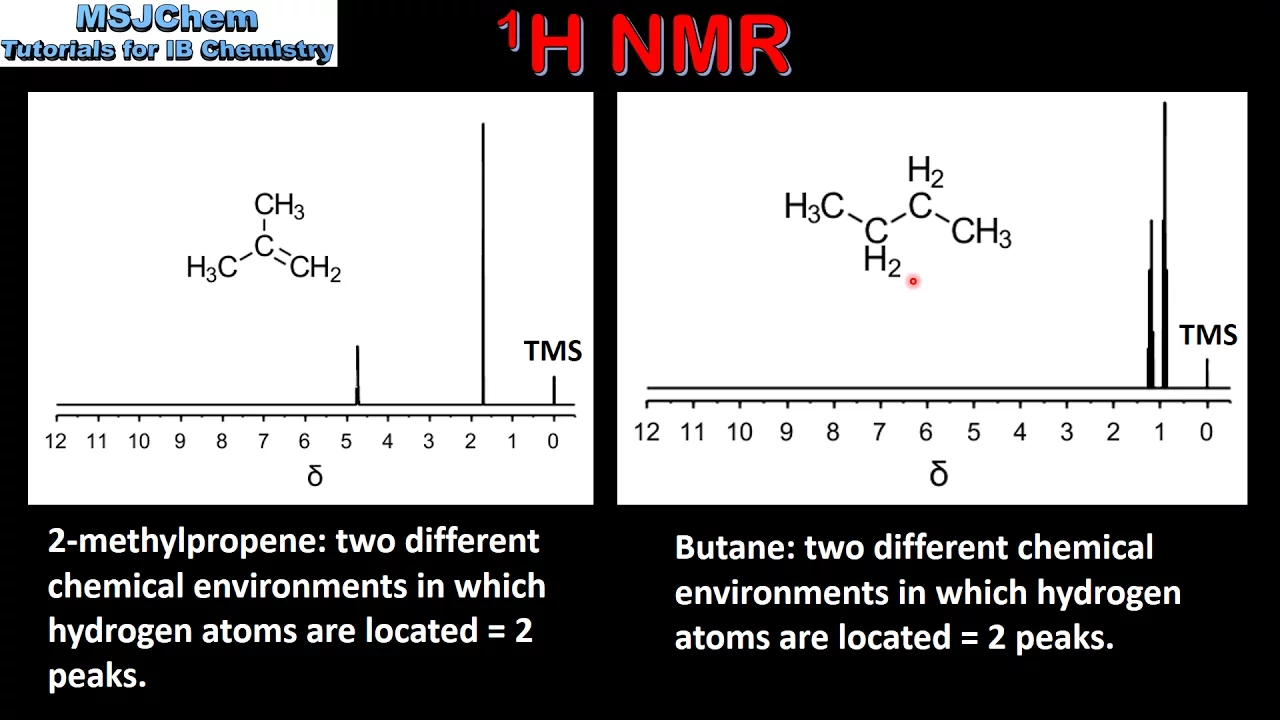
1H NMR: Determining Number of Peaks from Structure
@MSJChem
59.2K views•2017-04-06
Edible Water Bottles: A DIY Guide to Sodium Alginate Spherification
@ryan
10.5M views•2019-06-21
Related Study Plans & Knowledge Roadmaps
Structured learning paths in Chemistry