




















Synthetic biology offers a proactive approach to addressing global environmental pollution by designing engineered biological agents that can restore degraded ecosystems, utilizing bacteria as primary catalysts due to their global distribution and rapid DNA propagation capabilities, with key strategies including chassis development, naked bacteria engineering, synthetic consortia formation, and horizontal gene transfer for large-scale environmental intervention.
Synthetic Biology for Global Bioremediation | Victor de Lorenzo
Added:Basic microbiology and bacterial metabolism, specifically how bacteria naturally process environmental compounds and adapt to stress.
Fundamentals of traditional bioremediation, including how naturally occurring microbes degrade common pollutants like hydrocarbons.
Core principles of genetic engineering and molecular biology, such as recombinant DNA technology, gene cloning, and expression vectors.
An introduction to synthetic biology concepts, including the design-build-test-learn (DBTL) cycle and the use of standardized biological parts.
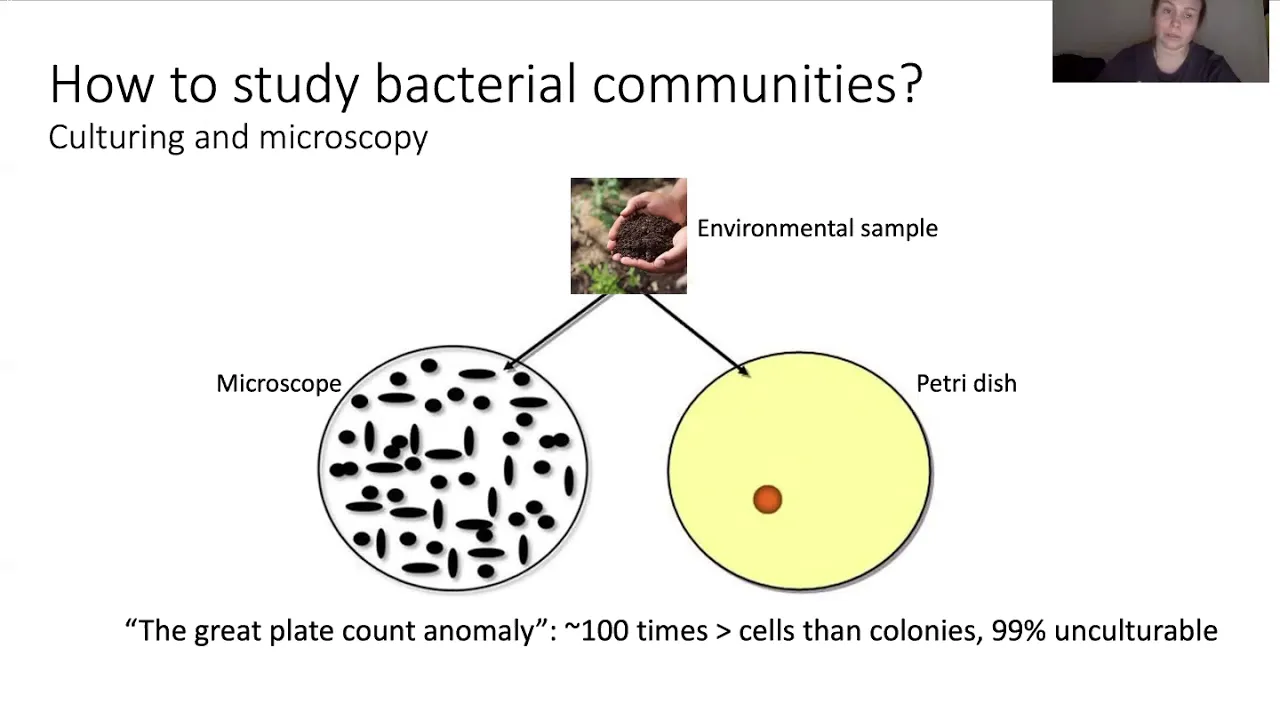
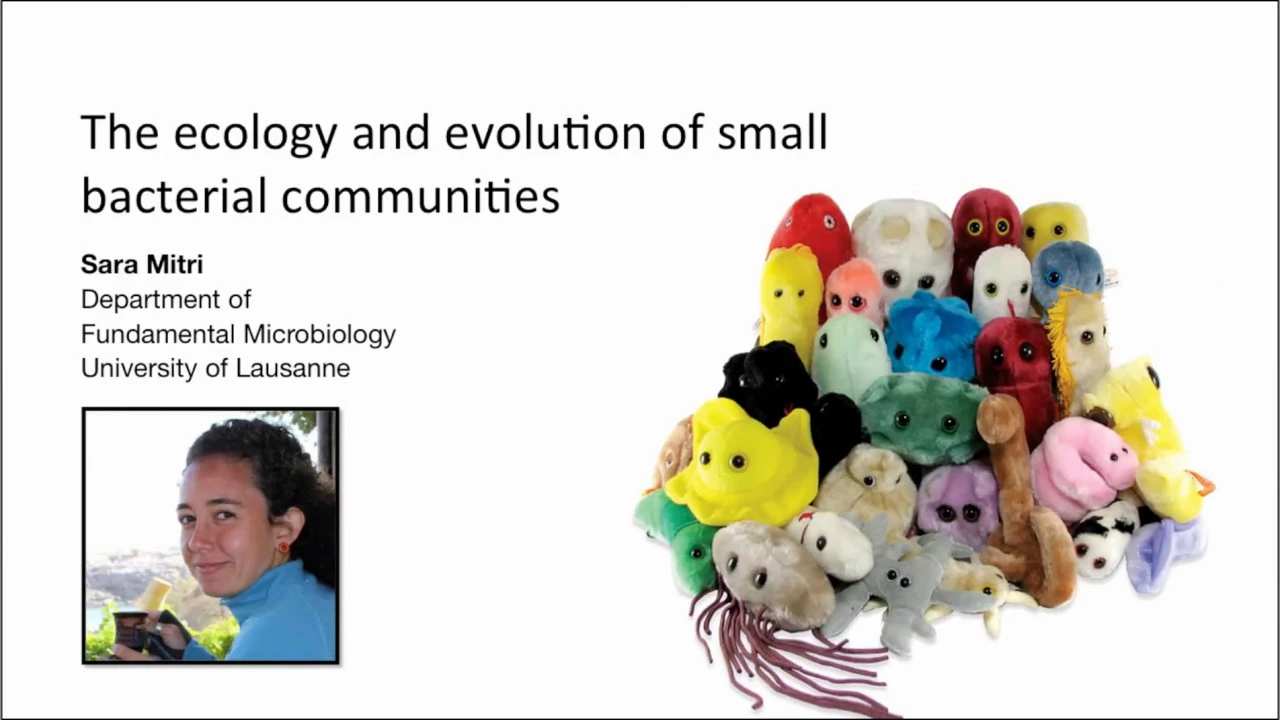
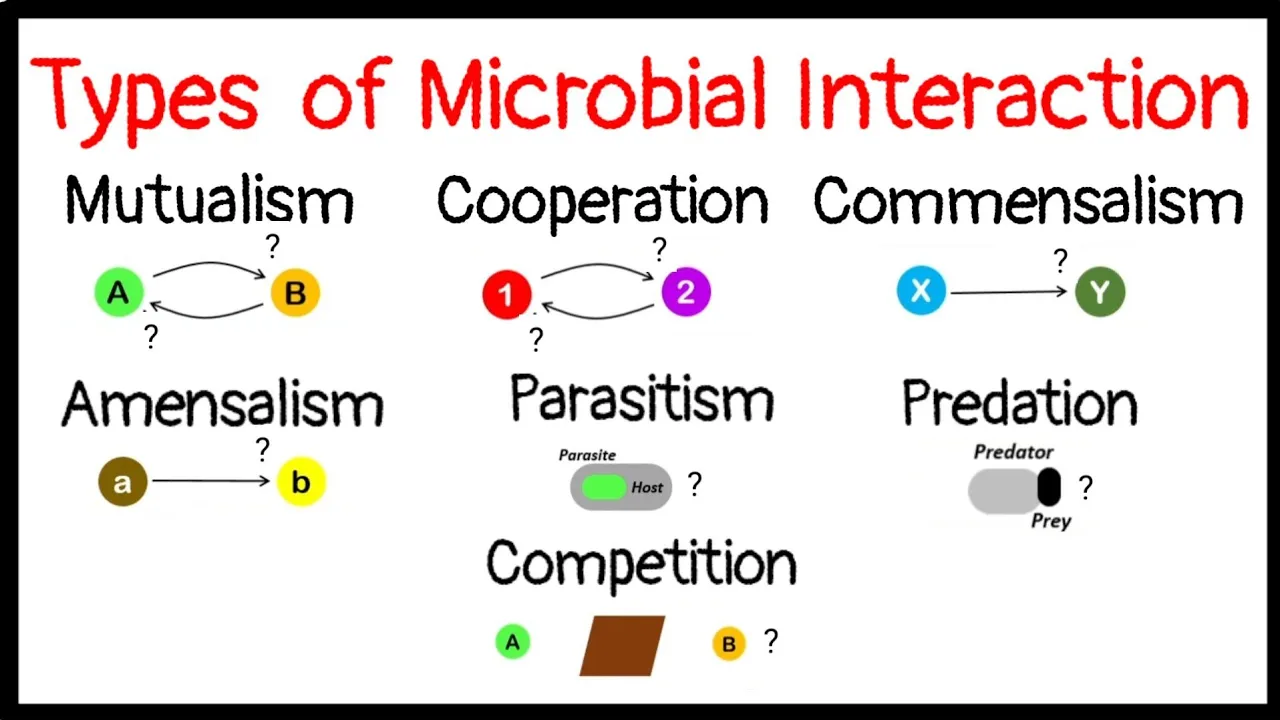
Microbial ecology, focusing on how bacterial communities (microbiomes) interact, cooperate, and compete within diverse ecosystems.
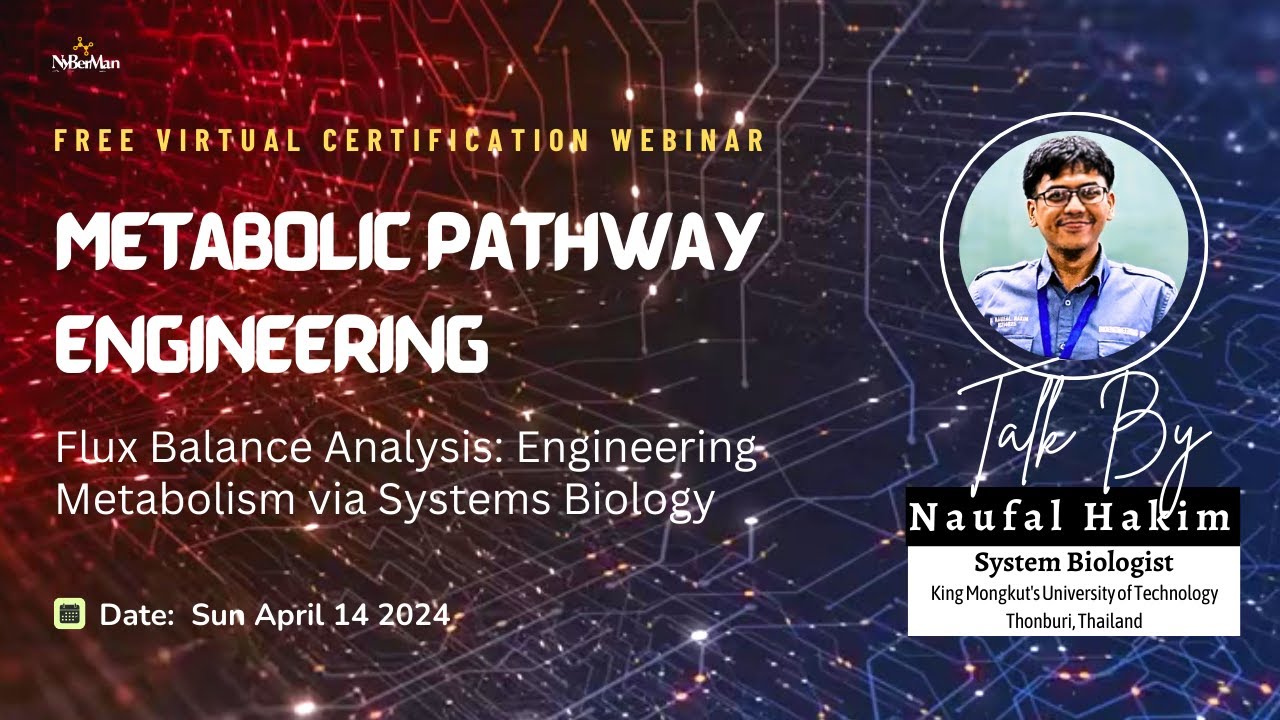
Advanced metabolic pathway engineering and computational genome-scale modeling to design novel degradation pathways for synthetic chemicals.
The biochemistry of xenobiotic degradation, specifically targeting persistent organic pollutants, microplastics, and PFAS ('forever chemicals').
Biosafety, biocontainment strategies, and regulatory frameworks, including the design of synthetic 'kill switches' to prevent engineered microbes from persisting indefinitely.
Bioprocess scale-up and ecological deployment challenges, exploring how laboratory-designed microbiomes behave when introduced into open, volatile ecosystems.
Xenobiology and the development of orthogonal genetic systems to ensure genetic isolation of engineered organisms from wild populations.
131 views8likes30:27Original Release: 2020-11-18
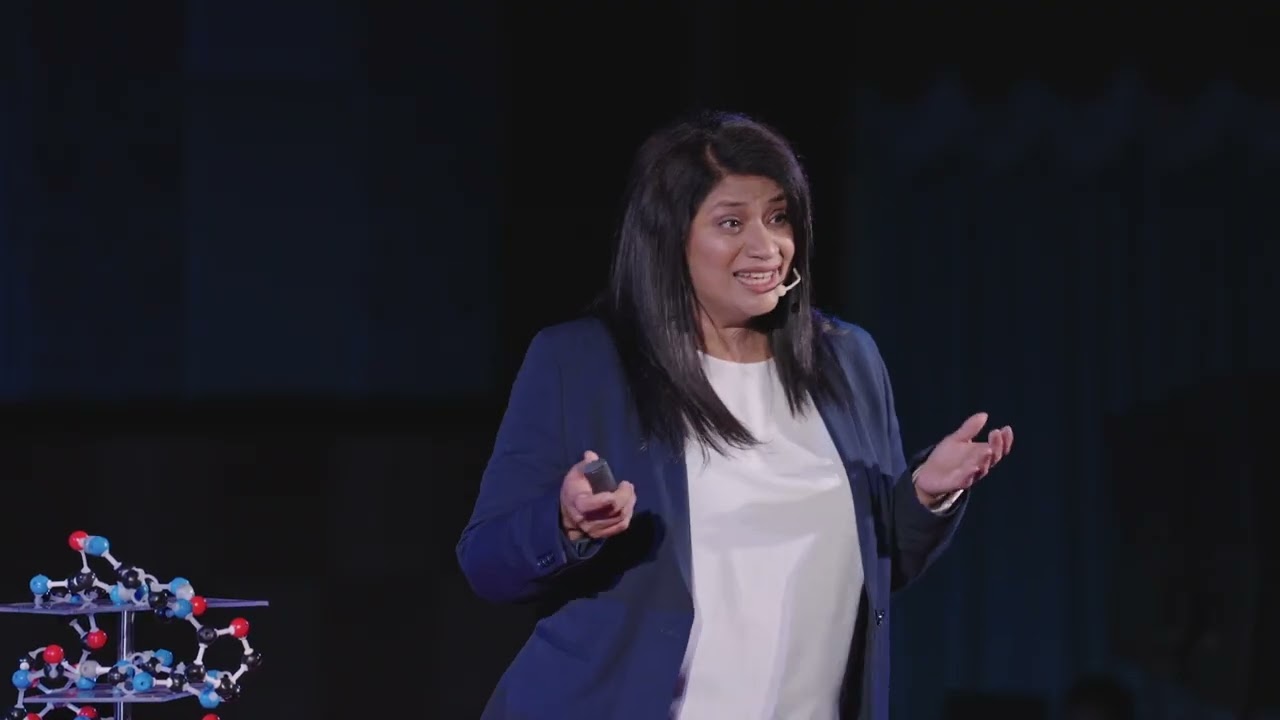
yes okay okay okay well uh good morning everyone those who are in the u.s and um i have to start by saying i'm very happy to be part of this conversation i'm a kind of newcomer to have this very general and and global say um ways of addressing problems and well i i'm going to make my best to fit our own work and our own interest in the context of what we have been discussing these days okay so let me just tell you that i come from madrid from the national center about technology and i just want to show you the size and the faces of people working in my group okay so i'm going to discuss with you today ways of tackling pollution and obviously pollution might be something that is a multi-scale phenomenon so you can go from very very kind of located site all the way to a global dimension but you know whether you go in a lower scale or a bigger scale you always face the issue that has been repeatedly addressed in this meeting about tipping points so that means that if you have uh let me see if i can i get the laser pointer yes so you have a situation of stability and you stress the system when you have a biological as a balance and then you are within some limits then you can argue that if you stop the stress then the system will return to some degree of stability but if you overdo and you go beyond the tipping point then you go into another regime or you can screw up entirely the whole thing and then what happens is that you have to apply a more intense and elaborated medicine like when you have a very mild disease you can take aspirin or you can take ibuprofen but you have a very serious disease that you have to kind of think on very very sophisticated ways of returning to a healthy situation so um the starting point of of all this story i'm going to tell you today is that well when you have a kind of a big problem in my opinion the way to address it is to divide it in a smaller number of um tractable problems because otherwise in many cases you have a global solution for everything at the same time so what are these list of problems that are connected to a global say environmental deterioration well you have a list of them there so obviously one of them maybe the most important is the growing atmospheric levels of co2 and greenhouse greenhouse gases but you have many others and some of them have been tackled in the conversation these last few days so we have the expansion of dry lands and so the certification one of the favorite topics of fernando then we have plastic waste in marine ecosystems who have micropollutants in traffic chains we have the proof of nitrogen and phosphorus we have the air pollution we have the problem of excess of lignocellulosic waste you name it and then you have provincial wood scorching soil and and so on okay so um what um we have been doing so far from the scientific and biotechnological point of view well what we are doing i have been doing for on time is to remain in this kind of um scenario a that is before the tipping point so and to do that or the way that people are happy under such a scenario is to try to reduce co2 emissions and go into an energy that is has less carbon or to produce biofuels or to improve crops and all that but these are all what you may call reactive approaches so the question is can we be proactive i mean can we really do something to address cases where we go beyond the tipping point okay years ago and uh under the kind of master mind of a recursively then we and others started to discuss the possibility of you know thinking big and instead of thinking in bioremediation interventions just by focusing in a small place with a petroleum spill or some metal spill or something try to think whether you can develop technologies actual technologies not theories but actual technologies that allow us and enable us to address these big massive environmental pollution problems and this is what i'm going to discuss with you today well the bottom line is something that was mentioned by ricard in his introduction and is the idea that to make a difference and to have an impact in these situations we need to design agents and agents that get like implicated into the quality of the sites and have the capacity to change the entire equilibrium by equilibria by entering to the system activities that are missing or have disappear because of the human action so well there are a number of a large number of naturally occurring ecosystem engineers and we have been discussing in part some of them in past few days but the kind of a challenge and opportunity of synthetic biology is to see whether you can go to the laboratory and rationally design biological agents that you engineer specifically to deliver the activities that are necessary for recovering otherwise deteriorated ecosystem and to do that and this a picture that comes from a recent paper with ricard and his collaborators well you have to start thinking on some kind of block diagrams to figure out what type of relations are necessary to have a stable and you know well-balanced ecosystem then you think or try to survey what a biological say parts or what biological components or actors you need to implement these blocks in real in real world and then you can abstract these activities in the shape of logic interactions and eventually everything boils down to writing a dna sequence well this would be like the dream or the like the ambition of synthetic biology and this is exactly the type of kind of proposition that from this community of synthetic biologists we offer to people like you and people who are interested in more global environmental scenarios but the dna has to go somewhere to be effective and to you know release all the information and to actually implement the activities that we are after so what choices we have to to to put the the dna in for developing this ecosystem say catalysts well some calculations have been made on what are the main actors biological actors that we have we find in the biosphere and who are the actors that produce more biomass or less biomass and then well some calculations that were made some time ago by ron milo then indicated that the bulk of the biosphere biomass is produced by plants but there's some qualification that we have to make to this statement because you have to be aware that about half or more of the entire biomass of plants is just one molecule that is cellulose or lignocellulose and therefore this is a molecule that doesn't have any injuries from a catalytic point of view and therefore if you look at the map of different biomass actors in the biosphere you end up realizing that bacteria are the ones that really can be useful for this type of purpose and this is because of two reasons one of them is because there's a lot of bacterial biomass in the oceans in soil all over the place and in terms of the substrates and and volumes and weights and or products that can be handled by bacteria as a global catalyst you realize that only the environmental microbiome can make it so you make some calculations and this is a calculation that i made some time ago then you can go from the same bacterium all the way from a test tube all the way to a very global say um activity and you notice that in fact in terms of the activity and in several biomass and quality and quantity environmental developmental macrobiome is our only potential ally to really deliver activities that could be useful for recovery of ecosystems the other thing and this is something that is very dear to my heart and also i try to convince you that is excellent as a kind of a technological asset is that dna propagates very very quickly so we know that because of the spread of antibiotic resistances and spread of pathogens but a horizontal transfer doesn't have to be related necessarily to bad things so we think on you know let's stop horizontally and transfer because it's very bad for antibiotic resistances or because you you you know you spread pathogens or whatever well this is true but at the same time the same mechanisms can be recruited and can be domesticated with the tools of synthetic biology precisely for a good purpose namely for spreading beneficial traits in a larger micron so think on this as a kind of vaccine you know so if we kind of vaccinate the environmental microbiome for degrading this compound or for fixing more co2 or for retaining more phosphorus or other activities of environment environmental interest then you may end up with a situation in which the entire um say a biosphere and the entire microbiome benefits from this massive horizontal in transfer so don't think on horizontal transfer only in terms of badge occurrences okay so you can make then a list of you know technical challenges that you have to overcome for this type of applications and then well you can divide them in various categories you have scientific questions for instance how to optimize pathways and this is something that keeps i would say eighty percent of synthetic biology is busy you engineer a pathway for degradation of this or for production of that how can you optimize these pathways for production or degradation of something is a big part of a contemporary synthetic biology but there are many other kind of lateral aspects like interoperability of the pathways expression systems stability and obviously we need also ecological and theory models and then we have enabling technologies and they say star enabling technology these days is obviously dna synthesis as you know now we can synthesize genomes and charging and we can program entirely the genetic material of an even microorganism and this is something that in the future will become easier and easier but there's this other aspect that is is not really developed in in my opinion however is the key for having this possibility of delivering activities at a very high scale and it's what i like to call environmental gallenics so why do we mean what do i mean by environmental galleonics well environmental clinics is about the following you may go to the laboratory and produce it in the laboratory a wonderful catalyst that you know fix the co2 or inactivates this pollutant or decreased plastics or you name it however one thing is to have an activity working in the laboratory and a completely different problem is to have it working at a very very large scale so this is where environmental academics come comes in so linux is this idea or this concept that comes from pharmacy and is this challenge of how to deliver an active principle to a sick body so um as you know in in medicine you can deliver the same active compound through many different means i mean a given antibiotic or a molecule can be given through a pill or an injection on an aerosol or a suppository and at the same but it's the same thing but it's just that you have to think on the physical form the material format that you need to engineer to have this introduced into basic body for this molecule to have an effect so by the same token we argue that we need to think not only on the activities that would be necessary for uh you know helping the environment in various aspects but also how to deliver them into this environment and what is the format what technology you can think of to really spread these activities at a very very large scale well the question number one is what do we want to deliver into the environment and well and if you think on bacteria you can think in various possibilities you can think of monoclonal agents and it's one strain for instance and in many cases and i will try to argue that later is better to think on meta organisms or design microbiomes so this is because natural evolution has told us that when a community or a bacterial say agent faces a new challenge normally it's not that the job of one specific strain to deal with the challenge is generally the result of the division of labor in a wider and more diverse community of actors and this is something that perhaps we can bring into our into our design or synthetic biology design agenda and thinking on agents that are not monoclonal but a polyclonal but also and we'll return to that later we can think on spreading genes instead of thinking of you know inoculating different ecosystems with one strain or with a consortium you can even think on just enriching and fortifying a given environmental microbiome with a new activity just by introducing massively new genes into that particular consortium i will discuss all these things little by little okay well number one this is a starting point you have to um we have to think on as a starting point identify a good chassis and chassis is a magic word in the jargon of synthetic biology and is inspired in this idea that you can have a car or some vehicle and you have some basic functions that are in many cases not seen but then you have like a framework on where you can put things in and out and i didn't have a device or a system that will respond to your specifications so by the same token well you can think on what type of battery i could be interesting to start as a chassis for this type of environmental applications well you can the literature in the synthetic bio bio literature there is a whole bunch a whole collection of environmental bacteria that have been proposed as chassis for this type of applications i will just mention two of them one of them is or are cyanobacteria and people in this audience some of you have some experience with them cyanobacteria can be wonderful agents for environmental remediation and environmental applications the recital program is that their genetics and their the tools for their genetic programming is a bit complicated because they have some issues that i would i would not discuss now but still it's a potential and i'm very useful uh chassis to think on the future and even today for this type of applications and also fernando and rickard have been playing with this idea for some time there's this other type of bacterium that i like very much and the dark pseudomonas pseudomonas is a very wide and broad say type of of bacteria and there's a branch of them the one that are called sebronas butida that happen to thrive and to live happily in soil polluted with contaminants and this is something that for us is very attractive of course because um in principle you think that this chassis is already habituated to live and to exert and execute its natural activities or or enzymatic catalysis or whatever in the very same places where we want to kind of remediate a given environmental or pollution problem so you can start the the process of converting a natural isolate into a chassis by just looking for this type of bacteria in the location that is afflicted by the environmental problem and then you take it to the laboratory you sequence the the genome and then you identify what things are interesting to keep and what things are interesting just to get rid of and for instance in the case of sodom and sputria is a solid bacterium that is habituated to overcome stress and and has a very robust lifestyle there are some some good traits for instance is torrent to solvents it has a metabolism without of nadp nadph it's a safe host for recombinant dna and also it has some bad traits is resistance to some antibiotics it has some metabolic problems it has it needs oxygen for growth and also you know in this case it's a close relative of a pathogen the isotomization that i'm sure all of you have gotten at some point in your life when you have an ear infection or something like that but still you know this branch of pseudomonas are nice guys that we can use and recruit and domesticate for the type of applications that i i'm talking about so what is involved in in in domesticating or or starting with something that is wild and how can we reconvert that into a chassis for these niche creation applications that we are after okay then the challenge can be named under the paragraph or under the title of engineering by physical engineering of synthetic biology agents so what would be an idea um bio agent what type of formulation would you like to have in one of these agents well you can argue and you can propose various scenarios but one that is very attractive is the one that you see in yours in the screen namely that you have a consortium of atria abcd when you have a division of labor so for a given purpose so imagine that you want to degrade a given compound say maybe bacteria a and b takes gets rid of the compound bacteria c eliminates a toxicity in terminus amatria d eliminates a possible predator so i mean you can always think on on developing consortia that are specialized in covering various challenges that bacteria find where they are in the environment and at the same time you may want to have them in a particular um say three-dimensional structure in a space okay so and to do that you have to think on how to you know make sure that they touch each other with a particular say a code of contacts so at the end you have a given three menstrual structure but then at the same time you may want to have this a consortium sticking to a surface and in the surface for whatever reason has also some economic efficiency or some catalytic activity so much debt however when you face environmental bacteria what you face is this very very messy situation environmental bacteria are not domesticated and they stick to whatever they want and they have their own biological agenda so what can we do to domesticate um bactria at least you know to start the process to convert them into a good chassis and to you know be amenable to some engineering not only from the biomechanical point of view but also from this physical point of view okay so um the ultimate objective would be to um to have tools to come up with these three types of scenarios for instance you may have a monoclonal catalyst here where you have the bacterium engineer for degrading something or you have a synthetic consortium between bacteria with bacteria and food your bacteria and yeast you name it or at the end you may want to have also the possibility to stick these communities to a layer or to a solid surface and then you have a different problem and it has twisted bacteria to say solid as a target okay so what can you do well and now what you do is that first you see what is the starting situation and the certain situation is that bacteria have their own attachment preferences they have a bunch of different structures on the surface that allow them to stick to their favorite places and you have all these protuberances that obviously will not be very helpful when you try to develop nice three-dimensional structures of construction so so one possibility and this is something that we have explored in our laboratory is to produce what we call naked bacteria so naked bacteria are bacteria in which we edit the genome to delete or to eliminate um surface structures that interfere with our own programming purposes and then at the end you find a cell that is has a different um say characteristics and different qualities on the surface as compared to what you have before so what you do is that it's like you know you take the the the bacterium to a hairdresser and then you know you start cutting the hair and you have to put some kind of fashionable surface and so and at the end what you have is a situation in which you go to the genome and eliminate all the genes that encode all the surface structures just to have at the end something that is more amenable to engineering this is one of the examples of naked bacteria so in this case this acetaminophen which you have eliminated all these surface structures and unlike this wild type situation where you have your surface packed with pili and hair and flagella and you name it in this case you have a very smooth surface that can be used as the scaffold to program the cell to do other things because the advantage of undressing a bacterium is that you can redress the bacterium with other things and this is wonderful because it's like they have a little puppet and you you know you have like the body of the puppet and you can put different kinds of decoration in the packet and obviously all this can be made genetically all this can be programmed genetically and all the instructions of all this dressing be put in the chromosome for instance and yes or synthesize the dna or to write a sequence or whatever so one example just one of them we have many of them we have redressed the surface of uh piputra with a cellulosome or with components of a cellulosome so cellulosomes are very complex protein structures that are found in naturally occurring cellulose degrading bacteria and they are complex and you know they follow a very very interesting say legal type of structure with standards where you can put things and out and develop and have very very efficient external cellulose degrading machines at the end of the day so what a sanguine malabar actually made for instance was to engineer the surface or sedatement studio of these naked somas potato and redress it by genomic encoding of the properties with a multi-protein complex that has some activity on some cellulose components and this is something that is very nice because if now you engineer in the in the cell the possibility to degrade for instance glucose and cellulose and other avenues and so that you have a super cellulose degrader and it's a combination that nature has not really invented very efficient but you can redress the uh the surface with other very interesting things for instance you can redress them with activities to capture residual water and this is something that for the sake of uh bringing a little humidity to eye glass can be very very interesting and one of the projects that we have in the lab for instance is to see whether we can recruit the structures that are found sometimes on the surface of these um dessert lizards and the spikes and so that have a tremendous ability to capture receding water and so we can transplant them and put them on the surface of some soil bacteria for instance dominant as i see whether by doing that you can increase marginally the humidity of soil and maybe by doing that you start generating a new niche that helps to reconstruct and ecologically c system okay so but this is what you can do with um a standard monochrome bacteria but as we mentioned before and sometimes the idea is not so much to have monoclonal but to re-engineer a whole microbiome and what this picture is taken again from one paper from the ricard and well where he and his colleagues provided some say background on the basis that having engineered microbiomes can have a superior efficiency it's also reconstructing a deteriorated ecosystem as compared to just having a monoclonal strain if in this system you introduce cyanobacteria so much the better because the cyber care will capture light and will start kind of delivering nutrients and delivering other say um carbon say resources that would be useful for maintaining the activity of the other members of the community and so so this up this part of of this challenge of microbiome engineering is a very very interesting area of synthetic battery right now and a bunch of laboratories are trying to develop tools and concepts to really engineer with microbiomes in principles for medicine but also for environmental applications this is a a paper that was shown also by barikar where you can see that people working for instance in in coral bleaching entertain the possibility of going to the laboratory develop synthetic microbiomes put them back into the corals and see whether that can have a beneficial effect for their recovery okay but how can you really put together bacteria that otherwise might not be naturally sticking to each other well one possibility is to and this is another branch of research in synthetic biology is to see whether you can decorate a bacteria with artificial adhesions and what there are many to to choose from and again you can encode these adjectives in the genome and then you can combine the genetic determination of the location of the hessians on the surface and make some biophysics and some modelling and see what happens when these adhesions are located in the poles of the cell or in the equator of the cells and then you can end up with the models that will tell you will predict what type of shapes you can have in a design microbial community so here you have the possibility not only to combine activities but also to combine them in a given spatial structure that can be beneficial and synergistic for production of a given activity so to do that or a kind of side aspect of that is that now with this naked strain you can also make bacteria to stick to surfaces because if the adhesion uh to the surface um is such that you know it it recognizes something that is in the solid surface then you can have a monolayer or bacteria of this type so one of the adhesions that have been worked and matched are camel antibodies camel antibodies are naturally single chain we can go to their genes put them in the bacteria and then and deliver or express them on the surface of the bacteria and make the whole bacteria to stick to a surface that is coated with the target antigen so this is something that give us a tremendous flexibility in terms of what type of target you want to adhere bacteria too well we have we and others have a pipeline for production of antibodies so the technology is already there and then you know i will show you just one experiment in which for instance we try to stick sodom and sputida to a surface that is coated with fibrinogen but it's a kind of model system but you can use it in any other target and then you make the genetic construct and that's kind of cutting and paste in dna and at the end what you have is a bacterium that sticks specifically to a surface that is coated with a antenna and not to any other thing so that means that um technically it is possible not only to engineer microbiomes but also to put the microbiomes sticking to a target surface and that's something that for the type of application that we are discussing can be very very useful so let me just finish my little presentation you know discussing with you what you may consider like more kind of out of the box possibility and is this idea of engineering horizontally in transfer in other words that perhaps the ultimate environmental intervention is not so much to put a bacteria into the environment but to propagate dna through the environmental microbiome so the idea in this case is to um you know to develop in the laboratory a super spreader of dna and load that super promiscuous dna with a beneficial activity and then by conjugation and other mechanisms of a horizontal transfer led that to spread through a given population so this is the idea so can we engineer a horizontal and transfer chain reaction keep in mind that as i mentioned before uh that we think on uh spreading good things i mean you can think well you can spread also bad things well that's true and this is what nature does already but you know we have horizontality transfer will happen we like it or not so why don't we capitalize on the mechanisms that are out there for horizontal transfer and use them as a carrier for kind of spreading beneficial activities so we have made some progress in that direction and you know have put our attention in some plasmids that are out there that are very promiscuous and we have recruited from these plasmids and the promiscuity determinants and re shape them in the shape of a transposon that can jump in many locations and then when you do that we have already good evidence that you can really mobilize dna from different types of bacteria from one place to the other so this is something that um well if you are interested i can give you more details but this is working very well and we think that you can really develop systems of massive horizontal transfer and horizontally transfer chain reactions okay people and ladies and gentlemen thank you for your attention obviously this is not a finnish story this is something very incipient and i have to say that whereas the most of synthetic biologists are interested to develop bacteria and microbiomes and synthetic things for the sake of human health or animal health i think there is a tremendous opportunity to interface with people like you to really develop these ideas where you combine major ecological and global problems with a technical solution that comes from the field of synthetic biology thank you very much that was what i wanted to share with you today okay
Up Next
15:46
Ideonella sakaiensis: Plastic-Eating Bacteria for Bioremediation
@InformationBoxTicketLifestyles
2.2K views•2022-11-05
14:12
Quantitative Real-Time PCR (qPCR): Principle, Method & Data Analysis
@animatedbiologywitharpan
129.2K views•2023-09-06
23:33
Microbial Degradation of Plastics: Biodegradation Pathways & Sustainability
@majeedhammad
2.9K views•2021-04-11
16:04
CRISPR and Genetic Engineering: How Gene Editing Works and Why It Matters
@kurzgesagt
30.5M views•2016-08-10
Related Study Plans & Knowledge Roadmaps
Structured learning paths in Biotechnology
biotechnology
AAV Production: Transfection, Prep & qPCR
01Introduction to Gene Therapy and AAV Biology
02Mammalian Cell Culture: Suspension HEK293 Cells
03Upstream Bioprocessing: Triple-Transfection Optimization
+ 2 more learning modules
18h5 modules
Explore Roadmap
biotechnology
Building Gut-on-a-Chip: PDMS, Cells & TEER
01Foundations of Microfluidics and Gut Anatomy
02Cleanroom Fabrication & PDMS Soft Lithography
03Epithelial Cell Culture and On-Chip Seeding
+ 2 more learning modules
26h5 modules
Explore Roadmap
biotechnology
Optimizing CFPS: E. coli Extract & Yield
01Fundamentals of Molecular Biology and Translation
02Introduction to Cell-Free Protein Synthesis (CFPS)
03Preparing E. coli Crude Lysate (The Extract)
+ 2 more learning modules
19h5 modules
Explore Roadmap
biotechnology
Haematococcus PBR: Design, Stress & Astaxanthin
01Biology and Life Cycle of Haematococcus pluvialis
02Bench-Scale Photobioreactor (PBR) Design and Engineering
03Culture Media Formulation and Inoculation
+ 2 more learning modules
15h5 modules
Explore Roadmap