



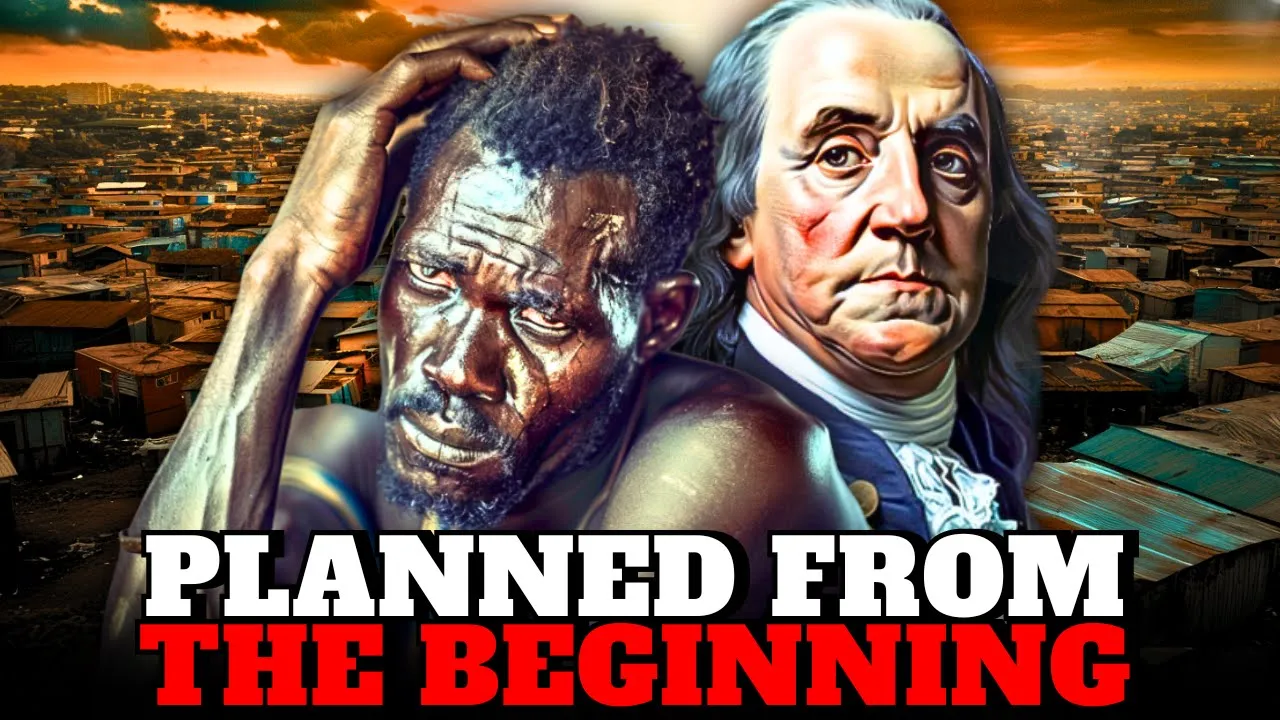










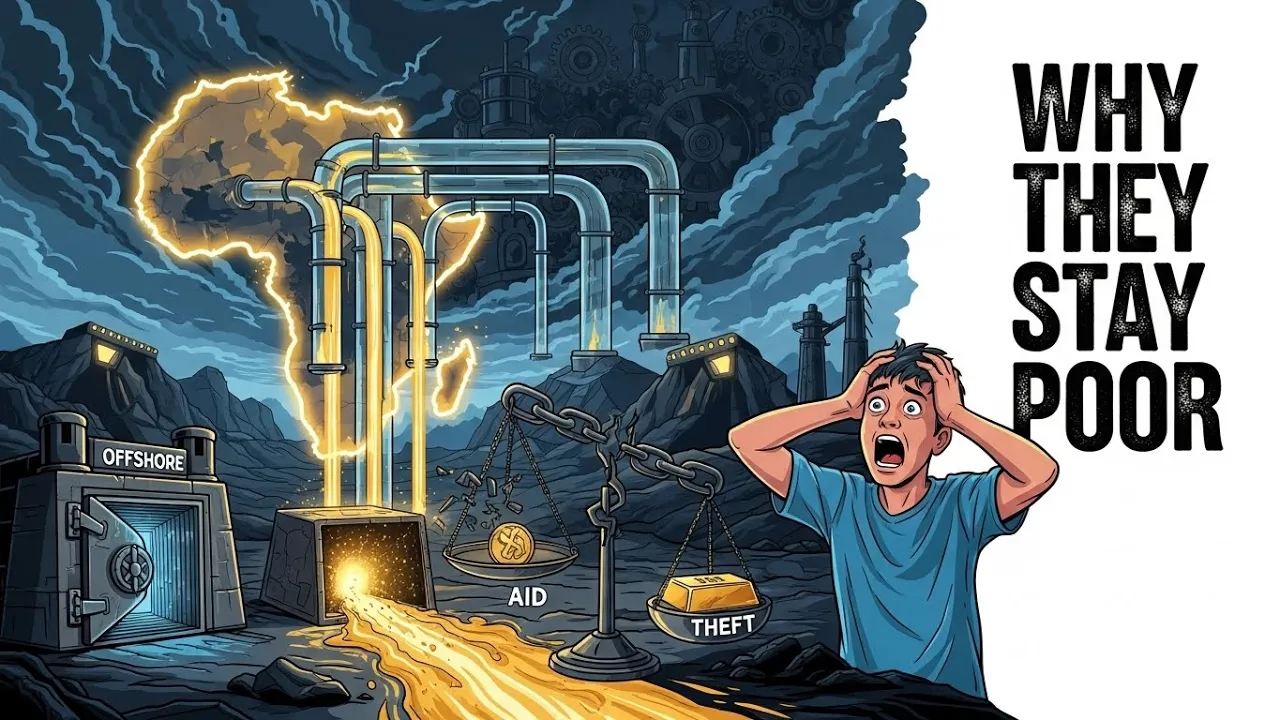


The Berlin Conference of 1884-1885 established artificial borders and political divisions that continue to hinder African development, while colonial powers maintained economic control through multinational corporations that evade taxes and exploit resources, creating a system where African nations remain economically dependent and disadvantaged despite achieving political independence.
Why France Ended African Central Bank Deposits: Historical Analysis
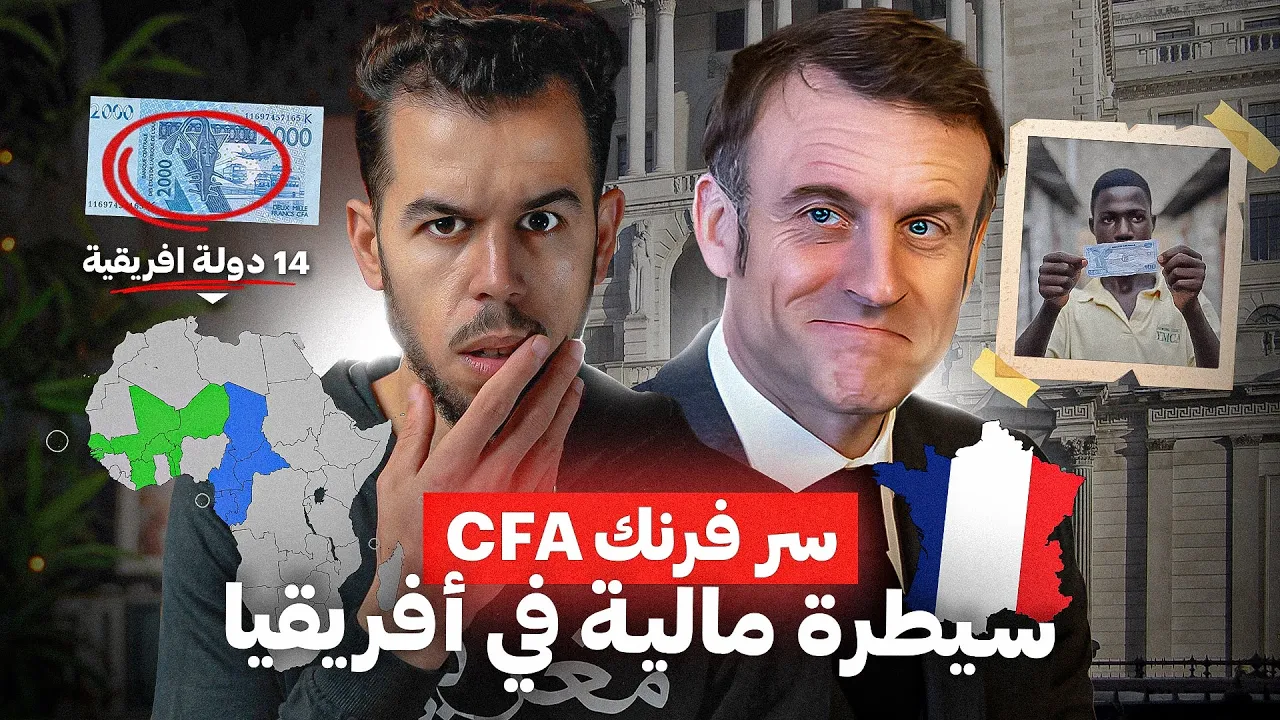
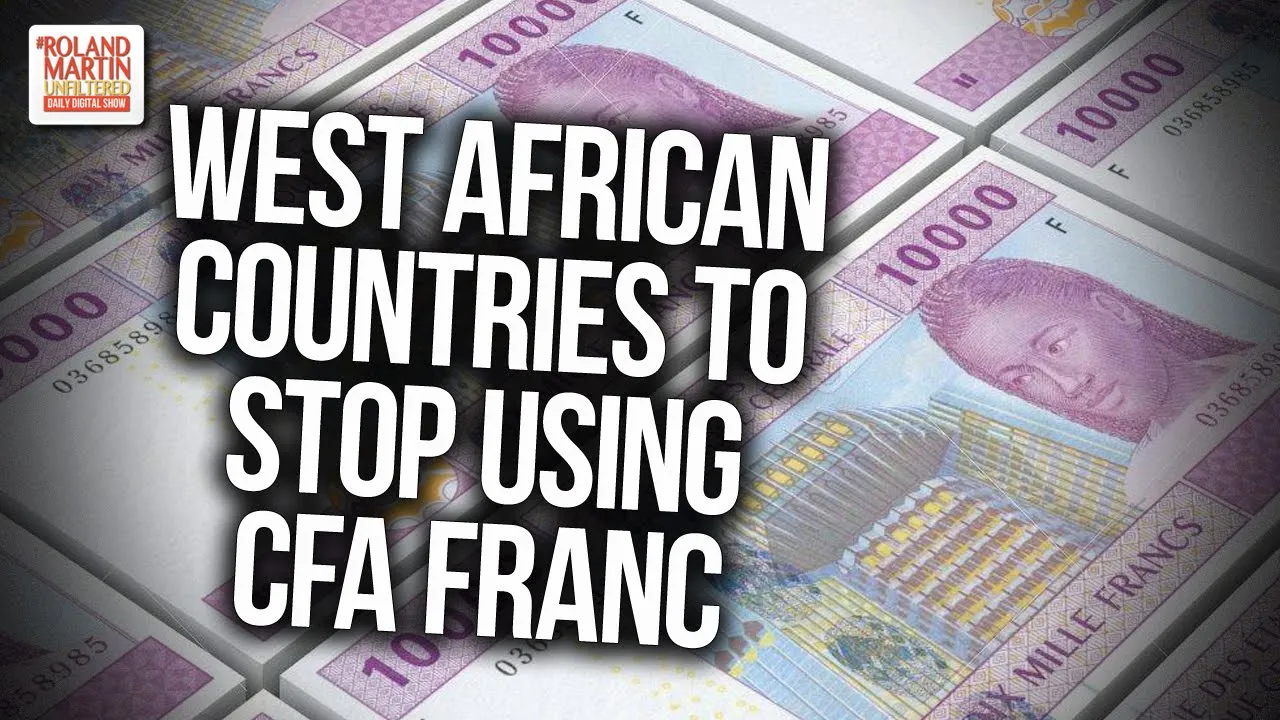
Added:The history and structure of the CFA Franc zone, including the mechanism requiring member states to deposit a percentage of their foreign reserves in the French Treasury.
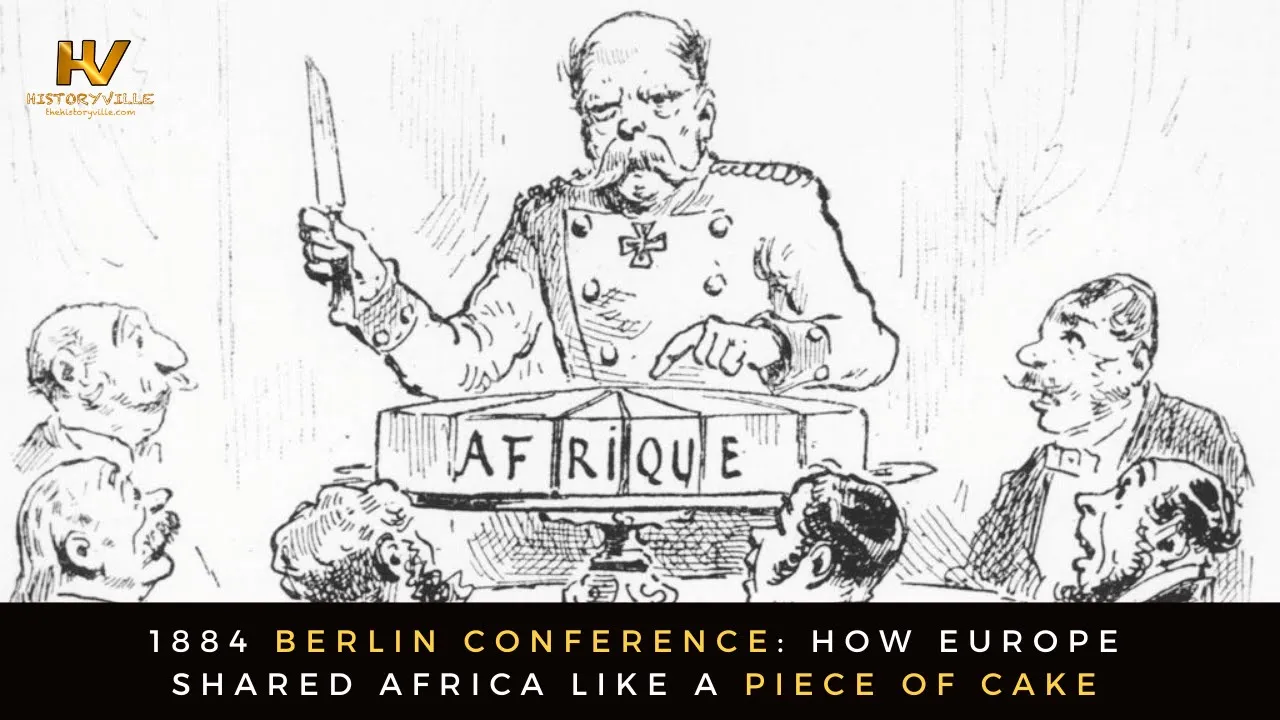
The historical context and geopolitical outcomes of the Berlin Conference (1884–1885) regarding the partitioning of Africa and colonial economic frameworks.
Basic principles of macroeconomics, specifically how central banks manage foreign exchange reserves and the concept of monetary sovereignty.
The economic theories of dependency and neocolonialism, which describe how developed nations maintain asymmetrical economic relationships with former colonies.
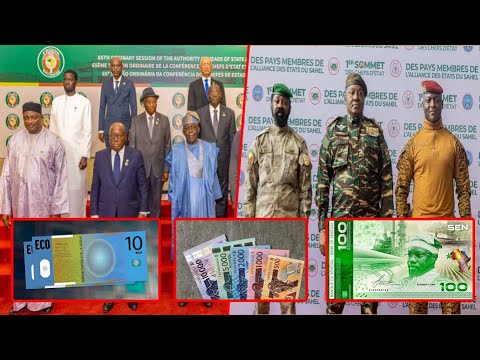
The implementation challenges and economic prospects of the 'Eco'—the proposed replacement currency for the West African CFA Franc.
How reclaiming full control over central bank deposits impacts domestic fiscal policies, inflation rates, and public investment in Francophone African nations.
Comparative analysis of monetary hegemony, contrasting the CFA Franc system with other global monetary pegs and dollarization arrangements.
The broader geopolitical shift in Africa's international partnerships, specifically how monetary decoupling from France affects economic ties with the EU, China, and the United States.
7K views181likes22:00Original Release: 2020-07-27
that is our reality that was six decades ago fast forward it's only until a month ago last month in june that the french parliament finally signed and ratified a law which now stopped the african countries from depositing their funds with the french central bank just last month why did it take so long because the fear of of the fear of france and what france could do to any nation that chooses to oppose france let's also look at other nations the british the italians the germans the portuguese the belgians as they were giving independence to their colonies in africa they all gave limited political independence economic liberation was completely held back from the africans to this day the average african country 75 percent of the employers the multinationals they are from the countries that colonized them previously so if you were colonized by the british the majority of the employers the big companies in your country are british if you were portuguese if you were belgian and german they control the back of the economy most recent example would be glencoe a company called glencoe is a british company in zambia had not been paying taxes for decades and the country has been working with them to say you must pay taxes this is not fair if the average zombie and on the street is paying taxes you got to pay taxes too when the government finally said if you do not pay your taxes we are going to revoke your license and you got seven days to pay your taxes glencore responds by laying off 11 000 people so when you lay off 11 000 employees you're basically impacting the lives of at a minimum 55 000 people and that's the reality for the african for the average african president if you push too hard they have a way of getting to you and those games are being played every day to this day but the president of zambia stood his ground and he put out a tender and he said anybody that wants to come and get these two minds you're welcome too and of course requests come flying in so then glencoe realizing that they're losing this game they called back all the employees and they came back to the president with their tail between their legs and they started negotiating in a more meaningful way this is going on all across the continent the multinationals that are doing business in africa are not paying taxes they have safe havens that go back to colonization britain is well known for having the largest safe havens they under-report what they are extracting out of the ground they under-report how much they are selling whatever it is that they report the endgame is billions if not trillions of money that you stay on the continent is going out through the safe havens that are being used by the multinationals a lot of illegal farming illegal mining illegal logging illegal fishing illegal trade in uh exotic plants and and animals all that combined you're talking trillions getting out of the continent you look at what's going on in dlc today and in cameroon they have satellites that are showing them nowadays exactly where the minerals are the poor villagers don't realize they're sitting on a humongous gold mine on a humongous cult and mine on a humongous diamond mine so what do those who want those diamonds who once those natural resources do they take a few soldiers they take a few young people they give them alcohol and hunt them with m16s and ak-47s they go kill off a few people and the villagers run away they stay behind and continue their illegal mining this is going on up to this day i'm just giving you the tip of the iceberg in order to get a feel for how africa is under siege and for those who question why aren't things getting better resume change let's change leadership tell me one african country that has a change in leadership and things have changed none why is because the fundamentals have not been addressed you got to understand berlin conference they met from november of 1884 the colonizers to february of 1885 precisely to organize themselves so they can see to it that africa and her children are forever defeated and dominated i repeat they met the colonisers they met in berlin at the invitation of the chancellor of germany and his sidekick king leopold to precisely see to it that africa and her children are forever defeated and dominated that was 136 years ago the little bitty countries that you find today those are little bitty countries designed to fail countries designed to never succeed that should they try to succeed by any means necessary like we always do as black people we are survivors we are easy to destabilize that strategy that was put in place during the berlin conference 136 years ago remains in place today some say but how ambassador well look at this world if we were to assume this world is a boxing game would you take a lightweight boxer and throw them in the ring with the heavyweight boxer would you take a wannabe boxer and throw them in the same boxing ring with the heavyweight boxer you see what they did during the berlin conference they gave these countries sovereignty at independence prior to independence those countries were subjects of the masters in europe at independence these countries were given the same sovereignty as the big boys so togo has the same sovereignty as china so guinea has the same sovereignty as the united states malawi has the same sovereignty now with eu so when you go to the world to trade talker is you're supposed to to be negotiating with china and and and you all are equal you have sovereign nations there's no parity there it was done by design so african countries will be defeated at every turn the unfair trade practices that are making it difficult for african countries to add value to our natural it was all by design to make sure that we are forever defeated and dominated to make matters worse during the berlin conference they implemented the rule of divide and conquer and the way they did was to take tribes that were united and living together in harmony brought them up into tiny little countries and give those countries to different countries that spoke different languages give it a couple of generations people who were once one big family they don't even realize their family i use an example of driving from zambia you're speaking english and you're going off pretty soon you're in drc you're speaking french you keep going a little live to the east you are now in equatorial guinea you're speaking spanish go a little bit north you're in southern cameroon you're speaking english keep going you're now in northern cameroon you're speaking french before you know it you're in nigeria you're back to speaking english it was all by design to cause maximum destruction i'm talking about the building blocks for africa's total destruction which were created by the berlin conference that remain in place today it is precisely why when you want to travel from one part of africa to another you gotta go to europe first before you can come back down why because the airspaces were limited thanks to the berlin conference it is precisely because of those boundaries that were created that fuel oil from mozambique has got to get out of no mozambique first it has to get out of the continent first only for zimbabwe right next door to buy back 30 times you can stand with one leg in zimbabwe and one leg in mozambique and yet berlin conference made it very difficult for us to trade it's very difficult for a man in malawi with his malawi kwacha to buy a product in nigeria in in in in nigeria nila it's easier to convert the kuacha to the u.s dollar the cuacha to the to the euro or to the british pound and the naira the same way all these technicalities we take for granted they ultimately impact trade and when you impact trade you destroy the nations there is no development it's easier for a product to go from uh uh egypt to go from the united states to egypt than for a product to go from south sudan to egypt it was all by design so when i talk about the under the fundamentals not being addressed the fundamentals for africa they must be addressed through integration economic integration political integration melting of the borders and completely destroying killing and bearing the berlin conference the rule of divide and conquer that also made africans believe that everything african was bad and everything european was better and more desirable they sent the christians the missionaries to also teach us we didn't know about the color black and white before the the missionaries came to africa before the colonizers the settlers came to africa but they told us about the color black and the color white and they told us taught us about the white angels and the black devils who has seen the angels who has seen the devils but then they tell around and say the devil the devil is black and you people are also black and the angels are white and we are white jesus christ is white even though the bible says his kin was crimson we know it's because when mary and joseph were running from from herod king herod they were told to go to egypt not to europe because in europe they knew he would stand out like a sawtooth in egypt jesus christ would blend with others who looked like him jesus christ was the brown man but they said never mind that and even though we white people don't look like a white piece of paper don't worry we're white now let's go to church and you need to get on your knees and you must worship a white jesus and you must worship the white white angels and of course let's dog out the devil that looks like you black people it was all by design to criminalize blackness to make us hate ourselves and forever be looking to be something that we can never be white have you ever stopped to think about that every day you go to church and you worship an image that does not look like you an image that will never look like you and you're dogging the image that looks like you complete turtle destruction of an individual from a very deep subconscious level so it is that us black people are forever trying to be something that we can never be so how do we think we can be closer to being white we think we're educated now we have a job we have a house we have a nice car we feel we're closer to white people and now we want to run away from those who look like us because we've made it all these unnecessary material things that make us believe we're getting closer to what we have been programmed to think is better we're busy running away from ourselves which brings me to the next pillar of africa's issues it is the mind we have so much self-hate we do not like each other as black people we have been programmed to dislike anything that has anything to do with ourselves so where do we begin we call that the legacy of slavery and the legacy of colonization no amount of education no ucla degree no have a degree no oxford degree can decolonize you can cleanse you of the legacy of slavery is through understanding our history understanding that you're part of somebody else's agenda that you're riding somebody else's train then the train is meeting their agenda meeting their needs and none of those needs are part of what you need it's through understanding our history that we can wake our people up particularly black people to say listen this is what is really going on and until you understand that there are pathways that have been in place there's an agenda that has been in place to see to it black people are forever defeated and dominated how then do you get out of it you don't go to the doctor unless you know you're sick as black people we have been so brainwashed we don't even realize what our normal is we have been so beaten down i talk about post-traumatic stress disorder for us black people i call it ctsd continuous traumatic stress disorder because our stress continues we may not be linked as we know lynching to be but the lynching continues in other forms it doesn't matter where you meet black people south america australia india europe united states even in africa we're the most disrespected race even those foreigners coming to africa they feel superior to the african simply because of the color of our skin last time i checked the ability to produce melanin was not a crime but we seem to be fallen victim because we have the ability to produce melanin so africa 101 is about a recap of our history our journey as black people as a race where we have been where we are what has been done to us before colonization after colonization after independence what continues to the games that continue to be played on us the world bank imf and the predatory loans they give to the african nations and the private lenders and the games they play with the africans to where africans will forever be paying loans the average african country is spending over 30 of their gdp on loan repayment it's unheard of how does a country grow there's so many games being played so many policies and they keep changing if it looks like africans are getting a leg up the rules of engagements keep changing to what end the black race if you look through history is the only race that has been loyal to the white men completely loyal with all that they raped us they leashed us they tortured us they shot us and still we remained loyal here we are today 2020 and the bid goes on africa 101 the wake up call was my effort to wake up the black race as well as the white dress to make them realize that as black people we are simply asking that we be treated the same way they want to be treated that what little boys the little girls in europe want is what little boys and little girls in africa also want we are not asking anything more we are asking the world to do what is right what is just and what is fair not only to black people on the continent but to black people around the globe systemic racism bigotry and hate have no room on earth and the perpetrators of those abuses to them i say you may think you're doing a disservice to the black race but guess what you're also doing a serious disservice to your children grandchildren and generations to come our children regardless of their skin color they deserve to live on earth free free to live on this earth the way they wish without boundaries without restrictions and just truly love each other and enjoy humanity regardless of your race ethnicity social status political affiliations gender it is a free world that's what we want so africa 101 is waking up not only black people but also black people to say this world is ours let's enjoy it together as equals because we are created as equal under god i thank you black is life the end of the breath black is praising outer space black is the earth the mother of the dark souls black out the mountains the rocks and the valleys black is my god the creator of the darkness black and my ancestors handsome dark and beautiful black black is the sound of the organ the walls of lions and the voice of birds singing blackest music my lyrics is evidence the trump stalking the people singing and dancing black is old ancient aka pyramid of egypt evidence of nature black is nature the essence of life greeted in nothing black is my culture tradition made from the dark soul black spirituality excellence not religion forced on me and a lie soul to the world ovation or shoes spirit of the black girls highest divinity sent by unknown lord unlawful marry guiding protecting humanity leading to success and excellence sorry that he turned her back against you worshipping the white gods full of destruction mother stealing drill watching built to be stained and blown
Up Next
32:40
Civil-Military Relations Theory by Morris Janowitz
@distinguishthefollowingtv
190 views•2024-10-31

24:30
BRICS Pay and de-dollarization: A New Financial Order Emerges? | 55 chars
@DannyHaiphongYT
164.6K views•2024-10-22

7:33
Government Surveillance Methods: 10 Ways You May Be Watched
@BeAmazed
1.6M views•2017-04-09
10:19
Explaining the Saudi-Iranian Proxy Conflict in the Middle East
@Vox
18.2M views•2017-07-17
Related Study Plans & Knowledge Roadmaps
Structured learning paths in Political Science
political-science
Economic Statecraft: Sanctions & Chokepoints
01Foundations of Geoeconomics and Economic Statecraft
02The Mechanics of Weaponized Interdependence
03International Sanctions: Types, Implementation, and Efficacy
+ 2 more learning modules
12h5 modules
Explore Roadmap
political-science
Central Bank Independence: Politics & Policy
01Foundations of Central Banking and Monetary Policy
02The Time Inconsistency Problem & Inflation Bias
03The Delegation Model and Designing Independence
+ 2 more learning modules
12h5 modules
Explore Roadmap
political-science
Consociationalism: Power-Sharing & Stability
01Democratic Dilemmas in Divided Societies
02Introduction to Consociational Democracy
03The Four Pillars of Consociational Design
+ 2 more learning modules
12h5 modules
Explore Roadmap
political-science
Rebel Governance: Legitimacy, Economy & State
01Foundations of Rebel Governance and Statehood
02Establishing Political Legitimacy and the Rebel Social Contract
03Wartime Economies and Rebel Resource Management
+ 2 more learning modules
14h5 modules
Explore Roadmap