


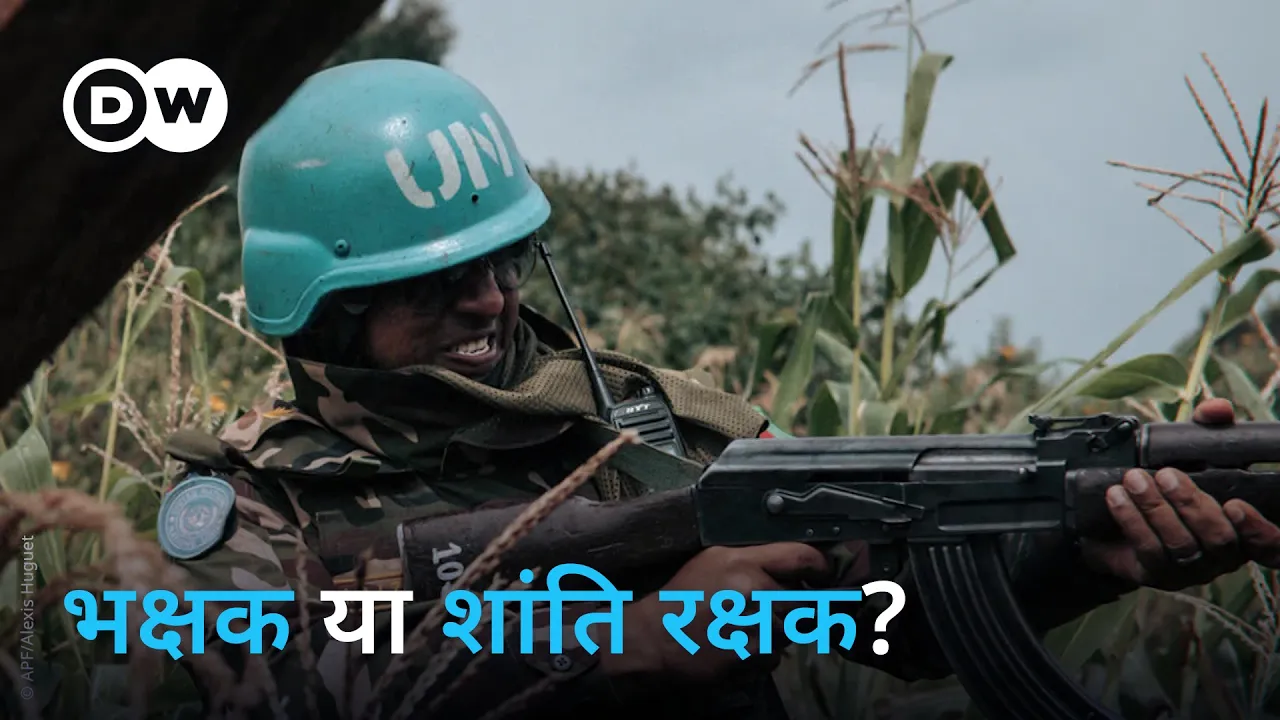














This documentary investigation reveals that the United Nations has failed to prevent peacekeepers from countries like Bangladesh and Sri Lanka, whose security forces have been implicated in severe human rights abuses including torture and extrajudicial killings, from participating in peacekeeping missions; despite clear recommendations from UN committees in 2019 to exclude members of Bangladesh's Rapid Action Battalion (RAB) from peacekeeping due to credible allegations of torture and extrajudicial killings, the UN's vetting system has proven ineffective, allowing over 100 former RAB officers to be deployed internationally, highlighting how financial incentives and geopolitical considerations sometimes override human rights concerns in peacekeeping operations.
UN Peacekeeping: Bangladesh, Sri Lanka Human Rights Violations Exposed
Added:These officers were deployed as peacekeepers for the United Nations.
Even after they served in a unit that kills and tortures.
This is deplorable, no doubt.
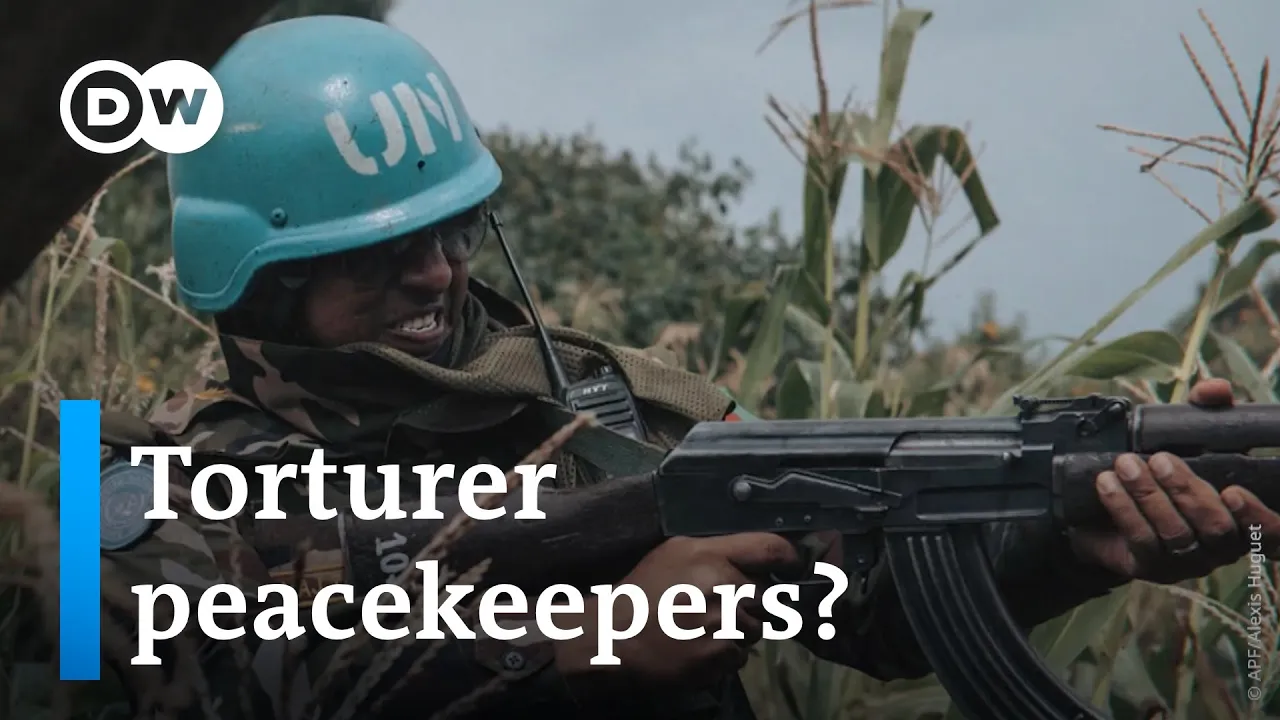
Following a tip, we looked into soldiers who served on UN missions to protect the world's most vulnerable.
What we found was worrying: We get some really pretty useless troops and some pretty brutal ones as well.
With this investigation, we can reveal that Bangladesh and Sri Lanka deployed peacekeepers implicated in grave human rights abuses.
I bear witness to multiple extrajudicial killings, including cold-blooded killing.
And that the UN seemingly turned a blind eye.
This is impunity writ large and nobody has done anything to stop that.
Which poses the questions: How was that possible and is it still happening?
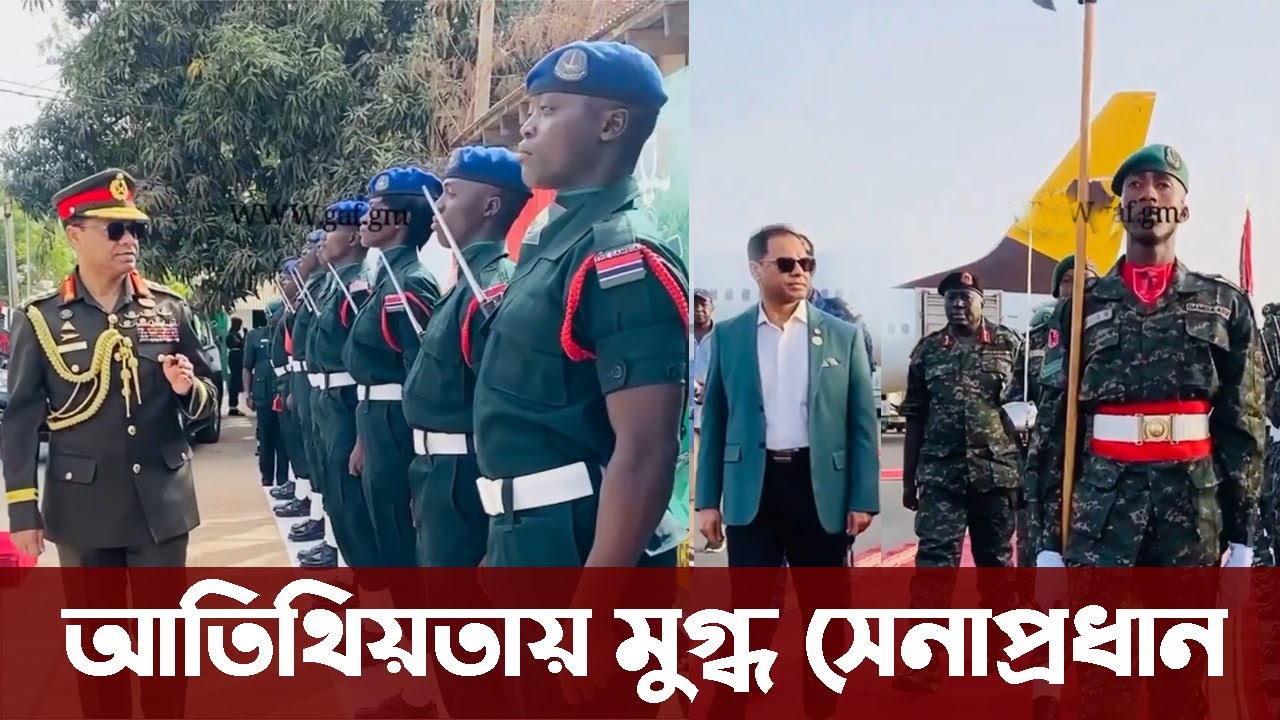
We're in Bangladesh - one of the largest contributors of troops to UN missions.
Not far from the capital Dhaka lies Bangladesh's UN training grounds – BIPSOT.
After onerous background checks, we're allowed to visit the compound, where Bangladeshi soldiers prepare for their next deployment as UN peacekeepers.
The soldiers, we are told, will soon be sent to South Sudan.
One of ten UN-missions where nearly 6,000 Bangladeshi troops are currently deployed.
Their mandated task actually is protection of the civilians and then they will create conditions favorable for actually conducting different humanitarian activities.
Our visit is carefully orchestrated.
At no time are we allowed to speak with any soldiers directly.
Instead, their superiors answer our questions about UN deployments.
Of course Bangladesh has enough volunteers to contribute to peacekeeping operations - This is a matter of pride for us and we have enormous people willing to contribute in peacekeeping operations.
A matter of pride - but also a lucrative one, both for individual soldiers and Bangladesh: UN peacekeepers receive higher salaries than they do back home - and the UN reimburses countries for their equipment.
According to government officials here, Bangladesh has received more than 2.5 billion USD over the past 23 years.
As a nation of peacekeepers, I can assure you that we will always be the key contributor in the peacekeeping affairs of the UN.
But the image the generals are so carefully trying to present during our visit - is only one side of the story.
For years, human rights groups and political leaders have warned of wide-spread abuse by Bangladesh's security forces, the exact entities that make up the peacekeeping forces.
And one group is of particular concern: The Rapid Action Battalion - RAB - an elite force founded to fight terrorism and crime.
In 2023, we revealed - what the government continues to deny – that RAB murders, abducts and tortures with the complicity of the highest political level.
After their stint in RAB, officers are often sent on highly paid UN deployments, as a former RAB commander confirmed to us.
He was personally involved in human rights abuses and later deployed to a UN mission.
As far as I know, everybody goes to peacekeeping after serving in RAB.
For months, we tried to verify his claim and find out more about the extent of RAB's involvement in peacekeeping.
Military sources helped us get in touch with another former RAB officer who was willing to talk to us.
Presently I am deployed as peacekeeper here is my UN identity card.
This is a sketch of a video confession the man recorded for us while on a mission in Africa.
We corroborated his identity but his condition for talking to us that we neither revealed his face nor voice.
While serving at Rapid Action Battalion I bear witness to multiple extrajudicial killings, including cold-blooded killing of several young men.
Also, on multiple occasions I have witnessed politically motivated abductions.
He went into gruesome details of specific killing operations he was involved in.
After the bullet hit his skull some blood and brain fragments of that individual splashed on my uniform… UN peacekeeping missions cannot have amongst them officers who may have been responsible for these kinds of very serious abuses.
That defeats the purpose of peacekeeping.
The purpose as it was defined almost 8 decades ago: It was after the horrors of the second world war that the idea of peace missions was born.
A force for good at the behest of the international community.
Let us see if we, in our own time, can move the world to a just and lasting peace.
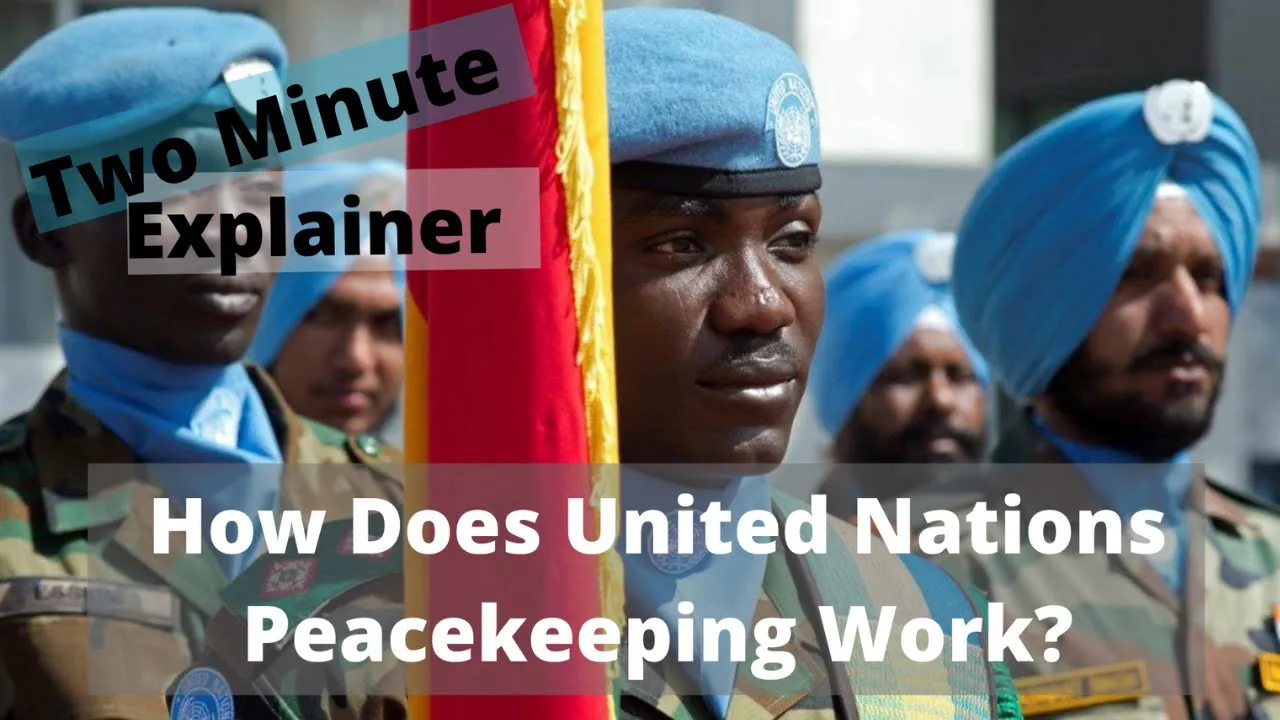
Until today, some 2 million soldiers have served under the blue flag - in more than 70 missions.
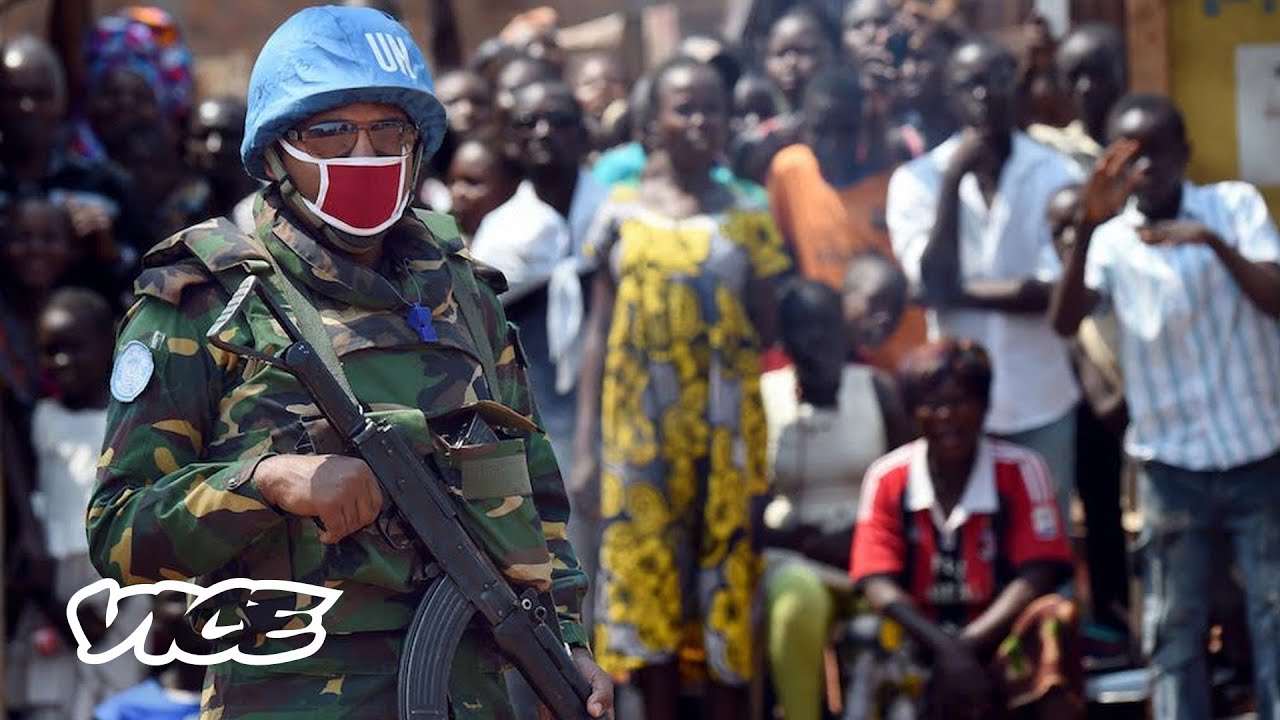
At times, peacekeepers have been the last bastion for civilians when their states fail.
They protect hundreds of thousands civilians, support political solutions to conflict and help preserve ceasefires.
But over the years, peacekeeping has faced growing criticism and even violent protests.
Peacekeepers have been embroiled in scandals, involving sexual abuse and corruption - which the UN has been swift to condemn.
Successful peacekeeping requires the highest standards of conduct by our United Nations peacekeepers, both civilian and uniformed.
But what happens if peacekeepers have served in notorious units like the Rapid Action Battalion?
We went to Copenhagen to meet a man who, on behalf of the UN, looked into human rights abuses by Bangladeshi security forces.
My name is Jens Modvig. I was a member of the Committee Against Torture and also the rapporteur on Bangladesh.
Modvig and the other Committee's experts were appointed by the UN.
Their report on Bangladesh published in 2019 stated that they were “gravely concerned” that members of RAB “have been credibly alleged to have committed torture, arbitrary arrests, unacknowledged detention, and extrajudicial killings of persons in their custody.” The recommendation was that former and current members of RAB should not be allowed to do service in peacekeeping operations.
So in 2019, there was a clear recommendation to exclude members of RAB.
And what happened after the report was published?
As far as we could tell: nothing.
We checked officers' social media accounts and analyzed hundreds of photos and found more men who went from RAB to peacekeeping.
Classified military personnel files and UN deployment lists helped us identify more than 100 former RAB officers.
40 of them were deployed after the Committee's report was published.
And there were three we zeroed in on, because of their particular positions within RAB: Nayeem A., Masud R. and Hasan T.
For legal reasons, we cannot show their faces.
Before going on mission, all three of them worked for RAB's infamous Intelligence Wing - two of them even as deputy directors.
Our sources confirmed that the Intelligence Wing supports killing operations, and runs a secret network of torture cells, hidden deep within many of RAB's compounds.
Several RAB commanders described to us how the unit tortures.
I saw a device to interrogate people by pulling them up with a hook.
Other cells have equipment for waterboarding.
RAB calls this method “water therapy”. It can be used to make people talk.
So these men, who were part of a unit that routinely tortures, why didn't anyone stop them from becoming peacekeepers?
To understand that, we took a closer look at the UN’s vetting system: Generally, it is up to the countries that send troops to select and vet the majority of them: But after several sexual abuse scandals involving peacekeepers, The UN in 2012 implemented a new human rights policy.
Governments now have to certify that nominated soldiers have not committed, or are alleged to have committed, “any criminal offense or any violation of international human rights law or international humanitarian law.” So for each of these five men, who were most likely involved in serious abuses, Bangladesh must have signed this form.
What is happening right now is that they are asking an abusive government to then decide which officers are abusive or not.
Since we know that there is no accountability mechanism or even an interest in holding people to account for human rights violations, that process is not working.
We would have liked to ask the UN Department of Peacekeeping Operations in New York about our findings but our numerous requests for an on-camera interview were declined.
In a written response a spokesperson stated: “We do not have the resources and the information to screen each and every person.
The vast majority of troops perform well, despite many of them operating with limited resources in challenging environments.“ If Bangladesh was seemingly able to circumvent the policy, might other countries be doing the same?
In London, we met this woman who has been exposing human rights violations for years.
I'm Frances Harrison.
I run the International Truth and Justice Project, which is an organization that collects evidence around the end of war and post-war violations in Sri Lanka.
Her laptop is full of photos and testimonies that document the atrocities committed during Sri Lanka's decades-long civil war.
In 2009, the war between the Sri Lankan army and the Tamil Tigers drew to a particularly vicious end.
Both sides committed horrific human rights abuses.
Until today, there has been barely any accountability.
Harrison alerted us to this photo.
The man pointing at the bodies is General Shavendra Silva.
He commanded an infamous unit that the UN says committed war crimes.
Nevertheless ten years later, the Sri Lankan government promoted Shavendra Silva to a top position.
That of Army Chief.
As such, he was responsible for the deployment of hundreds of peacekeepers.
Following an international outcry, the UN announced it would suspend Sri Lankan army deployments… Except quote: “where suspension would expose U.N. operations to serious operational risk.” So the UN left a door open and indeed, almost nothing changed.
The UN's own figures show that in 2019, Sri Lanka sent 687 peacekeepers and one year after Silva's appointment, it was still sending 665 troops.
So there's been zero impact.
And it says that peacekeeping operations are not prioritizing human rights in the way that they're deploying.
And then they promise to do something and then they fail to fulfill that promise.
And there's more: Harrison tells us how she repeatedly alerted the UN to several Sri Lankan peacekeepers who were likely involved in atrocities committed during the war.
In 2019, she raised the alarm about a high-ranking military officer: Colonel Srinath G., who was about to be deployed.
Given his regiment and all the information we could dig up on him, we thought there was a reasonable risk that he was involved in that conflict at a time when there were widespread violations of international humanitarian law.
But the UN didn't seem to take her warnings seriously.
In fact, only days after Harrison had alerted them, Srinath G. was deployed as Contingent Company Commander in Mali.
And who saw him off? General Shavendra Silva - the alleged war criminal.
Can you imagine what that's like for victims of the civil war, of the violations, then, to see that?
This is impunity writ large and nobody has done anything to stop that.
UN Peacekeeping told DW that it had taken these allegations seriously but found no information that indicated that Srinath G.
had been responsible for violations.
If I was still in the UN, I probably wouldn't be able to be this frank and to say we get some really pretty useless troops and some pretty brutal ones as well.
During our research we talked to many sources within the UN.
But this former official in Berlin was the only one willing to go on the record.
My name is Andrew Gilmour.
I was the UN Assistant Secretary General for Human Rights from 2016 to 2019.
As such, he has first-hand knowledge of what happens when the UN pushes countries to exclude alleged human rights abusers.
We have tried that in countries and they really hardball and one country that was really important, literally said, OK, we're going to pull out all together.
And the UN Secretary General at that time, had to go basically to that country and essentially apologize to the head of state.
Otherwise, like, 4 UN peacekeeping operations would have collapsed.
He wouldn't tell us which country and stressed that the UN does what it can.
But his testimony points to one thing: When it comes to peacekeepers, the UN seems susceptible to blackmail.
It's not as if the UN can say, OK, we'll take this group because we think this country respects human rights.
And I'm sorry guys, we're not going to take you. They don't have that option.
There's a reason for this. Faced with dangerous and often deadly missions, Western governments have increasingly pulled their troops out of peacekeeping operations.
Instead, they prefer to pay for them, leaving it to countries like Bangladesh, Pakistan, Egypt or China Many of which are known to have abusive security forces.
There are such situations where literally thousands of people could be killed in the absence of UN peacekeepers.
Which when you have to balance it, things, perhaps sending two or three bad apples is a less bad option than thousands of people getting killed.
That's quite a shocking admission, isn't it, sending two or three bad apples.
I mean, let's look at what these bad apples from Sri Lanka have done.
It will obviously be very difficult to have faith in the peace that such a mission will create.
In Bangladesh, officials spurn all criticism, as well as the demand to exclude RAB from peacekeeping.
In an interview recently aired by a pro-government channel, a high-ranking member of Bangladesh's government had a clear message for those who had criticized their peacekeepers.
Whether they are congressman or senator, or president, prime minister or foreign minister of a country… they are our enemy.
No one can really predict if Bandladesh would actually withdraw its peacekeepers from the UN's lucrative missions.
The Generals at Bangladesh's UN training compound repeatedly evaded any critical questions with carefully scripted answers and preferred to talk about plans to extend Bangladesh's commitment to peacekeeping.
I would gladly like to share with you that UN headquarter has requested us to be the coordinator for a peacekeeping network for the countries of the South Asian region. That is in progress.
All this bears the testimony of how we are valued in the world.
So Bangladesh may even deploy more troops, recruited from security forces that are known to have committed abuses.
Until today, the UN Department of Peacekeeping Operations has never openly criticized Bangladesh.
After months of investigating, we found that this is the high price the UN is apparently willing to pay to maintain its peacekeeping missions.
Up Next

Hagia Sophia Forum: Byzantine History, Conservation & Politics
@CantorArtsCenterStanford
902 views•2020-10-27

BRICS Pay and de-dollarization: A New Financial Order Emerges? | 55 chars
@DannyHaiphongYT
164.6K views•2024-10-22

Government Surveillance Methods: 10 Ways You May Be Watched
@BeAmazed
1.6M views•2017-04-09
Explaining the Saudi-Iranian Proxy Conflict in the Middle East
@Vox
18.2M views•2017-07-17
Related Study Plans & Knowledge Roadmaps
Structured learning paths in Political Science